

Trading Candlestick Patterns for Nigerian Traders
📈 Discover how to spot key candlestick patterns for stocks, forex, and crypto. Learn practical strategies and risk tricks tailored for Nigerian traders' market realities.
Edited By
James Foster
Japanese candlestick patterns serve as a vital tool for traders and investors aiming to grasp market behaviour. Unlike traditional bar charts, candlesticks illustrate price movements with clear visual cues by mapping open, high, low, and close prices within a specific time frame. This approach allows traders to quickly spot trends and potential reversals.
For Nigerian traders, understanding candlestick patterns is particularly valuable because Nigeria’s markets—both local equities and Forex—are often volatile, influenced by global factors and local economic conditions like naira fluctuations or fuel subsidy changes. Candlesticks give you an edge by showing market sentiment in a concise format.
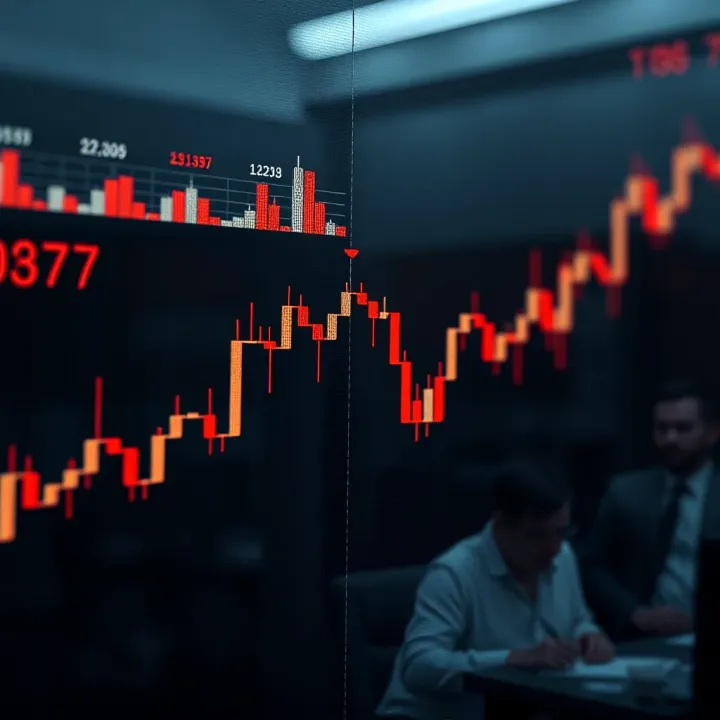
Key patterns include the Hammer and Shooting Star, which identify potential reversals, and Doji, signalling indecision. Recognising these on charts can help you know when to enter or exit trades. For example, spotting a Hammer after a downtrend usually hints at a bullish reversal, alerting you to buy or reduce short positions.
Remember, no pattern guarantees success but they improve your odds when combined with solid risk management.
Free PDF resources serve as accessible tools for those serious about deepening their candlestick knowledge. Many reliable guides break down complex patterns into easy-to-understand segments, complete with examples and exercises. These materials are handy for self-paced learning and can be accessed offline, which suits traders who may not always have stable internet.
To get the most from these PDFs, use them alongside your trading platforms like MT4 or MT5, where you can apply theories in real time. Take notes and compare patterns you spot on local stocks such as MTN Nigeria or Dangote Cement to the examples in the PDFs.
In summary, mastering Japanese candlestick patterns empowers Nigerian traders to make smarter decisions amid market uncertainty. Start with simple patterns, use free PDFs for structured learning, and consistently practise on local and international markets to sharpen your skill.
Next, we will explore the most common candlestick patterns and their practical applications for Nigerian markets.
Understanding Japanese candlestick patterns is vital for traders aiming to read market trends with precision. These patterns offer a visual snapshot of price action within a specific period, helping investors predict potential market movements. In this article, we focus on practical skills traders in Nigeria and beyond can adopt to sharpen their trading strategies using these tools, supported by free PDF resources for deeper learning.
Japanese candlestick charts date back to the 18th century, developed by rice traders in Japan to monitor price fluctuations effectively. Munehisa Homma, a legendary rice trader, is credited with perfecting this method to grasp market sentiment and make better trading decisions. This technique was introduced to the Western trading world only in the late 20th century but remains a cornerstone of technical analysis.
The historical background is more than a story; it shows how traders depended on clear visual cues to anticipate market direction long before computers existed. For Nigerian traders, learning this tried-and-tested method helps bridge modern market analysis with centuries-old wisdom, adding a layer of confidence and familiarity.
Candlestick charts combine multiple pieces of information in a compact visual format: opening, closing, high, and low prices for a given time. This all-in-one approach allows traders to quickly assess market conditions, such as bullish or bearish trends and reversals, without switching between multiple chart types.
Compared to simple line charts, candlesticks provide richer insights, especially in volatile markets like forex or cryptocurrency, popular in Nigeria. They highlight market psychology more clearly — for example, whether buyers or sellers dominated during a session. Many traders find this clarity crucial for making timely decisions in fast-moving markets.
A candlestick comprises two main parts: the body and the wicks (also called shadows). The body represents the price range between the opening and closing values. If the closing price is above the opening, the body usually appears hollow or green, signalling upward movement; if it’s lower, the body is filled or red, indicating a decline.
The wicks extend from the body to the highest and lowest prices reached during the session. These show price rejection or volatility outside the opening-close range. For example, a long upper wick with a short body might suggest sellers pushed price down after buyers initially gained control.
Each price point tells a story: the open shows where trading began, the close reveals where it ended, while the high and low mark extremes within that period. For instance, in a daily candlestick for an NSE stock, a high close near the session’s high suggests strong buyer interest, whereas a close near the low could warn of selling pressure.
Interpreting these correctly can guide entry and exit points. If a candlestick closes near its low but with a long lower wick, it might signal a potential rebound as buyers step in at cheaper prices. Such insights help Nigerian traders navigate local market quirks and improve timing.
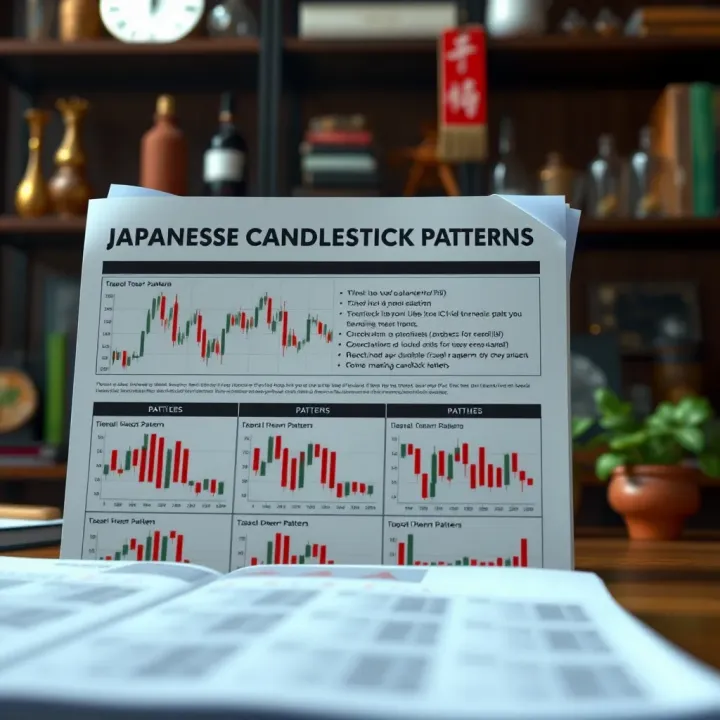
Candlestick patterns are not just shapes; they are market sentiment decoded. Knowing how to read them is key to successful trading, turning complex price action into straightforward signals.
By grounding our understanding in the history and structure of Japanese candlesticks, traders can better appreciate their practical value. This foundation supports smarter use of free PDF guides and enhances application in real markets, especially within Nigeria’s unique trading environment.
Understanding common candlestick patterns is key for traders aiming to make sense of market movements. These patterns offer clear signals about potential trend reversals or continuations, helping traders decide when to enter or exit trades. Mastering these patterns keeps you ahead by recognising shifts before price changes become obvious.
Doji: Meaning and Significance
A Doji forms when an asset's open and close prices are almost equal, creating a cross or plus-like candle. This pattern signals market indecision, where neither buyers nor sellers dominate. In practical terms, a Doji appearing after a strong trend could hint at a possible reversal or a pause, prompting traders to watch closely for confirmation.
Hammer and Hanging Man
Both have small bodies with long lower shadows but appear in different contexts. The Hammer, found at the bottom of a downtrend, indicates strong buying pressure after sellers pushed prices down — a cue for potential upward reversal. Meanwhile, a Hanging Man appears after an uptrend, warning that sellers might be gaining a foothold, possibly foreshadowing a dip.
Shooting Star and Inverted Hammer
These candles have small bodies and long upper shadows. A Shooting Star at the top of an uptrend suggests buyers tried to push prices up but lost control, hinting at a bearish reversal. On the other hand, an Inverted Hammer emerging after a downtrend signals that buyers are starting to challenge sellers, possibly leading to an uptrend.
Bullish and Bearish Engulfing
In a Bullish Engulfing pattern, a small bearish candle is followed by a larger bullish candle that completely covers it, showing strong buyer domination — a clear buy signal especially when appearing after a downtrend. Conversely, a Bearish Engulfing pattern features a large bearish candle engulfing a smaller bullish one, indicating sellers gaining control and hinting at a probable price drop.
Morning and Evening Star
Morning Star is a three-candle pattern signalling bullish reversal. It starts with a long bearish candle, followed by a small-bodied candle showing indecision, then a strong bullish candle pushing prices higher. Evening Star is its bearish counterpart: a long bullish candle, an indecision candle, and a subsequent bearish candle, warning of a downturn.
Three White Soldiers and Three Black Crows
These patterns indicate strong momentum over three candles. Three White Soldiers, three consecutive bullish candles with increasingly higher closes, signal strong upward trend continuity. On the flip side, Three Black Crows show three straight bearish candles closing lower each time, suggesting sustained selling pressure and a continuing downtrend.
Recognising these candlestick patterns enables traders to anticipate market moves more reliably, making trading strategies more informed and less guesswork. Nigerian traders can combine these patterns with local market insights and technical tools for sharper decision-making.
The next step is to combine these patterns with reliable PDF guides, reinforcing your understanding and constantly practising in real market conditions.
Mastering Japanese candlestick patterns requires consistent learning and practice. Using carefully selected PDF guides can help you organise your study in a structured way, especially when starting out or refining your technical analysis skills. These resources typically break down complex patterns into digestible parts, offering clear explanations and charts you can revise offline. For Nigerian traders balancing busy schedules, having reliable PDF materials means you can study anywhere—on a bus, at the barbing salon, or during breaks—without depending on internet access.
Finding trustworthy PDF guides is vital to avoid outdated or incorrect information. Authoritative websites, such as those run by established trading academies, financial education platforms, or well-known brokers, often provide free downloads. For instance, platforms like Investopedia, Babypips, and some Nigerian fintech education hubs offer quality candlestick pattern PDFs with practical examples tailored to various markets. These sources ensure you get up-to-date patterns verified by market professionals.
Before downloading, check the publication date to avoid obsolete data. Verify the credibility of the website and author—research their background or user reviews if available. Also, confirm the file size and format for compatibility with your devices. PDFs crowded with ads or requiring excessive permissions should be avoided to protect your device security. A reliable PDF should be easy to navigate, ideally with a table of contents and clear illustrations of each candlestick pattern.
Adopt a step-by-step study approach to grasp candlestick patterns well. Start by understanding single candlestick patterns like Doji or Hammer before progressing to multi-candle formations like Morning Star or Engulfing patterns. Take notes alongside your reading, highlight key points, and summarise pattern characteristics in your own words. This breaks down learning into manageable portions rather than overwhelming you.
Combine your PDF study with live market observations for maximum impact. Use charts from Nigerian Stock Exchange (NSE) equities, forex pairs popular in Nigeria like USD/NGN, or cryptocurrencies traded on local platforms. Try to spot patterns in real-time or review historical price movements to see how the PDF explanations translate in practical scenarios. This hands-on practice builds pattern recognition skills, top-grade analysis, and better trading decisions.
Consistent use of well-chosen PDF guides together with live chart practice develops a trader’s confidence and helps reduce costly mistakes in volatile markets.
By following these guidelines, Nigerian traders can leverage free PDF resources fully, turning theoretical knowledge into practical trading advantages.
Understanding how to apply Japanese candlestick patterns within the Nigerian trading environment is essential for improving decision-making and capturing market opportunities more effectively. Nigerian traders can gain a clearer sense of price action by interpreting candlestick signals alongside local market nuances, such as naira volatility and sector-specific developments.
The Nigerian Stock Exchange (NSE), now known as NGX, offers a wide range of equities where candlestick patterns can provide practical insights into trending or reversal movements. Traders typically look at mid-cap and blue-chip stocks like Dangote Cement, MTN Nigeria, and Nestle Nigeria, where volume and liquidity are sufficient to trust pattern signals. For instance, spotting a bullish engulfing pattern on Dangote Cement’s daily chart often points to buying interest pulling prices up after a dip, suggesting a chance to enter or add to a position.
Using candlestick charts to track the NSE helps investors spot entry and exit points within Nigeria’s sometimes volatile market. The patterns reflect the tug between buyers and sellers and frequently offer early warnings ahead of major corporate announcements or macroeconomic shifts, such as changes in CBN's monetary policy.
While candlestick patterns show price behaviour, combining them with other technical tools sharpens trading decisions. Nigerian traders tend to supplement candlestick signals with indicators like the Relative Strength Index (RSI) or Moving Averages to confirm momentum or trend strength. For example, a hammer candle forming at a support level combined with an RSI reading below 30 strongly suggests a potential price rebound.
This blend of tools reduces false signals common when relying on candlesticks alone. Additionally, volume analysis can validate patterns by revealing whether price changes are backed by significant trading activity – crucial in markets like NSE where daily volume can vary markedly.
Nigerian forex traders often eye currency pairs involving the US dollar, euro, and the British pound due to Nigeria’s extensive trade and remittance links with these economies. Pairs such as USD/NGN, EUR/USD, and GBP/USD are particularly popular. Using Japanese candlestick patterns helps traders make sense of abrupt moves caused by local events like fuel subsidy changes or global factors like US Federal Reserve decisions.
For example, a bearish engulfing pattern on the USD/NGN chart might hint at naira strengthening after a period of pressure, signalling short-term trading opportunities against the dollar. Having candlestick knowledge equips traders with an edge when pivots and breakout levels coincide with key economic releases in Nigeria or abroad.
The growing interest in cryptocurrency trading among Nigerians demands understanding price action on volatile crypto charts. Nigerian traders actively trade Bitcoin (BTC), Ethereum (ETH), and lesser-known tokens. Candlestick patterns are extremely useful here because crypto markets operate 24/7 and exhibit sharp price swings.
Patterns like the morning star or three white soldiers can indicate sustained rallies, guiding traders on when to hold or exit. Still, crypto’s high volatility means candlestick signals should be paired with risk management principles—such as setting tight stop losses. Nigerians trading crypto through platforms like Luno or Binance benefit greatly by combining candlestick insights with global market news, ensuring smarter timing in this fast-moving space.
Candlestick patterns remain effective tools across Nigerian financial markets, whether equities, forex, or crypto. The key lies in integrating patterns with local market context and other technical indicators for practical trading decisions.
By mastering how to use these patterns specifically on Nigerian assets and popular international markets, traders position themselves to respond swiftly and confidently to changing conditions.
Mastering Japanese candlestick patterns requires more than just recognising shapes on a chart. Practical tips help traders avoid pitfalls that can lead to losses and improve their ability to read market signals accurately. For Nigerian traders navigating NSE or forex markets, applying these tips solidifies the foundation for smarter trading decisions.
Over-reliance on one pattern: Many traders fall into the trap of trusting a single candlestick pattern too much. For instance, seeing a hammer pattern might trigger a buy decision immediately without considering overall market context or volume. However, candlestick patterns work best combined with other indicators, such as moving averages or Relative Strength Index (RSI). Relying solely on one pattern can cause false signals, leading to unnecessary risks.
Trading without confirmation: Jumping into a trade just because you spot a bullish engulfing or morning star pattern is risky without confirmation. Confirmation means waiting for the next candle or additional technical signals to verify the trend reversal or continuation. For example, if a bullsih engulfing appears during a downtrend on an NSE stock but the next candle closes lower, the signal is weak. Nigerian traders should pair candlestick signals with volume, trendlines, or support and resistance levels before making a move.
Regular review using PDFs and charts: To truly understand candlestick patterns, revision is key. Using free PDF resources repeatedly while reviewing live charts helps cement pattern recognition and interpretation. Nigerian traders benefit from revisiting guides frequently, especially during different market conditions, to see how patterns behave in various contexts. This ongoing practice builds intuition and sharpens predictive ability.
Keeping a trading journal for pattern tracking: Maintaining a detailed journal records when specific candlestick patterns appear, the context, and outcomes of trades based on those signals. This disciplined approach helps traders spot their strengths and weaknesses over time. For example, if a trader notices that patterns perform better during particular market hours or with certain sectors on the NSE, they can tailor their strategy. Journalling also discourages impulsive trades and supports continuous improvement.
Mastering candlestick patterns takes patience and a steady process of study, practice, and reflection. Avoid shortcuts by combining knowledge with a disciplined trading routine.
Incorporating these tips will help you rise above common mistakes and gradually turn candlestick patterns into reliable tools for your trading success in Nigeria's dynamic markets.
📈 Discover how to spot key candlestick patterns for stocks, forex, and crypto. Learn practical strategies and risk tricks tailored for Nigerian traders' market realities.
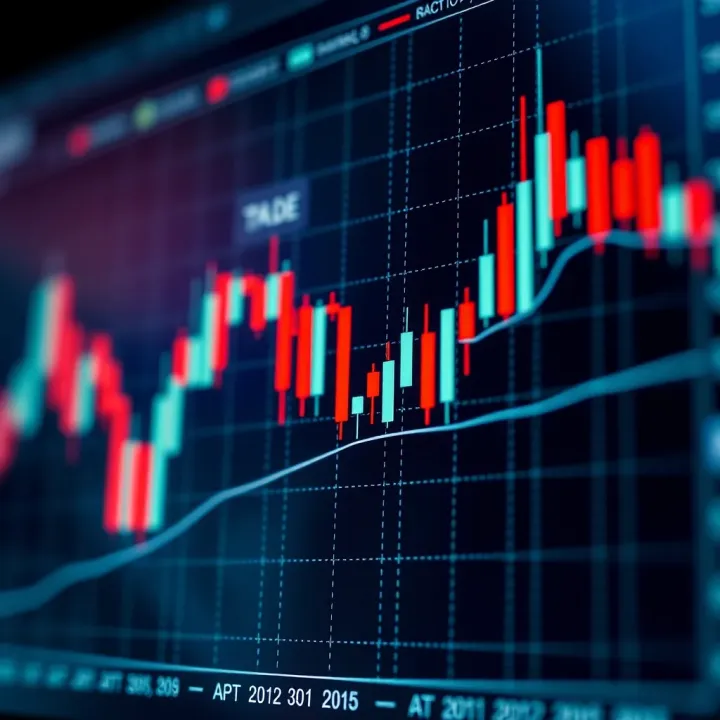
📈 Explore a complete guide to major candlestick patterns in trading! Learn how they form, their market impact, and tips for smarter trading in Nigeria and beyond.
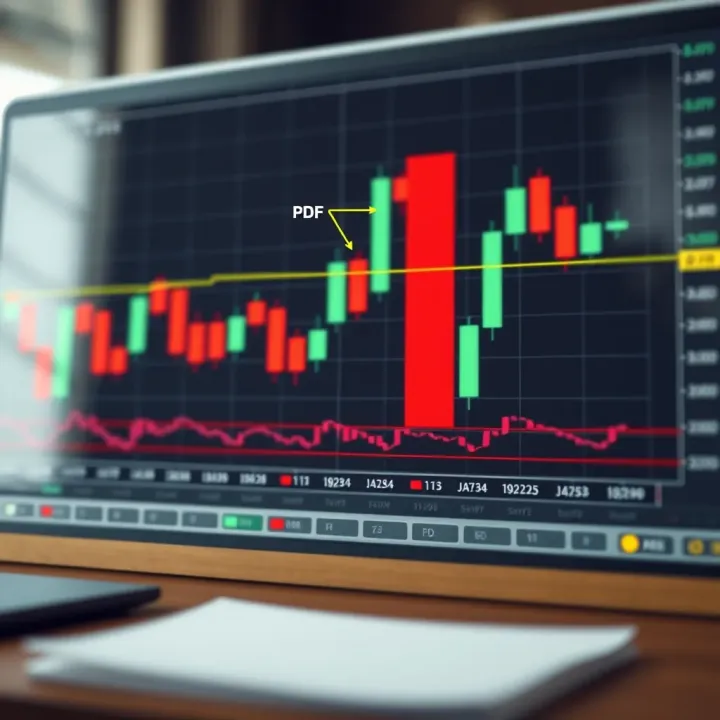
📈 Learn key candlestick patterns for smarter trading decisions! Discover practical tips and handy PDF resources to analyse markets like a pro. 📊
📈 Discover powerful candlestick patterns with our detailed guide—learn how to spot, interpret, and trade them confidently. Includes a handy PDF with 35 key patterns!
Based on 14 reviews