
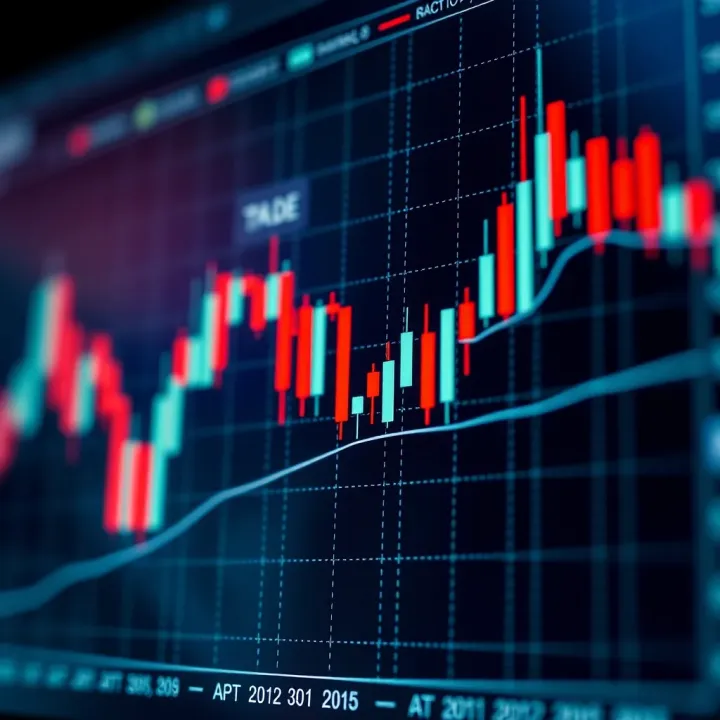
Guide to Candlestick Patterns for Trading
📈 Explore a complete guide to major candlestick patterns in trading! Learn how they form, their market impact, and tips for smarter trading in Nigeria and beyond.
Edited By
Isabella Gray
Candlestick patterns are a popular tool in trading, helping traders read market sentiment and make better decisions. They offer more than just price points; these patterns give insights into potential market moves by showing the psychology of buyers and sellers.
Understanding these patterns is like having a map in the trading world—you can spot opportunities and risks faster. This is especially useful for traders in fast-moving markets like Nigeria’s stock exchange, where prices can swing quickly based on news or trends.
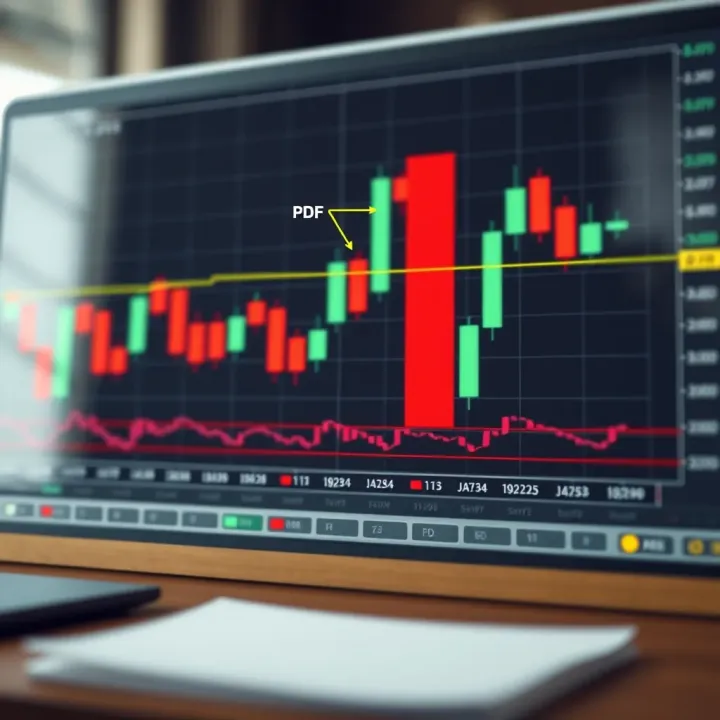
This guide breaks down key candlestick patterns, explains how to interpret them, and points out useful PDF resources for quick reference and study. Whether you’re a rookie trader or an experienced analyst, mastering these patterns can sharpen your market analysis and improve timing.
"Knowing what the market’s telling you through candlesticks is like reading between the lines—sometimes, the story beneath the price is what matters most."
In the sections ahead, we’ll cover essential candlestick formations, how they relate to market behavior, and practical examples that show these patterns in action. We’ll also look at how traders can download and use PDFs of candlestick charts to reinforce learning and keep handy references during trading sessions.
Let’s get started by looking at what candlestick charts really show and why they matter in the Nigerian and global markets.
Grasping candlestick patterns is foundational for anyone looking to make sense of market movements. These patterns give traders a kind of shorthand to interpret what’s happening with prices over specific periods, making it easier to decide when to enter or exit trades. Imagine you're watching a football game and certain moves by players hint at what might come next; candlestick patterns work similarly, signaling possible price directions.
Candlestick charts are a popular way of visualizing price action. Each candle represents the price movement for a given time frame—could be a minute, an hour, or a day. Traders like these charts because they pack a lot of info into a simple visual: open, close, high, and low prices. This helps cut through the noise seen in line charts and gives a clearer picture of market sentiment.
For example, if a candle is long and green (or white in some charts), it usually means buyers controlled the price during that period. Short candles or candles with long shadows can suggest indecision or volatility. Learning to read these at a glance can give a trader an edge in fast-moving markets.
Every candlestick has four main price points. The open is where the price started in that period, and the close is where it ended. The high is the highest price reached during that timeframe, and the low is the lowest. Together, these points form the body and wicks (or shadows) of the candle.
Understanding these components is key because they tell a story. A candle with a close above its open shows bullish pressure, while the opposite suggests bearish control. The size of the wicks also speaks volumes about testing support or resistance levels.
Traders depend on candlestick patterns since they offer quick, visual clues about market direction and momentum. Instead of digging through reams of data, these patterns condense important information into shapes. This can speed up decision-making and reduce guesswork.
For instance, spotting a "Hammer" candle in a downtrend might hint at a potential reversal, signaling traders to prepare for a bounce. This quick recognition is why many prefer candlesticks over traditional bar or line charts.
Though not foolproof, candlestick patterns can provide clues about future price action. When combined with other analysis like volume or support/resistance, they help anticipate market moves more reliably.
Take the "Bullish Engulfing" pattern: it happens when a small bearish candle is followed by a larger bullish candle, completely covering the previous one. This setup often suggests buyers gaining strength, potentially pushing the price higher. Using patterns carefully can help traders manage risk and avoid jumping into trades blindly.
Keep in mind, no pattern guarantees a result. These are tools to increase your odds, not crystal balls.
By understanding what these patterns represent and why traders use them, you’re better prepared to read the market’s subtle signals and improve your trading decisions.
Understanding bullish candlestick patterns is essential for traders aiming to spot potential upward price movements early. These patterns act like early warning signs that buyers are gaining strength, turning the market mood from gloom to optimism. Recognizing these signals helps traders time their entries better and potentially ride a profitable trend.
The hammer pattern is a standout single-candle signal showing that sellers pushed prices down during the session, but buyers fought back hard, closing near the high. Picture it as a hammer striking the market floor to reverse a downward trend. It stands on a small body with a long lower shadow, typically occurring at the bottom of a downtrend. This setup hints at a possible bullish reversal, making it a handy tool for traders to spot potential buying opportunities.
For example, if a stock like MTN Nigeria dips sharply but closes near its high, forming a hammer, it can signal a shift as buyers regain control. But remember, confirmation matters—watch the following candle to see if it pushes higher.
Similar to the hammer but flipped upside down, the inverted hammer sports a small body with a long upper shadow. It means buyers tried to push prices up, but sellers pulled back near the close. This struggle near the bottom of a downtrend can signal weakening selling pressure and a potential rally ahead.
Say a commodity like Nigerian crude oil charts an inverted hammer after several bearish sessions. It may suggest a pause or reversal because buyers tested higher prices successfully, even if they couldn't hold it fully that day. Follow-up price action will tell if the optimism is real.
This pattern involves two candles: the first is bearish, followed by a larger bullish candle that fully swallows the previous day’s body. It’s a loud message from buyers who took over the market momentum decisively.
For instance, consider Airtel Nigeria shares on a losing streak, then suddenly you see a bullish engulfing pattern. That indicates buyers entering aggressively, hinting at a possible trend reversal. Traders often find it more reliable than single-candle signals because it reflects a clear shift in control.
The morning star is a three-candle formation that’s a favorite with many traders. It starts with a long bearish candle, followed by a small-bodied candle signaling indecision (could be a Doji), and finishes with a strong bullish candle moving into new territory.
Think of this as the market stretching too far down, catching a breath, then charging forward with fresh buying energy. Nigerian stock markets can show the morning star after market dips due to external shocks. Recognizing this pattern allows traders to anticipate bounces when fundamentals suggest recovery.
Recognizing these bullish candlestick patterns helps traders make smarter decisions by confirming shifts from sellers to buyers. Always combine these signals with volume analysis or support levels to avoid getting caught in false moves.
By understanding and correctly identifying these patterns, traders can better position themselves in anticipation of bullish trends, improving the odds of profitable trades.
Recognizing bearish candlestick patterns is essential for traders aiming to spot potential downtrends or reversals in the market early. These patterns signal when sellers might be gaining the upper hand, allowing traders to make informed decisions to protect profits or enter short positions. Understanding these indicators helps avoid surprise downturns and sharpens entry and exit timing.
The shooting star is a classic bearish signal that forms after an uptrend. It looks like a candle with a small real body near the day's low and a long upper wick, implying buyers pushed the price up but sellers quickly regained control, dragging the price down before the close. This shift often suggests weakening buying momentum.
In practice, spotting a shooting star near resistance levels is a red flag. For example, if the Naira/USD chart shows a shooting star after a strong rally, it hints that sellers may step in soon, making it a cautious moment for bulls.

The hanging man shares a similar shape but appears after a price rise, marking a potential top. It has a small real body at the top of the trading range and a long lower shadow, indicating sellers tested the market during the session. Buyers managed to push the price back up, but the selling pressure lurking underneath warns of possible trouble ahead.
For instance, if Nigerian bank stocks demonstrate a hanging man pattern, savvy investors might prepare for a pullback or at least tighten stop losses.
This pattern features a small bullish candle followed by a larger bearish candle that completely covers the previous day's gains. It’s a strong signal that sellers have taken over from buyers, often leading to a sustained downtrend. The size and engulfing nature provide clear visual confirmation.
An example might be in the Nigerian Stock Exchange market: if a bullish day is immediately followed by a bearish day that swallows the prior gains, traders recognize a potential reversal, signaling a good point to exit long positions or consider shorting.
The evening star is a three-candle pattern signaling a bearish reversal. It starts with a large bullish candle, followed by a small-bodied candle that gaps above the first, showing hesitation. The third candle is a large bearish candle closing well into the first candle's body, confirming the shift in control to sellers.
This pattern's strength lies in its clear depiction of buying exhaustion followed by selling confirmation. For example, when the evening star appears in oil or currency charts relevant to Nigeria’s economy, it hints traders to prepare for prices to drop in the near term.
Bearish candlestick patterns like these act as early warnings. They don’t guarantee market drops, but when combined with volume and trend context, they offer powerful insights to manage risk and time trades more effectively.
In sum, keeping a sharp eye on these bearish formations helps traders avoid walking into traps and positions them to capitalize on short-term price corrections or reversals. Take the time to practice identifying these patterns on your charts, while combining them with other tools like RSI or moving averages for stronger signals.
Understanding neutral and continuation candlestick patterns is essential for traders wanting to interpret market behavior beyond just bullish or bearish signals. These patterns provide insights into market hesitation, balance, or the likely progression of a price trend. Recognizing them helps prevent jumping the gun on trades and better aligns entry or exit points with actual market sentiment.
These patterns aren't about shouting “buy” or “sell” as loudly as some others, but more about those subtle whispers in market action. For example, a Doji signal may tell you traders are unsure who’s really in charge—buyers or sellers—while Spinning Tops show a tug-of-war brewing with no clear winner yet. On the pure trend side, continuation patterns like Rising Three Methods and Falling Three Methods confirm that the prevailing trend could stick around a bit longer, making them handy for traders already in positions or thinking about holding.
A Doji forms when a security’s opening and closing prices are nearly equal, creating a candlestick that looks like a cross or plus sign. This shape signals indecision among traders since neither buyers nor sellers managed to dominate during the session. In practice, spotting a Doji after a strong trending move warns that the momentum might be fading or about to reverse.
For example, if you see a Doji at the peak of a rally, it suggests buyers are losing steam and sellers might take over soon. But on its own, a Doji doesn't guarantee a reversal—context is king. Combining it with other signals like volume drop or RSI readings gives a sharper market picture.
Spinning Tops show a small body with longer upper and lower shadows, illustrating a balanced fight between bulls and bears across a trading period. This pattern portrays indecision and often precedes more significant moves once the market picks a direction.
Imagine watching the Nigerian Stock Exchange where a Spinning Top appears after a steady climb in Dangote Cement shares. This situation may hint investors are hesitant, unsure whether to drive prices further up or cash in on profits. Traders could wait for confirmation before diving in, reducing the risk of falling for a fake breakout.
The Rising Three Methods is a bullish continuation pattern made of five candlesticks: a large bullish candle, followed by a few small bearish or neutral candles trading within the larger candle’s range, then capped by another big bullish candle surpassing the first. This shows that though sellers tried pushing prices down, buyers held firm.
In practical terms, a trader who spots this pattern on a stock like Access Bank might hold onto their position expecting the upward trend to continue, knowing the buyers are still in control despite short-term pullbacks.
The Falling Three Methods is the bearish cousin to the Rising Three Methods, signaling a trend continuation downward. It starts with a big bearish candle, several small bullish or neutral candlesticks confined within the initial candle’s range, and ends with another strong bearish candle closing below the start.
This pattern is especially useful for traders looking at the forex market or commodities like crude oil, warning that sellers are regaining control after a brief pause. In other words, don't get too confident during short upswings; the bigger trend downward is probably sticking around.
Neutral and continuation candlestick patterns like Doji, Spinning Tops, Rising Three Methods, and Falling Three Methods give traders the edge to read market pauses and trend persistence better. Using these with other indicators helps reduce the guesswork and makes trading decisions more thoughtful.
Understanding these subtle signals enriches your trading toolkit beyond just “up” or “down” calls, granting a better fundamental grasp of ongoing market struggles and potential trend paths ahead.
Using PDF guides for candlestick patterns can be a game changer for traders aiming to sharpen their market analysis. These guides offer a straightforward way to keep essential charts and explanations at your fingertips. They come in handy, especially when you're juggling multiple methods or when you want a quick refresher without logging into complex platforms.
PDFs allow traders to quickly flip through different candlestick patterns without sifting through mountains of online content. Imagine you're watching a live market and notice an unusual candlestick formation. Having a PDF guide open means you can instantly compare what you’re seeing to trusted patterns like the Bullish Engulfing or the Evening Star. This kind of instant access takes out the guesswork and supports confident decision-making.
One of the biggest perks of PDF guides is being able to study candlestick patterns anytime, anywhere—no internet needed. Whether you're commuting, sipping coffee at a local café, or even taking a break at work, having a portable file means you can keep polishing your skills on the go. This flexibility suits traders who may not always be glued to their screens.
Not all PDF materials are created equal. Start with PDFs from established financial education sites like Investopedia, BabyPips, or from well-known trading educators such as Steve Nison, the man who popularized candlestick charts in the West. Also, some brokerages provide good educational PDFs that tie directly to live trading platforms.
Before you trust a PDF guide, check that it:
Is authored by a recognized expert or institution. Look for endorsements or credentials.
Includes clear definitions and visuals. Good charts make all the difference.
Provides practical examples, not just theory.
Is up to date. Trading patterns and market dynamics evolve.
A solid PDF guide feels more like a concise toolkit than a textbook. You want something you’d actually pull out when it gets tricky, not something that just collects digital dust.
By choosing the right PDF resources and making them a part of your regular study and reference routine, you’ll add a dependable edge to your trading playbook. It’s one thing to know the patterns theoretically, but being ready to use that knowledge on the fly is where you really win the day.
Candlestick patterns offer a visual snapshot of market sentiment, but their real strength comes when they're blended into a broader trading strategy. Incorporating these patterns effectively means not just spotting the signals but understanding how they fit with other technical indicators and managing risks properly. This integration helps traders avoid false signals and make smarter, more confident moves.
Volume acts like the voice behind price movements. When a candlestick pattern forms, high trading volume adds weight to that signal. For instance, a bullish engulfing pattern accompanied by increased volume suggests real buying interest, making the signal more trustworthy. Without volume confirmation, a pattern might just be a fleeting blip. Traders should look for rising volume as confirmation when a key pattern emerges, as low volume often signals hesitation or lackluster participation.
Support and resistance act like invisible walls, influencing price behavior. Checking whether a candlestick pattern forms near these levels can hint at its strength. If a hammer shows up at a strong support level, it’s more likely to mark a reversal. Similarly, a shooting star near resistance might signal a sell-off. Merging candlestick signals with these levels helps traders identify entry or exit points with better timing and less guesswork.
No trading strategy is complete without a stop loss, especially when relying on candlestick signals that can sometimes give false alarms. Setting stop losses right below the low of bullish patterns or above the high of bearish ones protects capital if the market doesn’t act as expected. For example, after spotting a morning star pattern, placing a stop loss just beneath its lowest candle makes sure you’re not caught off guard if the price falls instead of rising. This discipline keeps losses manageable and prevents emotional decision-making.
Knowing how much to invest on each trade tied to a candlestick pattern is vital. Even if the pattern looks spot on, a big position without proper sizing can lead to heavy losses. Traders should size positions based on their risk tolerance and the volatility of the stock or asset. Say, if trading a volatile currency pair, it’s wiser to go smaller than when dealing with a stable stock. Position sizing helps in spreading risk and maintaining steady growth, rather than swinging for the fences and risking it all on every trade.
Successful trading isn’t just about spotting patterns; it’s about combining them with the right tools and protecting yourself with smart risk management. This approach turns candlestick patterns from simple signals into powerful decision-making tools.
By weaving candlestick patterns into a broader toolkit and handling risk with care, traders stand a much better chance of navigating the market’s ups and downs with confidence.
Reading candlestick patterns may seem straightforward at first glance, but there are several pitfalls that traders often stumble into. Avoiding these mistakes can save you some costly slip-ups. Candlestick signals don't work in isolation; their accuracy depends heavily on how you interpret them within the bigger picture of market behavior.
Candlesticks tell a story, but only when you understand the surrounding chapters. For example, spotting a hammer candle in a strong downtrend might suggest a possible reversal, but if you ignore the overall market volume or recent price action, you risk misreading the signal. Always look at the broader market environment before acting. Consider the timeframe and recent trend behavior — a hammer on a tiny 5-minute chart during a volatile news period isn’t as trustable as the same pattern on a daily chart with steady volume.
Sometimes traders get tunnel vision, putting all their faith in one pattern and hoping it plays out perfectly every time. Relying solely on a single candlestick, like a morning star or doji, can be like betting your paycheck on one roll of the dice. Patterns work best when combined with other indicators or confirmations such as volume shifts, support and resistance levels, or trend lines. Don’t expect a lone shooting star to portend a market downfall without backup signals.
Candlesticks do not operate in a vacuum. Recognizing the existing trend is crucial before interpreting any pattern. For instance, bullish reversal signals in an established uptrend might just be a temporary pause rather than a trend change. On the flip side, a bearish engulfing candle in a solid downtrend can confirm continuation rather than signal a reversal. Understanding where the market stands helps prevent false hopes and missteps.
False signals are the bane of many traders’ existence. These occur when a pattern looks promising but the market moves contrary to expectations soon after. To dodge these traps, look for supporting factors like volume spikes, RSI divergence, or confirmation on adjacent candles. For example, a doji might suggest indecision, but if it happens on extremely low volume or within sideways price action, it’s less reliable. Keeping an eye on these details tightens the signal’s credibility.
Many traders jump the gun by reacting to candlestick signals without weighing them against market conditions—think of it like trying to read a headline without the full article.
In summary, always integrate candlestick patterns within their broader market context. Use them alongside other tools and keep a sharp eye on trends and volume. This multi-angle approach reduces surprise reversals and builds a more reliable trading strategy.
Knowing candlestick patterns is a good start, but growing your skill set means tapping into further resources. This section points you to useful materials and communities that deepen your understanding and keep you updated on market trends. Whether you prefer books, courses, or talking shop with other traders, these resources will help you sharpen your candlestick reading skills.
Books still hold strong for anyone wanting a solid foundation in candlestick charting. Classics like "Japanese Candlestick Charting Techniques" by Steve Nison remain invaluable. Nison’s straightforward writing breaks down complex ideas into digestible parts — no fluff, just the essentials.
Besides that, "Candlestick Charting Explained" by Gregory Morris is another favorite among traders. It goes beyond basic patterns and introduces the psychology behind price action, which can help turn theory into practical trading decisions.
These books are practical because they guide the reader through real-world chart examples - not just glossing over theory but showing exactly what to look for day to day.
The internet is packed with courses, but finding reliable, clear tutorials is key. Platforms like Coursera and Udemy offer comprehensive courses that often combine candlestick pattern learning with broader technical analysis.
For instance, "Technical Analysis Masterclass" on Udemy ties candlestick patterns with market indicators and risk management in a way that beginners find clear. Plus, these courses often come with downloadable materials, quizzes, and forums where you can ask questions.
Look for courses led by well-known traders or instructors with verifiable track records. This helps avoid shallow content that doesn’t dig into real, usable skillsets.
Forums like Trade2Win and Elite Trader have active threads on candlestick patterns and strategy discussions. These communities offer the kind of back-and-forth conversation textbooks can’t provide. You’ll hear firsthand experiences — when a pattern worked well or when it failed.
Discord trading servers and subreddits such as r/Forex or r/StockMarket are also buzzing places where traders share indicators, alerts, and ideas. Being part of these groups means immediate feedback and support, which accelerates learning.
Many traders share curated PDF guides and cheat sheets within these communities. This can be a treasure trove, providing you with quick reference files that summarize key patterns and setups.
By exchanging PDFs, you get access to a variety of compiled materials without hunting pieces individually. Just remember to cross-check these resources with trusted books or courses, as some shared PDFs can be outdated or overly simplified.
Joining an active community not only provides support but keeps you informed about the latest tips and pitfalls in candlestick trading.
Engaging with these resources — books, courses, and peer groups — forms a well-rounded approach to mastering candlestick patterns. Don’t rely on just one source; mix and match to find what clicks with your learning style and trading goals.
📈 Explore a complete guide to major candlestick patterns in trading! Learn how they form, their market impact, and tips for smarter trading in Nigeria and beyond.
📈 Discover powerful candlestick patterns with our detailed guide—learn how to spot, interpret, and trade them confidently. Includes a handy PDF with 35 key patterns!

Master 35 key candlestick patterns 📈 to decode market moves and boost trading skills. Learn practical strategies and tips to make smarter investments today!
📉 Learn to spot bearish candlestick patterns in trading and improve your market predictions. Get tips on interpretation and combining tools for smarter decisions.
Based on 5 reviews