
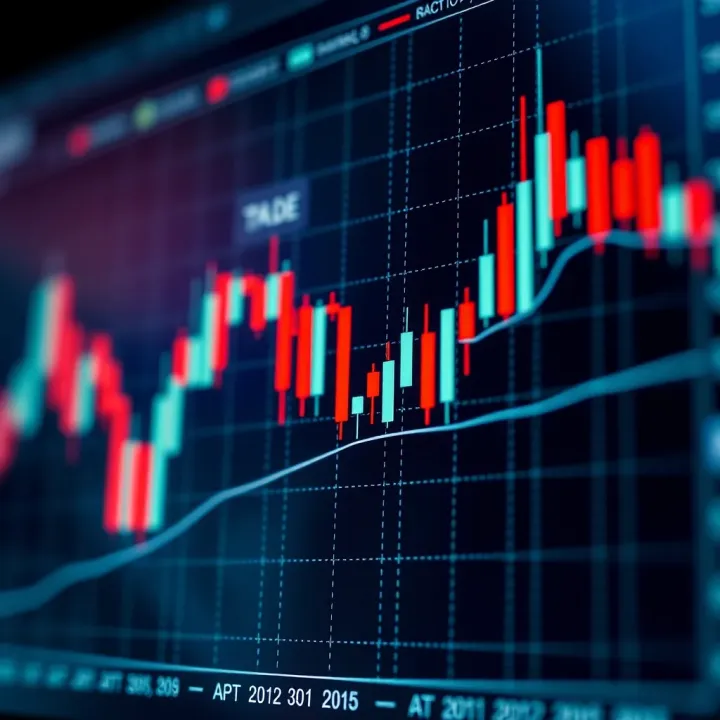
Guide to Candlestick Patterns for Trading
📈 Explore a complete guide to major candlestick patterns in trading! Learn how they form, their market impact, and tips for smarter trading in Nigeria and beyond.
Edited By
Grace Mitchell
Candlestick patterns are among the most popular tools for traders and investors aiming to understand market behaviour. Originating from Japanese rice trading centuries ago, these patterns visually represent price movements within a specific timeframe, offering clues about possible market directions. For Nigerian traders navigating the often volatile financial markets, grasping these patterns can provide an edge.
Each candlestick displays four key data points: the opening price, closing price, highest price, and lowest price during a set period. This simplicity conceals the wealth of information they convey. For example, a long green (or white) candle generally indicates strong buying pressure, while a long red (or black) candle suggests selling dominance.
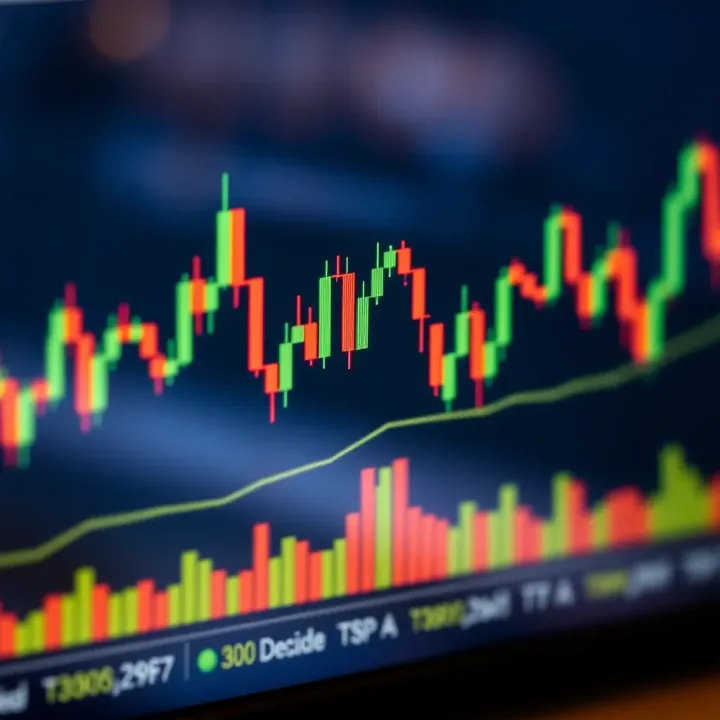
Recognising these visual cues helps traders anticipate market trends, possible reversals, or continuation signals. In the Nigerian Stock Exchange and even Forex markets, patterns like the hammer, shooting star, doji, and engulfing candles frequently appear and act as early warnings or confirmations.
Understanding candlestick patterns allows investors to read the 'mood' of the market, making trading decisions less about guesswork and more about informed observation.
Timely entry and exit points to maximise profits or minimize losses
Improved risk management by recognising trend shifts early
Enhanced confidence in trading decisions backed by visual evidence
While candlestick analysis is powerful, it works best alongside other indicators like moving averages, volume analysis, or support and resistance levels. For traders facing local challenges such as unpredictable naira fluctuations or intermittent power supply affecting trading terminals, combining candlestick patterns with solid risk controls can reduce sleepless nights.
In this article, you will find clear explanations of popular candlestick formations and practical tips tailored for Nigerian markets, helping you trade smarter amidst uncertainty.
Candlestick patterns offer traders and investors a straightforward way to read market sentiment through price action. Understanding these patterns provides a toolkit for making more informed decisions, especially in markets prone to volatility like Nigeria’s. By recognising specific candlestick formations, you can anticipate potential reversals or continuations in price trends, giving you an edge when timing buys or sells.
Candlestick charts first appeared in Japan during the 18th century, invented by rice traders to track market prices and anticipate demand. Unlike bar charts dating from the West, candlesticks presented price movements with more visual clarity. The format spread globally over time, becoming a staple in financial trading, including stocks, forex, and commodities.
For Nigerian traders, knowing this history helps appreciate why candlestick charts emphasise the balance between buyers and sellers, reflecting emotions and psychology behind price changes — elements crucial in markets driven by sentiment and news.
A candlestick shows four price points within a selected time frame: open, close, high, and low. The 'body' represents the difference between open and close prices. A bullish candle forms when the close is higher than the open, often coloured green or white, while a bearish candle closes lower than the open, shown in red or black.
Additionally, wicks or shadows indicate the extremes of price movement during that period. This simple structure tells a story of market aggression, hesitation, or strength within just a glance.
Compared to line charts that connect closing prices only, candlesticks offer deeper insights by encompassing all key price points. While bar charts also show such data, candlesticks add colour and shape, making patterns easier to spot quickly.
For traders who must act fast amid Nigeria’s often unpredictable market moves, this visual advantage helps in catching early signals and reacting appropriately before the window closes.
Price action analysis focuses purely on the price itself without relying on lagging indicators. Candlestick patterns serve as one of the most direct tools for this approach, revealing shifts in supply and demand through formations like doji, hammers, or engulfing patterns.
This insight allows traders to judge market sentiment realistically and react based on what price behaviour suggests, rather than relying solely on technical indicators that might lag or give false signals.
Candlestick patterns help pinpoint entry and exit points with greater precision. For example, spotting a hammer at a support level may signal a good buying opportunity before prices rise. Conversely, an evening star pattern near resistance might warn of a potential sell-off.
Such timing is vital in Nigerian markets, where sudden announcements or naira fluctuations can trigger swift moves. Using candlesticks reduces guesswork and adds confidence to trading decisions.
Despite market differences, candlestick principles apply universally. Nigerian markets, affected by local factors like fuel subsidy politics or CBN policies, still reflect basic buyer-seller dynamics captured by candlesticks.
On the global stage, candlesticks remain integral for forex and commodities trading, where Nigerian traders often engage. Understanding these patterns helps navigate both local NSE shares and international markets seamlessly, using a common ‘language’ of price action.
Mastering candlestick patterns is like learning to read the market’s mood swings — it equips you to spot opportunities and risks in real time, across any market condition.
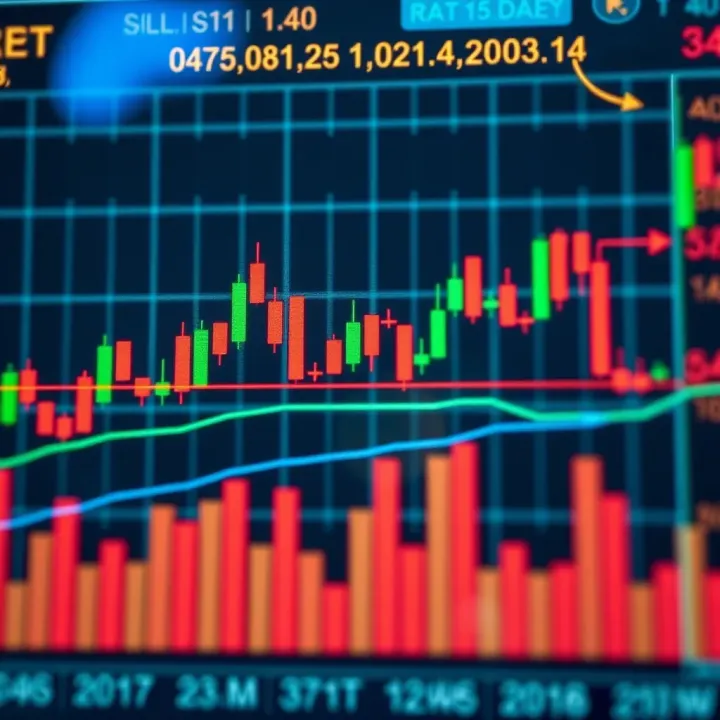
Candlestick patterns serve as valuable signals for traders, helping them decode market sentiment quickly. Understanding core types of these patterns is essential, as they guide your decisions on when to enter or exit trades, especially in volatile markets like Nigeria’s. With clear insights into these patterns, you can anticipate shifts in price action without relying solely on complex indicators.
A Doji forms when the opening and closing prices are almost the same, producing a cross-like shape. This pattern represents uncertainty between buyers and sellers—neither side gains control. For Nigerian traders, spotting a Doji near key support or resistance levels can warn you that a trend might be losing momentum and a reversal could be on the cards.
For example, if you see a Doji forming after a strong uptrend on a stock like MTN Nigeria, it often signals hesitation among investors whether to push prices higher. It's a reminder to tread carefully and watch subsequent candles for confirmation before making a move.
Although they look alike, Hammers and Hanging Man patterns appear in different contexts. A Hammer emerges after a downtrend and suggests buyers are stepping in, possibly starting a reversal. Conversely, a Hanging Man after an uptrend signals that sellers might take control soon.
In Nigeria’s fluctuating markets, such as during economic uncertainties or naira volatility, recognising a Hammer pattern on blue-chip shares like Dangote Cement helps you spot a buying opportunity. Meanwhile, a Hanging Man on banking stocks after a rally might mean it’s time to secure profits.
Spinning Tops have small bodies with long wicks on both sides, indicating indecision in the market with roughly equal pressure from buyers and sellers. It often precedes a sideways movement or a pause in trend.
If you notice a Spinning Top during the ember months when market volumes drop, it suggests caution. Being aware of this can prevent entering trades prematurely, especially when economic news from Nigeria is about to be released.
Engulfing patterns involve two candles where the second “engulfs” the first one. A bullish engulfing pattern occurs when a small red candle is followed by a larger green one, signaling buyer strength. The bearish version is the opposite.
This pattern is common in Nigerian stocks around earnings season. For instance, a bullish engulfing on Airtel Nigeria shares after a dip might be a sign that market confidence is returning. Traders should look for volume confirmation alongside to ensure reliability.
The Morning Star pattern indicates a bullish reversal, usually occurring at the end of a downtrend. It consists of a large bearish candle, a small or Doji candle, and a large bullish candle. The Evening Star is its bearish counterpart.
In the Nigerian market, such as during naira crises or political events, these patterns can forecast shifts in investor sentiment. Spotting a Morning Star in the NGX Composite Index chart may suggest a slowing sell-off and potential recovery.
Three White Soldiers are three consecutive long bullish candles, indicating a firm uptrend while Three Black Crows are their bearish equivalent. Both patterns reflect market conviction.
For Nigerian traders, seeing Three White Soldiers in sectors like agriculture during good policy announcements suggests strong buying. Conversely, Three Black Crows on oil-related stocks could warn of more price drops due to global supply concerns.
Recognising these core candlestick patterns lets you read the market’s story more clearly. Combining them with other indicators and Nigerian market context can improve your trading success significantly.
Interpreting candlestick patterns effectively requires placing them within the right market context. Traders often make the mistake of looking at patterns in isolation, but these signals gain real meaning only when combined with broader market trends and other technical indicators. In Nigeria’s volatile markets, where sudden naira fluctuations or policy changes can sway prices sharply, understanding how candlestick patterns fit within the bigger picture helps avoid costly errors.
Trendlines draw a clear line through past price points and highlight whether an asset is generally moving upwards, downwards, or sideways. When candlestick patterns appear near these trendlines, their signals become more trustworthy. For instance, a hammer candlestick forming at a long-term uptrend line often suggests a continuation of the bullish trend, making it a solid entry signal for traders.
Moving averages smooth out short-term price glitches and show overall direction. A bullish engulfing pattern occurring above the 50-day moving average, for example, tends to carry more weight as it aligns with the ongoing positive momentum. In contrast, similar patterns against the moving average may indicate potential resistance or weakening sentiment.
Volume plays an important role in confirming candlestick signals. A candlestick pattern that forms with high trading volume reflects genuine market conviction, making the signal more reliable. Take a morning star pattern that signals bullish reversal—if it forms on low volume, the reversal may lack strength, and traders should exercise caution.
In Nigerian markets, where liquidity can thin out for some stocks or forex pairs, volume confirmation is key. For example, during periods of economic uncertainty, spikes in volume alongside bullish or bearish candlestick signals often point to a stronger directional move, helping traders avoid false breakouts or fake reversals.
Focusing solely on a single candlestick pattern without considering overall market conditions leads to poor trading decisions. If the market is in a strong downtrend, spotting a doji does not automatically imply a bullish reversal; it may just be a pause before prices continue falling. Nigerian traders must pay attention to news flow and macroeconomic indicators like CBN policies, which heavily influence market sentiment alongside technical signals.
Relying only on one candlestick pattern without additional confirmation frequently results in losses. For instance, an engulfing pattern may look convincing, but without backing from trendlines or moving averages, the signal could be a false alarm. Wise traders look for clusters of signals—combining candlesticks with indicators or volume—to strengthen their conviction before acting.
Candlestick patterns do not guarantee success. Many new traders overlook risk controls like stop-loss orders or position sizing, exposing them to big losses if the market moves against them. In volatile Nigerian markets, where prices can swing sharply, managing risk protects capital and ensures sustainable trading. Integrating candlestick reading with disciplined money management transforms insights into consistent profits.
Successful candlestick interpretation comes from blending pattern reading with trend analysis, volume confirmation, and disciplined risk management. Without these, even the most obvious signals can lead traders astray.
By understanding these practical aspects, Nigerian traders can improve their timing and decision-making, turning candlestick patterns from mere shapes into valuable guides in a fluctuating market.
Trading in Nigerian markets comes with its own set of challenges and opportunities, making it essential for investors and traders to adapt technical tools like candlestick patterns to local conditions. Applying these patterns in Nigeria requires understanding unique market behaviours alongside stable recognition of their classical meanings. This approach helps traders time their entries and exits more accurately amid the often unpredictable local dynamics.
Market volatility and liquidity issues often pose practical challenges to interpreting candlestick patterns here. Nigeria’s stock market can experience sudden price swings, sometimes triggered by news or economic shifts rather than underlying company fundamentals. As a result, candlestick signals may appear more frequently but with lower reliability, especially for illiquid stocks where trading volumes are thin. For example, a bullish engulfing pattern on a low-volume equity might be more of a false signal than an actual trend reversal.
Besides volatility, liquidity concerns affect the ease of executing trades. Smaller or local stocks may not have enough active buyers or sellers at all times, which can cause price gaps or erratic candlestick formations. Traders need to be cautious and confirm signals with volume data or market depth before acting, particularly on platforms like the Nigerian Exchange Group (NGX).
Impact of naira fluctuations and economic policy also directly influence market behaviour and, by extension, candlestick interpretation. The naira’s volatility against the dollar affects major sectors like oil, manufacturing, and consumer goods, causing price shifts that might not fit neatly into technical patterns. Moreover, monetary policies by the Central Bank of Nigeria (CBN), like changes in interest rates or foreign exchange controls, can lead to sharp market reactions. For instance, a sudden policy announcement may invalidate a seemingly strong candlestick pattern by altering investor sentiment overnight.
Local traders must stay informed about fiscal and monetary decisions since these factors can override technical signals. Combining candlestick analysis with economic news is a necessity rather than a choice in Nigeria’s dynamic environment.
Using candlestick patterns with local market news improves the reliability of trading decisions. Candlesticks tell a story about price action, but they do not provide context on what moves the market. A trader aware of upcoming elections, budget releases, or key corporate earnings can better judge whether a pattern signals a genuine opportunity or a market noise. For example, before the Central Bank's monetary policy rate meeting, market swings might cause misleading candlestick shapes. Waiting for the news and then analysing the patterns can save traders from hasty decisions.
Combining patterns with Nigerian financial data and indicators further refines trading strategies. Indicators such as the NSE All-Share Index trends, sector performances, or volume changes complement candlestick patterns by providing a clearer picture. Using tools like moving averages or Relative Strength Index (RSI) tuned to local market rhythms can filter out false signals. A trader may observe a hammer candlestick on an index stock, but confirming it occurs at oversold levels on RSI and with increasing volume offers stronger evidence for a potential reversal.
In Nigeria’s trading context, candlestick patterns gain strength when paired with real-time local data and news. Ignoring this integration risks costly misreads.
By adapting classical candlestick analysis to Nigeria’s specific market conditions, traders can navigate volatility and policy impacts better while making informed trading choices that reflect true market sentiment.
To successfully trade using candlestick patterns, having the right tools and resources is essential. Without proper charting platforms or educational materials, it’s easy to misinterpret these patterns or miss trading opportunities. For Nigerian traders especially, using tools tailored to local market conditions can make a big difference, considering factors like naira volatility and market liquidity.
Several platforms popular in Nigeria support candlestick charts, helping traders visualise price action clearly. MTN Invest, for instance, offers an accessible interface with candlestick charts integrated, allowing users to track stock movements on the Nigerian Stock Exchange easily. Similarly, the GTBank Trading App caters to local investors by providing real-time price data and interactive charts, including candlesticks, suitable for both beginner and experienced traders.
When choosing a trading platform, it's important to look for features that enhance chart analysis. Look for platforms that allow zooming in on specific timeframes, easy switching between different chart types, and tools for drawing trendlines or identifying support and resistance levels. Volume indicators and overlay options, like moving averages, also boost pattern confirmation. These features help you avoid false signals and make better trading decisions.
Learning candlestick patterns requires more than just charts; online courses and tutorials provide that foundation. Platforms like Coursera or Udemy offer courses on technical analysis tailored to different skill levels. Nigerian traders can also find localised courses that include examples from Nigerian markets, making the content more relatable and practical.
Beyond formal courses, local trading forums and social media groups play a vital role. Communities on platforms like Nairaland or dedicated WhatsApp groups provide real-time discussion, shared insights, and peer reviews of trades based on candlestick signals. Joining these groups helps traders stay updated on market news, exchange tips, and refine their pattern recognition skills in a practical context.
Combining reliable tools with continuous learning and community engagement builds a solid base for effective trading using candlestick patterns, especially in Nigeria’s dynamic market.
By choosing platforms that offer flexible charting features and tapping into educational resources and local trading communities, you'll be better prepared to spot meaningful patterns and improve your trading results.
📈 Explore a complete guide to major candlestick patterns in trading! Learn how they form, their market impact, and tips for smarter trading in Nigeria and beyond.
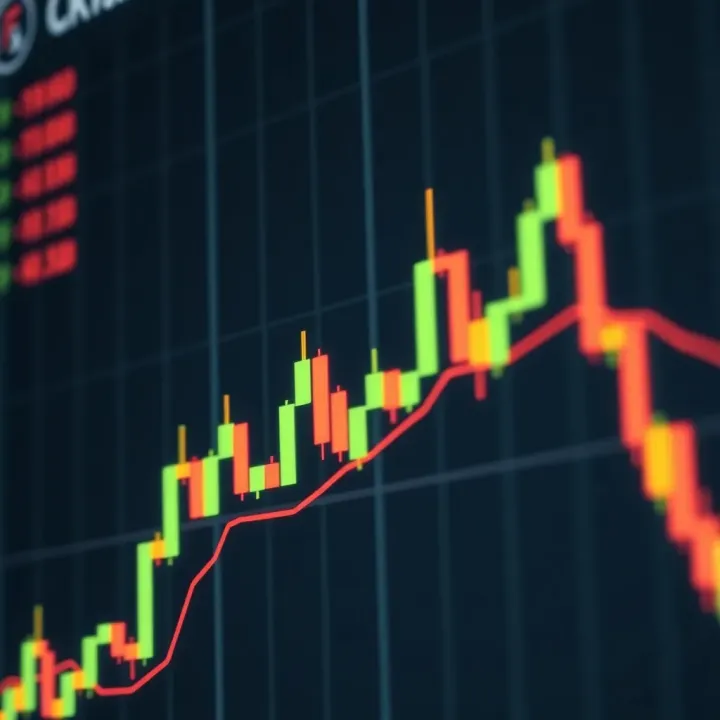
📉 Learn how to spot bearish reversal candlestick patterns and use them alongside other tools to predict downtrends for smarter trading decisions in Nigeria.
📈 Discover powerful candlestick patterns with our detailed guide—learn how to spot, interpret, and trade them confidently. Includes a handy PDF with 35 key patterns!
📉 Learn to spot bearish candlestick patterns in trading and improve your market predictions. Get tips on interpretation and combining tools for smarter decisions.
Based on 5 reviews