
Guide to Candlestick Patterns for Trading
📈 Explore a complete guide to major candlestick patterns in trading! Learn how they form, their market impact, and tips for smarter trading in Nigeria and beyond.
Edited By
Emily Hawthorne
Understanding candlestick patterns is a must for traders in Nigeria who want to make informed decisions in the stock, forex, or cryptocurrency markets. These patterns offer direct insight into market sentiment, reflecting the tug of war between buyers and sellers over a specific time frame.
Candlesticks are graphical representations that show the open, high, low, and close prices of an asset within a selected period. What makes them useful is their distinct shapes and formations, which can hint whether the market is likely to rise, fall, or stay sideways.
For example, the "Hammer" pattern often signals a potential upward reversal after a downtrend, while the "Shooting Star" might indicate a bearish reversal after prices have been climbing. Recognising these can help you spot good entry and exit points, reducing guesswork in your trades.
Successful trading depends on understanding not just what the patterns are, but how to apply them within the Nigerian market context—where factors like currency volatility and trading volumes differ from international markets.
Here’s what every Nigerian trader should keep in mind when using candlestick patterns:
Market conditions matter: Patterns work better in certain market environments, like trending or consolidating phases.
Volume confirmation is key: Always check trading volume alongside the pattern. For instance, a reversal pattern with high volume has more significance.
Combine patterns with other tools: Use indicators like moving averages or Relative Strength Index (RSI) to confirm signals.
Be mindful of local realities: Naira fluctuations, political events, and electricity supply can all impact price action unpredictably.
Integrating candlestick analysis with these factors will boost your edge when trading on platforms like the Nigerian Stock Exchange, FOREX brokers serving Nigeria, or crypto exchanges such as Binance Nigeria.
Starting with these basics will prepare you to recognise key patterns and use them effectively within your overall trading strategy.
Candlestick patterns offer traders clear signs of price movement and market sentiment. Understanding how these patterns form and what they represent can give Nigerian traders an edge in their decisions across stocks, forex, or crypto markets. By decoding the story behind each candle, traders can anticipate potential price moves, helping them enter or exit trades more confidently.
Each candlestick encapsulates four crucial data points: open, high, low, and close prices within a specific timeframe. The opening price shows where trading started, while the closing price indicates where it ended. The ‘high’ and ‘low’ mark the extremes of price changes during that period. For example, if you look at a one-hour candlestick on the Nigerian Stock Exchange (NGX), knowing these four can reveal whether buyers or sellers dominated that hour.
The difference between bullish and bearish candles lies in price movement direction. A bullish candle forms when the closing price is higher than the opening price, signalling buying pressure. These candles usually show in green or white on charts. Conversely, a bearish candle appears when the closing price is below the opening price, indicating selling pressure, often displayed in red or black. For instance, imagine the share price of Dangote Cement opens at ₦210 in the morning but closes at ₦215 by noon – its candle would be bullish, showing upward momentum.
Candlestick patterns reflect underlying market psychology. Each pattern tells a story about trader behaviour, such as hesitation, confidence, or panic. When traders see a small-bodied candle with long wicks (shadow), it signals indecision in the market – buyers and sellers struggle to set prices, meaning a potential shift might be around the corner. This insight helps Nigerian traders gauge when the market sentiment might be changing, which is especially valuable in volatile situations like forex pairs involving the naira.
Moreover, candlestick patterns help identify potential trend reversals and continuations. A classic example is the Hammer pattern, which often appears after a downtrend and hints at a possible bullish reversal. On the other hand, Three Black Crows indicate strong bearish momentum following an uptrend. Recognising these signals aids traders in spotting when to take profits or cut losses, essential when market swings are quite common in Nigeria due to economic fluctuations.
Mastering how candlestick patterns work empowers traders to read market mood instantly, turning chart movements into practical insights for better trading outcomes.
Understanding key candlestick patterns is vital for Nigerian traders aiming to make informed decisions in the stock, forex, and cryptocurrency markets. These patterns provide visual cues about price movements and potential market shifts, helping traders spot opportunities and risks early.
A Doji forms when a candlestick's opening and closing prices are almost equal, creating a cross or plus shape on the chart. This pattern signals market indecision, meaning buyers and sellers are at a standstill. In Nigerian contexts, like trading Nigerian equities where liquidity may be low, a Doji might warn traders to pause before entering new positions, as the current trend might stall or reverse.
The Hammer looks like a candlestick with a small body and a long lower shadow, appearing after a downtrend. It suggests possible bullish reversal, as sellers pushed prices down but buyers regained control. The Hanging Man resembles a Hammer but appears after an uptrend and warns of a potential bearish reversal. Nigerian traders in volatile markets, such as forex pairs involving the naira, should watch these signals closely to time their trades effectively.
Both patterns feature small bodies and long upper shadows. The Shooting Star after an uptrend points to a potential reversal to the downside, while the Inverted Hammer after a downtrend signals a possible bullish turn. For example, in cryptocurrency trading, where sudden price swings are common, spotting these patterns can help traders manage risks and take profits before reversals run too far.
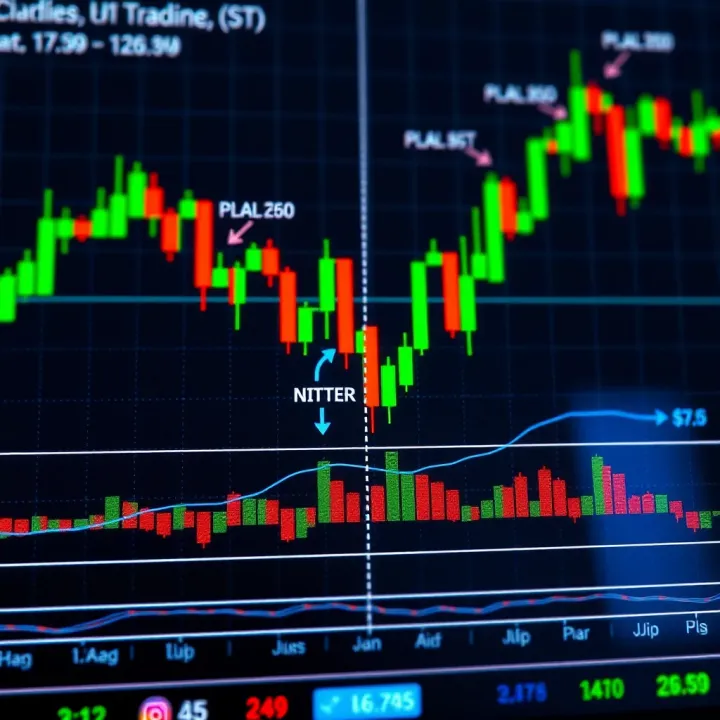
In a Bullish Engulfing pattern, a small bearish candle is followed by a larger bullish candle that fully covers the previous one. This indicates a strong potential upward reversal. Conversely, a Bearish Engulfing pattern occurs when a small bullish candle is overtaken by a larger bearish candle, suggesting a downward reversal. Nigerian traders often use these patterns on NGX-listed stocks to confirm when momentum genuinely shifts.
The Morning Star is a three-candle pattern signalling bullish reversal. It starts with a large bearish candle, followed by a small-bodied candle showing indecision, and ends with a strong bullish candle. The Evening Star is its mirror, indicating bearish reversal after an uptrend. These patterns are especially useful in markets like the Nigerian forex space, where trends can shift suddenly due to economic news.
The Three White Soldiers pattern involves three consecutive long bullish candles, each closing progressively higher, marking a strong uptrend confirmation. The opposite, Three Black Crows, consists of three bearish candles that warn of sustained downward pressure. Traders in Nigeria’s stock market and crypto space rely on these patterns to confirm the strength of price movements.
Knowing these key candlestick patterns can sharpen your understanding of market trends and improve your timing on trades, particularly in the often unpredictable Nigerian trading environment.
Candlestick patterns are widely used in global trading, but their application within Nigerian markets requires a clear understanding of local dynamics. Applying these patterns effectively means considering factors unique to Nigeria’s financial environment, including market volatility, infrastructure constraints, and regulatory nuances. This approach not only sharpens trade timing but also helps traders anticipate sudden shifts influenced by socio-economic and political events.
How external factors affect Nigerian stock market patterns
The Nigerian Stock Exchange (now Nigerian Exchange Group) responds sharply to domestic economic news, government policies, and global oil price changes. For example, candlestick patterns on blue-chip stocks like Dangote Cement or MTN Nigeria often reflect reactions to events such as CBN monetary policies or fuel subsidy adjustments. Traders must interpret patterns with a mindset that these external shocks can distort typical patterns, causing sudden reversals or spikes.
Therefore, while a bullish engulfing pattern might usually signal a price rise, in Nigeria’s market, such signals could be overshadowed by political unrest or currency devaluation, making it essential to combine pattern analysis with timely news monitoring.
Volatility in forex pairs involving the naira
Forex trading involving the Nigerian naira (₦) is notoriously volatile due to fluctuating oil revenues, foreign reserve changes, and government FX policies. Pairs like USD/NGN or EUR/NGN often experience unpredictable swings alongside heavy market interventions by the Central Bank of Nigeria. When candlestick patterns such as dojis or shooting stars appear on these pairs, they may reflect sudden changes in demand caused by external economic pressures rather than typical market psychology.
Traders need to be cautious, using candlestick signals in tandem with broader macroeconomic assessment. For instance, a hammer pattern might suggest a reversal after naira depreciation, but without considering CBN interventions or parallel market rates, the signal could mislead.
Cryptocurrency trading and pattern reliability
Cryptocurrency markets in Nigeria have grown fast but remain highly speculative with distinct characteristics compared to traditional markets. Factors like regulatory uncertainty, limited liquidity, and rapid news-driven reactions influence price movements. Candlestick patterns like morning stars or bearish engulfing still apply but may deliver less consistent signals due to sharp price swings caused by social media trends or government announcements.
For example, during the 2021 crypto ban discussions by the CBN, sudden bearish patterns appeared across Bitcoin and Ethereum charts, but these often reversed swiftly once traders adjusted. Nigerian crypto traders should combine pattern reading with real-time news and volume analysis to avoid false breakouts.
Power supply and internet connectivity impact
Reliable electricity and internet remain challenges for many Nigerian traders. Power outages or unstable connectivity can interrupt access to live charts, causing missed signals or delayed reactions to candlestick patterns. This creates a risk of entering or exiting trades too late, especially in volatile markets.
Using mobile internet from providers like MTN or Glo, along with power banks or solar chargers, can help mitigate interruptions. Traders should also consider platform notifications that alert on key candle formations, ensuring they don't rely solely on constant chart monitoring.
Naira exchange rate fluctuations
The naira’s unpredictable exchange rate affects the consistency of candlestick patterns, especially in forex and forex-related stocks. Sharp devaluations or sudden government FX policy changes can lead to large price gaps not usually explained by pattern behaviour alone.
For instance, if the naira drops sharply overnight, candlestick patterns that traders rely on during the day may lose their forecast accuracy. Adjusting risk management to accommodate such currency swings is vital to avoid heavy losses.
Broker reliability and regulatory considerations
Choosing a reliable broker remains a major concern for Nigerian traders, impacting the integrity of price data and overall trading experience. Some brokers operate without full regulatory approvals, resulting in issues like platform manipulation, poor execution, or withdrawal delays.
Traders should prioritise brokers regulated by the Securities and Exchange Commission (SEC) Nigeria or reputable international ones with clear Nigerian presence. Verified brokers provide more accurate candlestick chart data, which is critical for pattern analysis and sound decision-making.
Successful application of candlestick patterns in Nigeria lies not just in recognising the shapes but understanding the broader economic, regulatory, and infrastructural context that influence market behaviour here.
By combining pattern analysis with awareness of these unique factors, Nigerian traders can improve their timing and risk control in stocks, forex, and cryptocurrency markets.
Candlestick patterns do not work in isolation. For Nigerian traders aiming to make reliable decisions, combining these patterns with broader trading strategies helps confirm entries, gauge market strength, and manage risks effectively. This integration is especially useful amid the high volatility and occasional liquidity constraints typical in Nigerian financial markets.
Support and resistance levels act like the floors and ceilings of price movements, where prices tend to pause or reverse. When a bullish candlestick pattern forms around a known support level, it strengthens the signal for a possible price increase. Conversely, a bearish pattern near resistance suggests a potential price drop. This dual confirmation reduces the chance of false signals.
For example, if the Naira/USD forex pair forms a hammer pattern just above a strong support level, Nigerian traders can be more confident about entering a long position. On the other hand, spotting a shooting star pattern near resistance on an NSE-listed stock like Dangote Cement signals caution before buying.
Volume shows how many units of an asset traded during a time frame — higher volume on a candlestick pattern usually means stronger conviction behind the move. Momentum indicators like the Relative Strength Index (RSI) help determine whether an asset is overbought or oversold.
In practice, if a bullish engulfing pattern appears with increased volume and RSI below 30 (oversold), it suggests a higher probability of price rise. Nigerian traders can use this combined data to avoid entering trades with weak signals. For volatile markets, such as Nigerian cryptocurrencies trading on platforms like Quidax, these tools are critical to confirm candlestick indications.
Stop-loss orders limit losses by automatically closing a position when the price hits a predefined level. Candlestick patterns help identify logical stop-loss points. For instance, after spotting a bullish engulfing candle, putting a stop-loss just below the pattern’s low protects the trader if the market reverses unexpectedly.
This approach is vital in Nigerian markets where sudden news or naira devaluation can cause sharp price swings. Proper placement of stop-loss reduces the risk of wiping out capital due to unpredictable events.
Position sizing means deciding how large a trade should be relative to your total capital. In Nigerian markets, where forex pairs or stocks can shift rapidly on macroeconomic news or policy changes, controlling trade size is essential.
If a trader has ₦500,000 capital and expects high volatility in the forex market, allocating only 2-5% per trade helps limit losses while staying in the game. This disciplined sizing, aligned with candlestick signals, ensures that no single move damages the overall portfolio severely.
Combining candlestick analysis with solid strategies and risk controls provides Nigerian traders a clearer edge, balancing opportunity and protection in uncertain markets.
Understanding practical tips for using candlestick patterns is essential for any Nigerian trader who wants to improve market timing and decision-making. While recognising patterns is useful, applying them effectively in Nigeria’s unique trading environment requires care to avoid common pitfalls and leverage proper tools. This section highlights how you can avoid frequent mistakes and utilise resources that bring candlestick analysis closer to reality, improving your chances for profitable trades.
Relying on a single candlestick pattern as a buy or sell signal can be misleading. For example, spotting a hammer pattern alone does not guarantee a market reversal; without confirming signals like volume increase or support from other technical indicators, you might enter a trade prematurely. Traders in Nigeria often jump in after spotting just one pattern without waiting for further evidence, which can lead to costly losses, especially with the naira’s volatility.
It’s better to combine candlestick patterns with other forms of analysis such as support and resistance levels or momentum indicators like RSI. For instance, a bullish engulfing candle near a strong support level, confirmed by surging trading volume, offers a far stronger signal than the pattern alone.
Many Nigerian traders face challenges recognising candlestick patterns accurately in low-volume markets, particularly on some stocks listed on the Nigerian Exchange Group (NGX) that see limited daily trade. Patterns formed in such thinly traded stocks may not represent genuine market sentiment but rather sporadic trades or noise.
Take a stock with very low liquidity; a sudden large candle may appear significant but might result from a single sizeable trade; interpreting this as a reliable trend signal can be dangerous. It’s prudent to check trading volume alongside price action to avoid being misled by patterns that lack strong market participation.
Leveraging robust charting platforms is key to effective candlestick analysis. Nigerian traders can access popular platforms like Investing.com or locally relevant platforms such as NGX’s market data portal, which provide real-time charts with candlestick views tailored to Nigerian stocks.
For forex and cryptocurrency traders, international tools like MetaTrader 4, MetaTrader 5, and TradingView offer advanced charting capabilities with customisable candlestick settings and integration of technical indicators. These tools allow you to overlay patterns with volume data, moving averages, and momentum oscillators that improve trade accuracy.
Continuous learning helps sharpen pattern recognition and decision-making skills. Nigerian traders can benefit from free and paid educational content by platforms like Coursera, Udemy, and local fintech initiatives such as Piggyvest’s trading guides. These often contextualise global concepts to Nigerian realities.
Besides courses, joining active trading communities on WhatsApp, Telegram, or dedicated forums adds practical insight. Engaging with fellow traders allows you to discuss pattern interpretations and share real market examples, which is especially useful given Nigeria’s fluctuating market conditions and regulatory environment.
“Candlestick patterns become far more powerful when supported by solid resources and careful practice — this makes the difference between guesswork and confident trading.”
Applying these tips helps Nigerian traders navigate uncertainties and improve results when trading with candlestick patterns.
📈 Explore a complete guide to major candlestick patterns in trading! Learn how they form, their market impact, and tips for smarter trading in Nigeria and beyond.
📉 Learn how to spot bearish reversal candlestick patterns and use them alongside other tools to predict downtrends for smarter trading decisions in Nigeria.
📈 Discover powerful candlestick patterns with our detailed guide—learn how to spot, interpret, and trade them confidently. Includes a handy PDF with 35 key patterns!
Discover top trading apps in Nigeria 📱 Learn how to pick the best platform for safe investing, key features to watch, and tips to boost your earnings 💰
Based on 12 reviews