
Guide to Candlestick Patterns for Trading
📈 Explore a complete guide to major candlestick patterns in trading! Learn how they form, their market impact, and tips for smarter trading in Nigeria and beyond.
Edited By
Daniel Ross
Candlestick patterns have long been a staple in the toolkit of savvy traders and investors. They offer a visual way to understand market sentiment and potential price movements, making them invaluable whether you're trading stocks, forex, or commodities. Yet, despite their popularity, many find these patterns confusing or inconsistent when trying to apply them in real-world trading.
This guide cuts through the noise to focus on the most potent candlestick formations — those that traders actually use to make smarter decisions. We'll break down what these patterns look like, why they matter, and how you can spot them in your charts without second-guessing yourself.
Alongside practical explanations, you’ll also find a downloadable PDF featuring 35 essential patterns you can keep on hand for quick reference. Think of it as your cheat sheet for spotting trading opportunities faster.
Whether you’re a finance student wanting to grasp technical analysis principles, a broker aiming to advise clients better, or an experienced trader looking to sharpen your edge, understanding candlestick patterns can give you a noticeable boost in how you interpret price action.
Recognizing powerful candlestick formations doesn’t guarantee winning trades, but it does arm you with clues about what the market might do next — turning guesswork into informed choices.
In the sections that follow, we’ll cover:
The basics of candlestick charting, including the anatomy of a candlestick
Key bullish and bearish patterns with real market examples
How to combine patterns with other analysis tools
Ways to avoid common pitfalls and false signals
Practical tips on using the downloadable pattern guide in your trading routine
By the end of this article, you should feel confident reading candles and have a solid foundation to develop your own trading strategies around them.
Candlestick patterns are a cornerstone for anyone serious about trading or investing in financial markets. Getting a solid grip on these patterns helps traders decode market intentions hidden in price movements. For instance, if you've ever glanced at a stock chart and wondered whether the recent dip is a passing cloud or a storm, candlestick patterns serve as your weather forecast.
These patterns don't just visualize price highs, lows, openings, and closings—they tell stories about the tug-of-war between buyers and sellers. Understanding this narrative gives traders an edge, turning what looks like chaotic price movements into signals worth acting on. Whether you're day trading Nigerian equities or investing in forex, mastering these charts can sharpen your decision-making.
At its core, a candlestick chart shows four main prices: open, high, low, and close over a specific period. The "body" of the candle shows the opening and closing prices; if the body is filled or colored, it indicates a price drop during that period, while an empty or lighter body means prices went up. The "shadows" or "wicks" stretch above and below the body, marking the highest and lowest prices reached. It’s a neat little package of information in one visual.
Take a candle where the open is at 150 Naira, the close at 170 Naira, the high hits 175 Naira, and the low drops to 145 Naira. This one candle already reveals the day's price range and shows buyers pushed the price up by the end, signaling buying strength.
Candlestick patterns mirror the mood of the market. For example, a long lower shadow with a small body near the top signals buyers pushed prices up after heavy selling pressure—a sign bulls might be stepping in. Conversely, a candlestick with a long upper shadow and small lower shadow might indicate sellers are gaining control after buyers drove prices higher temporarily.
These patterns capture moments of hesitation, confidence, or panic among traders, resembling how a crowd's mood shifts during a heated debate. Spotting these moods can prepare you for what's next, like sensing tension before a market breakout or cooldown.
One of the big draws of candlestick patterns lies in their ability to hint at future price action before it fully unfolds. Patterns such as the "engulfing" or "morning star" often point toward potential reversals or continuations. Knowing these helps traders anticipate shifts, rather than just reacting to them.
For example, if the market forms a "bullish engulfing" pattern after a downtrend in an oil stock, it might suggest the sellers are exhausted, and buyers are taking charge. Traders in Lagos or Abuja could use this as a clue to enter or add to their positions before prices rise.
Candlestick patterns are valuable in timing trades effectively. Instead of blindly jumping in or out based on gut feel, traders watch for confirmed patterns to trigger their moves. This means fewer costly mistakes from premature buying or selling.
For instance, the "doji" candle—a pattern where opening and closing prices are nearly the same—often signals indecision. Seeing a doji after a strong trend might warn traders to hold off entering new trades until the market direction becomes clearer, helping to avoid traps.
Mastering these patterns doesn’t promise riches overnight, but it certainly builds a sharper, more informed approach to navigating market swings.
By getting comfortable with candlestick charts and what each pattern signifies, you equip yourself with a practical toolkit to read what's happening behind the numbers, giving you a better shot at consistent profits and smarter risk management.
Understanding the key components of candlestick patterns is fundamental for anyone aiming to read market sentiment accurately. These elements don’t just paint a picture; they tell a whole story about what’s going on behind the scenes in price action. Traders, investors, and analysts usually start by focusing on the candle's body, shadows, and colors because these reveal the balance of power between buyers and sellers at a glance. Grasping these basics helps you avoid getting lost in noise and spot real trading opportunities.
The candle body shows the distance between the opening and closing prices during a specific time frame. A long body means strong movement: if it's bullish (price closed higher than opened), buyers dominated and pushed the price up aggressively. Conversely, a long bearish body signals heavy selling pressure. Imagine a football match where one team just steamrolls the other—that's a big candle body.
Smaller bodies, on the other hand, suggest indecision or balance between bulls and bears. These smaller bodies might reflect a pause or uncertainty before the next big move, like a boxer circling around before landing a punch. Recognizing the size of the body lets traders gauge momentum and decide whether to enter or sit tight.
Shadows—or wicks—are the lines extending from the candle's body and represent the extremes of price reached before settling back to close near the body. Upper shadows show the highest price, while lower shadows indicate the lowest.
For example, a long upper shadow indicates sellers pushed the price down after a strong intraday rally, hinting at selling pressure lurking above. This could mean buyers tried but failed to hold control. Likewise, a long lower shadow shows buyers stepped in after prices dropped, sometimes signaling potential support levels.
Understanding these shadows helps traders identify potential reversals or continuations. In Nigeria’s often volatile markets, spotting a candle with a long lower shadow after a steady fall might clue you into a possible bounce back – an edge when timing your trades.
Colors serve as quick visual guides: usually, green or white candles indicate a bullish move, where the price closed higher than it opened, whereas red or black candles show bearish moves, with prices closing lower. This color cue helps traders scan charts rapidly without second-guessing.
However, the importance goes beyond color alone; it's the story within. A big green candle after a downtrend might signal the shift of momentum from sellers to buyers. Conversely, a hefty red candle after an uptrend could warn of a reversal. Getting familiar with what each color means in different setups sharpens your trading instincts.
Colors and candlestick interpretations can vary by platform or market region. For instance, some Asian markets use blue for bullish candles instead of green, catching some traders off guard. Additionally, commodities like oil or gold may show more exaggerated candle lengths due to volatility, while forex pairs are generally smoother.
In Nigerian stock exchanges, recognizing these local quirks is crucial. Using software familiar to the Nigerian market, like the Nigerian Stock Exchange's trading platforms or MetaTrader for forex, ensures you get the correct color signals without confusion.
Remember, candles are just one part of the puzzle. Always pair their insights with volume, trend lines, and other technical indicators to make well-rounded decisions.
By getting comfortable with these key components—body size, shadows, and colors—you arm yourself with a reliable toolkit for reading the market's pulse. This knowledge lays the foundation for spotting those 35 powerful candlestick patterns covered in the downloadable guide, boosting your confidence and accuracy in trading.
Candlestick patterns serve as the bread and butter of technical analysis, offering traders a snapshot of market psychology. This section zooms into some of the most reliable and widely used patterns that help predict market direction and identify potential reversals or continuations. Understanding these patterns can improve your timing when buying or selling, reducing guesswork and boosting confidence.
Traders in Nigeria, whether working with the NSE or global markets, find these patterns invaluable because they convey complex market emotions with simple, visual cues. Instead of guessing the next move, recognizing a Hammer or an Engulfing can be like catching the market whispering a secret.
By focusing on these particular patterns, you can cut clutter and zero in on setups with historically better accuracy. As you practice spotting these candlesticks, try combining them with volume or trend indicators for clearer trading signals.
Both the Hammer and Hanging Man look alike but appear in different contexts. The Hammer typically shows up after a downtrend and looks like a nail — a small body perched on a long lower shadow. This pattern hints that sellers tried to push prices lower but buyers stepped in, pushing the price back, signaling potential bullish reversal.
Conversely, the Hanging Man forms during an uptrend and warns that buyers may be weakening. For example, if the stock of Dangote Cement shows a Hanging Man formation near resistance, traders take that as a tip-off to tighten stops or prepare for a dip.
Doji candles are a classic sign of indecision in the market. The opening and closing prices are almost the same, forming a cruciform shape. Imagine a tug-of-war where neither buyers nor sellers gain the upper hand. This pause can either signal a reversal or a continuation, depending heavily on the candles that follow.
In volatile markets like oil futures, spotting a Doji after a strong move often means market participants are catching their breath before making the next move. Pay close attention to what comes next before acting.
Spinning Tops feature small bodies and longer shadows on both sides, suggesting a balanced battle between bulls and bears. They don’t hand out clear buy or sell signals on their own but alert you to a market ready to pivot.
For instance, if you see a Spinning Top during a sideways market in Nigerian telecom stocks, it’s a cue to watch for a breakout rather than jump prematurely.
An Engulfing pattern consists of two candles where the second candle completely covers or "engulfs" the first. A bullish engulfing appears when a small red candle is followed by a larger green candle, signaling buyers taking control aggressively.
Picture the Nigerian stock of MTN: if it’s down for a couple of days but then forms a bullish engulfing candle, that might signal a fresh buying interest, suggesting a reversal or at least a bounce.
The Harami, which means "pregnant" in Japanese, looks like a tiny candle nestled inside a larger one, hinting at a losing momentum of the prevailing trend. For example, if Zenith Bank is on an uptrend but forms a bearish Harami pattern, it’s a heads-up to tighten stops or consider short opportunities.
It’s a subtle warning sign, often indicating caution rather than outright reversal.
These three-candle patterns offer a clearer picture than single candles. The Morning Star is a bullish reversal pattern starting with a long bearish candle, followed by a short candle that gaps down, and then a strong bullish candle closing well into the first candle’s body. This arrangement flags a change from downtrend to uptrend.
On the flip side, the Evening Star signals a top, starting with a strong bullish candle, a short uncertain candle, and a bearish candle closing deep within the first candle’s body. If Guaranty Trust Bank’s chart shows an Evening Star near resistance, traders often take it as a warning of a coming pullback.
Remember: No pattern guarantees success, but using these patterns consistently, combined with solid money management and trend analysis, can sharpen your trading edge significantly.
The 35-pattern PDF download is more than just a list — it's a practical toolkit designed for traders eager to get a better grip on candlestick patterns. Think of it as your quick-reference playbook. Using this guide effectively means you don't have to memorize patterns blindly. Instead, you focus on understanding which patterns matter most in your trading setup and how to spot them fast during live sessions. It’s especially useful when the market moves fast and you need to make split-second decisions based on visuals.
The PDF isn’t just thrown together randomly; patterns are sorted based on how often they appear and how reliable their signals tend to be. For example, common singles like the Hammer or Doji sit at the front since they pop up regularly and are essential for beginners. More complex multi-candle setups, like Morning Stars and Engulfing patterns, are grouped separately so you can focus on mastering basics first before moving on to intricate signals.
This sort of organization saves your time and helps prioritize learning. Instead of feeling overwhelmed, you can quickly decide which patterns fit your trading style or the specific markets you follow. For instance, if you’re day-trading forex pairs, you might spend more time on those patterns that respond well to tight timeframes.
One of the biggest challenges with candlesticks is spotting the pattern quickly enough to act on it. The PDF’s visual aids — clear color-coded charts and step-by-step illustrations — make this easier. By pairing concise descriptions with images, your eyes get trained faster to recognize patterns without second-guessing.
For example, the Hammer’s long lower wick and small body are highlighted with bold green shades to instantly clue you in that the bulls might be stepping back in. These visual cues are practical in live trading where markets don’t wait for you to flip through pages.
Candlestick patterns are powerful, but they work best when paired with other tools. Your PDF guide suggests blending pattern recognition with indicators like the Relative Strength Index (RSI) or Moving Averages. This combo helps confirm the pattern's signal and reduces false alarms.
For instance, spotting a bullish Engulfing pattern near an RSI oversold level could signal a stronger buy opportunity. Many pro traders use this tip to avoid jumping in too early or missing out because the context wasn’t right.
It’s important to remember that no pattern guarantees success every single time. The PDF stresses setting realistic goals — candlestick patterns improve your odds, but they’re not foolproof. You should view them as part of a bigger puzzle that includes sound money management, market news awareness, and your personal risk tolerance.
Say you spot an Evening Star before a known earnings announcement for a stock. The pattern alone won't shield you from sudden volatility. The guide encourages patience and practicing patterns over time before relying on them heavily.
Using this PDF as a practical tool means embracing candlesticks as one piece of your trading toolkit. When you combine its insights with real market data and personal discipline, it helps improve your timing and decisions without expecting overnight magic.
By understanding how to navigate the guide, recognizing patterns quickly, and integrating them thoughtfully into your overall strategy, you’ll turn the PDF into a valuable companion that supports smarter trading moves.
Getting the hang of candlestick patterns isn't just about reading a few charts here and there—it's about consistent practice and sharp observation. Traders often hit a wall because they skip this step and dive straight into trading with shaky pattern recognition skills. So, sharpening your ability to spot these patterns in real market conditions can save lots of headaches down the road.
Proper practice improves your confidence in making decisions, reduces knee-jerk reactions, and helps you develop an intuition for when a pattern is actually signaling change or just noise. Mistaking a false signal for a genuine one can be costly, which is where disciplined practice comes in handy.
Backtesting with real market data makes your practice grounded in reality. It’s tempting to just look at candles on a live chart, but nothing trains your eye like going through past data and noting how often certain patterns led to meaningful moves. For example, take the Engulfing pattern in the Nigerian Stock Exchange market from the past year and see if it reliably predicted price reversals or not. This isn’t a one-off glance; it’s about digging in, drawing conclusions, and fine-tuning your pattern recognition skills based on what actually happened.
Backtesting forces you to face the truth in the market's behavior and prevents you from relying too much on anecdotal wins. Keep a journal or spreadsheet while you're at it; jot down the patterns you see, what happened next, and if the pattern worked out as expected. This approach builds a solid foundation for future trades.
Identifying reliable setups is more art than science but practice turns art into skill. Not every candlestick pattern is worth acting on, especially in volatile markets like Forex or the Nigerian equities market. Reliable setups usually combine a pattern with other signals—like support/resistance levels, volume spikes, or trend confirmations. For instance, spotting a Morning Star pattern near a well-established support level often has better odds than seeing it randomly in the middle of a trend.
To home in on reliable setups, ask yourself questions like: Is this pattern supported by overall trend direction? What’s the volume like? Has this setup worked consistently in recent history? This critical thinking helps avoid chasing random candles and instead targets high-probability opportunities.
Over-reliance on single patterns is a quick way to trip yourself up. Candlestick patterns alone don’t tell the whole story. They’re signals that need context. Some traders might see a Hammer candle and jump into a long position immediately, ignoring overall market conditions—this often leads to losses. Think of candlesticks as a part of the puzzle, not the entire picture.
Good trading blends candlestick patterns with moving averages, RSI, or other technical tools. Combining these tools helps confirm the pattern’s message and reduces false signals. For example, a Doji candle alone might just indicate indecision, but when it happens at a trendline with RSI showing oversold, it becomes much more meaningful.
Ignoring market context is another trap. Markets don’t move in isolation; global news, earnings reports, or economic data can drown out typical candlestick signals. A bearish Engulfing pattern in an otherwise strong bull market after positive news may not have the expected downside move. Context includes time frame, volume, and even session times.
Always zoom out before making a decision. Look at the bigger trend and assess prevailing market forces. This helps you filter out patterns that seem promising on a small scale but don’t align with broader conditions.
Remember: Candlestick patterns are guides, not guarantees. The skill lies in practice, patience, and learning to read the entire market story alongside these patterns.
By keeping these tips in mind, you’re much more likely to spot meaningful patterns, avoid costly mistakes, and become a more confident trader overall.
Finding trustworthy sources for candlestick pattern PDFs is just as important as understanding the patterns themselves. Using reliable materials ensures that you’re learning accurate, up-to-date information that can genuinely improve your trading skills. With so much content floating around online, it’s easy to stumble upon outdated or incorrect guides, which can mislead even experienced traders.
Access to dependable PDFs helps in building solid foundations for recognizing patterns correctly and using them effectively in real-world trading. These resources often come with clear visuals and explanations, saving you time and confusion when compared to articles or videos that may lack depth or accuracy.
Educational platforms maintained by recognized financial institutions or brokers are some of the best places to download candlestick pattern PDFs. For example, sites like the Nigerian Stock Exchange education portal or Investopedia provide well-researched materials that are regularly updated and vetted by experts.
These official sites usually offer free downloads or study packs that break down each pattern with examples from various market conditions. This practical approach helps traders understand the patterns in a context closer to their trading experience. Using these materials minimizes guesswork and provides a more trustworthy learning experience.
Traders often learn much from peers, and online communities can be goldmines for finding quality PDFs. Forums like Trader’s Lounge Nigeria or global platforms such as Reddit's r/Forex often share their favorite resources, including downloadable guides that have been tested by many.
The advantage here is that these materials come with feedback from active users. You get insights on which PDFs contain the clearest explanations or which might have money-making examples users found helpful. Still, it’s good to stay critical and cross-check any document from forums with official resources to avoid misinformation.
Always take a moment to see when a candlestick patterns PDF was published or last updated. Financial markets evolve, and new patterns or interpretations sometimes come into the spotlight. A guide from ten years ago might not cover recent shifts in market behavior or new trading tools that complement pattern analysis.
Updated materials also tend to fix errors or unclear points found in earlier versions. For example, a 2023 PDF from a trusted broker will likely offer more relevant insights than one from the early 2010s.
Knowing who created the PDF can help weigh its reliability. Look for materials authored by certified analysts, experienced traders, or established educators. If the author is affiliated with a known trading academy, brokerage firm, or financial news outlet, that boosts confidence in the information.
Some credentials to spot include CFA (Chartered Financial Analyst), CMT (Chartered Market Technician), or recognized forex educators like Andrew Aziz or Nial Fuller. Avoid anonymous PDFs or those from unknown sources, as they carry a higher risk of containing errors or biased opinions.
Reliable candlestick pattern PDFs not only streamline your learning but also protect you from costly mistakes caused by outdated or misleading info. Always pick materials carefully, verify their origin, and cross-reference with official or expert sources.
By sticking to these guidelines, traders and finance students in Nigeria and beyond can build their skills on firm ground and trade with more confidence in the patterns they spot.
Wrapping up this guide, it's clear that mastering candlestick patterns is more than just memorizing shapes on a chart. It's about understanding what these patterns really mean in the context of market psychology and price action. The conclusion brings all these insights together, reminding readers why these patterns matter and how they can be practically employed in real trading scenarios.
A deep grasp of candlestick patterns goes beyond surface-level recognition. For example, knowing that a hammer signals a potential reversal is good, but understanding where it forms and confirming it with volume or other indicators makes the difference between a smart trade and a guess. Buyers and sellers are in an ongoing tug of war, and these candles give us a snapshot of their battle.
Using the downloadable PDF as a practical tool means having a quick reference at your fingertips during live trading or study sessions. Whether it's the bullish engulfing pattern or the morning star, having clear, visual examples helps cement recognition and speeds up decision-making. Traders in Lagos or Abuja, where market speed and timing can make or break profits, benefit from such accessible materials.
Trading is not a sprint; it's a marathon that requires patience and ongoing practice. Even seasoned traders refine their skills by revisiting charts and noting how patterns perform in different market conditions. For example, a spinning top may signal indecision during a stable market but can foreshadow big swings when volatility spikes, like during earnings reports or economic announcements.
Markets never stand still, and strategies must evolve too. The pandemic forced many traders in Nigeria to adapt as global markets shifted unpredictably. Those who stuck to rigid rules often faced losses, while those who adjusted patterns' significance and integrated new data points fared better. Continuous learning means staying alert to these shifts and updating your approach accordingly.
Remember: Success in trading comes from mastering the basics and then patiently weaving in experience and flexibility. Keeps your eyes on the chart and your mind open to learning.
By merging understanding with practice, and using our guide's PDF alongside active learning, traders can navigate Nigeria's vibrant financial markets with increased confidence and skill.
📈 Explore a complete guide to major candlestick patterns in trading! Learn how they form, their market impact, and tips for smarter trading in Nigeria and beyond.
📈 Learn key candlestick patterns for smarter trading decisions! Discover practical tips and handy PDF resources to analyse markets like a pro. 📊
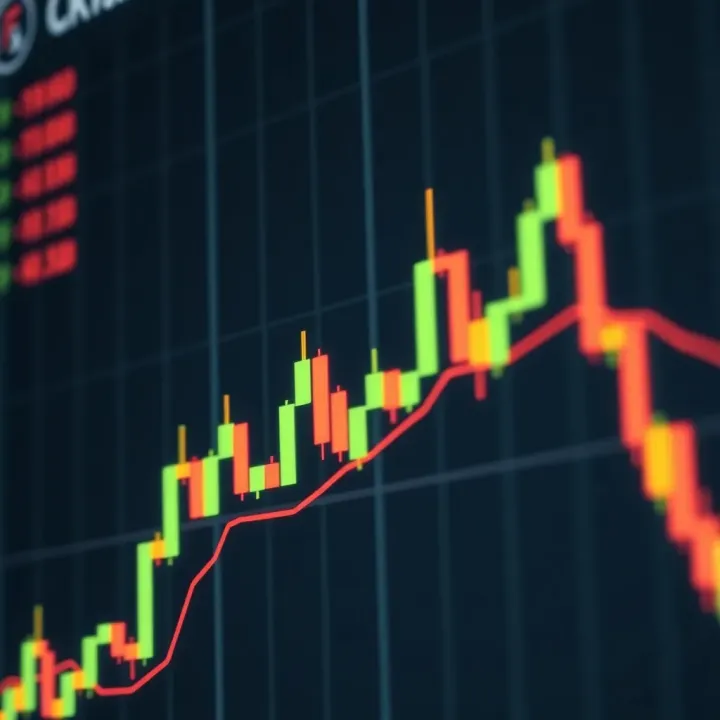
📉 Learn how to spot bearish reversal candlestick patterns and use them alongside other tools to predict downtrends for smarter trading decisions in Nigeria.
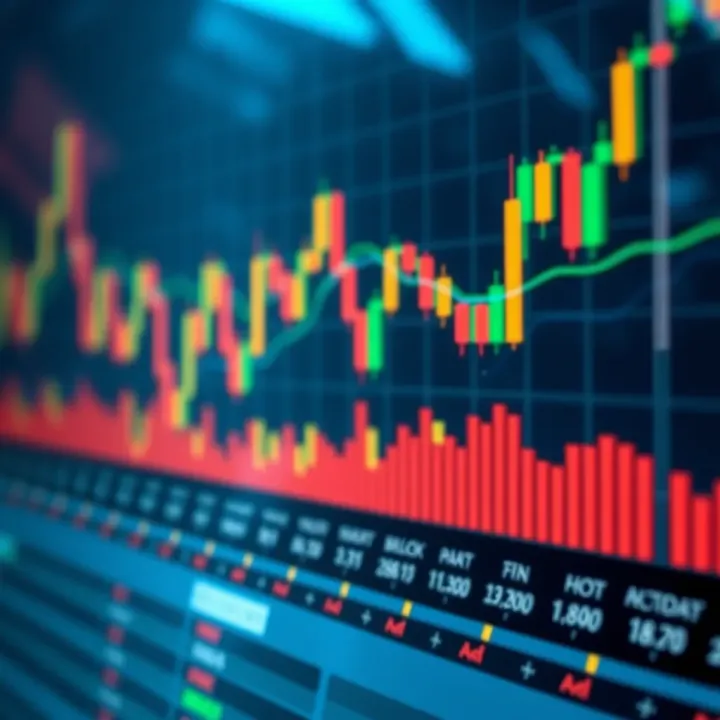
Master 35 key candlestick patterns 📈 to decode market moves and boost trading skills. Learn practical strategies and tips to make smarter investments today!
Based on 11 reviews