
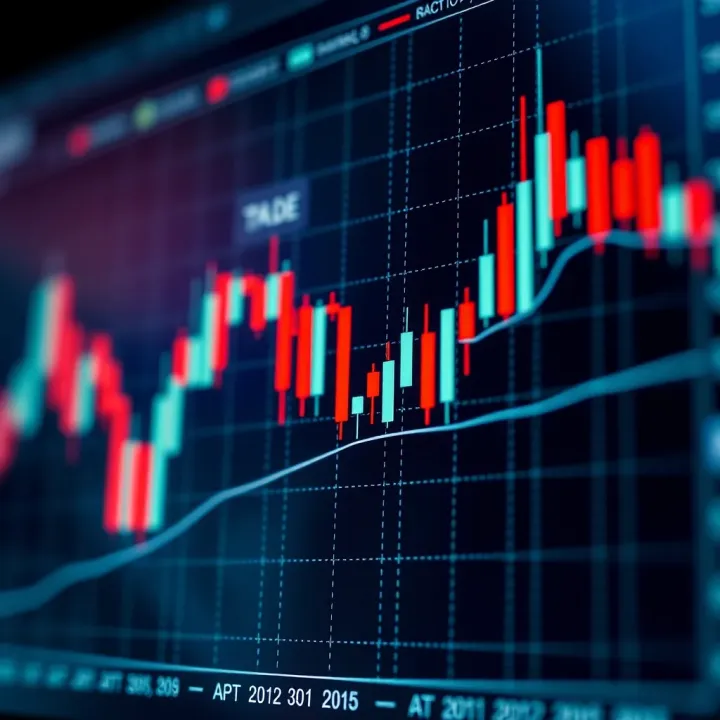
Guide to Candlestick Patterns for Trading
📈 Explore a complete guide to major candlestick patterns in trading! Learn how they form, their market impact, and tips for smarter trading in Nigeria and beyond.
Edited By
James Foster
Every trader knows the market talks in its own unique language, and candlestick patterns are some of the clearest phrases you can catch. These patterns reveal the battle between buyers and sellers, giving insight into market sentiment that charts or numbers alone often miss. Understanding them can mean the difference between riding a smooth wave or wiping out on a sudden turnaround.
This guide shines a light on 35 of the most important candlestick patterns you’re likely to encounter. Whether you’re sifting through price charts on the Nigerian Stock Exchange, or watching forex moves on MT4 while sipping your morning tea, these patterns help decode what's really going on behind the scenes.

You’ll learn how to spot these formations, what they signal about potential price moves, and how to weave them into your trading approach. We’ll also cover practical tips to avoid the common traps traders fall into when reading candlesticks.
Candlestick patterns are like the footprints market participants leave behind. Reading them right can give you a head start on where the market might sprint or stumble next.
The aim here isn’t just to cram your head with pattern names — it’s to help you see the market better and make sharper, more confident decisions. No fluff, just useful, actionable info to sharpen your technical analysis skills.
Get ready to fine-tune your trading radar and bring some real edge to your investment game.
Candlestick patterns are more than just a fancy way of showing price action; they offer a window into trader psychology and market sentiment. Understanding these patterns helps traders spot potential shifts in price direction even before the broader market confirms them. For example, a single hammer candle at a support level could suggest buyers are stepping in, signaling a possible bounce. This knowledge equips traders to make smarter moves instead of reacting blindly.
Every candlestick tells a story with four key data points: the opening price, closing price, highest price, and lowest price within a given time frame. The body of the candle stretches from open to close, colored differently depending on whether price went up or down. The thin lines, called wicks or shadows, show the high and low extremes of that period. This simple design packs a lot of info – for instance, a long upper wick with a small body might hint at seller pressure after a price rally. Traders use these features to quickly assess the battle between buyers and sellers.
Candlesticks mirror the tug of war between bulls and bears. Consider the doji candle: when open and close prices match or nearly match, it shows indecision – neither side can claim control. This moment of hesitation often precedes significant moves, as market participants reassess their positions. By interpreting these subtle signs, traders get a peek into collective emotions like fear, greed, or uncertainty, guiding smarter trade timing.
Certain candlestick patterns flag possible turning points in the market. For example, a bullish engulfing pattern, where a large green candle completely covers the previous red one, suggests buyers overwhelmed sellers and a potential upward reversal is coming. Spotting these setups early can help traders enter or exit positions ahead of big moves, gaining an edge over others.
Candlesticks don’t only warn of reversals—they validate ongoing trends too. When several candles in a row make new highs with strong bodies and minimal wicks, it confirms bullish momentum. Using patterns to affirm the trend’s strength gives confidence to hold positions longer or add to winners.
Timing can make or break a trade. Candlestick patterns help fine-tune entries and exits by highlighting moments when market momentum is picking up or fading. For example, waiting for a shooting star candle after an uptrend can help avoid buying near a turnaround. This precision helps reduce losses and maximize gains.
Reading candlestick patterns is like listening in on the market’s heartbeat; it helps you sense strength, hesitation, and shifts in mood before they fully play out.
By mastering the basics and understanding their practical benefits, traders gain a valuable toolset that complements other technical analysis methods, making their trading approach more informed and responsive.
Understanding how to classify candlestick patterns is a vital step towards making more informed trading decisions. When traders spot a pattern, it’s not just about recognizing the shapes on the chart but knowing what those shapes signify about the market’s next move. By grouping these patterns into categories, traders can quickly assess the likely direction of price action and adjust their strategies accordingly. For example, spotting a bullish reversal pattern after a downtrend might hint that it’s time to consider a buy position.
Candlestick patterns fall broadly into three categories: trend reversal, trend continuation, and neutral patterns. This classification helps traders avoid jumping the gun or hesitating at critical moments. Instead, they get a clearer picture—like a map guiding them through the unpredictable terrain of market moves. Let's dive deeper into each of these to understand the practical side of using them in trading.
Bullish reversal patterns signal that a downtrend might be losing steam and a price rally could be on the way. Traders look out for signals like the Hammer or Morning Star. Take the Hammer: it shows a small body near the top, with a long lower shadow, like a hammer pounding the bottom. This suggests buyers are stepping in after a downslide, pressing prices back up before the candle closes.
Another example is the Bullish Engulfing pattern, where a small red candle is followed by a larger green candle that completely covers the previous one. This shift hints at renewed buying strength overtaking selling pressure. Recognizing these can help traders enter positions just as prices start climbing, improving the chances of riding a profitable wave.
On the flip side, bearish reversal patterns warn that an uptrend may be ending and a downturn is brewing. Patterns like the Shooting Star and Evening Star are good examples. The Shooting Star has a small body and a long upper shadow, showing the bulls tried to push prices higher but failed by the close—this suggests buyers are losing grip.
Similarly, the Bearish Engulfing pattern occurs when a large red candle swallows a smaller green candle, indicating sellers have taken control. Taking cues from these signs can prevent traders from buying at the wrong time or prompt them to secure profits before prices drop.
Trend continuation patterns tell traders that the current price direction, whether up or down, is likely to keep going. For instance, the Rising Three Methods shows a strong upward candle followed by several small-bodied candles that trade inside the first candle's range, then another strong upward candle. This pattern is like taking a brief breather before charging forward, signaling persistent bullish demand.
Alternately, Falling Three Methods works the same in a downtrend, highlighting a pause before the bears push prices lower again. Spotting these patterns can be valuable for traders who prefer sticking with the trend rather than guessing reversals.
Sometimes prices enter a period of indecision or sideways movement, known as consolidation. Candlestick patterns here may be less directional but can hint at breakouts. For example, a series of Doji candles or Spinning Tops suggests uncertainty and low volatility, warning traders to watch for a sudden surge.
When a breakout occurs, it often follows a clear candlestick signal combined with volume spikes. Recognizing these patterns around support and resistance levels provides an entry point before prices make their next significant move.
Candles like Doji and Spinning Tops are classic indifference signals. Their small or nonexistent bodies and long shadows mean buyers and sellers are at a standoff. These patterns don’t predict moves by themselves but signal it’s best to hold fire and wait for confirmation.
Such candles frequently appear before big moves, so savvy traders use them as early alerts to tighten stops or prepare for breakout trades.
Neutral patterns often suggest the market is taking a breather. Whether traders call these consolidation or low volatility phases, these signals help avoid chasing false trends. For instance, a sequence of small-bodied candles can warn that the momentum is fading, even if the trend doesn’t reverse yet.
Knowing when the market is pausing is just as crucial as spotting big moves—it prevents unnecessary losses caused by impatience or overtrading.
Mastering how to spot and classify these patterns is like having a financial compass. It keeps a trader oriented in the fast-moving markets and helps identify where the next trade opportunity may lie.
By learning to distinguish between reversals, continuations, and neutral setups, traders build a sharper edge, improving their timing and overall strategy.
Understanding the 35 most influential candlestick patterns helps traders spot real opportunities and avoid costly errors. These patterns distill market psychology into shapes and sequences that hint at what might happen next. For traders and investors alike, knowing these patterns means better trade timing and smarter risk management.
Each pattern reflects how buyers and sellers battle during a trading period, revealing shifts in momentum and sentiment. When combined with other tools, these patterns can paint a clear picture of likely price directions. Let's break down these patterns into three groups: single-candle, two-candle, and multi-candle patterns.
The Doji is like the market saying, “I’m not sure which way to go.” Its open and close prices are nearly the same, creating a cross or plus sign shape. It signals indecision, but context is key. For example, a Doji after a strong uptrend may warn that buyers are tiring. Traders often wait for the next candle to confirm whether the trend will reverse or continue.
Both candles have small bodies with long lower wicks but show different stories based on where they appear. The Hammer, found at a downtrend’s bottom, says buyers pushed back hard after a selloff, hinting at a potential reversal upwards. Conversely, the Hanging Man appears after a rally, indicating sellers made a strong appearance, which could suggest a bearish turn. Watch volume alongside these for added confirmation.
This is a candle with a small body and a long upper wick, usually appearing after a price rise. It tells us sellers tried to push prices down after a brief surge, showing resistance at higher levels. Traders consider it a warning signal, especially if the next candle drops sharply.
Spinning Tops have small bodies and wicks on both ends, reflecting uncertainty and a tug-of-war between bulls and bears. They often signal a pause in the current trend. For example, after a strong trend, a Spinning Top might mean indecision in the market, nudging traders to wait for a clearer sign before making a move.
Engulfing patterns involve two candles where the second one "swallows" the first. A Bullish Engulfing happens when a big green candle covers a smaller red one, pointing to buyer strength and a possible trend reversal upwards. The Bearish Engulfing is just the opposite, signaling sellers taking control. These are some of the most reliable reversal signals when coupled with volume spikes.
This pattern occurs in a downtrend and shows buyers jumping in. The first candle is a long red one, followed by a green candle that closes above the midpoint of the previous red candle. It's a subtle hint that buyers might be gaining ground, often leading to short-term rallies.
This is the bearish counterpart of the Piercing Line. After an uptrend, a green candle is followed by a red one closing well into the green candle’s body, indicating sellers overpower buyers. Traders watch this closely to enter short positions or tighten stops.
These patterns consist of two candles with matching highs or lows. Tweezer Tops suggest strong resistance at a certain price, making a reversal likely. Tweezer Bottoms, on the other hand, indicate support and potential price bounce. Despite their simplicity, they can be quite effective when paired with other signals.
The Morning Star is a bullish signal formed by three candles: a long red candle, a smaller indecisive candle (like a Doji), and then a strong green candle closing well into the first candle’s body. This shows buyers returning after sellers exhausted their momentum. Evening Star is its bearish flip, warning of sellers taking over after a rally.
Three White Soldiers feature three consecutive green candles, each opening near the previous close and closing higher. This pattern screams strong bullish momentum. Three Black Crows are the bearish mirror, with three red candles signaling seller dominance. Both patterns suggest continuation or strong reversal and demand swift action.
A rare but powerful pattern, the Abandoned Baby involves a Doji candle gapped away from two strong opposing candles. This gap signals a drastic sentiment shift and potential trend reversal. This pattern requires confirmation but is a red flag for traders to watch closely.
These patterns highlight pauses within trends. The Rising Three Methods show three small red candles contained within the range of two larger green ones, signaling a temporary pullback during an uptrend. The Falling Three Methods reverse this for downtrends. Identifying these helps traders stay in trades during momentary slowdowns, avoiding premature exits.
Mastering these 35 candlestick patterns equips traders to read market moods effectively, making the difference between guesswork and informed decisions. Always remember, no pattern works alone - combining this knowledge with volume, support levels, and broader market context leads to better trade execution.
Candlestick patterns offer a snapshot of market sentiment, but they rarely tell the whole story alone. When combined with other technical tools, these patterns provide a clearer picture of potential price moves and reduce the chance of false signals. For Nigerian traders and investors, layering candlestick analysis with complementary techniques can lead to smarter decisions and more reliable timing.
Support and resistance levels act like invisible walls where price tends to stall or reverse. When a candlestick pattern emerges near these levels, its significance grows. For example, spotting a "Hammer" candlestick right on a known support zone can give a strong hint that a price bounce is likely. Conversely, a "Shooting Star" near resistance suggests sellers might step in.
Imagine a stock like Guaranty Trust Bank (GTBank) fluctuating between ₦30 and ₦35. If a bullish candlestick pattern like a "Bullish Engulfing" forms just above ₦30, it signals that buyers are defending that support level. This combined insight helps traders enter positions with better confidence.
Moving averages smooth out price data to identify the overall trend direction. When candlestick patterns appear in alignment with moving averages, it provides double confirmation. For instance, if a bullish reversal pattern happens above the 50-day moving average, this suggests the uptrend may resume.
A trader watching the Nigerian Stock Exchange might notice a "Morning Star" pattern in Dangote Cement shares following a dip. If this pattern appears while the price is still above its 100-day moving average, it acts as a green light to enter or hold long positions. This synchronization reduces guesswork and improves timing in choppy market conditions.
Volume is the fuel that powers price moves. Without strong volume backing a candlestick pattern, the pattern’s reliability diminishes. When volume spikes accompany formations like "Bullish Engulfing" or "Piercing Line," it confirms increased trader interest and commitment.
Consider an example with MTN Nigeria: seeing a "Dark Cloud Cover" pattern on high volume after a steady rise warns that sellers are stepping up, hinting at a possible pullback. On the other hand, low volume might indicate indecision rather than a genuine reversal. Monitoring volume alongside candlesticks helps traders avoid traps and spot genuine trend changes.
Using candlestick patterns together with support and resistance, moving averages, and volume analysis creates a more comprehensive approach. This trio helps cut down noise and false signals, giving Nigerian traders a sharper edge in the markets.
In practice, layering these tools means:
Waiting for candlestick patterns at key price levels.
Ensuring patterns align with moving average trends.
Checking volume surges to back up pattern validity.
By applying this method, traders stand a better chance at spotting trade setups that stick, rather than chasing fleeting price moves.
Using candlestick patterns properly can make or break a trader’s success. While spotting patterns is one thing, applying them in real trading scenarios requires some solid approach and caution. This section dives into hands-on advice to help you get more reliable signals and avoid common pitfalls.
Not every candlestick pattern is a green light. False signals happen when a pattern suggests a price move that never actually materializes, causing traders to enter or exit a position too early or late.
One classic example is the false bullish engulfing pattern. Suppose you spot a bullish engulfing pattern after a steep downtrend in a fast-moving market like crude oil futures. The pattern might look promising, but if the larger market context or volume doesn’t support it, the price might just keep falling.
To tackle this, cross-check with other indicators like volume spikes or momentum oscillators. If volume is low or momentum doesn’t confirm a reversal, it’s safer to hold back. Also, consider the bigger trend—trading a bullish reversal pattern in a strong downtrend without extra confirmation tends to be risky.
Remember, a candlestick pattern is rarely a standalone trade signal. It’s a clue within a bigger puzzle.
Candlestick patterns can appear on any chart timeframe—from minutes to monthly charts—and the significance varies widely with each.
For example, a hammer on a 5-minute chart during volatile intraday trading may offer a quick bounce opportunity but is less reliable for long-term trading. Meanwhile, the same hammer on a daily chart suggests a meaningful potential reversal at a critical support.
Traders should pick timeframes that match their trading style:
Day traders might rely on 1-minute to 15-minute charts.
Swing traders focus on 1-hour to daily charts.
Long-term investors pay attention to daily, weekly, or monthly charts.
Mixing signals across multiple timeframes helps. Spot a bullish engulfing on a 15-minute chart, then see if the daily chart confirms a trend reversal. This layered approach reduces noise and improves decision-making.
Having a clear, well-structured trading plan gives your candlestick analysis a framework. Without it, you may get caught chasing “every pattern” and burn through your capital.
A good plan includes:
Entry rules: Define exactly which candlestick patterns you trade and under what conditions (e.g., bullish engulfing only when near support and confirmed by rising volume).
Exit strategy: Use stops and profit targets to lock gains or cut losses. For instance, place stop-loss orders just below the low of a hammer candlestick.
Position sizing: Decide how much capital to risk per trade to keep losses manageable.
Regular review: Track pattern performance in your trading journal to identify what works best.
Practical example: If you trade the Morning Star pattern on daily charts, your plan might say, "Enter when price closes above the star pattern’s highest candle, with RSI above 50." Set your stop loss below the pattern’s low and target a reward-to-risk ratio of at least 2:1.
Effective candlestick trading isn’t about spotting patterns alone; it’s about disciplined application within a comprehensive trading strategy.
By blending pattern recognition with clear rules and realistic risk management, you can improve your chances of trading success and avoid common traps most beginners face.
In the fast-paced world of trading, having a handy reference for candlestick patterns is like carrying a map when trekking through unfamiliar terrain. PDFs dedicated to candlestick analysis offer traders a convenient, offline way to revisit complex patterns without sifting through endless articles or videos. This section shines a light on how these digital guides can sharpen your trading skills, where to find the cream of the crop, and how best to put them to work in your trading routine.
One of the biggest perks of using PDFs focused on candlestick patterns is accessibility. Whether you’re on a train, in a cafe, or at your desk without internet, you can open these files on any device—smartphones, tablets, or laptops. Unlike apps or web pages, PDFs don’t rely on internet stability, giving you uninterrupted access.
Moreover, PDFs often condense years of market wisdom into clear charts and bite-sized explanations that cut through the jargon. For example, a trader could quickly flip to the "Morning Star" pattern page to refresh their memory before placing a trade.
Many PDFs come with printable options, giving you the chance to create your own quick-reference cheat sheets. This tactile interaction with content can help reinforce memory better than staring at a screen for hours.
Finding high-quality PDFs isn’t a wild goose chase when you know where to look. Established trading education sites such as Investopedia, BabyPips, and the Chartered Market Technician (CMT) Association often offer downloadable resources that have been vetted by professionals. These sites provide materials that are more reliable than random internet downloads, which can mislead or confuse with outdated or incorrect information.
Brokerage firms like Interactive Brokers or TD Ameritrade sometimes provide their clients with educational PDFs on candlestick patterns as part of their learning packages. Signing up with such brokers can be a two-birds-one-stone deal: you get access to tools and legit learning materials.
It’s wise to steer clear of PDFs from unknown sources that don’t list a clear author or date. Market conditions shift, and guidelines on patterns evolve, so up-to-date resources keep you from falling behind.
Getting your hands on a PDF is just half the battle; using it well makes the difference. Traders should consider the following tips:
Regular Review: Don’t treat the PDFs like a one-time read. Go over key patterns regularly, especially before and after trading sessions.
Highlight & Annotate: Most PDF readers let you highlight text or make notes. Use this to mark patterns you find tricky or especially useful.
Practice With Charts: After studying a pattern in the PDF, jump onto real charts to spot it in action. This back-and-forth sharpens pattern recognition.
Integrate With Your Trading Plan: Incorporate the patterns you learned into your personal trading plan so they become practical tools, not just theory.
Consistency is key. Using candlestick PDFs like a well-thumbed recipe book helps you cook up smarter trades over time.
By treating PDFs as a living part of your trading toolkit rather than just static files, you’ll notice improvements not just in spotting patterns but in overall market understanding. The right document in hand can turn confusion into clarity and hesitation into confident decision-making.
📈 Explore a complete guide to major candlestick patterns in trading! Learn how they form, their market impact, and tips for smarter trading in Nigeria and beyond.
📈 Learn key candlestick patterns for smarter trading decisions! Discover practical tips and handy PDF resources to analyse markets like a pro. 📊
📈 Discover powerful candlestick patterns with our detailed guide—learn how to spot, interpret, and trade them confidently. Includes a handy PDF with 35 key patterns!

📉 Learn to spot bearish candlestick patterns in trading and improve your market predictions. Get tips on interpretation and combining tools for smarter decisions.
Based on 13 reviews