
All About Forex Trading: A Clear Guide for Nigerians
🌍 Explore forex trading basics, proven strategies, and smart risk management tips tailored for Nigerian traders ready to boost their forex skills.📈💡
Edited By
Sophie Lawrence
Forex trading, known commonly as foreign exchange trading, involves buying and selling currencies to make profits. For many Nigerians, this market offers a practical way to earn additional income or diversify investments beyond traditional options like stocks or real estate.
Imagine you are exchanging your naira for dollars because you expect the dollar to rise in value against the naira. If the dollar indeed strengthens, you could convert back to naira and make a profit. This is forex trading in action—buying a currency low and selling it high or vice versa. Unlike the stock market, forex works 24 hours a day during weekdays, giving traders flexibility.
The forex market is the largest in the world, with daily transactions exceeding $6 trillion. It is a decentralised market, which means no single exchange or location holds it together. Banks, financial institutions, brokers, and individual traders all participate through electronic platforms.
Key pairs like USD/NGN (US Dollar/Nigerian Naira), EUR/USD (Euro/US Dollar), and GBP/USD (British Pound/US Dollar) are heavily traded. Nigerian traders often focus on USD/NGN because of its relevance to local business and remittances.
Choose a Trusted Broker: Select brokers regulated by reputable bodies like the Securities and Exchange Commission (SEC) Nigeria or international regulators. Avoid unverified or shady platforms to reduce the risk of fraud.
Open a Trading Account: This usually involves providing identification (such as NIN or BVN), proof of address, and funding your account. Many brokers accept deposits from ₦10,000 upwards.
Get Familiar with the Trading Platform: Popular platforms include MetaTrader 4 (MT4) and MetaTrader 5 (MT5), known for ease of use and reliability.
Start with a Demo Account: Practice without risking real money to understand how forex charts and orders work.
Learn Basic Strategies: Common approaches include scalping, day trading, and swing trading. These help decide when to enter or exit trades.
Safety and education come before profit, especially in forex trading. Taking time to read free practical guides and PDFs can strengthen your foundation.
Reliable PDFs simplify complex forex concepts and provide examples tailored for the Nigerian market. They often cover topics such as risk management, platform tutorials, and interpreting economic indicators like CBN policies or naira exchange rate trends.
Starting forex trading for Nigerians requires prudent choices, learning, and steady practice. With the right information and tools, it can become a useful addition to your financial toolkit.
Understanding what forex trading entails and how it operates is the foundation for anyone serious about entering the currency market. This section unpacks key concepts that shape trading decisions and market behaviour, helping you avoid common pitfalls right from the start.
Forex trading revolves around currency pairs, which represent the relative value of one currency against another. For example, the USD/NGN pair shows how many Nigerian Naira one US Dollar can buy. This quotation is critical because you are essentially trading currencies in pairs — when you buy one, you are selling the other. Knowing this helps you understand market moves and plan trades effectively.
The forex market never really sleeps. It operates 24 hours a day during weekdays, moving across major financial centres like London, New York, Tokyo, and Sydney. For a Nigerian trader, this means you can access the market at almost any time, though volatility tends to be highest when multiple sessions overlap. Recognising these hours and knowing who the main players are—central banks, commercial banks, hedge funds, and retail traders—gives you an idea of when and where liquidity is strongest.
Forex trading is the simultaneous buying of one currency and selling of another. If you anticipate that the Euro will strengthen versus the US Dollar, you buy the EUR/USD pair with the hope of selling it later at a higher price. This process requires an understanding of how currency valuations fluctuate based on economic indicators and geopolitical events. Practically, your profit or loss depends on the price difference between when you enter and exit the trade.
Brokers act as your gateway to the forex market, connecting you to liquidity providers—these could be big banks or financial institutions that supply the necessary currency volumes to complete trades. A reliable broker ensures your trades execute promptly and transparently, while a liquidity provider guarantees that there is enough market depth for your orders. Choosing a broker with solid regulation and good reviews is key since some platforms may offer attractive spreads but have poor trade execution or hidden fees.
To succeed in forex, a clear grasp of market mechanics and your trading platform's operation is vital. This understanding helps safeguard your capital and shapes smarter trading choices from the outset.
This section equips you with the basics you'll need before diving deeper into trading strategies and risk management in the next parts of this guide.
Starting forex trading without proper preparation is like setting off into Lagos traffic without knowing your route – you’re bound to face avoidable challenges. This section breaks down the essential steps to help beginners launch their forex trading journey confidently and securely, offering practical advice on account setup, understanding leverage, and practising with demo tools.
Choosing the right forex broker is critical. Not all brokers operate with the same level of transparency or reliability, especially for Nigerian traders who face unique challenges like deposit restrictions or currency conversion issues. Look for brokers regulated by recognised authorities, offering fair spreads and straightforward withdrawal processes. For instance, brokers that accept payments via local platforms like Paystack or Flutterwave reduce friction. Consider brokers with easy-to-navigate interfaces and strong customer support; these factors will serve you better than flashy marketing.
Registration and verification process usually require you to provide valid ID documents, proof of residence, and sometimes your Bank Verification Number (BVN). This process helps the broker comply with anti-money laundering rules and ensures your funds are secure. The verification can take from a few hours up to several days depending on the broker’s efficiency. Nigerian traders should be wary of brokers who delay verification unnecessarily or demand excessive paperwork beyond the standard requirements.
What leverage means in forex is essentially trading with borrowed funds. For example, a leverage of 100:1 means you can control ₦100,000 with just ₦1,000 of your own money. This boosts your potential gains but also your possible losses. Knowing how leverage works helps you avoid overextending your position size and keeps your account safer.
Risks associated with high leverage matter because while it multiplies profits, it equally amplifies losses. A slight market movement against your position can wipe out your capital quickly. Many Nigerians jump into high-leverage trades hoping for quick returns but end up losing more than they bargained for. It’s wiser to start with lower leverage and increase it gradually as you grow more confident and experienced.
Importance of practising before real trading cannot be overstated. Demo accounts simulate real market conditions using virtual money, letting you test strategies without risking your hard-earned cash. Practising helps you understand timing, order types, and emotional discipline—key elements that separate successful traders from beginners who lose funds fast.
Accessing demo accounts from popular platforms is straightforward. Most brokers like XM, Pepperstone, or IG offer free demo accounts. Besides, platforms such as MetaTrader 4 and 5 provide user-friendly demo versions compatible with Nigerian brokers. Take advantage of these tools to sharpen your skills. Once you consistently make gains in the demo, you’ll be better prepared for live trading.
Starting right by setting up a trusted account, grasping leverage, and practising through demo accounts can save you from costly mistakes and build a solid foundation in forex trading.
Taking these practical steps seriously pays off. They help you trade smartly instead of trading blindly in the volatile forex market.
Understanding forex trading strategies is essential for making informed decisions in the fast-moving currency market. Strategies help you read market signals, manage positions, and avoid emotional trading mistakes. Nigerian traders who master these approaches can better navigate volatile market conditions and improve their chances of consistent profits.
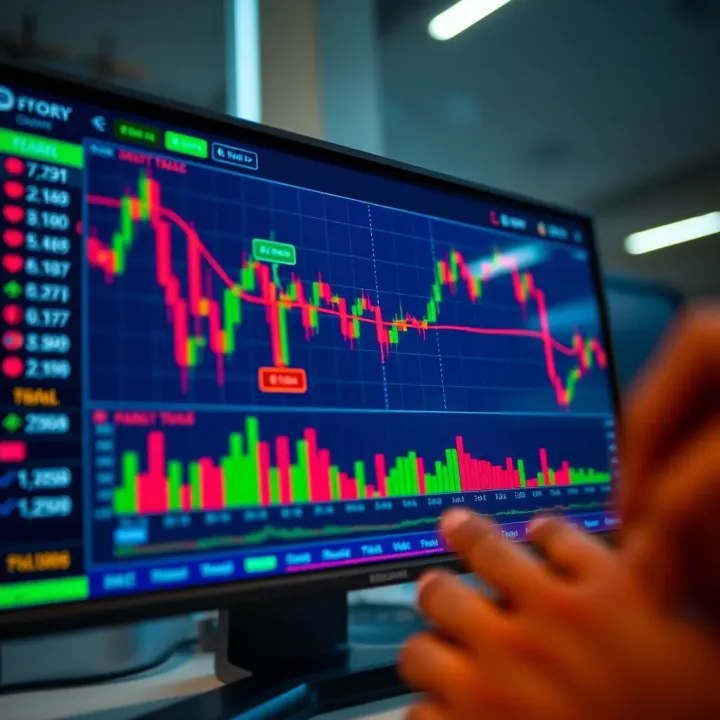
Reading charts and identifying trends is the foundation of technical analysis. Charts plot currency price movements over time, allowing you to spot whether a currency pair is trending upward, downward, or moving sideways. For example, if the Nigerian naira (NGN) vs US dollar (USD) pair shows higher highs and higher lows on a daily chart, it signals an uptrend, suggesting buying opportunities. Recognising trends helps traders enter and exit trades at more favourable moments rather than trading randomly.
Key indicators and tools further refine your understanding of price action. Popular indicators like the Relative Strength Index (RSI) measure whether a currency is overbought or oversold, hinting at potential reversals. Moving averages smooth out price data to highlight trend direction. Tools such as support and resistance lines mark price levels where the market often pauses or reverses. Using these indicators together adds layers of confirmation, making trading decisions more objective and less guesswork.
How economic data affects currency values provides a wider view beyond charts. Numbers like Nigeria’s inflation rate, trade balance, or unemployment figures influence currency demand. For instance, improving inflation figures signal economic stability, which may boost investor confidence in the naira. Likewise, a widening trade deficit might weaken the currency as more naira flow out for imports.
Tracking central bank announcements and policies is vital since these shape currency fundamentals. The Central Bank of Nigeria (CBN) interest rate decisions strongly affect forex markets. Raising rates can attract foreign investors seeking higher returns, strengthening the naira. Conversely, rate cuts may weaken it. Staying updated on CBN policy shifts helps traders anticipate big moves before markets react sharply.
Scalping and day trading basics focus on short-term opportunities, sometimes holding positions for minutes or hours. Scalping involves making quick trades to capture small price changes, requiring sharp attention and fast execution. A day trader might close all trades before market close to avoid overnight risks. These styles suit traders who want frequent action and the chance to profit even in sideways or volatile markets.
Swing trading and position trading take a longer view. Swing traders hold positions for days or weeks, riding medium-term trends. Position traders may keep trades open for months, relying on broad economic shifts or policy changes. These approaches require patience and the ability to tolerate temporary market noise. For example, a swing trader might buy the naira after CBN announces monetary easing, expecting a gradual rebound over coming weeks.
Learning and practising these common forex strategies builds the skills to handle Nigeria’s unique market challenges, from sudden policy moves to naira volatility. Use a combination that fits your style, risk appetite, and available time to trade.
This knowledge empowers Nigerian traders to trade forex with more confidence and effective risk control, turning the complex market into an opportunity rather than a gamble.
Knowing how to handle risks in forex trading is not just helpful — it’s essential. Forex markets can swing sharply, sometimes for reasons beyond economic fundamentals, such as geopolitical shocks or sudden policy changes. Without proper risk management, traders may face significant financial losses fast. Practical risk awareness helps you sustain your trading activities and avoid wiping out your capital early on.
Market volatility and unexpected events can cause rapid and unpredictable price movements. Take Nigeria’s fuel subsidy removal announcements, for example. Such policy shifts can trigger immediate reactions in ₦/USD rates. If a trader is caught unaware or without protective measures, losses can mount quickly. Events like unexpected inflation data or global oil price shocks also fuel currency swings. Understanding this volatility helps traders prepare mentally and operationally for sudden changes.
Impact of leverage on losses deserves serious attention. Leverage lets you control a larger trade size than your actual investment — say a 100:1 leverage means ₦10,000 can control ₦1,000,000 worth of currency. While it magnifies profits, it also amplifies losses. For instance, a 1% adverse movement against a leveraged position can wipe out your entire capital. Many beginners overlook this and rapidly lose funds because they treat leverage like free money, not borrowed funds that must be handled cautiously.
Using stop-loss and take-profit orders is a practical way to limit losses and lock in gains. A stop-loss order automatically closes a trade when losses reach a set level. For example, if you open a ₦100,000 position on the USD/NGN pair, setting a stop-loss at 2% limits your possible loss to ₦2,000. Conversely, a take-profit order closes your trade once a target profit is met, so you don’t lose gains to sudden reversals. These tools let traders manage trades proactively without constantly monitoring the market.
Position sizing and currency diversification help spread and reduce risk. Position sizing means carefully deciding how much capital to risk per trade based on your total account size and risk tolerance. For example, risking 1–2% of your trading capital on any single trade keeps losses manageable. Currency diversification involves trading different currency pairs instead of putting all your money on one pair like USD/NGN. Spreading exposure across pairs like EUR/USD, GBP/USD, and USD/NGN means that a shock in one market won’t entirely devastate your portfolio.
Managing forex risks effectively is about combining practical tools with disciplined money management. This approach protects your funds and allows longer participation in the exciting, yet unpredictable, forex market.
By understanding these risks clearly and using proper management techniques, you will be better positioned to trade forex smartly, reducing chances of costly mistakes that newcomers often encounter.
Accessing reliable forex resources and free PDFs is a key step in building strong trading skills. These materials offer practical guidance, easy reference, and trustworthy insights for both beginners and experienced traders. Because the forex market changes rapidly, keeping up with fresh, accurate information helps you avoid costly mistakes and improve decision-making.
Trusted Nigerian forex education websites provide locally relevant insights and examples that speak directly to Nigerian traders' context. Sites like Nairametrics and BusinessDay regularly publish forex analyses, market updates, and beginner guides. These platforms give you explanations tailored to Nigeria’s economic environment, such as naira exchange fluctuations or CBN policies, which global sites might overlook.
Besides Nigerian-specific sources, global platforms such as Babypips and Forex Factory offer free forex trading PDFs that cover fundamentals, technical analysis, and risk management in depth. These materials often include charts, trade examples, and glossary terms. They serve as excellent supplements to local knowledge, broadening your understanding of international trends and strategies.
When choosing forex PDFs, focus on key topics such as currency pairs dynamics, chart reading techniques, types of orders (like stop-loss), and leverage implications. Understanding how central bank announcements impact prices or how to interpret candlestick patterns will especially boost your analytic skills. The best PDFs also feature real-world examples demonstrating practical trade setups and risk-control methods.
Applying knowledge from PDFs requires more than just reading; you need to put lessons into practice. Start with a demo trading account and try strategies explained in the PDFs while observing how your trades behave under different market conditions. Referring back to the PDFs for clarification while practising helps reinforce learning and builds your confidence. Over time, you’ll refine your approach by comparing textbook scenarios with actual price movements.
Consistently using reliable forex resources and well-structured PDFs is like having a compass and map for your trading journey — they prevent you from wandering aimlessly and equip you with practical tools to navigate the market effectively.
To sum up:
Seek Nigerian sites for relevant, local forex education.
Use global free PDFs to deepen foundational knowledge.
Study crucial trading topics and case studies from PDFs.
Practice regularly while consulting PDFs to solidify skills.
This balanced approach ensures you gain a realistic and applicable forex understanding that stands the test of Nigeria’s unique market dynamics.
🌍 Explore forex trading basics, proven strategies, and smart risk management tips tailored for Nigerian traders ready to boost their forex skills.📈💡
Explore forex trading in Nigeria 🇳🇬 with practical insights on market basics, strategies, risks, and tips for both new and experienced traders 💹📊

Discover how forex trading works, key players, risks & benefits 🎯 for Nigerian investors. Learn steps & tips to trade currencies confidently in the 24-hour market ₦.
Explore top forex trading platforms for Nigerian traders 🇳🇬. Get practical tips, understand regulations, tackle challenges, and trade securely in ₦ markets 💹.
Based on 7 reviews