

Choosing the Best Forex Trading Apps in Nigeria
📱 Discover how to choose the right forex trading app for Nigeria 🇳🇬. Learn key features, security tips, and ways to boost your trading success on mobile.
Edited By
Harry Wilson
Forex trading has seen a surge in popularity across Nigeria, becoming an accessible way for individuals to engage with global financial markets. With the rise of smartphones, trading apps have become the primary gateway for many Nigerians to buy and sell currencies on the go. But with so many options out there, picking the right app can feel a bit like navigating a maze.
This practical guide zooms in on the best forex trading apps geared for Nigerian traders, emphasizing features that align with local needs. From regulation and security to user interfaces and trading tools, we'll break down what to look for and what could be deal-breakers. Whether you're a beginner just getting your feet wet or an experienced trader trying to find a better platform, this guide aims to cut through the noise and make your choice clearer.
Choosing the right forex app doesn't just impact your trading experience; it can make the difference between winning and losing. Understanding the landscape is the first step towards smarter trading.
We'll explore key aspects such as convenience, fees, available currency pairs, payment methods popular in Nigeria, and how these apps handle customer support. The Nigerian market has unique challenges like intermittent internet connectivity, regulatory concerns, and currency restrictions — all factors that influence which app will serve you best.
In the sections that follow, expect detailed comparisons, practical tips on app functionalities, and insights on security measures. Ultimately, this guide offers a straightforward resource for Nigerian forex traders keen on maximizing potential while managing risks effectively.
In the fast-paced world of forex trading, having the right tools isn't just a luxury—it's a necessity, especially in Nigeria where access to quick, reliable information can make or break a trade. Forex trading apps bring the market right to your fingertips, allowing traders of all levels to engage with the forex market anytime, anywhere. These apps do more than just provide a platform for buying and selling currencies; they offer a window into global economies, market trends, and real-time data that are essential for making informed decisions.
Real-time market data is the heartbeat of any trading app. It provides traders with up-to-the-second information on currency prices, market trends, and volume changes. For instance, a Nigerian trader monitoring the USD/NGN pair can see fluctuations as they happen, avoiding lag that could result in missed opportunities. This timely access helps traders react swiftly to market movements, seize profitable moments, and manage risks effectively. Apps like MetaTrader 4 and FXTM excel in providing comprehensive live data streams.
Trade execution is how quickly and accurately an app can carry out buy or sell orders once you make your move. Speed matters here—a delay of even a few seconds can mean the difference between profit and loss. Reliable apps enable seamless order placements including market, limit, stop-loss, and take-profit orders. This flexibility is critical, especially when the Nigerian market reacts sharply to global events or local economic shifts. Traders benefit from low latency and real-time confirmations that verify their trades have been successfully executed.
Most advanced forex apps come bundled with technical analysis features like charts, indicators (RSI, MACD, Bollinger Bands, etc.), and drawing tools. These enable traders to spot trends, identify entry and exit points, and predict price directions. For example, a trader using IQ Option might use candlestick patterns combined with moving averages to strategize for a swing trade during volatile periods. Such analytical support is invaluable in turning raw data into actionable trading plans.
Beyond just executing trades, managing your portfolio helps track overall performance, asset allocation, and risk levels. Robust apps offer dashboards summarizing profits, losses, open positions, and historical trades in one place. ForexTime (FXTM) app includes portfolio tools where users can monitor their currency pairs’ status and diversify holdings, helping avoid putting all eggs in one basket. For Nigerian traders juggling multiple investments, these features simplify oversight and improve decision-making.
Nigeria’s trading community is growing rapidly, but many traders don’t have constant access to desktop computers. Mobile forex apps break down these barriers by allowing users to connect and trade wherever they find a stable internet connection. Whether waiting in traffic in Lagos or during a quiet moment at home, traders can check prices, place orders, or close positions instantly. This constant connectivity is a lifesaver when markets are moving fast.
Trading involves more than just acting on signals; it often requires quick reactions to breaking news or sudden shifts. Mobile apps meet this need by offering notifications, alerts, and real-time updates directly to smartphones. For instance, a forex trader in Abuja can receive push alerts about major economic data releases or currency volatility and adjust trades on the fly without the delay of needing a full workstation.
Most Nigerians rely heavily on smartphones, with many using budget-friendly Android devices and varying internet speeds. Successful forex apps for the Nigerian market are optimized for these conditions—in other words, they're light on data usage, work well on smaller screens, and can operate smoothly on 3G or fluctuating 4G networks. OctaFX and eToro, for example, have designed their mobile apps to perform consistently even with these limits, which keeps traders engaged without frustration.
Understanding how these trading apps operate—from offering real-time data to ensuring usability on mobile devices tailored to local conditions—equips Nigerian traders with the tools to navigate forex markets more confidently and effectively.
When picking a forex trading app, there’s more on the checklist than just flashy graphics or a big brand name. The essential features define whether the app will actually help you trade smarter or just end up as a waste of space on your phone. Nigerian traders, in particular, need apps that can stand up to local challenges like spotty internet and a range of device types — so ease of use and solid performance matter a lot.
These essential features cover everything from how the app feels in your hands to how securely it guards your data and how fast your trades get executed. Overlooking any one of these could cost you opportunities or worse, your hard-earned money. Let’s break down the must-haves.
If you open an app and it feels like decoding hieroglyphics, chances are you won’t stick with it. A clean, straightforward interface is key. Imagine logging in after a busy day and not having to hunt around three menus just to place a trade. Good apps keep essential functions obvious and let you customize what you see, so you can focus on what matters to you. For example, MetaTrader 4 has a straightforward dashboard that even newbies can get a grip on quickly.
No two traders are the same, so why should their apps look identical? Being able to move widgets, change chart types, or switch between dark and light modes can make a big difference. A customizable layout lets you put your most-used tools front and center, saving precious seconds during rapid market moves. Think of it as fixing your work desk to fit your habits.
Trading apps must cater to all users, including those who might have vision or motor skills challenges. Features like adjustable font sizes, color-blind friendly palettes, and screen reader compatibility aren’t just nice to have — they ensure everyone can trade confidently. Apps like FXTM have made strides here, offering fonts and buttons that remain clear on smaller devices common in Nigeria.
When you’re sending sensitive data like passwords or payment info, you want it locked tight. Encryption is the digital padlock that keeps your info safe from prying eyes. Look for apps that use end-to-end encryption; this means your data is scrambled before leaving your device and only unscrambled by the recipient’s server. This is a standard in apps like IQ Option and MetaTrader.
Passwords alone are like a flimsy door lock. Two-factor authentication (2FA) adds a second lock—say a code sent to your phone. This extra step can block nefarious access even if someone has your password. Nigerian brokers and app providers often offer SMS or authenticator app-based 2FA methods.
Before uploading your documents or linking bank accounts, check how the app handles your data. Legit platforms clearly state their privacy rules—how they store data, how long they keep it, and whom they share it with. If an app’s privacy section reads like a mystery novel, trust your gut and look elsewhere.
Understanding order types can save your skin when markets swing. A market order executes immediately at the current price, perfect when you need in or out fast. Limit orders let you set a target price for entry or exit, so you’re not stuck reacting to every blip. Good apps will let you switch between these smoothly, and some, like OctaFX, even show you how your order might fill based on live data.
Nothing hurts more than watching a trade tank because you forgot to set limits. Stop-loss orders automatically shut down a losing position at a price you set, putting a guardrail on your losses. Take-profit orders lock in your gains at the target price, so you don’t have to babysit every trade. These are lifesavers for busy Nigerian traders juggling work and family.
Imagine trying to execute a trade during a sudden price movement and the app crashes or lags — that's disaster. Apps must be quick and dependable, especially in volatile forex markets. Providers with good reputations usually have servers close to major financial hubs to minimize delays. Platforms like MetaTrader 5 are known for their robust, low-latency connections.
Forex trading without charts is like sailing without a compass. Reliable apps offer a range of chart types—candlestick, line, bar—and hundreds of technical indicators like RSI or Bollinger Bands. Being able to layer these helps you spot trends or reversals. For instance, eToro's app offers intuitive, interactive charts that you can customize on the fly.
Knowing when key economic events are due can make or break a trade. Economic calendars integrated right into the app save you from losing track or missing announcements that could move currency prices. The ForexTime app provides a handy calendar ticking off events impacting Nigerian and global markets.
Markets react not just to numbers but to news—political shifts, central bank talks, or oil price changes. Having a live news feed inside your app lets you get updates without switching apps. For Nigerian traders, sources that focus on both global and local news are particularly valuable to stay in the loop.
Choosing an app without these core features is a bit like trying to fish with a broken rod — you might get lucky, but it’s mostly setting yourself up for frustration.
To wrap it up, focusing on user-friendliness, security, fast trade execution, and great research tools will steer you closer to finding the right forex trading app for Nigeria’s unique market. These features don’t just make your life easier; they can directly affect your trading success.
In Nigeria, the popularity of forex trading apps has soared largely due to increasing smartphone usage and access to mobile internet. Traders need reliable platforms that offer efficient trade execution, robust analysis tools, and seamless account management. Popular apps aren’t just about flashy interfaces—they represent a trader’s toolbox in earning opportunities and managing risks effectively.
Choosing the right app can make the difference between missing a trading opportunity and capitalizing on market movements. For Nigerian forex traders, it’s equally important that these apps align with local payment methods and support regional brokers, ensuring smooth financial transactions.
Core functionalities: MetaTrader 4 (MT4) and MetaTrader 5 (MT5) stand out mainly because they pack a punch with their trading capabilities. MT4 focuses on forex trading with features like automated trading through Expert Advisors, real-time quotes, and detailed charting tools, while MT5 broadens the horizon by including stocks and commodities. These platforms allow traders to apply custom indicators or scripts, giving them granular control over their strategies. For Nigerian users, the ability to switch between demo and live accounts easily means they can practise without risking funds.
Community and support: One of MT4 and MT5’s strengths is their vast global community. Traders can access forums, tutorials, and custom scripts made by others, making it easier to learn and adapt. Support also comes from numerous brokers and third-party developers who provide add-ons and plugins tailored for specific needs. This community-driven environment enables new traders to find assistance or share tips that might prove critical especially when dealing with fast-moving markets.
Broker compatibility: MT4 and MT5 are widely supported by most brokers operating in Nigeria, including reputable ones like FXTM, OctaFX, and Alpari. This compatibility means traders can pick brokers offering optimal spreads or leverage options without worrying about software restrictions. Before committing, it's wise to verify brokers’ regulatory standing and check if they support local deposit and withdrawal options.
User experience: The FXTM app delivers smooth navigation tailored for both beginners and seasoned traders. Its clean interface avoids clutter while still providing quick access to trading pairs, charts, and account details. Nigerian traders appreciate how the app adapts to slower network speeds, ensuring trades aren’t delayed due to connectivity hiccups.
Educational resources: FXTM doesn’t just stop at trading; it offers a suite of free educational content accessible within the app. From video tutorials to webinars focusing on market fundamentals and technical analysis, the app supports continuous learning. This is particularly useful for Nigerians who are new to forex and want to get their footing before risking real capital.
Account management: Managing deposits, withdrawals, and account settings is straightforward with the FXTM app. It supports local deposit options like bank transfers and mobile money, making it convenient for Nigerian traders. Additionally, the app notifies users of pending withdrawals and trade activities, helping maintain a clear overview without switching platforms.
Interface overview: IQ Option's interface is renowned for its vibrant design and user-friendly layout. It mixes simplicity with advanced functionalities, offering an intuitive setup where users can customize watchlists or set alerts. This visual clarity helps Nigerian traders make swift decisions without getting overwhelmed.
Trading options: Beyond forex, IQ Option lets traders explore CFDs on cryptocurrencies, stocks, and indices, providing a broader range of asset classes. Its low minimum deposit of $10 and micro-lots make it accessible for traders dipping toes in forex or testing strategies with limited capital. However, it’s key to remember that the app's leverage and regulatory options differ across countries.
Withdrawal and deposit methods: The platform supports multiple funding methods, including popular e-wallets like Skrill and Neteller alongside traditional bank cards—important given Nigeria’s diverse payment landscape. Withdrawal requests are typically processed within 24-48 hours, which is fairly reasonable for an international app.
OctaFX app: OctaFX is recognized for its tight spreads and frequent promotions which appeal to cost-conscious Nigerian traders. The app is optimized for mobile use, with quick trade execution and in-built technical analysis tools. Also, OctaFX supports local currencies, easing the deposit and withdrawal process.
eToro app: eToro shines as a social trading platform. Its app lets Nigerian traders follow and copy strategies from top performing peers globally. This social aspect is excellent for those wanting to learn by watching others. Although eToro has higher minimum deposits compared to others, the community focus can be worth it.
Plus500 app: Plus500 offers a straightforward trading experience with an easy-to-use interface and risk management tools like guaranteed stop-losses. While it covers numerous instruments, forex remains a highlight. The app is especially suited for traders who prefer simplicity and reliability without extra frills.
Selecting the right forex trading app in Nigeria hinges on a blend of functionality, local relevance, and trustworthiness. Whether you prioritize powerful charting with MT5 or social trading on eToro, understanding each app’s strengths helps tailor your trading journey effectively.
Picking the right forex trading app is more than just downloading the flashiest platform. For someone trading in Nigeria, it means finding an app that suits your trading habits, fits into your budget, and provides reliable support. It's about having tools that match your style, without drowning in unnecessary fees or slow customer service. Think of it like choosing a car: does it have the mileage, the comfort, and the support you need for your daily commute and long trips? The same logic applies here.
Different traders have different rhythms. Day traders thrive on quick decisions and fast trade executions, needing apps that offer swift order placements and real-time data with minimal lag. A platform like MetaTrader 5, known for its lightning-fast execution and extensive charting tools, can be a solid choice here. On the other hand, swing traders who hold positions for several days might prioritize apps with advanced analytical features and alerts to track medium-term trends efficiently.
Automated trading support pulls a lot of weight, especially if you’re not glued to your phone all day. Apps supporting Expert Advisors (EAs) or trading bots, like MetaTrader 4, allow you to automate your strategies. That way, your trades keep running even when you’re offline or busy. However, traders should be cautious and regularly monitor these bots, as markets in Nigeria can be volatile and unpredictable.
Demo accounts are like practice fields before the big game. They let you get the hang of the platform and test strategies without risking real naira. For example, FXTM’s app offers a generous demo account that many beginners find helpful. Using these accounts before jumping in with actual money can save you from costly mistakes.
You don’t want your profits eaten up by a maze of fees, so understanding commission structures is critical. Some apps charge a fixed fee per trade; others might roll it into the spread. For instance, OctaFX offers commission-free trading with slightly wider spreads, whereas other platforms might have narrower spreads but charge commission. It’s a balancing act: find out what suits your trading volume and style.
Speaking of spreads, this cost can be the silent killer of your profits. A tight spread means you’re paying less to enter and exit trades. Platforms like eToro aim to keep spreads competitive, which is great if you trade often. Always compare spreads during active hours; some platforms widen them unexpectedly during low liquidity periods.
In-app charges often get overlooked but can trip you up. These include deposit or withdrawal fees, inactivity charges, or premium feature costs. For example, while IQ Option offers fee-free deposits, it sometimes charges for withdrawals if you don’t meet certain conditions. Check the fine print so you won’t be caught off-guard.
Ever tried reaching support and felt like you were talking to a wall? Fast response times can make a huge difference, especially when market conditions shift suddenly. Apps with live chat support or 24/7 call centers—like FXTM—help smooth over issues quickly and keep your trades on track.
Local support availability in Nigeria is a real plus. If you can talk to someone who understands regional nuances—like payment methods or regulatory questions—it saves time and hassle. Some apps have dedicated Nigerian customer service, which definitely beats dealing with international support centers that might be closed when you need them.
Help resources aren’t just for beginners. Even experienced traders hit snags and need access to FAQs, how-to guides, or community forums. The MetaTrader apps and eToro provide solid learning sections within their platforms, which can help you troubleshoot common problems or discover new features without leaving the app.
Remember, the right forex trading app isn't just about flashy features. It’s about how well it fits your trading habits, your wallet, and the kind of support you can count on when it really matters. Picking wisely saves frustration and sets you up for better trading success.
When diving into forex trading in Nigeria, keeping an eye on regulatory and safety aspects is non-negotiable. These considerations protect traders from scams and ensure their money and data aren’t just floating in the digital void. It’s like knowing the traffic laws before driving in a new city—understanding who’s watching over the market and what rules are in place gives you a stronger footing.
With so many trading apps out there, especially targeting Nigerian users, it's easy to fall prey to platforms that aren’t fully legit. Being aware of the regulatory environment helps traders sift through the noise and focus on apps and brokers approved by trusted bodies, reducing risks of fraud or unfair practices. This section breaks down the main regulatory players affecting forex in Nigeria and practical ways to spot legit trading apps.
The Central Bank of Nigeria (CBN) plays a big role in shaping the forex trading scene, even though it doesn't directly regulate forex brokers. It manages currency stability and implements policies that influence trading conditions. For instance, the CBN’s stance on foreign exchange windows and its periodic restrictions affect how easily traders can convert naira to other currencies or repatriate funds.
A key takeaway here: understanding CBN’s policies helps traders anticipate changes in liquidity or pricing in the market. Say the bank tightens controls on dollar supply; this can cause spreads to widen or volumes to dip temporarily. Traders using apps must keep this in mind to avoid surprise losses.
While the Securities and Exchange Commission (SEC) Nigeria primarily oversees stock markets, its involvement with forex trading is growing, especially concerning investor protection and licensing forex operators. The SEC ensures brokers meet financial and operational standards before they can offer services, adding a layer of credibility.
What this means in practice: always check if a forex broker or trading app is registered with SEC Nigeria. If it’s registered, you gain some assurance the platform follows proper rules and that there’s a channel to lodge complaints or seek redress if things go sideways.
Many Nigerian traders use apps linked to brokers licensed by foreign regulators like the UK’s FCA (Financial Conduct Authority), the CySEC in Cyprus, or ASIC in Australia. These international bodies enforce strict rules about transparency, client fund segregation, and fair trading practices.
From a practical angle, trading on an app backed by a well-known international regulator adds extra trust. These regulators regularly audit brokers, and if a broker is blacklisted by them, it's a huge red flag. Looking for these badges of oversight can steer you away from fly-by-night operations.
The first step in verifying any trading app’s credibility is checking if the underlying broker or platform holds a valid license from recognized regulatory bodies. In Nigeria, that means SEC registration is a must. Also, seeing licenses from FCA or CySEC further boosts credibility.
To verify, take a moment to visit the regulator's official site or trusted forums and cross-check the broker’s name. Never skip this step as fake apps often mimic real platforms but lack any official approval. Spending a moment here can save you from headaches later.
Here’s where the crowd wisdom comes in. Genuine user reviews and ratings on app stores or trusted trading communities give insights into real experiences. If most feedback flags issues like withdrawal delays, app crashes, or dodgy customer service, that’s a warning.
But remember: no platform is perfect. Look for patterns rather than isolated complaints. Consistent praise for smooth deposits, timely withdrawals, and responsive support suggests the app is on the level.
Good security measures aren’t just about locking your app with a password. Check if the app uses SSL encryption to protect your data during transactions, and offers two-factor authentication (2FA) to add a second layer of security.
Security certifications or seals from recognized bodies that verify cybersecurity controls can also be a plus. They indicate the app provider takes user safety seriously, which is crucial for forex trading where financial details and personal info are vulnerable.
Understanding these regulatory and safety markers can steer you straight toward apps that respect users and operate transparently—essential knowledge for anyone serious about forex trading in Nigeria.
Getting the most out of forex trading apps isn’t just about choosing the right one—it’s also about knowing how to use your tools smartly. Nigerian traders face unique challenges like fluctuating internet speed and economic variables, so these tips can help you navigate the market more confidently and reduce unexpected losses. Let’s break down some practical strategies that ensure your trading journey is smoother and better informed.
Setting stop-loss orders is like installing a safety net. It’s a crucial way to prevent losses when the market takes a sudden turn. By telling the app exactly where to automatically sell a currency pair if it drops to a certain price, you avoid the stress of watching the market all day or risking losing too much. For example, if you buy USD/NGN at 410 and want to limit loss to 5 points, setting a stop-loss at 405 means your position closes automatically if it hits that threshold. This little precaution has saved many traders from wiping out entire accounts overnight.
Diversifying currency pairs means spreading your bets beyond just one or two favorites. Instead of putting all your Naira eggs in the Dollar basket, mixing trades with EUR/NGN, GBP/NGN, or even some more exotic pairs like ZAR/NGN can reduce risks tied to a single economy’s fluctuations. Forex trading apps make it easy to track multiple pairs side-by-side, which helps you spot new opportunities or protect yourself if one market is acting wild.
Using demo accounts for practice is hands-down the smartest move for beginners and even pros testing new strategies. These accounts mimic real market conditions without risking real cash. Imagine you want to try a new trading method or test how fast spreads change at different times of day—demo accounts let you do that safely. For instance, MetaTrader 4 offers demo accounts where you can trade with virtual money, gain confidence, and learn the ropes before going live.
Webinars and tutorials inside trading apps are like having a personal coach on hand. Many platforms, including ForexTime (FXTM) and IQ Option, offer live sessions where experts break down market trends, teach technical analysis, or explain economic news impacts. Joining these webinars regularly helps sharpen your skills, and you get to ask questions specific to your trading challenges.
Market analysis reports provide a pulse check on what’s happening in the forex world—which is super useful when you can’t be glued to your screen. Apps like eToro and Plus500 send regular analysis based on current trends, global economic data, or political events affecting currency pairs. Even a quick glance at these reports can give you a clearer idea on when to enter or exit trades.
Community forums within the apps connect you with other traders, which is worth its weight in gold. These spaces allow you to swap tips, discuss strategies, or get second opinions on market moves. For instance, the MetaTrader community forum has traders from Nigeria sharing unique insights on local market behavior, which you won’t easily find elsewhere.
Taking these practical steps—from managing risks smartly to tapping into in-app education—dramatically boosts your chances of trading success. The key is staying informed, disciplined, and not betting more than you can comfortably lose. With time and experience, your confidence in navigating Nigeria’s forex trading scene will surely grow.
📱 Discover how to choose the right forex trading app for Nigeria 🇳🇬. Learn key features, security tips, and ways to boost your trading success on mobile.
Looking to pick the best forex trading app in Nigeria? 📱 Learn what to watch for, explore top picks, and get tips to trade safely and smartly. 💹
Discover top trading apps in Nigeria 📱 Learn how to pick the best platform for safe investing, key features to watch, and tips to boost your earnings 💰
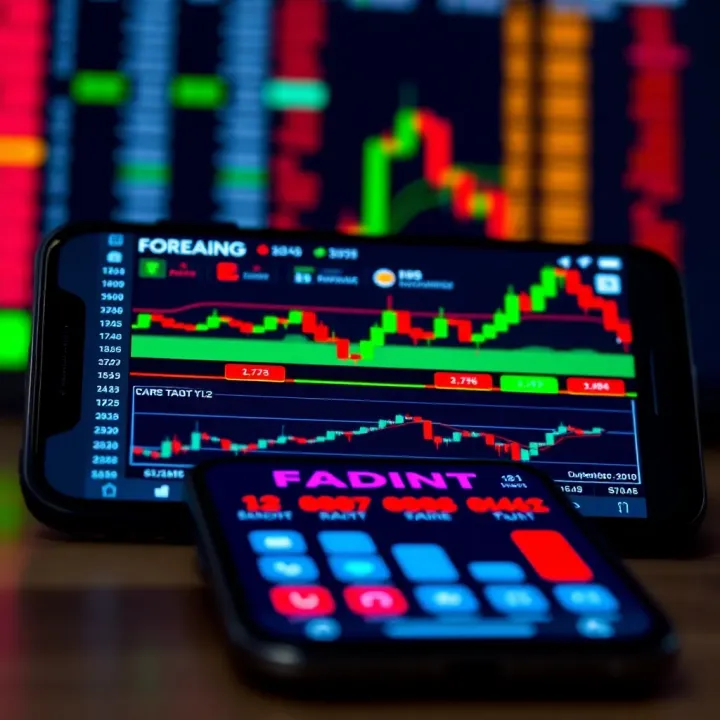
Discover the top forex trading apps for Nigerian traders 📱✔️ Learn about features, security, costs, education, and support to trade with confidence. 🇳🇬💹
Based on 9 reviews