
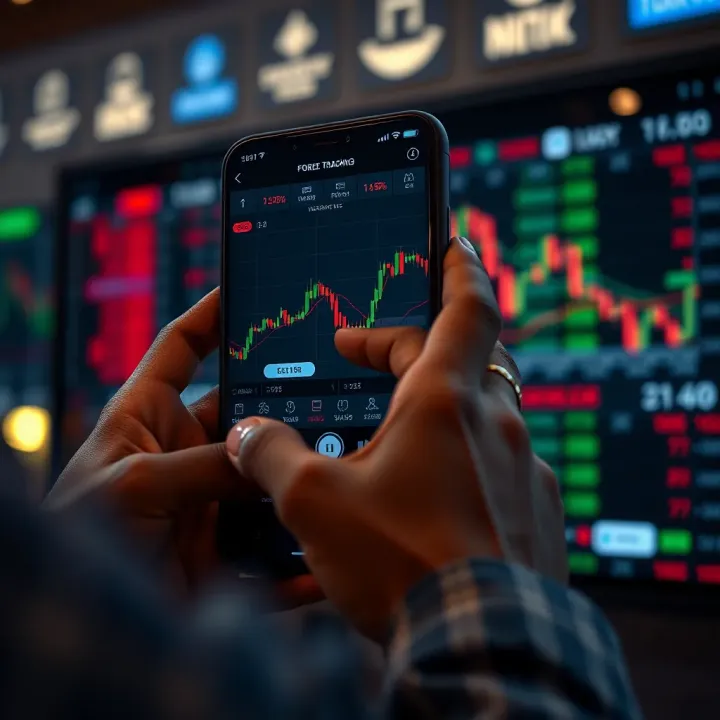
Best Forex Trading Apps for Beginners in Nigeria
Looking to pick the best forex trading app in Nigeria? 📱 Learn what to watch for, explore top picks, and get tips to trade safely and smartly. 💹
Edited By
Henry Mitchell
Forex trading in Nigeria has been gaining ground steadily, thanks mostly to the rise of smartphones and mobile internet access. With more people jumping into the currency markets, the question isn’t just about whether to trade, but how to trade smartly. This is where choosing the right forex trading app becomes a game changer.
Mobile traders in Nigeria face a unique bunch of challenges—from connectivity issues to navigating the often tricky landscape of app security and usability. Knowing which app fits your trading style, budget, and security needs can feel like trying to find a needle in a haystack.
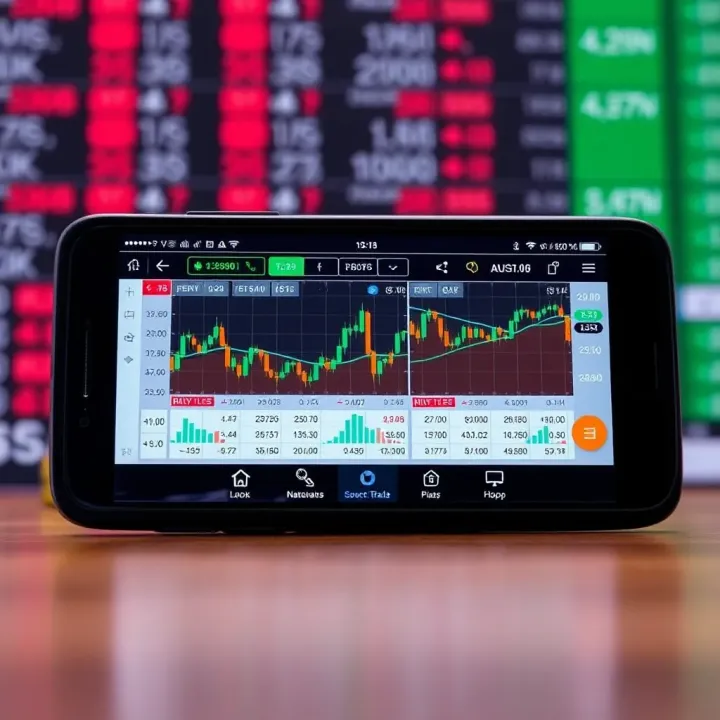
In this article, we'll tackle the most important stuff you need to know about forex trading apps tailored for the Nigerian market. From what key features to look out for, the importance of safeguarding your personal data, to practical tips that could boost your trading results, we've got you covered. If you’ve ever wondered how to sift through the jumble of options and pick an app that truly works for you, keep reading.
Using mobile apps for forex trading has shifted from a novelty to a necessity, especially in Nigeria where mobile connectivity continues to improve. This shift isn't just about convenience; it impacts how quickly and effectively traders can act on market movements.
Being able to trade currencies right from your smartphone or tablet cuts through traditional barriers—like needing a desktop setup or being tied to a single location. Whether you're waiting for your bus or enjoying time at a local café in Lagos, a mobile app keeps you in the trading game. Plus, many of these apps integrate features tailored to Nigerian traders, such as access to the Nigerian Naira (NGN) and payment systems popular locally.
In short, mobile trading apps open a door to opportunities that might otherwise slip by due to timing, location, or information lags. The advantages here aren't vague promises—they directly influence your ability to succeed in a fast-moving forex market.
One of the biggest perks of mobile forex trading apps is their true portability. Being able to execute trades anywhere means you’re not glued to a desk all day. Imagine you spot a sudden dip in the USD/NGN pair while commuting home; with a mobile app like MetaTrader 4 or IQ Option, you can respond within seconds instead of waiting until you get back to a computer. This immediacy can make a huge difference between catching a profit or missing out.
Moreover, trading on the go suits the unpredictable lifestyles many Nigerians lead. Whether you’re running errands or waiting at a doctor's office, your phone can double as your trading platform. This level of accessibility encourages more consistent market participation, which is key for learning and growing your strategy.
Fast and reliable data feeds are the backbone of effective forex trading. Mobile apps provide real-time charts, live quotes, and instant updates, which are especially important given how fast currency values can swing. For example, during political announcements or central bank meetings affecting Nigeria’s economy, having instant access to price data lets you react before the window closes.
Apps like Binance and MetaTrader 5 offer detailed live feeds on multiple currency pairs, including the NGN, allowing traders to track everything without needing multiple devices. This constant stream of information means you’re better equipped to spot trends or warning signs and make well-timed moves.
Speed is the name of the game in forex trading, and mobile apps excel in this area. When you tap “buy” or “sell,” you want that order to go through immediately to avoid slippage – where you miss your intended price due to delays. Many popular Nigerian traders use apps like MetaTrader 4 because they offer lightning-fast execution times.
Having instant order execution prevents frustration and can improve your bottom line. Consider a scenario where your analysis tells you to enter the EUR/USD pair at a specific price. If your app lags, by the time the order is processed, the price might have moved, potentially reducing profits or increasing losses.
A handy feature often overlooked is push notifications. These alerts bring critical market information directly to your phone—even if the app isn’t open. For traders in Nigeria, receiving notifications about economic releases such as Nigeria's inflation rate or central bank policy changes can help you stay one step ahead.
Rather than constantly monitoring the app or news sites, push alerts work like a personal assistant, flagging price levels you've set or breaking news that could impact your trades. This means less screen time but more control, helping you avoid missed opportunities.
Being swift and informed are vital in forex trading, and mobile apps deliver exactly that—flexibility combined with up-to-the-minute data and action capabilities that no desktop setup can easily match.
In the next section, we'll look at what features you should seek in a forex trading app to make sure these advantages are fully realized.
When picking out a forex trading app, especially for traders in Nigeria, it's not just about flashy graphics or how many trades you can place. It's about finding an app that combines practicality with security and gives you tools that actually help you make smarter trades. Choosing a platform with the right features means you’ll spend less time fiddling with clunky interfaces and more time focusing on the forex market.
An intuitive layout is a must-have. You shouldn't need a manual every time you open your trading app. Look for apps that keep menus straightforward, letting you jump effortlessly between your portfolio, charts, and order placement screens. For instance, MetaTrader 4’s interface remains a favorite among Nigerians because it balances comprehensive features with straightforward navigation — even beginners find it easy to follow.
Being able to quickly access market prices or execute trades without hunting around means you won’t miss out on market windows, which can close in a flash.
Everyone’s trading style is a bit different. Customizable dashboards allow you to arrange charts, news feeds, currency pairs, and watchlists exactly how you want them. Apps like IQ Option provide this flexibility, enabling traders to pin their favorite currency pairs right at the top or add widgets that show live economic news relevant to the Nigerian market.
This adaptability means you’re not sifting through irrelevant info but have your trading essentials right where you need them, boosting efficiency.
A good forex trading app goes beyond just price quotes. It should offer a suite of technical indicators like RSI, MACD, Bollinger Bands, and moving averages. These tools help traders figure out market trends and potential entry or exit points.
For Nigerian traders, apps like MetaTrader 5 come packed with these indicators, giving the depth needed to analyze market movements effectively. Using these tools well can turn guesswork into educated decisions.
Seeing where a currency pair has been is key to judging where it could go. Apps that offer historical data charts let you zoom out and study the currency's past price patterns over days, months, or even years. This helps spot long-term trends or potential support and resistance levels.
You could, for example, trace how the naira-dollar pair behaved during past economic events in Nigeria, which is invaluable for traders wanting to anticipate future moves.

With cyber threats ever looming, a simple username and password aren’t enough. 2FA adds an extra layer by requiring a second form of verification — usually a code sent to your phone or email. This feature is non-negotiable if you want to keep your funds safe.
Most reputable apps like Binance and IQ Option include 2FA as a standard, so make sure the app you choose supports it and use it consistently.
Never underestimate the importance of securing your login credentials. Many traders lose money not because of bad trades but due to hacked accounts.
Look for apps that use strong encryption protocols to protect the data exchanged between your device and the trading servers. Encryption ensures nobody can intercept or read sensitive info like your login details or financial data.
Apps that meet international security standards, using SSL encryption or beyond, provide peace of mind, especially when transacting over public networks common in Nigeria.
By focusing on these core features — ease of use, powerful tools, and solid security — Nigerian traders can pick forex apps that fit their needs without compromising safety or efficiency. These factors bridge the gap between just having an app and truly mastering mobile forex trading.
When it comes to forex trading in Nigeria, the choice of app heavily impacts your trading efficiency and success. Nigerian traders often look for apps that combine reliability, ease of use, and features tailored to local needs. Popular apps aren’t just popular for no reason — they usually pack a punch with practical tools, robust security, and accessibility from Nigerian networks.
MetaTrader 4 and 5
MetaTrader 4 (MT4) and its successor, MetaTrader 5 (MT5), are among the most commonly used forex platforms worldwide, including Nigeria. These apps offer advanced charting tools, a wide range of technical indicators, and the ability to trade manually or use automated strategies known as Expert Advisors (EAs). Nigerian traders favor these apps because of their reliability and flexibility. They support multiple languages and are compatible with both iOS and Android, making them accessible even in areas with limited internet speeds. For someone just starting, MT4’s simpler interface is easier to grasp, whereas MT5 appeals to those ready for more features like additional timeframes, order types, and instruments beyond forex, such as stocks and futures.
IQ Option
IQ Option has gained traction among Nigerian traders for its intuitive, sleek interface and a variety of trading instruments. It goes beyond forex, offering CFDs on stocks, cryptocurrencies, and commodities. This versatility attracts users who want a one-stop app for several trading markets. It also provides lower minimum deposits compared to many competitors, an important factor for those new to the market or trading on a tight budget. Alerts, educational tools, and a demo account make it practical for both learning and active trading. The one downside to bear in mind is that IQ Option may have limited withdrawal options for Nigerian users compared to more locally focused platforms.
Binance
Though primarily recognized as a crypto exchange, Binance offers a solid forex trading experience through its integrated platform. Nigerian traders use Binance not only because it supports a variety of digital assets but also because of its advanced security measures and fast transaction processing. With Binance, you get tight spreads and high liquidity, which is crucial for forex traders who want minimal slippage. Moreover, it supports payment gateways popular in Nigeria, such as Flutterwave and Paystack, making funding accounts straightforward. Its mobile app is responsive and packed with research tools, charts, and market news that help traders make informed decisions.
Tailored Services for Nigerian Traders
Local forex brokers operating in Nigeria understand the unique needs and challenges Nigerian traders face. Their apps often provide services such as customer support in local languages like Yoruba or Hausa, prompt withdrawal processes inclusive of local banks, and educational resources tailored to the regional market conditions. This personalized approach helps lessen the learning curve and provides a sense of trust and community. For instance, apps from brokers like FXTM Nigeria frequently offer webinars and tutorials that address the specifics of trading Nigerian Naira pairs and economic factors affecting the local forex market.
Local Currency Support
Using local currency directly in trading apps is a big plus in Nigeria. Some global platforms force users to convert their funds to USD or euros, adding extra conversion fees and delays. Local apps or those partnered with Nigerian banks allow deposits and withdrawals in Nigerian Naira (NGN), making transactions quicker and cheaper. This minimizes the hassles of currency conversion and ensures traders can easily manage their capital without the headache of exchange rate fluctuations affecting their funds before even starting to trade.
Choosing an app with strong local support and currency options isn’t just about convenience — it can save you real money and time, critical for making the most of market opportunities.
In summary, the forex apps popular with Nigerian traders offer a blend of reliability, user-friendly design, and services mindful of local needs. Whether it’s the versatile MetaTrader platforms, multi-asset IQ Option, the crypto-friendly Binance, or brokers catering specifically to Nigerian conditions, picking the right app involves weighing these factors against your trading goals and experience level.
Getting started with a forex trading app can seem tricky at first, especially if you're new to the game or Nigeria's trading environment. But having a clear roadmap makes the journey simpler. This section walks you through the key steps to set up your account, verify your identity, and fund your trading wallet—crucial moves before making your first trade.
Before any real trading can begin, you’ll usually have to submit some documents. Think of it as the app’s way of getting to know you better—it’s about protecting your money and reducing fraud. Commonly, you’ll need a valid government-issued ID, such as your Nigerian National ID card, driver's license, or passport. Proof of residence like a recent utility bill or bank statement often comes next. For example, some platforms like MetaTrader or local brokers such as Lotus Capital ask for these exact docs.
This process might seem like just red tape but it’s essential. It means you’re dealing with a licensed broker who complies with Nigeria’s financial regulations. A smooth setup here saves headaches later when you want to withdraw profits or handle disputes.
Once you submit your documents, the broker will verify your identity. In most cases, this involves uploading scanned copies or photos of your documents through the app. Sometimes, you might also have to complete a live facial recognition step or video call.
Why all this hoopla? It's a crucial step that helps prevent fraud and money laundering. Platforms like IQ Option employ robust verification processes, ensuring genuine users get fair access, and the platform stays secure. This also protects you by confirming your identity, so nobody else can secretly access your account.
Getting past this hurdle quickly usually means having clean, legible documents and following the platform’s instructions carefully. Some brokers offer real-time verification, so you can get started without days of waiting.
Once your account is set up and verified, it’s time to put money into it—that's how trading can begin. Nigerian traders have a bunch of options depending on the broker. Commonly accepted methods include bank transfers using United Bank for Africa (UBA) or GTBank, payment through debit/credit cards like Visa and Mastercard, and popular online payment systems such as Paystack or Flutterwave.
In recent years, some apps have also started accepting payments via popular mobile money services like Paga or Quickteller, making it easier for traders without direct bank access. For example, Binance supports various payment options that fit well with Nigerian market needs.
When funding, keep in mind transaction fees and processing times. Some methods take several hours or up to a day for funds to reflect, while others (like card payments) can be instant.
Since most forex brokers operate with major currencies like USD, EUR, or GBP, Nigerian traders must consider currency conversion. When depositing Nigerian naira (NGN), the app or payment processor converts it to the base currency of your trading account.
Here’s what to watch out for:
Exchange rates: These can vary between platforms and impact how much you actually start trading with.
Hidden fees: Some brokers or payment gateways include conversion fees that eat into your deposit.
Timing: Currency fluctuations might affect your deposit value if the market is volatile.
A smart move is choosing brokers that either support NGN natively or offer transparent, competitive exchange rates. Some local brokers excel at this, which can reduce unnecessary losses right from the start.
Starting off on the right foot with account setup, verification, and funding ensures you avoid common pitfalls and enjoy a smoother trading experience. Know what’s needed, plan your deposits wisely, and you’ll be trading confidently in no time.
When trading Forex in Nigeria, understanding the safety measures and risks associated with trading apps is a must. Without paying attention to security, traders risk losing their funds or sensitive information. Forex apps handle large amounts of personal and financial data, making them prime targets for scams and cyber attacks. Knowing what to watch out for helps prevent costly mistakes and gives traders peace of mind.
Phishing remains a top threat in online trading, including Forex apps. Scammers may send emails, texts, or fake app notifications pretending to be from your broker, asking for login details or financial information. For example, a trader could receive a message claiming their account is locked and urging immediate password reset via a provided link. Clicking such links can lead to compromised accounts.
To avoid phishing, always verify the source before entering details. Use official app stores like Google Play or Apple App Store to download apps and avoid links in unsolicited messages. When in doubt, call your broker directly to confirm any alerts.
Using unregulated Forex trading apps can expose traders to fraud or unfair practices. In Nigeria, the Securities and Exchange Commission (SEC) regulates brokers to ensure they meet operational standards. Apps linked to unauthorized brokers often hide risks like manipulative pricing or withdrawal restrictions.
Before trading, confirm the app or broker is registered with SEC Nigeria. This simple step can save you from losing money to sham platforms that might suddenly vanish with your funds.
Keeping your Forex trading app updated is more than a hassle; it’s a security must. Developers release updates to fix vulnerabilities and patch bugs that hackers could exploit. Neglecting updates leaves your device exposed to old threats.
Set your phone to update apps automatically or check for updates weekly. For instance, MetaTrader 4 regularly updates features and security elements, so staying current reduces your chances of falling victim to known exploits.
Password strength is your first line of defense against unauthorized access. Simple passwords like "password123" or birthdates are easy targets for hackers using common techniques.
Create a strong password combining uppercase, lowercase, numbers, and symbols. Avoid using the same password across different platforms. Consider using a password manager to keep track if remembering complex passwords feels challenging. Changing your password every few months adds another layer of safety.
Staying alert and practicing good security habits can protect your trading capital and personal information. In the fast-moving Forex market, a moment’s lapse in caution can lead to significant losses.
By understanding these risks and applying practical security tips, traders in Nigeria can enjoy Forex trading with more confidence and less worry about cyber threats.
Getting the most out of your forex trading app isn't just about having it installed on your phone. It means tweaking and using every feature designed to give you an edge—whether you're home or out and about in Lagos or Abuja. The main goal is to stay on top of market moves without being glued to a desk.
Mobile apps today aren't just tools for execution; they're hubs for real-time data, alerts, and practice environments. By harnessing these wisely, traders can react faster, manage risks better, and improve their strategies.
Price level alerts are like your personal market watchdog, keeping an eye on specific currency pairs or price points you care about. Instead of continuously checking your app, you can set notifications that ping you when the market hits your target price or breaches a stop-loss threshold. For example, if you're tracking the USD/NGN exchange rate and want to sell when it reaches 460, setting a price alert means you won’t be missing out while attending other matters.
These alerts help you act promptly, which is crucial in forex where prices can flip in seconds. To set them effectively, pick levels based on your trading plan—not random guesses. Use alerts to catch breakout points or retracements, so you’re betting at the right moments.
Forex markets respond sharply to news, especially economic reports from the US, UK, and Nigeria’s central bank announcements. Most trading apps provide notifications for key news or economic events, such as GDP releases, interest rate changes, or unexpected political developments.
Staying informed through app alerts helps you avoid nasty surprises that can wipe out profits. For instance, imagine you've got an open position on EUR/USD just as the European Central Bank announces a policy change. Without timely news alerts, you might miss the chance to hedge or exit your trade.
To make the most of this feature, configure alerts for the economic calendar within your trading app, focusing on events that impact your assets. Don’t just set it and forget it; keep an ear open for updates and verify the source is reputable.
Demo accounts are your playground in forex trading—risk-free spaces where you can test strategies without investing real money. For Nigerian traders especially, where the markets might feel intimidating due to volatility or unfamiliar apps, a demo gives a chance to build confidence.
The benefit? You get to see how orders execute, how spreads affect costs, and how stop-loss and take-profit orders work. It also prevents costly beginner mistakes. If you think of it as a flight simulator for pilots, demo accounts prepare you to handle real market turbulence.
Using a demo account isn’t just about practice trades but also about digging into the app’s features. Every trading app has its quirks—navigation, chart tools, order types, account management—and learning these inside out can save you from fumbling during live trading.
Spend time experimenting with charting tools, adjusting timeframes, setting indicators like MACD or RSI, and placing different order types. Apps like MetaTrader 4 offer extensive demo modes tailored for this kind of immersion. Getting familiar upfront means less risk of errors and faster decision-making when it counts.
Remember, patience in mastering your app can be the difference between success and frustration. The market won’t wait, but you can prepare.
In sum, maximizing your forex trading app boils down to smart use of alerts to keep you ahead and practicing in a safe environment to polish your skills. Nigerian traders who take these steps seriously often see a smoother, more controlled trading experience that matches the fast pace of today’s markets.
Looking to pick the best forex trading app in Nigeria? 📱 Learn what to watch for, explore top picks, and get tips to trade safely and smartly. 💹
📱 Discover the best forex trading apps for Nigeria! Compare features, tools, and security to pick the perfect platform for your trading style. 💹🔒
Discover top trading apps in Nigeria 📱 Learn how to pick the best platform for safe investing, key features to watch, and tips to boost your earnings 💰
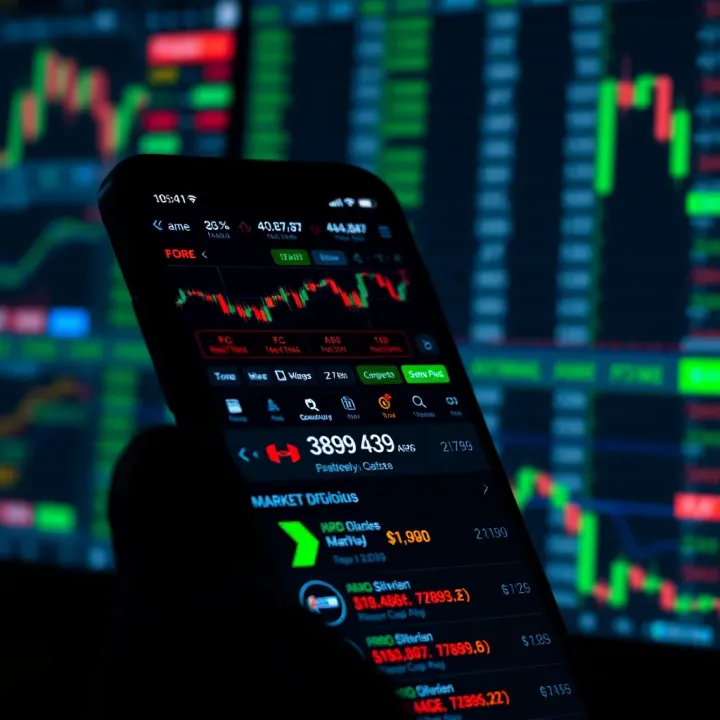
Discover how to pick the best forex trading app in Nigeria 📲. Compare features, fees, and security to trade smarter and safer today! 💹🇳🇬
Based on 7 reviews