

Top Crypto Trading Apps for Nigerian Users
Explore the best crypto trading apps for Nigerian traders 📱. Compare features, security 🔒, fees 💰, and ease of use to pick the right platform for you.
Edited By
Oliver Grant
Getting started with trading in Nigeria is no small feat, especially with so many apps out there claiming to be the best. Picking the right platform to invest your hard-earned money can feel like navigating a maze in the dark. But here's the thing — choosing the best trading app isn't just about flashy features or the lowest fees. It’s about finding something reliable, user-friendly, and tailored to your financial goals.
In this article, we'll break down what really matters when selecting a trading app in Nigeria. From understanding the indispensable features to keeping an eye on security, we’ll walk through practical tips and insights you won't get from just skimming app reviews. Whether you’re a newbie or a seasoned investor, knowing how to sift through the noise can save you time and potentially a lot of money.
Nigeria's trading scene is growing fast, with platforms like Bamboo, Trove, and Chaka making investing more accessible than ever. But accessibility comes with its challenges – not all apps handle customer support well, and some might have hidden charges. So, it’s vital to have a clear picture of what each app offers and how that aligns with your risk appetite and investment style.
Remember, the market’s unpredictable, but your choice of trading app doesn't have to be. Making an informed decision can give you a solid footing to grow your portfolio steadily.
This guide is crafted to give you a straightforward blueprint for evaluating and picking the best trading app in Nigeria, helping you turn your trading ambitions into real gains without headaches.
Choosing the right trading app in Nigeria isn’t just about flashy features or glowing reviews. It boils down to how well the app fits into the unique financial ecosystem and everyday realities of Nigerian users. If a trading platform ignores local context — like payment methods, regulatory environment, or even language quirks — it quickly becomes more of a headache than a helpful tool.
The suitability of a trading app comes down to practical factors such as ease of use, access to trusted payment options, compliance with Nigerian financial law, and security protections sensitive to the local market. For instance, an app that supports Naira transactions and integrates with popular Nigerian banks like GTBank or Zenith Bank naturally makes the trading process smoother. Likewise, a platform that understands common internet challenges and offers a straightforward interface wins big, especially for new traders.
A trading app with a user-friendly interface is a lifesaver, particularly for those just dipping their toes into trading. If the app feels clunky or complicated, confusion quickly sets in, turning users away fast. Nigerian users appreciate simple layouts where they can find key functions in just a few taps. Think of apps like Bamboo or Trove, which have cut down on jargon and clutter so that investing feels less like rocket science.
Accessibility also involves supporting different devices and operating systems since many Nigerians use mid-range smartphones or might have patchy internet. Apps that work well even on slower connections or offer data-light modes are a definite plus. For example, some platforms allow offline order placements or send trade alerts via SMS, allowing traders to stay involved without being glued to a high-spec phone.
One dealbreaker for many Nigerian traders is whether the app supports local payment methods. Simply put, if you can’t deposit or withdraw funds easily, the app isn’t practical. Nigerian users expect convenient payment gateways including bank transfers, debit cards, USSD codes, and popular wallets like Paga or Opay.
Currency support matters too. Since most Nigerians deal in Naira, platforms that allow deposits, withdrawals, and trading directly in NGN save users from losing money on conversion fees or chasing frustrating exchange rates. For instance, investing directly in Nigerian stocks through apps like Chaka becomes more straightforward with Naira support, versus bouncing through multiple currency exchanges.
Playing it safe with money means using apps that follow Nigeria's financial regulations. The Nigerian Securities and Exchange Commission (SEC) oversees trading platforms, and compliance with their rules is a sign an app is trustworthy. Registered and licensed apps help protect users from scams prevalent in the market.
Security is a top priority. Strong encryption, two-factor authentication, and clear policies on data privacy build user confidence. Consider apps that regularly undergo security audits and are transparent about their safeguards. This reduces the risk of hacks or fraud, which unfortunately happen more than users would like. Avoiding apps with shady backgrounds or unverifiable licenses isn’t just smart — it’s necessary.
A good trading app for Nigerians blends user-friendly design with local conveniences and strong security, making it easier for traders to focus on profits rather than problems.
By keeping these points in mind — a simple interface, local payment options, and solid regulatory backing — Nigerian investors can find trading platforms that feel like a natural part of their financial toolkit rather than an uphill battle.
Choosing the right type of trading app is the backbone of making smart investments in Nigeria. Different apps cater to different markets and asset classes, so knowing which kind suits your goals and experience level can save a lot of headaches. Plus, the Nigerian market has its quirks, like currency fluctuations and regulatory considerations, which means not every app out there will work well locally.
Stock trading apps focus on buying and selling shares of companies listed on stock exchanges. In Nigeria, platforms like Bamboo and Trove have become popular because they allow users to trade shares on both the Nigerian Stock Exchange (NSE) and other international markets. These apps typically offer features such as fractional shares, letting you invest small amounts, which is great if you're just starting out or want to diversify without breaking the bank.
For example, Bamboo lets Nigerian traders access US stocks, including giants like Apple and Tesla, directly from their phones. This is handy if you want exposure beyond Nigerian companies. However, it’s essential to check if these apps allow funding in Naira, as some require converting to USD, adding transaction costs.
Forex trading remains a huge attraction in Nigeria due to its high liquidity and 24-hour market availability. Apps such as FXTM and OctaFX have tailored their services to cater to Nigerians, offering local deposit and withdrawal options. These platforms usually provide leverage options, which can magnify gains but also increases risk.
A key consideration here is the spread and commissions, as these impact overall profitability. Forex platforms also offer demo accounts to practice risk-free, which every newbie should take advantage of before putting real money on the line. Nigerian traders should also keep an eye out for apps registered with the Nigerian SEC to avoid scams.
Cryptocurrency apps like Binance and Luno have gained traction in Nigeria due to the growing interest in Bitcoin, Ethereum, and other digital currencies. These platforms usually support Naira deposits via bank transfer or local payment services, making the process smooth for Nigerian users.
Crypto apps often come with built-in wallets, letting you hold your currency securely within the platform. However, these markets can be volatile, so many apps provide features like limit orders and price alerts to help manage that unpredictability. One practical tip: always check if the app charges hidden fees on withdrawals or deposits, as this can erode your gains quickly.
Remember, the best trading app matches your investment type and comfort level. Whether it’s stocks, forex, or crypto, knowing what's out there and how each platform aligns with your goals can save you time and money in the long run.
Choosing a trading app isn't just about picking the one with the flashiest interface or the most downloads. What really matters is whether it helps you actually make money while keeping the whole trading experience smooth and secure. For Nigerian traders, some features stand out as essential to achieving that balance. These features touch on everything from costs and tools to timely information and support. Let's break down what you should carefully look for.
Nobody wants their profits sliced up by high fees. Trading apps with low transaction fees and commissions give you a better chance to grow your investments. For example, apps like Trove and Bamboo have relatively low fees compared to traditional brokerage firms. This means when you buy or sell stocks, less of your money goes to the app’s commission, leaving more in your pocket.
Look beyond the headline fees—watch out for hidden charges like inactivity fees or withdrawal costs. Even small extra costs can add up over time, especially if you trade frequently. Lower fees allow you to experiment more and not feel squeezed by the app itself.
Trading without good charts and analysis tools is like trying to drive blindfolded. Apps that provide robust charting options help you spot trends, price patterns, and potential entry or exit points. Some apps, like eToro and IG, offer customizable charts with indicators like moving averages, RSI, and Bollinger Bands which can be tailored to your strategy.
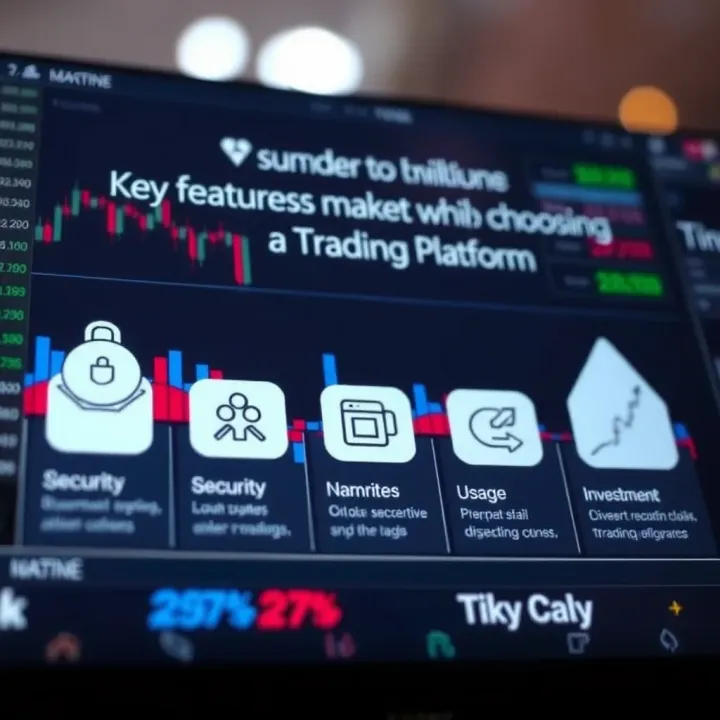
These tools are not just for the pros. Even beginners can benefit from simple technical indicators or tools that visually highlight support and resistance levels. They help you make informed choices instead of relying on gut feeling or hearsay.
Markets don’t wait around. Delayed data can mean missed opportunities or losses. It's crucial to pick apps providing real-time market data—prices, volume, changes—without lag. Apps like ForexTime (FXTM) or Remitano for crypto trading pride themselves on speedy data feeds.
Also, immediate access to relevant news can affect your trades. Nigeria's economic and political events can sway markets quickly. Some trading platforms integrate news feeds or alerts to keep you updated about events like central bank policy changes or election results that could impact your holdings.
Staying informed with timely data and news isn’t just a nice-to-have; it’s a lifeline in the fast-moving trading world.
Even the slickest app hits bumps, especially when you're just starting out. A trading platform with solid customer support can save you headaches. Look for apps offering multiple ways to get help — phone, chat, email—and agents who understand the local context.
Education matters too. Apps like Chaka or Trove provide tutorials, webinars, or demo accounts for practice. This helps traders learn without risking real money. The combination of accessible help and good learning resources turns a confusing start into a confident trading practice.
In summary, the right trading app for Nigeria’s market should trim costs, equip you with clear analysis tools, keep you plugged into real-time happenings, and give you trustworthy support. These features don’t just make trading easier—they offer a stronger shot at actually making money.
When it comes to trading money in Nigeria, choosing an app that's trusted by local investors is a smart move. These apps usually have a proven track record with Nigerian traders, providing features tailored to local needs — like handling the Naira smoothly or offering support compatible with Nigerian payment methods. Of course, trustworthiness goes beyond fancy features; it involves how secure the app is, its ease of use, and how responsive customer service is when issues pop up. Picking a well-known, reliable app can save you a lot of headaches down the road.
Local broker apps tend to resonate well with Nigerian traders because they’re designed specifically with local market quirks in mind. For example, apps like Chaka and Bamboo offer straightforward access to both Nigerian and international stock exchanges. What makes them especially attractive is their support for direct Naira deposits via methods such as bank transfers or USSD codes, making funding your account easier and less costly.
These apps typically feature user-friendly interfaces, which help beginners navigate the trading world without feeling overwhelmed. Moreover, they comply with Nigeria’s financial regulations, which reassures users about the safety of their investments. The convenience of localized customer support can't be overstated either—it means that if you get stuck, help is often just a call or chat away.
On the flip side, international trading platforms like eToro and Interactive Brokers offer Nigerian investors the chance to tap into a broader range of markets and asset classes. Setting up an account on these platforms is generally straightforward, but Nigerians need to prepare documents for identity verification — typically a government-issued ID and proof of address.
Accessibility is key with these platforms. They often accept Nigerian bank cards or wire transfers to fund accounts, though currency conversion fees can add up. Still, they provide advanced trading tools and access to global shares, commodities, and ETFs that local apps might not offer.
Before choosing any app, Nigerian traders should weigh the pros and cons between local convenience and international diversification.
While international platforms might appear more complex at the start, they’re designed to support users throughout the process, with tutorials and customer support tailored for different regions, including Nigeria. This can help bridge the knowledge gap for newer traders looking to expand beyond local markets.
When you're ready to invest your hard-earned money using a trading app in Nigeria, ensuring that the platform is both secure and legitimate is non-negotiable. Picking a shady app can cost you more than just your funds—it can drain your confidence and waste precious time. This section breaks down how you can spot trustworthy trading platforms and avoid scams.
A key step in vetting a trading app is confirming whether it holds the right licenses from official bodies. In Nigeria, the Securities and Exchange Commission (SEC) regulates stockbrokers and investment platforms. If an app is SEC-registered, it means it follows guidelines meant to protect traders’ interests.
Beyond Nigerian authorities, look for certifications from respected international bodies like the Financial Conduct Authority (FCA) in the UK or the U.S. Securities and Exchange Commission (SEC in the States). These add layers of trust and usually mean the platform goes through regular audits and compliance checks.
For example, apps like Trove and Bamboo proudly showcase their SEC registration on their websites. This transparency should be a red flag for investors—if you can’t verify licenses, steer clear.
Real-life experiences from other traders provide invaluable insight. Check out feedback on forums like Nairaland, Reddit, or even the app stores (Google Play, Apple App Store). Pay attention to comments about funds withdrawal, app glitches, and customer support responsiveness.
Be wary if you find too many complaints about frozen accounts or sudden account suspensions. On the flip side, positive reviews highlighting smooth transactions, helpful support, and a transparent fee structure often reflect a healthier platform.
Don’t just skim the comments; dig a little into recent reviews to avoid outdated info. Sometimes a once-great app might fall short after an ownership change or new policies.
Spotting warning signs early can save you from losing money. Here are common red flags:
Unrealistic Promises: If an app guarantees huge returns with little or no risk, it’s likely a scam. Trading involves risks, and no one can dodge that.
Lack of Transparency: No clear info on company headquarters, team members, or regulatory status.
Complicated Withdrawal Process: Legit platforms make cashing out straightforward. If withdrawing money involves excessive delays or “verification” hurdles that seem endless, proceed with caution.
Pressure Tactics: Apps or agents pushing you to deposit quickly or invest in “hot tips” often signal greed-driven motives rather than your interest.
Poor Security Features: Platforms without two-factor authentication (2FA) or encryption leave your account vulnerable to hacking.
Always remember: a safe trading app keeps your money and personal data protected, gives clear info on its legitimacy, and supports you when issues arise.
In short, taking a bit of time to verify a trading app's credentials and reputation can be the difference between growing your investment and falling into a trap. Nigerian traders should prioritize licensed apps, lean on community insights, and watch out for warning signs before committing funds.
Getting the ball rolling with your chosen trading app can sometimes feel like decoding a secret language. But once you break down the process into manageable steps, it becomes a lot clearer and way less intimidating. This section is all about laying down a solid foundation so Nigerian traders have a smooth start—saving time, avoiding rookie mistakes, and getting straight into smart moves.
Most trading platforms require users to set up an account and verify their identity. This is not just bureaucracy at play; it’s a legal and practical safeguard to protect your funds and comply with regulations like those from the Nigerian Securities and Exchange Commission (SEC) or the Central Bank of Nigeria (CBN).
When you open your account, the app usually asks for basic details such as your full name, address, email, and phone number. You'll also need to upload identification documents like your National Identity Card, international passport, or driver’s license. For example, apps like Trove and Bamboo are pretty straightforward with their verification process, often completing within 24 to 48 hours.
Having your account verified ensures your money stays safe and your trading privileges aren’t limited. Without verification, you may be restricted from depositing large sums or withdrawing your profits.
Funding your trading account can be straightforward if your chosen app supports Nigerian payment options. The ability to deposit using Nigerian banks or mobile money services like Paga or Quickteller is a big plus, as opposed to apps insisting on international wire transfers, which can eat up your funds in fees.
For instance, apps such as Trove allow seamless deposits in Nigerian Naira (NGN) through local debit cards and bank transfers. Some apps even support US Dollar funding to tap into international markets but watch out for hidden charges during currency conversion.
It’s also smart to start with a deposit amount that matches your risk appetite. If you're new to trading, starting with ₦10,000 to ₦20,000 can give you practical market exposure without risking too much upfront.
Diving straight into trading without a strategy is like sailing without a compass. Beginners should focus on simple and proven approaches to grow confidence and minimize losses.
Here are a few basic strategies to keep in mind:
Dollar-Cost Averaging (DCA): Instead of investing a lump sum at once, spread your investment over weeks or months. This helps smooth out market volatility. For example, rather than putting ₦100,000 all at once, invest ₦10,000 every week.
Diversification: Don’t put all your eggs in one basket. Spread your funds across different asset classes like stocks, forex, and cryptocurrencies.
Stop-Loss Orders: Set automatic sell points to limit losses if a trade goes against you. Many apps like Chaka and Binance let you easily set stop-loss orders.
Follow Market News: Keeping tabs on local and global economic news helps you make better decisions. Apps with integrated news feeds, such as eToro, can help keep you updated without hopping around platforms.
Remember, trading is a marathon, not a sprint. Building a steady strategy gradually mitigates risk and can lead to consistent profits.
Taking these first steps seriously can set you up for a smoother, more profitable trading experience. Getting your account verified, using convenient local funding options, and sticking to beginner-friendly strategies means fewer headaches and better chances for success from the get-go.
Trading on the go through mobile apps offers great flexibility, but it also introduces risks that need careful management. For Nigerian traders, understanding these risks and how to control them is essential to avoid hefty losses and maintain steady progress. Mobile trading can tempt investors to make quick decisions without thorough analysis, so risk management ensures trades stay within reasonable limits.
One of the easiest ways to manage risk in mobile trading is by setting stop-loss and take-profit orders before entering a trade. A stop-loss automatically sells your asset when it hits a certain price to limit losses, while a take-profit locks in gains at a predetermined level. For example, if you buy shares of Dangote Cement at ₦200, setting a stop-loss at ₦190 helps cap your loss at 5%, while a take-profit at ₦220 ensures you exit once you’ve made a 10% gain. This approach saves you from staring at your phone all day and making decisions based on sudden market jitters.
Many apps like Chaka or Trove provide simple interfaces to set these levels, which is vital since mobile environments can make detailed monitoring tough. Remember, stop-loss levels shouldn’t be set too tight to avoid frequent triggers from normal market fluctuations, nor too loose that losses spiral out. Balancing this takes experience and sometimes trial and error.
Putting all your money into one asset or market is like putting all your eggs in one basket — if the basket drops, you lose everything. Smart Nigerian traders spread their investments to cushion against sudden downturns. For example, alongside investing in Nigerian stocks, you could add forex trading or cryptocurrencies to your portfolio. Platforms like Bamboo or FirstCoinTrade offer options across different asset types.
Diversification reduces total risk because assets often don’t move in sync. If the Nigerian stock market takes a dip due to local policy changes, your forex or crypto holdings might not be affected the same way. In mobile trading, diversification can be more approachable since you can quickly switch between assets and monitor your portfolio in real time.
Diversification isn’t about making a million trades but choosing different asset classes that balance each other out, protecting your capital.
Mobile trading apps bring markets to your fingertips 24/7, but this access can tempt traders into impulsive decisions. Emotional trading—reactionary buying or selling based on fear or greed—often leads to bad outcomes. Imagine seeing a sudden drop in your asset's price and selling immediately without checking if it's a temporary blip or part of a larger trend.
To avoid this, Nigerian traders should develop a clear trading plan and stick to it. Use features such as price alerts rather than constantly watching the market, and take time to analyze before acting. Some apps even offer ‘cool down’ periods where you can’t execute certain trades immediately to prevent rash moves.
Practicing mindfulness and setting rules—like only trading during certain hours or capping daily losses—can drastically improve discipline and long-term profitability. Remember, in mobile trading, patience often beats impulsiveness.
By setting stop-loss and take-profit levels, diversifying investments, and keeping emotions in check, Nigerian traders can safeguard their capital while benefiting from the convenience of mobile trading apps. Managing these risks is not just a good idea; it’s a necessity in today’s fast-moving markets.
Making the most out of trading apps isn't just about choosing the right one—it’s about how you use the tools and information they put in your hands. With Nigeria's fast-paced market environment, adapting smart strategies is key to growing your investments. This section sheds light on practical tips for maximizing earnings, focusing on leveraging app capabilities, staying informed, and honing your skills through practice.
Being plugged into the latest market trends and news is like having a sneak peek at what's coming next. Trading apps that provide real-time updates can give you a serious edge. For example, apps like Investing.com and Bloomberg offer tailored news feeds relevant to Nigerian markets and global economics. Keeping an eye on these updates helps you quickly spot opportunities or risks, such as shifts in oil prices impacting Nigeria's economy or sudden policy changes.
Staying ahead means not just watching prices but understanding the stories behind the numbers.
Make it a habit to check market summaries every morning before making trades. Setting alerts for specific stocks or currencies can also keep you informed without feeling overwhelmed.
Demo accounts are a trader’s playground—a risk-free space to try out strategies before putting real money on the line. Nigerian apps like Trove and eToro provide demo accounts that simulate actual market conditions. This hands-on experience is invaluable, especially for beginners wanting to test how technical indicators or order types affect outcomes.
Practicing on a demo account helps avoid costly mistakes. It's the difference between learning the ropes by trial and error with your own money or by experimenting safely. Plus, some pros use demo accounts to refine new approaches in low-stakes environments before going live.
Top trading apps often come loaded with features that can make your decision-making laser-focused. Think advanced charting tools, customizable watchlists, and automated trade execution. For example, the eToro app lets you copy trades from experienced investors—a handy feature if you’re still finding your feet.
Utilizing these tools means you’re not trading blind. Setting indicators like moving averages or RSI directly within the app can highlight trends or signal reversals. Alerts and notifications ensure you never miss critical moments either.
In Nigerian markets, where speed and informed decisions matter, these features can mean the difference between catching a profitable wave or watching it slip away.
In a nutshell, combining up-to-the-minute news, hands-on practice, and smart use of app features paves a solid path to boosting your trading earnings. These aren’t just tips; they’re everyday habits that can turn simple trading apps into powerful allies for your financial goals.
Explore the best crypto trading apps for Nigerian traders 📱. Compare features, security 🔒, fees 💰, and ease of use to pick the right platform for you.
Looking for the best Bitcoin trading app in Nigeria? Explore top picks with strong security, easy use, fair costs, and reliable local support. 📱💰🇳🇬

📱 Discover how to choose the right forex trading app for Nigeria 🇳🇬. Learn key features, security tips, and ways to boost your trading success on mobile.
Discover how to pick the best copy trading app in Nigeria 🇳🇬! Learn key features, risks, and tips to get started confidently in copy trading today.
Based on 8 reviews