

Choosing the Best Forex Trading Apps in Nigeria
📱 Discover how to choose the right forex trading app for Nigeria 🇳🇬. Learn key features, security tips, and ways to boost your trading success on mobile.
Edited By
Isabella Martin
Forex trading is an exciting way for Nigerians to dip their toes into the global financial markets. With the rise of smartphones and better internet connectivity across Nigeria, using forex trading apps has become more popular than ever. But with so many apps out there, choosing the right one can feel like finding a needle in a haystack.
This article sets out to make that choice easier. We'll walk through the key features that Nigerian traders should look for in forex trading apps — from security measures that keep your money safe, to user-friendly interfaces that minimize stress during fast-moving trades.
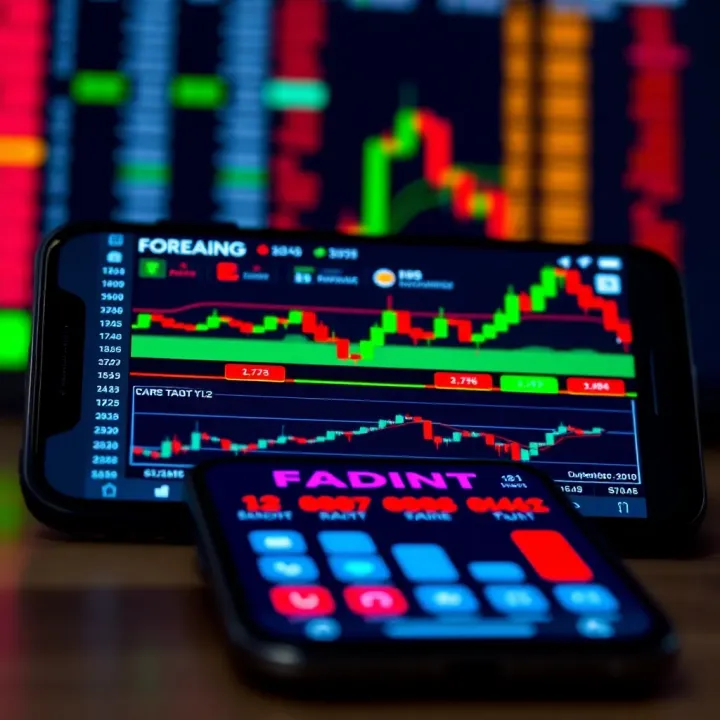
You'll also get insights on cost structures, so you avoid apps with hidden fees eating into your profits. Plus, we’ll highlight which apps offer solid educational tools and responsive customer support, crucial for newcomers and seasoned traders alike.
Picking the right trading app is the first step toward navigating the forex market confidently and effectively, especially in a bustling trading environment like Nigeria’s.
Whether you're a beginner still learning the ropes or a seasoned trader looking for a better platform, this guide aims to provide clear, practical advice that helps you make informed decisions.
In the world of forex trading, especially for Nigerian traders, understanding the tools you use is half the battle won. Forex trading apps aren’t just fancy gadgets; they are your entire trading desk packed into a mobile device. Knowing how these apps work and what they offer can save you from unnecessary risks and help you make faster, smarter trades.
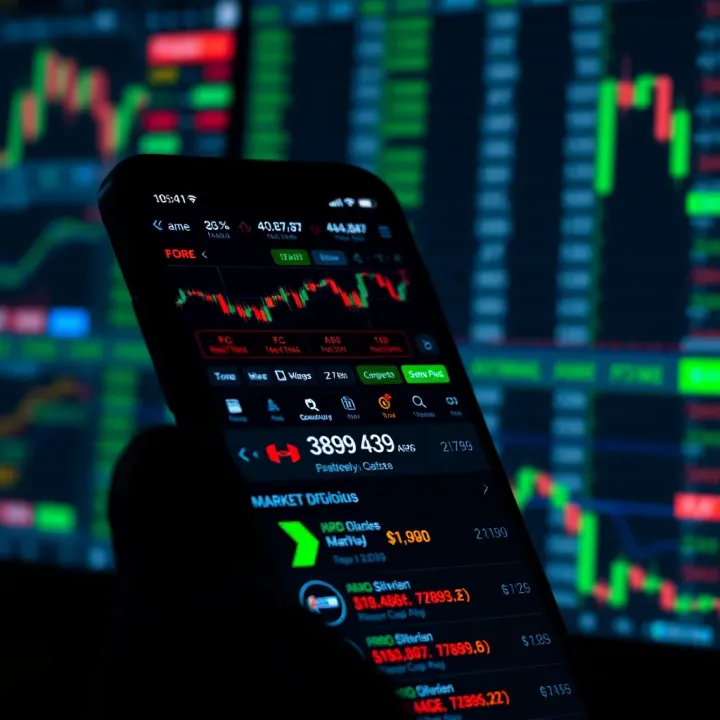
Forex trading apps let you buy and sell currencies on the go. At their core, these apps provide real-time price quotes, charts for technical analysis, and order execution capabilities. Imagine you want to trade the USD against the NGN. The app shows you live rates, lets you analyze price moves, and places your trade instantly — all from your phone.
Most apps include features like:
Live charts with different timeframes and indicators
Order types such as market, limit, and stop orders
Account management tools, showing your balance and trade history
Risk management options like stop-loss and take-profit
These features put the power of the forex market right at your fingertips, making it easier to act quickly when opportunity knocks.
Gone are the days when traders were glued to desktop screens. Mobile trading apps have transformed the game by offering flexibility and instant access. For Nigerian traders, this means you can keep an eye on currency movements even while commuting or during a quick lunch break.
The modern apps also support notifications and updates, so you don’t miss out when the Naira suddenly strengthens or weakens against the dollar. Beyond convenience, these tools have democratized forex trading, allowing more people to participate without hefty infrastructure or costly setups.
With a forex trading app, the currency markets are just a tap away — no special equipment, no internet cafes needed. This is particularly helpful in Nigeria where power outages and fixed-line internet can be unreliable.
Picture this: You're at a party, someone mentions USD/NGN spikes, and instead of nodding along cluelessly, you pull out your phone and check live prices immediately. That level of accessibility is crucial to capitalize on fast-moving markets.
Forex markets never sleep, and timely info is everything. Trading apps send alerts on price changes, economic news, or your trade statuses. These real-time updates help prevent missed opportunities or unexpected losses.
For example, if the Central Bank of Nigeria announces a policy shift affecting the Naira, your app might ping you with breaking news or a market analysis snippet, letting you react promply. This immediacy is a big edge compared to waiting for newsletters or market reports later in the day.
Quick tip: Always configure your app notifications carefully — too many alerts can be distracting, while too few might leave you in the dark.
Understanding these basics lets Nigerian traders operate with confidence, making the most of their trading apps and staying ahead in the fast-moving forex market.
Choosing the right forex trading app can feel like finding a needle in a haystack, especially with so many options out there. For Nigerian traders, it’s not just about picking any app but selecting one that aligns with their needs and ensures smooth trading. Key features aren't just buzzwords—they actually enhance your trading experience, protect your investments, and make life easier when the markets heat up.
When it comes to trading apps, a cluttered or confusing layout can quickly ruin your day—or worse, make you miss a trade. Ease of navigation means buttons and menus should be where your fingers expect them to be, charts should load without lag, and order placement should be straightforward. Imagine trying to exit a losing trade while scrambling to find the right button; a smooth interface avoids those nightmares. Apps like MetaTrader 4 have earned praise for clear menus and quick access to key tools, making sure traders focus on opportunities rather than fumbling in the interface.
No two traders are the same. Some want charts front and center, others prefer news updates or watchlists. Customizable dashboards let you tailor the app’s home screen to your style so you can see what matters most right when you log in. For instance, eToro’s app allows you to mix widgets for live price alerts, portfolio overview, and social feeds in one view. This flexibility saves time and helps you stay sharp in fast-moving markets.
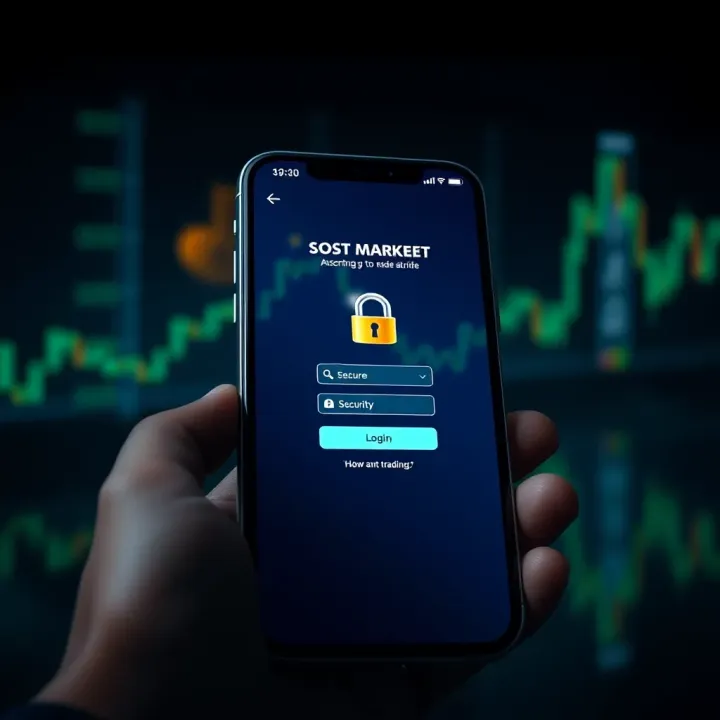
Trading apps handle sensitive info—bank details, personal data, IP addresses—so data encryption is non-negotiable. Encryption scrambles your data during transmission, making it unreadable to hackers intercepting it. When Nigerian traders use apps that don’t prioritize encryption, they risk theft or fraud. Popular platforms like Plus500 employ end-to-end encryption, meaning your information travels from your device to their servers without any chance of eavesdropping.
Passwords alone are like open doors for cybercriminals. Two-factor authentication (2FA) adds a second lock, usually a one-time code sent to your phone or email, ensuring only you can access your account. In Nigeria, where smartphone theft or identity fraud can be concerns, 2FA offers that extra security layer, making hacking attempts far less likely. Most trustworthy apps, including IQ Option, now require or strongly recommend 2FA before login.
Forex trading revolves around money—not just in the markets but also in how smoothly you can deposit or withdraw your funds. An app that supports Nigerian Naira is a massive plus, as it spares you from extra conversion steps or high fees. Some apps restrict deposits to USD or euros, causing extra hassle or unfavorable rates for Nigerian traders. MetaTrader 5, for example, can handle multiple currencies including NGN, which simplifies fund management.
Ever try to catch a moving train? That's how it feels waiting for slow deposits or withdrawals. Fast processing matters, especially in forex where timing is everything. Watch out for apps that charge steep withdrawal fees or delay payments beyond a couple business days. Platforms like eToro usually process withdrawals within 1-2 days, keeping traders’ cash flow steady. Always read the fine print to avoid hidden costs that eat into your profits.
Understanding these features helps you avoid apps that might look shiny on the surface but fall short when it comes to real-world usability, safety, and cost-effectiveness. By focusing on usability, security, and smooth payment processes, you ensure trading stays a winning game rather than a frustrating ordeal.
In Nigeria's fast-growing forex trading scene, choosing the right app is like picking the right tool for a tricky job. The apps traders rely on must blend accessibility, reliability, and powerful features tailored to local needs. Popular forex trading apps aren’t just buzzwords; they're platforms that shape how Nigerians interact with global markets.
Real-world users want apps that offer smooth transactions in Nigerian Naira and provide sharp insights with low latency. Imagine trying to catch a moving train — a delayed app means missed opportunities. So, it's about more than just flashy interfaces; these apps must perform consistently and offer practical tools for both newcomers and pros.
MetaTrader 4 (MT4) and MetaTrader 5 (MT5) are like the Swiss Army knives of forex trading. MT4 is known for its simplicity and reliability, favored especially by those starting out. It offers custom indicators, automated trading through Expert Advisors (EAs), and comprehensive charting capabilities. MT5, on the other hand, is a bit more sophisticated, supporting more asset classes including stocks and futures, and providing an economic calendar built-in.
Nigerian traders can use these platforms to analyze market trends with precision, set custom alerts, and automate trades. This makes it easier to stick to a planned strategy without sweating every move.
Both MT4 and MT5 come with mobile versions that give you full control on the go. The apps are light but responsive, allowing quick order execution and real-time notifications. However, the user interface is utilitarian — it's not flashy but practical. This suits traders who prefer efficiency over style.
Importantly, these apps support notifications in local time zones, reducing confusion about trade timings. The apps also handle multiple languages, including English, which serves Nigerian traders well.
IQ Option offers a variety from forex pairs to cryptocurrencies and even binary options. This diversity means Nigerian traders can explore several markets within a single app. The platform appeals to those who like mixing their portfolio and trying short-term trades alongside longer-term ones.
Offering leverage options, IQ Option caters to risk-takers, but with clear visual guides to avoid flying blind. This practical approach helps users gauge potential rewards versus risks before jumping in.
The IQ Option app chops complicated data into digestible formats. Its smooth and colorful interface invites users to explore without feeling overwhelmed. For Nigerians learning the ropes, IQ Option provides tutorials, demos, and in-app tips that clarify patterns and trading jargon.
These resources turn the app into both a trading tool and a learning companion, helping traders grow without drowning in technicalities.
eToro stands out with its social trading features. Nigerian traders can follow, discuss, and learn from seasoned investors worldwide. This peer insight is like eavesdropping on a seasoned trader's decision-making process.
The feed lets users see market sentiment trends, offering clues that pure charts don’t provide. Traders new to forex find this community aspect especially useful for confidence-building.
Copy-trading on eToro flips the script: you can pick top traders and mirror their moves automatically. For anyone juggling a busy schedule or lacking advanced skills, this feature offers hands-off earning potential.
It’s not a free ride—users must still keep tabs, but it democratizes access to strategies that would otherwise require years of experience.
Plus500 is often praised for its clean, uncomplicated design. Nigerian traders appreciate the straightforward navigation that quickly gets them to charts, balances, or trade screens without digging through menus.
This simplicity doesn’t mean cutting corners. The app balances beginner-friendly ease with enough technical depth, making it suitable for various experience levels.
Being regulated by recognized bodies like the UK’s FCA, Plus500 offers an added layer of trust for Nigerian traders wary of scams. With clear policies on fund segregation and client protection, the app ensures users’ money is well-guarded.
This safety net is crucial in markets where fraud scares many traders away, lending peace of mind amid volatile conditions.
Choosing the right forex trading app involves weighing functionality, ease of use, and security, especially in Nigeria’s evolving market. Whether it’s the tried-and-tested reliability of MetaTrader or the social edge of eToro, the right app can make a significant difference in a trader’s journey.
Understanding the costs tied to forex trading apps is a big deal, especially for Nigerian traders working with tight budgets or aiming for steady growth. Picking the right app isn't just about flashy features or easy navigation—it’s also about knowing what you'll actually pay, often beneath the surface. These costs can eat into your profits faster than you realize if you're not careful.
Typical cost structures usually fall into two buckets: spreads and commissions. The spread is basically the gap between the buying and selling price of a currency pair. For example, if EUR/USD has a bid price of 1.1500 and an ask price of 1.1505, the spread is 5 pips. Brokers like XM or HotForex often advertise low spreads, sometimes even below 1 pip during active market hours. Some apps include their profit in the spread, while others charge a separate commission per trade, like IG Markets charging a fixed commission on certain accounts.
Grasping these cost structures helps traders plan their trades knowing exactly how much each deal is going to cost them. Lower spreads often mean less upfront cost, but it’s wise to check if commissions or other fees apply to avoid surprises.
How charges impact profitability can't be overstated. Imagine you enter a trade aiming for a 10-pip gain, but you paid 5 pips in spread and 2 pips in commission. That’s 7 pips gone before you even break even, significantly shrinking your profit margin and requiring trades to be more accurate to stay in the green. For Nigerian traders especially, with their investment capital sometimes on the smaller side, these charges can drastically affect overall returns. A trade that looks good on paper might not be worth it once fees are factored in.
Inactivity fees are a sneaky cost some platforms sneak in if you haven't made a trade or logged in for a while. Apps like Plus500 or eToro may charge a monthly fee after a period of dormancy, sometimes starting after just three months. This is particularly relevant if you’re trying to balance forex trading with other commitments or learning the ropes gradually. Always check the fine print before signing up.
Currency conversion fees hit you when depositing or withdrawing funds in Nigerian Naira but trading in USD or EUR pairs. Forex brokers such as FXTM or Pepperstone often convert your Naira deposit, charging a percentage on the exchange. These fees might be tiny per transaction, but they pile up over time. For instance, if you send ₦100,000 and the conversion fee is 0.5%, that's ₦500 lost before trading even starts.
Watch out for these hidden fees to protect your bottom line and make smarter trading decisions.
In short, before settling on a forex trading app, Nigerian traders must scrutinize all fees—both obvious and hidden. Understanding where your money goes ensures you're not blindsided and can better assess which app is worth the investment.
When you're stepping into forex trading, particularly in Nigeria where the market dynamics can be quite unique, having the right tools and educational resources at your fingertips is a massive advantage. Forex apps are more than just platforms to buy or sell currencies — they’re your trading partner, equipping you with insights and learning support that can make or break your success.
Good apps offer a mix of up-to-date market information and easy-to-understand guidance, helping traders to sharpen their skills while navigating market shifts. Think of these resources as your trading toolbox; without them, you'd be trading blindfolded.
Getting economic news as it happens is vital. Forex markets respond instantly to events like interest rate changes or geopolitical developments. For example, if Nigeria’s Central Bank announces a policy change, nearly every currency pair involving the Naira could see sudden movement. An app that delivers real-time news lets you react more swiftly, whether it's closing a position to lock in profits or jumping on an opportunity before others catch on.
Look for apps that source their news from trusted financial outlets and offer notifications that aren’t just spammy alerts, but carefully curated updates relevant to the currencies you trade. This way, you won’t miss out on crucial events that affect your trades.
No trader worth their salt skips technical analysis. Forex apps equipped with charting tools, indicators like Bollinger Bands or Moving Averages, and drawing tools for trendlines give you the chance to visualize the market’s heartbeat. These tools help spot patterns and potential reversals, offering a window into future price movements.
For instance, MetaTrader 4 and 5 offer robust technical features where you can customize indicators, backtest strategies, or even automate trades based on your analysis. This means rather than guessing, you work with data-driven insights, which is especially handy in fast-moving markets.
Starting out in forex can feel overwhelming — the jargon alone is like learning a new language! That's why beginner guides are a must-have. The best apps provide straightforward tutorials covering basics like how forex works, risk management, and trader psychology.
Take IQ Option, for example, which has beginner-friendly resources alongside demo accounts. These guides help users get a grip without diving headfirst into real money trades, reducing costly mistakes.
Interactive learning through webinars lets you hear from experienced traders and ask questions in real-time. Some apps organize live sessions where instructors explain complex concepts or recent market movements, often tailored to Nigerian traders’ needs.
Practice materials such as demo accounts or simulated trading environments complement this by letting you apply what you’ve learned without risking capital. For example, eToro's demo platform allows you to test out social trading strategies you’ve picked up during webinars.
Always remember, learning and practicing before trading with real money can save you a lot of grief and boost your confidence immeasurably.
In summary, forex trading apps that combine timely market analysis with solid educational content put Nigerian traders in a much stronger position. Whether you’re catching the latest economic news or brushing up on your trading basics, these resources turn a basic trading app into a comprehensive learning platform.
Customer support and community interaction stand as pillars of a reliable forex trading experience, especially for Nigerian traders navigating the complex world of currency exchange. Good support can save you from costly mistakes or technical glitches, while engaged trading communities open doors to shared insights and real-world strategies. This section sheds light on how solid customer support paired with an active trading community can boost your confidence and trading outcomes.
A responsive live chat or email support channel can be a lifesaver when you hit a snag—whether it's a technical problem with the MetaTrader 4 app or confusion about a withdrawal on IQ Option. These channels offer quick answers usually during trading hours and help resolve issues without wasting time. For instance, if you notice irregularities in your Plus500 account, immediate live chat access can prevent losses or missed opportunities.
Clear communication here saves you fuss and frustration. Nigerian traders should look for apps that provide multilingual support and operate around the clock, given time zone differences and the fast pace of the forex market.
Speed is often the difference between catching a critical market move and losing out. Trader dissatisfaction tends to grow when support responses drag on for hours or even days. The best forex apps boast response times ranging from a few minutes for live chat to within 24 hours for email queries. For example, efficient support on eToro helped a Nigerian trader swiftly sort out identity verification delays, enabling timely participation in copy-trading.
Quick support reflects the broker’s commitment to its users and can greatly reduce stress during volatile market conditions. Traders should favor apps that clearly advertise their average response times and stick to those commitments.
Forums and social platforms are where traders swap war stories, dissect market movements, and share tips about apps like MetaTrader or IQ Option. Joining a dedicated Nigerian forex trading forum or Facebook group can provide local insights that global channels may miss—such as specific bank transfers in Naira or how exchange regulations affect funding.
These platforms often reveal unfiltered feedback about app reliability, hidden fees, or customer support quality. Being part of these conversations helps novice and seasoned traders alike avoid common pitfalls and make smarter choices.
Tapping into experienced traders' knowledge is like having a guide through a tricky jungle trail. Social trading platforms like eToro offer copy-trading features, allowing beginners to mirror the trades of pros. This kind of learning by observation is invaluable for grasping trading strategies without diving straight into the deep end.
Moreover, seasoned traders in forums often share mentorship, chart analyses, or warnings about sudden market shifts, which can fine-tune your approach. For Nigerian traders, this peer support helps build confidence while navigating forex's ups and downs.
Customer support isn’t just about fixing problems; combined with active community interaction, it forms the backbone of a successful trading journey, especially when the market’s stakes are high.
In sum, when choosing a forex trading app, prioritize those with proven support efficiency and a vibrant user community. This combo not only arms you with tools and tips but also helps you dodge trading blunders lurking in fast-moving forex markets.
Picking the right forex trading app is more than just downloading the most popular one. It's about matching the app with your unique trading habits, your goals, and what resources you have at hand. A good app should make trading easier, not more confusing or costly.
Knowing your trading style and goals can save you a lot of headaches down the road. Are you a day trader chasing quick profits or a long-term investor looking for slow and steady growth? For example, a scalper may want a platform with lightning-fast execution speed and tight spreads, while a swing trader might value detailed charts and technical indicators.
Your budget also matters—a lot. Some apps have higher fees or require bigger minimum deposits. If your starting capital is limited, an app with low fees and flexible deposit options is a better match. Also, think about the resources you have—do you want lots of educational materials or prefer a straightforward trading interface?
Before jumping in with real money, take advantage of demo accounts. These risk-free environments let you test an app's features and interface. This is especially important because even the best app on paper might not feel right in practice. For instance, if you find the MetaTrader 4 mobile app too cluttered or hard to navigate, while Plus500 offers a cleaner experience, that insight alone can steer your choice.
Using demo accounts also helps you sharpen your trading skills without the stress of losses. It's like a dress rehearsal where you can practice entering trades, managing risk, and trying out different strategies. Many Nigerian traders find this approach invaluable before committing real funds.
Choosing the right app is about more than features — it’s about fit. Take time to understand your needs and try before you buy.
In the end, the smart choice of a forex trading app can make a huge difference in your trading journey. It will save you time, money, and frustration while helping you stay focused on your trading goals. So, weigh your options carefully, utilize demo accounts, and pick the app that feels intuitive and trustworthy for you.
📱 Discover how to choose the right forex trading app for Nigeria 🇳🇬. Learn key features, security tips, and ways to boost your trading success on mobile.
📱 Discover the best forex trading apps for Nigeria! Compare features, tools, and security to pick the perfect platform for your trading style. 💹🔒
Looking to pick the best forex trading app in Nigeria? 📱 Learn what to watch for, explore top picks, and get tips to trade safely and smartly. 💹
Discover how to pick the best forex trading app in Nigeria 📲. Compare features, fees, and security to trade smarter and safer today! 💹🇳🇬
Based on 9 reviews