

Choosing the Best Forex Trading Apps in Nigeria
📱 Discover how to choose the right forex trading app for Nigeria 🇳🇬. Learn key features, security tips, and ways to boost your trading success on mobile.
Edited By
James Thornton
Forex trading has really caught on in Nigeria over the past few years. More folks are looking to dip their toes into the currency market, hoping to make some extra cash or maybe even switch careers. But, let’s be honest, getting started isn’t always straightforward. One big piece of the puzzle is choosing the right trading app—it can be a game changer for beginners.
Not every app out there is built the same, and picking the wrong one can leave you feeling lost or worse, losing money needlessly. In this guide, we’ll walk through what to look for in a forex trading app, throw in some popular choices trusted by Nigerian traders, and share tips so you can kick off your trading journey smartly.
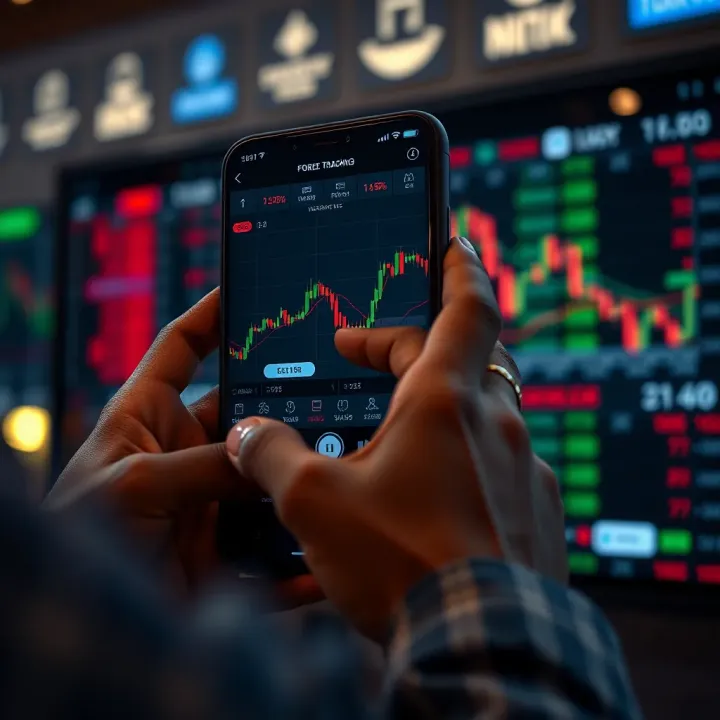
Whether you're completely new or just haven't found the app that clicks with you yet, this article aims to cut through the noise and give you clear, practical advice. Because at the end of the day, having a reliable, user-friendly, and secure app makes all the difference when you’re learning the ropes.
Getting the right trading app isn’t just about features—it's about trust, ease of use, and making sure it fits your trading style and needs.
Before diving into picking a forex trading app, it's important to get a solid grip on what forex trading actually means and how it works, especially in the Nigerian context. For beginners, knowing the nuts and bolts of forex markets helps avoid costly mistakes and makes the whole experience less daunting.
Forex, short for foreign exchange, involves buying one currency while selling another simultaneously. It’s the biggest financial market globally, running 24/5 without a centralized exchange, meaning prices can change almost by the minute.
Forex trading is about exchanging different currencies to profit from their changing values. For example, if you believe the US dollar will strengthen against the Nigerian naira, you can buy USD/NGN. If the dollar goes up relative to the naira, you make money; if not, you lose.
Unlike stock markets where you own a piece of a company, forex trades are based on price differences, usually involving pairs like EUR/USD, GBP/USD, or USD/NGN. Each pair consists of a base currency and a quote currency. This market is highly liquid and operates globally.
In Nigeria, forex trading has gained popularity because of the ease of accessing online platforms and the desire to earn from currency fluctuations amid economic uncertainty. Local brokers or international ones registered with Nigerian regulators provide platforms where you can trade.
Traders in Nigeria need to be aware of specific conditions, like exchange rate policies, potential restrictions on currency flows, and the influence of central bank interventions. For instance, the Central Bank of Nigeria’s rules on foreign payment and trade can influence how easily you move money in and out.
Moreover, using a forex trading app lets Nigerians manage trades conveniently despite the country’s sometimes unreliable power and internet infrastructure. That means apps that work well on minimal data and low battery usage are particularly beneficial.
Jumping into forex trading without knowing the risks is like navigating a busy street blindfolded. Common pitfalls include:
Leverage traps: Forex brokers often offer leverage, meaning you can control a big position with a small amount of money. While this can boost profits, it can also magnify losses quickly.
Market volatility: Forex prices can swing wildly due to economic news, political events, or unexpected crises. A sudden drop in value might wipe out your investment if you’re not prepared.
Scams and fake brokers: Unscrupulous entities prey on beginners by promising guaranteed returns or offering shady platforms. Always choosing regulated brokers is essential.
Understanding these basics sets the stage for picking the right app - one that not only gives quick access to the market but also arms you with the tools to trade wisely and stay protected.
Forex trading apps have become a go-to tool for many traders, especially beginners in Nigeria. These apps offer a simple, straightforward way to enter the forex market without the need for bulky setups or hours glued to a desktop. Using a forex trading app lets you manage your trades on the fly, keep up with market moves, and react quickly when opportunities pop up—something that’s tough to do with traditional setups.
The pace of the forex market doesn’t wait, and nor should you. With a reliable app, you’ll get alerts on price shifts and economic news right in your pocket. This immediacy is a major game changer, especially for those just starting out and learning to read the market’s pulse. Besides convenience, many apps come packed with educational features, demo accounts, and straightforward interfaces tailored to beginners, making the whole experience less intimidating.
Using a forex trading app comes with several perks over traditional desktop platforms or broker interactions. For one, apps are usually more affordable, with many offering zero commission or low spreads to attract traders. This lowers the barrier for beginners who might not want to risk large sums upfront.
Apps condense what used to take several different tools into a single place. You have live quotes, charts, news feeds, and trade execution all under one roof. For example, platforms like MetaTrader 4 and ForexTime bring powerful charting and analysis to small screens without sacrificing efficiency.
Another advantage is the speed of execution; traditional brokerage offices might require phone calls or filling forms before trades happen, but with an app, placing, modifying, or closing trades is instant. This swiftness is vital in a market where seconds can make a big difference.
The biggest selling point of a forex trading app is accessibility. Whether you’re commuting in Lagos traffic, sipping tea at home in Abuja, or taking a quick break at work, you can check your positions and execute orders without delay.
Consider someone new to forex trading in Enugu: without an app, they’d need a fixed computer setup and hours to keep track of the market. This is often not practical. But with apps like IG or AvaTradeGo, they can easily open the app, glance at charts, and place trades anywhere and anytime.
Moreover, apps allow beginners to experiment with demo accounts—practice spaces using virtual money. This hands-on approach teaches them how the market ticks without risking real cash. All this convenience encourages learning at one’s own pace, building confidence before committing real funds.
Remember: Trading forex on the go shouldn’t compromise security. Always opt for apps that offer strong encryption and two-factor authentication to protect your account from unauthorized access.
In short, forex trading apps bring the market within reach, break down technical barriers, and offer the flexibility that modern Nigerian traders need. It’s no surprise they’re quickly becoming the preferred way for beginners to step into forex trading.
Choosing the right forex trading app can feel like trying to find a needle in a haystack, especially for beginners in Nigeria. With so many options out there, focusing on key features helps cut through the noise and ensures you pick an app that’s both practical and secure. These features aren't just fancy add-ons; they directly affect how easy, safe, and effective your trading experience will be.
A forex app should give you more than just a platform to trade—it needs to act like your trading buddy: intuitive, informative, and secure. Think of it this way: a user-friendly interface means less time scratching your head and more time making confident trades, while real-time market data ensures you’re not making decisions based on yesterday’s news.
Now, let’s zoom into the features that really make a difference for newcomers stepping into the forex world.
A simple interface is a lifesaver when you're just getting started. Imagine opening an app cluttered with charts, indicators, and buttons — it’s like walking into a cockpit without a flight manual. Apps like MetaTrader 4 and IQ Option are popular because they present complex info in a clean and digestible way.
Look for apps with clear layouts, straightforward navigation, and customizable dashboards. Features like drag-and-drop chart tools or one-click trading can get you up to speed faster. The goal is to avoid feeling overwhelmed as you place your first trades.
Some apps go the extra mile to help beginners learn without stepping outside the platform. Good forex apps provide tutorials, webinars, and even quizzes on basic forex concepts, risk management, and trade execution.
Consider apps like Tickmill or FXTM, which offer built-in learning centers tailored for Nigerian traders. Having these resources at your fingertips means you can gain knowledge on your own time without juggling multiple sources.
Forex markets move fast, and delay costs money. Reliable apps deliver live prices, interactive charts, and customizable alerts that notify you about price changes or significant market events.
For example, the MetaTrader 5 app lets you set price alerts on specific currency pairs. This way, you’re not glued to your phone all day but still ready to act when opportunities arise. Real-time data helps you stay ahead of the curve rather than chasing after missed chances.
Security can’t be an afterthought when money is on the line. Verify that the app complies with financial regulations — look for brokers licensed by reputable authorities like the Financial Conduct Authority (FCA) or the Cyprus Securities and Exchange Commission (CySEC).
Apps with two-factor authentication (2FA), encryption, and secure payment methods are must-haves. Plus, check if the platform has a solid track record for protecting user data and funds. No one wants their hard-earned cash slipping through the cracks.
Access to diverse payment methods is crucial in Nigeria. Look for apps supporting local bank transfers, USSD payments, or popular services like Paystack and Flutterwave alongside international options like Visa or Mastercard.
Flexible deposit and withdrawal methods reduce hassle and fees. For instance, if an app solely relies on wire transfers, it could slow down your trading or make cashing out a painful process. Apps like eToro make it easy with multiple payout choices, catering well to Nigerian users.
Choosing the right forex trading app is more than just picking what looks flashy. Prioritize features that fit your lifestyle, budget, and learning pace to make your trading journey smoother and less stressful.
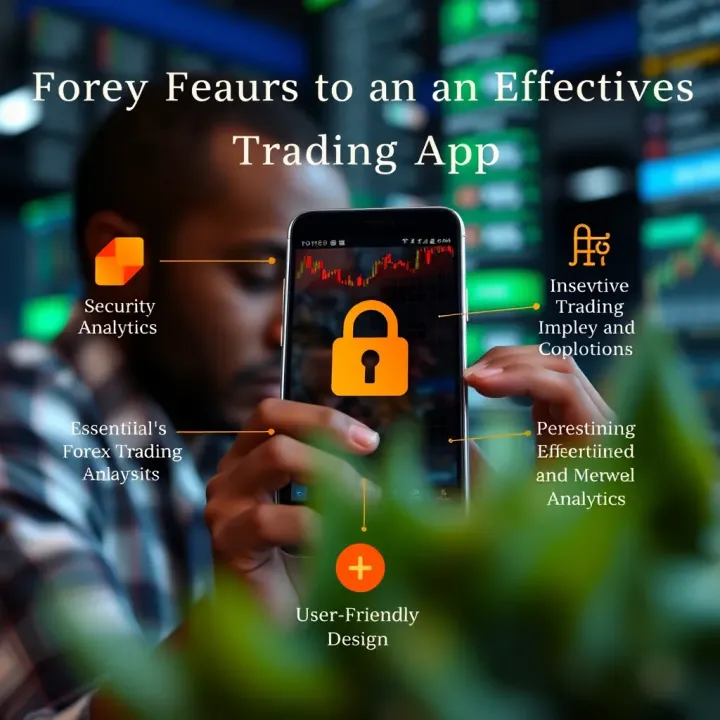
By zeroing in on these practical features, beginners in Nigeria can better navigate the sea of forex apps and find one that truly supports their trading aspirations.
Picking the right forex trading app is no small matter, especially for those just starting out in Nigeria's bustling market. This section zeroes in on some of the most used apps by beginners, giving you a realistic peek into what each brings to the table. Knowing what's on offer can save you headaches and help you find a platform that fits your style and goals.
Keep in mind, the right app for one might not be the best for another. Factors like ease of use, available resources, and customer support often tip the scales. We’ll walk you through some popular options highlighting their perks and quirks so you’re well-armed to make a smart choice.
Take Metatrader 4 (MT4) – it’s a classic that’s stood the test of time. Its interface might feel a bit old-school but that’s part of its charm; it’s straightforward and doesn’t overwhelm new users. MT4 offers access to a vast number of currency pairs and has plenty of tutorial content built into the app itself, perfect for learning the ropes.
One standout feature is its automated trading options, letting beginners set simple rules for making trades without staring at the screen all day. Plus, its charting tools are powerful, giving you detailed views which help you understand market movements better. Another plus is the strength of its security measures, helping protect your transactions and personal info.
[ForexTime (FXTM)] is another player favored by novices for its balanced mix of features. What stands out is its flexible account types, meaning you can start really small and scale up as you learn without switching platforms.
On the downside, FXTM’s customer support can be a bit hit or miss. While it does provide educational webinars and a demo account, some users report delays in getting answers during peak trading times. Also, the app might feel a bit heavy on notifications, which can be a distraction if you’re trying to focus.
Many beginners lean towards IQ Option because of its snappy, modern design and smooth user experience on mobile devices. It’s quite friendly for newcomers with budget-friendly minimum deposit requirements. The app also supports multiple payment methods common in Nigeria, including bank transfers and e-wallets.
What truly makes IQ Option shine is the vibrant community around it. You’ll find forums and social trading features where you can watch and learn from more experienced traders in real-time. This community aspect especially helps beginners emotionally manage trades, reducing that knee-jerk panic many feel in volatile markets.
Choosing an app isn’t just about the bells and whistles. It’s about what helps you build confidence, learn gradually, and stay secure as you navigate the forex world. Taking the time to explore these options can give you a leg up on your trading journey.
This review aims to clear the fog so you can zero in on what matters most. Whichever app you go for, be sure to test it out with a demo account first. See how it feels, check the customer support, and get comfortable before putting real money on the line.
Starting your trading journey with a forex app can feel a bit overwhelming at first, but breaking it down into clear steps makes it manageable. This section covers the nuts and bolts of setting up your trading account, managing your funds, and making your very first trade—all key parts for beginners in Nigeria to get it right from the outset.
Firstly, creating and verifying your account is your entry ticket to the forex market. Choose a forex trading app like IG Markets or FXTM, well-known for their credibility and ease of use. When signing up, you'll provide your personal details such as full name, email, and phone number, along with identification documents like your national ID or international passport.
Verification is crucial here as it protects both you and the platform from fraud. The app will typically require a selfie or a live photo of you holding your ID, ensuring no fake accounts slip through. Skipping this step isn’t an option, and expecting your account to become fully active without verification will leave you stuck.
Remember: Verification times can vary, from a few hours to a couple of days, depending on the platform and workload.
Once your account is verified, the next task is setting up your deposits and withdrawals. Most Nigerian traders prefer flexible payment options, so it's good to look for apps supporting local bank transfers, USSD payments, or e-wallets like Paystack or Flutterwave. For example, Pepperstone supports multiple deposit methods ideal for Nigerian users.
Be sure to check the app’s minimum deposit requirement—some require as little as $10, others more. Withdrawal processes should be straightforward, too. Avoid apps with a lengthy or complicated withdrawal system since you want your money accessible when you need it.
Keep in mind that understanding fees tied to deposits and withdrawals prevents surprises that eat into your profits.
After funding your account, it’s time to place that first trade. Beginners often find it useful to start with major currency pairs like USD/NGN or EUR/USD due to their liquidity and tighter spreads.
Navigate to the trading interface and select the currency pair. You’ll see options to “Buy” or “Sell” depending on whether you anticipate the currency will rise or fall. Enter the amount you want to trade, keeping it small at first to manage risk—think of it as dipping your toes before the full swim.
Use tools like stop-loss orders to limit potential losses, something most apps like MetaTrader 4 (MT4) provide. Remember, don’t rush. Take time to analyze market trends or even experiment first with demo accounts that simulate live trading without risking real money.
Beginners who start with solid account setup, clear deposit and withdrawal methods, plus cautious first trades often find forex trading less intimidating and more rewarding over time.
Getting started in forex trading without a clear handle on risk management is like sailing a boat without a rudder. Managing risks is essential—not just to protect your initial deposit but also to build confidence and develop sustainable trading habits. Every beginner should focus on strategies that limit losses and prevent emotional decisions driven by fear or greed. For example, failing to set any boundaries on how much you might lose in a single trade can quickly drain your account—even if you’re trading a modest amount.
Before risking real money, it’s wise to dip your toes in the water by using demo accounts. These are offered by most forex trading apps and simulate real market conditions without any financial exposure. For instance, apps like Alpari and eToro provide free demo accounts that mimic live trading environments. Demo trading lets beginners get used to the ins and outs of the platform and test different strategies without fear. It’s like training wheels for trading—allowing you to understand how market fluctuations affect your positions before putting actual cash on the line.
A stop-loss order acts as a safety net to automatically close a trade if losses reach a certain limit. This simple tool prevents small losses from turning into catastrophic ones. For example, if you bought EUR/USD at 1.2300, you might set a stop-loss at 1.2250 to cap potential loss at 50 pips. Without this, the market could swing against you severely, especially if you’re caught sleeping or distracted. Stop-loss orders help you stick to a predefined risk level and maintain discipline, which is vital for preserving your capital over time.
Emotions like fear, greed, and frustration can cloud judgment and push traders into rash decisions. Imagine watching a trade go against you and panic-selling at a loss, only to see the market bounce back minutes later. Emotional trading often results in chasing losses or overtrading, which only adds fuel to the fire. Beginners should develop routines to stay calm—taking breaks, sticking to a trading plan, and avoiding impulsive trades. Tools like journaling your trades or setting fixed trading hours can help maintain emotional balance.
Remember: Controlling risk is not about making profit every single time. It’s about limiting damage when things don’t go your way. This mindset will save you from blowing your account and keep you in the game for the long haul.
Managing risk is the cornerstone of a strong forex trading foundation. Using demo accounts for practice, setting stop-loss orders, and steering clear of emotional trading are realistic, practical steps every beginner should take seriously from the start. These approaches give you better control over your trades and help keep your forex journey steady and sustainable.
Getting started in forex trading can feel like stepping into a bustling market, full of noise and fast decisions. Many new traders, especially beginners in Nigeria, stumble into common traps that can sap their resources and enthusiasm. Understanding these mistakes is essential—not just to avoid losing money, but to build solid habits that pave the way for smarter trading. Let's dig into some of the frequent pitfalls newcomers face and why spotting them early matters.
One common misstep is overtrading. New traders often think the more trades they place, the bigger their chances of winning. But the truth is, opening numerous trades without a solid plan tends to lead to rash decisions and bigger losses. For example, a beginner might keep chasing small profits on currency pairs like USD/NGN throughout the day, forgetting transaction costs and market volatility. This habit burns through their capital fast.
Excessive leverage is another trap. Forex brokers often offer high leverage to attract traders, but using it without experience is like borrowing a car without a license—it can backfire real bad. Imagine a trader using 1:100 leverage; a slight unfavorable price move can wipe out the entire account in minutes. It's best to start small, perhaps 1:10, and gradually increase only as you get confident in your strategy.
Tip: Set limits on how many trades you open daily and stick to those rules. Use leverage cautiously and always consider the worst-case scenario before committing.
Forex markets don’t move randomly; they react sharply to economic news and events worldwide. Many new traders miss this crucial piece of the puzzle, trading without paying attention to announcements like Central Bank interest rate decisions, inflation data, or Nigeria's GDP reports. This lack of awareness can lead to unexpected losses.
For instance, if Nigeria’s central bank announces a surprise interest rate hike, the Naira might strengthen quickly, affecting currency pairs traders hold. Those unaware can be caught off guard, finding their positions tanking before they blink.
Keeping an eye on reliable sources like Bloomberg, Reuters, or even local Nigerian financial news platforms can help. Many apps also offer news feeds and economic calendars to stay updated. Staying tuned to these trends helps traders avoid big shocks and better time their trades.
Ignoring economic indicators is like driving blindfolded—you're bound to crash or miss your exit.
Key takeaway: Make it a habit to check economic calendars daily and understand how global and local events influence currency prices. It’s not just about charts and numbers; it’s about understanding the bigger picture.
By avoiding overtrading, managing leverage wisely, and staying informed on economic news, beginner traders can sidestep common pitfalls and create a stronger foundation for their forex journey.
In the fast-paced world of forex trading, especially for beginners in Nigeria, safety and security can never be afterthoughts. Ensuring your trading experience is protected not only guards your money but also preserves your peace of mind. With scams lurking around and potential breaches in security, knowing how to shield your trading activities is essential. Let’s talk about the practical steps you should take to keep things tight and secure.
One of the first lines of defense in forex trading is safeguarding your personal details. Apps usually require sensitive data like your ID, bank details, and contact information. Sharing this information carelessly or on unsecured platforms can lead to identity theft or unauthorized access to your account.
Always use apps that encrypt your data — this means your information is turned into a secure code before being sent over the internet. For example, if you’re using apps like Alpari or XM, check if they mention SSL encryption or two-factor authentication (2FA) in their security features. These layers prevent hackers from simply guessing passwords or intercepting your data during transmission.
Keep your trading app updated as developers frequently patch security holes. Never use public Wi-Fi when logging into your trading app as these networks are commonly targeted by cybercriminals. Instead, use mobile data or trusted private Wi-Fi.
Forex trading in Nigeria has seen a rise in scam apps and fraudulent brokers aiming to swindle careless traders. It’s crucial to stay alert and learn the red flags. A telltale sign is a platform promising extremely high returns with little or no risk — if it sounds too good to be true, it probably is.
Before downloading any app, research its reputation through reviews on platforms like Google Play Store and look for any warnings on financial regulatory websites like the Nigerian Securities and Exchange Commission (SEC). Legitimate brokers are usually listed or have clear information on their licensing.
Avoid giving out money for “training” or “exclusive tips” without verifying the company. Sometimes fraudsters will pressure you into quick deposits or frequent trades to drain your account.
Always remember, a genuine forex trading app values your security and educates you about risks, rather than pushing you to trade recklessly.
If you suspect an app or broker is shady, report it to the SEC or seek advice from more experienced traders. Joining local trading forums or groups can provide insights and early warnings about scams.
By focusing on keeping your personal data safe and staying clear of scams, you can step into forex trading with confidence. A secure start sets the tone for a better trading journey, minimizing risks outside the market itself.
Keeping track of your trades and regularly improving your approach is a big deal for any forex newbie. You don't just jump in and hope for the best; it's about learning what works and what doesn’t. If you don’t look back at your trades, you’re basically flying blind.
Consistent tracking shows where you’ve been successful and where you’ve hit snags, giving you the chance to adjust. For example, if you notice you consistently lose money on EUR/USD trades around certain news reports, that’s a red flag to dig deeper or maybe avoid those moments. Staying aware of your patterns helps curb bad habits like overtrading or chasing losses.
Many forex apps come with built-in tools that help you analyze your trading data. Instead of juggling spreadsheets, you get stuff like charts, performance reports, and even predictive indicators all in one place. These tools can quickly highlight which currency pairs are your strong suits and how long you generally hold trades before closing them.
Take MetaTrader 4 or 5, for instance—they offer detailed history tabs and technical analysis tools that let you review past trades. Using such analysis, you might find you’re more successful trading during certain hours or with specific strategies. The point is to lean on these tools to gain insights instead of relying on hunches.
Being part of a community can make a huge difference, especially for beginners. Forums like Forex Factory or Trade2Win provide spaces where traders share ideas, strategies, and even warnings about scams or unreliable brokers. You get to learn from others' mistakes without making them yourself.
Joining local or online groups helps you stay updated on trending strategies or important economic news that affects forex markets—you can’t always catch everything on your own. Sometimes just talking through your trades with others can reveal things you hadn’t noticed. Plus, it’s motivating to know you’re not alone in the learning curve.
Tracking your progress and actively improving your strategy isn’t just a nice-to-have; it’s key to becoming a confident, successful forex trader. Use your app’s analysis tools and engage with communities to sharpen your skills, avoid common pitfalls, and stay ahead of the game.
As you get more comfortable with basic forex trading apps, you might notice some limits creeping up that slow down your progress. Recognising when it’s time to upgrade to a more advanced platform can make a big difference in both your trading experience and results. Advanced apps offer features that support complex strategies, better analysis, and increased control—things a beginner-focused app might lack.
Switching to a more advanced app isn’t about abandoning what you’ve learned but building on those skills. For example, many beginner apps offer simple charting tools and preset indicators. When you’re ready for more detailed technical analysis, these might feel restrictive. At that point, a platform like MetaTrader 5 or cTrader, with extensive chart customization and more sophisticated order types, becomes very useful.
Knowing when to switch can be tricky, but a few signs stand out:
Your current app feels too basic: If you find yourself wishing for more detailed charts, diverse technical indicators, or customizable alerts, it suggests your needs are evolving.
You want to automate trades: Beginner apps rarely support automated trading or custom scripts. If you’re interested in using Expert Advisors (EAs) or algorithmic trading, upgrading is necessary.
Increasing your trade size and frequency: When you start managing larger positions or multiple trades simultaneously, advanced risk management tools and faster execution speeds become essential.
Seeking advanced order types: Stop-limit, trailing stops, and OCO (One Cancels the Other) orders help manage trades more precisely. Absence of these can limit your flexibility.
You’re ready for deeper market analysis: Accessing news feeds, economic calendars, and in-depth market sentiment tools is typically a feature of advanced apps.
Recognizing these signs early helps you avoid frustration and missed opportunities due to platform limitations.
When exploring more sophisticated forex apps, watch out for key features that will support your evolving trading style:
Multi-Timeframe Charting: Ability to view several timeframes at once aids in spotting trends and reversals more efficiently.
Custom Indicators and Scripting: Supports creating or uploading your own indicators and trading bots.
Advanced Order Types: Beyond market and limit orders, features like stop-limit, trailing stop, and OCO orders offer fine-tuned control.
Risk Management Tools: Options to set guaranteed stops or automated position sizing based on your risk tolerance.
Detailed Reporting and Analytics: Performance metrics showing winning percentage, average gain/loss, and trade duration to help refine strategies.
Integration with Third-Party Tools: Compatibility with platforms like TradingView or Excel for enhanced analysis.
Robust Security and Compliance: Enhanced data protection, two-factor authentication, and adherence to international regulations.
Fast and Reliable Execution: Minimizing slippage and downtime, especially important if you trade frequently.
Choosing a more advanced forex app is about matching your trading goals with the right tools. While these platforms require a steeper learning curve, they open doors to strategies and efficiencies not possible in basic apps.
Think of it this way: just as you wouldn't stick with training wheels forever when learning to cycle, in forex, upgrading the tools at the right time helps you pedal faster and go further. Keep evaluating your needs and comfort level regularly to make sure your trading app grows with you.
Picking the right forex trading app is more than just picking a shiny interface or cool features. It sets the foundation for your trading journey, especially if you're just starting out in Nigeria's fast-moving forex market. A good app can make trading accessible without overwhelming you, while a poor choice might lead to frustration or even costly mistakes.
When looking at forex apps, it’s important to find a balance between what you get and what you pay. For instance, an app like MetaTrader 4 offers robust charting tools and indicators, usually for free, but some brokers might charge commissions or spreads that add up. On the other hand, apps like Alpari Mobile might have lower fees but fewer advanced features.
Support is another key piece of the puzzle. If something goes wrong, or you have a question about your trades or account, reliable customer service can save the day. Imagine needing to urgently withdraw funds or facing technical glitches during volatile market hours – responsive support is a lifesaver.
Here are a few practical tips:
Check if the app supports local payment methods in Nigeria like Paystack or Flutterwave for easier deposits and withdrawals.
Look for apps that offer educational content, so you keep learning as you trade.
Don’t settle for a high-cost app if cheaper alternatives give you all the features you need.
No one app fits all traders. What works well for one beginner might not suit another. That’s why testing several apps before making a final choice is smart. Most apps offer demo accounts that let you practise without risking real money — take advantage of these.
Spend some time exploring:
How intuitive is the navigation?
Is the real-time price data accurate and fast?
Can you set alerts easily?
How trustworthy is the security setup?
For example, while IQ Option is praised for a smooth interface, some find its withdrawal process a bit slow compared to FXTM. These firsthand experiences help you know what fits your trading style and schedule.
Don’t rush. Trying out different apps on a test run prevents nasty surprises and builds your trading confidence.
By keeping these points in mind—you’ll land on an app that suits your needs, budget, and growth as a trader. Remember, your trading app isn’t just a tool; it’s a partner on your forex journey.
📱 Discover how to choose the right forex trading app for Nigeria 🇳🇬. Learn key features, security tips, and ways to boost your trading success on mobile.
📱 New to trading in Nigeria? Find the best beginner-friendly apps with low fees, strong security, easy features, and tips for a smooth start to investing.
📱 Discover the best forex trading apps for Nigeria! Compare features, tools, and security to pick the perfect platform for your trading style. 💹🔒

Discover the best stock trading apps for beginners in Nigeria 📱 Explore features, costs, security, and tips to start trading confidently and smartly 🇳🇬📈
Based on 10 reviews