
Choosing the Best Forex Trading Platform for Beginners in Nigeria
Find the best Forex trading platform for beginners in Nigeria 🇳🇬. Learn about safety, ease of use, costs, and educational tools to start trading confidently!
Edited By
Sophie Bennett
Starting forex trading in Nigeria requires more than just an internet connection and a trading account. To succeed, you need solid knowledge of how the forex market works, how to read charts, and how to manage risk. That foundation often comes from reading the right books — resources that explain basic and advanced concepts in ways you can apply directly.
Nigerian traders face unique challenges like naira volatility, irregular power supply, and regulatory dynamics that can affect forex trading. Practical forex books built for beginners steer clear of jargon and offer clear explanations that suit local realities. This helps new traders avoid common pitfalls and build confidence before risking real money.
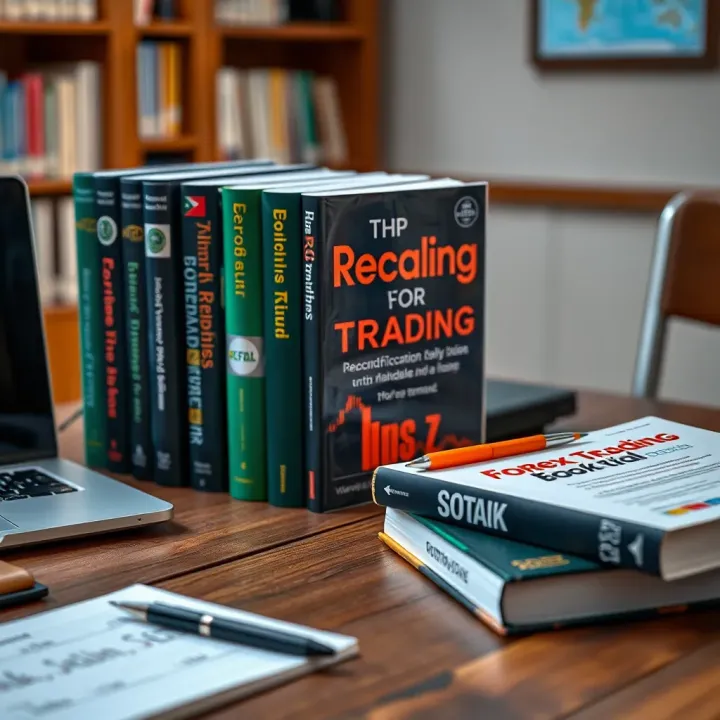
Good forex books act like a mentor in your pocket, guiding you step-by-step through strategies, market behaviour, and money management tailored for beginners.
Choosing the right forex books matters because not all materials cover the topics you’ll encounter in Nigeria’s market environment. Look for books that:
Cover essential topics such as technical analysis, fundamental analysis, trader psychology, and risk management
Present clear, real-life examples, not just theory
Address day-to-day challenges faced by retail traders, including managing emotions and avoiding scams
Some practical books also discuss how to use popular trading platforms, how to interpret economic news, and how to adjust strategies when the naira fluctuates against major currencies like the US dollar.
Instead of trying to learn from random internet articles or risky social media tips, a well-chosen forex book gives you stepwise, reliable guidance. This guide will highlight the best forex trading books tailored to Nigerian beginners, helping you pick resources that improve your trading skills with focus and clarity.
Reading forex trading books is a solid way for beginners to get grounded before putting money on the line. These books provide a structured path to learn critical concepts, helping Nigerian traders avoid costly errors that might arise from guesswork or unreliable online tips. For instance, understanding how leverage affects your trading positions can prevent devastating losses, a common pitfall for beginners in Nigeria where brokers sometimes offer high leverage to attract clients.
A strong foundation starts with mastering the basics, from how currency pairs work to the factors driving price changes. Books dedicated to forex trading lay out these fundamentals clearly and logically. Nigerian traders who learn the mechanics of pips, lots, and spread before trading often find it easier to follow market movements and make informed decisions. For example, knowing that USD/NGN exchange rates can react sharply to CBN's monetary policies or oil price shifts helps you anticipate market moves better.
Many new traders jump into forex without proper preparation, resulting in errors like overtrading, poor risk management, or emotional decision-making. Good books expose these pitfalls early and provide strategies to avoid them. Nigerian traders might be particularly prone to risk when faced with volatile naira rates or scams, so learning proper money management techniques from respected authors can protect your capital.
Taking time to read before trading can save you from mistakes that might cost thousands of naira. Knowledge is your best shield in the unpredictable world of forex.
Forex markets don't move randomly; they respond to global events, economic data, and market sentiment. Books help you grasp how these factors interact, which is essential for any trader, especially in Nigeria where external shocks like crude oil price changes or foreign portfolio flows heavily affect the naira. A clear understanding of market dynamics also improves your ability to use technical analysis and fundamental data effectively.
In summary, forex trading books are indispensable for beginners because they build your knowledge, warn against common mistakes, and explain market behaviour in practical terms. Armed with this understanding, Nigerian traders can approach the forex market more confidently and strategically, increasing their chances of success.
Selecting the right forex trading books is more than just picking popular titles off a shelf; it shapes your trading journey, influences your understanding, and ultimately impacts your success. For Nigerian traders, the abundance of forex literature can become overwhelming, so knowing how to make a wise choice is essential. The key lies in matching the book's content with your current skill level, verifying the author’s experience, and ensuring it relates to Nigeria's unique trading environment.
Forex books come in varying levels of complexity, from beginner-friendly guides to advanced strategy manuals. As a beginner, you want books that explain concepts clearly without drowning you in jargon. For instance, a newbie should start with titles that break down basic forex terms, market mechanics, and common trading setups—think of something like “Forex for Beginners” by Anna Coulling. On the other hand, diving into advanced technical analysis books too early might leave you confused and discouraged. Gradually progressing through skill levels helps build confidence and competence effectively.

Not every book is written by a seasoned trader or a trustworthy expert. Nigerian traders should be discerning, checking the author’s background carefully. Has the author been active in forex trading for years? Do they share real-life examples or just theoretical models? Books by well-known professionals who’ve weathered market ups and downs, such as John Murphy or Mark Douglas, provide practical insights that are more reliable than those by unknown or inexperienced writers. You might want to review author bios, their track record, and reader reviews before committing your time and resources.
Forex trading in Nigeria comes with certain challenges like local broker reputations, occasional naira volatility, and unique regulatory environments. Generic forex books often neglect these important factors. Thus, it’s wise to choose books or supplementary materials that address the Nigerian market, discussing topics like how to pick local reliable brokers, manage risks related to power outages linked to NEPA/DISCO challenges, or applying lessons under fluctuating naira exchange rates. This local perspective prevents you from blindly applying international strategies without adjusting for Nigerian realities.
Choosing the right forex book is like picking the right tool – it must fit your hands, match the task, and suit the terrain you’re working with.
In summary, start small with easy-to-understand books, ensure the author knows their ground, and select readings that acknowledge the Nigerian trading environment. Doing so will help you develop solid forex skills that work in practice, not just in theory.
Choosing the right books can significantly shape the learning curve for anyone starting forex trading. For Nigerian traders, these books condense vast amounts of market knowledge into practical advice and strategies, often catering to different learning needs. This section highlights trusted titles that cover the basics, strategies, and psychology, essentials every beginner should master.
This book stands out for its straightforward explanation of forex fundamentals. Written in a no-nonsense style, it covers everything from how forex markets operate to the factors influencing currency movements. Nigerian beginners will find it especially valuable for breaking down complex concepts into simple language, without assuming prior financial knowledge.
One of the practical reasons this book is popular among Nigerian traders is its focus on real-world examples. It discusses risk management techniques and trading tools Nigerian traders can easily access, such as online broker platforms. This makes it a solid introductory guide for anyone before risking real naira in the market.
Anna Coulling’s work goes beyond just definitions by placing emphasis on understanding price action — how and why currency prices move. It introduces charts and basic technical indicators, which are crucial for analysing trends. The examples, while global, resonate well with Nigerian traders who trade on platforms like MTN or GTBank’s trading portals.
Moreover, the book dedicates time to explaining the mechanics behind leverage and margin, key concepts that often confuse beginners. Given the volatile nature of the Nigerian naira, understanding these helps traders avoid overexposure and potential losses.
This title is often considered the bible for anyone wanting to master chart reading and technical analysis. For Nigerian traders, it helps build the skill to spot patterns in price movement, which is invaluable in markets prone to sudden shifts caused by local economic policies or global news.
Murphy thoroughly explains indicators like moving averages, Bollinger Bands, and MACD, which Nigerian platforms often provide. Grasping technical analysis allows traders to predict potential entry and exit points, helping to time trades effectively within the country’s unpredictable currency environment.
Candlestick charts are now fundamental tools in forex trading, and Nison’s book dives deep into their formation and interpretation. For beginners, this resource shows how candlestick patterns indicate market sentiment and help anticipate future price direction.
In Nigeria, where access to advanced trading tools might be limited, learning to read candlesticks manually gives traders an edge. This skill supports better decision-making, whether trading during the ember months when market activity spikes or in quieter periods.
Psychology is often overlooked, but Douglas reminds traders that mindset drives performance. His insights tackle common emotional pitfalls like fear and greed, which can wreck a trading account quickly, especially in a volatile market like Nigeria’s.
The book encourages developing consistency and confidence, crucial for Nigerian traders who might face interruptions like power outages or network issues. Understanding how to control emotions helps avoid impulsive decisions during such challenges.
Douglas returns with this work to emphasise discipline as the backbone of successful trading. It explains why many beginners fail to stick to their plans and how to cultivate patience and self-control.
For Nigerian traders juggling multiple responsibilities or side hustles, this book offers practical advice on staying focused on strategy rather than chasing quick profits. Such discipline is key to surviving the ups and downs of the forex market without blowing the trading capital.
The value of learning forex trading through books lies in how you apply those lessons in a real market, especially one as dynamic as Nigeria’s. Nigerian traders face unique challenges such as currency volatility, frequent power outages, and regulatory shifts. Applying the principles learned in trading books helps you navigate these obstacles more confidently and efficiently.
Selecting a trustworthy broker is a vital first step. Many books stress the importance of broker transparency and regulation, but in Nigeria, additional caution is necessary. Opt for brokers registered with the Securities and Exchange Commission (SEC) Nigeria or regulated by credible foreign bodies like the FCA or CySEC. Beware of brokers offering unrealistic returns or poor customer support, as scammers are sadly common here. Local brokers like ARM Securities and Laser Securities offer platforms aligned with Nigerian traders’ needs, including local currency deposits and withdrawals.
Forex trading books emphasise risk management, but Nigerian traders must personalise these lessons. With naira exchange rates swinging unpredictably and inflation pressures, protecting your capital is key. Many traders learn to use stop-loss orders, position sizing, and leverage cautiously. For example, if oil prices drop, the naira usually weakens, impacting currency pairs involving NGN. You must adjust your trading size or avoid high-risk trades during such swings to prevent heavy losses. Applying risk control techniques is not just theory; it directly affects your survival in Nigeria’s volatile market.
Books often recommend practising with demo accounts before risking real money. Nigerian traders benefit hugely from this advice because local economic factors can amplify risk. Demo accounts offered by brokers like FXTM and IG allow you to simulate trades using real market data but without financial risk. Practising builds confidence and helps you understand how news events in Nigeria, such as CBN policy announcements or petrol scarcity, cause market movement. By the time you start live trading, you’ve already tested strategies in a local context without losing money.
Mastering forex in Nigeria means translating book knowledge into actions that respect local market realities. Applying reliable broker selection, disciplined risk management, and hands-on practice sets you apart and increases your chances of success.
In summary, the lessons from forex books provide the foundation, but your ability to adapt and apply these lessons to Nigeria’s peculiar trading conditions will determine your progress as a trader.
Books lay the groundwork, but supplementing your forex knowledge with other resources brings more depth and real-world insight. Practical learning tools help you understand market movements better and sharpen skills faster, especially in Nigeria's dynamic trading environment. Combining books with interactive and current sources means you stay up to speed with evolving forex markets.
Online tutorials offer step-by-step guidance on forex concepts and strategies, which is useful when you want to see examples in action. Nigerian traders commonly use YouTube channels and platforms like Investopedia to access free video lessons that break down complex topics. Forums such as Nairaland's forex section also provide a space to exchange ideas, ask questions, and share experiences with fellow traders. Engaging in these forums helps you gain multiple perspectives on challenges unique to Nigerian traders, like dealing with local broker quirks or navigating exchange rate fluctuations.
"Learning from peers who face similar market conditions can shortcut your journey to becoming a confident trader."
Workshops and webinars give you hands-on exposure beyond books and videos. Many fintech companies and brokers in Nigeria, such as FXTM and HotForex, regularly organise webinars tailored for beginners. These sessions often include live demonstrations of trading platforms, practical risk management tips, and Q&A segments where you can clarify doubts. Attending such events also provides networking opportunities with more experienced traders and market analysts, which can be valuable for ongoing mentorship.
Practising trades on demo accounts through mobile apps is one of the best ways to apply book knowledge without risking real money. Apps like MetaTrader 4 (MT4), FXTM Trader, and OANDA offer free demo accounts with virtual funds to simulate real trading scenarios. Nigerian traders appreciate these simulators because they mirror actual market conditions and allow practising different strategies. Moreover, mobile forex trading apps help you stay connected to the market even on the go, beating challenges like power outages and erratic internet common in parts of the country.
Integrating these varied resources alongside books ensures a more rounded forex education. This blend equips you not only to read about trading but to experience and adapt to the Nigerian forex market realities effectively.
Find the best Forex trading platform for beginners in Nigeria 🇳🇬. Learn about safety, ease of use, costs, and educational tools to start trading confidently!

📚 Discover top books to boost your forex trading skills with expert tips on analysis, psychology, and risk—ideal for Nigerian traders at any level!

📚 Find the best forex trading books with our detailed guide. Learn key selection tips, review top picks, and apply lessons to boost your trading success! 💹
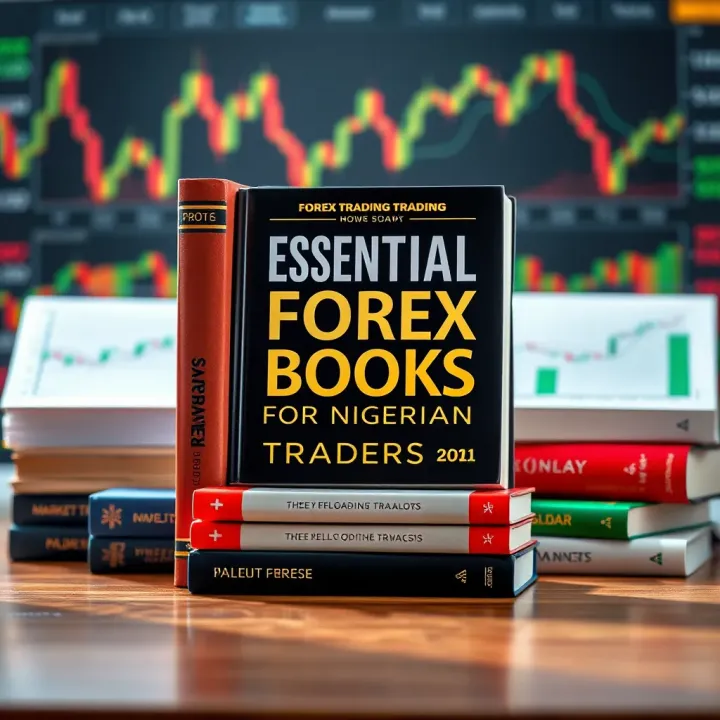
📚 Find the best forex trading book for Nigerian traders! Learn key skills, top picks & tips to choose books matching your trading style effectively.
Based on 6 reviews