
Forex Trading Basics and Tips for Nigerians
Explore forex trading in Nigeria 🇳🇬 with practical insights on market basics, strategies, risks, and tips for both new and experienced traders 💹📊
Edited By
Sophie Mitchell
Forex trading attracts a wide range of people—from curious newbies to seasoned traders eager to sharpen their skills. With so many books out there claiming to be the perfect guide, it’s easy to feel overwhelmed about which one to pick. This article aims to cut through the noise and help you zero in on books that truly deliver solid, practical knowledge.
Whether you’re stepping into the forex market for the first time or you already have some experience, choosing the right book can make a huge difference in understanding market dynamics, managing risk, and ultimately making smarter trading decisions. Here, we'll outline the key factors to consider when selecting a forex trading book, from understanding your own goals and experience level to evaluating the credibility of the author and the book’s practical value.

Picking the right book is not just about finding information—it’s about finding the right information that speaks to your needs and trading style.
In the sections ahead, we’ll break down what to look for, highlight some notable titles, and offer tips on applying lessons from books to live trading situations. This guide is crafted to give traders, investors, finance students, brokers, and analysts in Nigeria—and beyond—a clear path to navigate the vast sea of forex resources with confidence and purpose.
Grasping the basics of forex trading is the first step toward picking the right book on the subject. Without a solid foundation, even the most well-written book can feel overwhelming or confusing. Understanding the core elements of forex trading helps pinpoint which resources will actually enhance your knowledge rather than muddy the waters.
At its simplest, forex trading is the act of buying one currency while selling another simultaneously. These transactions happen in the currency markets, which run 24 hours a day across the globe, reflecting the constant ebb and flow of international trade and finance. The market is what economists call "over-the-counter" — it’s decentralized, involving banks, financial institutions, governments, and individual traders, all interacting through electronic networks.
For example, when a Nigerian trader buys the U.S. dollar against the Nigerian naira (USD/NGN pair), they're participating in the forex market. Understanding how market hours, liquidity, and currency demand influence these interactions gives traders a clearer idea of price movements and volatility.
Forex trading operates through pairs — every trade involves two currencies, such as EUR/USD or GBP/JPY. The first currency in the pair is the base currency, and the second is the quote currency. Traders speculate on whether the base currency will strengthen or weaken against the quote currency.
Let's say you believe the Euro will rise against the US dollar; you would buy the EUR/USD pair. If the Euro indeed appreciates, you can sell the pair later for a profit. Prices fluctuate based on factors like economic data, geopolitical events, and central bank policies.
Having a good grasp of this process is crucial because it influences how you interpret what books say about trading strategies or market analysis.
Not all currency pairs are created equal. Major pairs include currencies from the world’s most stable and liquid economies — like the USD, EUR (Euro), JPY (Japanese Yen), GBP (British Pound), AUD (Australian Dollar), CAD (Canadian Dollar), and CHF (Swiss Franc).
These majors typically have tighter spreads and more reliable market data, making them ideal for beginners and experienced traders alike. A Nigerian trader, for example, might start with EUR/USD or USD/JPY because their high liquidity means easier entry and exit points.
Knowing which pairs are more volatile or stable helps in selecting a book that aligns with your trading focus — whether you're after high action day trading or steadier, longer-term investments.
Understanding the terminology like pips, lots, and leverage is non-negotiable when you dive into forex books. A pip (percentage in point) measures the movement in currency price — usually the fourth decimal place in most pairs. For instance, if GBP/USD moves from 1.3000 to 1.3005, that’s a 5-pip change.
Lots represent how large a trade you’re making. A standard lot is 100,000 units of the base currency, though mini, micro, and nano lots allow you to trade smaller amounts.
Leverage, meanwhile, lets you control a larger position than your actual capital by borrowing from your broker. For example, a 1:100 leverage ratio means you can control $100,000 with just $1,000. However, leverage magnifies both profit and risk — so understanding this balance is vital to avoid getting wiped out.
Effective forex books will explain these concepts clearly and show how they fit together to influence your trading results.
Forex trading isn’t just about guessing which way prices will move; it’s also about knowing how to execute your trades smartly. Common order types include market orders (buy/sell immediately at current price), limit orders (buy/sell at a specific or better price), and stop-loss orders (automatically close a position to limit losses).
Trading platforms like MetaTrader 4, MetaTrader 5, or cTrader offer tools to place these orders along with charts and indicators. Good forex books often include how-to guides on using these platforms effectively or explain the nuances of each order type to help traders protect capital and lock in profits.
Managing risk is the difference between staying in the game and going bust. No matter how promising a strategy looks, ignoring risk can cause heavy losses.
Basic rules include only risking a small percentage of your trading capital on a single trade (often 1-2%), using stop-loss orders, and not over-leveraging. For example, if you have ₦100,000 in your account, risking ₦1,000 on a trade keeps you from losing too much if the market turns against you.
Books covering forex trading need to emphasize risk management to steer beginners away from reckless trading.
Without a good grasp of fundamentals, choosing a forex trading book is like trying to navigate a foreign city without a map. Knowing these basics sets you up to make informed decisions both in selecting learning material and in actual trading.
Books hold a unique place in forex trading education. Unlike quick online articles or videos, they offer a deep dive into the complex world of currency markets, giving traders a chance to build their knowledge progressively. For many in Nigeria's growing trading community, books remain a trusted guide amidst the flood of information out there. They help lay a solid groundwork while also allowing traders to revisit and digest tricky concepts at their own pace.
Books provide comprehensive insights into forex trading that short-form content often can’t capture. For example, a book like Kathy Lien's "Day Trading and Swing Trading the Currency Market" breaks down complicated topics such as intermarket analysis and carries trader psychology nuances that an article might gloss over. This depth helps traders grasp not just "how" but "why" certain strategies work, which is crucial for developing independent judgment.
Many forex trading books are penned by seasoned professionals who’ve spent years navigating the ups and downs of the market. Their experience goes beyond textbook theory, offering readers insider wisdom and real-world perspective. Take Alexander Elder’s "Trading for a Living"—the book distills his practical lessons on discipline and risk control, which are harder to find in generic resources. This direct line to expert experience saves traders from relearning lessons the hard way.
Unlike random blog posts or YouTube gurus jumping between topics, well-written books often follow a logical progression. This organized approach guides readers step-by-step — starting from basic concepts like currency pairs and moving onto advanced strategies and psychological skills. For traders starting out, such structure prevents feeling overwhelmed and supports a steady learning curve, ensuring each new skill builds on a solid foundation.
Forex markets evolve rapidly, and some books can quickly become outdated. A book published a decade ago might still teach fundamental analysis well but could miss newer tools like AI-based indicators or changes in market regulation. Nigerian traders should check publication dates and cross-reference current market practices, supplementing older texts with the latest news or updated editions where possible.
Reading alone won’t automatically translate into profitable trades. It's like reading a cooking book without ever stepping into the kitchen. Practical experience is key. For instance, using demo accounts or paper trading alongside books ensures traders gain hands-on skills. This mix of theory and practice helps bridge the gap between knowing a trading strategy and successfully applying it under real market pressure.
Forex books often emphasize theory, which might feel dry or abstract without real-world application. Traders sometimes get stuck in analysis paralysis, overstudying techniques without executing trades. The trick is balancing study with action: reading to understand concepts but also using those concepts in small, manageable trades. Combining study with practice encourages continuous learning and adaptation, critical for long-term success.
Books serve as a foundational element in forex trading education. But pairing them with up-to-date experience and practical application is what truly equips traders to navigate the dynamic currency markets confidently and skillfully.
Picking the right forex trading book is not just about grabbing whatever's popular on the shelf; it means focusing on what really adds value to your trading journey. A worthwhile book arms you with practical knowledge, helping you understand complex market moves and sharpen your strategy. It’s about the author's credibility, the depth of topics covered, and how relatable the content is, especially when backed by honest reader feedback. Let’s break these down to see what really counts.
The author's professional background serves as the foundation of trust. For instance, if a book is penned by a trader who’s worked for big financial institutions or has experience as a market analyst, it shows they know the ropes beyond textbook theory. A writer with a proven history in forex markets tends to explain nuances -- like how geopolitical events ripple through currency pairs -- that purely academic authors might miss. For example, Kathy Lien's vast experience as a market strategist lends her books an edge that's hard to beat.
A solid track record means the writer isn’t just speculating—they’ve been in the trenches, faced losses, and learned first-hand what works. This real-world cred becomes apparent in the advice given and trading tactics recommended. If the author has public records of consistent trading success or has won recognition in the forex community, it boosts the book’s reliability. Avoid books by authors who claim win-every-time formulas without showing any verifiable results.
Forex jargon can be intimidating, so clarity of language matters a lot. A good forex book is like having a conversation with a mentor—not a lecture or a wall of confusing terms. Authors who break down ideas into simple, digestible chunks and use examples that relate to everyday trading scenarios earn bonus points. For instance, a book using clear case studies about USD/NGN swings helps Nigerian traders grasp concepts better than abstract models.
The best forex books cater to a broad audience, gradually moving from basics to intricate strategies, letting readers grow without feeling overwhelmed. Good examples include books that start with explaining what pips and lots are, then transition into complex concepts like carry trades and hedging strategies. Such a layered approach respects your evolving understanding and saves you from bouncing between multiple resources.
Books boasting a balanced talk on both technical and fundamental analysis tend to be more practical. They don’t just tell you how to spot chart patterns but also how economic indicators like Nigeria’s inflation rate or US Federal Reserve meetings affect currency pairs. This blend is key because focusing on just one side leaves gaps in your strategy.
Don’t overlook the mental game. Great forex books delve into the psychological hurdles traders face—fear, greed, impatience—and share tips on how to stay disciplined. Understanding your mindset can often be the difference between sticking to your game plan and blowing your account in one bad session.
Before committing, peeking at reviews on credible platforms like Goodreads or specialized trading forums can save you time and money. Authentic reviews often highlight a book’s strengths and weaknesses in straightforward language, helping you set realistic expectations. Be wary of books with suspiciously glowing reviews—sometimes paid promotions can skew the truth.
The trading community often serves as a heartbeat for quality. Recommendations from experienced traders or mentors, whether on Twitter, Reddit’s forex threads, or trading seminars, tend to reflect practical usefulness. For instance, many Nigerian traders swear by "Currency Trading for Dummies" for its accessible approach, a detail you might miss without community insight.
Reading what multiple readers praise or gripe about can tip you off on whether a book suits your learning style. Some may love a book’s step-by-step guides but criticize it for lack of updated market examples. Others might point out poor editing or repetitive content. Spotting these patterns helps avoid books that look good at first glance but disappoint in practice.
When choosing a forex trading book, prioritize authors who bring real experience, clear writing, and balanced content. Couple that with genuine reader feedback to pick resources that truly enhance your trading skills and confidence.
When you're just stepping into the world of forex trading, it’s easy to feel overwhelmed by jargon and complex strategies. That's why starting with the right books is so important. Beginner books don’t just throw information at you—they guide you with patience, breaking down complicated ideas into manageable parts. Picking the right recommendations means you get a solid foundation without feeling lost or frustrated.
What makes these beginner books stand out is their ability to simplify concepts without dumbing them down. If you start off confused, you might give up too soon or pick up bad habits. A good beginner book is like having a wise coach by your side, showing exactly how forex markets move, what terms like "pips" or "leverage" really mean, and why some pairs are better for newbies.
Beginning traders need books that don't assume prior knowledge. Clear, straightforward explanations are a must. Think of it like learning to drive: you wouldn't get behind the wheel without first knowing what the pedals do. Good forex beginners’ books avoid flashy words and focus on helping you understand how currencies are traded, the role of central banks, and how events affect markets. For example, "Forex For Ambitious Beginners" by Jelle Peters breaks down terms like margin and spread using everyday language—and real examples, like how Brexit affected GBP/USD.
Another key feature is step-by-step instructions that take you from concepts to practice. This helps prevent a disconnect between theory and action. Instead of just talking about a "buy" order, a solid guide will walk you through placing an order on a demo account, reading a currency chart, and understanding stop-loss settings. Many books include chapters that build progressively: first the hows, then the whys. This measured approach keeps learners from rushing ahead and missing essentials.
Learning sticks when you can practice. Top beginner books often come with exercises or examples that let you apply what you’ve learned. It might be simple calculations, mock trades, or questions to check your understanding. For instance, "Currency Trading for Dummies" provides exercises to calculate risk per trade or identify trends. These help build confidence, turning abstract ideas into skills you can use right away.
Once you’ve got the basics down, the next step is to explore trading strategies that work without overcomplicating things. Beginner strategy books focus on straightforward systems like moving average crossovers or basic support and resistance levels. These methods are easy to grasp and provide structure, so you're not stabbing in the dark. A well-known example is Kathy Lien’s "Day Trading and Swing Trading the Currency Market", which breaks systems down so you understand the principle behind the entry and exit points.
No strategy succeeds without solid risk management. Beginner books that cover this topic teach how to protect your capital—using stop losses, position sizing, and setting risk-reward ratios. This is crucial because many new traders blow accounts by chasing big wins without limits. For example, "The Little Book of Currency Trading" by Kathy Lien highlights practical ways to decide how much to risk per trade and why emotion can sabotage your plan.
A trading plan is more than just a list of rules—it's your personal roadmap for consistency. Good beginner books guide you to create a plan tailored to your lifestyle, risk tolerance, and goals. This could include deciding trading hours, instruments to trade, and criteria for entering or exiting trades. A clear plan helps avoid impulsive decisions. For instance, "Forex Trading: The Basics Explained in Simple Terms" by Jim Brown emphasizes writing down your strategy and sticking to it, which can be a game changer.
Starting with the right forex book means setting the stage for your entire trading journey. Choose reads that teach clearly, provide practical steps, and encourage habits that protect your money while building skill.
Finding the best beginner books isn’t about grabbing the most popular title. Look for those that suit your learning style, focus on fundamental concepts, and prepare you to apply what you’ve learned—without drowning you in technical clutter too soon.
For those who have moved past the beginner stage, diving into books tailored to intermediate and advanced traders can dramatically boost your trading skills. These resources offer insights that go beyond the basics, helping traders refine strategies and understand deeper market nuances. It's about sharpening your techniques, learning new ways to analyze charts, and managing the psychological hurdles that come with real money on the line.
Chart patterns and indicators form the backbone of technical trading. Understanding these helps you predict movements and identify entry and exit points more reliably. Books covering this area, like "Technical Analysis of the Financial Markets" by John Murphy, teach traders to spot head-and-shoulders, triangles, and flags—patterns that hint at trend changes or continuations. Using indicators such as Moving Averages, RSI, or MACD can clarify momentum and strength. Practical application involves combining patterns and indicators to build your own trading checklist, reducing guesswork.
Advanced strategies push beyond the simple buy-low-sell-high idea. Intermediate and advanced books explore risk-reward ratios, position sizing, and multi-timeframe analysis. For instance, authors like Kathy Lien explain how to integrate fundamental events with technical setups, creating strategies that adjust to different market conditions. These books often include case studies demonstrating how to tweak strategies when volatility spikes or liquidity drops, giving you real-world readiness.
Algorithmic trading basics introduce the concepts behind automated trading systems. Understanding algorithms is increasingly necessary, especially as bots dominate trading floors. Books such as Ernest P. Chan's "Algorithmic Trading" explain essential programming concepts and how algorithms can be backtested. This knowledge is practical for traders interested in either developing simple bots or understanding how automated systems might impact price action.
Discipline and mindset are often overlooked but vital for sustained success. Books addressing this teach how to stick to your plan, keeping emotions in check to avoid impulsive trades. For example, Mark Douglas's "Trading in the Zone" emphasizes the mental attitude necessary to accept losses and wins evenly without chasing the market. This mindset helps traders stay consistent and confident.
Handling losses is a sore spot for many traders. Books like Brett Steenbarger's "The Psychology of Trading" offer techniques for turning losses into learning experiences instead of emotional setbacks. They introduce ideas such as journaling your trades and developing resilience, which helps prevent throwing good money after bad.
Avoiding common psychological traps means being aware of biases such as overconfidence, revenge trading, or confirmation bias. Advanced trading books highlight these pitfalls and suggest ways to avoid them. One practical tip involves developing a checklist to review trading decisions objectively, ensuring that choices are data-driven rather than emotionally charged.
Focusing on the psychological side refreshes the old advice: it's not just what you trade, but how you trade it that determines success.
In summary, books for intermediate and advanced traders should deepen your technical know-how and sharpen your mental game. They prepare you to navigate increasingly complex markets and improve your edge steadily over time. Whether it’s mastering advanced indicators, learning algorithm basics, or cultivating discipline, these reads bring trading skills closer to the pro level.
Getting your hands on a good forex trading book is just the beginning. The real challenge lies in using it effectively to sharpen your trading skills and make informed decisions in the market. Books provide a solid foundation, but forex trading is an ever-changing environment that demands practical experience along with theoretical knowledge. Combining reading with actual practice, actively reflecting on your trades, and continuously adjusting your approach are key steps that turn bookish knowledge into real-world trading savvy.
Paper trading and demo accounts offer a hands-on approach to forex trading without risking actual money. They allow you to test strategies discussed in books, such as moving average crossovers or support and resistance levels, in real-time market conditions. For example, if a book explains a simple breakout strategy, you can simulate trades on platforms like MetaTrader 4 or TradingView. This helps you see which strategies fit your style and risk tolerance before putting real cash on the line. Many beginners overlook this step and jump straight into live trading, which often leads to costly mistakes.
Keeping a detailed journal is an underrated practice that helps traders learn from their experiences. When you log every trade you make – including entry/exit points, reasoning, emotions, and outcomes – you create a feedback loop to pinpoint what works and what doesn’t. For example, if you notice you tend to exit trades too early, journaling helps you become aware of this habit. By comparing your notes with the strategies you read about, you can refine your approach and improve discipline. Over time, your journal becomes a personalized trading manual shaped by your journey.
Forex markets don’t stay still, and neither should your strategies. Regularly reviewing your trades and book insights keeps you sharp and flexible. Set aside time weekly or monthly to analyze your performance, review your journal entries, and revisit key book concepts. For instance, if volatility spikes due to geopolitical news, you might need to adjust your position sizes or stop-loss levels. This ongoing loop of learning from books, applying it, then tweaking your methods based on results can significantly boost your trading edge.
Books offer depth, but online courses and webinars bring interaction and real-time updates. Platforms like Babypips or Investopedia provide courses that break down complex topics with videos and quizzes. Webinars led by experienced traders can also showcase live market examples and latest trends. For Nigerian traders, tapping into these resources can provide more context on how local and global events influence forex pairs. These platforms complement books by offering practical scenarios and engaging visuals.
Joining forums and trading communities such as Forex Factory or Trade2Win expands your perspective beyond the pages of a book. Here, traders share ideas, strategies, and real-time market reactions. Being part of these groups allows you to ask questions, get feedback, and stay informed about any pitfalls others encountered when applying similar strategies you’ve read about. Active participation also combats the isolation many new traders feel, turning learning into a collaborative effort.
Nothing replaces guidance from someone who has been in the trenches. Professional mentorship is a powerful way to accelerate your learning curve by having a seasoned trader personally review your trades and offer tailored advice. For example, a mentor can help interpret complex chart patterns or psychological traps discussed in your reading materials. Sometimes, books might leave you guessing on practical implementation, but a mentor can provide clarity and accountability.
Using forex trading books effectively means bridging theory with action. Combining reading with practice, supplementing with interactive tools, and engaging with a mentor or community creates a well-rounded learning experience. This approach not only builds knowledge but also confidence and discipline crucial for consistent forex trading success.
Finding the right forex trading book is only half the battle; knowing where to source authentic, reliable materials in Nigeria is just as important. Authentic books ensure you're learning accurate and up-to-date information, which helps avoid misleading advice often found in pirated or uncertified editions. This section guides traders and investors on practical places and methods to find genuine forex trading literature, helping you build a solid foundation for your trading journey.
Popular stores with relevant stock: In major cities like Lagos, Abuja, and Port Harcourt, bookstores such as Terra Kulture and The Hub on Awolowo Road stock a good range of finance and trading books, including forex topics. These stores often carry original editions and provide a chance to physically browse before committing. Supporting local bookstores also safeguards you from counterfeit copies. If you're unsure if a book is available at a particular store, calling ahead saves time.
Accessing public libraries: Some Nigerian universities and public libraries hold finance sections that include trading books. Libraries like the Nigerian National Library in Abuja or University of Lagos Library can provide access without the need to purchase expensive editions. Though selections might be limited, borrowing books allows you to test several titles without financial commitment. It’s especially useful for beginners testing the waters.
Advantages of physical copies: Physical books allow you to highlight, jot notes, and flip back and forth, which many traders find beneficial for grasping complex concepts. Having a tangible book acts as a constant reminder to study and keeps distractions at bay compared to digital devices. Plus, no worries about battery life or internet loading time when you’re deep in learning technical analysis!
Reliable e-commerce platforms: Websites like Jumia and Konga offer access to a variety of forex trading books, ranging from beginner primers to advanced strategy guides. It's crucial to choose sellers with strong reviews and verified ratings to avoid receiving counterfeit or outdated editions. International platforms like Amazon also ship to Nigeria, but shipping times and costs can be a factor.
Using e-readers and apps: Devices like Kindle or apps such as Google Play Books give traders flexibility to carry multiple titles without the bulk. Features like adjustable fonts, built-in dictionaries, and search functions help quicken the learning process. However, ensure your e-reader supports the format of the forex books you want (ePub, PDF, MOBI). This setup suits traders who prefer studying on the move.
Checking for legitimate editions: With the rise of pirated content, it's essential to verify the authenticity of forex books bought online. Check if the seller provides ISBN numbers or official publisher information like Wiley or McGraw-Hill, trusted for financial textbooks. Beware of unusually low prices or missing author details. Authentic books clearly state copyrights and edition numbers.
When sourcing forex trading books in Nigeria, combining local opportunities with authentic online purchases creates the best balance between accessibility and quality.
Taking these steps ensures that whether you prefer flipping pages or swiping screens, you get genuine, helpful content that can actually improve your forex trading skills.
Choosing the right forex trading book is not just about finding popular titles or flashy covers. Many traders fall into common traps that can hinder their learning or lead to wasted time and money. Recognizing these mistakes helps you pick resources that genuinely improve your trading skills. It’s about being smart with your choices, so you don’t get stuck reading info that doesn’t match your experience or goals.
It’s easy to get lured by books boasting about quick riches or secret formulas. Marketing blares these promises loudly, but wise traders know better. Often, these books contain basic ideas dressed up with buzzwords to grab attention. For example, a book claiming "Make $10,000 in a week with no effort" is likely overpromising. Instead, look for straightforward descriptions of what the book covers—topics like technical analysis, risk management, or strategy backtesting.
When browsing, check the tone: does it sound like it’s selling a dream, or is it grounded in real trading principles? Reviews can also help spot exaggerations by revealing whether readers found the advice practical or just fluff.
Forex trading is tough, no doubt. Books that promise effortless wealth set you up for disappointment. Learning to trade well takes time, patience, and practice. Be skeptical of claims that suggest instant success.
A solid forex trading book explains risks, mistakes, and the mental grit needed. It gives you tools to improve gradually, not magic shortcuts. Ask yourself: does this book talk about losses and how to manage them? If not, it’s probably glossing over the hard realities.
Keep in mind: If it sounds too good to be true, it usually is.
Picking a forex book without considering your current knowledge can do more harm than good. Beginners grabbing advanced texts filled with jargon and complex strategies often end up confused and frustrated. On the other hand, experienced traders reading overly simple or introductory books might waste time on stuff they already know.
A beginner might start well with something like "Forex for Ambitious Beginners" by Jelle Peters, which breaks down the mechanics clearly. Meanwhile, an intermediate trader could benefit from Brett Steenbarger's "The Daily Trading Coach," which focuses more on psychology and refining techniques.
No two traders learn the same way. Some understand better through charts and numbers, others through storytelling or examples. When choosing books, consider how they align with your learning style and goals.
If you want to build a solid foundation, seek books that cover both theory and practical steps. If your goal is mastering a specific strategy, look for titles offering detailed case studies or real trade analyses.
Remember to supplement reading with practice—try demo accounts or paper trading to test concepts as you read. This makes the knowledge stick and allows you to tweak your approach based on your own progress.
Avoiding these common mistakes ensures your time and money invested in forex trading books pay off. Pick titles that fit your level, steer clear of hype, and focus on realistic, practical advice. That way, your learning path becomes clearer and more effective.
Staying current with forex trading knowledge is essential for anyone serious about thriving in the market. Forex is a fast-moving game, and information that’s fresh today might be old news tomorrow. Keeping up with new strategies, market shifts, and economic indicators can mean the difference between a good trade and a missed opportunity. Moreover, the forex market is influenced by global events and financial trends, so remaining informed equips you to react wisely rather than react blindly.
To stay ahead, traders need reliable sources of information. Platforms like Bloomberg, Reuters, and the Financial Times offer timely updates on currencies and economic indicators. These outlets provide up-to-the-minute news on interest rate changes, inflation reports, and geopolitical developments that directly affect currency values. Nigerian traders, for instance, might also keep an eye on reports from the Central Bank of Nigeria alongside global coverage for a balanced view. Using apps that send alerts on breaking news ensures you don't miss out on critical data that could impact your trading decisions.
Events occurring far away can send shockwaves through currency markets closer to home. Take Brexit as an example — it caused wild fluctuations in the GBP/USD pair, affecting traders worldwide. Similarly, a sudden political crisis or natural disaster in a major economy can stir volatility in uncommon currency pairs like USD/BRL or EUR/AED. Understanding these impacts means being able to anticipate trends or at least avoid getting caught off guard. Staying tuned in to international news cycles, not just local ones, is key to navigating forex successfully.
Books are invaluable, but sometimes you need a more interactive way to deepen your understanding. Workshops and seminars offer that live experience where you can ask questions and see strategies in action. Events hosted by financial institutions or forex experts bring together traders of all levels for practical lessons. For example, local gatherings in Lagos or Abuja can create networking opportunities and introduce you to the latest tools and techniques straight from the pros.
Being part of a community helps to keep your knowledge fresh and your skills sharp. Forex-focused groups, whether on social media platforms like Telegram or WhatsApp, allow for real-time discussions about market moves and trading tips. In Nigeria, some traders form clubs to exchange insights and even pool resources. These groups offer moral support, help you spot trends early, and expose you to different trading styles you might not find in books.
Practice makes perfect, or at least it helps reduce beginner mistakes. Simulation software like MetaTrader’s demo accounts or Forex Tester allows traders to experiment with strategies without risking real cash. Such tools replicate the market environment and offer historical data for backtesting. Regularly using simulation software keeps your skills honed and gives you confidence to implement book-learned strategies in live markets. Plus, it's a safe place to learn from your errors — lessons which no book alone can teach.
Keeping pace with market news, engaging in continuous learning, and practicing in simulated environments together build a solid foundation for sustained success in forex trading.
Reading about forex trading is just the start; putting that knowledge into action is where the real challenge lies. Without applying what you've read, even the best forex books won't help much. Effective strategies for applying learned concepts ensure that the information sticks and grows into practical skills that boost your trading confidence and performance.
This section focuses on setting realistic learning goals and testing strategies in practice. These steps transform theory into valuable experience, helping you avoid common pitfalls and build a solid trading foundation.
Creating a study schedule is essential for structured learning. When tackling forex books, dedicating fixed times each day or week to study helps keep progress steady and prevents overwhelm. For example, you might set aside 30 minutes each morning before trading hours to review a chapter or practice a concept. This habit not only improves retention but helps integrate learning into your daily routine. Avoid cramming large chunks of information in one go, as forex trading concepts often require slow digestion and repeated exposure.
Focusing on one concept at a time makes understanding easier and reduces mental clutter. Forex trading involves many moving parts—from understanding pips and leverage to mastering technical analysis. Trying to learn multiple ideas at once could cause confusion, especially for beginners. Instead, pick a single topic, such as risk management, and explore it fully before moving on. For instance, get comfortable calculating your risk per trade before diving into chart pattern analysis. This approach helps build a strong foundation and prevents skipping over important details.
Backtesting methods allow you to see how a trading strategy might have performed in the past. This means applying a strategy to historical forex data to check if it would have been profitable or not. For example, you could take a breakout trading method described in a book and test it using past EUR/USD price charts. Backtesting doesn't guarantee future success but gives useful clues and improves your understanding of how different market conditions affect strategies.
Using demo accounts is a no-risk way to practice trading skills. Many forex brokers in Nigeria, like FXTM or HotForex, offer demo accounts with virtual money. Apply the strategies you've learned from books using these accounts to see how they work in real-time. Demo trading helps build emotional discipline since you face the same ups and downs of live trading without risking capital. Make it a point to treat demo trading seriously—track your trades, stick to a plan, and avoid the temptation to gamble.
Analyzing outcomes objectively is key to improving your forex skills. Whether you backtest or trade on a demo, journaling your trades and reviewing results helps identify what’s working and what’s not. For instance, if your journal shows repeated losses on trades with high leverage, this signals a need to adjust your approach. Be honest about mistakes and successes—avoiding emotional bias lets you refine your strategy steadily.
Applying the lessons from forex trading books takes patience and discipline. Setting clear goals and testing strategies carefully turns reading into real progress.
By following these practical steps—designing a study schedule, focusing on one idea at a time, backtesting, trading on demo accounts, and reviewing with a critical eye—you’ll get the most out of your forex trading books.
Wrapping up your search for the right forex trading book is just as important as the reading itself. Summarizing helps to reinforce the key points and makes it clearer which books really fit your trading journey. It’s not just about stacking books on your shelf but about finding resources that truly move the needle for you.
Imagine you’re trying to fix a leaky tap—you wouldn’t just grab any wrench. Similarly, a well-chosen book acts as the right tool to fix gaps in your trading knowledge. The final considerations section helps point out how to align your choice with your current knowledge, objectives, and trading style. For example, if you’re new, you don’t want a book loaded with jargon and advanced strategies that might overwhelm you.
Not every book is suitable for every trader. Beginners need books that break down the basics without assuming prior knowledge, like "Currency Trading for Dummies," which explains fundamental concepts simply. Conversely, if you’re more advanced, looking for detailed strategies in books like Kathy Lien’s "Day Trading and Swing Trading the Currency Market" is a smarter move. Matching your book to your level keeps you engaged and prevents confusion—kind of like picking the right shoe size before going on a long walk.
Look for authors with proven track records, whether through years of trading experience or reputable backgrounds. Someone like Steve Nison, known for his work on candlestick charting, brings authenticity that casual writers might lack. Choosing credible sources reduces the risk of absorbing misleading or outdated tactics. Always check reviews on reliable sites or forums like Trade2Win or ForexFactory where traders discuss book quality in detail.
Reading alone won’t make you a successful trader. It’s vital to practice what you learn using demo accounts or simulated trading platforms like MetaTrader 4 or TradingView. This hands-on approach helps cement theoretical concepts—like understanding leverage or stop-loss orders—into real skills. Keeping a trading journal to reflect on mistakes and wins is another way to bridge the gap between book knowledge and market reality.
Forex trading evolves, and so should your knowledge. Regularly picking up new books or updated editions ensures you stay current with fresh strategies or changes in market behavior. For instance, a book published five years ago might not cover the latest automated trading systems or geopolitical events impacting currency markets. Staying curious keeps your edge sharp.
Forex isn’t a get-rich-quick scheme; it demands patience and steady effort. Recognizing that mastery unfolds over time helps you stick with your learning plan even when progress seems slow. Like building muscle in the gym, trading skills grow incrementally. Books like Brett Steenbarger’s "The Daily Trading Coach" emphasize mental discipline, reminding traders that setbacks are part of the learning curve.
Markets don’t sit still. New laws, economic reports, or unforeseen events can shift trading dynamics overnight. A good trader stays flexible—absorbing new info from the latest resources and tweaking strategies accordingly. For example, during the pandemic, many traders had to relearn how volatile markets could become. Reading up on such shifts and adapting your approach is a smart habit to develop.
Continuous learning and practical adjustment are what separate casual traders from those who flourish. Combining solid books with real-world practice and an adaptive mindset forms the foundation of sustainable trading success.
Choosing the right forex trading book isn’t just about picking a popular title. It’s about matching your level, verifying author credentials, continuously practicing, and never stopping your quest for knowledge. That way, each page you turn brings you one step closer to trading with confidence and skill.
Explore forex trading in Nigeria 🇳🇬 with practical insights on market basics, strategies, risks, and tips for both new and experienced traders 💹📊
📚 Find the best forex trading book for Nigerian traders! Learn key skills, top picks & tips to choose books matching your trading style effectively.
🌍 Explore forex trading basics, proven strategies, and smart risk management tips tailored for Nigerian traders ready to boost their forex skills.📈💡
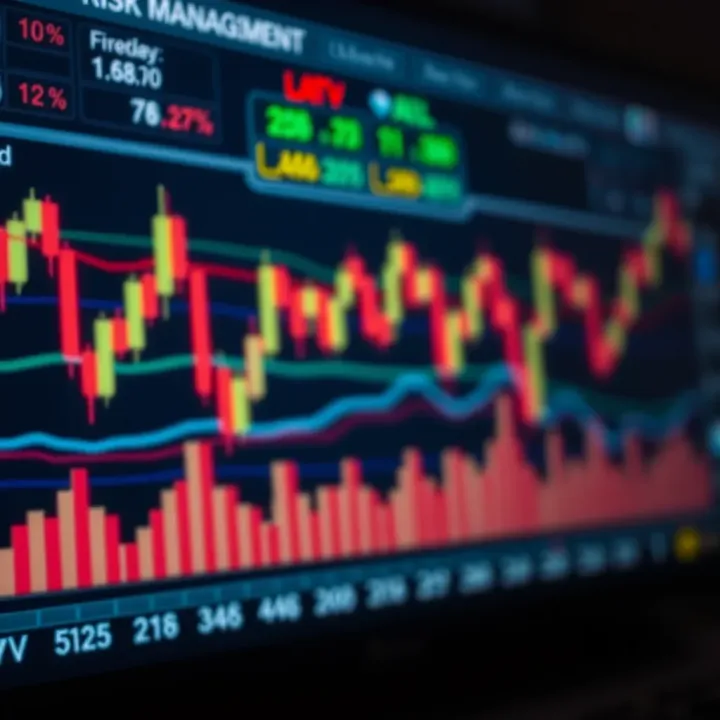
📈 New to forex trading? Learn how currency markets work, pick key strategies, manage risks, and get practical tips to start smart trading today in Nigeria.
Based on 7 reviews