
Best Forex Trading Platforms in Nigeria
Looking to pick the best forex trading platform in Nigeria? Discover top features, compare popular options 📊, and learn about security and regulations 🛡️.
Edited By
Henry Mitchell
Starting your Forex trading journey in Nigeria can feel like stepping into a buzzing marketplace where every voice is shouting different advice. The choice of a trading platform is your first and most crucial step. After all, this tool will be your window to the global currency markets, your dashboard for tracking trades, and your classroom for learning the ropes.
In this article, we'll explore what beginners need to look for when picking a Forex trading platform. From usability that doesn’t make your head spin, to safety features that protect your money, and from the cost of trading to the quality of educational content, we’ll cover what really matters.
For many new traders, the sheer number of platforms can be overwhelming. Do you go with MetaTrader 4, which is popular but a bit old-school? Or maybe a newer app like IQ Option, which boasts a slick interface? Each comes with its own perks and drawbacks.
By the end of this guide, you'll have a clearer sense of how to match a platform to your specific needs as a beginner in Nigeria. Whether your goal is to make some extra cash on the side or to eventually trade full-time, this article will help you make a confident, informed choice that suits your style and budget.
Remember: The best trading platform is one that feels like second nature to you, offers solid security, and puts helpful tools right at your fingertips.
Understanding forex trading platforms is vital for anyone starting out in the forex market, especially beginners in Nigeria. These platforms are the actual software or applications where traders buy and sell currencies. Without grasping how these platforms work and what they offer, new traders might find themselves lost or making costly errors.
Forex platforms act like the bridge between you and the forex market. They provide live market data, charts, analysis tools, and the facility to place trades. Different platforms offer varying degrees of complexity and features. Some are designed with beginners in mind, offering simpler interfaces and built-in guidance, while others cater to seasoned traders with advanced tools.
Getting familiar with what a platform can do helps avoid surprises down the line. For example, some platforms might have limited access to certain currency pairs or regions, which can be a big deal if you're focusing on the Nigerian Naira or emerging African markets. Practical knowledge also saves time—you won’t have to struggle blindly when it’s time to execute a trade or analyze trends.
Simply put, a forex trading platform is software that enables you to trade currencies. Think of it as your trading workstation. You’ll find features to monitor real-time prices, execute buy or sell orders instantly, and track your open positions. In the Nigerian context, platforms like MetaTrader 4 (MT4), MetaTrader 5 (MT5), and the mobile app of FXTM are popular choices.
For instance, MT4 offers a highly customizable interface and supports automated trading through expert advisors, which might be useful if you want to experiment with strategies without staring at your screen all day. FXTM’s app, on the other hand, tends to be more user-friendly for mobile traders who prefer trading on the go.
Apart from trading, these platforms usually provide charts, technical indicators, and news feeds to help you make informed decisions. It's important that the platform you pick suits your style and level of experience—too complicated, and you might get overwhelmed; too basic, and you might miss valuable insights.
Choosing the right platform can make or break your early trading experience. Beginners often struggle with complex interfaces or hidden costs, which can lead to frustration and loss of confidence. A good beginner-friendly platform provides a smooth learning curve, clear instructions, and supportive features like demo accounts or practice modes.
Imagine trying to learn to drive on a sports car with manual transmission and crowded controls—that’s what a difficult platform feels like. On the other hand, platforms with intuitive layouts and clear menus let you focus on learning the trade rather than battling the software.
Moreover, the right platform offers reliable customer support and security, especially crucial in Nigeria where trust in online financial services is sometimes shaky. When your platform is transparent about fees and keeps your funds safe with encryption and regulatory compliance, you can trade without unnecessary worries.
In summary, selecting a forex trading platform isn't just about flashy features—it's about finding a tool that fits your level, supports your learning, and secures your investment from day one. This foundation can set you up for success in the often fast-paced world of forex trading.
Selecting the right Forex platform really boils down to a few critical features that can make or break a beginner's experience. These features help smooth out the learning curve, reduce the risk of costly mistakes, and build confidence as you start trading. Nigerian traders, especially those just stepping into Forex, need tools that don’t require a PhD to use but still provide enough power to understand market movements. Think about platforms like MetaTrader 4 or FXTM – their strength isn't just in the trade options but in how they present data and learning tools.
Your trading platform should feel like second nature to use — not something you need a manual for every step. A clunky interface with crowded charts or confusing menus can put a beginner off fast. Look for platforms that offer a clean layout, customizable dashboards, and straightforward navigation.
For example, platforms like MetaTrader 4 feature drag-and-drop windows and clear graphical presentations, making it easy to keep an eye on currency pairs that matter. Mobile versions are particularly important in Nigeria, where many users rely on smartphones. Apps that run smoothly on Android or iOS without lag help prevent missed trades or panic decisions.
A beginner’s journey is riddled with questions and concepts that aren’t immediately intuitive. Platforms that pack in educational content such as video tutorials, webinars, and detailed FAQs give you a leg up without having to exit and scour Google. For instance, OctaFX provides extensive learning modules directly in their platform.
These resources help traders understand things like chart reading, order types, and economic indicators. When you can learn and trade in the same place, it cuts down on confusion and builds real skills. Also, platforms that update their educational materials regularly are worth considering since Forex markets and rules evolve.
A practicing ground where mistakes don't cost real money is a lifesaver for newbies. Demo accounts simulate live-market conditions but use virtual cash. Brokers like Alpari and IG Markets offer demo accounts that mirror real trading environments perfectly, enabling users from Nigeria to test strategies without stress.
This trial phase is key, allowing beginners to familiarize themselves with tools, test their reactions to market swings, and avoid rash emotional trades. It’s always smart to spend a good chunk of time on the demo before trusting your hard-earned Naira.
When things go sideways or questions arise, having a responsive support team can change the whole experience. Look for brokers with 24/7 support through multiple channels — live chat, email, or phone. Platforms like FXPro pride themselves on speedy customer service, which is crucial when market windows can open and close in seconds.
In Nigeria, where internet connections can sometimes be shaky, having a quick-response support team aids in resolving technical glitches or procedural snags fast. Also, localized support or easy access to Nigerian customer service representatives can save time and frustration.
Choosing a platform with these beginner-friendly features ensures you not only get started with confidence but also have the right tools to grow your skills step by step.
By focusing on usability, learning aids, risk-free practice options, and reliable support, you’ll be better equipped to navigate the busy Forex waters and build a trading strategy that fits your style and goals.
When it comes to picking a forex trading platform, especially for newbies, paying close attention to security and regulation is non-negotiable. Platforms that are properly regulated and have solid security measures don’t just protect your money—they also ensure the trading environment is fair and transparent. Without these, even the slickest interface won’t save you from risks like fraud, theft, or unfair trading practices.
In Nigeria, the Nigerian Securities and Exchange Commission (SEC) plays a central role in regulating forex brokers. Registered brokers with the SEC have passed certain checks that ensure they adhere to local standards and protect investors. However, many Nigerian traders also use international brokers regulated by highly regarded agencies like the UK's Financial Conduct Authority (FCA) or the Australian Securities and Investments Commission (ASIC). These global regulators enforce strict rules around client fund segregation and transparent reporting.
Regulation by recognized bodies means the broker must follow rules like keeping clients' funds in segregated accounts and undergoing regular audits. For example, ForexTime (FXTM), a popular broker in Nigeria, is regulated by multiple authorities, including FCA and CySEC, providing extra comfort for Nigerian traders who might be wary of unregulated platforms.
Always check whether a broker is regulated before opening an account. Regulatory websites often provide updated lists of authorized brokers. Remember though, being regulated doesn’t mean zero risk, but it drastically lowers chances of running into scams.
Security features are the nuts and bolts that shield your money and personal data from hackers and fraudsters. Look out for platforms that offer two-factor authentication (2FA) — this adds an extra lock on your account beyond just a password. For example, IG Markets, widely used in Nigeria, employs 2FA alongside encrypted connections to keep accounts safe.
Another key feature is encryption technology. Top-tier brokers use SSL encryption to scramble data transferred between your device and their servers, stopping eavesdroppers in their tracks. Without this, sensitive info like passwords and credit card details could be exposed.
On top of tech safeguards, transparent withdrawal processes help protect your funds. Brokers should allow you to easily withdraw your money at any time without unreasonable delays. Platforms like XM and Pepperstone have built reputations for smooth withdrawals.
Never underestimate the importance of well-implemented security and regulation. These aren’t just boxes to tick—they form the backbone of a trustworthy trading experience.
In summary, before settling on a forex platform, check its regulatory status—both locally with Nigerian bodies and internationally if applicable. Combine this with a keen eye for robust security features like 2FA and encryption to safeguard your hard-earned cash. These steps make a world of difference for beginners stepping into forex trading in Nigeria.
Understanding the costs and fees linked with forex trading is a big deal, especially for beginners in Nigeria. These charges can quietly chip away at your profits if you're not careful. Knowing exactly what you're paying for helps you choose a trading platform that matches your budget and trading style.
Typically, the costs break down into spreads, commissions, and other hidden charges. Some brokers advertise "zero commission" but make up for it in wider spreads or other fees. For instance, a trader using a platform with high spreads might see their potential gains shrink before they even close a trade. On the flip side, a broker charging a small commission but offering tight spreads could end up costing less overall.
Keeping an eye on platform fees isn't just about saving money—it's about understanding your full trading costs to make smarter choices.
Spreads and commissions are the backbone of how brokers make money, but they work differently. The spread is the difference between the buy (ask) price and the sell (bid) price of a currency pair. It's often small but adds up with frequent trading. For example, if the EUR/USD pair has a bid price of 1.1900 and an ask price of 1.1902, the spread is 2 pips.
With some brokers, this spread is fixed; with others, it varies depending on market conditions—known as variable spreads. Platforms like MetaTrader 4 or 5 usually show you these spreads in real-time.
Commissions, on the other hand, are a separate fee charged per trade or per lot. Interactive Brokers, for instance, charges a small commission per trade depending on the volume.
Beginners should compare platforms offering low spreads versus those charging commissions, because the best choice depends on your trading frequency and strategy.
Beyond spreads and commissions, there are other fees beginners should be aware of:
Swap Fees (Overnight Charges): If you keep a position open overnight, some brokers charge a fee or pay interest depending on the currency pair. This can either add costs or income, depending on the trade direction and interest rates.
Withdrawal and Deposit Fees: Not all brokers handle money transactions the same. Some Nigerian traders have reported fees when depositing via local bank transfers or using e-wallets.
Inactivity Fees: If you leave your trading account dormant for months, a broker may charge a maintenance fee—a nasty surprise if you forget about your account.
Data and Platform Fees: A few platforms charge extra for premium data or special tools. For beginners using free educational tools, this might not be relevant immediately, but it's wise to check.
Staying clear on these charges can keep your trading budget intact and help you avoid unexpected costs that nibble away at your gains.
When venturing into Forex trading for the first time, picking the right platform can make a huge difference. Nigerian newbies need tools that don't just offer a window into the market, but also make the whole experience manageable and understandable. The best platforms balance ease of use with powerful features, all while catering to local preferences such as payment options and regulation awareness.
Choosing from the popular platforms also means you get a community backing you up—forums, user reviews, and tutorials specifically related to Nigeria’s trading environment, which is a huge help. Remember, it’s not just about flashy tech, but what fits your style and learning curve.
A few platforms consistently pop up in conversations among Nigerian traders for their beginner-friendly approach.
MetaTrader 4 (MT4): This is a classic for a reason. It’s lightweight, doesn't bog down slower internet connections, and offers plenty of educational plug-ins. You can start with demo accounts before putting down real money.
MetaTrader 5 (MT5): The newer sibling to MT4 offers more timeframes and a better economic calendar, but it can feel a bit overwhelming initially. Nigerian traders like it for its multi-asset capabilities.
IQ Option: Loved for its intuitive interface and mobile friendliness. It's a good pick if you want to trade on the go or prefer a more visual experience.
Olymp Trade: This platform appeals for its simple design and social trading features, helping beginners see what seasoned traders are doing.
Binance: While mainly known for crypto, Binance also offers Forex pairs. It suits Nigerians interested in a one-stop platform that covers Forex and cryptocurrencies.
Each of these platforms offers demo accounts, critical for practising without risking funds. Starting on a familiar setup with clear tutorials helps new traders avoid costly early mistakes.
When sizing up these platforms, consider these aspects:
Ease of Use: MT4 and IQ Option stand out here. MT4’s layout is simple and widely supported by brokers, while IQ Option's user interface is genuinely beginner-friendly.
Educational Resources: MetaTrader platforms benefit from a huge community and vast online resources, from webinars to forums tailored to Nigerian traders.
Local Payment Options: Platforms like Olymp Trade and IQ Option support payment methods common in Nigeria, including bank transfers and mobile money services, which is a big convenience.
Regulatory Compliance: Prioritize platforms linked to brokers regulated by bodies like the Nigerian Securities and Exchange Commission (SEC) or reputable international regulators such as the FCA or CySEC. This adds a layer of trust and security.
Mobile Trading: With mobile phone use surging in Nigeria, platforms like IQ Option offer apps that help you trade anywhere, anytime with responsive interfaces.
Market Variety: MT5’s edge is in offering more instruments, from Forex to stocks and commodities, suiting traders who may want to diversify later.
Pick a platform that feels comfortable but also challenges you just enough. The goal is steady learning and growth, not getting overwhelmed or bored.
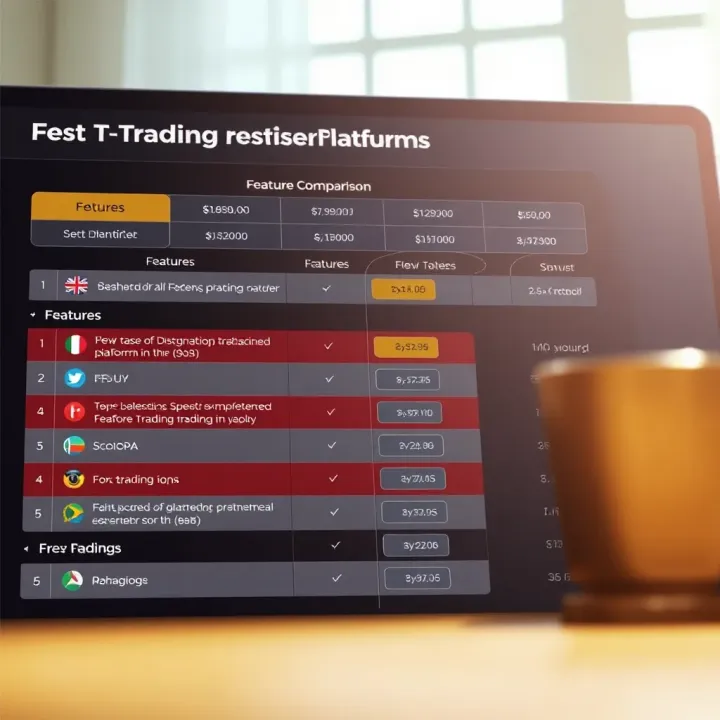
Here’s a snapshot to compare:
| Platform | Ease of Use | Demo Account | Local Payment Options | Regulatory Standing | Mobile App | Market Variety | | MetaTrader 4| High | Yes | Depends on broker | Widely accepted | Available | Forex only | | MetaTrader 5| Medium | Yes | Depends on broker | Widely accepted | Available | Multi-asset | | IQ Option | Very High | Yes | Yes | Regulated by CySEC | Strong | Forex + others | | Olymp Trade | High | Yes | Yes | Regulated by FinaCom | Good | Forex + options | | Binance | Medium | Partial | Yes | Varies by region | Excellent | Forex + Crypto |
Selecting the right Forex trading platform for beginners in Nigeria boils down to understanding what works best for your needs versus what’s just popular. Take these comparisons as a guide, but always test the demo versions to see which interface you jive with the most before committing any cash.
Jumping in and actually trading on your chosen Forex platform is where theory meets real market action. This section breaks down the steps you need to take to get going smoothly, especially if you’re new in the Nigerian trading scene. From setting up your account to placing your first trade, and importantly, keeping risks in check from day one, these practical tips help avoid common pitfalls.
Starting your trading journey begins with getting your account up and running. Most beginner-friendly platforms like MetaTrader 4, OctaFX, or XM guide you through their setup step-by-step, but here’s what you should know:
Verification Requirements: In Nigeria, brokers typically ask for identity verification documents such as a Nigerian National ID or driver's license, plus proof of address like a recent utility bill. This is to meet global KYC (Know Your Customer) standards.
Choosing Account Type: Platforms often offer several account options—demo, standard, or micro accounts. For beginners, a micro or demo account is the safest bet to test waters without risking real money.
Funding Your Account: When ready to trade live, you’ll link your bank or use payment systems popular in Nigeria like Paystack or Flutterwave for deposits.
Keep in mind, taking time during the setup to double-check all details can save you headaches later, especially regarding withdrawal limits and currency preferences.
With your account set, stepping into your first trade can feel like a big leap, but it doesn’t have to be overwhelming. Here’s a straightforward way to approach it:
Start Small: Limit your initial trade size to a fraction of your deposit. For example, if your initial fund is ₦50,000, consider risking only about ₦1,000 or less on a single trade.
Pick Major Pairs: Forex pairs like USD/NGN or EUR/USD tend to have tighter spreads and more predictable behavior—good for beginners.
Leverage Settings: Platforms usually allow you to choose leverage. Nigerian traders should be cautious; excessive leverage can blow accounts fast. A safe approach is starting with 1:10 or less.
Use Stop-Loss Orders: This tool automatically cuts losses at a predetermined price level — an essential safety net for new traders.
Risk management isn’t just a fancy term traders throw around; it’s the backbone of lasting success, especially in Forex markets. Here’s how to guard your capital:
Never Chase Losses: Forex can be wild, but doubling down to recover losses often leads to bigger drawdowns.
Diversify Your Trades: Putting all your eggs in one basket rarely ends well. Spread your investments across a few currency pairs if possible.
Keep Emotions in Check: It’s a common trap to make rash decisions out of fear or greed. Use the tools your platform offers, such as automated trade alerts or limits.
Many beginners find that keeping a simple trading journal helps. Note what you traded, why, and what outcome you got. Over time, this record guides better decisions.
Getting started on a Forex platform in Nigeria involves more than just clicking “buy” or “sell.” It requires thoughtful setup, cautious initial trades, and disciplined risk control. Follow this roadmap to build a steady foundation for your Forex journey.
Diving into forex trading as a beginner in Nigeria can feel a bit like navigating a maze blindfolded. Understanding the common pitfalls can save you a lot of stress and money down the road. This section highlights frequent challenges and shares practical tips on steering clear of them.
Many newbies fall into the trap of overtrading—placing too many trades too quickly, hoping to catch every market move. It’s like trying to scoop water with a sieve; you end up losing more than you gain. Emotional decisions often accompany overtrading, where fear or greed pushes traders to act impulsively.
For example, a trader might rush into a series of trades after losing one, trying to recover their loss quickly, which usually only deepens the hole. To avoid this, stick to a pre-planned trading strategy and use tools like stop-loss orders to limit damage. Taking a breather before making decisions keeps emotions in check—think of it as giving your brain a moment to cool off before jumping back into the action.
Forex platforms often come loaded with features, and newcomers can easily get overwhelmed or misinterpret how they work. This might lead to errors like placing wrong trade sizes, accidentally toggling leverage settings, or misreading charts.
Imagine someone using MetaTrader 4 without fully knowing how the order types work—they might click 'market order' when they meant 'limit order,' ending up buying or selling at unexpected prices. It pays to invest time in exploring your chosen platform's tutorials and demo accounts to get a hands-on feel. Most reputable brokers offer guides or customer support specifically to help beginners understand these nuances.
Forex markets don’t move in isolation; economic news and global events heavily influence currency prices. Beginners who skip or underestimate the importance of market analysis often make poor trade decisions.
Say a Nigerian trader ignores monthly Central Bank announcements or global oil price updates—both can have significant impacts on the Naira and related currency pairs. Staying informed through reliable financial news outlets, subscribing to daily market summaries, or using platform notifications can make a huge difference. Always combine technical analysis with up-to-date market info for a clearer trading picture.
Staying aware of these common challenges and tackling them head-on is essential. Learning the ropes is one thing, but avoiding these common pitfalls will help you grow into a confident trader who makes smart, calculated moves rather than rushed guesses.
By keeping a clear head, taking time to understand the trading platform fully, and staying engaged with market news, beginners in Nigeria can build a solid foundation for their forex trading journey.
Starting out in forex trading can feel like stepping onto a rollercoaster you've never ridden before. Building confidence is essential because it steadies your nerves, helps you make better decisions, and keeps you motivated when the market throws you curveballs. In this section, we’ll look at practical steps that new traders in Nigeria can take to build that solid foundation of confidence.
One of the simplest but most effective ways to build confidence is by practicing on demo accounts. Demo accounts let you trade with virtual money, replicating real market conditions without the risk of losing actual cash. For instance, brokers like FXTM and Alpari offer demo accounts specifically designed for beginner traders.
Think of it as a flight simulator before you actually take off. You get to test strategies, understand the platform’s quirks, and learn how your decisions play out without sweating over a real loss. Regular practice with a demo account also reduces mistakes caused by unfamiliarity with the trading interface or order execution.
Don’t rush into real trading until you can consistently make sensible choices on your demo account under different market conditions.
Keeping a trading journal might sound old school, but it’s one of the best tools to boost self-awareness and learning. Write down every trade you make—why you took it, how you managed it, emotions at the time, and the outcome. Over time, this habit highlights patterns in your behaviour, triggers to emotional trades, and mistakes you keep making.
For example, if you notice you tend to overtrade after a loss, you’ll be more aware to pause and rethink next time. This kind of reflection turns your experiences into lessons rather than repeated errors.
A simple notebook or digital note app works fine. Consistency beats complexity here.
Forex trading isn’t a set-it-and-forget-it kind of game. Markets shift based on economic news, politics, and global events. Staying educated about these factors builds your ability to make informed trades rather than guessing.
Follow reliable sources like Bloomberg, CNBC Africa, or local Nigerian financial news outlets to keep up with market updates. Many platforms like MetaTrader and Olymp Trade also offer educational resources worth exploring.
Take courses offered by well-known trainers or brokers that focus on your specific level and goals. Even watching YouTube tutorials or joining trading forums can add to your understanding.
By continuously learning, you avoid being caught off guard and can adapt your strategies with confidence instead of panic.
Confidence in trading doesn't come from luck; it develops from preparation, reflection, and ongoing learning.
Together, these steps—practicing with demo accounts, journaling trades, and staying educated—form a reliable roadmap to becoming a confident forex trader in Nigeria. Remember, every expert was once a beginner who didn’t give up.
Looking to pick the best forex trading platform in Nigeria? Discover top features, compare popular options 📊, and learn about security and regulations 🛡️.
Discover top forex trading platforms in Nigeria, learn smart strategies, navigate regulations, and get practical tips to trade safely and confidently 📈🇳🇬
Learn basic forex trading with this essential guide! 📈 Covers key concepts, strategies, risk tips, and resources including trusted PDF guides for Nigerian beginners.
Looking to pick the best forex trading app in Nigeria? 📱 Learn what to watch for, explore top picks, and get tips to trade safely and smartly. 💹
Based on 6 reviews