

Top Books to Boost Your Forex Trading Skills
📚 Discover top books to boost your forex trading skills with expert tips on analysis, psychology, and risk—ideal for Nigerian traders at any level!
Edited By
Charlotte Hughes
Forex trading has become a buzzword in Nigeria, with many people looking to make a little extra from the currency markets. But before jumping in, one thing's clear: understanding forex is key. You don't want to end up chasing losses just because you grabbed the wrong book or didn't quite get the fundamentals.
In this guide, we'll break down how to choose the right forex trading book tailored for Nigerian traders. Whether you’re a newbie still trying to wrap your head around pips and lots, or a seasoned trader wanting to sharpen your edge, picking the right resource matters a lot.
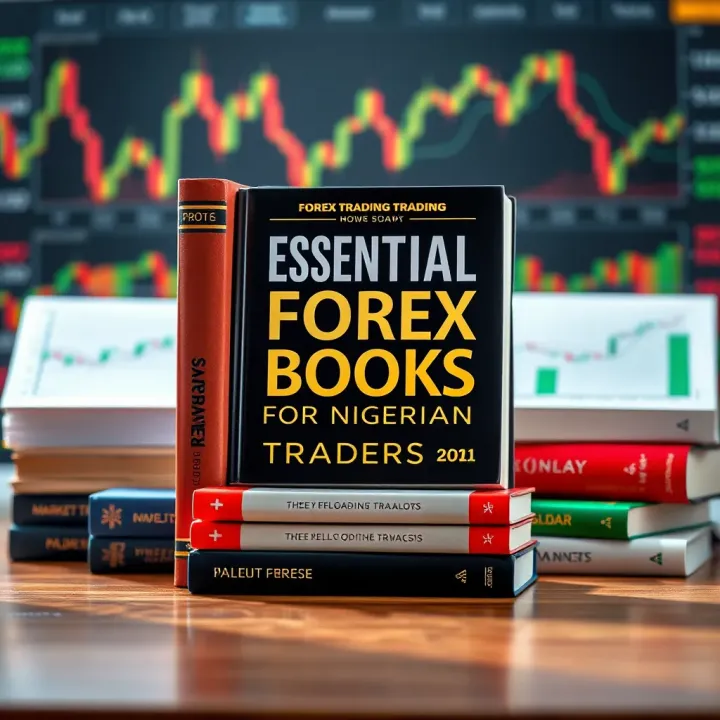
Nigerian traders face some unique challenges — from currency fluctuations of the naira to access issues with foreign brokers — which means generic books might not always cut it. This article will shed light on what to look out for, suggest books that resonate well with local realities, and give you practical tips to help you build your trading skills steadily.
Starting with a solid resource isn’t just smart, it’s essential. The right book can save you money, time, and headaches down the road.
Throughout this article, you'll get a clear path from knowing what skills matter most, to identifying different book types, all the way to deciding which ones deserve a spot on your shelf. So, buckle up — let’s get you set up for smarter trading in the forex space.
Grasping the essentials of forex trading is the starting point for anyone looking to dive into this fast-moving market — and it's what sets the stage for picking the right books to guide you. Without a solid foundation, even the best resources become confusing or misleading.
Understanding forex isn't just about knowing how to spot a good trade; it's about getting the full picture — the market's nature, how it operates, and the risks involved. For Nigerian traders especially, with fluctuating exchange rates and unique local factors like Naira volatility, a clear basic knowledge saves you from unnecessary losses and false hope.
At its core, forex trading is the exchange of one currency for another with the goal of making a profit. Imagine you're swapping Naira for US Dollars because you anticipate the Dollar will become stronger against the Naira. If your prediction holds, selling those Dollars later can net you a gain.
But that's just the tip of the iceberg. Forex trading happens over a vast global market operated 24/5, meaning trades can be made any time you want during weekdays. This around-the-clock activity can either be a great advantage or a tricky challenge depending on your strategy.
Take someone trading from Lagos who follows news affecting the US economy closely. If they understand forex trading cycles well, they can time their trades outside Nigerian business hours, capitalizing on market moves when local markets are closed.
Before cracking open any book or starting a trade, it's wise to get familiar with the lingo. These terms are the basic tools to decoding trading strategies and market analysis:
Pip: The smallest price change a currency pair can make. For example, if USD/NGN moves from 410.50 to 410.60, that's a 1-pip movement.
Spread: The difference between a currency pair's buy (ask) price and sell (bid) price. It's essentially the cost of the trade.
Leverage: Using borrowed funds to increase potential returns — but also magnifying losses. Many Nigerian brokers offer leverages up to 1:100 or more.
Lot: The unit size of a trade. A standard lot is 100,000 units of the base currency, but there are mini and micro lots better suited for beginners.
Stop-loss: An order to automatically close a trade at a certain loss level. This protects you from bigger unexpected losses.
Grasping these terms early helps in understanding the material in forex books and applying that knowledge effectively in the Nigerian market, where currency fluctuations can be swift and unpredictable.
Remember, forex trading is as much about knowing the terminology and market mechanics as it is about strategy. Starting with a firm grip on the basics can make your path through the complex world of forex a lot smoother.
Books hold a special place in forex education, especially for Nigerian traders looking to build a solid foundation. Unlike quick tutorials or flashy online courses, books often provide a slower, more detailed pace that helps traders really digest complex concepts. When you're dealing with money and markets, rushing in without understanding the basics thoroughly can lead to costly mistakes.
Books don't just throw isolated facts at you—they often build a storyline that connects ideas, technical strategies, and market psychology. For instance, a good book might start with what forex trading is, then walk you through technical analysis tools, and finally, how to handle emotional ups and downs. This step-by-step progression isn’t always found in bite-sized online videos or blogs.
One major perk of learning from books is the depth of information you get. Authors like Kathy Lien and Alexander Elder take the time to break down not just how to trade but why certain strategies work in different conditions. In contrast, many online resources focus on quick wins or trendy strategies that don’t hold up well over time.
Books also allow you to learn at your own pace. Say you’re struggling to understand Fibonacci retracements —you can reread the explanation, take notes, and even practice with charts offline. Plus, physical or e-books don’t need the internet once downloaded, which comes handy if you're in areas with spotty connectivity.
Another advantage is the credibility factor. Most reputable forex trading books come from authors who have years of experience and have tested their methods across various market cycles. That kind of vetted knowledge is worth its weight in gold for any trader.
Choosing between books and online resources depends on your learning style and goals. Online platforms like Investopedia or BabyPips offer up-to-date information and interactive content, which can be excellent for beginners wanting to get a quick grasp of forex basics.
However, the downside is that online content varies greatly in quality and can sometimes promote oversimplified or hyped strategies without full context. Meanwhile, books often face rigorous editing and vetting processes, reducing misinformation.
Many Nigerian traders find a balanced approach works well: starting with a trusted book to cover fundamentals, then complementing that with forums like Forex Factory or webinars by market experts for fresh insights and community support.
When it comes to forex education, books lay the groundwork, and online tools offer timely updates—that way, you’re not caught flat-footed by sudden market shifts or new trading techniques.
Picking the right forex trading book isn't just about grabbing the newest title or one with flashy covers—certain key traits can mean the difference between spending hours on confusing jargon and learning strategies that make a real impact on your trading. For Nigerian traders, these traits become even more crucial because the forex market you trade in comes with its unique challenges, such as currency volatility tied to the naira and global economic shifts.
A good forex book should clearly explain concepts, provide real-life examples, and focus on practical strategies that readers can actually apply. These traits form the backbone of effective trading education and help you build confidence step by step.
Straightforward explanations are the foundation of any solid trading book. When a book breaks down complex terms and trading mechanics in plain language, it saves you a heap of confusion down the road. For example, instead of overwhelming readers with technical mumbo jumbo, a good book might explain "pip" with a simple example like: "If the EUR/USD moves from 1.1050 to 1.1060, that's a ten-pip move—think of it as the smallest movement meaningfully affecting your trades."
Also, clear explanations help you build a mental model of how forex markets work—vital for making sense of charts and price action. Take "Forex Made Simple" by Kel Butcher, which walks beginners through the basics without assuming prior knowledge. A book with clear language is like a good teacher who patiently answers all your “whys” and “hows”.
Theory alone won’t cut it in forex trading. Readers learn best when they see how strategies play out in real-market conditions. A book that offers case studies or actual trading examples gives you a front-row seat to the trader's decision process—with wins, losses, and lessons learned.
For instance, illustrating how a Nigerian trader might respond to sudden naira depreciation by adjusting their stop-loss orders provides context no dry explanation can match. When a book includes detailed trade breakdowns — why a position was opened, adjusted, or closed — it helps you understand risk management practically.
Consider "Trading in the Zone" by Mark Douglas, which dives into psychologically driven scenarios that reflect trader behavior under stress. This kind of content prepares you mentally as well as technically for the market.
You want takeaways you can actually use, not just theories you’ll forget by tomorrow. The best forex trading books offer actionable strategies grounded in everyday situations traders face. Whether it’s about reading candlestick patterns right, setting up a trade with the right risk-reward ratio, or making sense of economic indicators, practical advice is key.
For Nigerian traders, where market hours and local economic news can significantly impact trade timing, books emphasizing adaptable techniques prove valuable. For example, "Technical Analysis of the Financial Markets" by John Murphy explains clear chart-reading strategies that you can practice using your preferred forex platform.
A book that equips you with practical tools doesn't just fill your head with knowledge—it builds your skillset through clear steps and repeatable methods.
In summary, when choosing a forex book, look for clarity, concrete examples, and a practical approach. Together, these traits ensure you’re not lost in theory but ready to trade smarter with confidence.
Understanding the different categories of forex trading books is key for Nigerian traders who want to build a solid foundation and develop their skills progressively. Each category offers a distinct focus, catering to varying experience levels and trading styles. Picking the right type of book based on where you stand in your trading journey can save you time, confusion, and even money.
Books designed for beginners introduce the basics of forex trading without overwhelming jargon. They cover fundamental concepts like currency pairs, pips, and leverage in simple language. For instance, a book like Currency Trading for Dummies breaks down these ideas with easy-to-grasp examples, perfect for someone just starting out. Nigerian traders often appreciate this straightforward approach because it lays a solid groundwork.
Additionally, beginner books tend to outline basic trading platforms and how to place your first trades. They often come with tips on avoiding common newbie mistakes such as over-leveraging. The goal here is to build confidence gradually, not rush into complex strategies.

Once the basics are clear, many traders want to move beyond simple buy and sell orders to more sophisticated approaches. Books in this category explore strategies such as scalping, carry trading, and algorithmic approaches. A notable example is Trading in the Zone by Mark Douglas, which delves deeply into the mindset and tactics of seasoned traders.
For Nigerian traders dealing with volatile local currency conditions or fluctuating global markets, mastering advanced techniques can offer an edge. These books often demand a higher level of prior knowledge and focus on refining timing, execution, and risk controls.
Technical analysis is a cornerstone for many forex traders who rely on charts and indicators rather than fundamentals. Books here explain how to read candlestick charts, apply moving averages, and use tools like Fibonacci retracements and RSI (Relative Strength Index). Technical Analysis of the Financial Markets by John J. Murphy remains a widely recommended guide.
Understanding price patterns and market trends can help Nigerian traders decide when to enter or exit trades. While some traders lean on this method almost exclusively, books in this category also stress the importance of back-testing strategies using historical data.
Many traders overlook how much their mindset and money management affect profitability. Books in this category tackle topics such as setting stop-loss limits, managing position sizes, and controlling emotional responses like fear and greed. For instance, The Psychology of Trading by Brett Steenbarger provides real-world examples demonstrating how discipline influences results.
Risk management is particularly crucial in Nigeria, where unexpected political or economic events can cause swift market moves. These books equip traders with tools to protect their capital and stay in the game longer.
Choosing the right type of forex book depends on your current level and goals. Beginners should avoid jumping straight into advanced techniques, while seasoned traders benefit from revisiting risk management principles regularly.
In sum, understanding these popular categories helps Nigerian traders select books tailored to their needs—whether grasping the basics, honing complex tactics, mastering chart reading, or strengthening discipline and risk controls. This strategic approach to forex education makes the path to success clearer and more manageable.
Having a reliable list of recommended books is a solid starting point for Nigerian traders aiming to build or sharpen their forex trading skills. The forex market can be overwhelming, especially with so many resources out there. Focusing on books tailored to the market's realities and traders’ specific needs can save time and steer clear of the typical trial-and-error spiral.
These top picks do not just cover theory; they offer insights applicable to practical scenarios Nigerian traders might face, such as volatility tied to emerging market currencies or the impact of regional economic policies. Plus, these books consider different learning stages—from beginners to the more seasoned traders wanting to refine their technical and psychological approach.
For those just starting, it’s crucial to build a strong foundation without getting lost in complexities. Books like “Currency Trading for Dummies” by Brian Dolan break down forex basics into straightforward language that’s easy to digest. Another gem is Kathy Lien’s “Day Trading and Swing Trading the Currency Market,” which offers practical techniques along with explanations of market dynamics.
These books avoid heavy jargon or unnecessary complications, making them perfect for traders in Nigeria who are beginning amid a dynamic economy and unique forex regulations. They emphasize understanding fundamental concepts like pip values, leverage, and order execution, so the learner doesn't stumble later trying to decode what a broker's platform says.
Once the basics are in place, diving into technical analysis becomes the next step to increase precision in trading decisions. “Technical Analysis of the Financial Markets” by John J. Murphy remains a popular choice because it covers charts, indicators, and patterns comprehensively but in a way that traders can implement immediately.
For a fresh perspective, traders might also consider “Japanese Candlestick Charting Techniques” by Steve Nison, which digs into candlestick patterns widely used in forex trading worldwide. These tools are invaluable when trying to spot trend reversals or momentum, which Nigerian traders, facing both local and international currency pairs, will find especially useful.
Trading isn't just about numbers—emotions and mindset often decide whether you win or lose. Books like “Trading in the Zone” by Mark Douglas tackle this head-on, explaining how to manage fear and greed, which are no strangers to forex traders in any market.
Another recommended read is “The Disciplined Trader” by Mark Douglas, focusing on how to keep emotions in check and maintain a consistent, rule-based trading approach. Nigerian traders, dealing with market unpredictability and sometimes fast-changing news flows, can benefit greatly from learning psychological resilience.
Accepting that trading is as much a mental game as it is about strategies is a significant step toward long-term success.
By choosing the right books from these categories, Nigerian forex traders can build a balanced skill set that covers the essentials, hones their analytical capabilities, and strengthens their mindset for the pressure and unpredictabilities in the market.
Before investing your hard-earned naira on a forex trading book, it’s key to sift through the options carefully. Not every book out there is going to suit your trading style, experience, or needs. Evaluating forex books before buying can save you time, money, and prevent frustration down the road. It’s not just about grabbing a flashy title; it’s about making sure the material is sound, practical, and written by those who know the ropes.
Start by digging into who the author is. Are they seasoned traders, financial analysts, or educators with a proven track record? For instance, an author like Kathy Lien, who’s a well-known forex strategist with years of market experience, often brings valuable insights you won’t find in self-published books by novices.
Check if the author has published other respected works or if they have relevant professional affiliations, such as memberships in the Chartered Financial Analyst (CFA) Institute or the Association of Chartered Certified Accountants (ACCA). A quick look at their trading history or interviews can also show whether they practice what they preach.
Remember, some authors might be more academic, others more practical. Look for those whose background aligns with your learning goals – whether it's understanding technical analysis or mastering trading psychology.
Reviews offer perspectives from other traders who have already tested the waters. Aim for balanced feedback rather than overly glowing or harsh opinions. If many reviews mention that a book is "too basic" or "not actionable," and you’re past beginner level, that’s a red flag.
Testimonials from Nigerian traders or those familiar with the local market conditions can be especially helpful, as they might highlight challenges unique to the Naira pairs, liquidity issues, or broker preferences in Nigeria. The good old Amazon reviews, Goodreads ratings, or forex forums like BabyPips can serve as starting points.
But beware of fake or planted reviews, which sometimes pile onto popular titles. Cross-check reviews from multiple sources for a clearer picture.
Forex trading covers a wide array of themes – from beginner basics to intricate strategies like Elliott Wave theory or candlestick patterns. Make sure the book dives deep enough to match your current skill level without overwhelming you.
Look at the table of contents to see if the chapters cover areas you want to improve on: risk management, technical indicators, or even the emotional side of trading. A good book will offer concrete examples and perhaps even case studies tailored to real market scenarios.
For example, a book heavy on theory but light on practical tips might be a tough slog for a trader who wants to jump right into live trading. On the other hand, a step-by-step guide with charts and annotated trade setups, like those found in "Japanese Candlestick Charting Techniques" by Steve Nison, provides actionable tools.
Remember, relevance isn't just about today’s skills — it also means picking books that prepare you for the challenges you’ll face as you gain experience. Don’t presume one book will cover everything; complement your reading choices as you grow.
By carefully vetting forex trading books through author backgrounds, reader feedback, and content scope, Nigerian traders can find the gems that really boost their understanding and trading edge. Don’t rush the process – a solid read today could save you headaches tomorrow.
Diving into forex books without a clear plan is like trying to catch fish with your bare hands — you might get lucky, but mostly it’s frustrating and inefficient. To truly benefit from these resources, it’s important to approach reading and learning in a way that sticks. Using forex books effectively means not only understanding the theory but also turning it into real-world practice, which is where real skill-building happens.
Active reading goes beyond just skimming through chapters. It’s about engaging with the material — asking questions, highlighting key points, and jotting down your thoughts. For example, when you read about how moving averages work, don’t just note the definition; write down where you might apply this indicator on your trading chart. Turning passive reading into an active process helps cement the knowledge and makes review easier later on.
One practical tip is to keep a dedicated forex trading notebook or digital document where you summarize each chapter in your own words. This might include drawing diagrams or listing out strategies covered. The effort you put into capturing ideas actively pays off when you revisit these notes during your practice or whenever a tricky concept needs refreshing.
Books provide the blueprint, but practice lays down the foundation. When a book introduces a new trading strategy, like breakout trading or trend following, test it out on a demo account first—Nigerian brokers like FXTM or HotForex offer demo trading platforms to try without risking real money. Watching how the strategy plays out on live charts will help you understand its strengths and limits.
It’s important not to rush this phase. Say you read about Fibonacci retracements; don’t just memorize levels—spend time identifying these on charts from the past few weeks or months. See if price action respects them or if there are exceptions. Gradually, this hands-on approach builds intuition and confidence.
Relying solely on books is like trying to learn how to cook by reading recipes without ever tasting the food. Supplement your reading with other learning methods to get a more rounded grasp of forex trading. Online platforms such as BabyPips or Investopedia offer tutorials and quizzes that reinforce book knowledge interactively.
Moreover, joining Nigerian-based trading communities or forums can be a goldmine. Sharing experiences, asking questions, and even just following others’ trades can provide insights books alone might miss. Webinars hosted by brokers or experienced traders add real-time engagement where you can clarify doubts immediately.
Remember, a book is the starting point, not the finish line. Combining reading with active practice and community interaction turns knowledge into skill, which is the real currency in forex trading.
By following these practical steps, Nigerian traders can squeeze maximum value out of forex books and use them as powerful tools to sharpen their trading edge.
Choosing the right forex trading book can feel a bit like navigating a maze, especially with the sheer volume of options out there. Nigerian traders, like many others, often stumble over common traps that can waste time and money. Highlighting these pitfalls helps you steer clear of books that may derail your learning journey. From misleading promises to unnecessarily complicated jargon, knowing what to avoid is just as important as knowing what to chase.
One of the biggest red flags with forex trading books is the promise of quick riches. Any book claiming you can "make a fortune overnight" or "double your money in days" is usually selling fantasy rather than fact. Forex trading is less of a lottery and more of a skill-building marathon. For instance, a book boasting unrealistic gains without discussing risks or strategies is likely to leave readers confused rather than empowered.
A common example is when books focus solely on "secret formulas" or "guaranteed systems" that supposedly bypass the need for practice or knowledge. Nigerian traders, especially newcomers, should remember that success in forex demands patience, discipline, and a clear understanding of market dynamics. Instead of falling for flashy promises, prioritize books that explain the processes clearly and promote steady learning.
Another trap is picking books that are either outdated or just too dense to digest. Forex markets evolve rapidly, so relying on material from even 10 years ago might mean missing out on current trading platforms, regulations, or economic realities, especially for a dynamic market like Nigeria’s.
In addition, some books drown readers in excessive jargon and technical details that can be overwhelming without foundational knowledge. Imagine a beginner opening a book loaded with complex charts, advanced math models, and no beginner-friendly explanations — it’s like trying to drink from a firehose.
A good example would be a book heavy on theory but light on practical steps. For instance, a trader trying to learn pivot points only to find pages packed with formulas but no clear guide on how to actually use them in daily trades will likely get frustrated. Look for books that balance detail with clarity, updated editions, and resources tailored to your skill level.
Tip: Before buying, check the publication date and skim through samples to make sure the content matches your current trading knowledge and needs.
Avoid these common pitfalls to make your forex book investment worthwhile and to build a solid foundation for your trading career.
Finding the right place to get forex trading books is just as important as choosing the right book itself. For Nigerian traders, access to trustworthy and relevant educational materials is key to developing sound trading skills and avoiding misleading advice. Knowing where to find these resources helps save time, ensures the information is reliable, and supports continuous learning tailored to local market conditions.
Local bookstores and libraries remain classic spots for access to forex trading books. Stores like the Silverbird Galleria bookstore in Lagos or the University of Lagos library often carry finance and investment titles, including those focused on forex. Though the selection may not be exhaustive, these physical locations give you the chance to skim through books before buying or borrowing. This helps in assessing whether the writing style and content match your current skill level.
Libraries are also handy for Nigerian traders who want to explore multiple books without spending a lot upfront. For instance, the National Library in Abuja offers resources on trading and investment.
One practical benefit of visiting these places is the opportunity to ask for recommendations from staff or meet fellow traders who may offer firsthand reviews.
When local options are limited, online retailers become crucial for Nigerian traders. Platforms like Jumia Books and Konga offer a variety of forex trading books that can be delivered right to your doorstep. Digital marketplaces such as Amazon Kindle or Google Books also provide instant access to a wide range of titles, including the latest editions by reputed authors.
Buying digital copies can be a smarter pick for those who prefer convenience or want to save on shipping costs. Plus, many eBook platforms allow searching inside the book, highlighting passages, and bookmarking pages, all of which aid active learning.
Before purchasing, make sure the online source is reputable so you don’t end up with pirated or outdated content. Always look for verified seller badges, and check user reviews when available.
For Nigerian forex traders, combining local sources with trusted online retailers can offer flexibility and access to a broader range of valuable trading knowledge.
To sum up, whether you choose the feel of a physical book from a local shop or instant access from digital retailers, what matters most is the book's credibility and relevance to your trading journey.
Books are a solid starting place, no doubt, but relying on them alone can leave a trader stuck in a rut, especially in the fast-moving world of forex. Continuing education beyond books is essential because the forex market changes rapidly with global events, technology updates, and evolving strategies. For Nigerian traders, staying updated and adaptable means stepping outside the pages and engaging actively with the trading community and real-time learning opportunities.
Trading communities and forums offer a unique advantage by connecting you with people who are walking the same path. They often serve as a sounding board for ideas and a place to share real-world experiences. Take platforms like BabyPips or Forex Factory: Nigerian traders can gain insights from others’ successes and mistakes, discuss market conditions, and get timely advice on currency pairs affected by local and global news.
Participation goes beyond reading—it's about asking questions, trying out new tactics shared by members, and even finding mentors who’ve been in the trenches. For instance, a novice trader struggling with EUR/USD pairs could find detailed discussions and setups that cut through textbook definitions and show how these trades behave in actual markets.
Workshops and webinars provide hands-on learning experiences that books cannot match. These events often focus on specifics like technical indicators, risk management, or trading psychology, tailored to current market environments. For Nigerian traders, local workshops organized by brokers like FXTM or Alpari sometimes include live trading demonstrations and Q&A sessions, making complex concepts more accessible.
Webinars also allow you to learn from experts without leaving your home, a crucial benefit given the vast distances between major cities in Nigeria. You might find a webinar on how geopolitical events in Africa affect forex markets or one explaining new tools in MetaTrader 5. The interactive format means that unlike reading, you can clarify immediate doubts and apply those insights right after the session, speeding up your learning curve.
Staying active in trading communities and educational sessions keeps your knowledge fresh and helps you avoid the trap of outdated methods. In a field as dynamic as forex trading, continuous learning isn’t just an option—it’s a necessity.
In summary, while books lay the groundwork, joining forums and attending webinars fill in the gaps with real-world perspective and current market relevance, a combo that sharpens your edge and builds confidence in your trades.
Selecting the right forex trading book can make a big difference in your learning curve and trading success. After all, the market’s complex enough without tripping up on poorly chosen resources. These final tips focus on tailoring your reading list to fit your experience, style, and real-world application—the kind of stuff that turns knowledge into profit.
It’s tempting to dive straight into advanced strategies or technical jargon, especially when you're eager to master forex fast. But starting with books that match your current experience level saves you from unnecessary frustration. For instance, if you’re just stepping foot into forex, books like "Currency Trading for Dummies" by Brian Dolan offer clear, practical basics without drowning you in complex terms.
Conversely, an experienced trader might want something like "Technical Analysis of the Financial Markets" by John J. Murphy, which dives deeper into chart patterns and indicators. Picking a book too advanced or too basic can slow down your progress just as much as choosing one packed with outdated advice. Try reading sample chapters or checking the table of contents before buying to ensure it speaks your language.
Knowledge is only as useful as your ability to apply it. The best forex trading books don’t just fill pages with theory but guide you through action steps you can practice. Look for books that include exercises, real-world case studies, or even suggest simulated trading to test strategies.
For example, "Forex Price Action Scalping" by Bob Volman goes beyond theory, showing how real price movements play out tick by tick. This approach helps you sharpen decision-making skills in a way passive reading won’t. Also, books encouraging you to keep a trading journal or follow a structured plan help embed learning through doing, which is crucial for Nigerian traders facing volatile markets.
Remember: A book that tells you how to trade is far more valuable than one that merely explains what trading is.
By combining books aligned with your level and ones that push practical use, you boost your chances of becoming not just a reader but a confident, profitable trader. Always keep in mind that forex trading skills grow steadily with persistent, applied learning rather than quick fixes or complicated theory alone.
📚 Discover top books to boost your forex trading skills with expert tips on analysis, psychology, and risk—ideal for Nigerian traders at any level!
📚 Discover essential books for mastering Forex trading! From beginners to pros, learn strategies, risk management & trading psychology. Perfect for Nigerian traders.

📚 Discover top forex trading books for Nigerian traders! Learn practical tips, improve your skills, and pick the right titles for your trading goals.
📘 Discover the best forex trading books tailored for Nigerian traders. Learn key strategies, risk management, and tips for your trading style.
Based on 10 reviews