
Best Forex Trading Books for Nigerian Traders
📚 Find the best forex trading book for Nigerian traders! Learn key skills, top picks & tips to choose books matching your trading style effectively.
Edited By
Grace Winchester
In the fast-paced world of forex trading, knowledge is your lifeline. Whether you’re a newbie in Lagos trying to catch the ropes or a seasoned trader in Abuja seeking to sharpen your edge, understanding the right strategies and mental game is what separates winners from the rest.
Forex trading involves more than just watching charts—it demands a clear grasp of market mechanics, sound risk management, and the psychology behind decision-making. That’s where quality books come into play. They offer tested insights and real-world tactics you can't just pick up by scrolling online or following a random tip.

This article shines a light on essential books that cover the core facets of forex trading: from technical analysis and chart reading to mastering emotions and managing risks effectively. It's tailored specifically for Nigerian traders who want practical, actionable wisdom they can apply right away.
Having the right book is like having a trusted mentor by your side, offering guidance and nudging you away from costly mistakes.
You'll get recommendations that suit a range of experience levels and styles, helping you build a solid foundation or refine your existing skills. Get ready to explore the must-reads that could change the way you trade forex in Nigeria.
Grasping the basics of forex trading isn't just a starting point—it's the foundation that shapes every move you make as a trader. Without a solid understanding, you're like a sailor without a compass, drifting aimlessly in vast, unpredictable waters. Knowing how currencies interact, what drives the exchange rates, and who’s involved can turn the complex world of forex into something manageable and even exciting.
Imagine diving into a market where trillions of dollars change hands daily across different time zones—that’s forex trading. But it’s not just about numbers and charts. It’s about recognizing patterns, understanding financial events, and navigating the ebb and flow of global economies. Getting the basics right helps you avoid common rookie mistakes, equips you to spot opportunities, and builds the confidence to manage risk smartly.
Overview of currency trading
Currency trading, or forex trading, involves buying one currency while selling another simultaneously. It’s the largest financial market worldwide, operating 24 hours on weekdays, giving traders nonstop opportunities to buy or sell. The forex market is decentralized, taking place electronically over the counter (OTC), rather than through a centralized exchange. This means there is no single physical location, and prices can vary slightly across different platforms.
This constant movement makes forex both exciting and challenging. For example, a trader in Lagos might buy USD/NGN when they anticipate the dollar will strengthen against the naira due to economic policy shifts or global market trends. Understanding this flow provides clarity on when to enter or exit trades, rather than just guessing.
Major currencies and their pairs
At the heart of forex trading lie major currency pairs, which involve the world's most traded currencies. These include pairs like EUR/USD, USD/JPY, GBP/USD, and USD/CHF. They’re called “major” because of their high liquidity and tight spreads, meaning you can trade these pairs with lower costs and less slippage.
For Nigerian traders, keeping an eye on USD/NGN is crucial, given the local market’s sensitivity to the dollar’s moves. But it’s not just about the local dollar—the Euro, British Pound, and Japanese Yen also play roles due to international trade and investment flows. Understanding these pairs and their behaviors helps traders predict market moves better.
Market participants and trading hours
The forex market is a bustling network of different players: commercial banks, central banks, financial institutions, hedge funds, corporations, brokers, and retail traders. Each plays a distinctive role—from central banks influencing currency value through monetary policy to retail traders speculating on price movements.
Trading hours follow the sun, opening with the Australian session, moving through Asia, Europe, and finally the American markets. Knowing when these sessions overlap is practical; for example, the London-New York overlap often brings the highest volume and volatility, ideal for scalpers or day traders looking to catch quick moves.
Being aware of who is trading and when the market is most active can give you an edge in timing your entries and exits effectively.
Books explaining forex concepts clearly
Starting with books that lay down forex concepts in simple language is key. "Currency Trading for Dummies" by Brian Dolan is a perfect example. It breaks down complex ideas into everyday terms, making it easier to grasp how forex markets operate, what moves currency prices, and what tools you need.
This kind of resource demystifies core ideas like pip, leverage, margin, and how trades get executed. With clear examples, like how a central bank intervention can ripple through currency pairs, beginners gain practical context—not just theory.
Titles that simplify trading jargon
Forex trading comes with its own vocabulary, and getting tripped up by terms like 'spread,' 'lot size,' or 'stop loss' is common for newbies. Books like "Forex Trading: The Basics Explained in Simple Terms" by Jim Brown are goldmines here. They offer glossary sections and real-world analogies, making jargon less of a hurdle.
For instance, explaining 'spread' as the difference between the buy and sell price helps traders appreciate the cost embedded in each trade. Getting comfortable with jargon early on prevents misunderstandings that can lead to costly mistakes.
Books with beginner-friendly strategies
Theory without application is just noise. That's why beginner books that offer straightforward, actionable strategies stand out. "Day Trading and Swing Trading the Currency Market" by Kathy Lien provides such practical approaches. It walks you through setups that are simple to execute, risk controls to apply, and even shows how to read fundamental news to make smarter trades.
For example, she explains how to spot a trending market using moving averages and when to stay out during sideways choppy action. It’s these step-by-step guides that make beginners feel they can put knowledge into practice confidently right away.
With a solid grip on these basics and the right beginner resources, traders are well on their way to navigating the forex market with clarity and purpose. This sets the stage for deeper exploration into technical analysis, psychology, and risk management in later sections.
Technical analysis plays a pivotal role in forex trading by helping traders understand price movements and market trends. For both new and seasoned traders, books focusing on technical analysis provide clear frameworks and practical tools that make sense of complex data. Learning how to read charts, interpret indicators, and recognize key market signals can boost confidence and decision-making.
Charts tell the story behind the numbers. Understanding different chart types—like line, bar, and candlestick charts—is fundamental. Candlestick charts, for example, provide visual cues about market sentiment, showing whether buyers or sellers are closing the day stronger. Price patterns such as head and shoulders, double tops/bottoms, and flags help signal potential trend reversals or continuations. By spotting these patterns early, traders can anticipate moves rather than simply react.
Indicators and oscillators offer another layer of insight by transforming raw price data into meaningful signals. Common indicators include the Moving Average Convergence Divergence (MACD), Bollinger Bands, and the Relative Strength Index (RSI). For instance, RSI helps identify overbought or oversold conditions, hinting when a price correction might be due. Using these tools in combination rather than isolation often improves trade timing and helps avoid false signals.
Trendlines are straightforward yet powerful; they connect price points to show the direction of a trend. Drawing accurate trendlines supports identifying when a trend is weakening or gaining steam. Likewise, support and resistance levels indicate areas where price struggles to pass. Recognizing these zones can guide where to set entry, exit, or stop-loss orders. Many traders find that simply watching how price reacts around these levels sharpens their trade setup quality.
For anyone wanting to master charts, John J. Murphy's "Technical Analysis of the Financial Markets" remains a classic. Another worthy read is Steve Nison's "Japanese Candlestick Charting Techniques," which breaks down candlestick patterns with clarity and plenty of visuals—making it easier to spot profitable setups on your own charts.
Alexander Elder's "Trading for a Living" is notable for teaching practical use of indicators like MACD and RSI alongside trading psychology. This book goes beyond theory, offering step-by-step guidance for combining these indicators in real trading scenarios.
Books that provide clear examples help bridge the gap between knowing and doing. For example, Brett Steenbarger's "Enhancing Trader Performance" links technical tools with behavioral insights, showing how traders can adapt indicators to their style. Also, Jack Schwager's "Market Wizards" series presents interviews and case studies with real traders leveraging technical analysis successfully.
Being able to read and trust charts and indicators isn't just a skill—it's what separates guesswork from confident trading.
In summary, focusing on technical analysis books that explain charts, indicators, and market structure provides a clear path to understanding forex price action. By applying these tools wisely, Nigerian traders can improve their timing and craft more reliable trading strategies.
Understanding fundamental analysis is like getting the pulse of a currency market. Unlike technical analysis, which looks at charts and past price behavior, fundamental analysis digs into the economic, political, and social forces that influence currency values. This approach helps traders predict longer-term trends by interpreting real-world events and data that drive market movements.
For forex traders in Nigeria and beyond, grasping fundamental analysis means learning to read economic indicators, central bank decisions, and geopolitical developments—all of which affect currency strength. Take, for example, Nigeria’s reliance on oil exports: a sudden drop in crude prices can weaken the naira. Traders who rely solely on charts might miss this bigger picture.
In practice, fundamental analysis guides traders to make informed decisions rather than guessing based on price patterns alone. It's especially useful for swing traders and investors aiming to hold positions over weeks or months, as it helps to evaluate whether a currency is undervalued or overvalued based on economic realities.
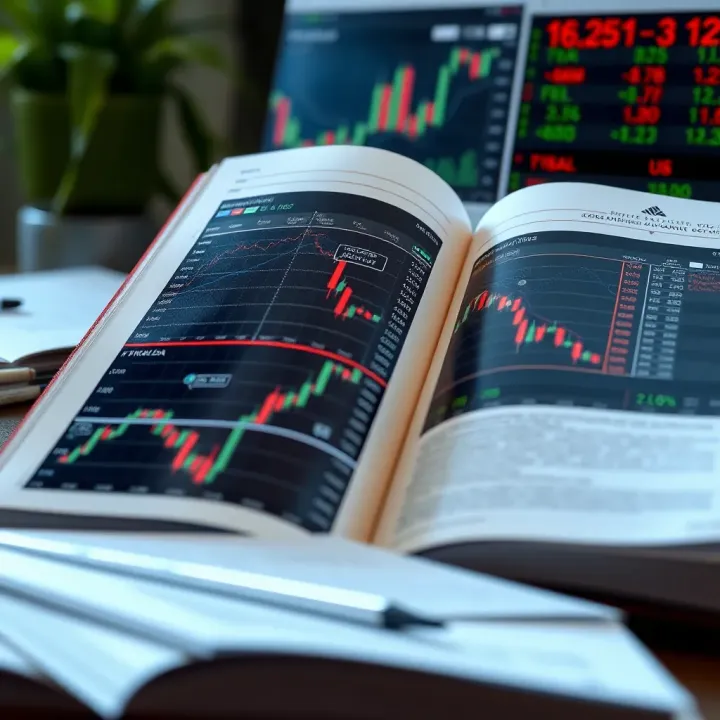
Economic indicators are statistics released regularly that reflect the economic health of a country. They play a big role in forex because they influence investor confidence and decisions.
Gross Domestic Product (GDP): A rising GDP suggests a growing economy and often boosts the national currency.
Inflation Rates: High inflation can erode currency value unless matched by interest rate hikes.
Employment Data: For example, the U.S. Non-Farm Payrolls report is a significant market mover.
Consider the example of the U.S. dollar reacting sharply to better-than-expected employment figures. Traders who spot this data early can adjust their positions accordingly. In Nigeria, tracking the Central Bank's Consumer Price Index releases helps anticipate shifts in the naira’s value.
Keeping an eye on these indicators allows traders to anticipate volatility spikes and align their trades with real economic shifts.
Central banks wield considerable influence over currencies through interest rates and policies. When the Central Bank of Nigeria raises or lowers the benchmark rate, it directly affects the naira’s attractiveness to investors.
Interest rate hikes generally strengthen a currency because they offer better returns on investments denominated in that currency. Conversely, rate cuts might signal attempts to stimulate economic growth, often weakening the national currency.
Besides rates, central banks engage in open market operations and forex interventions, which can quickly move markets. For example, the U.S. Federal Reserve’s interest rate statements often create ripple effects in forex pairs like USD/NGN.
Understanding these policy moves and their timing can help traders avoid surprises and spot opportunities early.
Politics and international relations often fly under the radar but can dramatically sway forex markets. Things like elections, trade tensions, or sanctions can unsettle the market and cause currency swings.
For Nigerian traders, local political stability or oil export policies can affect the naira's value just as much as international events like U.S.–China trade disputes influence the dollar-yuan pair.
A recent example is the fluctuating naira caused partly by Nigeria’s political landscape alongside global oil price shifts. If traders ignore geopolitical risks, they miss a key piece of the forex puzzle.
To really get a grip on fundamentals, picking the right books helps. Some standout titles explain how to interpret economic data clearly, which is crucial for effective analysis.
"Currency Trading for Dummies" by Brian Dolan: This book breaks down economic indicators in an easy-to-understand manner, ideal for beginners looking to build a foundation.
"The Economics of Money, Banking, and Financial Markets" by Frederic S. Mishkin: Offers a more academic but practical view on how monetary policy affects currencies.
These titles help readers learn where to look and how to make sense of data that moves forex prices.
To bridge theory with real-world trading, some books focus explicitly on connecting fundamentals with price action.
"Forex Price Action Scalping" by Bob Volman: While primarily technical, it includes insights on how fundamentals subtly influence price moves during scalping.
"Day Trading and Swing Trading the Currency Market" by Kathy Lien: A practical guide that combines fundamental and technical elements, highlighting economic news impacts.
Such books equip traders with strategies to blend fundamental insights with price-based tactics for better timing and risk management.
Understanding fundamentals isn’t about predicting every small move but about catching the bigger trends shaped by economic realities and events.
With fundamental analysis skills sharpened by the right reading, traders can navigate the forex market with more confidence and less guesswork.
Trading psychology and discipline make a big difference in forex. You can have the best strategies and tools, but without the right mindset, success often slips through your fingers. This section highlights how controlling your emotions and sticking to a plan directly impacts your trades, especially in a fast, unpredictable market like forex. For Nigerian traders, understanding this aspect is equally vital since emotional decisions can quickly lead to losses due to market volatility and unexpected economic shifts.
Impulsive trades are the bane of many beginners and seasoned traders alike. When market prices swing suddenly, it’s natural to react emotionally—fear of missing out or panic selling can hijack your judgment. Managing emotions means recognizing when to pause and think rather than act impulsively. For example, setting strict entry and exit rules beforehand helps curb spontaneous decisions. Practicing mindfulness or using a trading journal to reflect on your feelings during trades can be surprisingly effective in maintaining cool-headedness.
Patience in forex isn't just waiting but knowing when to wait. Developing consistent habits—like sticking to your trading plan or reviewing your strategy weekly—builds discipline over time. Think of patience as the glue that holds together all your trading activities. Without it, you might jump into trades too frequently, chasing quick profits and burning out fast. A Nigerian trader might face days when markets are slow or choppy, but sticking to a consistent routine increases chances of spotting genuine opportunities and reduces reckless moves.
Fear and greed are twin traps that can wreck a trader’s account balance. Fear often leads to premature exits, while greed pushes traders into risky last-minute moves. The key step is awareness: understanding what triggers these feelings during trading helps you take action before they run the show. For instance, many traders find setting fixed stop-loss points mitigates fear of loss. Similarly, pre-defining your profit target prevents endless greed-driven hope for more gains. Learning to accept small losses as part of the game is a big step toward emotional balance.
Books that provide hands-on techniques for managing the trading mindset can be game changers. "Trading for a Living" by Dr. Alexander Elder teaches traders to develop self-discipline with practical exercises for controlling emotions. Another great pick is "The Daily Trading Coach" by Brett N. Steenbarger, which offers 101 lessons focused on real-life mental skills, much like coaching sessions that toughen your trading muscles.
To master forex, discipline must become second nature. "The Disciplined Trader" by Mark Douglas is a classic here, breaking down the psychological barriers traders face and offering clear guidance to build self-control. It explains how to stop fighting the market and align your thinking with market reality, which is at the core of trading success. For Nigerian traders dealing with market noise and unpredictability, these lessons reinforce the value of patience and sticking to your plan despite pressure or temptation.
Remember, success in forex isn’t just about what you trade but how you think and feel while trading. Building mental strength and discipline can save you from costly mistakes and help in navigating the ups and downs of the market.
Risk management is the backbone of sustainable forex trading. Without a proper strategy to protect your capital, even the best trading plans can crumble under the pressure of market swings. This section zooms in on how you can keep your losses in check and preserve your trading account while still making room for profits. When you understand risk management, you’re not just aiming for big wins but also keeping your losses small, giving you more chances to stay in the game longer.
Setting stop losses and take profit points means knowing exactly when to cut your losses and when to cash in your profits. Imagine you enter a trade on the EUR/USD pair expecting it to rise. You place a stop loss at 50 pips below your entry to cap potential losses if the market heads south. Equally, you set take profit at 100 pips above entry to lock in gains once your target is reached. This approach helps you avoid the common pitfall of holding onto losing trades hoping they’ll reverse, which often leads to bigger losses. Using stop loss orders takes emotions out of the picture and keeps your risk manageable.
Not many beginner traders realize how dangerous ignoring position sizing can be. It’s not about throwing cash into the market blindly but adjusting your trade size based on your total capital and risk tolerance. For example, if you have $1,000 and decide to risk 2% per trade, you shouldn’t risk more than $20 on any position. Leverage makes the game trickier — using 50:1 or even 100:1 can magnify gains but also means that a slight market move can wipe out your capital. Controlling leverage isn’t just about playing safe; it’s about being smart with how much you bet relative to what you can afford to lose.
Placing all your bets on one currency pair is like putting all your eggs in one basket. Diversification means spreading your risk across different currency pairs, each reacting differently to economic events. For instance, while USD/NGN might be volatile due to local factors, EUR/USD could be moving on global economic cues. Measuring correlations between pairs also helps—because if two pairs move the same way, diversifying between them offers little real protection. Diversification helps smooth out your returns and lowers risk over time, so you avoid getting blindsided by sudden moves in a single market.
When it comes to risk management, focusing on controlling losses rather than chasing the next big win is key. Books like Trade Your Way to Financial Freedom by Van K. Tharp dive deep into how successful traders prioritize risk first. Tharp explains that the major difference between consistent winners and losers comes down to protecting their bankroll. Another great read, The Disciplined Trader by Mark Douglas, addresses how managing risk isn’t just about numbers but about mindset and discipline.
Practical examples teach better than theory alone. For instance, Forex Price Action Scalping by Bob Volman provides case studies where traders apply tight stops and precise position sizing in live markets. These bite-sized trades show how even small, well-planned risks can add up to profits over time. Also, The Essentials of Risk Management by Michel Crouhy offers broader insight into financial risk controls with examples from real traders and institutions, which helps put forex risk management into a bigger context.
Effective risk management isn't just a safety net—it's the framework that supports your entire trading career. Stick to it, and you'll build resilience suited for the unpredictable swings of forex markets.
By focusing on protecting your capital through stop losses, understanding your position size relative to your leverage, and spreading your risk across different currency pairs, you’re laying down the safety rails needed for healthier trading. Accompany these strategies with some solid reading, and you'll be better prepared to face the market without selling your house to do it.
Taking your forex trading skills to the next level means moving beyond the basics into strategies that demand more understanding and precision. Advanced forex trading techniques often involve detailed market analysis and the implementation of complex trades that can maximize profits while managing risk effectively. For Nigerian traders looking to sharpen their edge, mastering these techniques opens doors to more sophisticated approaches and can improve your decision-making during volatile market conditions.
Using multiple time frame analysis is like having a bird’s eye view and a close-up shot at the same time. This method involves examining currency pairs on different time frames—say, a daily chart alongside a 15-minute chart—to get a deeper sense of market trends and potential entry or exit points. By matching the bigger trend from a higher time frame with shorter time frame signals, traders can avoid false alarms and strengthen their trade setups. It helps in spotting when short term movements align with long-term directions, which is crucial because acting solely on a single time frame might be misleading.
Incorporating automated and algorithmic trading is becoming increasingly popular as technology advances. Automated trading uses software to execute trades based on pre-set criteria, eliminating emotional decision-making which often triggers losses. For example, MetaTrader 4 (MT4) and MetaTrader 5 (MT5) platforms support Expert Advisors (EAs), programs that can trade automatically following your strategy rules. Nigerian traders benefit from this by freeing themselves from constant screen-watching and potentially catching more profitable opportunities. However, it's important to test algorithms thoroughly on demo accounts since a poorly designed bot can quickly erode your capital.
Exploring carry trade and swing trading introduces methods tailored to different time horizons and market conditions. Carry trade involves borrowing money in a currency with low interest rates and investing in one with higher rates, profiting from the interest rate differential. This is especially relevant when managing exposure to currencies like the Japanese yen or the US dollar. Swing trading, on the other hand, targets holding positions for several days to capitalize on expected price swings. Both techniques require understanding interest rates, market momentum, and economic cycles more deeply—skills built through experience and focused reading.
When you're past the beginner stage, books that explain complex strategies clearly become invaluable. Titles like "Trading Systems and Methods" by Perry J. Kaufman break down sophisticated concepts into understandable parts, helping traders develop or refine trading systems they can trust. These books don't just throw in the jargon; they offer clear explanations, step-by-step guides, and examples to help assimilate advanced strategies into your trading style.
Similarly, titles with case studies and advanced tips provide a hands-on understanding of what works and what doesn’t in real-market scenarios. Books like "Forex Price Action Scalping" by Bob Volman and "The Art and Science of Technical Analysis" by Adam Grimes include detailed case studies that reveal the trader's mindset during various market cycles. These examples sharpen critical thinking and can guide you through complex decision-making situations, almost like mentoring without the direct interaction.
Advanced trading isn't about having a crystal ball—it’s about refining your tools and strategies to better read the market's language. The right books equip you with these tools and improve your chances to spot opportunities others miss.
In summary, diving into advanced forex trading techniques—and the right books—pushes your skills from basic trades to strategic moves driven by data, technology, and tested insights. This progression is not only rewarding but necessary for traders aiming to thrive long-term, especially in fast-paced, uncertain markets like forex.
Understanding forex trading requires not just technical know-how but also an appreciation of how local and global factors shape market conditions. This section sheds light on the influence of the Nigerian market context alongside broader international trends, giving traders a holistic view to make better decisions.
Nigeria’s forex market operates under the oversight of the Securities and Exchange Commission (SEC) and the Central Bank of Nigeria (CBN). These bodies set rules aiming to protect investors and ensure fair trading. Knowing which brokers are licensed by the SEC or recognized by the CBN is vital. For example, brokers like FXTM and HotForex have tailored services for Nigerian traders, including local funding options and support in naira, helping ease the trading process.
Traders should always verify a broker’s regulatory standing before committing funds, as unregulated ones can lead to loss or fraud.
Nigerian traders often grapple with issues like limited access to reliable funding methods, delays in withdrawal, and occasional internet connectivity problems that affect timely trade execution. Additionally, fluctuating naira value and government policies on forex can lead to unpredictable market conditions. Such challenges demand flexibility and preparedness, with traders needing to use brokers offering prompt support and stable trading platforms.
Few books are specifically tailored for Nigerian forex traders, but some include localized advice. "Forex Trading in Africa: Secrets for Success" by Damola Taiwo provides insights into how regional economic factors shape forex trading in Nigeria. Also, "The Nigerian Trader’s Guide to Forex" explains how local regulations and economic indicators affect trading strategies. These resources help traders understand and adapt to the unique nuances of the Nigerian market.
Forex markets respond to a web of factors beyond local borders. The behavior of currency pairs like EUR/USD or USD/JPY is influenced by trends in major economies such as the US, EU, and China. For example, the US Federal Reserve’s interest rate decisions often cause global ripple effects, impacting emerging markets including Nigeria. Recognizing these moves and their typical patterns lets traders anticipate shifts and adjust their positions accordingly.
Daily forex rates can swing dramatically based on international news. Whether it’s political upheavals, trade negotiations, or natural disasters, global headlines affect market sentiment. A recent example is the trade tensions between the US and China, which unsettled currency pairs involving USD and Asian currencies. Traders monitoring platforms like Bloomberg or Reuters can use such news to identify entry and exit points, turning information into opportunity.
Staying informed with credible global news and understanding its direct impact on forex helps traders stay ahead of sudden market reversals.
Having a grasp on both the Nigerian context and global market forces equips traders with a strategic edge. Combining local knowledge with awareness of worldwide developments creates a more resilient trading approach, suited for today’s interconnected markets.
When it comes to mastering forex trading, books give you a solid foundation, but additional resources turn that knowledge into real skills. These resources, ranging from workbooks to online communities, provide practical tools that help traders apply what they've learned, track their progress, and stay updated on market trends. Especially for Nigerian traders operating in a fast-changing environment, having access to these supplementary materials can make all the difference.
Workbooks with exercises offer hands-on practice that sharpens trading skills beyond theory. Unlike standard books that focus on principles and strategies, these guides walk traders through activities like chart analysis, strategy testing, and scenario-based decision making. For example, "Forex Trading Workbook" by Jim Brown includes tasks to identify setup patterns and calculate risk-reward ratios, helping traders develop muscle memory and confidence.
An equally important tool is the guided trading journal or log. Keeping a detailed record of every trade—including entry and exit points, reasons for trades, emotions, and outcomes—allows traders to learn from their mistakes and successes. Books like "The Forex Trading Diary" provide structured templates that make journaling easy and insightful. This habit nurtures discipline and self-awareness, crucial traits for long-term success.
Tracking your trades consistently not only spotlights what works but also weeds out habits that cost you money. It's like having a coach guiding your development.
Forex isn't a solo game; being part of forums and groups can expose you to diverse perspectives and up-to-date information. Platforms such as ForexFactory or BabyPips community boards feature discussions on currency pairs, trading strategies, and broker experiences. Nigerian traders often highlight local broker reputations and regulatory changes that might not be covered in books, making these forums invaluable for localized knowledge.
Additionally, reliable websites that provide daily market updates help traders stay ahead of news that affects currency movements. Websites like Investing.com and DailyFX offer economic calendars, expert analyses, and breaking news. Relying on these ensures your trading decisions consider current market conditions, avoiding surprises from unexpected events.
By combining workbook practice, journaling, active participation in communities, and following reliable news sites, traders can build a resilient and adaptive skill set. These supplemental resources form the bridge between theory and real-world trading, especially vital for those navigating the complexities of forex in Nigeria and beyond.
📚 Find the best forex trading book for Nigerian traders! Learn key skills, top picks & tips to choose books matching your trading style effectively.
📚 Discover essential books for mastering Forex trading! From beginners to pros, learn strategies, risk management & trading psychology. Perfect for Nigerian traders.

📚 Discover top forex trading books for Nigerian traders! Learn practical tips, improve your skills, and pick the right titles for your trading goals.
📘 Discover the best forex trading books tailored for Nigerian traders. Learn key strategies, risk management, and tips for your trading style.
Based on 15 reviews