
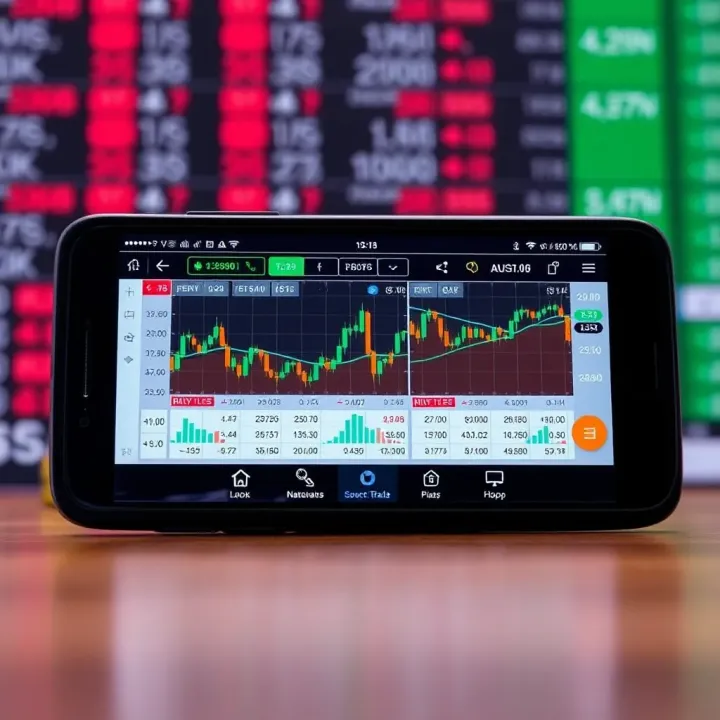
Choosing the Best Forex Trading Apps in Nigeria
📱 Discover how to choose the right forex trading app for Nigeria 🇳🇬. Learn key features, security tips, and ways to boost your trading success on mobile.
Edited By
Emily Carter
Forex trading has become a go-to investment option for many Nigerians seeking to grow their wealth beyond traditional savings. The convenience of trading from your phone adds to the appeal, but getting started requires more than just downloading any forex app. Choosing the right platform, setting up your account correctly, and understanding basic usage are key to avoiding losses and frustrations.
Many Nigerian traders jump into forex trading with little knowledge about the technical steps, which often leads to missed opportunities or worse — falling victim to scams. This guide focuses on the practical steps to download forex trading apps that are relevant and safe for Nigerian users, alongside tips for smooth operation.
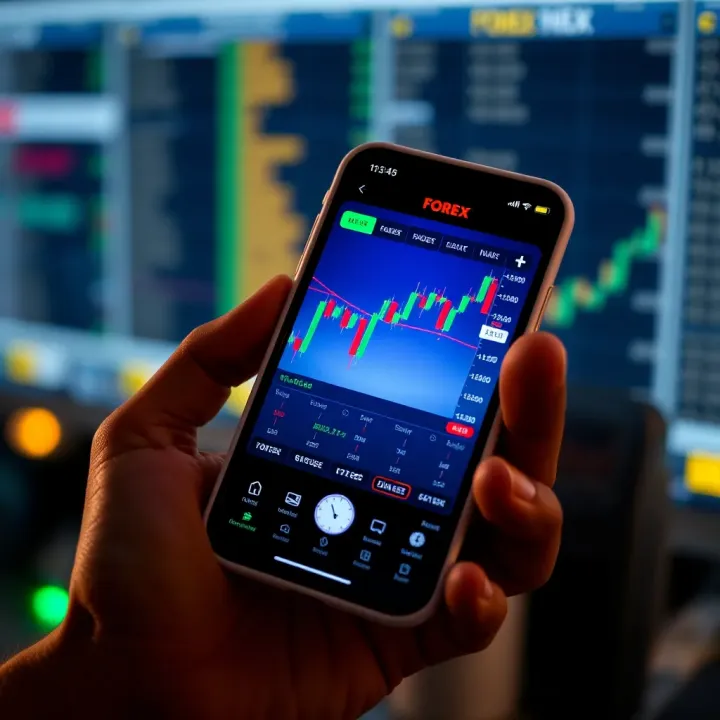
Before diving into download procedures, it’s vital to confirm the app’s legitimacy. Reputable platforms often partner with licensed brokers regulated by bodies like the Securities and Exchange Commission (SEC) Nigeria or international regulators. Apps like MetaTrader 4 (MT4), MetaTrader 5 (MT5), and platforms offered by brokers such as FXTM, OctaFX, and HotForex have global recognition and Nigerian user bases.
Be cautious: Never download apps from unofficial websites or third-party stores. Always rely on Google Play Store for Android devices or Apple App Store for iPhones to reduce risk.
Check Compatibility: Ensure your device’s operating system version supports the app—typically Android 5.0+ or iOS 11+.
Search Precisely: Enter the exact app name to avoid downloading fake versions.
Read Reviews: Nigerian users often share local experiences about app performance and withdrawal processes. Pay attention to these.
Download and Install: Follow prompts; apps may require permission for notifications or storage access, which is usually harmless but review permissions carefully.
After installing, open the app and register using your valid email and a strong password. Many apps will require you to provide a Bank Verification Number (BVN) or valid identification for KYC (Know Your Customer) compliance. This step aligns with Nigerian financial regulations and helps protect your account.
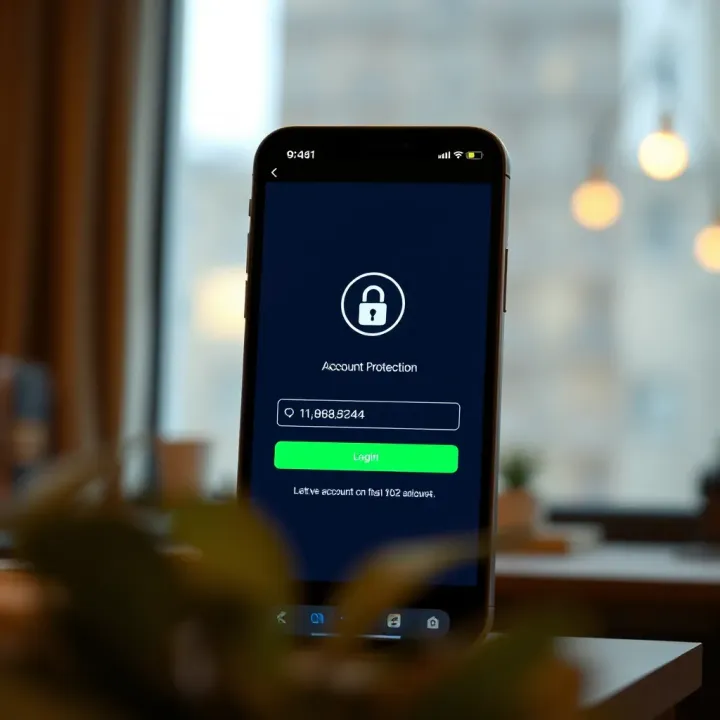
Setting up two-factor authentication (2FA) further secures your account against unauthorised access. Remember, your login details are sensitive; never share them, even if contacted by someone pretending to be support.
By following these initial guidelines carefully, you position yourself well for a safer and more effective forex trading experience on your mobile device. The next sections will cover how to use these apps profitably while managing common challenges Nigerian traders face.
Picking the correct forex trading app makes a big difference in your trading success and overall experience. With the diverse range of apps available in Nigeria, knowing what features to prioritise can save you time, reduce frustrations, and protect your funds. The right app enables quick decision-making, clear market analysis, and smooth execution of trades — vital in a fast-moving forex market.
A straightforward, clean interface matters more than many traders think. When you open an app, you want to find your way around without hunting for buttons or menus. Apps with cluttered layouts or confusing navigation can slow you down, especially when market conditions shift rapidly. For example, if you are trading during the bustling sessions affected by naira fluctuations, making quick moves without spending minutes trying to locate order types is crucial. An intuitive design also helps new traders avoid mistakes and learn faster.
Forex markets move constantly, so having real-time data displayed clearly is essential. Delays of even a few seconds can result in missed opportunities or losses. Quality apps offer live price feeds and sharp, responsive charts that allow you to spot trends and key support or resistance levels. For instance, if you follow USD/NGN price movements, updated charts help you identify the right moments to buy or sell before sudden changes caused by central bank announcements. Some apps even include interactive charting tools and technical indicators to enhance analysis.
Flexibility with order types like market, limit, stop-loss, and take-profit is crucial for managing risk effectively. The ability to customise these orders helps protect your capital from adverse price swings in volatile markets like forex. Equally important is execution speed; a delay of seconds during a price spike can mean a worse trade price or slipping into loss. Nigerian traders often face network or bandwidth constraints, so apps optimised to execute orders swiftly even on lower-end devices increase the chance to trade advantageously.
Trading in naira simplifies funding your account and widrawals. Apps that support deposits and withdrawals directly in ₦ save you from unnecessary forex conversion fees or delays commonly faced when using foreign accounts. This local currency compatibility also makes it easier for traders to evaluate profits and losses in familiar terms. Some popular platforms integrate seamless payment options with Nigerian banks and fintechs like Flutterwave or Paystack, providing better convenience.
Traders in Nigeria have access to both international giants like MetaTrader 4 (MT4), MetaTrader 5 (MT5), and local apps designed specifically for Nigerian requirements. While international apps tend to offer advanced features and a wide range of currency pairs, local apps might provide better support for naira transactions and comply with local regulations. For example, some Nigerian fintechs offer forex trading apps with integrated wallet features tailored for the local market, creating a different user experience compared to global platforms.
Costs vary significantly across platforms. Some charge fixed spreads while others offer variable spreads with commissions per trade. It's important to compare these because high trading fees can eat into your profits quickly, especially for active traders. For example, an app charging 0.5% commission per trade might be cheaper for scalpers than one with a higher fixed spread but no commission. Nigerian traders should also consider hidden fees such as currency conversion or withdrawal charges, especially if the platform uses foreign currencies.
Since many Nigerians trade mainly on their smartphones due to convenience and mobility, performance on mobile is critical. Apps that run smoothly on low to mid-range Android phones common in Nigeria outperform bloated ones demanding high specs. Besides, a light app reduces data usage — a big plus given Nigeria's internet costs. Traders should check if the app performs well offline or with intermittent connectivity, so they are not locked out during critical moments.
Choosing wisely from the start means fewer headaches later. Focus on ease of use, accurate and swift data, cost-effectiveness, and seamless access in Nigerian naira to make your forex trading journey smoother and more rewarding.
Downloading and installing a forex trading app properly is a critical first step for Nigerian traders aiming to engage confidently in the foreign exchange market. A smooth installation ensures you can access live market data, place trades accurately, and monitor your investments without technical hitches. But there's more to it than just clicking ‘download’; you need to pick safe sources and confirm your device supports the software to avoid frustrating interruptions.
The easiest and safest way to get your forex trading app is from the Google Play Store for Android users or the Apple App Store for iPhone users. These platforms verify apps before making them available, reducing the risk of downloading malicious or fake versions. Also, updates pushed via these stores enhance security and improve features without complicated steps.
That said, some apps might not be available in the Nigerian App Store due to localisation restrictions. In such cases, Nigerian traders often rely on brokers’ official websites for direct downloads.
Many brokers offer downloadable forex apps directly on their websites. This approach is handy if you use a broker that provides a proprietary platform, like FXTM or Alpari, where you need their specific app for full access to trading tools. Always ensure you land on the genuine website, by typing the URL yourself or bookmarking it, to avoid spoof sites designed to steal your data.
Official sites often provide additional support resources alongside the app, such as user guides and demo accounts, which help traders get started without risking their capital.
Scammers sometimes upload fake forex trading apps disguised to imitate popular platforms, hoping to steal users’ login details or money. Always check app ratings, read user reviews, and confirm the developer’s name matches the official broker’s. Beware of apps requesting unusual permissions like access to your contacts or messages.
Double-check URLs and app package names; the slightest difference might mean a scam copy. Remember, Nigerian traders are increasingly targeted through fake apps, especially during ember months when trading activity picks up.
Downloading forex apps from trusted sources protects your funds and keeps your personal data safe, which is fundamental for long-term success in the market.
Forex trading apps generally need a smartphone with enough processing power to run live charts and execute trades without lag. Most modern Android devices with at least 2GB RAM and 1.5GHz processor handle these apps well. For iPhones, models from iPhone 7 and newer usually provide a smooth experience.
Traders using older or low-spec devices might face freezes or slow updates, especially during volatile market hours, which could cause missed trade opportunities or losses.
Most forex apps require relatively recent operating system versions. Android apps often support OS from version 7.0 (Nougat) upwards, reflecting the majority’s devices in Nigeria. iOS apps typically require iOS 12 or later.
Regularly updating your device’s OS ensures compatibility with the latest app features and security fixes. Nigerian traders should avoid devices stuck on outdated systems, as they become vulnerable to bugs and may fail to run essential trading functions.
In short, confirming your device fully supports the app helps you trade without technical setbacks from the get-go, making your trading journey reliable and hassle-free.
Setting up your forex trading account is a crucial step that links you directly to the foreign exchange market. Without completing this process correctly, you can't place trades or access the tools that trading apps offer. For Nigerians, understanding the registration, verification, and funding steps helps avoid delays and ensures compliance with regulatory requirements.
Providing identity documents is mandatory in forex trading to meet legal standards and protect both the trader and the platform. Most brokers ask for a valid government-issued ID such as your National Identification Number (NIN), International Passport, or Driver's Licence. Besides confirming your identity, these documents prevent fraudulent activities and secure your account against unauthorised access. For example, if you register with a fake identity, the platform may freeze your account, blocking access to your funds.
The KYC (Know Your Customer) process in Nigeria serves as a safeguard against money laundering and terrorism financing. Within this process, brokers verify your identity and sometimes your source of funds. Nigerian brokers usually require you to upload your proof of address, such as an electricity bill or bank statement, along with your ID. Doing this step thoroughly reduces the chances of suspensions and helps with smoother withdrawals later. It also aligns with regulations from bodies like the Nigerian Securities and Exchange Commission (SEC).
Supported payment methods in Nigeria have grown beyond just bank transfers. Most forex brokers now accept various options, including debit/credit cards, popular e-wallets like Paystack and Flutterwave, and mobile money services. These methods provide convenient ways to deposit funds into your trading account quickly.
Using bank transfer, e-wallets, or mobile money creates flexibility but be mindful of transaction speeds and costs. Bank transfers are reliable for larger sums but may take up to 24 hours for clearance, especially during peak periods like ember months. E-wallets and mobile money, on the other hand, provide near-instant deposits and often lower fees, making them ideal for smaller, more frequent funding.
Minimum deposit requirements vary by brokers but usually start from as low as ₦5,000 to ₦50,000. Knowing the minimum deposit helps you plan your initial investment without overcommitting funds. For instance, a broker asking for ₦50,000 might be better suited for serious traders, while ₦5,000 suits beginners testing the waters. Remember to check these amounts before registering to avoid surprises that could stall your trading plans.
Setting up your trading account methodically ensures you avoid common pitfalls, gain fast access to the market, and comply with both local and international trading standards.
By following these steps attentively, you equip yourself to trade forex smoothly and securely through your chosen app.
Understanding how to navigate the main features of forex trading apps is key for every trader in Nigeria. These tools don't just make trading possible; they help you make informed decisions quickly, especially in a market that can shift within minutes. Being confident in using features like placing trades, managing orders, and accessing market analysis tools can improve your chances of success and protect your investment.
Opening and closing positions is the heart of forex trading. When you open a position, you are buying or selling a currency pair, expecting its price to move in your favour. For example, if you expect the US dollar to strengthen against the naira, you open a "long" position. Closing the position means you sell or buy back the currency pair, locking in your profit or loss. Efficiently opening and closing trades ensures you react swiftly to market changes, preventing losses from sudden currency swings.
Managing orders carefully involves controlling how and when trades execute. Stop orders and limit orders are tools within your app that automate this process. Without mastering these, traders risk missing ideal exit points or holding losing trades for too long.
Using stop-loss and take-profit settings helps manage risk on every trade. A stop-loss order tells the app to automatically close your position if the market moves against you by a certain amount, limiting potential losses. For instance, if you buy euros expecting them to gain, placing a stop-loss 2% below your entry price protects your capital from bigger falls in volatile markets.
On the flip side, take-profit settings lock in gains once the trade reaches a target price. This is useful when you cannot watch the market constantly. Setting these orders properly can prevent emotional decisions, a common pitfall among beginner traders.
Technical indicators are mathematical calculations based on price, volume, or open interest. They help predict future market moves. Popular indicators like Moving Averages (MA), Relative Strength Index (RSI), and Bollinger Bands appear on trading apps and assist traders in spotting trends or overbought/oversold conditions.
For example, a rising MA could suggest an upward trend, signalling it may be a good time to buy. Nigerian traders often combine these indicators with local news to avoid relying on just one signal.
News feeds relevant to forex deliver timely updates affecting currencies. These include economic data releases from the US Federal Reserve or CBN policy changes, political events, or global crises. Having quick access to news helps avoid surprises that can cause sudden price spikes or drops.
Some apps integrate news from outlets like Bloomberg or Reuters, tailored for forex traders, so you stay informed without switching apps.
Charting tools let you visualise price movements over time, making it easier to read market trends. Features include drawing trend lines, plotting support and resistance levels, and viewing candlestick patterns.
By using charts to analyse how currencies have behaved, you can make better entry or exit decisions. Many Nigerian traders appreciate apps that offer mobile-friendly, interactive charts, especially since power outages limit screen time and call for quick assessments on the go.
Mastering these features gives you control and confidence. Instead of guessing, you work with tools that reveal market behaviour, helping you trade smartly even amid naira fluctuations and global forex changes.
Security and responsible trading form the backbone of a safe and sustainable forex trading experience. In Nigeria, where financial scams and cyber threats are common, protecting your account and managing risks wisely are not just good ideas—they're necessary safeguards. These practices help you avoid losses caused by fraud or poor decision-making, which can be especially costly in volatile forex markets.
Strong passwords and two-factor authentication are essential for keeping your trading account secure. Avoid simple passwords like "123456" or "password" since these are easy targets for hackers. Instead, create a password that combines uppercase and lowercase letters, numbers, and special characters. For example, a phrase like "NaiR4#Tr@de2024" is much harder to crack. Many reputable forex apps offer two-factor authentication (2FA), which sends a code to your phone or email every time you try to log in. This extra step drastically reduces unauthorized access, especially if your password gets compromised.
Recognising phishing attempts and scams is another vital part of security. Fraudsters often send fake emails or SMS messages pretending to be from your broker or financial institutions, asking you to share your login details or click suspicious links. Always double-check the sender's address and avoid clicking links in unexpected messages. When in doubt, open your trading app or go directly to the official website instead of following links. Nigerian traders are particularly vulnerable to these scams during popular trading events or ember months, so staying alert goes a long way in protecting your investments.
Setting realistic trading goals helps prevent disappointment and bad decisions. Forex markets can be tempting with promises of quick profits, but chasing unrealistic returns often leads to reckless trades. For example, aiming to double your capital every month is risky and sets you up for failure. Instead, aim for modest but consistent gains—say 3-5% per month—and focus on learning and improving your strategy. This approach keeps your emotions in check and helps you trade more responsibly over time.
Avoiding over-leveraging is critical for risk control. Leverage lets you control a large trade with a small deposit, but it also magnifies losses. For instance, using 100:1 leverage means a 1% drop in the market can wipe out your entire deposit. Nigerian traders sometimes fall into this trap, tempted by brokers offering high leverage. It’s safer to start with lower leverage, like 10:1 or 20:1, until you fully understand how it works.
Monitoring naira fluctuations and external market risks is essential since the Nigerian currency often faces volatility against the dollar and other currencies. A sudden weakening of the naira can affect your account value and trading costs. Besides currency risks, events like fuel shortages or political instability can also impact market behaviour. Keeping an eye on news sources and economic indicators relevant to Nigeria helps you anticipate these changes and adjust your trades accordingly.
Staying secure and responsible while trading forex in Nigeria guards your capital and peace of mind. With the right precautions, you can focus on growing your investments rather than worrying about avoidable risks.
📱 Discover how to choose the right forex trading app for Nigeria 🇳🇬. Learn key features, security tips, and ways to boost your trading success on mobile.
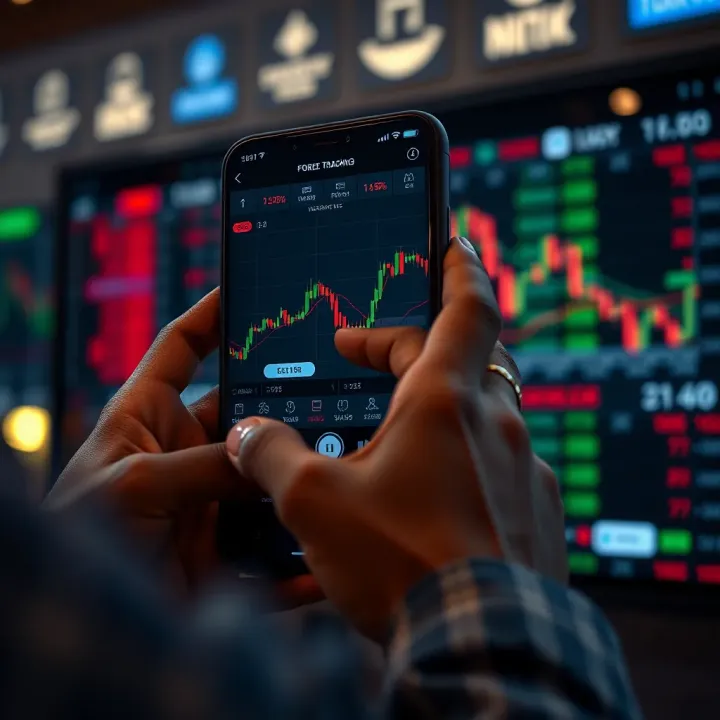
Looking to pick the best forex trading app in Nigeria? 📱 Learn what to watch for, explore top picks, and get tips to trade safely and smartly. 💹
📱 Discover the best forex trading apps for Nigeria! Compare features, tools, and security to pick the perfect platform for your trading style. 💹🔒
Discover top trading apps in Nigeria 📱 Learn how to pick the best platform for safe investing, key features to watch, and tips to boost your earnings 💰
Based on 10 reviews