

Best Gift Card Trading Apps in Nigeria
Discover how to pick the best gift card trading app in Nigeria 🇳🇬 with tips for safe, profitable trades 💰 and top app recommendations 📱.
Edited By
James Whitaker
Trading gift cards has turned from a simple transaction into a thriving market, especially in Nigeria. Whether you’re looking to turn unused cards into cash or buy gift cards at a discount, picking the right app can make all the difference.
Not all gift card trading platforms are created equal — some have better security, others handle payments quicker, while some offer smoother user experiences. For traders, investors, and finance students, understanding these differences is key to avoiding scams and maximizing value.
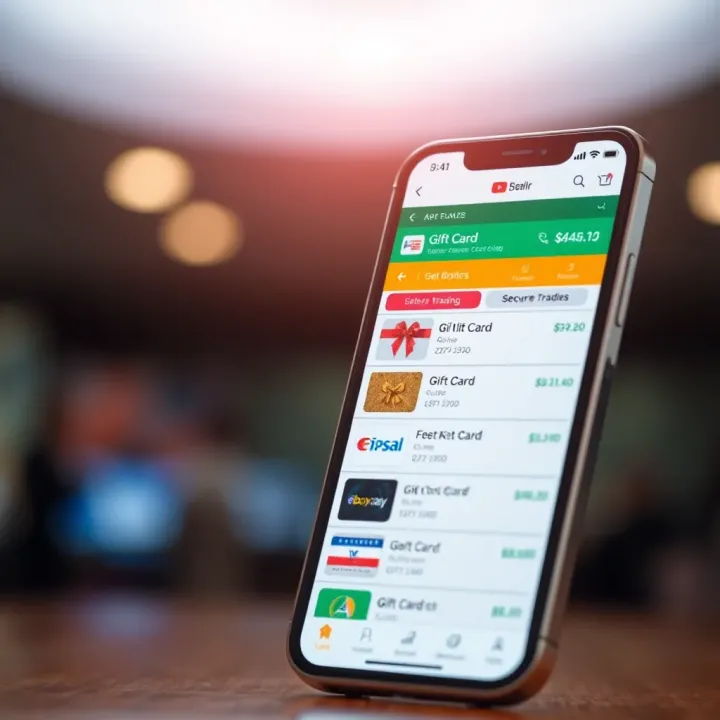
In this guide, we’ll outline the core factors to consider when choosing a gift card trading app in Nigeria. From security measures and payment methods to customer support and ease of use, we’ll break it down clearly. This way, whether you’re just starting or have traded a dozen times before, you’ll know how to spot the best platform for your needs.
Gift card scams are common, so knowing what to watch for isn’t just smart — it’s necessary to protect your money and info.
By the end, you’ll have practical tips and a checklist to evaluate apps confidently, ensuring your trades go smoothly, every time.
Gift card trading has become more than just a niche hobby; it is now a thriving marketplace, especially in Nigeria. This trend merits attention because understanding how it works and why it’s gaining traction can help anyone interested navigate this space effectively. Whether you're an investor looking to diversify assets or a finance student studying new market trends, grasping the dynamics of gift card trading is essential.
At its core, gift card trading involves buying and selling prepaid gift cards from various retailers but at values different from their face amounts. Traders take advantage of differences between the card's original worth and its resale price to make a profit. For example, someone might purchase a $100 gift card to a popular electronics store at $90 and then resell it for $95. The margin might seem slim but can add up fast with volume and the right timing.
Understanding this system illuminates practical benefits like increased liquidity and an alternative to traditional currency exchanges, especially in a country like Nigeria, where access to foreign currencies can be restricted or costly. Moreover, it provides a way to convert excess or unused gift cards into cash quickly, which many find useful.
Gift card trading isn’t just about swapping cards; it’s an opportunity to tap into a flexible digital economy that lowers barriers for everyday people to engage in commerce and investment.
Gift card trading revolves around buying gift cards below their face value and selling them either at a profit or at a rate advantageous to buyers who want immediate access to these specific cards. The process generally involves three main steps:
Acquisition: Traders buy gift cards from individuals or platforms, often at discounted rates.
Verification: The authenticity and balance of the gift card are confirmed to avoid scams.
Resale: Cards are sold to buyers who want them for shopping, gifts, or investment purposes.
Say you receive a gift card for a brand you rarely shop at; instead of letting it gather dust, you trade it through an app or website where people value it differently. Apps like Paxful or Cardtonic make this straightforward, allowing users to post listings and complete transactions securely.
Several factors explain the growing interest in gift card trading in Nigeria. Firstly, economic realities such as inflation and currency fluctuation have pushed people toward alternative income streams. Trading gift cards offers a relatively accessible way to earn, especially with mobile apps that simplify buying and selling.
Secondly, the rise of e-commerce and mobile payment adoption has familiarized many Nigerians with prepaid gift solutions, making them more comfortable trading these cards. An everyday shopper might find it easier to convert a gift card into cash than a bank transfer, which can be slow or costly.
Lastly, the local market environment includes challenges like currency controls and payment restrictions. Gift card trading bypasses some of these hurdles, providing a flexible means to engage in commerce, send gifts, or even access online services that might otherwise be blocked or expensive.
When diving into gift card trading apps, knowing what features to hunt for is half the battle won. You don't want to end up on some sketchy platform that feels more like a blind alley than a marketplace. For anyone serious about gift card trading in Nigeria, these key features help ensure safety, ease, and profit when buying or selling.
Security isn’t just a checkbox on the list—it’s a lifeline. The Nigerian market has seen its share of scams, so a good app must have solid fraud protection baked in. Look for two-factor authentication (2FA), encrypted transactions, and multi-layer verification steps. Apps like Quidax and Paxful use rigorous security protocols to make sure scammers don’t get a foot in the door. If you're thinking, "Is this app legit?" security features are usually a good judge.
Nobody wants to wrestle with clunky menus or confusing layouts. A clean, straightforward interface makes trading smooth and less stressful, especially for beginners. An app like Sokowatch offers simple navigation where users can quickly list cards or check balances without fumbling through multiple steps. Remember, ease of use isn't just about looks—good design streamlines your trading workflow and saves you time.
The joy of trading lies in flexibility. A powerful app should support a wide range of gift cards—Amazon, iTunes, Google Play, and popular Nigerian stores like Jumia or Konga. For example, BuyCoins supports numerous card types, letting users switch between markets depending on demand, so you’re never stuck. More variety also means better chances to find a profitable deal.
How fast do you get your money after a sale? Speed and payment choices matter big time. Whether it's bank transfers, USSD, or mobile money options like Paga or Opay, your preferred payment methods should be supported. Apps like Bundle have pushed for quicker payouts, often within minutes, because every minute counts when trading gift cards. Fast payments reduce your risk and improve your cash flow.
Pro Tip: Always test an app with a small transaction first to see how these features hold up in real conditions.
All these features combined are what separate the serious, trustworthy apps from the rest. It’s not just about the bells and whistles but how these elements protect your interest and make trading simple and profitable. When in doubt, pick an app that balances security, usability, and a good range of cards to keep your trading game sharp.
Picking the right gift card trading app matters a lot because it can save you time, reduce hassle, and help you get the best deals. In Nigeria, the boom in online gift card trading has led to a handful of apps standing out, each with its own set of perks and drawbacks. Knowing the popular choices gives you a good starting point to compare features, ease of use, and reliability.
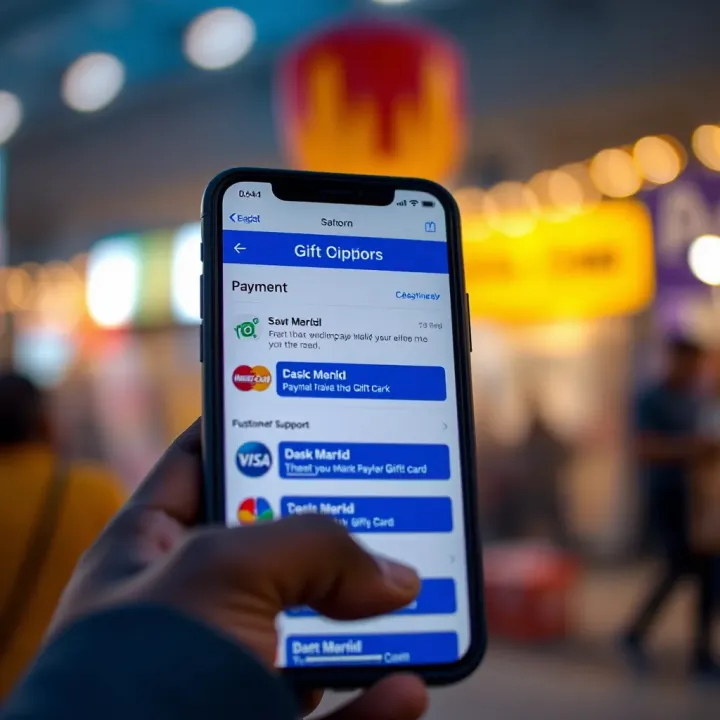
Let's take a quick look at some of the major players Nigerians frequently turn to:
KartPay: Known for its quick processing times and extensive list of supported gift cards. KartPay offers easy verification and is favored by users who value smooth and fast transactions.
SellGift: This app targets those who want a seamless experience with strong customer support and an intuitive interface. It’s especially popular for trading Amazon and iTunes cards.
TradeCard: With a reputation for competitive rates and consistent payouts, TradeCard appeals to savvy traders who keep an eye on market fluctuations.
Gidicards: A newer app but gaining traction due to low fees and multi-currency support, making it a hit among international gift card traders dealing with Naira and other currencies.
Each app has carved out a niche by focusing on either speed, ease of use, variety of gift cards, or fees. When choosing, weigh what matters most: fast payouts, variety of cards, or customer support.
Fees and exchange rates can make or break your trading profits. Apps differ not just in how much they charge but also in how transparent they are about those charges. For instance:
KartPay typically charges a flat 2% fee per transaction but sometimes offers promotions that reduce this.
SellGift has a tiered fee system which means if your trade value is high, you pay less in percentage terms.
TradeCard offers some of the best exchange rates on popular cards but tends to have a slightly higher minimum withdrawal amount.
Gidicards keeps fees low but compensates with a slightly slower payout period.
Remember, the lowest fee isn’t always the best deal if the app pays you slowly or has poor customer service. It's good to read real user reviews and maybe test with small trades first.
To get the most value:
Always check if there are hidden fees like withdrawal or account maintenance charges.
Compare rates daily, especially if trading cards like Google Play or Amazon, since rates can fluctuate.
Factor in the convenience and reliability of the app, which can save headaches down the line.
With these points in mind, it’s easier to pick an app that won’t just handle your gift card trades but will do so efficiently and fairly.
When it comes to trading gift cards, especially in a market as vibrant and fast-moving as Nigeria's, verifying an app’s legitimacy is the bedrock of a secure experience. Without this step, users risk falling victim to scams or losing money through fraudulent platforms. Understanding how to confirm legitimacy protects not only your finances but also your personal data. This section cuts through the noise, giving you practical tools to separate the trustworthy from the sketchy.
One of the quickest ways to gauge whether a gift card trading app is reliable is to look at what other users are saying. Real feedback from everyday traders often reveals hidden issues like slow payments, poor customer support, or security concerns that marketing materials wouldn’t mention.
Focus on reviews across multiple platforms—Google Play Store, Apple App Store, and trusted third-party forums such as Nairaland or Reddit. Pay attention to patterns: if many users complain about delayed payouts or lost funds, that’s an immediate red flag.
For example, Paxful, a popular gift card trading platform used in Nigeria, generally scores well in user reviews because it responds swiftly to complaints and processes transactions promptly. In contrast, lesser-known apps with just a handful of reviews and vague testimonials might not be worth your trust.
Remember: While some negative reviews are normal, a swarm of similar complaints points toward systemic problems.
Next, ensuring the app meets Nigeria’s regulatory standards is critical. The Nigerian Communications Commission (NCC) and the Central Bank of Nigeria (CBN) oversee certain aspects of digital financial transactions. While gift card trading apps fall in a grey area since they're not traditional banks, many reputable apps still comply with these bodies’ guidelines for consumer protection and anti-money laundering.
A legitimate app will display certifications or licenses on its website or within the app, such as registration with the Nigerian Financial Intelligence Unit (NFIU). These credentials mean the platform is recognized by authorities and subject to regular audits.
For example, PayPorte Nigeria, known in the e-commerce space, explicitly highlights its compliance with CBN’s digital transaction policies, boosting user confidence.
Checking for this kind of documentation isn’t complicated; most trustworthy apps proudly showcase their regulatory endorsements to build credibility.
Combining these two tactics—vetting user reviews and verifying regulatory compliance—gives you a strong basis to avoid scams and pick a gift card trading app that’s safe, reliable, and fits your trading needs in Nigeria.
Trading gift cards can be a lucrative side hustle or even a regular source of income if you know the ropes. However, like any form of trading or exchange involving money, safety is a top concern. When you dive into gift card trading in Nigeria, a solid understanding of how to avoid scams and conduct transactions securely can save you from losing hard-earned money. It’s not just about finding the best rates but also protecting yourself at every step.
One of the easiest ways to lose in gift card trading is becoming a victim of scams, which are unfortunately all too common. Scammers often pose as buyers or sellers and try to trick you into sending cards or money without paying up or delivering. A classic trick involves fraudulent apps or platforms that claim to offer great rates but vanish once they collect your cards.
To dodge these pitfalls, always stick with well-reviewed and trusted apps like PocketCard or GiftCardNaira, which have a proven track record in Nigeria. Never rush into a deal just because the offer sounds good; if something feels off, take a step back and ask around. Also, avoid trading with individuals you don't know or platforms without clear terms. Remember, legit apps don't ask for payment before confirming receipt of your gift card.
Tip: Keep a record of all your transactions, screenshots included. This documentation can be your best ally if disputes arise.
Beyond avoiding scams, you want to make sure each transaction goes through smoothly and safely. Start by always verifying the card details thoroughly before initiating trade—check the card value, expiration date, and unique code carefully. Use apps with encryption and two-factor authentication to add layers of security.
When transferring gift cards, ensure you receive proper confirmation or notification from the app. Apps like KCash provide instant notifications for transactions, which helps you keep track in real time. Avoid making transactions over public Wi-Fi as they are vulnerable to hackers.
Moreover, double-check the payment methods. Opt for platforms that pay directly into your bank account, such as GTBank or Zenith Bank, rather than via third-party wallets with unclear security standards. Always confirm before releasing your gift card codes.
Summing it up: Stay alert, verify every detail, use trusted platforms, and keep communication clear. By doing so, your gift card trades will be safe and profitable.
Safe trading might take a bit more time upfront, but it's the only way to avoid headaches down the line. The combination of avoiding scams and applying secure transaction practices puts you in control of the game. Keep these tips in mind, and you'll trade with confidence, knowing your assets are protected every step of the way.
Getting the most out of your gift card trades can make a noticeable difference, especially when margins can be tight. Whether you're buying or selling, understanding how to maximize value isn't just about finding the highest price—it’s about timing, market insight, and knowing how to negotiate. This section digs into practical ways you can make smarter moves and avoid losing out.
Knowing the going rate for different gift cards is a must. Just like buying and selling shares on the stock market, gift card values tend to fluctuate based on demand and availability. For example, during holiday seasons like Christmas or Black Friday, demand for popular gift cards such as Amazon or Steam can spike, meaning sellers can often fetch better prices.
You can check real-time rates on popular platforms like Paxful, CardCash, and local Nigerian apps like Cardtonic. Keeping a close eye on these rates helps you avoid underselling or overpaying. A good rule of thumb is to watch a card’s value over a week or so before making your move.
Timing is everything. If you spot a card trading at a discount during low demand periods, it might be worth holding off until prices climb back up. Conversely, if selling, avoid times when the market is flooded with sellers and prices dip. A trader who bought a $100 iTunes gift card for ₦30,000 during off-peak could sell it for ₦35,000 when demand rises, netting a neat profit.
Negotiation is an art that can bump your earnings or savings up a notch. Never accept the first offer blindly. Instead, ask questions like: How was this value determined? Are there any fees? Can the payment be expedited?
Evaluate every offer beyond just the headline price. Sometimes, a slightly lower value with instant payment through Airtel Money or Paystack might be better than higher here-and-there payments that take days to clear.
Don't hesitate to make counteroffers if you feel the price is off. For instance, if an offer for a Google Play card is ₦28,000 and your research suggests ₦30,000 is fair, politely propose ₦29,000. Often, sellers and buyers expect a bit of back-and-forth before landing on a price.
Tip: Keep records of past trades and offers. Over time, you’ll recognize patterns in pricing and negotiation tactics that work best for your specific cards and market conditions.
In short, maximizing your gift card trading value relies heavily on market awareness and savvy negotiation. By keeping your finger on the pulse of rates and timing your trades to demand, you're less likely to get short-changed or leave money on the table.
In the world of gift card trading, having reliable customer support and clear dispute resolution processes can be the difference between a smooth transaction and a frustrating ordeal. Users often deal with large sums, and any hiccup — whether it's a delayed payment or a suspected scam — requires swift and effective help. The ability to reach support quickly and have your concerns addressed efficiently not only minimizes stress but also builds trust in the app.
Responsive customer support is a lifeline for traders. Imagine you just sold a $100 Amazon gift card but haven't received your payment after 48 hours. Without prompt support, this could lead to worry and a loss of confidence in the platform. A good gift card trading app in Nigeria typically offers multiple channels for support—like live chat, phone, or email—with quick response times. For example, apps like Cardtonic are known for their prompt replies and helpful staff, ensuring users aren't left hanging.
Furthermore, responsive support can help with technical difficulties, account security questions, and clarifying terms of transactions. When support is slow or unhelpful, traders might hesitate to use the service again or could fall prey to scams if genuine issues aren't resolved fast. That's why before choosing an app, it's wise to test their support system by sending queries and gauging their response speed and friendliness.
Transaction problems are almost inevitable in gift card trading, whether it’s a mismatch in card value, delayed payments, or suspected fraud. Knowing how to manage these issues efficiently makes all the difference.
First, document everything related to your trade: screenshots of offers, transaction IDs, chat records with the buyer or seller, and timestamps. This evidence becomes crucial if you need to escalate the issue. Next, contact the app’s support team immediately with a clear description of the problem. Be specific—mention when the issue happened, the gift card type, and what you expect.
If the app has a dispute resolution feature, use it. A reputable platform often mediates between parties to reach a fair solution. For instance, when a user disputes a card's authenticity on the AppCoins app, the platform holds the disputed funds until an investigation concludes, rewarding honest traders and protecting buyers.
If the app doesn’t resolve the issue satisfactorily, you can escalate through consumer protection agencies like the Consumer Protection Council in Nigeria or use online forums to share your experience and warn others.
Always remember: Choose an app that clearly outlines how it handles disputes upfront. Knowing what steps the platform takes can save you a lot of headaches down the road.
In summary, solid customer support and transparent dispute resolution processes aren't just nice-to-haves; they're essentials for anyone serious about trading gift cards in Nigeria. They guarantee that when bumps appear on the road, assistance is available and disputes won’t derail your trading experience.
As the digital economy in Nigeria keeps growing, the future of gift card trading apps looks promising and busy. Understanding these trends helps traders and investors stay ahead and make better choices when selecting an app. It’s not just about the tech; it’s about how these changes make trading gift cards simpler, safer, and more flexible. For instance, apps are shifting from just desktop access to full mobile experiences, reflecting how Nigerians now prefer doing business on the move. Plus, tighter integration with payment systems means users can cash out or fund trades faster than ever. Staying informed about these shifts is a must for anyone serious about gift card trading.
The push toward mobile app adoption for gift card trading is strong in Nigeria. Smartphones are everywhere, and people want a smooth way to trade without needing a PC. Apps like KongaPay and PayPorte have shown how a mobile-first approach can capture the market’s attention by offering quick, user-friendly interfaces. Mobile apps also support features like push notifications, letting users know instantly about new rates or trade updates. This immediacy is key, especially when gift card values fluctuate daily. Additionally, mobile apps reduce barriers, allowing more folks from different regions to join in simply by using their phones.
Linking gift card trading apps with digital wallets and banks is becoming more common and is a real game changer. This integration means users don’t have to jump through hoops withdrawing money or topping up accounts before trading. For example, platforms like Flutterwave and Paystack enable seamless transfers right inside the app, cutting down the usual delays. This also boosts trust since people feel safer trading on apps connected to their familiar bank systems or wallets like OPay or Paga.
Moreover, this setup opens doors for instant settlements, reducing wait times that previously frustrated many users. It also supports more payment options, which broadens the market and increases liquidity within the gift card trading ecosystem. Looking ahead, apps that can connect with more banks and wallets will likely lead, offering users a smoother and faster way to manage their trades.
The future of gift card trading apps in Nigeria hinges on making trading mobile-friendly and tying it closer to mainstream finance. Those who do it well could capture a bigger share of this growing market.
Discover how to pick the best gift card trading app in Nigeria 🇳🇬 with tips for safe, profitable trades 💰 and top app recommendations 📱.
🔍 Find the best crypto trading app in Nigeria! Explore security, fees, user experience & tips to start smartly while avoiding common mistakes. 📱💡
📈 Discover how to choose the best forex trading app for Nigerian traders, exploring key features, security tips, top picks, and strategies for success.
Find the best crypto trading app in Nigeria 🇳🇬. Compare security, fees, supported coins, and ease of use to pick the perfect platform for you 📱💰.
Based on 10 reviews