
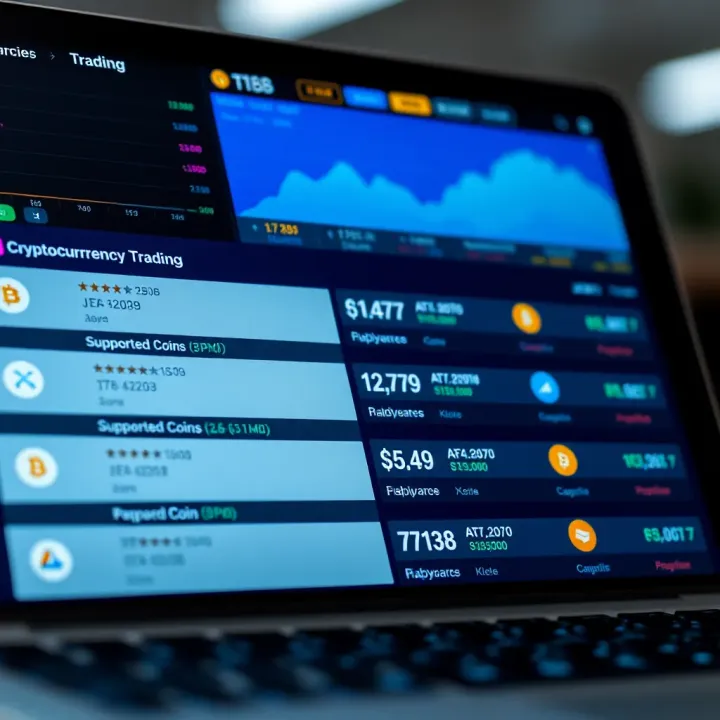
Choosing the Best Crypto Trading App in Nigeria
Find the best crypto trading app in Nigeria 🇳🇬. Compare security, fees, supported coins, and ease of use to pick the perfect platform for you 📱💰.
Edited By
Isabella Martin
Navigating the world of crypto trading can feel like stepping into a buzzing marketplace without a map—especially in Nigeria, where the digital currency scene is growing fast but can be a bit tricky to navigate.
Choosing the right crypto trading app is more than just picking the one with the flashiest interface or the most coins listed. It boils down to four main factors: security, ease of use, fee structure, and compliance with local regulations.

This guide breaks down these crucial points and paints a clear picture of what to look for, helping you pick a platform that fits your goals—whether you’re dabbling for the first time or already handling serious trades. We’ll also take a look at some of the popular apps available in Nigeria and offer practical tips to get you started without falling into common pitfalls.
By the time you finish reading, you’ll have a better sense of how to sift through the noise, spot trustworthy platforms, and avoid the kind of mistakes that trip up many new traders. So, if you’ve been wondering how to jump into crypto trading confidently, keep reading—this could save you time, money, and plenty of headaches.
Picking the right crypto trading app is more than just finding one with cool charts or flashy designs. A good app should cover your back where it matters most—security, convenience, cost, and variety of coins. Nigerian users especially need to be cautious because the regulatory environment can be a little tricky, plus the sheer number of choices can be overwhelming.
Think of this like picking a wallet that you’ll carry every day. You want it secure so nobody snatches your cash (or crypto), easy to open quickly when you need it, and not costing you a fortune just to use. You'd be really put off if it only accepted currency from somewhere else, right? Same with crypto apps here; local payment options matter.
Two-factor authentication, or 2FA, adds an extra lock on your crypto account. Instead of just putting in a password, the app sends a code to your phone or email that you must enter. It’s like needing a key and a secret handshake. This reduces the risk of hackers sneaking in, especially important in Nigeria where phishing scams are common. Always pick an app that supports 2FA—not doing so is like leaving the door wide open.
Cold storage means keeping your crypto offline, away from internet access where hackers lurk. This is like having a vault in your house instead of leaving cash in your pocket. Many top Nigerian apps, such as Binance, offer cold storage for the majority of users' funds, meaning only a small amount stays online for quick trading. This reduces theft risk drastically.
Regulatory compliance means the app follows Nigeria's financial laws and rules. Apps that do proper KYC (Know Your Customer) and AML (Anti-Money Laundering) checks not only protect you but also avoid dirty business that could tank your funds. Apps like Luno and Quidax stick to these guidelines, making transactions safer and trustworthy.
Given how many Nigerians trade on smartphones, a smooth mobile experience is non-negotiable. The app should run well on Android and iOS without freezing or crashing. But sometimes you want the bigger screen and faster navigation of desktop trading. The best crypto apps offer both without sacrificing speed or ease. For instance, Binance's app matches up well with its desktop platform, letting you trade on the go or at your desk.
If you’re fumbling around just trying to find where to buy or sell, that wastes time and can lead to mistakes. The app layout should feel natural, with clearly labeled tabs and simple steps. For example, Luno’s interface doesn’t overload users with charts right away—it lets beginners focus on buying and selling before diving deep.
English is widely spoken, but having added language options—for example, Pidgin English or Hausa—can help reach people not so comfortable with formal English. While not all apps offer this, it’s something to keep an eye on, especially if you’re new to crypto and want straightforward explanations in your mother tongue.
Every trade you make could cost a little fee—a percentage or a flat rate. Some apps charge around 0.1%, others can be higher. These add up especially if you’re trading regularly. Binance, for example, is known for low trading fees compared to some local competitors, which means you get to keep more of your profits.
Aside from trading fees, watch out for costs when moving money in and out. Some apps charge you for making deposits or withdrawing naira to your bank. Remitano and Yellow Card usually have competitive rates here, but always check so you’re not surprised later.
These fees lurk like shadows—maybe a fee for currency conversion, inactivity, or limits on withdrawals. Always read the fine print or user reviews to catch such hidden costs early on.
Bitcoin and Ethereum are the obvious staples, so any good trading app needs to support them. Without these, your choices are severely limited.
If you want to try new projects or smaller tokens on the rise (like Cardano or Polkadot), check if the app lists them. Some Nigerian apps focus only on popular coins leaving no room for experimentation.
Stablecoins like USDT or DAI are crucial for those looking to avoid market swings. They act like digital versions of the naira, keeping your value steady. Having access to stablecoins makes trading less stressful, especially in volatile markets.
Choosing a crypto app isn’t just about flashy names or promises. It’s about solid security, fair pricing, easy use, and enough coin choices to play with. Getting these right is your first step to crypto trading success in Nigeria.
Choosing the right crypto trading app in Nigeria means understanding what platforms are already making waves locally. This matters because the best app fits not only your technical needs but also your regional context, such as payment methods, language preferences, and regulation compliance. By focusing on popular apps here, you can dodge scams and spot services tested by others in the same market.
Supported currencies
Binance shines with its vast selection of cryptocurrencies. From the market giants like Bitcoin and Ethereum to lesser-known altcoins, Binance allows Nigerian traders lots of options. This variety helps investors diversify holdings easily without hopping between multiple apps.
Security
On the security front, Binance takes no shortcuts. It employs two-factor authentication, anti-phishing codes, and cold storage to protect user funds. For Nigerian traders, this reassures against hacking attempts, which are unfortunately quite common today.
Trading options
Binance is not just about buying and selling; it offers spot trading, futures contracts, and even staking options. This breadth suits both beginners wanting simple trades and pros seeking complex strategies.
Naira deposits
Luno understands Nigeria’s banking ecosystem pretty well, offering smooth Naira deposit through bank transfers. This removes the usual hassle of converting money first, allowing quick funding of accounts.
User support
Luno’s local customer support is a real plus. Traders can get help in their time zone with knowledgeable agents familiar with local challenges, making problem-solving much quicker.
Mobile app experience
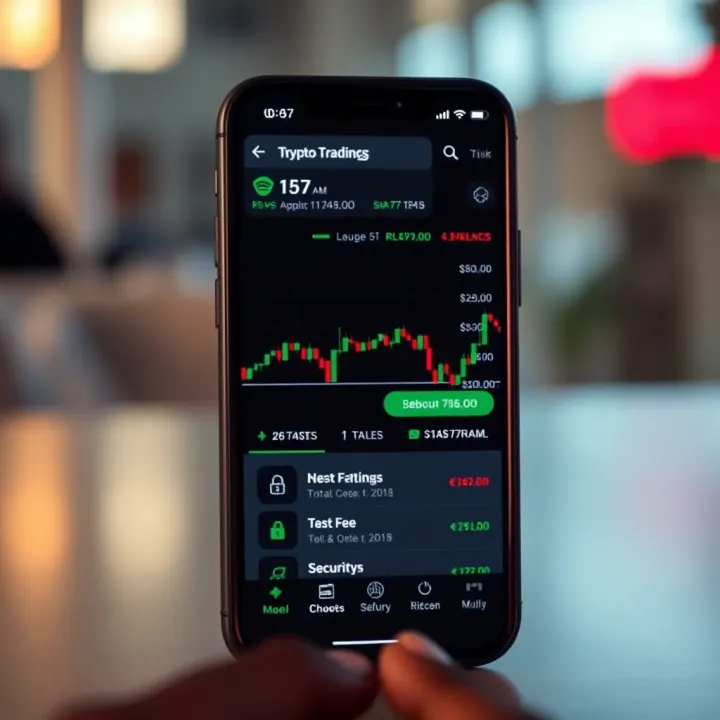
The Luno app is sleek and easy to use on mobile devices, perfect for Nigerians who mainly trade on phones. Simple navigation means you won’t waste time figuring out how to place orders even if you’re new.
Fiat integration
Quidax stands out with seamless fiat integration. Nigerians can deposit and withdraw Naira directly, avoiding third-party wallets or convoluted processes.
Verification process
Its straightforward verification process makes account setup quick without compromising security. Users submit basic ID and address proof, which is reviewed promptly.
Fee structure
Quidax’s fees are competitive, with transparent trading charges and minimal hidden costs. Knowing exactly what you pay helps manage trading expenses better.
Remitano
Remitano is popular for peer-to-peer trading, allowing Nigerians to buy and sell crypto with other users directly. This setup can offer better prices and adds a layer of community trust.
Yellow Card
Yellow Card focuses on simplicity and caters especially to those new in cryptocurrencies with easy payment options and straightforward buying steps.
Paxful
Paxful is another P2P titan making waves in Nigeria. It supports numerous payment methods, providing flexibility when funding accounts or cashing out.
Picking the right crypto trading app isn’t only about features but also what fits your lifestyle and budget in Nigeria's evolving crypto scene. These platforms offer a solid starting point with distinct strengths catering to varied trader needs.
Nigerian regulations have a major say in how crypto trading apps operate in the country. This is an important factor when choosing a platform because it can affect everything from your ability to deposit and withdraw funds to your safety as a user. Traders and investors need to keep tabs on the legal environment to avoid surprises down the line, especially as the crypto space in Nigeria continues to evolve rapidly.
The Central Bank of Nigeria (CBN) has historically taken a cautious approach towards cryptocurrencies. Since early 2021, the CBN issued directives prohibiting banks from facilitating crypto transactions. This means direct fiat-to-crypto exchanges through banks are restricted, making it essential to use platforms that find legal workarounds or alternative payment methods. However, the CBN hasn’t outright banned crypto ownership or trading, leaving a grey, yet navigable area for traders.
This stance means that when choosing a crypto trading app, Nigerians must prioritize those that can work with local payment options like mobile money or third-party payment processors. Apps like Luno and Quidax have adapted their models to fit within these constraints, making them more practical choices.
Beyond the CBN’s directives, Nigeria’s broader regulatory framework emphasizes anti-money laundering (AML) and know-your-customer (KYC) rules. Crypto platforms must comply with these to avoid legal trouble, which indirectly protects users by reducing fraud and illicit activities.
One key restriction is the limit on transactions and documentation requirements for transfers above certain thresholds, designed to prevent misuse. Some apps enforce these limits strictly, which may feel like a hassle but ultimately adds a layer of security.
When picking an app, look for transparent information about these restrictions so you’re not caught off guard. For instance, Remitano clearly details its AML policies and transaction limits, helping users plan trading volumes safely.
Users feel the brunt of these regulations in practical ways: delays in withdrawals, extra verification steps, or limited payment options. Some platforms are slower due to regulatory checks, while others might charge more for complying with local laws.
It’s important to expect some friction and choose apps known for decent customer support. Yellow Card, for example, tries to keep withdrawal processes smooth despite regulations. Always check reviews and user feedback before committing significant funds.
Staying informed about regulatory changes can save you headaches. Nigerian crypto traders who ignore these rules risk frozen accounts or lost funds.
KYC and AML are foundational requirements for crypto apps functioning in Nigeria. These policies involve submitting identification documents and proof of address to confirm your identity. Though some users dislike the extra paperwork, it significantly reduces fraud and scam risks.
Good apps keep this process straightforward and secure. For instance, Quidax offers a guided, step-by-step KYC process which typically completes within a day or two, making it easier for users to meet requirements without hassle.
With all this personal info floating around, data privacy becomes a top concern. Nigerian users want assurance their details aren't sold or leaked. Leading platforms use encryption and follow data protection standards to keep information safe.
Look for apps that explicitly state their data privacy policies and have a track record of protecting user data. Binance, for example, employs advanced data security measures, which they regularly update to defend against breaches.
Mistakes or misunderstandings happen, so having reliable dispute resolution is vital. Nigerian crypto traders should prioritize apps that offer clear support channels, quick response times, and transparent policies for handling complaints.
Apps like Paxful provide 24/7 support and have well-defined dispute mechanisms, which gives users more confidence when trading.
By understanding Nigerian regulations and how crypto trading apps align with them, you can make smarter choices and trade with more confidence. Knowing about the Central Bank’s stance, regulatory restrictions, and app-level protections ensures you're prepared for the realities of crypto trading in Nigeria.
Getting your money in and out of a crypto trading app is as important as the trading itself. Without a smooth way to fund your account or cash out your gains, even the best app can turn into a headache. Nigerian traders need solutions that are not just secure but also fast and cost-effective. Understanding the options for deposits and withdrawals can save you time and minimize frustrations.
Bank transfers remain one of the staple deposit methods for Nigerian users. They offer a straightforward way to move Naira from your bank account to your crypto wallet within the app. The key advantage is the direct integration with Nigerian banks like Access Bank, GTBank, or Zenith Bank, which often allows quicker processing. However, be aware of the possible fees imposed by your bank or the app. A practical tip: always double-check the account details before sending funds—mistakes can cause delays or losses.
With the rise of mobile money platforms such as Paga or Opay in Nigeria, many crypto apps now support this option. Mobile money deposits can be faster and more convenient, especially for those who prefer using their phones without the hassle of bank formalities. It's also handy in areas with limited access to banks. Keep in mind that mobile money deposits might come with lower limits compared to bank transfers, so they suit smaller, frequent topping up.
If you're already holding cryptocurrencies in another wallet or exchange, many Nigerian crypto apps allow you to deposit directly using coins like Bitcoin or Ethereum. This method bypasses the need for converting to Naira first, often saving on fees and processing time. However, you must be mindful of the network fees and the potential price volatility during transfer. For example, sending Bitcoin to your Binance or Luno wallet directly can be quicker but watch out for the fluctuating transaction charges.
When it comes time to cash out, having multiple payout options is a major convenience. Most Nigerian crypto apps offer the choice to withdraw to local bank accounts, mobile wallets, or sometimes even re-convert to cryptocurrency. The flexibility here lets traders pick what suits them best, like sending Naira straight back to their GTBank account or topping up their Opay wallet instantly.
Apps typically impose transaction limits that can impact your trading strategy, especially if you're dealing with large sums. For example, Luno may have daily caps on withdrawals for new users, while Binance often adjusts limits depending on verification level. Make it a habit to understand these limits upfront to avoid surprises when you’re eager to move your funds.
Nobody likes waiting around for their money. Processing times can vary widely depending on the app and method. Bank transfers might clear within a few hours or could take up to 48 hours during weekends or holidays. Mobile money usually processes quicker, sometimes instantly. Cryptocurrency withdrawals depend largely on network congestion; sending Ethereum during peak times might take longer. Being aware of these timings helps you plan your trades and avoids panic when funds don’t show up immediately.
Understanding how to fund and withdraw funds efficiently can make or break your crypto trading experience in Nigeria. Always weigh speed, fees, and safety before choosing your method.
In summary, pick an app that offers deposit and withdrawal options aligned with your trading style. Whether it’s a quick mobile money top-up or a direct bank transfer, the goal is easy access to your money without unexpected delays or costs. This knowledge keeps you in control and your crypto journey running smoothly.
Navigating the crypto market in Nigeria can feel like walking through a busy marketplace—full of opportunities but also plenty of pitfalls if you're not careful. That's why having solid tips for safe and successful trading isn't just helpful; it's essential. These tips help Nigerian traders avoid common mistakes, prevent losses from scams, and build strategies that fit the local market's twists and turns.
Scammers often prey on crypto newcomers with promises that sound too good to be true, like guaranteed returns or exclusive insider tips. A well-known trick is phishing—where fake emails or fake apps trick users into handing over their passwords or private keys. Another is the "pump and dump" scheme, where fraudsters hype up a coin to inflate prices and then sell off, leaving others with worthless tokens. Knowing these tricks can save you from dropping your hard-earned naira into a sinkhole.
Before you trust any crypto trading app, double-check its legitimacy. Look out for apps with poor reviews, minimal information about the developers, or lack of presence on official app stores like Google Play or Apple’s App Store. Also, confirm if the app supports proper KYC (Know Your Customer) and AML (Anti-Money Laundering) protocols. For instance, reputable platforms like Binance and Luno have clear user verification steps.
Always download apps directly from official sources and avoid links sent through social media or messages, which can be traps disguised as legit offers.
Protecting your account goes beyond just a strong password. Enable two-factor authentication (2FA) wherever possible and consider using a hardware wallet for long-term holdings. Avoid public Wi-Fi when making trades and be cautious about sharing sensitive information, even in supposedly official chat groups. A little caution goes a long way toward securing your crypto assets.
Crypto markets can swing wildly within minutes—prices might skyrocket one day and drop sharply the next. Recognizing this is crucial for managing your nerves and expectations. For example, Bitcoin's price often reacts to global news or regulatory announcements, so keeping an eye on current events is part of smart trading.
Jumping in expecting to double your money overnight is a fast track to disappointment. Instead, set achievable targets based on your capital and risk tolerance. Maybe start aiming for a 5-10% gain per month, adjusting as you learn. This approach helps keep your trading grounded and sustainable.
Don't put all your eggs in one basket. Spread your investment across different cryptocurrencies—say, a mix of Bitcoin, Ethereum, and a few stablecoins like USDT or USDC. This reduces the risk that a sudden drop in one coin wipes out your entire portfolio. Diversification also opens doors to benefits from various sectors within the crypto space.
By keeping these practical tips in mind, Nigerian crypto traders can better protect themselves and increase their chances of trading success. It's about mixing caution with savvy moves to thrive in this fast-paced market.
Opening your first crypto trading account in Nigeria isn't just a formality—it's your gateway to a world of digital asset investing. Without this initial step, you'd be stuck on the sidelines, unable to buy, sell, or manage cryptocurrencies. Setting up an account properly ensures smooth trading, quicker access to funds, and better security. Plus, it helps you build trust with the platform, which is crucial given the volatile and sometimes unpredictable nature of crypto markets.
Most crypto apps in Nigeria stick to the standard Know Your Customer (KYC) process, demanding a few key documents. You'll typically need a government-issued ID like the Nigerian National ID card, a driver's license, or a passport. Alongside, you'll be asked for proof of address—this could be a recent utility bill or bank statement dated within the past three months. These documents not only help verify your identity but they also keep the platform compliant with regulations, protecting you from fraud and scams.
Verification speed varies, but most popular apps like Luno and Binance usually take from a few minutes up to 48 hours. During this period, your submitted documents are checked for authenticity and compliance. Some platforms perform instant checks with automated tools, while others include brief manual reviews. If you’re in a rush to start trading, it pays to pick an app with fast verification. However, bear in mind that rushing to use lesser-known apps might cost you delays or worse, account suspension.
Problems during verification aren’t uncommon. Blurry photos of ID documents, mismatched names, or outdated proof of address are top offenders. Sometimes, users slip up by giving different names on their ID and bank accounts, triggering flags. If your submission gets rejected, the best move is to carefully review and resubmit with accurate and up-to-date info. Keeping a neat and clear digital copy of your documents helps avoid headaches.
Once registered and verified, you’ll want to place your first trade. On most apps, this involves selecting the crypto pair (for example, BTC/NGN for Bitcoin to Nigerian Naira), deciding the amount, and choosing whether to buy or sell. Apps like Quidax simplify this with big, clear buttons and step-by-step prompts so beginners won't feel lost. The option to review your order before confirming is vital—one wrong tap can end up costing real money.
Knowing your balance is basic, yet surprisingly tricky for new users on some platforms. Typically, upon login, your main dashboard shows your total value held in Naira and cryptocurrencies. You can also dig deeper to see individual coin balances in more detailed portfolio views. Apps generally update balances in real-time, but keep in mind occasional syncing delays may cause slight lag.
First-time traders often have questions. Good apps in Nigeria provide robust help options such as chatbots, FAQs, or live chat with support agents. Binance, for example, offers a well-stocked help center filled with tutorials and quick guides. If you hit a snag, reaching out to support quickly can save you a lot of stress, especially when crypto markets move fast and every minute counts.
Remember, a clear and easy-to-use app makes all the difference, especially when you’re just getting started. Taking time now to understand these basics sets you up for smoother trades and fewer headaches later on.
Find the best crypto trading app in Nigeria 🇳🇬. Compare security, fees, supported coins, and ease of use to pick the perfect platform for you 📱💰.
🔍 Discover top gift card trading apps in Nigeria! Learn to pick secure, user-friendly platforms with fast payments & reliable support. Trade smart today!
Explore the best crypto trading apps for Nigerian traders 📱. Compare features, security 🔒, fees 💰, and ease of use to pick the right platform for you.
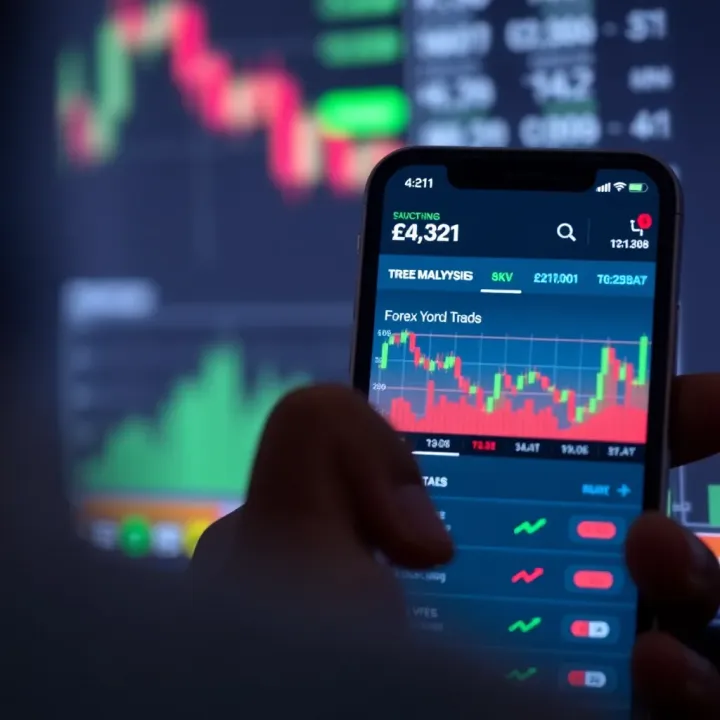
📈 Discover how to choose the best forex trading app for Nigerian traders, exploring key features, security tips, top picks, and strategies for success.
Based on 13 reviews