
Choosing the Best Forex Trading Site in Nigeria
Find the best forex trading site in Nigeria! Learn how to pick platforms by checking reliability, costs, regulation, and useful features 💹💰📊
Edited By
Ethan Clarke
Choosing the right app for forex trading in Nigeria isn't just about picking the flashiest platform with the most charts. It’s about finding an app that fits your specific needs, offers robust security, and plays well with local market conditions. With so many options available, it can feel like searching for a needle in a haystack.
Forex trading is no longer confined to big financial institutions; it's now at the fingertips of everyday Nigerians thanks to mobile apps. But this convenience comes with its own set of challenges—like dealing with unreliable platforms or hidden fees.
This article digs into what features matter most for Nigerian traders, highlights the popular apps tailored for Nigeria's forex market, and offers practical advice to keep your trades safe and profitable. Whether you're just starting out or looking to switch to a better platform, you'll find clear guidance to make an informed choice.
Making the right choice in a forex trading app can save you headaches later, both financially and in terms of security.
Understanding what makes an app reliable and user-friendly in the Nigerian context will help you stay ahead and avoid common pitfalls.
Diving into forex trading without a firm grasp on its basics is like trying to navigate Lagos traffic without knowing the roads. Knowing how forex works sets a trader up for smoother decisions and better outcomes. It's especially vital in Nigeria, where traders face unique hurdles like currency restrictions and fluctuating regulations. Understanding the core concepts ensures you don't get caught off guard.
Forex trading involves buying and selling currencies with the goal of making a profit from shifts in exchange rates. Before jumping into apps and charts, understanding what really moves the currency markets can save traders from costly mistakes.
Forex, short for foreign exchange, is a global market where currencies are traded 24 hours a day, five days a week. It's the largest financial market — way bigger than stocks or commodities — with trillions of dollars changing hands daily. For instance, a Nigerian trader might buy USD against NGN hoping the Naira will weaken, allowing them to sell back at a profit.
The market operates through currency pairs — one currency against another — like EUR/USD or USD/NGN. Traders speculate on whether one will gain or lose value relative to the other. Unlike buying stocks, you don’t own anything physical. Instead, you're essentially betting on the relative value of two economies.
Forex is driven by multiple factors: economic indicators, central bank policies, political events, and even natural disasters. For example, when Nigeria's central bank changes interest rates, it can send the NGN fluctuating, creating opportunities or risks for currency traders.
Knowing these basics isn’t just theoretical — it’s the foundation for understanding market movements and using trading apps effectively.
Mobile trading apps have made forex accessible even in places like Nigeria, where desktop trading setups may not be feasible for many. With just a smartphone and internet connection, you can open, monitor, and close trades anytime, anywhere.
Apps connect directly to forex brokers, showing live price feeds and charts. Features like one-click trading, push notifications, and built-in analysis tools help traders react to market shifts quickly. For example, using MetaTrader 4 on your phone, you can set stop-loss orders to protect your investments automatically without being glued to your screen.
However, success on mobile requires understanding app nuances: how to read charts on smaller screens, set alerts correctly, or manage multiple orders under unstable internet conditions. Imagine being on the road from Abuja to Kaduna and needing to act fast during market volatility — knowing your app’s functions inside out is a lifesaver.
In Nigeria, network issues and data costs can slow down trades or cause delays. Choosing apps optimized for low bandwidth, like IG Trading App which offers data-saving features, can make a big difference.
Overall, mobile platforms are game-changers, but only when paired with solid forex basics and knowledge of your app’s strengths and limitations.
Choosing a forex trading app in Nigeria isn’t just about picking the flashiest one. It’s about finding an app that matches your trading needs, style, and the local market conditions. The right app should offer more than just basic functions; it has to be reliable, fast, and well-suited for navigating the forex waters smoothly. Below, we’ll break down the core features that every trader should weigh before making a choice.
A slick user interface and user-friendly design aren’t just nice perks—they can be make-or-break factors, especially for those new to forex trading. You want an app that feels intuitive, where everything from placing orders to reading charts is straightforward. For instance, MetaTrader 4 is well-known for its clean layout that doesn’t overwhelm beginners but still provides powerful tools for experienced traders. The ability to customize the dashboard to your liking can also help you stay focused and act fast when the market shifts.
Not all apps list the same currencies, and this can impact your trading options. A good forex app should offer a broad selection of currency pairs, including major, minor, and exotic pairs. This variety gives Nigerian traders the flexibility to explore different markets, hedge risks, or capitalize on specific opportunities. For example, if you’re interested in currencies like the US Dollar, Euro, or even the South African Rand, you should confirm those are available before signing up.
Forex trading is fast-paced, and having access to real-time updates is vital. Apps that provide live quotes, candlestick charts, and technical indicators allow you to make quick, informed decisions. Imagine you’re following the Naira’s reaction to Central Bank policy changes; instant market data helps you respond promptly. In addition, some apps like IG offer built-in analysis tools and news feeds that can save time searching elsewhere.
Trading isn’t just about making a trade but making the right trade at the right moment. Look for apps that support various order types—market, limit, stop loss, and take profit orders, among others—to give you control over your strategy. Execution speed is also a big deal; slow order processing can lead to slippage and unexpected losses. Apps with low latency and quick order confirmation, such as Plus500, tend to be favored for this reason.
Finally, practical matters like funding your account and cashing out shouldn’t be a headache. The best apps support deposit and withdrawal methods that are convenient for Nigerian users—think bank transfers, debit cards, and even mobile wallets like Paga. Fees? They can quietly eat into your profits, so transparency is key. Check if the app charges commissions, withdrawal fees, or any hidden costs. For example, eToro provides commission-free trading but charges withdrawal fees, which might catch some off guard.
Picking the right forex app demands a good balance between functionality, speed, and cost. The features above form a solid starting point, helping traders avoid common pitfalls and trade with confidence in Nigeria's unique market.

Choosing the right forex trading app can feel like finding a needle in a haystack, especially with the number of options out there. Nigerian traders aren't just looking for flashy features; they need reliability, ease of access, and tools that suit the local market conditions. This section highlights some of the most widely used forex trading apps available to Nigerians, focusing on what makes them stand out and how they can fit different trading styles.
MetaTrader 4 (MT4) and MetaTrader 5 (MT5) are the veterans in the forex trading space, known for their robust functionality and user-friendly design. MT4 is favored for its simplicity and wide broker support, making it easier for beginners to get started. MT5, on the other hand, offers more advanced features including additional timeframes, more order types, and an economic calendar integrated right into the platform.
Both platforms support automated trading through Expert Advisors (EAs), which can be a game changer for those who prefer algo-trading or want to test strategies without constant screen time. For Nigerian traders, MT4 and MT5 allow trading in multiple currencies and provide extensive charting tools to analyze market trends. The platforms also include options for demo accounts, which is perfect for practicing before putting real money on the line.
IG’s trading app stands out with its intuitive layout and comprehensive market access. Besides forex, IG offers access to stocks, indices, and even cryptocurrencies. This versatility is helpful if you want to diversify beyond forex without juggling multiple apps.
The app provides real-time market data and news which can be crucial for making quick decisions. For Nigerian traders who might face occasional internet hiccups, it’s worth noting IG’s app is optimized to work smoothly even on slower connections. Their customer support and educational resources are also praised, which can be a handy support system as you navigate the market.
Best known for social trading, eToro offers a different angle by allowing you to follow and copy trades from experienced investors. This peer-learning approach can be especially appealing for newcomers or those without time for deep market analysis.
The platform mixes social media elements with trading, making it more engaging. While eToro charges slightly higher spreads compared to some other apps, the advantage lies in its transparency and community insights. For Nigerians, it provides easy deposit options and a clear fee structure, which helps in planning and limits unexpected costs.
Plus500 is often praised for its straightforward interface and low minimum deposit requirement, making it accessible to traders just starting out. Its app covers a wide range of forex pairs and also offers CFDs on commodities and indices.
Execution speed on the Plus500 app is generally reliable, which is crucial when market prices move fast. The app also includes risk management tools such as stop-loss and take-profit orders, helping traders control potential losses. Plus500’s local customer service responsiveness has improved over time, which adds to user confidence in the Nigerian market.
While international platforms dominate, several local Nigerian brokers like FXTM Nigeria and NairaEx have developed apps tailored to the Nigerian market. These apps often address specific local challenges such as naira currency integration, direct bank transfers, and support in local languages.
Local platforms can offer faster withdrawal times and easier customer service compared to offshore options. However, traders should extensively verify the licensing and regulatory status before committing funds. Still, local apps provide an alternative avenue for those who prefer dealing within Nigeria’s financial ecosystem and benefit from localized support.
Picking an app that fits your trading style and local needs can save you headaches and help build confidence as a trader. Testing a few apps through their demo modes is a smart move before going live.
In summary, Nigerian traders have access to a wide range of forex trading apps, each with distinct advantages. From the classic reliability of MetaTrader 4 and 5, to the social trading appeal of eToro, or the local flavor of Nigerian brokers’ apps, there’s plenty to choose from. The key is to evaluate personal trading goals, ease of use, and the specific features that make trading smoother in Nigeria’s unique context.
When it comes to forex trading apps, security isn't just a nice-to-have—it's a must. Nigerian traders, like everywhere else, need to know that they’re dealing with platforms that take their safety seriously. Regulatory oversight ensures apps operate on a level playing field, reducing risks like fraud and ensuring fair treatment for traders. Without this backing, users are left vulnerable to dubious practices or even outright scams.
One of the first red flags is whether a forex trading app is licensed by a recognized financial authority. For Nigerian traders, this means looking for brokers regulated by global bodies like the Financial Conduct Authority (FCA) in the UK or the Cyprus Securities and Exchange Commission (CySEC), as well as local regulators like the Securities and Exchange Commission (SEC) Nigeria. This licensing means the broker has met minimum standards in transparency, capital requirements, and customer protection.
For example, MetaTrader platforms offered by brokers regulated by FCA typically have strict compliance checks in place. On the flip side, using an unlicensed app can mean shaky dispute resolution or no guarantee your funds are insured if the broker collapses.
Forex apps deal with sensitive information—bank details, IDs, and transaction histories. Keeping this data out of the wrong hands requires robust security measures. Look for platforms that utilize end-to-end encryption and two-factor authentication (2FA). For instance, IG Trading App allows users to set up 2FA, adding an extra layer against unauthorized logins.
Additionally, apps should be transparent about how your data is stored and used, complying with data protection laws like Nigeria’s Cybercrimes Act and the global GDPR standards. A good rule of thumb: if the app asks for more personal data than necessary or has vague privacy policies, it's a warning sign.
Sadly, scams are fairly common in forex, especially with unscrupulous apps targeting inexperienced traders. Common tricks include fake apps mimicking popular platforms, promising guaranteed returns, or pressure tactics urging you to deposit more money quickly.
To avoid falling into these traps:
Always download apps from official sources like the Google Play Store or Apple App Store.
Verify the developer and read user reviews carefully.
Beware of apps promising "surefire profits" or no-risk trading—nothing in forex is guaranteed.
Check if the app offers demo accounts; scammers usually skip this feature.
Staying cautious and verifying regulatory credentials before committing funds is the best safeguard against getting burned in forex trading.
Security and regulation aren’t glamorous topics, but they form the backbone of responsible trading. Don’t overlook these considerations—they’re the difference between losing your investment overnight and trading with peace of mind.
Mastering a forex trading app goes beyond just knowing how to place orders or check charts. It’s about using the tools wisely and building good habits that protect your capital and improve your chances of success. For Nigerian traders, practical tips tailored to local challenges and trading styles make all the difference. In this section, we'll break down key strategies that help you get the most out of any app, ensuring your trading isn’t left to chance or guessing.
Jumping into forex with sky-high expectations usually ends in frustration. Setting realistic trading goals keeps you grounded and focused. For example, instead of aiming to double your capital in a month, target a steady 2-5% monthly return. This mindset helps you assess your progress without emotional stress.
Realistic goals take your skill level, available time, and market conditions into account. If you’re just starting, aim to understand how different currency pairs behave in the Nigerian market environment, or how economic news impacts prices. This approach builds your confidence and helps avoid chasing unrealistic profits that can wipe out your account.
Almost every reputable forex app offers a demo account. Treat this like your training ground. Using a demo account allows you to practice executing trades, test strategies, and get comfortable with the platform’s features—all without risking real naira.
Spend time with demo accounts to understand order types and how leverage affects your trades. For instance, try placing a trade on the EUR/USD pair during volatile hours to see how quick market changes impact your position. When you feel confident in the demo environment, switching to live trading becomes less daunting.
Risk management isn’t just a fancy term—it’s the difference between a long trading career and blowing your account in a day. Reliable forex apps let you set stop-loss and take-profit orders right at the point of placing a trade. These tools automatically close a trade when it reaches a certain loss or gain.
For example, if you buy the USD/NGN pair, you can set a stop loss 2% below your entry price to limit potential losses and a take profit 4% above to lock in gains. This keeps your emotions out of trading decisions and protects your naira from sudden swings.
Forex markets are influenced heavily by economic reports, political events, and central bank announcements. Good trading apps integrate news feeds or alerts so you stay updated without jumping between multiple sources.
In Nigeria, developments such as changes in the Central Bank’s policies or oil price fluctuations can have an outsized effect on the naira and related currency pairs. Stay informed with apps that provide real-time updates and analysis, helping you adjust your trading tactics before the market reacts sharply.
Staying disciplined with these practical tips turns trading from a hit-or-miss bet into a calculated activity. The right mindset combined with effective use of app features can make a real difference, especially in a market as dynamic as forex in Nigeria.
Trading forex from Nigeria comes with its own set of hurdles. From the shaky internet connections to strict banking rules, many traders find themselves battling more than just market swings. Thankfully, the right trading app can ease these struggles, making the process smoother and more manageable.
Reliable internet is the backbone of forex trading, but connectivity can be patchy in many parts of Nigeria. Frequent dropouts or slow speeds can cause frustrating delays, missed trading opportunities, or even worse, failed order executions. To tackle this, forex apps that offer offline modes or can function well on slower networks come in handy. For example, some versions of MetaTrader let users pre-load charts and data, so even with a brief drop in service, you can still analyze trends and plan trades. Additionally, features like push notifications for price alerts keep traders updated without constantly monitoring the screen, which helps when connectivity isn’t stable.
Local currency restrictions and international deposit rules are a thorn in the side for Nigerian traders. Some trading apps accept Nigerian Naira deposits directly, while others require conversions to USD or other currencies. This can drain your account through exchange fees and delays. Apps that provide straightforward currency conversion services and multiple payment methods—like Paystack, Flutterwave, or even bank transfers tailored for Nigerians—ease use. Plus, some platforms have partnerships with local banks or payment processors to speed up deposits and withdrawals. For example, eToro and IG Trading have relatively flexible deposit options including local bank cards which is a plus.
Nigeria's forex market can be pretty volatile due to political changes, inflation shifts, or currency fluctuations like the Naira’s frequent swings. Such ups and downs can eat into profits if not managed carefully. Apps that include built-in risk management tools—stop-loss orders, take profit limits, and real-time chart updates—are lifesavers. They help limit losses automatically and keep your positions in check, even when things get choppy. Using these tools alongside regular market news updates from reliable sources helps Nigerian traders stay one step ahead and avoid nasty surprises.
Keeping these challenges in mind and opting for trading platforms that address them can make a huge difference. Adapting your strategy with apps designed to work well in Nigeria means less hassle and more focus on trading smartly.
Selecting the right forex trading app is more than checking off feature lists; it's about finding the one that aligns with how you trade and your personal needs. Nigerian traders face unique challenges like intermittent internet connectivity and local currency restrictions, so the app you pick should help smooth those hurdles, not add to them.
An app that suits your trading style boosts confidence and efficiency. For instance, if you prefer short-term trades, quick order execution and customizable alerts become your best friends. On the other hand, if you lean toward long-term investing, having robust charting tools and in-depth analysis might matter more. Always remember, no one app fits every trader perfectly.
When you weigh app features, it’s easy to get dazzled by flashy tools or a long list of supported currency pairs. But what really matters is how these features fit you. For example, a beginners’ trader might find MetaTrader 4’s cluttered interface overwhelming, while a seasoned trader could see it as a powerhouse. Meanwhile, an app like eToro, with its social trading capabilities, might tempt those wanting to copy expert moves but might not appeal to traders who rely strictly on technical analysis.
Consider your tech comfort level too. If you’re not too savvy with gadgets, an app with a simple, clear design and intuitive navigation is worth its weight in gold. Also, look at payment options; some platforms don’t support local Nigerian banks for deposits, which can turn into a nightmare when you want to move funds quickly.
Forex markets are constantly changing—what works today may not work tomorrow. It’s important to choose an app that not only provides real-time updates but also lets you adjust your trading strategies on the fly. Apps offering timely news alerts, economic calendars, and push notifications for price movements keep you in the loop without having to sift through heaps of information.
Moreover, as you get more experienced, your trading goals may shift, and so should your app choice. You might start with the simplicity of Plus500 but later need the advanced features of MetaTrader 5. The key is to stay flexible and not get stuck with an app that limits your growth.
Keep in mind: The best forex trading app is one that evolves with you, not the other way around.
In the end, selecting the perfect app means mixing your trading habits, your comfort with technology, and awareness of Nigeria-specific limitations. That way, you’re better prepared to trade smartly and confidently in the fast-moving forex world.
Find the best forex trading site in Nigeria! Learn how to pick platforms by checking reliability, costs, regulation, and useful features 💹💰📊
Explore forex trading in Nigeria 🇳🇬 with insights on markets, regulations, risks, tech, top currency pairs, and tips for beginners to trade smarter.
Explore forex trading in Nigeria 🇳🇬 with practical insights on market basics, strategies, risks, and tips for both new and experienced traders 💹📊
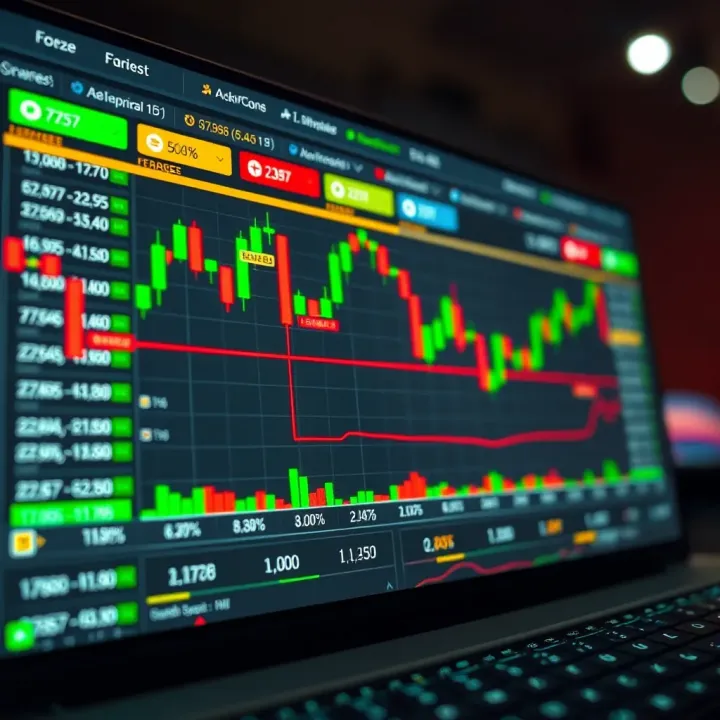
Discover the benefits of forex trading for Nigerian traders 📈. Learn about flexibility, accessibility, leverage, and smart risk control in this dynamic market.
Based on 12 reviews