
How to Choose the Best Crypto Trading App in Nigeria
🔍 Find the best crypto trading app in Nigeria! Explore security, fees, user experience & tips to start smartly while avoiding common mistakes. 📱💡
Edited By
Charlotte Pierce
Picking the right crypto trading app in Nigeria isn't just about clicking the highest ratings or the flashiest ads. The reality is, your choice impacts how safely and efficiently you can trade digital currencies, how much you pay in fees, and whether the app fits your personal trading style. As Nigeria increasingly warms up to cryptocurrency, with more everyday folks jumping into trading and investing, knowing what to look out for when selecting a platform becomes vital.
Whether you're a newbie trying to figure out how to buy Bitcoin without getting ripped off, or a seasoned trader looking to keep fees low and trading speedy, this guide breaks down the essentials. We’ll discuss why security matters more than ever, what fees to watch for, and how usability can make or break your trading experience. Plus, we'll compare some of the most popular crypto trading apps accessible in Nigeria, highlighting both their good points and drawbacks.
It's not just about picking any app—it’s about finding the right one that aligns with your goals, resources, and level of knowledge. After all, trading crypto can be rewarding but also tricky terrain if you aren’t careful. So, let's dive into what you need to know to make an informed choice that won’t cost you dearly down the line.
Getting a solid grip on how crypto trading apps function is essential, especially if you're stepping into Nigeria’s growing cryptocurrency market. These apps aren't just fancy platforms; they’re the doorway to buying, selling, and managing digital currencies like Bitcoin and Ethereum. Knowing their nuts and bolts helps you avoid common pitfalls and actually leverage the tools for smarter trading.
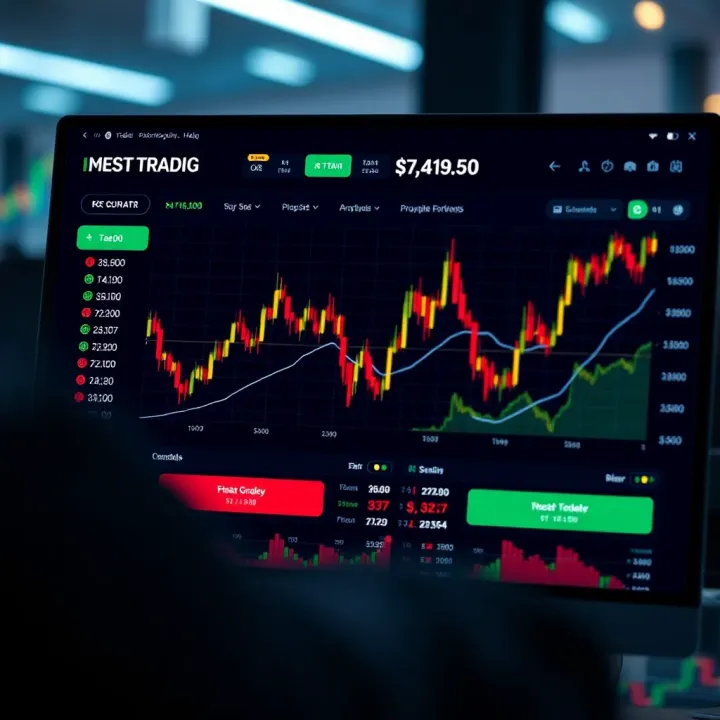
A crypto trading app is basically software designed to let users trade cryptocurrencies right from their phones or computers. Think of it as a digital marketplace tailored for buying and selling coins like Bitcoin, Litecoin, or Ripple. Most apps offer live price charts, order books, and wallets to store your crypto securely. For example, platforms like Binance and Luno provide easy-to-use mobile apps where you can track your investments and execute trades on the fly.
These apps come with different features depending on their target audience. Some focus on quick peer-to-peer trades, while others offer advanced charting tools for experienced investors. But at their core, they facilitate one key purpose: connecting buyers and sellers in a secure environment.
Operating in Nigeria’s market involves a few unique twists. Due to foreign exchange controls and banking restrictions on crypto transactions, many apps rely on local payment methods like bank transfers, mobile money, or even cash deposits through affiliated agents. For instance, Quidax supports Naira deposits via local banks, making it easier for Nigerians to top up their trading accounts.
Another key point is regulatory uncertainty; some traders prefer apps with a strong track record of compliance and customer protection. A quick example is Paxful, which offers peer-to-peer trading and a reputation system to reduce fraud risks.
Many Nigerian traders prefer apps with local currency support and efficient withdrawal processes—this practical aspect can save you time and help avoid unexpected fees.
Understanding these operational details helps you pick an app that fits your needs and navigates local challenges smoothly. It's not just about fancy features but real-world usability in Nigeria's financial landscape.
When diving into crypto trading through an app, it’s not just about picking the flashiest platform. Certain features directly impact your security, ease of use, and overall trading experience—especially in Nigeria, where local conditions and regulations can shape how these apps perform. Knowing what to look for helps cut through the noise and find an app that truly fits your needs.
Strong security isn’t a bonus; it’s a must. Your investments need protection from hackers, scams, or accidental leaks.
Two-factor authentication (2FA) adds a second step to logging in. Instead of just a password, you’ll also provide a code from an app like Google Authenticator or a text message. This extra barrier makes it much tougher for someone to break in, even if your password gets compromised. For example, Binance has a solid 2FA setup, preventing unauthorized access effectively.
Cold storage options mean your crypto is stored offline, away from internet-connected devices. Many platforms use cold wallets to hold the bulk of user funds—this locks assets away from hackers. It’s like keeping valuables in a safe rather than leaving them on the desk. Quidax, for instance, employs cold storage to secure user cryptocurrencies, reducing risk.
Encryption protocols safeguard data in transit and at rest. When you transfer money or personal info, encryption scrambles the messages so outsiders can’t eavesdrop or tamper. Look for apps that use strong encryption standards like AES-256 or TLS. Without it, sensitive info could be vulnerable, putting your trades and funds at risk.
A slick app means little if it feels like trying to solve a puzzle every time you trade. The right app balances power with ease.
Ease of navigation is key. Clear menus, logical layout, and simple order placement prevent frustration. Luno’s app shines here, guiding new users smoothly through buying or selling coins without a steep learning curve.
Trading tools accessibility matters if you're analyzing charts or adjusting orders. Handy features should be right where you expect them, without diving into multiple layers. Quick access to indicators, order types, and portfolio summaries can boost trading efficiency.
Mobile and desktop versions ensure flexibility. Whether you’re checking prices on a bus or working from home, syncing across devices helps maintain control. Look for apps that offer both a responsive web interface and a well-designed mobile app.
Variety matters, especially if you don’t want to stick to just Bitcoin or Ethereum.
Popular coins like BTC, ETH, and USDT are essential. Most platforms cover these, but always double-check to avoid surprises.
Altcoins availability is crucial for those hunting promising projects beyond big names. The more altcoins, the more opportunities—but also watch out for shady tokens with no real backing.
New token inclusion helps traders stay ahead of trends. Some apps list new tokens shortly after launch, offering first-mover advantages. However, this comes with higher risks—so only trade what you thoroughly research.
Fees impact your bottom line more than many assume.
Deposit and withdrawal fees can quietly eat into your profits. Nigerian traders should note how easily local currency (Naira) deposits and withdrawals are handled and at what cost. Avoid apps with hidden or excessive charges.
Trading commission is the fee percentage per trade. Some apps charge flat rates, others tiered commissions. Picking an app with transparent and reasonable commissions helps keep your costs predictable.
Spread is the difference between buy and sell price. A tight spread means less cost for you when entering or exiting positions. In volatile markets, some apps have wider spreads, which can be frustrating and costly.
To sum it up, a good crypto trading app in Nigeria offers solid security, a user-friendly design, a wide range of coins, and reasonable fees. Prioritize features that align with your trading style and comfort with risk—these factors shape your success more than flashy extras.
When it comes to picking a crypto trading app in Nigeria, it’s not just about the flashy interface or a long list of coins. What really matters is how well the app fits your trading style, security needs, and budget. With so many apps out there, it helps to know the top contenders that Nigerians actually use and trust. This section shines a light on the big names, dissecting what makes each one tick.
Binance takes security seriously with strong measures to keep your assets safe. Their two-factor authentication (2FA) pairs with anti-phishing codes to prevent unauthorized logins. Plus, they store the majority of funds in cold wallets, offline and out of hackers’ reach. For Nigerians, this means peace of mind when trading large amounts.
Binance offers more than just buying and selling. It has spot trading, futures contracts, margin trading, and even options—perfect if you want to get creative with strategies. Beginners might find the advanced tools a bit overwhelming initially, but there's plenty of tutorials to guide you.
While Binance’s fees aren’t the cheapest around, they’re reasonable and flexible. The standard trading fee is 0.1%, which can drop if you pay in Binance Coin (BNB). Withdrawal fees vary depending on the cryptocurrency, so it pays to check each time before moving your coins.
Luno’s strong point is its simplicity. The app is straightforward with clean menus, which suits newcomers or those who want to trade without fuss. You won’t find a clutter of confusing charts here, just the essentials.
Luno integrates Nigerian Naira (NGN) seamlessly, letting you deposit and withdraw in your local currency without third-party converters. This cuts down on extra conversion fees and makes the whole process smoother.
They back up their app with standard security like 2FA and cold storage too. Plus, they comply with Nigerian regulations, giving you an added layer of trust.
Quidax stands out by accepting multiple payment channels popular in Nigeria, including bank transfers, cards, and mobile money. This flexibility helps traders avoid bottlenecks when funding or withdrawing.
One thing many users appreciate is Quidax’s responsive customer support. You can reach them through live chat or email, and they often respond quickly, which is a big plus in the fast-moving crypto world.
They cover a decent range of cryptos, from the big names like Bitcoin and Ethereum to smaller altcoins. For folks looking to diversify their portfolio, this variety opens more doors.
Paxful operates mainly as a peer-to-peer (P2P) marketplace, letting Nigerians trade directly with each other. This is great when you want to buy or sell in a more personalized way without going through a big exchange.
One of Paxful’s biggest draws is the sheer number of payment methods accepted. Whether it’s gift cards, bank transfers, or mobile payments, you’ve got options, making it less likely you’ll get stuck without a way to pay.
To keep things above board, Paxful uses a seller and buyer rating system. You can check a trader’s history and feedback before dealing, helping avoid scammers and shady transactions.
Picking the right crypto app means matching their strengths to your needs. Whether you prioritize security, ease, or payment options, these platforms each offer something solid for Nigerian traders.
Picking the right crypto trading app isn’t just a matter of downloading the flashiest platform. It boils down to finding one that fits how you trade and what you want to get out of it. Whether you're fiddling with crypto for the first time or have been riding the waves for a while, your choice influences how smooth and profitable your experience will be. Taking some time to size up your needs, test the waters, and check the support—you’ll save yourself from headaches down the road. Let’s break it down into simple steps.
Not everyone steps into crypto trading with the same skill set or goals. Beginners typically need platforms that offer straightforward interfaces without jargon or complex charts. Apps like Luno shine here, providing guided steps and educating users as they trade. Experienced traders, on the other hand, look for more sophisticated features — real-time charts, advanced order types, and fast execution matter to them. Binance, with its deep liquidity and wide range of trading pairs, suits those who want more control and options.
Knowing where you stand helps you avoid paying for features you won’t use or struggling with overly simple apps that can’t keep up once you grow.
Are you dabbling for fun, investing for the long haul, or aiming for quick trades? Your aim shapes the kind of app you should pick. If you’re holding crypto for months or years, security and easy withdrawal options may be top priorities. But if you're into day trading, fast execution, real-time data, and low fees become crucial.
Take for example someone wanting to build a diverse portfolio steadily—they might prefer Quidax for its variety of coins and straightforward fee structure. Meanwhile, a swing trader might lean on Paxful’s peer-to-peer setups for flexibility and payment options.
Before you put your hard-earned naira into an app, it’s smart to kick the tires with a trial account if available. These allow you to explore the platform’s features without risking real money. It’s one thing to hear that an app is user-friendly; it’s another to actually use it and see if it clicks with how you trade.
Most leading platforms—Binance and Luno among them—offer some form of trial or limited access for beginners. Use these to figure out if navigation feels natural and whether you understand the available tools.
Demo trading is like a flight simulator for crypto traders. This feature lets you practice with virtual funds, turning learning curves into smooth climbs. It’s effective for testing strategies, understanding market moves, and getting comfortable with the interface in a risk-free environment.
This is especially handy if you’re new or trying out an advanced app. For example, Binance’s demo mode offers access to real market data, which helps develop trading instincts without the stress of real losses.
Crypto markets don’t wait, so timely customer support is essential. Imagine having an issue withdrawing your funds or encountering an unexpected error right when the market’s moving fast—delays could cost money.
Look for apps with quick response times. This info often comes from user reviews or support testing—send a query and see how long it takes to get a helpful reply. Apps like Quidax often get points for responsive local support, which can be a real lifesaver.
Having customer service that speaks your language and understands local issues is priceless. Apps with Nigerian-based support or regional contacts can tackle challenges faster and more accurately, from payment method hiccups to regulatory questions.
Platforms such as Luno and Paxful maintain local support teams tailored to Nigerian users, making the process less frustrating than relying solely on generic overseas help desks.
Choosing the right trading app starts from knowing your unique needs, trying out options safely, and making sure support is on standby when things go sideways. This ensures your crypto journey in Nigeria is less about dodgey surprises and more about smart, confident trading.
Crypto trading in Nigeria, while promising, carries its fair share of risks. Understanding these hazards is key to protecting your investments and personal data. Many traders dive right in without recognizing the threats that lurk in poorly vetted apps or insecure trading practices. This section sheds light on common risks encountered in crypto trading apps and offers practical ways to keep your assets safe.
Scam apps typically promise unrealistic returns or use aggressive marketing tactics to lure users. If an app lacks transparency about its team or registration, consider it a huge red flag. Watch out for poor app reviews mentioning withdrawal issues or frozen accounts. Apps that push you to hurry up with investments or deposit more than you planned usually signal trouble. For instance, an app might advertise no fees at all but then delay your withdrawals indefinitely.
Another warning sign is a lack of proper security features like two-factor authentication or encryption. Trustworthy apps don’t randomly request personal details like passwords via email or SMS. A real-world example is when some Nigerian traders reported apps asking for excessive permissions that aren’t necessary for trading, such as access to contacts or SMS.
To minimize risk, always download crypto trading apps from official stores like Google Play Store or Apple App Store, where they undergo verification checks. Avoid sideloading apps from unknown websites, even if they look official. Also, rely on recommendations from known crypto communities or platforms like Binance or Luno, which have established reputations in Nigeria.
Regularly checking the developer’s credentials and updates posted in the app store can help confirm legitimacy. For example, apps regularly updated to fix bugs and improve security signal active developer support, an indicator you can trust.
The foundation of your account security begins with a strong password. Avoid simple combinations like "123456" or your birthdate. Instead, use a mix of uppercase, lowercase, numbers, and special characters. Consider using password managers to create and store complex passwords safely. Strong passwords reduce the risk of your account being hacked in case of data leaks.
Crypto trading apps and your devices need regular updates. These updates patch vulnerabilities that hackers exploit. For example, Binance or Quidax frequently release updates to enhance security. Ignoring these updates is like leaving your door unlocked in a risky neighborhood.
Ensure you also update your mobile operating system. Older software versions might have known security flaws that cybercriminals target. Set your apps and devices to auto-update if possible, so you never miss critical patches.
Using public Wi-Fi to trade cryptocurrencies can expose your data to hackers lurking on the same network. Public hotspots, especially in cafes or airports, often lack adequate security, making it easier for attackers to intercept login credentials or private keys.
If you need to access your crypto app outside, use a trusted virtual private network (VPN) to encrypt your connection. This extra layer shields your data from prying eyes. Alternatively, trade only on secure personal networks where you control access.
Staying alert to these risks and practicing good security habits means your crypto trading experience in Nigeria can be safer and less stressful. Always remember, in the world of crypto, caution is your best friend.
Keeping an eye on future trends in crypto trading apps is essential, especially in a fast-changing market like Nigeria's. The local crypto scene is evolving not just because of new tech but also due to shifts in regulations and user preferences. For traders and investors, understanding these trends offers a leg up when picking an app that won’t just work now but will stay relevant and reliable as the market grows.
Blockchain technology lies at the foundation of crypto trading apps, but its role is expanding beyond just a ledger system. Today, apps in Nigeria are using blockchain to improve transparency and reduce fraud. For example, some platforms now use blockchain to provide tamper-proof records of trades, which builds trust among users wary of scams. This integration means trades are settled faster, reducing the usual delays that come with traditional banking.
In practical terms, when a crypto app uses blockchain in the background, you get clearer proof of ownership and an easier audit trail. This matters a lot if you’re dealing with substantial investments or complex transactions involving multiple cryptos.
Artificial Intelligence (AI) is quietly changing the way people trade cryptocurrencies. In Nigerian apps, AI is being used for everything from predicting market trends based on past data to personalizing the user experience. AI-powered bots can analyze tons of information faster than any person can, spotting opportunities or risks before traders even see them coming.
For example, if you’re a busy investor, AI-driven alerts can notify you instantly if your chosen coin's price suddenly drops or spikes, allowing you to act quickly. Some apps also offer AI-backed portfolio management tools, suggesting rebalances to minimize risks.
Regulations around crypto in Nigeria have been in a bit of a whirl the past couple of years. The Central Bank of Nigeria (CBN) has set various rules that affect how crypto apps operate, from restrictions on bank transactions linked to crypto trading to licensing requirements for exchanges.
Looking forward, traders should keep an eye on:
Upcoming licensing frameworks: These could require all crypto platforms operating in Nigeria to meet stricter standards, which would improve safety for users but might reduce the number of available apps.
Taxation policies: The Nigerian government has hinted at plans to tax crypto gains, so tracking local tax laws helps avoid surprises during filing season.
Consumer protection laws: With fraud concerns rising, expect tighter rules around user data protection and dispute resolution.
Staying updated on these regulatory changes isn’t just about compliance; it helps you pick apps that are less likely to face shutdowns or legal troubles, safeguarding your investments.
By understanding how technology and regulations shape the crypto trading landscape in Nigeria, you can choose an app that keeps pace with both innovation and the law. This approach not only protects your assets but can also give you a smoother and more productive trading experience.
🔍 Find the best crypto trading app in Nigeria! Explore security, fees, user experience & tips to start smartly while avoiding common mistakes. 📱💡

Explore the best crypto trading bots in Nigeria 🤖. Learn how they work, key features, security tips, and how to pick the right one for your trading goals.
🔍 Nigerian crypto traders: Learn how to pick the right trading bot, understand key features, and use automation safely to boost your trading results! 🚀
Looking for the best crypto trading platform in Nigeria? Discover tips, security insights, fees, and user-friendly options to trade confidently today! 💰🇳🇬
Based on 7 reviews