
Best Trading Apps to Make Money in Nigeria
Discover top trading apps in Nigeria 📱 Learn how to pick the best platform for safe investing, key features to watch, and tips to boost your earnings 💰
Edited By
James Whitaker
Trading gift cards has become a popular side hustle and investment option in Nigeria. With smartphone apps now making the process faster and more convenient, choosing the right gift card trading app is a real key to making steady profits and avoiding scams.
In this article, we will break down what makes a top-notch gift card trading app in Nigeria, including aspects like security, fees, user experience, and payout speed. Whether you are a trader looking for a better platform or just curious about how it all works, this guide will provide clear pointers to help you pick an app that fits your needs.
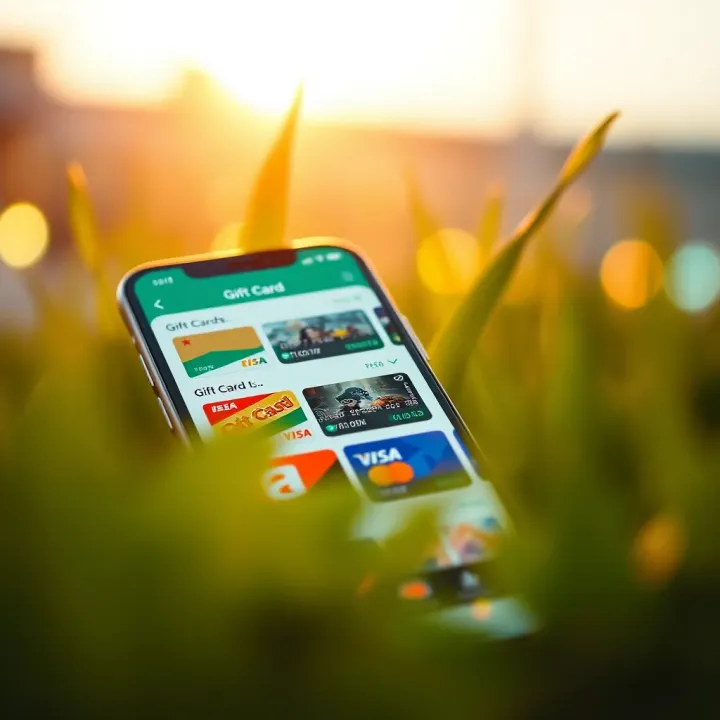
Gift card trading apps are not all the same. While some give you a smooth and safe experience with a broad range of gift card options, others may have hidden fees or risky payout procedures. Understanding these differences will help you trade smarter, keeping your money and data secure.
In Nigeria’s fast-growing digital economy, knowing where and how to trade your gift cards is half the battle won. Getting this right means more profit, less hassle, and peace of mind.
Let's dive into what you should watch out for and which apps stand out in the crowded Nigerian market.
Gift card trading in Nigeria has grown from a niche activity into a common way people swap value. Getting a solid grip on this idea is crucial before deciding which app to trust with your transactions. When you understand the basics, you avoid rookie mistakes that could cost you money or even lead to fraud.
Gift card trading is simply the process of buying, selling, or exchanging gift cards — usually those from popular Nigerian or international retailers — through specialized online platforms or apps. For example, a user might want to sell an Amazon gift card at a discount to get immediate cash, or someone might trade a Netflix card to purchase an Apple Store card. The convenience and flexibility of this kind of trade have made it popular, especially in Nigeria’s growing digital economy.
Gift card trading involves converting gift cards into cash or other gift cards through a trading platform. These platforms act like middlemen, providing the tech and security to help buyers and sellers exchange cards safely. Imagine it's like an online marketplace where you don't buy physical goods but rather the stored value on gift cards.
For example, if you have a ₦10,000 Jumia gift card but would prefer cash, you can sell it on an app for, say, ₦9,000 — a price that reflects the card’s convenience and liquidity. The platform might take a small fee for this facilitation. This trading isn’t just for individuals; some small businesses might convert gift cards to cash rapidly to keep their operations flowing.
Nigeria’s digital economy is booming, yet many people still struggle with banking access or international payment options. Gift card trading offers a relatively easy, low-barrier way to move money online without formal banking.
Another big driver is the rise of e-commerce and digital subscriptions, where gift cards are popular. If someone has a gift card they don’t need, trading lets them convert it into something more useful. Plus, with courses, apps, and gaming platforms flourishing in Nigeria, people often receive cards they never intended to use.
Lastly, the flexibility and speed of getting cash from cards compared to formal bank loans or selling goods traditionally appeals to many. It's like having a wallet inside your phone that anyone can trade at any time, without fuss.
Understanding how gift card trading works and why it has traction makes it easier to pick a trustworthy app — you want security, transparency, and good rates in your trading experience.
This knowledge will set the tone for the rest of the article, helping you make more confident decisions and avoid pitfalls common in Nigeria’s sometimes tricky financial spaces.
When diving into gift card trading, picking the right app isn’t just about popularity or flashy features. It's about what works best for you, ensuring your transactions go smoothly and safely. Several key factors must be weighed carefully, especially in Nigeria where the market can be a bit tricky.
Security should be front and center when choosing a gift card trading app. Imagine sending your hard-earned gift card details into the void only to find out later it's been compromised? That’s a nightmare no one wants. The better apps use encryption protocols to keep your data locked tight. For example, apps like Remitano use two-factor authentication (2FA) to add that extra layer of protection during login and transactions.
Moreover, some platforms offer escrow services where your card value is held safely until the buyer confirms receipt. This reduces risks of fraud for both parties. Always check if the app mentions secure transaction processes and if they comply with Nigerian cybersecurity regulations.
Nobody likes a clunky app, especially when real money is involved. A smooth, intuitive user interface can make the difference between quick trades and frustrating delays. Apps such as Paxful and Binance have interfaces tailored for beginners and pros alike, striking a balance between simplicity and advanced features.
Apps that provide clear navigation, easy card uploading, and straightforward analytics help traders make good decisions swiftly. Pay attention to whether the app supports local languages or currencies, because that makes the experience much more relatable and hassle-free.
Gift card trading apps often charge fees either during buying, selling, or withdrawing money. These can eat into your profit if not checked carefully. For instance, some apps might take a flat fee, while others use a percentage of the transaction value. Comparing platforms like Cardtonic and Sellmygiftcard.com Nigeria can reveal differences that impact your bottom line.
Also, always look out for how favorable the exchange rates are. A 5% difference in rates might seem minor but could mean thousands of Naira lost or gained, depending on the trade size. Keep in mind that apps claiming “no fees” might make money by offering poorer exchange rates instead.
Ever get stuck in the middle of a trade and the app’s support response is slower than a snail’s pace? That’s a big red flag. Efficient customer support saves you headaches and could mean the difference between recovering lost funds or watching them vanish.
Look for apps that offer multiple support channels like live chat, email, and call support. Platforms like GiftCardConnect pride themselves on 24/7 support with quick response times. Before committing, try reaching out to their support with a few questions—see how precise and fast they reply.
When trading gift cards, a reliable app is more than just a platform; it’s your trading partner. Paying attention to security, usability, costs, and support will keep your experience straightforward and protected.
In Nigeria’s lively market for gift card trading, picking the right app isn’t just about convenience—it affects your security, profit margins, and trading speed. With many platforms chasing the crowd, you need to zero in on those that balance reliability with ease of use and offer competitive rates. When apps work well, they simplify selling and buying gift cards, turning a once complicated task into something you can handle with a few taps on your phone.
Having an app tailored to Nigerian traders helps tackle local challenges like network connectivity, payment method variety, and regulations, ensuring smoother transactions. Whether you're a seasoned trader or just starting, these apps can save you time and safeguard your trading capital.
Several apps have become household names among Nigerian users trading gift cards. For example, Paxful has gained traction for its peer-to-peer market and global reach, which means you can connect with buyers or sellers far beyond your immediate circle. Meanwhile, Chipper Cash has introduced gift card trading features alongside their mobile money services, making it a one-stop app for financial needs.
Another strong player is Binance P2P, popular because it ties gift card trades to the vast cryptocurrency ecosystem, allowing for faster fund movements and more options to cash out. Closer to home, platforms like SellGiftCard and Exodus Crypto focus entirely on Nigeria’s unique market environment—offering simplified interfaces, local payment channels, and customer support tuned to the Nigerian context.

When choosing from popular apps, consider how widely used they are among Nigerian traders. Apps with larger active user bases usually mean quicker trades and better price discovery.
Different platforms build their appeal through features tailored to specific user needs. Paxful, for instance, stands out with a strong escrow system, helping buyers and sellers avoid common scam pitfalls. This feature adds a layer of trust many casual traders appreciate.
Chipper Cash integrates gift card trading with straightforward cash transfers and bills payments, meaning you can turn your gift card into usable cash or pay for everyday services without jumping between apps. This integration suits users wanting to keep things simple.
Binance P2P’s edge lies in leveraging cryptocurrency’s speed and borderless nature. Their app lets you trade gift cards quickly and convert to digital assets, a useful option for those keeping an eye on crypto markets or needing to move funds fast.
SellGiftCard and Exodus Crypto shine with their local support teams and payment options that include bank transfers or USSD payments, reflecting Nigeria’s popular banking habits. Their apps often feature educational content, helping newbies navigate their first trades.
In summary, these platforms differ not just in technology but also in how they fit into Nigeria’s financial ecosystem. Understanding these distinctions helps traders pick an app that suits their trading style, risk tolerance, and preferred way to cash out or reload value.
Selecting the best gift card trading app boils down to what you prioritize—whether that’s security, user experience, payment convenience, or access to broader markets. A well-chosen app empowers you to make the most of Nigeria’s growing gift card trade scene with fewer headaches and better returns.
Starting your journey with a gift card trading app might feel a bit tricky at first, but it's actually quite straightforward once you know the ropes. Having a clear process to register and begin trading is essential; it safeguards your investment and ensures smooth transactions. This section breaks down the registration steps and highlights why thorough verification and security checks matter before you make your first move.
Setting up an account is your first step into the gift card trading space. Most Nigerian apps like Bundle, Paxful, or Cardtonic offer simple, user-friendly sign-up processes geared toward getting you trading ASAP.
Download the app from a trusted source like the Google Play Store or Apple App Store; stay clear of third-party sites to avoid malware.
Create an account by supplying your email address or phone number. Expect to create a strong password, combining letters, numbers, and symbols—weak passwords are like unlocked doors for hackers.
Fill in your details carefully—you will usually be asked for your full name, date of birth, and sometimes your Nigerian National ID or international passport number.
Agree to the terms and conditions. This step is important, even if it’s a chore. You need to know the app’s rules and your responsibilities.
Install two-factor authentication (2FA) if available, as an extra layer of security.
An example: On Paxful, after entering your number and email, the app sends a verification code to confirm it's truly you. This prevents bots and scams early on. Without completing these steps, you won’t be able to access trading features.
Verification isn’t just bureaucratic red tape; it’s a critical safety net protecting you and the entire trading community.
Most apps follow a Know Your Customer (KYC) procedure. This means you’ll need to upload:
A valid ID (like your National ID or driver’s license)
A selfie or live photo to match the ID
Sometimes proof of address (utility bill, bank statement)
Verification ensures everyone is who they say they are. For traders in Nigeria, this cuts down fraud and builds trust. Imagine trading with someone who could disappear with your balance overnight—that’s a nightmare you want to avoid.
Security checks go beyond identification. Apps might monitor unusual activity or large transactions and temporarily freeze your account to verify the details if something seems off. This is why keeping your contact details updated matters—so you can respond quickly to these alerts.
Always remember: an app with solid verification steps means it takes your safety seriously. Avoid platforms that skip these, even if they claim to offer lightning-fast trading.
Once registered and verified, you'll have access to buy, sell, and swap gift cards with confidence. You’ve laid down a solid foundation, ready to explore profitable trades without unwanted surprises. It’s a small effort upfront that pays off big in security.
By following these steps carefully, you step into gift card trading well-prepared and with less risk. With a properly registered and verified account, you’re set to take advantage of the dynamic Nigerian gift card market effectively.
Trading gift cards can be a nifty way to earn or save some cash, but the market's littered with risks if you're not careful. It’s not just about finding the best app but also knowing how to handle your trades with caution to avoid slipping up. Safe trading means you protect your resources, your info, and your peace of mind. For instance, imagine transferring a gift card balance only to realize you were scammed because you ignored verifying the buyer's profile—this is why sticking to safe practices matters.
Adopting good habits like double-checking buyer details, using secure apps, and never rushing a trade can save you from a lot of headaches. It’s about making sure every transaction has a safety net, much like wearing a helmet while riding a bike—better safe than sorry. Plus, knowing these practices can help you spot dodgy offers and steer clear before you get burnt. Below, we break down the key advice to trade safely in Nigeria’s gift card market.
Scams often dress up as sweet deals that are too good to be true. For example, you might get an offer to sell your $50 Google Play card for N30,000 when the market rate is closer to N25,000. If it sounds fishy, it usually is. Always steer clear of deals that rush you into decisions or require payments outside the app’s secure platform.
Here’s what to watch for:
Unverified contacts: If the buyer or seller doesn’t have a verified profile on the app, proceed with extreme caution or avoid altogether.
Requests for upfront fees: No legitimate trade should ask you to pay first before confirming the transaction.
Lack of clear terms: If the trade terms are vague or the person avoids answering questions directly, that’s a red flag.
Using apps that have in-built escrow services can protect your funds until the trade is confirmed. For example, apps like Bundle or Paxful offer some level of escrow to protect both parties. Always use the chat or messaging system within the app for communication—never jump to outside channels like WhatsApp immediately.
Separating the wheat from the chaff is crucial. Legit buyers and sellers typically have a few things in common:
Verified accounts: Trusted apps have verification badges or levels. Take time to understand what each verification step means.
Positive reviews and trade history: Look at feedback from other users. A history of completed trades and good reviews is a green light.
Consistent communication: Legitimate users respond promptly and clearly. If someone’s responses are confusing or they avoid direct answers, be suspicious.
Example: On platforms like Cardtonic or TradExpress, you can usually check ratings and trade counts. Buyers with 100+ successful trades and positive feedback are usually more trustworthy than newcomers with zero history.
Besides digital signals, trust your instincts. If a user tries to push you into a trade, gives inconsistent info, or shows signs of impatience, pause and reassess the deal. It’s better to miss a quick sale than lose your gift card entirely.
Remember: No matter the platform, the safest trade is one where both parties feel secure and informed.
By following these best practices, you not only protect yourself but also contribute to a safer trading environment for everyone in Nigeria’s gift card market.
Making the most out of your gift card trading ventures is where the rubber really meets the road. It’s not just about buying low and selling high, but understanding how to navigate the unique Nigerian market to boost gains consistently. Profit maximization involves mastering exchange rates and recognizing when the market swings in your favour, which can turn what seems like small margins into serious profit.
Getting a good exchange rate is like finding a sweet spot where your gift cards are worth more than their face value—it's an art and a science. For starters, always compare rates across multiple platforms like Remitano or Bundle before making a trade. These apps often update their rates quirky fast, and a slight difference can fatten your wallet in the long run.
Another neat trick is building a relationship with trustworthy sellers or buyers. Sometimes, they might offer special deals or discounts to regular customers. Also, keeping an eye on promotions or special ‘happy hour’ deals on platforms such as TiffanyGiftCards can land you better rates.
Keep in mind that the currency exchange market fluctuates due to economic policies or political events. In Nigeria, for instance, a change in the Central Bank policy can shift the naira’s value and affect gift card rates overnight. Knowing this helps you decide when to cash out or hold on for a better rate.
Timing is everything when trading gift cards. Market demand varies throughout the year. For example, during holiday seasons like Christmas or Eid, demand for gift cards spikes, pushing the value up. Selling during these peak times can earn you more than the usual rate.
Conversely, avoiding selling during off-peak periods, when demand is low, can save you a loss. Keep an eye on local market trends and consumer spending habits. Also, tracking the naira’s stability is crucial—sharp currency depreciation usually means better returns from trading gift cards priced in foreign currency.
One practical way to time your trades is setting alerts on platforms for sudden rate changes, or using Nigerian financial news sources to catch early signs of market shifts. Acting fast on these insights separates the casual trader from the savvy one.
Smart traders don’t just react to the market; they anticipate it—often by keeping track of both local economic news and international factors affecting currency values.
By blending these tips—shop around to get the best exchange rate and time your trades to match market highs—you can squeeze more profit from your gift card trading efforts, making it a more rewarding pursuit rather than just a side hustle.
When trading gift cards in Nigeria, understanding the payment methods and withdrawal options is vital. These features not only affect how quickly you can access your funds but also determine the convenience and security of transactions. Choosing an app that supports varied and reliable payment gateways can save you headaches and delays.
Nigerian gift card trading apps typically integrate with popular payment gateways like Paystack, Flutterwave, and Interswitch. These platforms are widely trusted for processing payments efficiently and securely. For example, Paystack allows quick transfers to Nigerian bank accounts, while Flutterwave supports card payments and mobile money wallets like Paga and Quickteller. Interswitch, meanwhile, offers something similar with wide acceptance and ease of use.
Many apps also accept direct bank transfers through Nigeria’s major banks such as GTBank and Zenith Bank. This flexibility can be a lifesaver when the app limits payment options or when you’re trading larger gift cards, as bank transfers often come with lower fees compared to card payments.
Selecting an app that supports multiple payment gateway options lets you pick whichever method suits you best—speed, cost, or convenience wise.
Withdrawal speed is a big deal in gift card trading. No one wants to wait days just to access their earnings. Most Nigerian apps promise withdrawal within 24 hours, but delays can happen, especially over weekends or during public holidays. For instance, platforms like Cardtonic and SellCash Nigeria mostly process withdrawals within a few hours on business days.
It's essential to check for withdrawal limits too. Some apps set a minimum withdrawal threshold, often around ₦1,000 to ₦5,000, which can affect smaller traders looking to cash out frequently. Conversely, upper limits might apply to prevent fraud or manage liquidity.
Always read the fine print about withdrawal policies. Some apps deduct fees ranging from 1% to 3%, and these can add up over time. Knowing these details upfront lets you strategize your trades better without surprises.
In sum, when picking a gift card trading app, prioritize those offering diverse, secure payment gateways alongside transparent withdrawal processes that suit your trading style and frequency.
When diving into gift card trading in Nigeria, it's normal to have a bunch of questions swirling around. These FAQs serve as a quick way to clear up common concerns and provide guidance on tricky situations. Whether you are a newbie or someone who's traded gift cards a couple of times already, this section helps by breaking down complex stuff into bite-sized answers. It'll get you thinking about the right things and avoid common pitfalls.
One of the first worries traders have is about the legality of gift card trading in Nigeria. The short answer is, yes, it is legal, but with some important caveats. Gift card trading is allowed as long as it's done transparently and without fraud. The government doesn't specifically regulate all aspects, but general laws against scams and money laundering do apply.
For example, if you buy a gift card and resell it at a fair market price, you're operating within the law. However, if someone tries to pass off fake or stolen cards, that breaks the law and can land the trader in trouble. It's a good idea to stick with reputable platforms like IgrejaTrade or CardCash NG, which have security checks and verify users to minimize fraud.
Always remember: legality hinges on honesty and following the platform's terms, so steer clear of quick-money scams that sound too good to be true.
Disputes can happen, especially when dealing with money and digital goods. If you find yourself in a disagreement—say the buyer claims your card didn't work or the platform failed to credit your account—the first step is to check the app’s dispute resolution process. Most reputable gift card trading apps in Nigeria have a dedicated support or dispute team.
Here’s a quick way to handle disputes:
Gather evidence like transaction receipts, screenshots, and chat logs.
Contact the app’s customer support immediately through their official channels.
Explain your case clearly and provide the proof.
Follow up politely but persistently if you don’t hear back right away.
Platforms such as Quidax and Paxful emphasize dispute management to protect users. If the platform doesn’t resolve the issue, you can escalate to consumer protection agencies or even seek legal advice, though that’s usually the last resort.
Many traders wonder if juggling several gift card apps is a smart move. The answer depends on your experience level and goals. Using multiple apps like Cardtonic, Onlinereta.ng, or Amazon NG simultaneously can increase your chances of finding better exchange rates and more buyers, but it also means managing different accounts, each with its own rules and quirks.
For casual traders, sticking to one or two trusted apps might be simpler and less risky. However, seasoned traders often tap into multiple platforms to diversify risks and snag better deals. Just keep track of your balances and remember that apps might have different payment and withdrawal limits.
It's a balancing act: more apps can mean more opportunity, but also higher chances of confusion or missing deadlines for withdrawals.
By understanding these key questions, you’ll have a sturdier grasp on gift card trading in Nigeria and can avoid common stumbles that catch even experienced traders off guard.
Discover top trading apps in Nigeria 📱 Learn how to pick the best platform for safe investing, key features to watch, and tips to boost your earnings 💰
🔍 Discover top gift card trading apps in Nigeria! Learn to pick secure, user-friendly platforms with fast payments & reliable support. Trade smart today!

📱 Discover how to choose the right forex trading app for Nigeria 🇳🇬. Learn key features, security tips, and ways to boost your trading success on mobile.
Discover how to pick the best copy trading app in Nigeria 🇳🇬! Learn key features, risks, and tips to get started confidently in copy trading today.
Based on 13 reviews