

Bearish Reversal Candlestick Patterns Explained
📉 Learn how to spot bearish reversal candlestick patterns and use them alongside other tools to predict downtrends for smarter trading decisions in Nigeria.
Edited By
Isabella Gray
Candlestick patterns form the backbone of technical analysis in trading. They offer rich information about market psychology by visually summarising price action within specific time intervals. Nigerian traders and investors who master reading these patterns stand a better chance of anticipating market moves and making informed decisions.
Candlesticks display four key prices: opening, closing, highest, and lowest within a chosen timeframe, often one day or one hour. The body of the candlestick represents the range between the open and close price, while the wicks (or shadows) extend to the highest and lowest points. When the close is higher than the open, it forms a bullish candle (usually coloured green or white), signalling buying pressure. Conversely, if the close is below the open, it’s a bearish candle (typically red or black), indicating selling pressure.
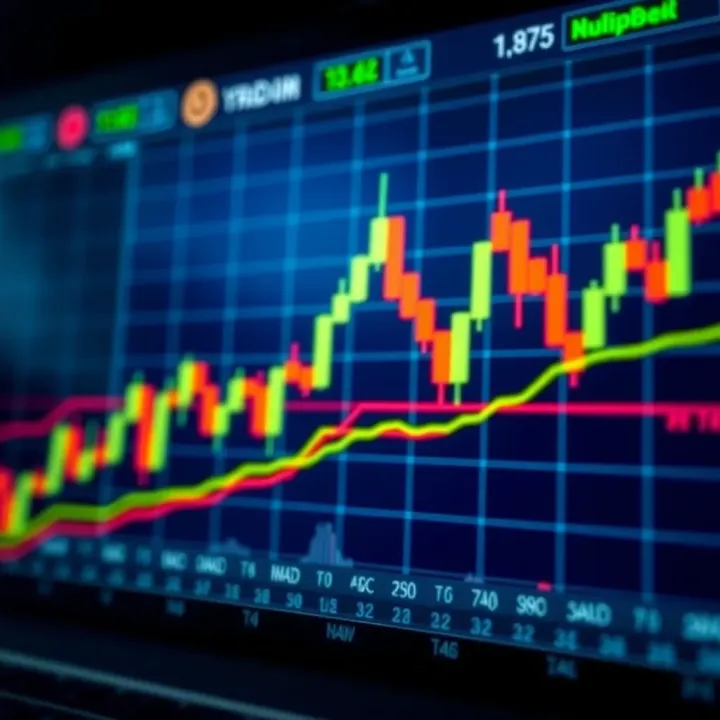
Understanding bullish and bearish candlestick patterns helps traders spot potential reversals or confirm trend continuations. For example, a Bullish Engulfing pattern — where a small bearish candle is followed by a larger bullish candle that completely covers it — suggests a shift from selling to buying momentum. Nigerian investors could use this signal to consider entering or increasing long positions in stocks like MTN or Dangote Cement, especially if supported by good fundamentals.
On the other hand, patterns like the Bearish Harami, where a small bearish candle is engulfed by a preceding larger bullish candle, warn of a possible downward reversal. This can be critical in managing risk, prompting traders to tighten stop-losses or exit positions ahead of price falls, which is key in Nigeria’s volatile stock market influenced by factors such as political developments or forex fluctuations.
Candlestick patterns aren’t foolproof but, combined with volume analysis and market context, they become powerful tools for timing entries and exits.
Some common bullish patterns to watch include:
Bullish Engulfing
Hammer
Morning Star
For bearish signals, traders watch for:
Bearish Engulfing
Shooting Star
Evening Star
Mastering these patterns enables traders to decode market sentiment early and respond swiftly. Nigerian traders who align this with local market factors improve their edge against unpredictability caused by naira volatility, power supply issues, and global commodity price shifts.
In the next sections, we will break down key bullish and bearish candlestick patterns, explain how to spot them confidently, and demonstrate their practical use in trading strategies tailored for the Nigerian market.
Candlestick patterns are an essential tool in technical analysis, especially for traders focusing on price action in financial markets. Understanding these patterns helps traders identify potential market reversals or continuations, thereby giving them an edge in timing entries and exits. In Nigeria’s busy stock markets or the volatile forex scene, spotting these formations can greatly improve decision-making and reduce unnecessary risks.
Candlestick patterns trace their roots to 18th-century Japan, invented by rice traders who needed a visual method to track price movements over time. Today, these patterns remain popular due to their ability to summarise complex price dynamics in an easy-to-read format. Essentially, candlestick patterns combine individual candles to reveal the battle between buyers and sellers.
Each candlestick is made up of key components: the body, the wick (also called shadow), the open, and the close prices within a given timeframe. The body shows the gap between opening and closing prices. When the close is higher than the open, it's a bullish candle (often coloured green or white), signalling buying pressure. Conversely, a close lower than the open produces a bearish candle (commonly red or black), indicating selling pressure. The wicks show the highest and lowest prices during the session, offering clues about market volatility and rejection levels.
Traders rely on candlesticks because they display price movement clearly and quickly, allowing for timely analysis in fast-moving markets. For instance, in Nigerian equities trading, sudden changes in candle shapes after a sustained trend could hint at a possible reversal, helping traders avoid losses or capitalise on new trends.
The fundamental difference between bullish and bearish candlestick patterns lies in the direction of expected price movement. Bullish patterns suggest a likely upward trend or recovery after a dip, signalling buying opportunities. Bearish patterns warn of potential declines or corrections, guiding traders to be cautious or consider selling.
Beyond price direction, these patterns reflect the shifting market psychology — the ongoing tussle between optimism and fear. For example, a bullish engulfing pattern occurs when buyers overpower sellers strongly, showing confidence that pushes prices higher. Conversely, a bearish engulfing reveals sellers taking control, often after buyers have tried to push prices up. Recognising these psychological signals allows traders to anticipate possible market turns rather than reacting late.
Candlestick patterns don't just show prices—they tell the story of the market’s mood and expectations.
With this foundation, traders can better understand how market sentiment impacts price movements and use this knowledge to navigate the Nigerian financial markets more effectively.
Recognising key bullish candlestick patterns is crucial for traders aiming to catch potential upward trends early. These patterns signal shifts in market sentiment, often marking the end of downtrends or a pause in bearish momentum. For investors in Nigerian equities or forex markets, spotting such patterns can inform better entry points and risk management strategies.
Appearance and formation: The hammer looks like a small body at the top of the trading range with a long lower shadow, resembling a nail hammer. The inverted hammer, on the other hand, displays a small body at the bottom with a long upper shadow. Both form after a downtrend, signalling possible bullish reversal. The long wick shows rejection of lower prices as buyers come in forcefully.
Interpretation in price action: When you see a hammer or inverted hammer, it means sellers pushed prices down during the session, but buyers regained control by close. This shift hints at weakening bearish momentum. However, these patterns alone don’t guarantee reversal; they require confirmation through following candles.

Typical market context for bullish reversal: In Nigerian markets, a hammer appearing near a significant support level—say, a historical price floor on an NSE-listed stock—can indicate a strong chance of bounce back. During ember months when volatility is high, these signals gain extra weight if volume increases, suggesting serious buying interest.
Structure and key features: This pattern involves two candles—the first shows a small bearish body; the second, a larger bullish candle that fully covers or "engulfs" the body of the previous one. It depicts a sudden shift where buyers outweigh sellers decisively.
Significance in trend reversal: Bullish engulfing often appears at the bottom of downtrends, signalling a potential trend reversal or strong corrective move. For example, a forex trader dealing in USD/NGN might notice this pattern after a prolonged dip, suggesting naira support is firming up.
How to confirm the pattern: Confirming requires checking next-day movement and trade volume. If the price closes higher with increased volume, it strengthens confidence in the reversal. Combining signals with moving averages or support levels improves reliability, reducing false signals common in volatile Nigerian markets.
Three-candlestick formation explained: The morning star consists of a long bearish candle, followed by a small-bodied candle (star) showing indecision, and then a strong bullish candle closing well into the first candle’s body. This sequence represents a slowing down of selling pressure and growing buyer control.
Why it signals strong bullish sentiment: This pattern shows hesitation from bears with the star, immediately followed by buyers pushing prices upward. It’s a stronger reversal signal than single candles like hammers because it unfolds over multiple sessions, allowing confirmation of momentum change.
Practical examples in Nigerian markets: For instance, around major price supports on shares like Dangote Cement or MTN Nigeria, traders have observed the morning star pattern signalling rallies after corrections. Using this pattern alongside volume spikes and confirmation from other technical indicators like RSI has helped traders make timely decisions in the sometimes choppy Nigerian market.
Recognising and acting on these key bullish candlestick patterns can significantly enhance your trading edge. Always blend these insights with volume data and support-resistance zones to reduce risks and make informed trades in Nigeria’s dynamic markets.
Bearish candlestick patterns signal possible downward price moves, crucial for traders aiming to protect profits or enter short positions. These patterns highlight shifts in market sentiment when sellers gain control over buyers. For Nigerian investors, recognising these signals on equities like Zenith Bank or in forex pairs such as USD/NGN can help anticipate declines early, especially in volatile markets.
Visually, both the shooting star and hanging man feature small bodies with long upper wicks, but their position within a trend separates them. A shooting star appears after an uptrend and suggests the buyers lost strength, as prices rejected higher levels. In contrast, the hanging man forms after a rally as well but often carries more bearish weight when confirmed by subsequent falls.
These patterns hint at possible bearish reversals because the long wick shows failed attempts to push price higher, indicating weakening momentum. The shooting star’s upper shadow reflects rejection at resistance. When the next candles confirm with lower closes, sellers are assumed to be taking charge.
You’ll mostly see these patterns near resistance levels or after extended rallies. For example, in the Nigerian equities market, a shooting star might emerge on a hub like Nigerian Breweries after weeks of gains, signalling profit-taking. In forex, the USD/NGN chart could show a hanging man when the naira strengthens briefly before broad dollar demand returns.
This pattern occurs when a small bullish candle is completely overshadowed by the following large bearish candle on the next day or session. The engulfing candle suggests a strong change in dominance from buyers to sellers, with significant selling pressure wiping out prior gains.
Bearish engulfing often predicts that prices will drop in the short term as sellers overwhelm the market. Traders look for this pattern at tops or after uptrends to time exits or new shorts. In Nigerian markets, this could mean spotting a bearish engulfing in shares like Dangote Cement after consistent upward movement.
Confirming this signal typically involves checking volume spikes during the engulfing candle, along with other indicators such as the Relative Strength Index (RSI) moving below 70 or a moving average crossover signalling weakening momentum. These converging signals strengthen confidence in the predicted downtrend.
The evening star is a three-candle pattern marking a bearish reversal. It starts with a strong bullish candle, followed by a small-bodied candle showing indecision (could be a doji or spinning top), then a large bearish candle closing deep into the first candle’s body. This structure reveals hesitation after a rally, then decisive selling kicks in.
It is a reliable signal because it captures the transition from buying enthusiasm to selling pressure across multiple sessions. For Nigerian traders, spotting an evening star on NGX-listed stocks or forex pairs helps in adjusting positions before prices decline further.
For instance, during a bullish run in MTN Nigeria’s stock price, an evening star might indicate a looming pullback as investors take profits. Similarly, in the USD/NGN forex market, this pattern can appear when naira surges briefly but sellers regain control, prompting a drop.
Recognising and acting on bearish candlestick patterns improves timing and risk control, especially amid the unpredictability of Nigerian markets prone to economic and geopolitical shifts.
Understanding these patterns and their context enables traders to make informed decisions on entries, exits, or hedges. Combining these bear signals with other tools like volume analysis and moving averages further enhances their reliability.
Candlestick patterns offer a sharp window into market behaviour, but their usefulness increases when applied with context, especially in Nigerian markets. Given the country's unique market dynamics—such as liquidity variations and regulatory shifts—traders who combine candlestick signals with other tools can make smarter decisions. For example, during periods of heightened volatility in the Nigerian Stock Exchange (NGX), relying solely on patterns like the bullish engulfing might lead to premature conclusions without further confirmation.
Moving averages smooth out price data to show trends more clearly. When a bullish candlestick pattern appears near a key moving average—say, the 50-day or 200-day—it strengthens the signal’s reliability. For instance, if the price forms a hammer pattern right at the 50-day moving average on shares like GTBank or Dangote Cement, it suggests the support provided by the moving average could hold. Traders often watch for such confluences since moving averages can act as dynamic support or resistance lines, enhancing entry and exit decisions.
Support and resistance levels represent price zones where market participants historically react. A bullish reversal pattern at a strong support level, like ₦250 for a stock consistently bouncing around that price, holds more weight than the pattern alone. For Nigerian markets, where local economic news or policy announcements can trigger sudden shifts, identifying these horizontal price barriers helps confirm the validity of candlestick signals. For example, if a bearish shooting star forms near a well-established resistance around ₦1,000, that could signal a safeguard for profit-taking or short positions.
Volume shows the number of shares or contracts traded, giving clues about the strength behind price moves. When a bullish candlestick appears with higher-than-average volume on a stock like Nestlé Nigeria, it suggests genuine buying interest, giving traders confidence. Conversely, if the volume is low during a bearish engulfing pattern, the signal might be weak or unreliable. Nigerian markets are known for liquidity swings; therefore, volume confirmation is crucial to avoid false alarms caused by thin trading or speculators.
Candlestick patterns can give false signals, especially in choppy or thinly traded markets common during ember months or festive seasons. Noise from random price movements can mimic patterns without real trend change. For example, a hammer pattern on a less liquid penny stock might not lead to a bullish rally but simply reflect irregular trades. Traders should be aware that relying on pattern shapes alone can lead to mistaken entries.
Given the possibility of false signals, sound risk management is non-negotiable. Setting stop-loss orders just below recent support after spotting a bullish reversal reduces potential losses if the pattern fails. Nigerian markets often experience unexpected events—like fuel scarcity affecting business operations—that impact prices abruptly. By managing position sizes and placing protective stops, traders safeguard ₦-value and maintain discipline.
Candlestick patterns provide clues but don't guarantee outcomes. Over-reliance ignores wider market factors like macroeconomic news, company earnings, or political developments in Nigeria. For example, a bullish morning star might fail to perform if government policy affects the sector negatively. Successful traders integrate candlestick analysis with fundamentals and other technical indicators to build a clearer picture and avoid costly mistakes.
Effective trading in Nigerian markets requires a balanced approach, blending candlestick insights with other tools and solid risk management to navigate unique local challenges confidently.
This section rounds up the key points about bullish and bearish candlestick patterns, offering practical advice to tweak your trading strategies effectively. Instead of just theory, it gears you towards real-world usage, especially in Nigeria's dynamic markets. The summary condenses crucial signals and pitfalls, while the tips aim to help you avoid common errors, reduce risks, and make calculated decisions.
Spotting high-probability signals means recognising candlestick formations that reliably forecast market moves. To achieve this, focus on patterns confirmed by supporting factors like volume surges or alignment with trendlines. For example, a bullish engulfing pattern appearing at major support levels in the NGX-listed stocks tends to indicate a more trustworthy reversal than one floating mid-trend. Always watch for confirmation with other indicators before committing.
Timing entries and exits hinges on the ability to read not just the pattern but also its context. Entering a trade right after a confirmed morning star gives a better chance of riding the uptrend early. Conversely, exiting around an evening star protects profit before the market turns down. In Nigeria's markets, where news events, such as CBN policy announcements or election outcomes, can trigger volatility, quick but calculated timing is vital to avoid being caught on the wrong side of price swings.
Adjusting strategies for Nigerian market conditions requires awareness of local realities. Market liquidity can be low outside peak hours, causing erratic candles and false signals. For instance, during ember months, market sentiment shifts strongly, affecting pattern reliability. Traders should also consider currency fluctuations, power outages impacting market accessibility, and local events that may distort price action. Adapting trade size, stop-loss levels, and choosing the right time frames can help navigate these challenges.
Studying live charts is indispensable for refining your pattern recognition skills. Watching Nigerian equities or forex charts during business hours reveals how patterns play out amid local market noise. Interactive platforms like MTN Mobile Money or OPay provide easy access to live data. Observing live candles teaches patience, helps spot fakeouts, and broadens understanding beyond textbook examples.
Demo trading opportunities offer a risk-free environment to apply candlestick insights. Many Nigerian brokerages, including local fintech firms, provide demo accounts simulating NGX and forex markets. Using demo platforms allows you to test how different patterns perform in various market conditions without risking your capital. It also builds muscle memory for executing timely trades based on your analyses.
Continuously updating knowledge is key to staying relevant in fast-changing markets. Follow economic news that affect Nigeria's market sentiments, such as FIRS tax reforms, CBN interest rate shifts, or global oil price movements. Also, engage with financial forums and training sessions to sharpen your skills. This ongoing effort equips you to interpret candlestick patterns more accurately as market forces evolve.
Practical mastery of candlestick patterns comes from combining learnt knowledge with live experience and adapting to the unique tempo of Nigerian markets.
By focusing on practical usage, you increase your chances of turning pattern signals into profitable trades while managing risk effectively.
📉 Learn how to spot bearish reversal candlestick patterns and use them alongside other tools to predict downtrends for smarter trading decisions in Nigeria.
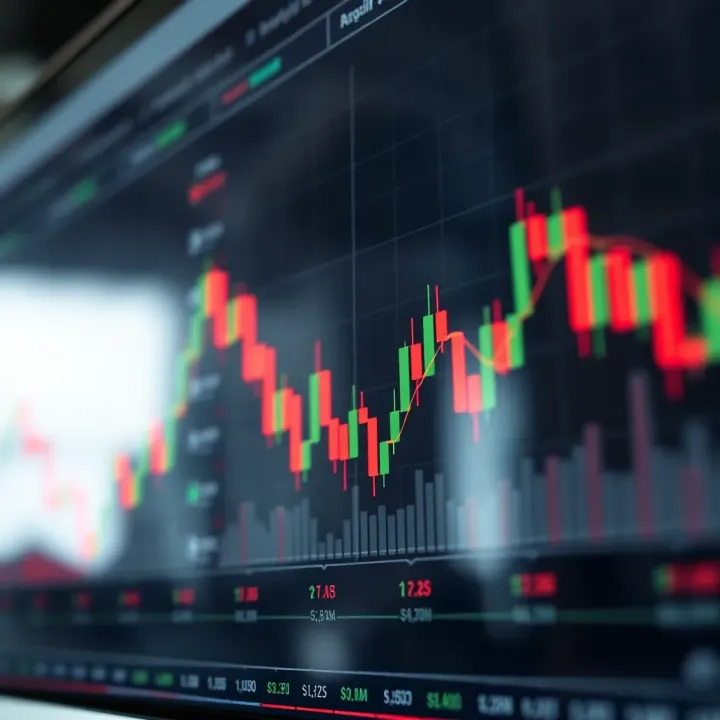
📉 Learn to spot bearish candlestick patterns in trading and improve your market predictions. Get tips on interpretation and combining tools for smarter decisions.
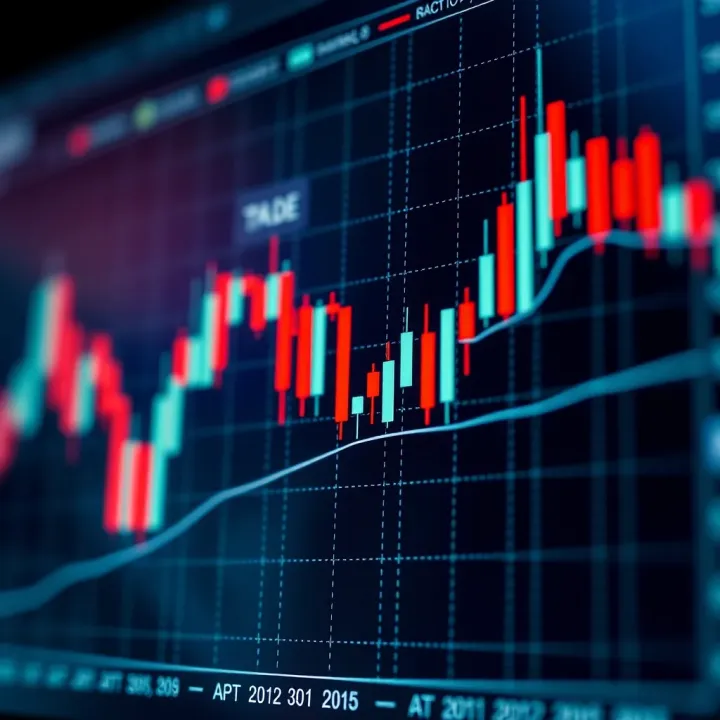
📈 Explore a complete guide to major candlestick patterns in trading! Learn how they form, their market impact, and tips for smarter trading in Nigeria and beyond.
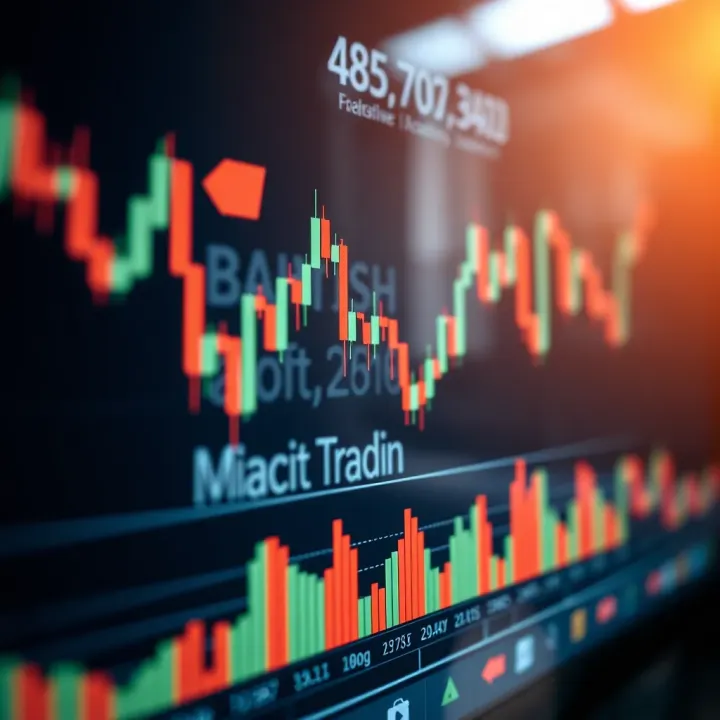
📈 Discover powerful candlestick patterns with our detailed guide—learn how to spot, interpret, and trade them confidently. Includes a handy PDF with 35 key patterns!
Based on 10 reviews