

Best Forex Trading Apps for Beginners in Nigeria
Looking to pick the best forex trading app in Nigeria? 📱 Learn what to watch for, explore top picks, and get tips to trade safely and smartly. 💹
Edited By
Emily Harding
Starting out in the world of trading can feel like stepping into a maze. For many beginners in Nigeria, the challenge isn’t just learning the ropes of the financial markets but also finding a trading app that's friendly enough to navigate. With dozens of apps competing for attention, picking the right one isn’t as straightforward as downloading the most popular or flashiest platform.
In this guide, we'll break down what truly matters for beginners. From the user experience you've got staring at your screen, to the fees that quietly chip away at your returns, security measures that keep your hard-earned money safe, and the features that help you grow your skills without feeling overwhelmed.
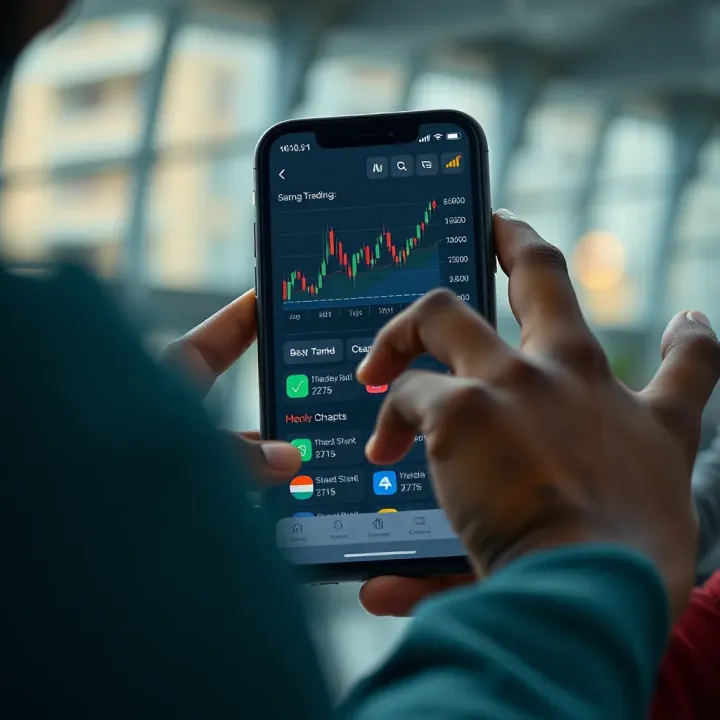
We'll also highlight a handful of trading apps popular among Nigerian users, explaining why they stand out for new traders. By the end, you’ll have a solid grasp of what to look for and practical tips to get you started with confidence. Because making your first trade should be exciting — not a headache.
Remember, a good trading app is more than just a tool; it’s your partner in learning and earning in the markets. Choosing wisely can save you from costly mistakes down the road.
Getting a grip on what a trading app actually does is the first thing a newbie in Nigeria’s trading scene should focus on. It’s like trying to bake a cake without knowing what ingredients go into it. Trading apps simplify how you buy and sell assets like stocks, forex, or even cryptocurrencies right from your smartphone. Knowing what these apps offer means you can pick one that fits your style and reduces your learning curve.
Trading apps aren’t just flashy interfaces—they give you real tools to make trades, track prices, and manage your portfolio without hopping into a physical brokerage office. In Nigeria, where access to financial markets can sometimes feel like jumping through hoops, apps break down barriers and let your fingers do the trading.
Trading apps let you do quite a bit more than just placing buy and sell orders. They allow you to monitor live market prices, track your investments in real time, and execute trades instantly. For instance, platforms like Trove or Bamboo in Nigeria let you invest in both local Nigerian stocks and major U.S. shares directly from your phone.
Additionally, many apps offer tools like price alerts, so you get notified when your favorite stock hits a certain level, helping you react fast in a volatile market. This hands-on control means you can jump on opportunities or cut losses quickly, without waiting for business hours at a traditional broker.
Trading apps open doors to various financial markets that were once tough to access, especially for Nigerians just starting out. You can tap into:
Stock markets: Local exchanges like the Nigerian Stock Exchange (NSE) as well as international markets including the New York Stock Exchange (NYSE) and NASDAQ.
Forex: Currency pairs like USD/NGN are traded 24/5 on many platforms.
Commodities: Certain apps offer trading in commodities like gold, which is a favorite investment in Nigeria.
Cryptocurrencies: Apps such as Binance or Luno provide easy access to Bitcoin, Ethereum, and other cryptocurrencies.
This variety means you’re not stuck with one type of asset—you can diversify your investment portfolio easily with just a few taps.
Most trading apps, especially those catering to beginners, come packed with useful features such as:
Real-time price updates to keep you informed about market conditions.
Order management tools: Place market orders, limit orders, or stop-loss orders to control your trades.
Portfolio tracking to see how your investments perform over time.
Research and news feeds to stay updated with market developments.
Customer support chat for quick help and guidance.
For example, apps like PiggyVest have integrated educational snippets, market news, and easy withdrawal options geared to Nigerian users, making trading less intimidating.
Trading apps put the power in your hands anytime, anywhere. Whether you’re on a short break, commuting, or just chilling at home, you can check the markets and make trades on the go. This level of convenience is game-changing, especially in Nigeria where not everyone can pop into a broker’s office during working hours.
Plus, many apps are optimized for mobile data usage, meaning they work well even with Nigeria’s varying internet speeds—so you won’t be left staring at a frozen screen when the market moves.
Being new to trading can feel like learning a foreign language. Fortunately, many apps come loaded with educational resources—like short videos, articles, quizzes, and webinars—that make understanding markets and investment strategies less scary.
For example, apps like InvestPlus and Bamboo offer tutorials specific to the Nigerian market, helping you grasp concepts relevant to your local context.
These built-in lessons mean you don’t need to hunt for info elsewhere; your trading app doubles as your learning buddy.
In the past, diving into stock or forex trading in Nigeria usually meant a ton of paperwork, minimum deposit requirements, and sometimes hefty fees. Trading apps have sliced those barriers dramatically. You can start with small amounts, sometimes as low as 1000 Naira on platforms like Trove, making investing accessible for people from all financial backgrounds.
Also, with digital verification processes, setting up an account is quicker than waiting days at a brokerage. This ease means more Nigerians can test the waters without risking too much money upfront.
Tip: Always check whether the app you choose is regulated by Nigerian authorities like the Securities and Exchange Commission (SEC) to avoid scams.
In a nutshell, understanding what a trading app does is your first step to becoming a confident trader. These apps level the playing field by giving you tools, access, and knowledge right on your smartphone. Next, we’ll talk about what to look for in these apps so you pick one that fits your trading goals perfectly.
Picking the right trading app means more than just picking one that’s popular or flashy. For beginners in Nigeria, understanding the key features of these apps can save you a lot of headaches and maybe even some cash. Think of it like buying a new phone – you want something easy to use, secure, and fits your specific needs without surprises.
A stripped-down, simple design is a lifesaver, especially if you’re new to trading. Apps like Bamboo and Trove thrive because they keep things straightforward – buttons are easy to find, charts don’t drown you in numbers, and you don’t have to click a dozen times just to place an order. When the interface is clean, you spend less time hunting for features and more time making smart moves.
Not all traders are the same. Some like to check multiple markets at once, others prefer a focus on stocks or forex only. That’s where customizable dashboards help. Apps that let you drag and drop widgets, set up watchlists, and pick your preferred view put you in the driver’s seat. This means you aren’t stuck with a generic layout but can tailor your trading view in a way that fits how you think and trade.
Security is not just a fancy add-on; it’s the heart of keeping your money and info safe. Look for apps that use strong data encryption — this scrambles your data when it's sent between your phone and the app’s servers. Apps with end-to-end encryption make sure nobody can sneak in and snag your details, which is especially important given the rise in cyber-attacks everywhere.
Two-factor authentication (2FA) adds an extra checkpoint when you log in – typically a code sent to your phone or generated by an app like Google Authenticator. It’s a pain sometimes, yes, but it’s worth it. This second layer of security means even if someone gets your password, they still can’t just waltz into your account.
Pick trading apps that follow Nigerian financial regulations or abide by global authorities like the SEC or FCA. Compliance means these platforms are regularly audited and monitored, reducing your risk of falling foul to scams or shady practices. Apps like Chaka and Bamboo often highlight their compliance status, giving users peace of mind.
Some apps promise commission-free trading, which sounds great upfront but always read the fine print. For instance, while you might not pay per trade, there could be fees for withdrawals, forex conversion, or inactivity. On the flip side, apps that charge a small commission might offer better spreads or fewer hidden charges, so sometimes paying a bit upfront saves you money in the long run.
Hidden costs are the sneaky charges most beginners overlook. Watch for things like withdrawal fees, inactivity charges, or even data fees for live market info. For example, an app might say “free trades” but charge you ₦500 each time you want to withdraw your funds. Being aware of these helps you avoid surprises and manage your budget better.
Choosing the right features in your trading app is like picking the best tools for a job—if the hammer’s too heavy or the screwdriver’s too flimsy, you’re not building anything solid. Focus on ease-of-use, strong security, and clear cost structures. These will save you from frustration and protect your investments as you learn the ropes.
When stepping into the trading world in Nigeria, picking an app that fits your needs can feel like trying to find a needle in a haystack. That’s why it pays off to focus on apps that cater specifically to Nigerian beginners. These platforms don’t just offer tools to trade, but also integrate features that make life easier for local users—from supporting Nigerian Naira accounts to having customer service that understands your context.
Trading apps that allow you to hold and trade directly with Nigerian Naira (NGN) remove a big headache for many beginners: currency conversion. When you don’t have to first convert your funds to US Dollars or another currency, you save on conversion fees and avoid fluctuating exchange rates that can eat into your profits. For example, apps like Trove and Bamboo strike a good balance by allowing Nigerians to fund their accounts in Naira, directly linked to local banks or mobile money services.
This local currency support means deposits and withdrawals are smoother and quicker. It also makes it easier to understand your portfolio’s actual value without having to juggle different currencies. Plus, when taxes or regulatory requirements come into play, working in NGN keeps paperwork simpler.
Imagine needing urgent help but talking to a support team three time zones away, speaking a different language, with limited knowledge of Nigerian regulations. That’s no fun when you’re new to trading. Local support teams understand the peculiarities of the Nigerian market—from payment methods to local laws—making problem-solving quicker and less stressful.
Apps like Chaka boast customer support based in Nigeria, reachable via phone, WhatsApp, or email during Nigerian business hours. This local presence means you’re not just a ticket number but a trader who can get practical advice tailored specifically for your circumstances. When trouble strikes, having that reliable, local back-up can make all the difference.
Despite the benefits of Nigerian-centric platforms, many traders choose international apps like eToro, Interactive Brokers, or Binance. These global platforms offer a wider range of assets—like international stocks, forex pairs, commodities, and cryptocurrencies—giving traders more chances to diversify.

International apps often provide advanced charting tools, faster execution speeds, and extensive educational resources which attract users aiming beyond just the Nigerian market. Though it might feel overwhelming at first, some beginners find these features worth the added complexity and effort.
But international platforms come with their own baggage. One common headache is dealing with currency conversions. Since these apps often operate in US Dollars or Euros, Nigerian users have to convert Naira to a foreign currency before funding accounts. This exposes them to conversion fees and fluctuating exchange rates that can chip away at initial capital.
Withdrawals can get thorny, too. Some international platforms don’t support direct Naira payouts. Instead, you might have to send funds to foreign bank accounts or use third-party services, which can introduce delays and extra fees. These challenges highlight the importance of weighing the ease of use against the broader asset offerings.
When choosing between local and international trading apps, Nigerians need to consider factors like currency support, payment convenience, and customer care alongside the variety of assets and advanced features.
Navigating these trade-offs confidently comes down to your trading goals and willingness to handle complexity. Beginners just starting might prefer simpler, Nigeria-focused apps to build confidence. Those ready to explore global markets might accept the extra steps required by international platforms to tap into a wider selection.
In any case, understanding these dynamics helps you pick an app that suits your style without surprises.
Starting out in trading without proper tools and resources can feel like trying to climb a mountain in the dark. For beginners, having access to educational content, practice trading environments, and user-friendly resources can make all the difference between confusion and confidence.
A good trading app doesn't just act as a gateway to buying and selling assets—it should also serve as your tutor and practice ground. These tools help new traders get acquainted with market terms, develop strategies, and understand risks, all before risking their hard-earned cash.
In-app learning materials are often the unsung heroes for new traders. Imagine opening your trading app and instantly finding easy-to-understand guides on how the stock market works or explanations of terms like "stop-loss" and "leverage". Apps like Trove or Bamboo provide bite-sized articles and tips within their platforms, so you don't have to jump between websites.
This kind of content is practical. For example, if you come across an unfamiliar investment term while browsing, just tap on the relevant guide. It turns the app into a learning hub, making education part of the trading process—not an afterthought. This feature also helps build confidence by simplifying complex concepts.
Video tutorials and webinars add another layer to learning. Visual explanations can clarify ideas that words alone sometimes muddle. Apps like Chaka and Rise often host live webinars where experienced traders dissect market trends or share beginner tips. These sessions may be recorded and made available for viewing later, which suits busy schedules.
Such interactive experiences let beginners ask questions in real time or revisit lessons as many times as necessary. Watching an expert explain a trading strategy can spark aha moments that written content sometimes misses.
One of the smartest moves for beginners is to start with risk-free trading environments offered by demo accounts. These accounts simulate real trading but use virtual money, eliminating the stress of losing real cash. Platforms like IG and eToro enable Nigerians to experiment with buy-and-sell orders in real market conditions, which helps grasp how price moves and decisions play out.
The biggest perk? Mistakes here don’t cost a dime. A beginner can learn to set stop-loss orders, experiment with trade sizes, or try timing entry and exit points without financial pressure. This builds muscle memory and trading discipline, crucial for when real money enters the equation.
But to get the most out of demo accounts, you should use them effectively. Treat the practice account like a real one: set goals, plan trades, and reflect on outcomes. Don’t just click around randomly. For instance, try tracking how different strategies do over a simulated week. If certain trades consistently lead to losses, figure out why and tweak your approach.
Also, use demo accounts to get comfortable with the app’s layout and tools. Testing features such as charting, indicators, and order types in a practice setting prevents painful surprises during live trading.
Starting with strong educational resources and risk-free demo trading builds a solid foundation, turning beginners from anxious novices into confident traders.
Together, these tools and resources are like a training wheel for new traders, making the ascent smoother without compromising on learning or experience.
Managing risks is absolutely essential when you're just getting your feet wet in trading. Without a solid grip on what you're risking and how to control those risks, even a small mistake could wipe out your hard-earned cash faster than you can blink. In Nigeria's dynamic market environment, understanding risk management helps you keep losses in check and stick around longer to learn and grow as a trader.
In the world of trading, volatility is a fact of life. Markets can swing wildly on news, economic changes, or even rumors. For a beginner, it’s crucial to recognize that sudden ups and downs are normal, not a sign your strategy is broken. For example, a stock tied to Nigeria’s oil sector might bounce based on global crude prices overnight—this is market volatility at play.
If you expect smooth sailing all the way, you’re setting yourself up for frustration. Realistic expectations mean accepting that you’ll have wins and losses, sometimes larger than anticipated. The key is to look at the bigger picture rather than fixate on day-to-day fluctuations.
Beginners also frequently fall into traps like chasing losses or overtrading when nervous. This is where understanding common beginner mistakes comes into play. One rookie error is investing money that you can’t really afford to lose. Another is neglecting to plan when to exit a trade, leading to holding positions too long in hopes of a comeback. Avoid these by setting clear goals, sticking to them, and never letting emotions dictacte your moves.
Stop-loss orders are one of the simplest yet most effective tools to help manage risk. When you place a stop-loss, you basically tell the trading app to sell your asset if its price drops to a certain level. Think of it as an invisible safety net that kicks in without you needing to monitor the trade constantly. For instance, if you buy shares of a Nigerian bank at ₦100, you might set a stop-loss at ₦90 to limit losses.
But stop-losses aren’t the only safety gear you get. Many apps let you use take-profit orders, which lock in gains when your asset hits a price target you set. Combined, these two help manage both ends of your trade—reducing losses and securing gains.
Other risk-limiting tools include:
Trailing stops: These move with the market price and help protect profits while giving your trade room to grow.
Limit orders: Let you buy or sell only at a set price or better, preventing surprise fills at unfavorable prices.
Position sizing features: These help you calculate how much money to put into a single trade relative to your total account, making sure you don’t overexpose yourself.
Remember, risk management is not about avoiding losses completely—no one can do that. It’s about controlling them so a few bad trades don’t wipe out your entire account. Starting with these tools helps beginners trade smarter and sleep better at night.
When you're starting out in trading, picking the right app shouldn't be a random shot in the dark. Your trading goals shape everything — from how quickly you want to see returns to the types of markets you want to explore. Apps aren't one-size-fits-all; what works for someone focusing on quick trades won't be the best for someone aiming for steady, long-term growth.
Day trading demands apps that react fast and provide real-time data without lag. If you want to make several trades a day, look for platforms with lightning-quick order executions and live streaming charts. Features like one-click trading, advanced technical indicators, and customizable alerts are gold here. For instance, the app "IG Markets" is popular among Nigerian day traders because it offers sharp, real-time price updates and a pretty straightforward interface.
Remember, short-term trading means you need easy access to stop-loss and take-profit orders, so you can limit losses or lock in gains on the fly. Apps lacking these features can leave you exposed, especially when the market swings hard.
If your eyes are set on building wealth over years — maybe decades — then your app choice shifts. These apps typically support features like automatic dividend reinvestment, diversified portfolio tracking, and long-term market analysis tools. They're not fussed about spit-second changes but more about steady growth.
For example, apps like "Chaka" or "Cowrywise" fit this bill for Nigerians aiming to gradually build investment portfolios with Nigerian stocks or ETFs. They offer simpler interfaces and educational resources that help you learn as you invest.
Diversity can be both your friend and your challenge. Some apps cover a wide array — stocks, forex, commodities like gold or oil, and digital currencies like Bitcoin. If you want to dabble in several markets, make sure the app supports them all under one roof.
Take "Binance" — known mainly for crypto, but it also offers forex and commodities in some regions. Or "Investopedia Simulator," great for paper trading a mix of assets before risking real money. Knowing your preferred assets helps narrow down good app choices.
Not all apps list Nigerian stocks or support deposits in Naira, so pay attention to asset availability and currency options. For example, if you want access to the Nigerian Stock Exchange (NSE), platforms like "Meritrade" or "Cowrywise" are good picks since they specialize in local assets and support local currency transactions.
Consider what asset classes you're genuinely interested in and check app reviews to see if they deliver on that front. Apps geared only toward crypto traders won't be of much use if you're set on forex and vice versa.
Picking the right trading app is like choosing the right tool for a job. Align your choice with your trading style and goals to avoid frustration and increase your chances of success.
With these pointers, you can match your trading goals to an app's strengths, making your trading journey smoother and more productive.
Opening your first trading account is a major first step for anyone keen on investing through mobile apps in Nigeria. It’s the gateway to access financial markets, buy and sell assets, and watch your money grow—or sometimes shrink, if you’re not careful. Setting up your account correctly is essential because it sets the tone for your whole trading experience. A smooth setup process means you can start trading quickly and confidently, while a rocky start can discourage you or lead to mistakes.
An example to keep in mind: imagine trying to drive a car without learning the controls or checking the mirrors first. That’s what trading without proper account setup feels like. Taking the time to understand registration requirements and funding options ensures you won’t miss important steps or fall for scams.
When signing up for a trading app in Nigeria, you’ll usually be asked for several pieces of personal info. Typically, you'll provide your full name, date of birth, phone number, and email address. Also, expect to present a valid means of identification like your Nigerian National ID, international passport, or driver's license. Some platforms ask for proof of residence—this could be a recent utility bill or bank statement showing your name and address.
Another common requirement is providing your Tax Identification Number (TIN) to comply with Nigerian tax regulations. This might feel tedious, but it helps protect your account and keeps you on the right side of local laws.
Keeping your documents ready before registration speeds things up. It’s also wise to have digital copies that are clear, legible, and up-to-date.
After you fill out the registration form, Nigerian trading apps usually move on to verifying your identity. This step is crucial to prevent fraud and meet regulations from the Securities and Exchange Commission (SEC) Nigeria. The verification process often includes uploading your ID scans and a selfie to confirm it's really you.
Some platforms also do a "Know Your Customer" (KYC) check: they verify your financial background to ensure legitimacy and reduce risks. For most Nigerian users, this means:
Providing proof of address documents
Confirming your phone number via SMS codes
Sometimes linking your bank account for a small test deposit
Apps like Bamboo and Trove, popular in Nigeria, are known to have straightforward verification processes that don’t drag for weeks. They often notify you via app alerts or emails once your account is fully verified.
Once your account is ready, the next step is funding it so you can make trades. In Nigeria, the most common funding options are direct bank transfers and mobile money payments. Many trading apps now support seamless Nigerian Naira deposits using platforms like GTBank, Zenith, Access Bank, and mobile wallets such as Paga and Opay.
Bank transfers are usually straightforward: link your account to the trading app and send money directly. Mobile money is slightly quicker for some; you can fund your account using your phone, paying directly from your wallet app.
An important tip: always double-check the account details before making transfers, especially when using new platforms. Errors here can mean losing funds or delays.
Unfortunately, the Nigerian online space has seen its fair share of scams, and trading apps are no exception. Always use apps that are registered and regulated by Nigeria's SEC or other legitimate financial authorities. Check for user reviews, customer service responsiveness, and whether a platform requires extensive upfront deposits or asks for personal info beyond normal security measures.
Watch out for red flags like promises of guaranteed returns or pressure to invest unusually high amounts quickly. Most reputable trading apps offer reasonable minimum deposit requirements and are transparent about fees.
Pro tip: Before funding a big sum, try a small amount first to see how the deposit and withdrawal processes work on the app. This can save you headache if something feels off.
Taking the time to register properly, verify your identity, and fund your account safely forms the bedrock of your trading journey. It ensures you trade on a secure foundation, avoiding potholes like fraud or account suspension down the road.
Trading on mobile apps can be a game of quick decisions and fast reactions. But before rushing to buy or sell, it’s important to keep some practical habits in check to avoid unnecessary mistakes—especially for beginners in Nigeria where market volatility can be a real challenge. By following tested tips, you improve your chances of staying on top of your trades while avoiding common pitfalls.
Keeping your trading app up-to-date is more than a routine hassle; it's a key part of protecting your investments. Updates often patch security vulnerabilities that hackers could exploit, which is especially important given the sensitive financial details involved. For instance, if you’re using the Bamboo app or Trove, failing to update can leave you open to breaches. Moreover, updates fix bugs and improve app performance, making sure that charts load faster, order placements execute smoothly, and overall user experience stays top-notch.
In practical terms, a delayed update could mean slower data refresh rates, which can hurt trading decisions based on real-time information. So, make it a habit to enable automatic updates or check your app store regularly. This small step ensures you’re not caught off-guard by outdated software right when the market shifts.
Staying aware of your trading results is more than just a numbers game—it's how you learn and improve. Most trading apps include analytics tools and reports that break down your portfolio’s performance. For example, using the Kite by Zerodha app, you can view detailed transaction histories and profit/loss summaries which give you insights into how your trades are faring over days, weeks, or months.
These reports help you answer questions like: Are you consistently making gains? Which stocks or assets are underperforming? Regular reviews allow you to avoid burying your head in the sand and instead face your trading reality head-on.
Once you see how your investments perform, it’s time to tweak your approach. Say you notice a pattern where short-term trades frequently result in losses, but long-term holds yield steady profits. This insight nudges you to rethink your trading style, maybe shifting focus towards investments that match your patience and risk tolerance.
If you catch a particular sector dragging down your portfolio, you can decide to reduce exposure or diversify more. The key is to act on what your data tells you rather than sticking stubbornly to a plan. In mobile apps like Chaka or Trove, you can set up alerts for when stocks hit certain prices, helping you cut losses quickly or lock in profits.
Keeping tabs on your performance and adjusting your strategy isn’t just smart practice—it’s what separates casual dabblers from serious traders. It might take some discipline, but this ongoing feedback loop can save you from costly mistakes and guide you toward better returns.
By implementing these practical steps—maintaining updated software and regularly reviewing your trades—you build a strong foundation for successful trading using mobile apps, tailored to handle the dynamics unique to the Nigerian market.
When it comes to trading apps, customer support and community features aren't just bells and whistles—they're the backbone that can make or break a beginner's experience. Especially in Nigeria, where digital literacy varies widely and the financial landscape can feel unpredictable, having prompt help and a solid community to lean on gives newbies the confidence to step in and stick around.
Being able to reach out and get help when something goes awry is huge. A responsive support team means faster resolutions—whether it's clarifying a confusing fee, sorting out a withdrawal issue, or handling account verification glitches. For example, apps like Trove and Bamboo offer live chat support, which many Nigerian users appreciate because it cuts down waiting time compared to email tickets.
A good support service will:
Provide clear, straightforward answers without jargon
Be available during Nigerian trading hours
Offer multiple channels (chat, phone, email)
This helps to reduce user frustration and builds trust—something crucial when your money is involved.
Trading can be a lonely road but having a community within the app can change that. Forums or chat groups let beginners hear from seasoned traders about market trends, app tricks, or even just vent on a rough trading day. For instance, the community in the Bamboo app frequently shares insights about Nigerian stocks listed on the Nigerian Stock Exchange, which helps beginners make more informed choices.
These spaces serve as informal classrooms:
Sharing real-time tips and responses
Reducing mistakes by learning vicariously
Motivating newcomers by success stories or challenges
Local groups are particularly powerful. They address unique challenges Nigerian traders face—like navigating Naira restrictions, or understanding how local economic news might affect stock prices. Some apps have built-in communities or integrate with platforms like Telegram or WhatsApp to make group chats accessible.
An example is Trove, which often promotes local meetups and virtual Q&A sessions with Nigerian traders and experts. These provide a chance to network and exchange ideas in ways global forums just can't match.
Having reliable customer support alongside a strong community network inside your trading app is like having a safety net and a cheering squad rolled into one. Together, they empower beginners to trade smarter and stay confident.
In short, when picking a trading app, don’t overlook how the platform supports you beyond just the software. Responsive help and a vibrant user base can be the difference between fumbling in the dark and trading with your eyes wide open.
Starting out as a new trader can feel like stepping into a wild jungle. It's not just about picking the right stocks or currencies; you also have to deal with the ups and downs of the market and your own emotions, which can be tough. This is where trading apps come to the rescue. They aren’t just tools for buying or selling; they're designed to help you navigate common pitfalls beginners encounter. From managing sudden market swings to keeping your decisions cool-headed, modern apps provide practical solutions that ease the learning curve. You’ll find that using these apps effectively can prevent costly mistakes and keep you on track toward your financial goals.
One of the biggest hurdles for new traders is dealing with the constant changes in market prices. Stocks can drop one minute and spike the next, which can make anyone's head spin. Trading apps tackle this challenge mainly through alerts and notifications. These real-time signals let you know when a stock hits a certain price or when there's a significant market event, so you're never caught off guard. For example, an app like Trove will send push notifications when a stock in your portfolio moves sharply, letting you react quickly without having to stare at your screen all day.
Market analysis features built into apps also serve as a helpful compass. Many platforms offer indicators, charts, and news updates directly on the app. Instead of guessing, you can use these tools to understand market trends and make informed decisions. Access to technical charts or summaries of market sentiment cuts down guesswork and can show you when it might be smarter to hold or sell. This way, the app isn’t just a platform for trades — it’s your trading sidekick, helping you keep your eyes on the big picture and avoid panic moves.
It’s easy to get caught in the throes of emotion when you see markets swing wildly or when you chase quick profits. New traders often fall into the trap of making impulsive decisions — like doubling down on a losing trade or selling too fast out of fear. Thankfully, some trading apps provide tools that help you set clear goals and manage how many trades you make, which acts as a brake on your emotional impulses. For instance, setting daily trade limits or target profit points within the app keeps you disciplined and prevents you from chasing every shiny opportunity.
Another smart feature to look out for is educational prompts about trading psychology. Apps like eToro or Plus500 occasionally pop up tips reminding you about the importance of patience or the risks of overtrading. These little nudges can be surprisingly effective at keeping you grounded when the market feels like a rollercoaster. By learning about your emotional triggers and having reminders baked into the app, you become better equipped to think logically rather than letting fear or greed rule your decisions.
Staying calm and informed is half the battle in trading. Using apps that combine smart alerts, solid market info, and emotional checks can make your trading journey steadier and more profitable.
Overall, the challenges new traders face aren’t small, but with the right app, you get a toolkit designed to keep you steady and smart. The mix of timely alerts, thorough analytics, and psychological coaching within your trading software can be the difference between losing your shirt and building lasting wealth.
Keeping an eye on future trends isn't just about staying hip—it's about understanding where the tools you rely on for trading are headed, especially in a market as dynamic as Nigeria's. Trading apps here are evolving fast, adapting to local needs while offering features that were unimaginable a few years ago. For beginner traders, knowing these trends gives a leg up by highlighting what tools will make trading easier, safer, and more profitable in the near future.
One of the biggest hurdles many Nigerians face when trading on apps is the hassle of moving money in and out quickly and without jaw-dropping fees. The good news? Trading apps are stepping up their game by integrating better with Nigerian payment systems like Flutterwave, Paystack, and local banks. This means you can expect smoother deposits and withdrawals directly in Nigerian Naira without painful currency conversion steps or long waiting times.
Imagine using an app like Trove that now supports funding accounts from Nigerian bank cards or mobile wallets almost instantly. This reduces your chance of missing market opportunities just because your money is stuck somewhere. Plus, better integration means less fear of scams, as these payment partnerships often add layers of security with local verification standards.
Faster and safer payment options aren’t just convenient—they encourage consistent trading by removing barriers that can discourage beginners.
Trading can feel like a puzzle when you start out, but some apps are making it more like a group activity with social trading and mentorship features. Copy trading, for instance, allows newbies to mimic trades made by experienced investors directly through the app—think of it as having an expert guide honing your skills, without the usual jargon.
Platforms like eToro and ZFX are introducing enhanced versions of these features tailored to Nigerian users, including local trading mentors and group chats. This social aspect helps beginners learn faster and avoid blunders by seeing what others do in real time. Plus, many apps are building out better educational content right inside their interface—videos, quizzes, and live webinars tailored for the Nigerian market.
This trend is not just about making trading easier—it’s about building a community of traders who can support one another, share tips, and grow skills together.
Educational and social features inside trading apps are turning solo trading into a social learning experience, boosting beginners’ confidence and reducing costly mistakes.
Looking to pick the best forex trading app in Nigeria? 📱 Learn what to watch for, explore top picks, and get tips to trade safely and smartly. 💹

Discover the best stock trading apps for beginners in Nigeria 📱 Explore features, costs, security, and tips to start trading confidently and smartly 🇳🇬📈

Discover top trading apps in Nigeria 📱 Learn how to pick the best platform for safe investing, key features to watch, and tips to boost your earnings 💰

📱 Discover the best trading apps in Nigeria for beginners! Learn about user-friendly platforms, low fees, strong security, and smart risk tips to start trading right.
Based on 7 reviews