
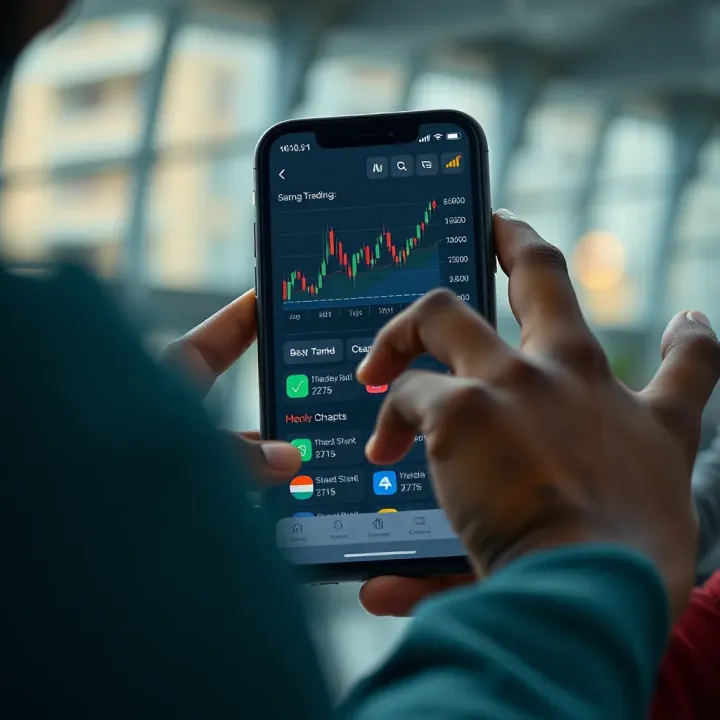
Best Trading Apps for Beginners in Nigeria
📱 New to trading in Nigeria? Find the best beginner-friendly apps with low fees, strong security, easy features, and tips for a smooth start to investing.
Edited By
Chloe Harrison
Starting out in trading can feel like stepping into a busy market in Lagos—lots of noise, many options, and a bit overwhelming. For beginners in Nigeria, choosing the right trading app is like finding that one trusted vendor who helps you navigate the market confidently. This guide focuses on apps that fit newcomers' needs by balancing ease of use, security, and affordable fees.
Trading apps have become essential tools, especially in Nigeria, where the rise of mobile internet has opened doors for many to access stocks, forex, and crypto markets. But not all apps are created equal. Some offer solid educational resources, while others prioritize low transaction costs or robust security features.
Here, we'll break down key points like how to pick a beginner-friendly app, the importance of regulatory compliance by bodies such as the Nigerian Securities and Exchange Commission (SEC), fee structures, and helpful tips to start trading wisely without burning your cash. Whether you're just clutching your first Naira to invest or looking to sharpen your approach, understanding the apps at your fingertips is crucial.
Trading isn't just about jumping in; it’s about choosing tools that guide you steadily. The right app can make all the difference for beginners.
Next, we'll look at what factors matter most when selecting these platforms and how Nigerian traders can benefit from them.
Trading in Nigeria has been steadily gaining traction, especially among beginners eager to grow their money outside traditional savings. Before diving into the nitty-gritty of trading apps, it’s important to understand the broader context of trading locally. This section lays down the landscape, helping new traders grasp why it’s both exciting and challenging to start trading here.
Trading isn't just about buying and selling stocks or forex; it's about navigating the local market’s quirks, regulations, and emerging opportunities. For instance, the Nigerian Stock Exchange (NSE) has become more accessible through online platforms, allowing everyday folks to participate with something as little as a few thousand naira. Yet, the real advantage lies in recognizing how apps can simplify or amplify these chances.
The Nigerian trading market is buzzing with change. Digital platforms have lowered barriers, making trading accessible far beyond Lagos or Abuja. Take for example apps like Risevest or Chaka, which offer Nigerian users access not only to local stocks but also to global assets with ease. This trend shows that Nigeria is no longer just a frontier market but a growing hub connected to global finance.
There’s also a rising interest in cryptocurrencies among Nigerians, driven by youth tech-savviness and the search for alternative investments amid inflation worries. While crypto isn’t officially regulated yet, its popularity highlights how Nigerians are seeking diverse ways to build wealth.
Moreover, with the Central Bank of Nigeria tightening foreign exchange controls, some traders are pivoting towards decentralized financial products or shaded assets unavailable through traditional banking. So, being aware of which assets are trending and which markets have smoother entry points is vital for new traders.
Trading brings golden chances but also bumps on the road, especially for newbies. On the bright side, Nigerians now have a variety of user-friendly apps to choose from, offering low minimum deposits and compelling educational tools tailored to beginners. This means someone with just a smartphone and a few thousand naira can start investing.
Another opportunity is the growing access to global markets. Unlike before, Nigerian traders can now tap into US stocks, commodities, and forex with apps like eToro, expanding their potential profits outside local limits.
However, challenges remain. The volatility of the Nigerian Naira adds an extra layer of risk that isn't always obvious at first glance. Many beginners underestimate how currency fluctuations can erode gains or magnify losses if not properly hedged.
There’s also the risk of scams and unregulated platforms. Given the rapid rise in trading interest, some phishing schemes and unreliable apps pop up regularly. Nigerian traders need to be vigilant about regulation and security before committing funds.
New traders should balance enthusiasm with caution — recognizing opportunities while staying alert to risks is the key to long-term success.
Overall, understanding these trends and realities shapes a beginner’s approach to choosing the right trading app. It’s not just about flashy features but how well the platform fits within Nigeria’s current market environment and individual trading goals.
When you're stepping into the trading world in Nigeria, picking the right app can't be downplayed. Beginners might not be aware but the trading app you choose should be more than just functional – it should be a tool that works with you, not against you. This section zooms in on vital features that can impact your trading experience, from how easy the app is to use, right through to how much it charges you.
Imagine getting on an app where the buttons and menus don’t make sense, and you find yourself poking around blind. That’s a fast way to lose interest and, worse, money. A clean, intuitive interface is crucial. You want an app that feels natural when you first open it, without a steep learning curve. Features like clear charts, simple navigation, and quick trade execution can make a huge difference.
Accessibility means more than just user-friendly design—it's about being able to use the app wherever you are. Does it run smoothly on basic Android phones widely used in Nigeria? Can it handle slow internet connections without freezing? These are top considerations.
Trading isn’t just about stocks or forex anymore, especially in diverse markets like Nigeria. Good apps offer a broad selection of assets. Think of it as a buffet: do you want just one dish or several options? Apps that provide stocks, commodities, indices, cryptocurrencies, and even government bonds allow beginners to test different waters and find what suits their style.
For example, if you’re interested in local companies traded on the Nigerian Stock Exchange as well as international stocks, the app you pick should support both. That extra variety also helps spread risk, crucial for new traders.
Fees can quietly eat your profits if you aren’t careful. It’s simple: lower fees mean you get to keep more of what you earn. But don’t chase low fees blindly; some apps might cut corners affecting other features or security.
Look out for commissions on trades, spreads, withdrawal charges, and inactivity fees. Apps like Trove and Bamboo offer competitive fee structures in Nigeria that beginners often find attractive. Always run your numbers based on your trading frequency and volume before settling on an app.
This one’s non-negotiable. Trading apps should be regulated by authorities like the Nigerian Securities and Exchange Commission (SEC) or recognized international regulators. This offers some protection against fraud or mismanagement.
Security measures are equally important. Think two-factor authentication, encryption, and secure servers. If an app doesn’t emphasize these, steer clear. Your trading account isn’t just money; it’s your financial future.
Trading isn’t a game of luck, especially when you’re starting out. Apps that bundle in educational tools give beginners a fighting chance to understand the market better.
Look for features like interactive tutorials, webinars, or demo accounts where you can practice without risking real cash. Apps such as eToro are well-known for their educational content, which can help demystify trading jargon and strategies.
Choosing the right trading app is about balancing ease of use, cost, security, and learning support. A good app welcomes beginners with open arms, not confusion and fees they don’t understand.
By vetting these key features before you dive in, you set yourself up for a smoother, safer trading journey in Nigeria.
Choosing the right trading app can make or break a beginner's entry into the financial markets. For folks starting out in Nigeria, having a reliable, easy-to-navigate app that blends security with a good user experience is key. These apps serve as the gateway for new traders to learn the ropes, access diverse assets, and trade confidently without getting lost in complexities.
The picks below offer practical benefits like transparent fees, customer-focused support, and regulatory compliance that beginners can trust. Plus, they come with tools to sharpen your skills and access markets both local and international — which is great if you want to test the waters beyond Nigerian stocks.
App A shines for its straightforward design which is perfect for newbies. The dashboard is clean with clearly labeled sections like "Buy," "Sell," and "Portfolio," so users don't have to fiddle around trying to figure out what button does what. For example, someone unfamiliar with trading can place a buy order with just a few taps, avoiding overwhelm.
This ease encourages consistent use and helps build confidence — crucial when starting trading.
When you’re just getting started, every naira counts. App A offers some of the lowest commission rates in the Nigerian market, with zero fees on deposits. That means money you add to your account goes fully into your trades.
They also have a transparent fee schedule, so what you see is what you get — no hidden charges sneaking up after you trade.
Trading can throw curveballs, especially for beginners. App A’s customer support team is available during market hours to guide users by phone, chat, or email. Their reps explain trading terms in everyday language rather than jargon, helping users understand the process rather than feeling lost.
Prompt support can prevent rookie mistakes and ease concerns when a trade doesn't go as expected.
App B takes security seriously and is regulated by the Nigerian Securities Exchange Commission (SEC). This means they follow local legal requirements to keep traders’ data and funds safe.
They also use two-factor authentication and encryption to protect accounts from unauthorized access, giving users peace of mind.
Users on App B can trade a range of assets including stocks on the Nigerian Stock Exchange, foreign stocks like Apple or Tesla, and some cryptocurrencies. This variety lets beginners explore different markets and diversify their investments without juggling multiple platforms.
For example, a user can invest in MTN Nigeria and also buy a fraction of Amazon shares all in the same app.
App B is optimized for mobile with an intuitive interface that works smoothly even on less expensive smartphones common in Nigeria. Features like push notifications for price alerts and easy access to charts help traders make timely decisions wherever they are — no need to sit glued to a PC.
What sets App C apart is its strong focus on education. It offers interactive tutorials and webinars tailored to beginners, breaking down topics like risk management, reading candlestick charts, and setting stop-loss orders.
For instance, a newbie can practice with the demo account first before risking real money, which builds trading skills without financial risk.
Signing up on App C is straightforward and fast with a guided process customized for Nigerian users. It includes support for local ID verification and instant account funding options, so you can start trading within hours, not days.
Their clear instructions reduce hassle, which is a relief for those not too tech-savvy.
App C supports various Nigerian-friendly payment options, including direct bank transfers and popular mobile payment services like Paga and Flutterwave. That flexibility makes depositing and withdrawing funds hassle-free.
This convenience means no chasing around just to move money in or out of your trading account.
Picking the right app isn’t just about bells and whistles; it’s about a tool that fits your needs, feels comfortable, and keeps your money safe while you learn the ropes. The apps above cover a solid spectrum well-suited for beginners in Nigeria’s growing market.
Choosing the right trading app is a step you can’t afford to gloss over, especially as a beginner in Nigeria’s fast-moving market. Your choice shapes how you interact with the market daily — from how smoothly you can execute trades to the level of support you get when things don’t go as planned. It’s not just about flashy designs or big ad campaigns; it's about finding an app that fits your goals, style, and budget. Picking poorly can lead to unnecessary costs, confusion, or missed opportunities.
When you’re looking for a trading app, weigh up crucial factors like fees, asset choices, and security. Think about how comfortable you are with tech — some apps are more user-friendly, while others cater to advanced traders. Don’t forget customer service — trading apps based in Nigeria like Chaka or Trove have local support that can be a lifesaver when you're stuck.
Start by asking yourself what kind of trader you want to be. Are you looking to dip your toes with low-risk investments, or you’re aiming for aggressive trades that might spike profits (and losses) quickly? Your trading style influences what app features would be most beneficial.
For example, if uncertainty makes you nervous, an app offering demo accounts — like Bamboo — allows you to practise without spending real money. But if you’re more into following trends closely, you might want an app with quick trade executions and real-time market data. Clear trading goals help narrow down apps that focus on the assets or markets that matter most to you, whether that’s Nigerian stocks, forex, or international commodities.
Money talks, and nowhere is that more true than when choosing a trading platform. Apps differ widely in fees — some charge per trade, others have monthly subscriptions, and some sneak in hidden costs like withdrawal fees or inactivity charges.
Look for transparency. For instance, if an app like Trove lets you start with as little as ₦5000 and doesn’t charge extra for withdrawing your funds, that’s something to consider if you're budgeting tightly. On the flip side, low fees shouldn’t mean you sacrifice security or functionality. Keep an eye on the minimum deposit requirements as well; if you don’t have enough capital to meet the app's minimal starting point, you’ll be stuck on the sidelines.
Imagine you’re trying to finalize a trade and the app crashes or you spot something fishy in your account. Having quick and reliable customer support can save you from costly mistakes.
Good customer service is more than just an email address or chatbot. Look for apps that provide multiple contact options like phone support, live chat, or even WhatsApp communication. Local support teams familiar with the Nigerian trading environment, like those in Chaka, can address issues faster and provide advice tailored to what you’re facing.
When it comes to choosing a trading app, don’t underestimate the value of solid support. Quick, knowledgeable assistance provides peace of mind and keeps your trading on track, especially when markets move fast or mistakes happen.
In summary, the right trading app should tick the boxes of fitting your personal trading style, being clear on costs, and offering dependable support. Taking the time to assess these points carefully will help you avoid frustration and position yourself for smoother trading experiences.
Starting with a trading app can seem a bit daunting at first, especially if you're new to the trading scene in Nigeria. This section breaks down the essential steps you'll take to get your trading journey rolling smoothly. Getting familiar with the process not only saves time but also helps you avoid common pitfalls, making your trading experience far less stressful. Whether you're signing up for a popular app like Trove, Bamboo, or Chaka, understanding each phase from registration to execution is crucial.
Registering with a trading app is your first real footprint in the trading world. The process generally involves filling out some personal details like your full name, email address, and phone number. Nigerian apps, mindful of local regulations, will also ask for identity verification documents such as a National ID, International Passport, or Driver’s License.
Verification is vital — it protects your account and satisfies legal requirements. Most apps use a quick KYC (Know Your Customer) process where you upload your documents and sometimes take a selfie for facial recognition. For example, Trove takes only a few hours to verify accounts once documents are submitted. Not completing this step promptly can prevent you from making deposits or trades, so it pays to do it as soon as possible.
Once your account is verified, the next step is funding it. Most Nigerian trading apps support various deposit methods like bank transfers, debit cards, and mobile wallets such as Paga or Quickteller, allowing for flexible payment options. For instance, Bamboo accepts deposits from as low as ₦1,000, which is a great entry point for beginners cautious about investing large sums at once.
Be mindful of deposit fees and processing times; some payment methods may incur charges or delays. It's wise to check the app’s fee schedule before making your deposit to avoid surprises. Also, take note if the app offers promotions or bonuses on your first deposit—that could be a nice little boost to your trading power.
Now to the exciting part—placing your first trade! Starting off, it's best to keep it simple. If you’re trading stocks, select well-known companies listed on the Nigerian Stock Exchange, like Dangote Cement or Zenith Bank. Most apps offer a straightforward interface where you can search for the stock, specify the number of units or amount you want to invest, and set parameters like market or limit orders.
Before hitting the buy button, double-check the price, your intended investment amount, and any commission fees displayed. For instance, Chaka clearly outlines these costs as you proceed, ensuring no hidden charges sneak in. Remember, practice makes perfect—using demo accounts if offered can help build confidence without risking actual money.
Taking the time to understand and carefully navigate these basic steps lays a strong foundation for your trading journey. It makes the whole experience less intimidating and more manageable.
From signing up and verifying your identity to funding your account and placing your initial trades, each phase is a stepping stone towards becoming a savvy trader in Nigeria’s growing financial market.
When you're just starting out in trading, it's easy to trip over common pitfalls that can cost you money and shake your confidence. Awareness of these mistakes not only protects your capital but also builds a solid foundation for smarter trading. Let's break down three frequent errors and see how to steer clear.
Jumping into trades without careful thought often leads beginners to overtrade. It's tempting to chase every market move—like trying to catch smoke with bare hands—but this behavior usually chips away at your funds through fees and bad timing. For instance, imagine a new trader reacting to every sudden price spike on an app like eToro or Trove, entering multiple positions without a clear strategy. This can quickly spiral into losses rather than profits.
To avoid this, set clear trading plans with entry and exit points, and stick to them. Practicing patience and using demo accounts to simulate trades before going live helps cultivate discipline. Remember, quality over quantity beats impulsive decisions every time.
It's easy to overlook the small fees that trading apps charge, but those little costs add up fast. Take, for example, apps like Bamboo or Chaka where commissions, withdrawal fees, or currency conversion costs might not be obvious at first glance. A 0.25% commission here or a withdrawal fee there might seem tiny but can significantly affect your bottom line if you're trading often.
Always read the fee structure carefully before depositing money. Compare costs across different apps and consider how fees impact your potential returns. Sometimes an app with slightly higher fees but better support and educational resources can be worth it, but you'll want to be aware upfront.
Neglecting to manage risk is another trap beginners fall into, often due to overconfidence or lack of knowledge. Risk management tools like stop-loss orders and position sizing are vital shields against major losses. For example, an unprotected trade on a volatile stock through the Trove app could wipe out a significant chunk of your capital if the market swings unexpectedly.
Start with small trade sizes that won’t ruin your account if they go south. Set stop-loss limits to automatically sell assets if prices hit a certain level, limiting potential damage. Educate yourself about diversification to avoid putting all your eggs in one basket.
Avoiding these common missteps can save you frustration and money, turning your early trading experience into a learning curve rather than a costly lesson.
In short, don’t rush trades, be vigilant about fees, and always have a risk plan. Your chosen trading app can provide the tools, but it’s up to you to use them wisely and build good habits from the start.
Trading apps have simplified investing for beginners, but they also come with their own set of risks, especially when it comes to security. Protecting your trading account should be high on your priority list because once your login details or personal info are compromised, it’s a race against time to fix the damage. Considering Nigeria's rise in online activities and the accompanying increase in cybercrime, knowing how to secure your trading account is not just a good idea — it’s essential.
A strong password is your first line of defense. Instead of a simple sequence like "123456" or your birthdate, opt for a mix of uppercase and lowercase letters, numbers, and symbols. For example, "Na1j@Tr@de2024!" is far better than "NaijaTrader". Never use the same password across multiple platforms, especially for accounts linked to your funds.
Two-factor authentication (2FA) adds another layer of safety by requiring you to provide a second form of identification before logging in, often a code sent to your phone. Apps like Binance and eToro offer 2FA, which drastically cuts down the chances of unauthorized access. Even if someone gets hold of your password, they’d still need your phone or authentication app to get in.
Scams targeting traders are plentiful. Common tactics include phishing emails mimicking your trading platform asking for login details, promises of guaranteed profits through secret strategies, or unsolicited messages asking for personal info.
Always double-check the sender’s email or phone number. Legitimate apps like Quidax or Bamboo will never ask for sensitive info via email or social media. If it looks fishy, it probably is. Additionally, be wary of unsolicited advice promising quick wins — trading isn’t a magic ticket, and anyone guaranteeing returns should be approached with skepticism.
Never click on links in random emails claiming to boost your trading profits; these are often traps designed to steal your credentials.
Updates aren’t just about new features; they often patch security vulnerabilities that hackers can exploit. Trading apps like Trove and Risevest regularly push updates addressing these weak spots. Ignoring updates leaves your account vulnerable to attacks that have already been fixed in newer versions.
Make it a habit to update your phone's operating system and any apps you use for trading promptly. This reduces the chance that someone can take advantage of a known security flaw to break into your trading account.
In short, protecting your trading account boils down to vigilance and taking simple, consistent steps. A solid password and 2FA, being alert for scams, and keeping your software current are straightforward yet effective ways to keep your investments safe.
Educational tools inside trading apps play a big part in helping beginners avoid common pitfalls and understand the market better. It’s not just about making trades; it’s about learning to make smart trades. For Nigerian beginners, these resources can turn confusion into confidence, providing insights right where they need them.
Interactive tutorials and webinars offer a hands-on, engaging way to learn the ropes of trading. Unlike static articles, these tools often allow users to walk through processes step-by-step or take part in live sessions hosted by experts. For example, an app like eToro hosts webinars that cover everything from basics like reading charts to advanced strategies such as swing trading. Such real-time interaction lets beginners ask questions and see different viewpoints, which is way more effective than just reading instructions.
Demo accounts are like your training wheels—they let you experiment with virtual money before risking real cash. Many apps, including TD Ameritrade and NinjaTrader, offer these practice accounts where users can try out strategies without worrying about losing money. Nigerian newbies can benefit greatly from this, as demo trading helps build familiarity with the platform and sharpens decision-making skills under real market conditions but without financial risk.
Staying updated with market news and analysis within the trading app improves a trader’s ability to spot opportunities and avoid traps. Apps like Bloomberg or Investing.com integrate news feeds and detailed market analysis directly into their interfaces. This means traders can react swiftly to important events, like changes in crude oil prices affecting Nigerian stocks or fluctuations in the Naira exchange rate. Such insights are critical for making educated decisions rather than guessing.
These educational resources are not merely add-ons; they shape how beginners grow into confident, knowledgeable traders. With tools like live webinars, risk-free demo trading, and real-time market updates all in one place, new traders in Nigeria have the right setup to learn smartly and trade wisely.
By leaning on these features within your chosen trading app, you get more than a platform—you get a learning companion that evolves with your skills, helping you avoid rookie mistakes and build lasting success.
Navigating the laws and tax rules surrounding trading in Nigeria is often the last thing new traders think about, but it shouldn't be overlooked. This knowledge isn't just about obeying the law—it can actually save you from costly mistakes down the road and help you manage your profits more efficiently. Whether you're trading stocks, forex, or cryptocurrencies, understanding the country's tax stance and legal guidelines ensures you keep your activities above board and avoid unexpected liabilities.
In Nigeria, trading profits are generally treated as taxable income under the Personal Income Tax Act (PITA). If you're a retail trader making gains from the Nigerian Stock Exchange or cryptocurrency trading, these earnings need to be reported as part of your annual income. Some beginner traders might assume their small earnings fly under the radar, but the Federal Inland Revenue Service (FIRS) has been increasing surveillance and enforcement.
For example, if you bought shares worth ₦100,000 and after some months sold them for ₦130,000, the ₦30,000 gain is subject to capital gains tax, typically charged at 10%. Traders also should be aware of VAT on associated services or brokerage fees.
A practical step is maintaining detailed records of your trades, deposits, and withdrawals. This helps you track what you owe come tax season and avoids confusion. Failure to declare earnings could result in penalties or fines.
Keeping thorough records makes tax time less of a headache and helps you stay compliant with Nigerian tax law.
Trading in Nigeria falls under several regulatory bodies, with the Securities and Exchange Commission (SEC) being the primary watchdog for securities and futures markets. For forex and cryptocurrency trading, the regulatory environment is trickier and still evolving.
SEC requires all licensed trading platforms to meet strict operational standards to protect investors. These include transparency, segregation of client funds, and secure transaction processing. Using unregistered apps or platforms can expose traders to scams or loss without legal recourse.
Furthermore, the Central Bank of Nigeria (CBN) has issued several advisories on cryptocurrencies and foreign exchange trading, including bans and restrictions on crypto transactions through banks. While crypto trading isn't outright illegal, these directives affect how traders can move money in and out of trading accounts.
Familiarizing yourself with these regulations helps avoid inadvertently breaking rules that could cost you your investments or legal trouble. It's wise to stick with apps recognized by Nigerian authorities or operating under clear licensing agreements.
In summary, grasping the tax obligations and legal framework means you trade with confidence, knowing you're on solid ground. It adds an important layer of protection for your hard-earned money and steers your trading journey clear of surprises.
📱 New to trading in Nigeria? Find the best beginner-friendly apps with low fees, strong security, easy features, and tips for a smooth start to investing.

Looking to pick the best forex trading app in Nigeria? 📱 Learn what to watch for, explore top picks, and get tips to trade safely and smartly. 💹

Discover the best stock trading apps for beginners in Nigeria 📱 Explore features, costs, security, and tips to start trading confidently and smartly 🇳🇬📈
Discover top trading apps in Nigeria 📱 Learn how to pick the best platform for safe investing, key features to watch, and tips to boost your earnings 💰
Based on 15 reviews