

Best Trading Apps for Beginners in Nigeria
📱 New to trading in Nigeria? Find the best beginner-friendly apps with low fees, strong security, easy features, and tips for a smooth start to investing.
Edited By
Charlotte Hughes
Starting out with stock trading can feel like navigating a maze, especially in Nigeria where the market is still evolving and the digital tools are somewhat new to many. Picking the right app to kick off your trading journey isn't just about where you can click "buy" or "sell". It’s about understanding what makes these apps tick—features that actually help, costs that don’t eat your gains alive, and security measures that ensure your investment stays yours.
Whether you're a student of finance, a budding investor, or just someone curious about dabbling in the stock market, the choices out there can be overwhelming. From apps offering top-notch educational content to others boasting slick interfaces tailored for beginners, the options are plenty but not all are created equal.
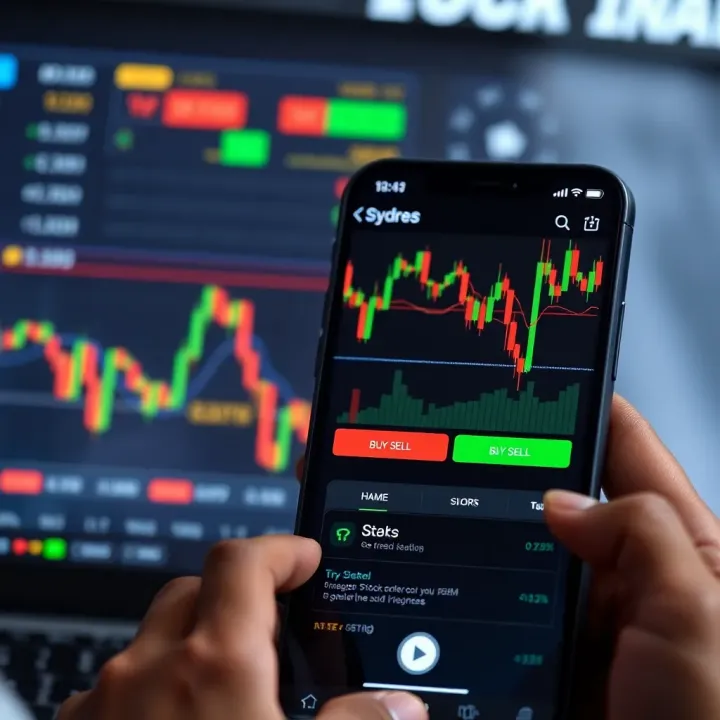
This guide is committed to cutting through the noise. We’ll look at the nuts and bolts of stock trading apps focused on the Nigerian market. You’ll get the lowdown on what features to prioritize, how much you should expect to pay, and ways to safeguard your trades. Plus, we’ll spotlight some popular apps that pack just the right punch for those just getting their feet wet.
So, let's get the ball rolling and set you up with tools that won't just be a shiny gadget on your phone, but a real stepping stone towards trading smartly and confidently.
Before diving into stock trading, it's key to understand what stock trading apps are and why they matter. In Nigeria today, more folks are turning to mobile apps for investing because it’s fast, accessible, and convenient. No need to visit brokers’ offices or spend hours on complicated websites.
These apps open doors to the market, allowing you to buy or sell stocks directly from your phone. Imagine you’re at a bus stop and see a sudden market dip; with a trading app, you can act right then and there. This immediacy can help you catch opportunities others might miss.
What’s more, these apps are tailored to beginners, bundling helpful resources like tutorials and easy navigation. This means someone new to stocks isn’t thrown into the deep end but guided step-by-step.
A stock trading app is essentially a software platform on your smartphone or tablet that lets you trade shares of companies in real time. Rather than going through a broker on the phone or using a desktop computer, the app simplifies the process with a few taps.
Its main goal is to make stock market trading accessible to everyone, no matter your level of expertise. For example, apps like Trove and Bamboo in Nigeria not only allow you to trade stocks listed locally and internationally but also package learning tools to boost your understanding.
Using these apps, you create an account—usually verified with ID—and fund it via bank transfer or card payment. Once funded, you can search for stocks, view live market prices, and place buy or sell orders. The app communicates with stock markets or brokerage firms behind the scenes to execute these trades.
Imagine you spot Zenon Petroleum Corporation stock dropping and want to buy cheaply. The app lets you place that order quickly without waiting for traditional market hours or broker assistance.
Gone are the days when accessing the stock market meant physical presence at trading floors or complicated paperwork. Trading apps break down these barriers, offering access to local markets like the Nigerian Stock Exchange (NSE), as well as foreign exchanges.
All you need is a smartphone and internet connection. You can monitor your portfolio anytime, anywhere—on your way to work, waiting in line, or even during lunch breaks.
Many apps don’t just stop at trading. For beginners, they come packed with educational content—videos explaining terms like "dividends" or "market orders," articles breaking down investment strategies, and even demo accounts for practice without risk.
Take Trove’s app, for instance—it offers tutorials and stock analysis tools that help newbies understand market trends before risking real cash. This approach builds confidence and skill gradually.
Using a trading app is like having a mini stock market classroom and broker all in one pocket.
In short, stock trading apps are vital today’s Nigerian investors, especially newcomers. They combine market access, ease of use, and learning resources to make trading less daunting and more practical for everyday users.
Picking the right stock trading app isn't just about flashy graphics or the latest buzzwords—it's about what features truly make trading easier and safer for you. For beginners in Nigeria, certain key elements make a world of difference in understanding the market and making informed decisions.
Imagine opening an app and within seconds knowing exactly where to click to buy or sell your stocks. A clean, uncomplicated layout halves the learning curve and cuts down the chance of mistakes. Apps like Trove and Bamboo nail this with intuitive menus and clear buttons. Avoid apps cluttered with complicated charts if you're just starting out; simplicity helps you focus on learning the ropes rather than figuring out navigation.
Managing your funds and portfolio should be straightforward. This means quick access to your transaction history, easy deposits and withdrawals, and clear summaries of your holdings. Good apps let you track your gains and losses without hunting through multiple screens. For example, Chaka presents your portfolio neatly, allowing you to review performance anytime. The more control you have without hassle, the smoother your experience.
The market can feel like a jungle, but some apps offer guides that act like a trustworthy compass. Quality educational content, such as beginner-friendly tutorials and videos, breaks down complex ideas into bite-sized lessons. For instance, Bamboo offers educational videos that explain stock basics and terminology, making it easier for newbies to grasp concepts before diving in.
Before throwing real money into the ring, it's wise to get a feel for trading. Demo accounts let you experiment with virtual money, try out strategies, and learn without the pressure or risk. Unfortunately, not all Nigerian stock apps offer this, but apps like Investopedia’s simulator or international platforms like eToro (though not Nigeria-specific) include demo features. Starting on a practice account can save you from costly beginner mistakes.
Timing can be everything in stock trading. You'll want an app that feeds you up-to-the-minute stock prices. Slow or outdated data can cost you money if you buy or sell at the wrong time. Nigerian apps like Chaka push real-time updates, which helps you react quickly to market moves and avoid surprises.
Nobody has eyes glued to the screen round the clock, but smart alerts can keep you in the loop. Whether it's a price crossing a target or significant market news, customizable notifications let you stay on top without burning time. If your favorite stock dips or shoots up, you get a prompt to decide your next move fast.
Staying informed with real-time data and alerts is like having a personal market assistant in your pocket.

You wouldn't leave your wallet on a park bench, so likewise, your trading app must protect your info. Data encryption scrambles your personal and financial details, so hackers can't steal them. Nigerian traders should look for apps that clearly state their encryption standards to avoid nasty surprises.
Passwords alone aren’t enough. Two-factor authentication (2FA) adds an extra lock by requiring a second form of ID, like a code sent to your phone. This double layer guards against unauthorized access, offering peace of mind that only you can log in or make trades.
Choosing a stock trading app with these key features not only makes trading smoother but builds a foundation of confidence and security, essential for beginners stepping into Nigeria's growing stock market scene.
When you're stepping into the world of stock trading through an app, it's easy to get caught up in the excitement and forget one crucial factor: the costs. These fees can quietly eat into your profits if you're not careful. For beginners in Nigeria, understanding common costs and fees is like having a map in a place full of twists and turns. It saves you from nasty surprises and helps you pick an app that suits your budget and trading style.
One of the most noticeable costs is the trading commission. This can be either a flat fee or a percentage-based charge on every trade.
Flat fees are straightforward: you pay a fixed amount regardless of the trade size. For instance, an app might charge ₦500 per transaction whether you buy 10 shares or 1000.
Percentage-based commissions fluctuate according to how big your trade is — say 0.1% of the transaction value. So, if you're buying shares worth ₦100,000, a 0.1% commission means ₦100 in fees.
Choosing between these depends on your usual trade sizes. If you tend to make small trades, a flat fee might feel heavy. But for big trades, percentage fees can pile up fast. A good tip is to calculate expected fees based on your typical activity before deciding on an app.
Hidden costs beyond the obvious commission can turn a simple trade into a wallet-drainer. These might include:
Charges for currency conversion if you're trading foreign stocks.
Fees tied to market data or premium features.
Costs for transferring your funds back to your bank account.
Keep your eyes peeled and skim through the fine print of each app’s pricing details. Even popular platforms like Chaka or Trove have their own nuanced fee structures that you want to grasp fully.
Starting out, you’ll want to know how much money is needed just to open and maintain your account.
Initial funding amounts vary widely. Some platforms require a minimum deposit of just ₦1,000, letting you dive in with minimal risk, while others might ask for ₦50,000 or more, locking out smaller budgets.
Minimum balance rules can be sneaky. Certain apps require you to keep a minimum amount in your account to avoid penalties or maintain access to premium features.
For example, if an app demands a ₦10,000 minimum balance and you drop below that, they might charge monthly fees. For someone new, that's a sneaky way of losing cash without even making a trade.
Beyond commissions and deposits, two other fees commonly pop up and deserve your attention:
Withdrawal fees: Moving your money from the trading app back to your bank can cost you. Some apps charge a fixed fee per withdrawal; others make you jump through hoops like hitting withdrawal minimums to avoid fees. In Nigeria, where mobile banking is mainstream, this might make or break your experience.
Inactivity charges: Some platforms sneak in monthly or yearly fees if you don't trade or log in for a while. So, if you're the "set it and forget it" type or like to trade sporadically, this could chip away at your funds.
Always treat these fees like the tolls on a road trip—you might want to take the road less traveled, but you gotta know where the toll booths are.
In a nutshell, costs and fees aren't just about what the app charges upfront. They shape how often you can trade, how much profit you keep, and overall satisfaction with your trading experience. Doing your homework on these financial details will save you from frustrations and disappointment down the road.
Choosing the right trading app can make or break a beginner's start in the stock market. For many new traders in Nigeria, the journey begins with picking a platform that’s easy to use but still packs enough punch to grow with their skills. This section sheds light on some popular apps tailored for novices, highlighting what sets them apart.
A good app balances simplicity and functionality without overwhelming new users. It should offer clear navigation, educational resources, and reliable customer support — all critical when you’re still finding your feet. Plus, local relevance matters: apps that support Nigerian stocks or integrate with Nigeria’s payment systems provide added convenience.
Remember, the best app isn’t always the one with the fanciest features but the one that fits your trading style and learning pace.
Features ideal for new traders
Apps aimed at beginners often come with clean, straightforward interfaces that strip away unnecessary clutter. For instance, platforms like Chaka and Bamboo shine here. They offer easy account setup, minimal jargon, and handy guides to explain trading basics. Most provide demo accounts so you can practice without risking real money, which is a big win for newbies wanting to build confidence.
These apps usually come with built-in educational content — think videos, articles, and step-by-step tutorials. That way, as you trade, you’re also learning the ropes, which helps avoid costly mistakes early on. Notifications and alerts are kept simple, only flagging major movements to keep things manageable.
Pros and cons
The biggest plus with beginner-focused apps is how they reduce the learning curve. They take trading from a potential headache into something approachable. Plus, their customer support services often cater empathetically to beginners.
On the flip side, these apps may lack advanced features you’ll crave as you grow more confident. For example, limit orders or in-depth analytics might be missing or limited. Also, some apps might have fewer stock options, focusing more on Nigerian or US stocks only, which might restrict your portfolio diversification.
Balancing usability and features
Some apps manage to strike a balance, offering a beginner-friendly start while packing in more sophisticated tools as you advance. This balance means new traders aren’t overwhelmed but can still explore in-depth charting or technical indicators when they’re ready.
These apps typically have tiered interfaces — with simple modes for newbies and advanced features tucked away but accessible. This approach lets users pick up trading basics and gradually experiment with strategies requiring more data or insight without needing to switch platforms down the road.
Examples and suitability
Kuda and Trove are good examples here, offering easy onboarding processes alongside options like fractional shares and global market access. They allow beginners to start with simple orders but also explore wider investment opportunities as they learn. The apps come with security features like two-factor authentication that build trust, which is crucial when managing real money.
These platforms suit those who plan to grow into more active traders but want a soft landing without jumping right into complicated tools. They’re also popular among younger traders who value mobile convenience combined with a bit more power under the hood.
In summary, the right app for you depends on where you’re at in your trading journey and how much complexity you’re ready for. Starting with simple, educational apps helps build a strong foundation before stepping up to tools that let you dive deeper.
Before diving headfirst into stock trading, getting off on the right foot with a trading app is essential. This means setting up your account properly and easing into trading gradually to avoid costly mistakes. For beginners in Nigeria, where the market might feel a bit overwhelming, this cautious approach helps build confidence and keeps your money safe.
Starting with the verification process, this step is more than just ticking boxes. It’s about identity confirmation to protect you and the platform from fraud. Nigerian trading apps usually ask for a valid ID — say, your National ID or international passport — alongside proof of residence. For instance, apps like Trove or Bamboo require a clear photo of your ID plus a selfie to match your face. This means less chance of someone else using your account.
Getting this step right ensures smoother transactions and faster withdrawals later on. Missing or incorrect documents can delay your account activation, so have these at hand upfront. It’s a small hassle that pays off by locking down your account against unauthorized access.
Accuracy here isn’t just for official documents — it extends to the info you provide when signing up. Give your real and current phone number and email because these will be your lifelines to recovery options and important alerts. Imagine losing access to your account because an outdated email stopped you from resetting a password.
Moreover, correct personal info can be crucial for tax reporting, which Nigerian authorities are increasingly attentive to. It's wise to double-check spelling, date of birth, and bank details. A tiny mistake might cause withdrawal delays or miss important communications.
Good trading apps often provide demo accounts, which let you practice trading with "fake" money in real market conditions. This is golden for beginners because you can try out strategies and features without risking your cash. Think of it as the flight simulator before your real pilot’s license test.
Apps like Chaka and FBN Securities come with demo modes that mirror real market behavior in Nigeria’s context. Playing around here helps understand order types like limit or stop-loss orders before you dive into live trading. You’ll learn how market swings feel without the sting of actual losses.
When you're ready to jump into real trades, start with small amounts that won't cause pain if lost — say, just a few thousand naira. This keeps stress low and gives room to learn from those initial trades. For example, placing a ₦5,000 trade rather than ₦50,000 means if the market drops, your wallet isn’t taking a serious hit.
Balancing your trade sizes with how much you can afford to lose keeps emotions in check. Emotional trading is a quick way to wipe out profits or rack up losses. It's smart to view these small trades as lessons rather than quick wins.
Starting slow and verifying every step isn’t just common sense — it’s the foundation for trading success in Nigeria’s market. Protect your account, know the tools, and build confidence carefully.
By following these steps, beginners can safely get started with trading apps, minimizing risks while maximizing learning. This way, the trading journey doesn’t feel like groping in the dark but rather a controlled, empowering experience.
Getting started with stock trading apps might feel like stepping into a bustling market for the first time. It's easy to get carried away or make missteps, especially if you're new to the game. Being aware of common pitfalls helps you steer clear of costly errors and builds a solid foundation for your trading journey.
One major trap beginners fall into is allowing emotions to drive their decisions. Without a clear plan, it’s like setting sail without a map—heading anywhere but where you want to go. Also, many overlook how fees quietly chip away at their earnings, which can turn promising trades into disappointing results.
By understanding these mistakes and knowing how to avoid them, you’ll save time, money, and stress. It’s about working smart, not just working hard.
A trading plan is your game plan—it defines your goals, strategies, and limits before you jump into the market. Without this, it’s easy to buy or sell on a whim, especially when the market gets volatile, or you see others making quick gains. For example, a beginner might spot a sudden price drop on MTN shares and rush to buy, only to realize it was a short-term dip caused by unrelated news. A solid plan would help you recognize such scenarios and avoid impulsive trades.
Your plan should include metrics like how much capital you’re willing to risk per trade, what kind of returns you’re aiming for, and exit strategies for both profits and losses. This brings discipline and clarity, making your trading more systematic rather than guesswork.
Stock trading isn’t a sprint; it’s more like a marathon. Patience lets you wait for the right opportunities instead of chasing every small price move. Discipline means sticking to your plan, even when the temptation to deviate is strong. For instance, when the Nigerian Stock Exchange sees ups and downs, it can be tempting to jump in and out frequently. But disciplined trading means resisting this urge unless your plan dictates it.
Keeping emotions in check—frustration, greed, or fear—is tough but vital. These feelings can distort your judgment, leading to overtrading or panic selling. Practicing patience and discipline helped many traders avoid these costly mistakes and maintain steady growth over time.
Many beginners skip the fine print when signing up for trading apps, but this can lead to unpleasant surprises. Terms and conditions often detail fees like commissions, withdrawal charges, or inactivity penalties. For example, apps like Trove or Rise might have different fee structures, and understanding these lets you choose one that fits your budget.
Taking time to read these details helps avoid unexpected deductions from your earnings. Think of it like buying an appliance—you wouldn’t ignore the warranty or maintenance info, right? The same logic applies here.
Even small fees add up and can eat into your gains significantly, especially when trading small amounts. Suppose you make ten trades a month, each costing a fee. That’s money lost regardless of whether your trades were successful.
Consider this example: If your trade earns ₦5,000 but you pay ₦500 in fees, that’s a 10% hit right off the top. Over time, these fees accumulate and can turn profitable trades into break-evens or even losses.
Knowing how fees affect your bottom line should influence your trading frequency and strategy. Sometimes, holding a position a bit longer to avoid repeated charges can be smarter than quick in-and-out trades.
Being mindful of these common mistakes—rushing trades, neglecting a plan, forgetting to check fees—sets beginners on the right path. It’s all about building habits that save money and reduce stress, making stock trading a clearer and more manageable endeavor.
Getting a good grip on stock trading takes more than just downloading an app and hitting the buy button. For beginners in Nigeria, it’s crucial to build skills and confidence gradually. This section lays out practical tips that help traders sharpen their abilities and trust their decisions over time. Trading apps aren’t just platforms for executing deals; they’re tools for learning and growth if used right.
Continuous learning is what separates the successful traders from those who fizzle out early. Most trading apps like Bamboo or Trove offer a treasure trove of tutorials, articles, and videos tailored for beginners. Making time each week to absorb this content keeps you updated on market trends and trading strategies. For example, setting aside 20 minutes every morning to read a quick tutorial on market indicators or watch a video about stock fundamentals can steadily build your trading muscle.
Don’t just skim through the materials—take notes, pause to reflect, and try out small trades related to what you just learned. This way, theory turns into practice, helping the lessons stick better.
Engaging with community forums is another powerful way to grow your skills. Apps like Bamboo have communities where traders share their experiences, discuss strategies, and even warn each other about possible pitfalls. Jumping into these conversations adds a real-world layer to your learning that textbooks or tutorials might miss.
Being active in forums also means you get feedback and support, which helps prevent feeling overwhelmed—something many beginners face. Try to ask questions and discuss your trade ideas; this interaction often sparks insights you wouldn’t have found alone.
Keeping a trading journal may sound old-school, but it’s incredibly effective. Writing down every trade you make—why you made it, the outcome, and what you learned—gives you a detailed map of your trading journey. Many apps now come with built-in journaling features, or you can keep one manually in a notebook or spreadsheet.
This habit helps cut through the noise of day-to-day trading anxiety. When emotions run high, it's easier to review your past notes and remind yourself of what worked or didn’t. For instance, if you notice a pattern where impulsive trades lead to losses, you can consciously work on restraint.
Analyzing successes and mistakes means looking back at your trades without bias. Instead of just focusing on profits or losses, dig into the reasons behind each result. Did you follow a plan? Did emotions cloud your judgement? Were external factors at play?
You might find, for example, that certain stocks perform better when there’s local economic news, or that you tend to hold losing trades too long hoping they’ll bounce back. Pinpointing these details allows you to improve your strategy step by step.
Building trading skills isn't an overnight sprint but a steady climb. The better you learn from each trade, the smarter your future moves will be.
In short, growing your skills and confidence with trading apps means committing to learning and self-reflection. Regularly tapping into educational resources, engaging with fellow traders, and diligently tracking your trades can boost both your knowledge and your comfort in the market, making stock trading a less daunting—and more rewarding—activity.
📱 New to trading in Nigeria? Find the best beginner-friendly apps with low fees, strong security, easy features, and tips for a smooth start to investing.
Explore top stock trading apps for Nigerian investors 📱💹 Learn to choose the best platform based on features, fees, and ease of use for savvy investing.

Looking to pick the best forex trading app in Nigeria? 📱 Learn what to watch for, explore top picks, and get tips to trade safely and smartly. 💹

Discover top trading apps in Nigeria 📱 Learn how to pick the best platform for safe investing, key features to watch, and tips to boost your earnings 💰
Based on 6 reviews