

Best Stock Trading Apps for Nigerian Beginners
Discover the best stock trading apps for beginners in Nigeria 📱 Explore features, costs, security, and tips to start trading confidently and smartly 🇳🇬📈
Edited By
Ethan Walker
Investing in stocks through mobile apps has grown tremendously in Nigeria over the past few years. More Nigerians are turning to stock trading apps to manage their portfolios anytime, anywhere. This shift reflects how technology is changing the way everyday folks and seasoned investors alike interact with the financial markets.
However, not all trading apps are made equal. For Nigerian investors, it’s vital to consider factors like local market access, regulatory compliance, transaction fees, and app usability before picking a platform. You don’t want to commit to an app that looks flashy but lacks essential support for the Nigerian Stock Exchange or has hidden charges that eat into your profits.

In this guide, we’ll walk through what makes a stock trading app suitable for Nigerian users, profile some of the well-known platforms at your disposal, and share tips on how to choose one that best matches your trading style and goals.
Remember, the right trading app can make the difference between smooth investing and frustrating delays or losses.
Whether you're a trader testing the waters or a broker looking to explore app options, this article offers clear, practical advice to help you make an informed choice in Nigeria’s growing stock market scene.
Understanding the landscape of stock trading in Nigeria is the first step for any investor or trader aiming to make informed decisions. This section provides a snapshot of the Nigerian stock market’s current state and highlights how mobile technology is reshaping trading habits in the country. Grasping these elements matters because it sets the stage for why certain trading apps cater better to the local market’s realities.
The Nigerian stock market has had its ups and downs over the years, influenced by factors like oil prices, political stability, and regulatory changes. For instance, between 2017 and 2020, the market saw notable volatility due to fluctuating crude oil prices, which is Nigeria’s major export commodity. More recently, gradual recovery has been observed, partly driven by increased interest in non-oil sectors.
Investors need to keep an eye on these trends because they often affect stock prices across sectors. For example, a decline in oil prices might drag down oil-related stocks but can open up opportunities in agriculture or telecommunications. This cyclical nature means that traders using mobile apps should look for platforms that provide up-to-date market data and alert features.
In Nigeria, sectors such as banking, consumer goods, oil & gas, and telecommunications traditionally attract the most investment. For example, firms like Dangote Cement and MTN Nigeria often feature prominently due to their market capitalization and steady performance.
Knowing which sectors are popular helps investors and traders decide where to put their money or focus their analyses. It’s practical to use trading apps offering broad access to these sectors, allowing users to diversify within the Nigerian economy. Plus, some apps might feature research notes or sector-specific news, making them more useful for Nigerian investors.
Nigeria has seen rapid growth in smartphone usage, driven by affordable data plans and more accessible handsets like Tecno and Infinix. Reports suggest over 50% of Nigerians owned smartphones by 2023, up from around 30% in 2017. This spike opens up opportunities for wider access to stock trading apps.
Given this rise, trading app developers have focused on mobile-first designs that cater to varying data speeds and device capabilities. For example, some Nigerian traders rely on apps that work efficiently even on 3G networks, making the trading experience more inclusive.
Mobile trading apps have lowered the entry barrier significantly for everyday Nigerians wanting to invest. Instead of visiting physical brokers or relying on phone calls, investors can now buy and sell stocks anytime and anywhere.
This shift has led to a surge in retail investors participating in the market, many experimenting with smaller amounts before scaling up. Apps with simple user interfaces, helpful tutorials, and instant transaction confirmations have been pivotal in encouraging newcomers. It’s no surprise then that platforms like Trove and Bamboo have become popular, as they cater specifically to mobile users eager to tap into both Nigerian and international markets.
Mobile technology is transforming how Nigerians engage with the stock market — bringing investing into the palms of millions.
Overall, this section underscores the evolving nature of stock trading in Nigeria and why trading apps tailored to local needs and conditions play a vital role. It sets a firm foundation for exploring the specific features to look for and the apps that deliver on those frontline requirements.
When choosing a stock trading app in Nigeria, it's not just about picking the trendiest platform. Certain features make a real difference in how easily and securely you can invest. These key aspects affect everything from how fast you can react to market shifts, to the safety of your hard-earned cash, and even the range of opportunities you can explore.
Nobody wants to wrestle with a clunky app when the market waits for no one. A straightforward, intuitive interface ensures you spend less time hunting for functions and more time making informed decisions. Look for apps with clear menus, visible market data, and simple trade execution. Some platforms even let you customize your dashboard so your most-used tools are front and center.
Since many Nigerian investors use their phones to trade on the go, the app's ability to adapt across devices matters a lot. A truly responsive app fits various screen sizes without distorting charts or buttons. This allows you to check stocks during your commute without squinting or accidental taps. Plus, smooth loading times on slower connections keep frustration at bay.
Your personal and financial info needs lock-tight protection. Effective apps use encryption methods like SSL/TLS to scramble data during transmission. They also store data securely, often with backups and firewalls to prevent breaches. Checking if an app follows globally recognized security standards can save you headaches down the road.
Passwords alone are a weak fence against hackers. Two-factor authentication (2FA) adds an extra verification step—usually a code sent to your phone or email. This little extra barrier significantly reduces unauthorized access risks, giving you peace of mind while trading.
A good app lets you diversify your portfolio beyond just Nigerian stocks. ETFs (Exchange Traded Funds) and mutual funds offer varied options, allowing investors to spread risks easily. For example, if you're keen on agro-based companies, picking funds that focus on agriculture across Africa can be more balanced than single-stock bets.
While local markets are important, the ability to invest in international stocks can open new doors. Imagine catching trends in tech giants listed on the NYSE or FTSE while still keeping tabs on the Nigerian Exchange Group (NGX). Apps providing dual access give you flexibility and protect against domestic volatility.
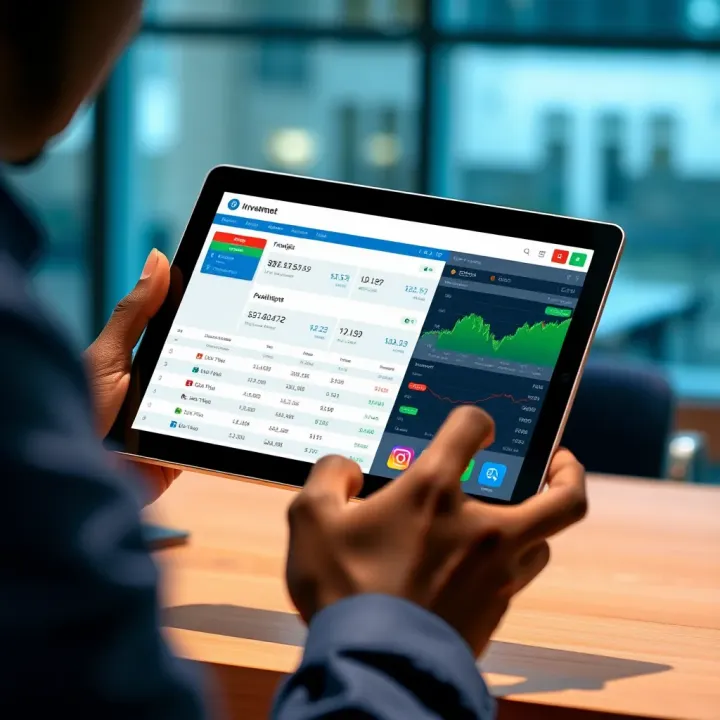
Every time you buy or sell shares, fees usually apply. These can vary widely between apps—from fixed charges to percentage-based fees. Understanding these costs is essential; what looks cheap initially might cost you more if fees stack up on frequent trades. Some apps, like Bamboo or Chaka, are popular partly for their competitive pricing tailored to Nigerian investors.
Funding your account and cashing out should be hassle-free, but some platforms sneak in extra charges on deposits or withdrawals. Look for apps with transparent fee disclosures so you’re not caught off guard. Clear info on minimum deposit amounts and processing times also helps in planning your investments better.
Remember: The cheapest app in fees isn't always the best if it compromises security or usability. Balance is key when assessing these features.
Choosing the right combination of these features can save you time, money, and stress. They each play a vital role in helping you trade confidently and successfully in the Nigerian stock market.
Picking the right stock trading app can make all the difference for Nigerian investors aiming to get a good handle on the market. With the Nigerian Stock Exchange growing and more people jumping into investing through their phones, a reliable app isn't just a convenience—it's a necessity. These apps offer a doorway to the market, simplifying trades, tracking investments, and tapping into both local and international opportunities.
When we talk about the top stock trading apps here, we're looking at platforms that deliver more than just basic buying and selling. They bring practical tools for portfolio management, real-time updates, and low-cost access to Nigeria's vibrant market and beyond. What sets these apps apart often boils down to their user-friendly design, security features, fee structures, and support services—all crucial for making informed investment decisions.
App A stands out by providing broad market access that includes not only Nigerian stocks but also ETFs and mutual funds. This allows investors to diversify their portfolio without juggling multiple platforms. For example, if you're interested in blue-chip Nigerian companies like Dangote or Guinness Nigeria alongside some stable ETFs, this app makes it straightforward to manage.
This kind of access is critical because it lets users explore different asset classes within one easy-to-use environment. Plus, it supports direct purchases on the Nigerian Exchange and even extends to global markets, meaning you don't have to miss out on foreign investment chances when the local market is flat.
User feedback paints a clear picture of the app's real-world performance. For App A, reviews consistently highlight its intuitive interface—the kind that doesn’t feel like a tech test but helps users get things done fast. Investors appreciate the timely notifications for trade executions and dividend updates.
However, some users mention occasional lag during high-traffic market hours. Still, the overall rating hovers around 4.5 stars, indicating solid approval and reliability. Before downloading, it's smart for investors to skim through current reviews since app updates can improve or sometimes complicate the experience.
App B pushes the envelope with features tailored for actively managing risks and opportunities. For instance, it includes an AI-powered stock screener that filters stocks based on real-time financial ratios and news impact. This means Nigerian investors no longer need to sift through heaps of data manually—they can let the app highlight promising investments.
Additionally, it serves up built-in educational resources, like bite-sized videos on market basics and advanced trading strategies. Such tools can bring newcomers up to speed or help seasoned traders sharpen their game.
Customer service makes or breaks user trust, and App B scores well by offering live chats manned by knowledgeable representatives with good response times during Nigerian business hours. Investors can also access FAQs and walkthroughs in-app, making troubleshooting easier.
Feedback suggests the support team listens closely to user concerns and pushes out regular app improvements based on their input—something often overlooked but very important when trading real money.
App C attracts users with a clear and generally low fee structure. It charges no account maintenance fees, and trading commissions are competitive, often at 0.2% per trade, which is a reasonable rate in Nigeria. Plus, it offers free withdrawal to Nigerian bank accounts, helping investors keep costs low.
On the downside, some users face charges for currency conversion when dealing with foreign assets, so it's important to factor that into your cost calculations if you trade internationally.
Regarding mobile performance, App C gets mixed reviews. It's lightweight and launches quickly, which is a plus for users with limited data plans or older smartphones. Yet, some investors report occasional crashes when executing multiple trades rapidly or during peak market hours.
Still, updates aimed at improving stability are frequent. Watching app store comments can help gauge when performance issues are resolved or persist.
Choosing the right app often means balancing access, costs, tools, and support against personal trading needs. Knowing these top apps gives Nigerian investors a good starting point to decide what fits best.
Picking the right stock trading app isn’t just about flashy graphics or low fees; it’s about matching the app’s features to your personal investing style and needs. In Nigeria’s growing market, choosing a platform that fits your goals and offers reliable support can mean the difference between a smooth experience and a frustrating one. This section walks you through the essential points to consider before committing to a trading app.
Knowing whether you want to trade frequently or hold your investments for the long haul shapes your choice of app. Short-term traders often need real-time data, quick order execution, and advanced charting tools. For example, an active trader looking to scalp stocks might prefer an app like Chaka or Bamboo, which offer rapid trade execution and detailed market analytics.
Long-term investors, on the other hand, might value apps with portfolio management features, dividend tracking, and educational resources. If you’re more about building wealth slowly, accessibility to mutual funds and ETFs could be critical, so an app that provides these, like Trove, could be a better fit.
Understanding your trading horizon helps you avoid paying for features you'll never use and keeps your focus sharp. Don't pick a tool designed for day trading if you plan to hold shares for years.
Risk tolerance is about how much volatility and potential loss you can stomach. Some apps allow you to customize alerts for price dips or gains, which can help manage stress during turbulent markets. If you’re conservative, look for apps that offer educational tips, risk assessment tools, or even robo-advisors.
Consider, for instance, that apps like Bamboo include beginner-friendly guides and risk profiles that help you understand what you’re getting into before placing trades. On the flip side, if you’re comfortable with high-risk investments, choose a platform that supports margin trading and volatile instruments, but always be aware of the additional risks involved.
Trading apps operating in Nigeria should comply with the Nigerian Securities and Exchange Commission (SEC) regulations. This ensures your investments have legal protections, and the app follows proper operational standards.
Using an app registered with the SEC, like Chaka or Bamboo, means they meet local oversight criteria—something that can’t be overlooked, especially if you want your money safe and accessible. Regulators also enforce transparency, so such apps are compelled to disclose fees and risks clearly.
Time and hassle matter. An app that requires too much paperwork or multiple visits to a physical office might discourage you from trading altogether. Many Nigerian apps have streamlined KYC (Know Your Customer) processes that link directly to your BVN (Bank Verification Number) for quicker verification.
Apps like Trove let you sign up right from your phone in minutes, using simple document uploads and automated identity checks. If an app’s onboarding feels slow or overly complicated, move on. Quick and easy setup means you can start trading sooner and with less headache.
Before diving in deep, test-driving a platform through a demo account can save a lot of trouble. Demo accounts let you practice trading with virtual money, so you get a feel for the interface and tools without risking real cash.
Some apps, like InvestPlus, offer demo modes with live market data, helping you sharpen your skills and make mistakes safely. Checking the availability of this feature is essential, especially if you’re new to digital trading.
Word of mouth and user reviews provide real-world insight you won’t get from glossy app descriptions. Nigerian investor forums, social media groups, and even Google Play reviews can shed light on actual app performance, customer service, and hidden quirks.
Look for consistent feedback patterns—if multiple users note slow withdrawals or app crashes during peak trading times, that’s a red flag. Conversely, apps praised for swift support and reliability make safer bets. Engaging with local communities also helps you stay updated about regulatory changes and new app features.
Choosing a trading app is more than a technical decision; it’s a personal one shaped by your investing goals, comfort with risk, and the practical realities of Nigerian markets. Taking the time to assess these factors upfront sets you up for a smoother and more rewarding trading experience.
Trading apps have become the go-to tool for many Nigerian investors, but they’re not without their hiccups. Understanding these challenges is key to avoiding frustration and potential losses. Common issues like poor connectivity, app crashes, and hidden fees can quickly turn what should be a smooth trading experience into a rough ride. This section sheds light on these obstacles, helping you navigate around them and make smarter choices when picking an app.
Internet speed varies wildly across Nigeria, especially outside major cities. Since stock trading apps rely heavily on real-time data, slow or unstable internet can delay price updates, order execution, and notifications. This lag can mean missing out on a good trade or not reacting fast enough to market changes. To cope with this, many top apps like Bamboo and Trove offer offline access for some features or optimize data usage to handle lower bandwidth. Nigerian investors should test apps under their usual network conditions and prefer those that cache information smartly or allow manual refreshes.
Nothing throws you off like an app freezing or crashing during a crucial trade. Crashes often occur due to bugs, overloaded servers, or poor app optimization for different devices, particularly older smartphones which many Nigerians use. For instance, some users have reported that the Stockpile app occasionally freezes when switching between graphs. Selecting trading apps with a strong reputation for stability and regularly updated software is essential. Always keep your app updated and clear cache occasionally to reduce performance dips.
Hidden costs can seriously eat into your investment gains. Some apps advertise low trading fees but tack on other charges for deposits, withdrawals, currency conversion, or even inactivity. Nigerian investors have highlighted this issue with apps like Trove, where withdrawal fees weren’t clear upfront, causing surprises down the line. To avoid this, scrutinize fee schedules before committing and watch out for terms buried in small print. It’s also wise to sample smaller trades initially to see if you encounter any additional unexpected costs.
Transparency about fees builds trust and allows investors to plan accurately. Apps like Chaka stand out because they clearly list all fees on their websites and app interfaces, including commission rates, account maintenance, and customer service charges. When choosing an app, look for those that provide straightforward, up-front disclosures — with no hidden surprises later. This not only keeps your budgeting clear but also prevents any nasty shocks that might taint your trading experience.
Always read the fine print and test apps carefully before making serious investments. A smooth-running app with clear fees pays off more in the long run than flashy features that cause headaches and extra costs.
By understanding these common challenges, Nigerian traders can be better prepared to choose apps suited to their local circumstances and avoid pitfalls that slow down or complicate their trading efforts.
Navigating the world of stock trading apps in Nigeria requires more than just picking the right platform. Knowing how to stay safe and make smart moves is just as important, if not more. This section hones in on practical tips that every trader should keep in mind to protect their investments and achieve consistent success. With the frequent rise in cyber threats and fast-paced market fluctuations, being cautious and informed is not optional — it’s essential.
One of the first lines of defense in online trading is securing your account information. The simplest slip-up here can lead to significant financial losses.
Managing passwords well isn’t just about picking a tough one. It means using a unique, complex password for your trading accounts that mixes letters, numbers, and symbols. Avoid recycling passwords you use for social media or email; a breach there can cascade into your trading account. Tools like LastPass or 1Password come in handy as they securely store and generate strong passwords for you, so you don’t have to remember each detail. Changing your password every few months also rids you of lurking risks. If your app offers two-factor authentication (2FA), always enable it — it adds an extra lock, making it tougher for hackers to break in even if they snag your password.
Phishing is one of the sneakiest tricks fraudsters use to steal login details. They may send emails or messages appearing as official communication from your trading app, asking you to "verify" your account or click on suspicious links that lead to fake websites. Be skeptical of urgent requests or offers that sound too good to be true. Always cross-check sender addresses and URLs. When in doubt, open your trading app directly rather than through a link. Trading platforms like Chaka and Trove regularly remind users to stay alert against phishing scams. Remember, no legitimate platform will ask you for your password via email or message.
A successful trader stays current — it’s the key to taking advantage of opportunities and avoiding pitfalls.
Trying to stay ahead means following trustworthy news outlets that report on Nigerian and global markets with accuracy. Platforms like Bloomberg, CNBC Africa, and Business Day provide timely insights and analysis. Relying on random social media posts or unverified blogs can cause misinformation and poor decision-making. Set time each morning to scan headlines from these credible sources; it’s a good habit that helps you prep for the trading day.
Most trading apps offer ways to customize notifications about price changes, market news, or your portfolio performance. Using these tools smartly means you don’t need to stare at graphs all day. Instead, you get alert prompts when a stock hits your target price or if there’s sudden market volatility. This can be a game changer for busy traders balancing multiple commitments. Just watch out for alert overload — too many can become noise instead of helpful signals.
Staying safe and knowledgeable when trading using apps means you're not just reacting but making decisions that drive consistent growth. Taking a few practical steps to guard your account and stay updated can save a lot of headaches and money in the long run.
By following these tips, Nigerian investors can confidently use stock trading apps to expand their portfolios while steering clear of common pitfalls that come with digital platforms.
Discover the best stock trading apps for beginners in Nigeria 📱 Explore features, costs, security, and tips to start trading confidently and smartly 🇳🇬📈

Discover top trading apps in Nigeria 📱 Learn how to pick the best platform for safe investing, key features to watch, and tips to boost your earnings 💰

Discover how to pick the best stock trading app in Nigeria! 📲 Learn about key features, security, costs, and local market fit for smarter investing. 📈💡

Explore the best crypto trading apps for Nigerian traders 📱. Compare features, security 🔒, fees 💰, and ease of use to pick the right platform for you.
Based on 10 reviews