

Choosing the Best Forex Trading Apps in Nigeria
📱 Discover how to choose the right forex trading app for Nigeria 🇳🇬. Learn key features, security tips, and ways to boost your trading success on mobile.
Edited By
Liam Turner
Entering the world of forex trading in Nigeria means navigating a sea of options, especially when it comes to choosing the right trading app. With so many platforms available, it’s easy to feel overwhelmed or to pick one based just on flashy ads or recommendations from friends.
This article walks you through the key things to look for when selecting a forex trading app tailored for Nigerian traders. From understanding fees and ease of use to spotting apps that comply with local regulations, each point is aimed at helping you cut through the noise and trade smarter.
You'll also get practical comparisons between some of the more popular apps Nigerians use, like eToro, OctaFX, and FXTM, focusing on what matters most: security, cost, and features. Whether you’re a seasoned trader or just getting your feet wet, this guide gives you down-to-earth advice to pick an app that fits your needs.
Choosing the right trading app isn’t just about convenience; it impacts how effectively you manage trades and protect your money.
By the end, you’ll have a solid ground on which to base your decision, helping you avoid common pitfalls and making the most of Nigeria’s growing forex market.
Gaining a solid grasp of forex trading in Nigeria is like laying down the foundation before you build a house. Without this understanding, picking a forex trading app that suits you well is mostly guesswork. The Nigerian market has unique nuances—cultural, economic, and regulatory—that affect how forex trading works here. Knowing these basics not only helps in choosing the right app but also in managing risks better and making smarter trades.
Forex trading is essentially buying one currency and selling another simultaneously. Traders profit from changes in exchange rates, meaning if the currency you bought strengthens against the one you sold, you make money. For instance, a Nigerian trader might buy USD against NGN expecting the dollar to gain value. This market operates 24/5, which gives Nigerian traders the flexibility to trade outside regular Nigerian business hours. But it’s not all smooth sailing; forex is highly volatile, and prices can swing rapidly, influenced by global events like interest rate changes or political unrest.
There’s a strong allure for Nigerians because forex trading offers a chance at quick returns compared to traditional savings or investments. Many people are drawn by stories of success, especially since the Nigerian economy faces fluctuations in inflation and currency value. Plus, with smartphones more accessible than ever, trading forex via apps fits perfectly into the lifestyle of many youths and working professionals. The low capital requirement makes it accessible; you don’t need millions to start. Yet, it’s important to remember the risks involved—no shortcut to wealth here, just a calculated game.
In Nigeria, forex trading falls under the watch of the Securities and Exchange Commission (SEC) and the Central Bank of Nigeria (CBN). SEC ensures that forex brokers operate fairly and transparently, while CBN controls the flow of FX to stabilize the economy. They set rules to protect traders from dodgy schemes and enforce licensing for brokers. Trading with apps that comply with these bodies adds a layer of safety—think of it like having a seatbelt on a bumpy ride.
Brokers serving Nigerian traders need to meet certain criteria: licensing by SEC or an equivalent reputable body, maintaining adequate capital reserves, and following strict rules on fund segregation. This means traders’ money is kept separate from the broker’s own funds, reducing the risk of losing it if the broker runs into trouble. Furthermore, brokers must provide transparent fee structures and ensure data protection for users. Nigerian traders should always verify these compliance details before registering on any app, as it can mean the difference between trading securely and being caught up in scams.
Understanding these regulations and the basics of forex trading in Nigeria helps traders avoid pitfalls and choose apps that genuinely support their trading goals. This knowledge empowers you, making sure you’re not flying blind in a market that moves fast and can be unforgiving without preparation.
Picking the right forex trading app is more than just about flashy graphics or promises of quick money. For Nigerian traders, key features like usability, security, and functionality can make or break your trading experience. These features influence everything from how fast you react to market shifts to how safely your funds are protected. A well-rounded app takes the guesswork out of trading and helps you focus on what really matters: making informed trades.
A straightforward layout isn't just a nicety; it’s a must. If an app is cluttered with unnecessary buttons or confusing menus, it wastes time and risks costly mistakes. When you’re racing to react to market changes, you want clear charts, simple order forms, and quick access to your portfolio without digging through layers. An intuitive design means even a newbie can find their way around easily and seasoned traders waste no seconds trying to figure out where to tap.
Apps like MetaTrader 4 and 5 are prime examples known for clean, simple navigation and smooth operation. Despite being feature-rich, they manage to keep the interface friendly by letting users customize dashboards and easily switch between trading pairs. Another example is the 1xBit app, which is straightforward and tailors the experience for Nigerian users by supporting local payment channels right from the main screen.
Without locking down your account, all other features fall flat. Encryption scrambles your info so hackers can’t sniff out your passwords or personal data during transmission. Two-factor authentication (2FA) adds a second lock—usually a text code or app confirmation—before you can enter your account. This double check keeps your trading and funds much safer from breaches.
Beyond login security, look for apps that segregate user funds, meaning your money is kept apart from the company’s operational cash accounts. This separation reduces risk if the broker faces financial trouble. Also, reputable apps follow strict privacy policies to ensure your personal data isn’t sold off or misused. Always double-check if the app complies with Nigerian regulations and properly secures users’ info.
Having access to a wide range of pairs lets you diversify and hunt for opportunities across different markets. Major pairs like USD/Naira or EUR/USD are often liquid and less volatile, ideal for beginners. Exotic pairs, such as USD/ZAR or NGN/JPY, provide higher risk but potentially bigger rewards. Not every app offers both, so pick one that fits your trading appetite.
Some apps don’t limit you to currencies alone. Many provide access to commodities like gold and oil, indices, or even cryptocurrencies. This variety can come handy when forex markets slow down or your strategy calls for spreading risk. It's worth trying apps that offer a broad asset spectrum if that’s your style.
Good apps come packed with technical tools like Moving Averages, RSI, MACD, and Fibonacci retracements. These help you identify market trends, entry points, and exit strategies. Without these, you’re flying a bit blind. Higher-grade apps let you add multiple indicators to one chart and adjust settings for your needs.
Being able to customize charts, save presets, or set alerts boosts your efficiency. Imagine getting a popup when Bitcoin dips sharply or when a moving average crossover happens on the USD/Naira pair—that’s real-time insight with no extra effort. Apps like TradingView integrated into brokers’ platforms offer deep customization alongside smooth usability.
Ease of funding your account can be a game changer. Look for apps that support Nigerian payment methods like Paystack, Flutterwave, local bank transfers, and even mobile money options. They reduce the hassle, avoid hefty conversion fees, and speed up transaction times.
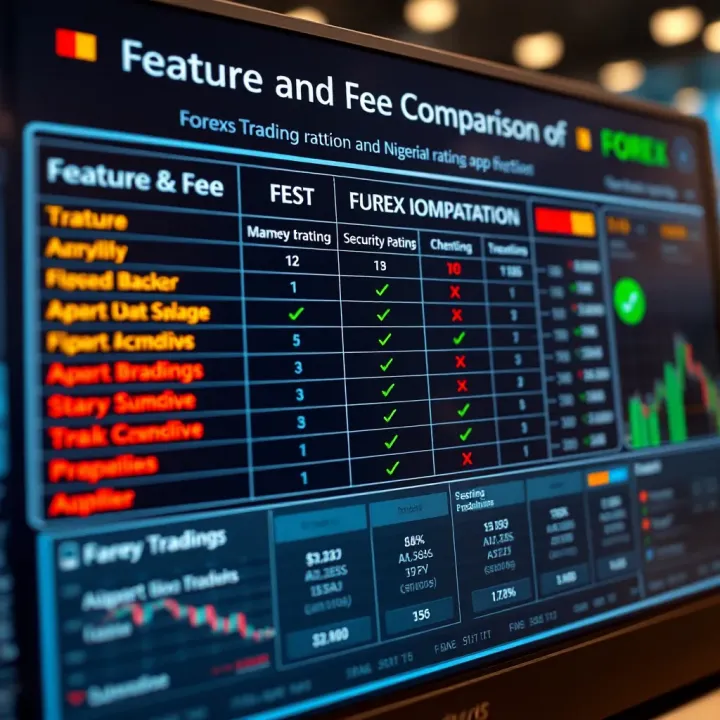
Time is money in forex. Apps that process deposits and withdrawals quickly keep you in control. Delays can limit your ability to enter or exit trades at the optimum time. Also, factor in transaction costs. Some apps charge withdrawal fees or impose minimum amounts, which might eat into your profits. Choose apps with transparent and reasonable charges.
A solid forex app does more than just execute trades—it protects your hard-earned money, delivers the info you need, and works seamlessly with local systems. Getting these features right puts you steps ahead in your trading journey.
When you're scouting for a forex trading app in Nigeria, knowing which ones are trusted and widely used can save you time and hassle. Popular apps often come with a track record, active user communities, and better support — all important when you’re putting your money on the line. Nigerian traders benefit from apps that cater to local payment options, offer good liquidity, and are regulated or affiliated with reputable brokers. Let's walk through some of the top players in the scene and what makes them stand out.
App A has become a fan favorite among Nigerians because it combines simplicity with powerful tools. Its clean, intuitive interface means even beginners rarely get lost. More than just looks, the app offers swift execution speeds, lower spreads on major pairs like USD/NGN and EUR/USD, and supports a wide range of payment options including local banks and mobile money platforms like Paga.
This app’s standout feature is its real-time news feed tailored for African markets, helping traders catch currency-moving events as they happen. For users juggling busy schedules, the app allows custom alerts on price changes, so you don't have to keep staring at your screen.
App B is tailor-made for traders who enjoy digging deep with technical analysis. It packs advanced charting features such as multiple timeframe views and a robust selection of indicators. The downside? It can be overwhelming for novices and isn’t as light on data use, which can be a pain for those with limited mobile data plans.
Security-wise, App B is fortified with two-factor authentication and top-tier encryption. But one hitch is that funding options are not as diverse; it lacks some local payment methods, which might make depositing and withdrawing funds a bit cumbersome for Nigerian traders.
App C scores high on reliability and customer service. Nigerian traders praise its speedy response team and straightforward dispute resolution process, which is important given the history of scams in the market. However, some users have reported occasional glitches during peak trading hours, which might affect order execution.
Users appreciate that App C supports both forex and commodities trading, thereby offering diversification without needing multiple platforms. This versatility, combined with fair spreads, makes it a balanced choice for many.
Understanding how spreads work on different apps is crucial since it's one of the main costs in forex trading. Apps like App A tend to offer fixed spreads, which can safeguard you from sudden cost spikes during volatile markets but might be slightly higher on average.
Meanwhile, App B opts for variable spreads that narrow when the market is steady but can blow up during big news events. This can be a double-edged sword depending on your risk tolerance. App C offers a hybrid approach with tight spreads on major pairs but wider on exotics, giving Nigerians a good balance when trading popular currency pairs.
While spreads are the headline cost, don't overlook extra charges. Nigerian traders should keep an eye out for overnight swap fees, withdrawal fees, and inactivity penalties.
App A tends to be up-front about its fees, charging a modest withdrawal fee but waiving inactivity charges, which suits casual traders. App B has no withdrawal fees but does charge for premium tools if you opt for them. App C's fee schedule is somewhere in the middle but includes charges for certain deposit methods, so it pays to read the fine print.
When choosing a forex app, remember: the cheapest option upfront might cost you more down the line in hidden fees and poor execution. Always consider the full fee structure against the services and protections offered.
Picking a forex trading app that fits your trading style isn’t just about convenience—it can seriously impact your success. Traders come in all shapes and sizes. Some like to take it slow, steadily learning the ropes, while others prefer a rapid-fire approach with complex strategies. Knowing your style helps you zero in on apps with the features that actually benefit you.
Consider a beginner trader wanting to understand basics without getting overwhelmed. They’d do best with an app that's less cluttered and offers robust educational resources. On the flip side, an experienced trader juggling multiple charts and custom indicators will need an app that supports advanced analysis and quick execution. Sometimes, traders switch styles as they grow, so flexibility also matters.
For new traders especially in Nigeria, having reliable educational tools baked right into the app is a game changer. Such resources include step-by-step guides, video tutorials, and real-time explanations of trading concepts. For example, apps like MetaTrader 4 offer simulated trading with demo accounts that let newbies practice without risking real money.
A beginner guided by quality educational content is less likely to make rookie mistakes. Plus, resources that explain technical indicators or forex jargon help build confidence quickly. These tools also save time and frustration—you learn while you trade, rather than hopping between multiple websites.
Easy navigation and straightforward features are crucial for beginners who don’t want to get lost in a maze of charts and settings. Apps like IG or FXTM focus on streamlined interfaces, showing only what's necessary at a glance: current prices, simple buy/sell buttons, and clear order confirmation steps.
These apps may limit exposure to complex order types or advanced chart customization, which can confuse new users. By keeping things simple, beginners can concentrate on understanding market moves and executing basic trades reliably. This reduces the cognitive load and helps prevent costly mistakes born from misclicks or unfamiliarity.
Experienced traders often rely heavily on technical analysis—studying price movements through charts packed with indicators like Bollinger Bands, RSI, or Fibonacci retracements. Apps like MetaTrader 5 and TradingView deliver powerful charting tools that allow traders to layer multiple indicators, draw trend lines, and backtest strategies.
Algorithmic trading is another key feature sought by pros. Some advanced apps facilitate automated trading using bots or custom scripts. For instance, MetaTrader supports Expert Advisors (EAs), enabling traders in Nigeria to deploy custom trading algorithms that can operate 24/7, reacting faster than humans can.
Speedy decision-making is essential for experienced traders. An app that lets you set personalized alerts on price movements, economic events, or trade executions makes a huge difference. For example, applications like Thinkorswim allow granular alerts for specific criteria—say, when EUR/USD hits a certain price or a moving average crossover occurs.
Beyond alerts, tools like integrated news feeds, economic calendars, and risk calculators support well-rounded trading decisions. Custom dashboards showing preferred currency pairs and watchlists help traders stay organized and act quickly.
Choosing the right app by matching it to your trading style can cut down frustration and increase efficiency. A beginner won’t need the same bells and whistles as a seasoned trader, so understanding your own approach saves time and money in the long run.
In a busy market, using an app that fits your style isn't a luxury—it's a must-have. Take some time to assess your needs, try demo versions, and pick an app that gets out of your way and lets you focus on trading smartly.
Diving into forex trading may seem like stepping into a maze, especially when you're new to it. Getting started with a trading app demands understanding specific steps—from opening an account to actually making trades. For Nigerian traders, these steps aren't just routine; they form the backbone of a successful start in forex. When you know what to expect and how to act, you avoid costly mistakes and boost your confidence.
Opening a forex trading account usually kicks off with a straightforward registration. You'll need to provide personal info like your full name, email, phone number, and sometimes your national ID or passport details. It's important to pick a broker app that offers a smooth signup — apps like FXTM or Alpari have straightforward forms and helpful prompts for Nigerian users. This initial step lays the groundwork for trading, so accuracy here saves time later.
Verifying your identity is not just a formal hurdle—it’s crucial for security and compliance with Nigerian financial laws. Most apps ask for KYC (Know Your Customer) documents like a scanned ID, proof of address, and sometimes a selfie to prove it’s you. Some platforms, like IG Markets, even allow quick upload and verification within the app, cutting down waiting time. Without verification, access to full trading features or withdrawals may be blocked, so don’t skip this.
Funding your account should feel hassle-free, and in Nigeria, many apps support local payment options. For example, Paystack and Flutterwave are often integrated, allowing payments through bank transfer, card, or mobile money services like Paga. This local support means you avoid unnecessary delays or high fees typical with international transfers.
Since Nigerian traders deal with Naira but many forex accounts operate in USD or EUR, currency conversion is inevitable. A good app will either offer competitive exchange rates or let you deposit directly in Naira and handle conversion internally without excessive charges. Being mindful of conversion costs prevents eating into your trading capital. Platforms like XM give clear breakdowns of currency conversion fees upfront, helping plan your deposits better.
Making your first trade can be as simple as pressing a button to buy or sell a currency pair at the current market price—a market order. This is ideal for beginners wanting to get a feel for the system. For instance, buying USD/Naira at the current rate means you act immediately without setting price limits. Apps like MetaTrader 4 and 5 are popular for Nigerian traders, with user-friendly interfaces for placing these orders.
Jumping into trades without protection is like sailing without a life jacket. Solid risk management helps safeguard your funds. It involves setting stop-loss orders to automatically cut losses past a certain point and using only a small portion of your capital per trade. For example, risking just 1-2% of your total account per trade keeps you afloat even if the market turns against you. Some apps provide simple risk management tools, whereas others offer advanced options—pick what fits your experience.
Starting forex trading is not just about hitting "Buy" or "Sell". It involves careful setup, smart funding, and disciplined risk control—one step at a time keeps you in the game longer.
Taking these basic but vital steps seriously helps Nigerian traders avoid common pitfalls and build a solid base for more advanced strategies.
Trading forex on mobile apps offers convenience, but Nigerian traders often stumble on a few recurring issues. Understanding these common challenges is essential to navigate the market effectively and safeguard investments. From shaky internet connections to scams, being aware of these hurdles can improve your overall trading experience and keep your hard-earned money safe.
In Nigeria, internet access can be unpredictable, especially outside major cities. A spotty connection can cause delays in order execution or even disconnect you mid-trade, leading to losses or missed opportunities. For example, if your app freezes just as the market shifts, you might end up buying or selling at an unfavorable price. This challenge highlights why choosing apps that work well on low-bandwidth networks or have offline features is smart. Some apps like MetaTrader and IG provide cached data or allow pre-setting orders that can help when the signal drops.
Many forex apps come packed with options that, if tweaked, can reduce data usage and improve performance. Adjusting settings like disabling background refresh, opting for simplified charts, or limiting notifications saves bandwidth and keeps the app running smoothly. Traders should explore these features within the app to match their connectivity environment. For instance, using line charts instead of candlestick charts can load faster and use less data, making the trading experience less frustrating.
The forex world can be a magnet for shady players, so picking a reliable app is step one in protecting your funds. Look for brokers regulated by known authorities such as the Nigerian SEC or FCA UK, and apps with transparent company info and good reviews. Avoid unknown apps promising unrealistic profits or missing clear contact details. For example, apps linked with brokers like Alpari or FXTM, known for their regulatory compliance and solid reputation, tend to be safer bets.
Always verify the app's legitimacy before depositing any money. Conducting a quick background check can save you from falling into traps.
New traders often fall prey to scams by clicking dubious links or sharing sensitive info. Phishing attempts via fake apps or fraudulent customer service calls are common. To stay safe, download apps only from official stores like Google Play or Apple App Store, and keep your login details private. Also, don’t rush into high-risk trades based on promises of big payouts from strangers online. Regularly updating your app also guards against vulnerabilities scammers exploit.
By understanding and preparing for these challenges, Nigerian traders can navigate the forex app scene more confidently and minimize the risks that come with mobile trading.
Trading on mobile devices is a double-edged sword for Nigerian forex traders. While it offers unmatched convenience and flexibility, it also comes with challenges that can trip up even seasoned investors. Getting the most out of your forex trading app requires more than just downloading it; you’ve got to treat your phone like your trading desk. This section covers straightforward tips to help you tighten your game, avoid common pitfalls, and trade smartly from wherever you are.
Benefits of staying updated
Keeping your forex trading app up to date is about more than just getting the latest features. Each update often improves the app’s stability and responsiveness. Imagine trying to catch a market move with an app that freezes or lags — not ideal, right? Regular updates also ensure compatibility with your phone’s operating system, reducing crashes during crucial moments.
Another practical benefit is that updates can improve your app’s overall user experience. For example, MetaTrader and IG’s apps push frequent updates that smooth out navigation and add tools improving trade execution speed.
Security patches and new features
Forex apps are prime targets for cyber attacks, especially when real money is on the line. Developers release security patches to ward off vulnerabilities. If you ignore these updates, you risk exposing your account to hacks or phishing.
Moreover, updates sometimes introduce new tools or indicators that give you an edge in analyzing markets. When Plus500 added an expanded economic calendar feature in their update, it became easier for traders to track upcoming Nigerian economic events, crucial for local traders’ decision-making.
Ignoring app updates is like leaving your door unlocked in a busy neighborhood. Always update to stay safe and ahead.
Advantages of demo trading
Demo accounts are your safe sandbox where you can place trades with fake money but real market conditions. This hands-on practice is invaluable for learning techniques without risking your naira. Nigerian traders new to forex often jump into live trading and end up making costly mistakes that demo trading would have prevented.
With demo accounts, you can test different strategies, try trading exotic pairs like USD/NGN, and understand how spread and slippage affect your trades before going live. Apps like eToro and FXTM provide robust demo platforms and educational resources tailored to Nigerian users.
Building confidence before live trades
The biggest hurdle for many traders is the emotional rollercoaster of live trading. A demo account lets you build confidence, understand order execution timing, and manage risks without panic. You'll learn to handle situations like sudden market swings during Nigerian Naira volatility without losing real money.
For instance, if you practice trading on a demo account during Nigeria’s Central Bank announcements, you gain insights into market reactions, helping you stay calm and make smarter decisions when switching to real trades.
Think of demo trading as a rehearsal before the big game. No one walks onto the pitch cold – neither should you with real money involved.
By regularly updating your trading app and making full use of demo accounts, Nigerian traders can navigate the forex markets more securely and confidently. These simple steps go a long way in ensuring that your mobile trading experience is not only smooth but also more profitable in the long run.
📱 Discover how to choose the right forex trading app for Nigeria 🇳🇬. Learn key features, security tips, and ways to boost your trading success on mobile.
Looking to pick the best forex trading app in Nigeria? 📱 Learn what to watch for, explore top picks, and get tips to trade safely and smartly. 💹
📱 Discover the best forex trading apps for Nigeria! Compare features, tools, and security to pick the perfect platform for your trading style. 💹🔒
Find the best forex trading app in Nigeria with essential features, trusted platforms, and tips for a seamless local experience 📱💹🇳🇬
Based on 15 reviews