

Choosing the Best Forex Trading Apps in Nigeria
📱 Discover how to choose the right forex trading app for Nigeria 🇳🇬. Learn key features, security tips, and ways to boost your trading success on mobile.
Edited By
Emily Harding
In the fast-moving world of forex trading, choosing the right app can make or break your trading experience. For Nigerian traders, this decision goes beyond just convenience—it affects accessibility, security, and overall success. With so many trading platforms available, finding one that matches your specific needs, budget, and device can feel like navigating a maze.
This guide will break down the essentials of forex trading apps tailored specifically for Nigerian users. We’ll look at key features, costs, ease of use, as well as security measures that protect your funds and personal data. Whether you’re a newbie still dipping your toes or a seasoned trader looking for an edge, understanding these factors will help you pick the right app without the guesswork.
Your choice of trading app isn't just about flashy tools or low fees—it's about finding a trustworthy partner that helps you trade smarter, not harder.
The goal here is to provide a clear, practical roadmap so you can make informed decisions based on your trading style, goals, and the devices you own. From Android smartphones to iOS tablets, we’ll consider how different apps perform on various platforms, ensuring you get the best fit for your setup.
In the sections that follow, expect to learn about:
What features are non-negotiable in a top forex trading app for Nigerians
How to evaluate costs without missing hidden fees
Security protocols that actually matter right here in Nigeria
Real user experiences and reliability
Compatible devices and tech requirements
By the end, you’ll feel confident navigating the crowded field of forex apps with a clear understanding of what suits your needs best. Let's get started on making your trading journey smoother and safer.
Selecting the right forex trading app isn’t just a matter of picking the most popular option. Especially for Nigerian traders, where fluctuating internet quality and different banking systems can add layers of challenge, it’s vital to focus on what really matters to get the best trading experience. A good app can be the difference between spotting a profitable move and missing out completely.
The key things to consider boil down to how easy the app is to use, how fast and reliable it runs, how safe your money and data are, and what costs you’ll incur when trading. Let’s break down these elements so you can pick an app that fits your style and needs.
A clunky or confusing user interface can frustrate any trader, especially newcomers. You want an app that feels intuitive—easy to navigate and with clear charts, indicators, and order options. For instance, MetaTrader 4 offers a straightforward, no-nonsense layout loved by many Nigerians for quick decision-making, while cTrader provides a more modern design with drag-and-drop features that appeal to tech-savvy traders.
Beyond looks, the app should help you place trades swiftly without hunting through menus. Nigerian traders often rely on mobile phones with varying screen sizes, so apps that adapt well across devices stand out. Think about whether you prefer a simple dashboard or detailed analytics at your fingertips.
Forex markets move fast, and delays can lead to missed opportunities or unexpected losses. This makes reliability and execution speed crucial. An app that lags or crashes during volatile times is a dealbreaker. Apps like IQ Option have built reputations for stable connections even on lower-end smartphones, which is important in areas where network strength might dip.
It’s also handy to consider whether the app can handle live market data without hanging up. Some Nigerian traders have shared how slower apps caused them to enter trades late or exit poorly. Look for apps tested under real-world conditions, not just flashy demos.
With Nigeria’s increasing online scams, security is a top concern. Your trading app should use strong encryption to protect your personal info and transactions. Features like two-factor authentication (2FA) add an extra security layer, helping prevent unauthorized access.
Reputable platforms usually comply with international rules and do regular security updates. For example, MetaTrader platforms support secure login methods and encrypted signals. Always double-check if the app offers fraud alerts or has safeguards to protect your account from hacking.
Never underestimate security—protecting your investment goes beyond just picking a broker.
Finally, understanding the cost structure is essential. Some apps advertise zero commissions but compensate with wider spreads (the difference between buy and sell price), which can quietly eat into profits. For Nigerian traders, who often deal with currency conversion fees and bank charges, it’s crucial to know all costs upfront.
Look for transparent fee schedules and beware of hidden charges like withdrawal fees or inactivity penalties. For instance, while MetaTrader doesn’t charge fees itself, the broker you use on the platform might impose certain costs. Comparing these can save you a lot over time.
By focusing on these four pillars—interface, reliability, security, and cost—Nigerian traders can confidently sift through the many forex apps out there. The right choice transforms trading from a guesswork game into a solid, manageable pursuit.
Choosing the right trading app can feel like finding a needle in a haystack, especially with so many options floating around. For Nigerian traders, it's vital to pick apps that not only offer a smooth trading experience but also align with local needs like payment integration and currency support. Popular apps tend to stand out because they combine user-friendliness, reliable performance, and solid security—all of which are essential when handling real money.
Let’s break down some of the most common favorites among Nigerian traders and see why they make the cut.
MetaTrader 4 (MT4) and MetaTrader 5 (MT5) remain the heavyweights in forex trading apps worldwide—and that includes Nigeria. MT4 focuses on forex and CFDs, while MT5 broadens the scope with stocks and futures. Both offer customizable charts, expert advisors (EAs) for automated trading, and technical indicators that make analyzing price movements straightforward. For traders who want robust tools without getting lost in flashy extras, these apps hit the sweet spot.
Both MT4 and MT5 come with mobile versions that are compatible with Android and iOS devices. This means you can keep an eye on the market whether you’re commuting in Lagos or chilling at home in Abuja. The apps offer near real-time quotes, push notifications, and intuitive interfaces designed for smaller screens, making trading practical on the go.
One of the perks of choosing MT4 or MT5 is the extensive broker network supporting these platforms. Many Nigerian-friendly brokers like FXTM, OctaFX, and HotForex offer seamless integration with MetaTrader apps, ensuring deposit and withdrawal processes are relatively smooth. This broker support also means frequent updates and reliable customer service, a bonus for local traders navigating the forex waters.
cTrader catches attention with a cleaner, more modern look compared to MetaTrader. Its interface is uncluttered and easy to navigate, which can be a breath of fresh air for traders who prefer minimal distractions while making decisions. For Nigerian traders who juggle multiple tasks daily, capturing quick insights and executing trades without fuss is a big plus.
This platform shines with its advanced charting capabilities. It offers a wide range of chart types, timeframes, and technical indicators along with features like volume analysis and order management directly from the chart. Such detailed tools appeal to traders digging into price patterns or managing complex strategies.
cTrader is known for its fast order execution and transparency. It provides level II pricing, showing market depth—which means traders can see more than just the best bid and ask prices. For a Nigerian trader looking to avoid slippage or delayed fills, this can be crucial in volatile markets.
IQ Option has gained traction for its easy setup and low minimum deposit requirements—both attractive to newbies and casual traders in Nigeria. Its app is straightforward, requiring no steep learning curve, making it accessible for those just dipping toes into forex.
While known for options trading, IQ Option extends its offering to forex pairs, cryptocurrencies, and CFDs on stocks and commodities. This variety lets Nigerian traders diversify without juggling multiple platforms, simplifying portfolio management.
A standout feature of IQ Option is its free demo account with virtual funds. This gives users a risk-free way to practice and test strategies before throwing real money at the market. It’s especially handy for beginners who want to build confidence without the sting of early losses.
When picking a forex app, what matters most is how well it suits your trading style, needs, and level of experience. Popular apps like MetaTrader, cTrader, and IQ Option offer different strengths, so Nigerian traders benefit by knowing these key aspects before making a choice.
Picking the right forex trading app isn’t just about flashy features or popularity. It's really about matching the app’s strengths with your trading habits and level of experience. For Nigerian traders, that means considering what makes your style tick, whether that’s dipping your toes in the water or managing high-speed trades on the go.
Choosing an app aligned with your trading style helps you avoid frustration and keeps your trading performance on track. An app that’s perfect for a newbie might bog down a veteran with unnecessary bells and whistles, while a sophisticated platform might overwhelm beginners. So, zeroing in on your personal needs and goals is a must.
When you’re just starting out in forex trading, access to quality learning materials is golden. Look for apps that offer easy-to-follow tutorials, articles, or even video guides within their platform. Some apps provide webinars or live sessions where you can grasp market basics and develop your trading skills in a safe environment.
For instance, apps like MetaTrader 4 often come with their own community resources and support forums, which can be a huge help. This is important because solid learning materials mean you won’t have to jump from app to app searching for answers — everything you need to understand trading basics is at your fingertips.
A demo account is basically a practice playground where no real money is at risk. It’s essential for beginners to get comfortable with market mechanics and the app’s user interface before diving into live trading.
Try to find apps that offer unlimited or at least lengthy demo accounts, like IQ Option, which lets you trade in a real-time environment with virtual funds. This setup helps you test different strategies and learn from mistakes without making costly errors. Demo accounts also give you a feel of live market conditions, which can be very different from textbook examples.
Experienced traders live and breathe charts. They need sophisticated tools for technical analysis — think multiple timeframes, custom indicators, and drawing tools.
Apps like cTrader provide robust charting capabilities with a wide range of indicators and easy-to-customize layouts, which can give you that edge when you want to spot trends or execute complex strategies quickly. The ability to zoom in and out or overlay different data sets is also key for making informed decisions without missing a beat.
If manual trading feels like too much fuss or time-consuming, automated trading might be your best friend. Some apps support Expert Advisors (EAs) or bots which can carry out trades on your behalf based on preset criteria.
MetaTrader 5 stands out for this — allowing you to set up algorithms to trade 24/7, which is ideal for capturing short-term market moves without having to monitor constantly. This feature is a game changer if you’re balancing trading with a busy schedule or want to reduce emotional decision-making. However, knowing when and how to tweak these automated setups is vital to avoid unwanted risks.
Choosing the right forex app means tuning into what you really need. Whether it’s learning tools, demo accounts, advanced charts, or bots, the best fit is the one that helps you trade smarter and suits how you like to operate in the market.
Making these choices with a clear idea of your own trading style will pay off big time and put you on the path to more confident and successful trading.
Choosing a forex trading app isn't just about flashy features or low fees; it’s equally about how well that software runs on your device. Nigerian traders, like others worldwide, use a mix of smartphones, tablets, and sometimes desktop setups. An app that crashes every now and then or eats up too much data can cost you more than just money—it can mean missed chances in the fast-moving forex market.
When you’re scouting for the right app, first check if it’s designed for your operating system. Some apps perform better on Android, others on iOS, and many offer web versions for desktop use. Keeping this in mind ensures smoother trades with fewer hiccups.
Before committing, always look at the app’s technical specs and minimum requirements. Apps that need the latest devices may not run well on older phones common in Nigeria.
The choice between Android and iOS matters quite a bit for Nigerian traders. Android dominates the Nigerian smartphone market due to affordability and availability. Apps developed for Android tend to support a broader range of devices but might vary in performance depending on the phone’s hardware.
On the flip side, iOS apps generally offer a more consistent experience across devices because Apple controls both hardware and software tightly. For traders with iPhones, apps like MetaTrader 4 and IQ Option often run smoothly with fewer glitches.
However, Android users need to be selective. Some apps may run slower or have limited features on low-end devices, which is crucial for traders watching real-time charts.
Here's a quick rundown:
Android: Large app library, wider device compatibility, varied performance depending on the manufacturer
iOS: Smoother app experience, more uniform updates and security patches, limited to Apple devices
Web-based forex trading platforms are a solid alternative for those who don't want to deal with app installs or compatibility issues. These platforms work through browsers, meaning some common restrictions tied to smartphones don’t apply. You can log in from any computer or even mobile browser without worrying whether it’s Android or iOS.
For Nigerian traders, web-based platforms like the MetaTrader WebTrader or cTrader Web offer flexibility, especially if your device’s storage is tight or if the app versions are lagging behind. That said, reliable internet is a must here—a shaky connection can lead to delays or failed orders.
Using web platforms means:
No need to update apps frequently
Bigger screens for charting and analysis
Access from multiple devices without installation
But be mindful of browser security and keep your login details safe to avoid fraud.
Security is no small matter when it comes to forex trading apps, especially for Nigerian traders handling real money and sensitive information. The forex market is fast and competitive, but it’s also ripe with scams and hacking attempts. Ensuring that your trading app keeps your investments and personal data safe should be right at the top of your checklist.
Taking a casual approach to security can quickly lead to losses—not just financially but also in trust and peace of mind. Nigerian traders often face challenges like fraudulent apps disguising themselves as legit platforms or phishing scams targeting login details. By understanding what to look out for and how to defend yourself, you reduce exposure to these risks.
Remember, a secure app isn’t just about encryption; it’s about the entire ecosystem working together to keep you safe—from app developers, brokers, to payment processors.
The first fence in protecting your investments is making sure you’re dealing with a legitimate app. This means choosing apps developed by reputable companies or brokers licensed by recognized authorities. For Nigerian traders, it’s wise to check if a trading app is recognized by agencies like the Nigerian Securities and Exchange Commission or global regulators such as the Financial Conduct Authority (FCA) or the Cyprus Securities and Exchange Commission (CySEC).
Look beyond flashy marketing. Examine user reviews from independent sources like the Google Play Store or Apple App Store, but be cautious because fake reviews exist as well. One red flag is apps promising guaranteed returns or unusually quick profits—these are often traps.
Check for transparent contact details and customer support options within the app. A legitimate platform will offer clear ways to reach help, whether by phone, chat, or email.
Once you’ve picked a bona fide app, reinforcing your account security is next. Two-factor authentication (2FA) is a simple, effective step. It requires you to enter a second form of verification (like a code sent to your phone) in addition to your password before accessing your account. This extra layer stops hackers dead in their tracks, even if they somehow get a hold of your password.
Encryption is another vital security feature. It scrambles your personal data and transaction details, making them unreadable to hackers if intercepted. Good forex apps use SSL (Secure Sockets Layer) encryption or better, ensuring your connection to their servers is secure.
Some apps also offer biometric security options like fingerprint or face recognition. While these aren’t foolproof, they provide added convenience and improved protection against unauthorized logins.
Implementing 2FA and relying on encrypted communication are simple steps that shield your funds and your identity. For example, IG Markets’ app supports both features, giving Nigerian traders confidence that their trades and info stay private.
Security shouldn’t be treated as an afterthought but as a fundamental pillar in choosing your forex trading app. Understanding how to spot genuine apps and using strong authentication and encryption methods will keep your trading activities safer in an unpredictable digital world.
Understanding the costs tied to forex trading apps is essential for Nigerian traders who want to keep their expenses in check while maximizing profits. These costs directly affect your bottom line, so it’s not just about picking a slick platform but also one that doesn’t sneak in charges that eat up your gains. Two major areas to focus on are spread and commissions, as well as any hidden fees that might pop up unexpectedly.
The spread is the difference between the buying price and the selling price of a currency pair. Think of it as the broker's cut—this is how they make money when you trade. For example, if the EUR/USD price is quoted as 1.1500/1.1503, the spread is 3 pips. Lower spreads mean lower costs for you, especially if you trade frequently.
Commission fees are separate charges some brokers apply per trade, often a fixed amount or a percentage of the trade size. Apps like MetaTrader 4 often offer zero commission, relying solely on spreads, while others like cTrader may add commissions but offer tighter spreads. Nigerian traders should compare these carefully because a low spread with a high commission can end up costing more.
When selecting an app, look for transparent fee structures. Some brokers advertise "no commissions," but the spreads are so wide that it negates any savings. Always calculate your typical trade cost based on spread plus any commission to see the full picture.
Some costs aren't obvious upfront. For instance, inactivity fees can be a surprise—if you don’t trade for a set period, some platforms start deducting a monthly fee. This is a bother if you step away from trading for a while.
Swap or rollover fees are another hidden cost: if you hold a position overnight, you might pay interest on the currencies you’ve borrowed. Depending on the currency pair and the direction of your trade, these fees can add up quickly.
Also, pay attention to withdrawal or deposit charges. Some apps impose fees on Nigerian users who move money in and out using local banks or mobile money platforms like Paga or Opay. Currency conversion fees when depositing in Naira or withdrawing profits in foreign currency may also reduce your net earnings.
Always read the fine print of your chosen trading app. The surprise fees can quietly chip away at your profits if you’re not careful.
In summary, being clear on all the costs you’ll face with your forex trading app helps you avoid nasty shocks. Knowing how spreads, commissions, and hidden fees impact your trading can help you pick a platform that’s genuinely cost-effective for Nigerian traders.
For Nigerian traders, the ability to seamlessly fund and withdraw from forex trading accounts via local payment channels is a game-changer. Integrating trading apps with Nigerian payment systems means fewer hassles, faster transaction speeds, and often lower costs. It’s about making forex trading accessible and user-friendly in a market where traditional international payment methods can sometimes be slow, expensive, or unreliable.
When a forex app supports local payment methods, traders avoid the usual headaches of international transfers — like costly wire fees, delays from foreign banks, or currency conversion charges stacking up unnoticed. This integration isn't just a convenience; it directly impacts how effectively a trader can respond to market movements, reinvest profits, or manage risks.
Using local bank transfers via Nigerian banks like Access Bank, Zenith Bank, or GTBank makes depositing and withdrawing funds straightforward for traders. With the widespread use of internet banking and mobile apps from these banks, funds can move quickly between a trader’s bank account and their forex broker’s wallet without complicated intermediaries.
Local transfers are often free or come with minimal charges compared to international wire transfers. This makes it easier for traders to add funds when market opportunities arise. Also, withdrawing profits back into their Nigerian bank accounts happens faster, which reduces waiting times compared to going through foreign bank systems.
However, not all forex trading apps or brokers support all Nigerian banks directly, so verifying this upfront can save a lot of trouble. Apps that offer direct connections with major local banks tend to provide a smoother user experience and better trust.
Mobile money apps like Paga, Opay, and Flutterwave are increasingly popular in Nigeria, especially for their convenience and ease of use on smartphones. When forex trading apps integrate these platforms, it opens up a new doorway for deposits and withdrawals, particularly for traders who prefer cashless transactions or who may not actively use traditional bank accounts.
These integrations also allow users to leverage features like USSD banking, QR code payments, and instant mobile wallet top-ups, sometimes even enabling partial funding via mobile airtime conversions. This flexibility is crucial in a country where connectivity or banking preferences vary widely.
For example, a trader can fund their forex account immediately from their mobile wallet without visiting a bank, which can have a big impact on quick market entries. But it's also essential to watch for transaction fees on these platforms, as some mobile money services charge a premium for fund movements.
Currency conversion can be a hidden cost when trading forex from Nigeria. Often, deposits made in Nigerian Naira (NGN) are converted into USD or other major currencies by brokers, which involves conversion fees and unfavorable exchange rates. These fees aren’t always transparent, so it pays to be cautious.
Some forex apps partner directly with Nigerian banks or payment providers to offer more competitive exchange rates or waive conversion charges up to a certain sum. Traders should check:
Whether their preferred trading app provides real-time conversion rates.
The exact markup or commission applied on currency conversions.
If the broker offers multi-currency wallets to hold funds in NGN, USD, or EUR, giving traders more control.
Always factor in conversion fees before deciding how much to deposit or withdraw, as these charges affect your net trading capital and eventual profits.
In summary, well-integrated payment systems with local banks and mobile money enhance the ease of trading for Nigerian forex users. Choosing trading apps that embrace these payment options along with transparent currency conversion policies will save time, reduce costs, and help traders focus on the markets instead of payment headaches.
Strong customer support and educational resources play a huge role when choosing a forex trading app, especially for Nigerian traders who might face specific challenges like payment delays or connectivity issues. When a trader hits a snag or is unsure about a feature, responsive and accessible support can make the difference between a frustrating experience and a smooth one.
Beyond just fixing problems, educational materials help traders sharpen their skills and make better trading decisions. With forex markets often moving faster than you can blink, having tutorials, webinars, or guides built right into the app can be a real help -- especially if you’re still figuring out all the lingo or technical analysis.
Availability and variety of support channels should be top criteria. The best forex apps offer multiple ways to get help: live chat, email, phone support, and active FAQ sections. For example, FXTM and Alpari provide 24/5 live chat support that answers queries in real-time, which is a big plus when markets are moving fast.
Also, having localized support or agents who understand the Nigerian trading context can be a lifesaver. Imagine trying to resolve a funding issue across time zones with a generic support team that can't understand local banking constraints—it’s a recipe for frustration. Apps like IC Markets have demonstrated more localized support, including working hours that overlap with Nigerian traders' most active times.
An app packed with educational tools can help beginners and experienced traders alike. MetaTrader 4 is famous for its wealth of learning resources embedded in the platform, from basic guides on managing trades to advanced technical analysis webinars. These resources reduce the learning curve and empower traders to make confident moves.
Live webinars hosted by brokers, like those provided by Olymp Trade, offer real-time interaction and deep dives into market trends. For Nigerian traders who might not have access to expensive training or mentorship, such in-app webinars are a practical way to soak up knowledge without leaving their phones.
Providing robust and easily accessible customer support along with quality educational content enhances traders’ confidence and minimizes costly mistakes, which is essential in the fast-paced forex market.
Together, reliable support and rich educational content form the backbone of a trustworthy trading app experience for Nigerian users. When apps step up in these areas, traders spend less time wrestling with technical hiccups and more time growing their portfolios smartly.
📱 Discover how to choose the right forex trading app for Nigeria 🇳🇬. Learn key features, security tips, and ways to boost your trading success on mobile.
Looking to pick the best forex trading app in Nigeria? 📱 Learn what to watch for, explore top picks, and get tips to trade safely and smartly. 💹
📱 Discover the best forex trading apps for Nigeria! Compare features, tools, and security to pick the perfect platform for your trading style. 💹🔒
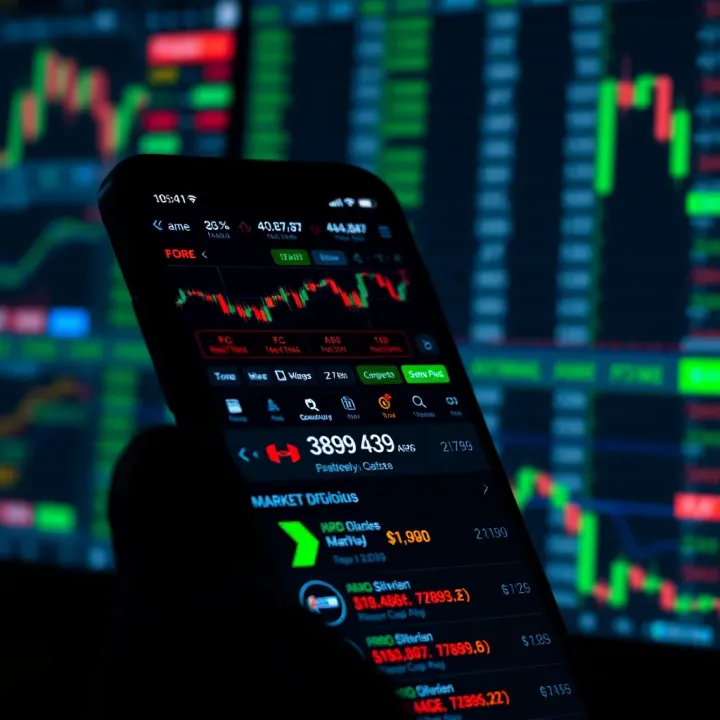
Discover how to pick the best forex trading app in Nigeria 📲. Compare features, fees, and security to trade smarter and safer today! 💹🇳🇬
Based on 12 reviews