

Choosing the Best Forex Trading Apps in Nigeria
📱 Discover how to choose the right forex trading app for Nigeria 🇳🇬. Learn key features, security tips, and ways to boost your trading success on mobile.
Edited By
Liam Foster
If you're trading forex here in Nigeria, picking the right signal app can make a real difference. Forex signal apps basically give you inside tracks—tips on when to buy or sell currencies based on market data and expert analysis. But not all apps are created equal. Some might give you solid leads, while others are like a shot in the dark.
This article cuts through the noise to help you understand how forex signal apps work and what to look for before committing your hard-earned money. We'll go over key features, potential pitfalls, and even look at a few popular options trusted by Nigerian traders.
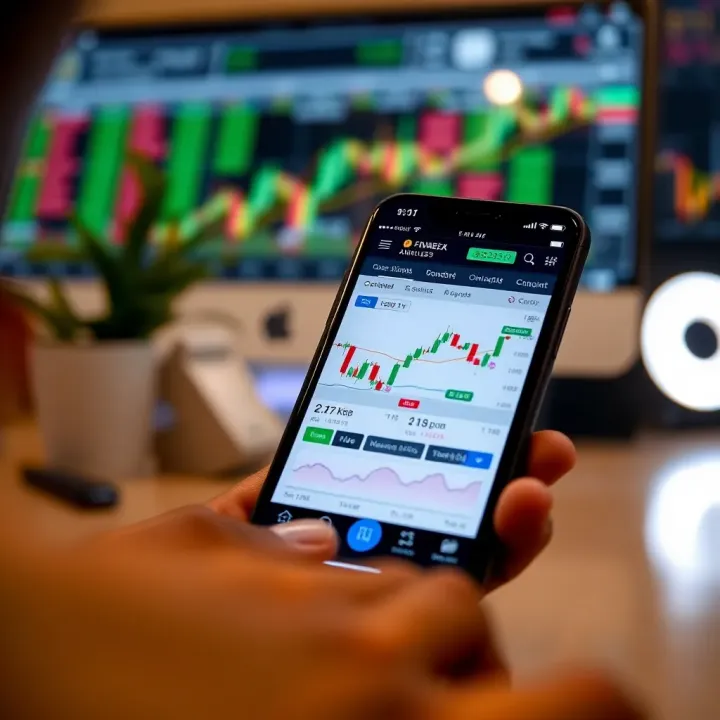
Before you dive into any tool, it's smart to know exactly what these apps offer and how you can use them wisely in our local trading environment. The forex market’s fast-paced and tricky, so having reliable signals can tip the scales in your favor. Stick around and you’ll get the lowdown on making a smarter choice that fits your trading style and goals.
Remember: No signal app is a magic bullet. They’re tools—helpful ones—but your judgment and strategy still steer the ship.
Forex signals can feel like the GPS for Nigerian traders navigating the often choppy waters of currency trading. They offer guidance on when to enter or exit trades, saving traders from making decisions based solely on guesswork or emotional impulses. Understanding how these signals work and their role in your trading strategy can make a real difference in your forex journey.
For instance, a newbie trader in Lagos might receive a signal indicating a potential buying opportunity for the USD/NGN pair. This guidance, if accurate and timely, can lead to a profitable trade or at least help avoid a rash, costly mistake. Essentially, forex signals act as informed tips, highlighting possible market moves and offering a second opinion alongside your own analysis.
At its core, a forex signal is a prompt or alert suggesting a trade idea. It usually includes details like the currency pair, trade direction (buy or sell), entry price, targets, and stop-loss levels. These signals come from experienced traders or automated systems analyzing market data to predict price movements.
Think of it like a weather forecast but for trading — not a guarantee but a well-informed guess based on current trends. Traders use these signals to spot viable opportunities without spending hours sifting through charts and news themselves.
Forex signals don’t replace your judgment; they supplement it. By providing concrete trade setups, signals allow you to act quickly when opportunities arise, which is especially important in Nigeria’s fast-paced markets. They help cut through the noise, reducing decision fatigue and minimizing emotional trading mistakes.
For example, a signal advising a sell on EUR/USD at 1.2100 with a stop-loss at 1.2150 means you know your risk upfront. This clarity helps manage your trades properly, sticking to your risk tolerance without second-guessing. Over time, relying on credible signals can enhance your confidence and discipline.
Manual signals come from seasoned traders who analyze market data and share their insights through apps or social media. These signals often reflect experience and nuanced judgment. However, they may not be as fast or consistent as automated ones.
Automated signals, on the other hand, use algorithms or artificial intelligence to scan vast amounts of market information and instantly generate trade ideas. Popular platforms like MetaTrader 4 and 5 carry many automated signal services, offering convenience and speed. But beware, the algorithms aren't flawless — sometimes they miss context that a skilled human eye would catch.
When choosing, Nigerian traders should consider their style and trust level — some prefer the human touch, others lean on technology’s speed.
Short-term signals point to quick trades lasting minutes to hours, ideal for scalpers aiming to grab small profits multiple times a day. These can be quite hectic and require constant attention. For example, a signal to buy GBP/USD for a 30-minute trade caters to those with time to watch the markets continuously.
Long-term signals, meanwhile, suggest holding positions for days or even weeks based on larger market trends. They suit traders who can’t monitor the screen all day. Nigerian investors with jobs or businesses find these signals handy. A signal recommending selling USD/JPY over a week might reflect larger economic changes or geopolitical news.
Choosing between these depends on your trading schedule, risk appetite, and lifestyle. Both have places in a well-rounded strategy.
Forex signals serve as a handy guide, but successful trading still depends on your ability to use them wisely, combine them with personal research, and manage risks properly.
Forex signal apps act like a trader's second pair of eyes, scanning market data to suggest potential trades quickly and efficiently. For Nigerian traders, understanding how these apps work is vital because it shapes how you use their signals and prevents blind reliance that can lead to losses. These apps gather data from diverse sources, analyze it using different methods, and notify you in real-time about buying or selling opportunities — all designed to save you time and give you a competitive edge.
Technical analysis forms the backbone of many forex signal apps. These signals arise from studying past price movements, patterns, and statistical indicators. Think of it like a weather forecast, but for currency prices. The app might use indicators like Moving Averages, RSI (Relative Strength Index), or Bollinger Bands to detect trends or potential reversals. For example, if the USD/NGN pair breaks a resistance level as shown by the charts, a technical analysis-based signal might alert you to buy.
This type of signal works well for traders who like to base decisions on price action rather than external events. It’s practical because technical patterns often repeat themselves, giving traders clues about short term market moves.
Unlike technical signals, fundamental-based ones consider economic news and events such as interest rate announcements, GDP reports, or geopolitical developments. For Nigerian traders, a classic example would be a signal generated after Nigeria's Central Bank changes its monetary policy or when oil prices fluctuate, impacting the Nigerian naira.
These signals provide context about why a currency might move and are especially useful for medium to long-term traders. The app could produce an alert stating, "Naira weakening expected due to rising inflation," which guides traders to adjust their strategies accordingly.
Advanced forex apps increasingly rely on algorithms and AI to analyze vast amounts of data faster than any human could. These signals blend both technical and fundamental data, learning over time to improve accuracy. For instance, an AI-powered app might spot a correlation between US economic indicators and emerging market currencies, generating a signal before typical market reactions.
These apps can handle multiple currency pairs simultaneously and detect subtle market shifts. However, no system is perfect, so traders still need to use discretion and not treat these signals as foolproof advice.
Speed matters in forex trading. Real-time notifications make sure you get signals right when action happens, whether you're at your desk or on the go. Imagine missing a window to buy the EUR/USD at a favorable rate because your app lagged — frustrating, right? Good signal apps use push notifications or instant alerts so you don’t miss out.
For Nigerian traders, the ability to receive these alerts reliably, especially when connectivity can be patchy, is critical. Choose apps designed for low-data environments or that allow offline viewing of alerts.

One size doesn’t fit all in forex trading. The best apps let you tailor alerts based on your preferences—currency pairs, risk level, trade size, or even time of day. This customization helps avoid alert fatigue and keeps you focused on signals that matter.
For example, if you only trade USD/NGN and GBP/USD, you can filter out signals for other pairs. Or if you prefer conservative trades, set alerts for low-risk opportunities only. Such control enhances your trading efficiency.
The smoothest trading experience comes when signal apps connect directly to your trading platform. This integration lets you act on signals quickly without switching apps or entering orders manually.
Some apps sync with MetaTrader 4 or 5, allowing one-click execution of trades based on received signals. For Nigerian traders using platforms like FXTM or Pepperstone, seamless integration cuts down reaction time — a game changer in volatile forex markets.
Remember, a signal is only as good as how quickly and easily you can respond to it. Choose an app that fits neatly into your existing trading setup to avoid unnecessary steps.
In summary, understanding the workings of forex signal apps—where they get their signals and which features they offer—helps Nigerian traders pick apps that fit their style and trading needs. This reduces guesswork and boosts confidence in the decisions prompted by those signals.
Picking the right forex signal app isn't just about flashy features or promises of huge profits—the factors you focus on can make or break your trading experience. For Nigerian traders, who face a unique market environment with its volatility and internet challenges, these considerations become even more critical.
When selecting a forex signal app, it’s essential to zero in on reliability and accuracy, cost-effectiveness, and ease of use. Each of these factors plays a practical role in ensuring you’re not left waiting for delayed signals, paying for features you don’t need, or wrestling with apps that feel clunky on your smartphone.
A good example of practicality: imagine receiving a signal recommending a buy on EUR/USD, but the delivery lag means by the time you act, the window has closed. Or paying a heavy subscription fee just to get generic indicators that don’t match your trading style. These are common pitfalls that a focused approach can help you avoid.
It’s easy to get swayed by an app that flaunts high accuracy percentages, but the true test lies in consistent performance over time. A trustworthy forex signal app should provide verifiable records—think of it as a trading app's report card. Nigerian traders should look for apps with transparent histories, including verified win-loss ratios and user testimonials that aren’t over-the-top hype.
For instance, an app like ForexSignals.com offers a clear history of its trades and performance stats. This kind of transparency helps you set realistic expectations instead of chasing unicorn profits.
Remember, no signal provider is perfect—trading is inherently risky. What matters is the signal provider's ability to minimize losses consistently.
Timing is the name of the game in forex trading. Delayed signals can turn an opportunity into a missed chance. Nigerian traders often contend with inconsistent internet speeds, so an app’s signal delivery speed can make a huge difference.
Apps that push notifications instantly, such as MetaTrader's integrated signals or Trading Central, keep you in the loop without lag. It's worth testing how quickly alerts actually hit your device before committing to a subscription. After all, a signal that arrives late is about as useful as a map when you’re already lost.
Free signal apps are tempting, especially when funds are tight, but they often come with limitations—delays, fewer updates, or ads that disrupt your focus. Paid services tend to offer more comprehensive features, real-time alerts, and better accuracy because they have the resources to back extensive analysis.
Consider FXLeaders or Learn2Trade, both offering free basic access but charging for premium signals that come with proven improvements in accuracy and timeliness. Starting with a free tier lets you test the waters but be ready to invest once you see the value.
Don’t just chase the cheapest option or the priciest. It's about getting solid signals that fit your trading style and budget. Sometimes, a higher subscription fee pays off if the app reduces your bad trades by half and saves you money in the long run.
Look for apps with flexible subscription plans—weekly, monthly, or quarterly—that suit your trading frequency. Also check if they offer free trials or money-back guarantees, common in apps like MQL5 signals, to avoid buying cat in the bag.
In Nigeria, many traders rely solely on smartphones, so an app’s mobile interface must be intuitive and quick. Clunky apps with overly complicated setups can turn a promising signal into frustration.
Top forex apps like MetaTrader 4 and 5 are trusted partly because of their user-friendly mobile versions. Smooth navigation, clear signal presentation, and minimal steps to act on alerts are essential features.
Good apps don’t leave you flying solo. Access to customer support, community forums, or tutorial resources can be a lifesaver when you’re stuck or need a second opinion.
Many Nigerian traders benefit from apps that have active forums or Telegram groups where you can ask questions and share experiences. Having support that responds promptly saves time and eases the learning curve in forex trading.
In summary, when choosing a forex signal app, it pays to test-drive apps, check the history of results, balance cost with quality, and ensure the app fits your daily routine and device. Being choosy reduces headaches and increases chances of trading in the green.
Choosing the right forex signal app can seriously steer the course of a trader's success, especially in a dynamic market like Nigeria's. For local traders, picking popular apps isn't just about following the crowd; it’s about tapping into platforms that have proven their worth in accuracy, user experience, and relevance to the Nigerian market's unique conditions. This section sheds light on the most favoured apps among Nigerian traders, their distinctive features, and how they stand up in terms of performance and pricing.
Among the leading forex signal apps preferred by Nigerian traders, ForexSignals.com, Trading Central, and ZuluTrade stand out. ForexSignals.com offers an intuitive interface alongside real-time trading ideas with educational content tailored for both beginners and seasoned traders. Trading Central is renowned for its comprehensive technical analysis backed by financial experts, making it a go-to for traders who value accuracy and research depth.
ZuluTrade distinguishes itself by allowing users to copy trades from expert signal providers, making it especially attractive for those who prefer a hands-off approach. This app also features social elements, where Nigerian traders can interact with copy-traders and assess their performance history, which adds a layer of trust and community.
These apps often provide features highly relevant to Nigerian traders such as support for the Nigerian Naira (NGN) in transactions, local payment methods integration like Paystack and Flutterwave, and notifications synced with local trading hours. This ensures that traders can act promptly when signals are delivered, without worrying about processing delays or currency conversion issues.
When it comes to accuracy and reliability, Trading Central often gets high marks for its strong emphasis on data-driven analysis and a team of seasoned analysts behind the scenes. Meanwhile, ForexSignals.com has built its reputation on consistently delivering timely signals and actionable insights, useful for traders new to forex markets in Nigeria’s evolving economy.
ZuluTrade’s performance depends a lot on the signal providers a user chooses to follow, hence reliability can vary, but the app’s transparency and rating system help Nigerian users make informed choices.
In terms of cost, ForexSignals.com offers a range of subscription options, starting with a relatively low monthly fee and providing trial periods that let users test the platform without immediate commitment. Trading Central usually requires a higher subscription fee, but this can be justified by the expertise and market depth it offers. ZuluTrade operates on a commission basis, which means users pay a small percentage of the profits earned via copied trades, making it attractive for those who want performance-based pricing.
Keep in mind: Free trials and demo versions are your best bet for testing these apps yourself before committing any funds. This way, you get a feel for their signals and interface aligned with your trading style.
Understanding these differences can help Nigerian traders choose a signal app not only on popularity but how well it fits their budget, trading strategy, and the local trading environment. Carefully evaluating both functionality and cost ensures you pick a tool that supports your trading goals without breaking the bank.
Forex signal apps are great tools for many Nigerian traders aiming to boost their trading efforts. However, it’s important to remember that these apps come with their own set of risks and limitations. Understanding these helps traders avoid costly mistakes and approach signal use with a clear head. For example, relying blindly on signals without knowing the market context can lead to heavy losses, especially during sudden shifts.
The forex market is famously unpredictable — even the best signals can struggle to keep pace. Prices swing rapidly, driven by news events, geopolitical tensions, or unexpected economic reports. For instance, a political decision in Nigeria or sudden oil price changes can throw currency pairs off track at a moment’s notice. This means signals that looked good minutes before might only be relevant for a short while. Traders must be ready to react quickly or suffer losses.
No forex signal can promise a guaranteed profit. The signals act more like suggestions based on current data and analysis, but market conditions can change fast. Consider a signal calling for a buy in EUR/USD when economic data releases contradict the prior trend—if you blindly follow it, you might end up with a losing trade. Effective traders combine signals with their own judgment, keeping risk management strategies firmly in place.
Signals are tools, not crystal balls. Use them as part of a wider trading plan.
Unfortunately, the forex world has its share of scammers preying on hopeful traders. Common red flags include promises of 100% accuracy, overly aggressive marketing tactics, lack of transparent trading history, or requiring very high upfront fees. For example, if a service claims "guaranteed wins" or pressures you to pay large sums immediately, it's best to steer clear. Genuine services will be upfront about risks and offer trial periods.
Before committing funds, spend time researching any forex signal provider. Look for verified reviews from Nigerian traders, check their performance records over several months, and consider how they handle losses as well as wins. Test out free trials if available, and don’t hesitate to question their methodology. Also, joining local trading communities can give you insider insights about trustworthy services.
In short, being cautious and informed is the best defence against scams and poor signal choices. Always verify, test, and combine signals with your own careful analysis to increase your chances of success.
Using forex signal apps can give Nigerian traders a handy edge, but they aren't magic wands. Getting the best out of them means mixing signals smartly with personal insights and solid risk management. Let’s break down some hands-on tips that help traders avoid common pitfalls while boosting their chances of success.
It's tempting to just take signals at face value, especially when you're starting out or juggling a hectic schedule. However, putting all your eggs in the signal basket can backfire. Signals provide guidance based on specific criteria, but markets don’t run on autopilot—they’re affected by unexpected events, economic twists, and trader sentiment. For example, say a signal suggests buying EUR/USD, but you notice sudden geopolitical tension that might push the currency lower. Ignoring that could lead to losses.
To avoid this, traders should treat signals as one piece of the puzzle. It’s wise to compare them with your own study, experience, and intuition. If your analysis contradicts a signal, pause and reconsider rather than blindly following.
Forex markets are deeply influenced by macroeconomic news—think central bank announcements, inflation reports, or geopolitical developments. A signal doesn’t always capture these real-time happenings.
Checking the latest news and economic calendars before acting on any signal can save you from sudden market shocks. Nigerian traders, for instance, may need to keep an eye on how USD or GBP moves after major Fed or Bank of England news, as these can ripple through currencies commonly traded with the Nigerian Naira.
Simple steps like glancing at Bloomberg updates or Reuters headlines daily can give you useful context. Combining signals with fresh market news helps make smarter, timely decisions rather than chasing outdated info.
No signal is a guaranteed winner, so protecting your capital is non-negotiable. A stop-loss order caps how much you lose if a trade goes south. For example, if a signal advises buying USD/JPY at 110.50, you might set a stop-loss 1% below at 109.40. This way, if the market dives unexpectedly, you’ll exit automatically, limiting the damage.
Consistent use of stop-loss orders turns a guessing game into a manageable risk adventure. Many forex apps let you set these straight from the interface, so don’t overlook this vital feature.
Forex trading is thrilling but can drain your account quickly if you dive in with heavy bets. Signals are tempting to follow on every trade, but spreading your risk protects your bankroll.
As a rule of thumb, never risk more than 1-2% of your trading capital on a single trade. This means if you have ₦100,000 set aside for trading, your max potential loss per trade should be ₦1,000 to ₦2,000. Overexposure makes you vulnerable to losing streaks, which happen even to pros.
By limiting exposure, you're better prepared to ride out periods when signals don’t pan out. It’s the forex equivalent of not putting all your eggs in one basket.
Consistently combining personal insight with signals, staying informed, and managing risk lets Nigerian traders make the most of forex signal apps without falling into common traps. Smart traders know signals are tools—not guarantees.
The road to success in forex isn't paved solely by following tips or signals; it's about weaving these elements skillfully into your trading habits.
📱 Discover how to choose the right forex trading app for Nigeria 🇳🇬. Learn key features, security tips, and ways to boost your trading success on mobile.
Looking to pick the best forex trading app in Nigeria? 📱 Learn what to watch for, explore top picks, and get tips to trade safely and smartly. 💹
📱 Discover the best forex trading apps for Nigeria! Compare features, tools, and security to pick the perfect platform for your trading style. 💹🔒
Discover how to pick the best forex trading app in Nigeria 📲. Compare features, fees, and security to trade smarter and safer today! 💹🇳🇬
Based on 11 reviews