
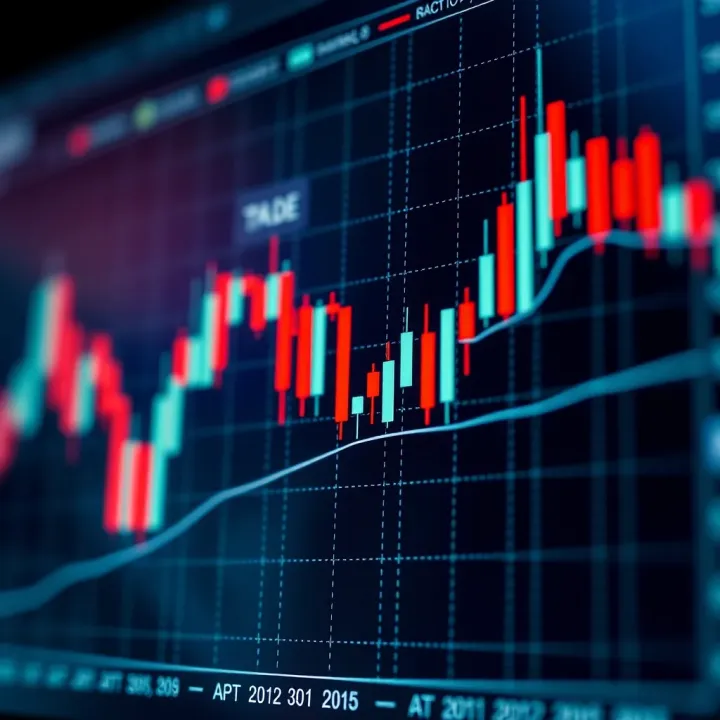
Guide to Candlestick Patterns for Trading
📈 Explore a complete guide to major candlestick patterns in trading! Learn how they form, their market impact, and tips for smarter trading in Nigeria and beyond.
Edited By
Elizabeth Harding
Engulfing candlestick patterns serve as a popular tool in technical analysis, especially for traders and investors looking to spot potential trend reversals in financial markets such as stocks, forex, and commodities. These patterns form when one candlestick's body completely covers or "engulfs" the previous candle’s body, signalling a significant shift in market sentiment.
To put it simply, an engulfing pattern appears when a small candlestick is immediately followed by a larger one that overtakes the earlier candle’s open and close prices. This suggests that the buyers or sellers have stepped in strongly, potentially reversing the current market direction.
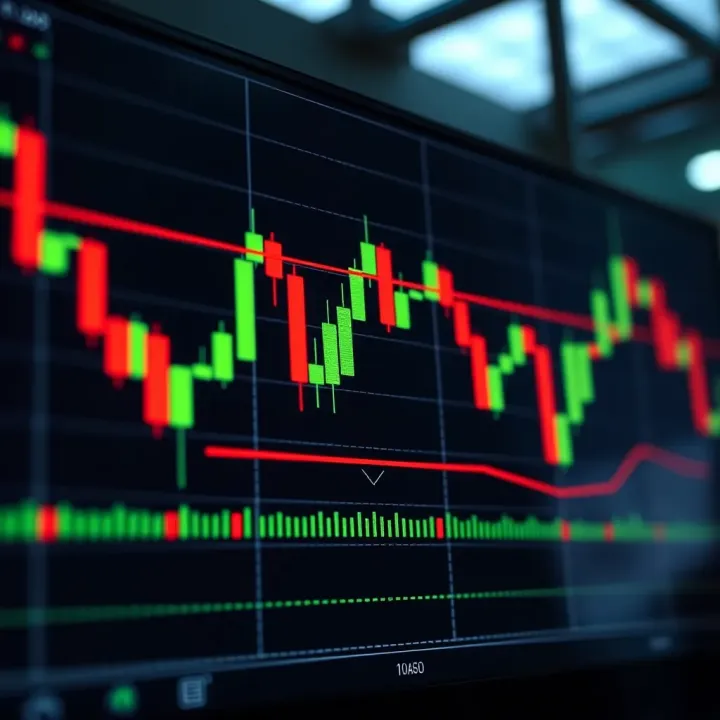
There are two main types:
Bullish Engulfing: Occurs at the end of a downtrend. Here, a small bearish candle is overtaken by a larger bullish candle. This hints that buyers have regained control, possibly pushing the price up.
Bearish Engulfing: Happens at the end of an uptrend. A small bullish candle is engulfed by a larger bearish one, indicating sellers might take charge and drive prices lower.
Understanding these patterns provides a quick visual cue on charts, which can be invaluable when making trading decisions in fast-moving markets.
For example, consider a stock that’s been dropping for days, represented by several downward candles. Suddenly, you see a small red candle followed by a much bigger green candle that engulfs the previous one. This bullish engulfing pattern could mark the start of an upward reversal, signalling a good entry point.
Traders often look for confirmation signals alongside engulfing patterns—such as increased trading volume or support and resistance levels—to validate the potential reversal. Without confirmation, the engulfing pattern alone may lead to false positives.
In sum, engulfing candlestick patterns are straightforward yet powerful tools that, when used correctly, help traders detect shifts in market momentum early. Mastering their identification and learning to confirm their signals can improve your trading edge across different markets, be it the Nigerian Stock Exchange or forex platforms.
Engulfing candlestick patterns play a vital role in technical analysis by signalling potential reversals in market trends. In trading on Nigerian platforms like the NGX Exchange or even forex markets involving naira pairs, recognising these patterns can help you anticipate shifts before they become obvious. This awareness enables better timing for entry or exit points, curbing losses and improving gains.
An engulfing pattern consists of two candles where the second candle completely covers or “engulfs” the previous one. It shows a strong change in market sentiment. The first candle is usually smaller, reflecting the existing trend’s hesitance, while the second candle’s body is larger and opposite in colour, indicating a surge from buyers or sellers overpowering the earlier momentum.
Imagine a stock on the NGX showing a faint downtrend; if a large bullish candle on day two swallows the smaller bearish candle from day one, it raises the chance of a reversal to bullish momentum. The wick size is secondary but can influence how confident you feel about the pattern.
A bullish engulfing pattern emerges during a downtrend and suggests buyers are gaining control. The smaller bearish candle is followed by a larger bullish candle that fully covers the previous body, signalling an appetite for upward price movement. For a Nigerian trader, spotting this on shares like Dangote Cement or forex pairs like USD/NGN may prompt a buying opportunity with controlled risk.
The practical relevance here lies in its potential to mark the start of an upswing. However, confirming with volume spikes or support levels is advisable to avoid false alarms, common during naira volatility.
Conversely, a bearish engulfing pattern appears after an uptrend and points to sellers taking over. Here, a small bullish candle is engulfed by a larger bearish candle, indicating increased selling pressure. For example, if a commodity like crude oil futures shows this pattern, it might hint at a forthcoming decline, relevant for traders focusing on Nigeria's petroleum market.
Using this pattern helps in deciding when to secure profits or put stop-loss orders in place, especially amidst the high price swings typical of Nigerian markets. Again, it’s best combined with other technical signals to improve decision quality.
Engulfing patterns provide clear visual cues of market momentum shifts, but they work best when paired with volume data or trend confirmations, rather than relied upon in isolation.
By understanding these patterns, Nigerian traders can sharpen their market entries and exits, improving overall portfolio performance with practical, contextual application.
Recognising engulfing candlestick patterns precisely is vital for traders aiming to spot potential trend reversals in the market. Misreading these patterns can lead to wrong trade decisions, which might affect profits or increase risks. Therefore, a clear understanding of the pattern's visual cues, within the context of the wider price action, is necessary to trade confidently.
The backbone of the engulfing pattern lies in the size of the candles. To qualify as an engulfing pattern, the second candle’s body must completely cover or ‘engulf’ the first candle’s body. This means the second candle’s real body is larger and fully overlaps the previous one’s real body, signalling a strong change in market sentiment. For instance, if a small red candle is followed by a significantly larger green candle that swallows it entirely, it hints that buyers have taken control from the sellers.
Checking candle size helps filter out weak signals. A pattern where the engulfing candle barely covers the previous one might not indicate a strong reversal. This size difference matters because a bigger engulfing candle often reflects a substantial shift in demand and supply balance.
Besides the candle bodies, the wicks (or shadows) play a role but are less critical for the engulfing pattern. The essential focus is on the candle bodies overlapping. However, long wicks on either candle could suggest indecision or potential resistance levels.
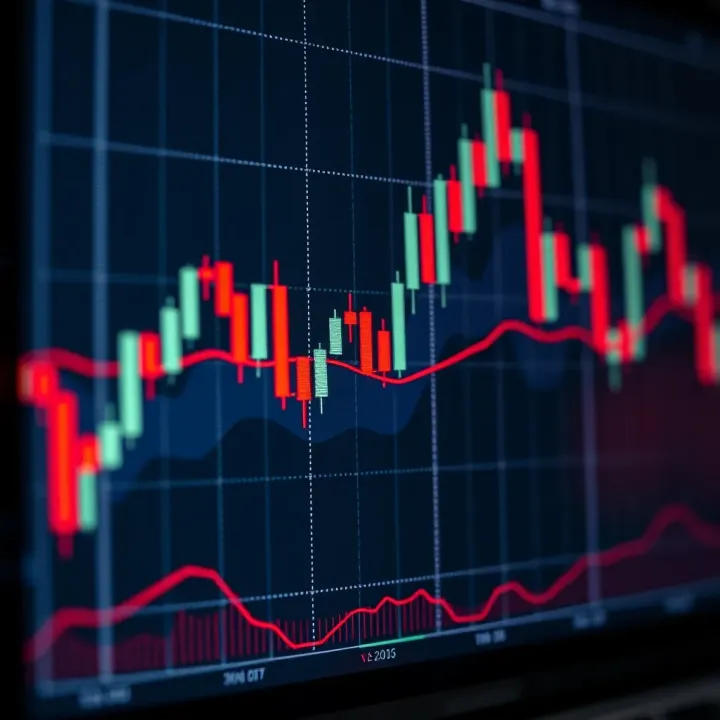
For example, if the engulfing candle has a very long upper wick in a bullish pattern, it means price tried to push higher but faced selling pressure, which might indicate limited conviction. Conversely, a clean engulfing candle with short wicks shows strong momentum behind the move.
Understanding these body and wick traits aids traders in gauging the quality and reliability of the pattern, distinguishing robust setups from deceptive ones.
The location of the engulfing pattern within the market trend heavily influences its interpretation. An engulfing pattern appearing after a clear downtrend usually signals a bullish reversal, while one following an uptrend suggests a bearish turn.
For example, spotting a bullish engulfing pattern after several days of declining prices in an NGX stock could indicate price recovery. Ignoring the trend context may lead to mistaking normal price fluctuations for meaningful reversals.
Thus, always assess the preceding price movement before making trading decisions based on engulfing patterns.
Traders often stumble by mistaking any large candle that overlaps the previous one as an engulfing pattern without checking if the entire body is covered. Partial overlaps do not constitute a valid engulfing signal.
Another pitfalls is ignoring the broader market context—using engulfing patterns in isolation without considering volume, market news, or trend can yield false signals.
Also, relying solely on engulfing patterns to decide entry or exit points without combining with other tools like support and resistance or moving averages might end badly, especially in volatile markets like Nigerian equities or forex pairs.
Identifying engulfing patterns accurately involves more than just spotting big candles; it demands careful attention to candle size, body and wick features, and the broader trend context to make informed trading decisions.
Understanding what engulfing candlestick patterns indicate about price action is fundamental for traders who want to read market sentiments properly. These patterns signal a potential reversal or strong momentum shift, but their interpretation requires attention to the surrounding market conditions.
The engulfing pattern describes a tug of war between buyers and sellers. In a bullish engulfing, a small red candle is followed by a larger green candle that completely covers the previous body. This suggests buyers have overcome sellers, pushing prices higher. Conversely, a bearish engulfing pattern indicates that sellers have taken control after buyers’ attempts, often signalling a downtrend.
For example, suppose the NGX All-Share Index (ASI) has been in a downtrend for several days. If a bullish engulfing forms near a key support level, traders could see this as a sign the market is shifting to upside momentum. This interpretation gains weight if the candlestick forms with higher than average volume, confirming increased interest on the buy side.
On the flip side, engulfing patterns occurring without any significant volume increase might lose reliability. For instance, a bearish engulfing on a forex pair like USD/NGN during thin market hours could be a false signal, misleading some traders into premature selling.
The true value of engulfing patterns lies in what they reveal about the battle between buying and selling pressures within the market's broader context.
While engulfing patterns provide valuable clues, they do have limitations. One key challenge is that these patterns can occur frequently without resulting in meaningful trend changes. This happens particularly in sideways or highly volatile markets where price action fluctuates sharply.
A typical false signal example would be an engulfing pattern forming near a minor support or resistance area that lacks historical significance. Traders relying solely on the pattern could face whipsaw losses due to quick reversals.
Another limitation is the pattern’s dependency on the timeframe. A bullish engulfing on a 5-minute chart might simply reflect noise, whereas the same on a daily chart may carry stronger implications. Nigerian traders dealing with equities or forex should consider the timeframe carefully to avoid overtrading based on less reliable signals.
Moreover, market context such as upcoming economic announcements or central bank policies can overshadow engulfing signals. For instance, an engulfing pattern on oil prices might lose meaning if there's news of OPEC production changes.
In practice, combining engulfing patterns with volume data, support and resistance zones, and broader trend analysis helps reduce false signals. This layered approach is especially beneficial in the Nigerian markets where liquidity and volatility can be unpredictable.
In summary, engulfing candlestick patterns hint at shifts in market forces and potential reversals but must be interpreted within the larger price action and trading environment. Recognising their limits and combining them with other indicators improves trading decisions and helps avoid costly errors.
Engulfing candlestick patterns shine brightest when traders use them alongside other tools. They offer strong hints about market sentiment shifts, but relying solely on them can be risky. Integrating these patterns with technical indicators helps confirm signals and sharpens timing for trades. This practice reduces the chance of false alarms and boosts confidence in decision-making.
Support and resistance levels mark price points where markets tend to pause or reverse. When an engulfing pattern forms near these levels, its signal gains more weight. For example, a bullish engulfing pattern emerging at a strong support level suggests buyers are stepping in decisively. On the flip side, a bearish engulfing near resistance often warns that sellers could push prices down.
In practical terms, a trader observing a bearish engulfing pattern while the price hits a previous high might decide to sell or tighten stop-loss orders. This combination helps in pinpointing where the market's momentum could realistically change, refining entry and exit plans.
Volume plays a big role when confirming engulfing patterns. High trading volume during the formation of the engulfing candle indicates real conviction behind the move. For instance, if a bullish engulfing pattern on a Naira forex pair appears with above-average volume, it suggests strong buying interest, making the pattern more reliable.
Conversely, a pattern formed on low volume might lack follow-through. Nigerian traders dealing with equities on the NGX can watch daily turnover rate alongside candlesticks. A spike in volume during an engulfing event is a green light to pay closer attention.
Moving averages smooth price data to reveal underlying trends. When engulfing patterns coincide with moving average signals, it often sharpens the trading edge. For example, spotting a bullish engulfing candle crossing above the 50-day moving average might signal a trend reversal or resumption.
Traders can also watch if the engulfing pattern supports bounce off key moving averages. In commodities like crude oil, if prices form a bearish engulfing pattern below the 200-day moving average, it may indicate continued downward pressure. Using these averages helps confirm whether the market is aligning with the pattern’s implied direction.
Timing entry and exit points based on engulfing patterns requires care. A common approach is entering a trade once the engulfing candle closes, which confirms its formation. However, placing an entry order just above the high (for bullish) or below the low (for bearish) of the engulfing candle helps avoid premature execution.
Exits should be planned with clear stop-loss levels to protect capital. For example, you might set a stop-loss slightly below the low of a bullish engulfing candle when buying equities on NGX. Profit targets can be based on nearby resistance or support levels, or measured moves reflecting the previous trend’s range.
No pattern guarantees success, so controlling risk is vital. Position sizing depending on your account size ensures no single trade can damage your portfolio. Always use a stop-loss to prevent losses from runaway moves.
Keep in mind market volatility, especially during ember months in Nigeria when price swings can be unpredictable. Also, resist the urge to chase patterns in illiquid stocks or pairs with tight spreads, as false signals appear more often there.
Successful use of engulfing patterns blends technical confirmation, well-timed entries and exits, and solid risk controls. This combo helps traders navigate Nigeria’s markets with greater confidence and clarity.
Trading engulfing candlestick patterns in Nigeria requires a contextual approach because market conditions here differ from those in major global markets. Understanding local nuances helps traders interpret these patterns more effectively and make informed decisions. Practically applying these patterns within Nigerian financial markets enhances the accuracy of trend predictions and optimises entry and exit points. This section discusses how engulfing patterns can be used on the Nigerian Exchange Group (NGX), in foreign exchange trading involving the naira, and in Nigeria's commodity markets.
The Nigerian Exchange Group (NGX) features a range of equities from diverse sectors such as banking, consumer goods, oil and gas, and telecommunications. Engulfing candlestick patterns here can serve as valuable signals of potential trend reversals or continuations, especially in blue-chip stocks like MTN Nigeria or Dangote Cement. For example, a bullish engulfing pattern following a downtrend in MTN’s share price could hint at a buying opportunity as market sentiment shifts.
Due to the peculiarities of the Nigerian stock market — including lower liquidity compared to global counterparts and occasional volatility spikes — relying solely on engulfing patterns can be risky. Traders should always confirm signals with volume analysis or support and resistance levels specific to NGX-listed shares to avoid false alarms.
In forex trading, the naira often pairs with the US dollar (USD/NGN) and other major currencies. Because of the naira’s historical volatility and regulatory controls, engulfing candlestick patterns can provide timely insights into short-term price reversals or momentum shifts. For instance, a bearish engulfing pattern might indicate a reversal in the USD/NGN rate after a prolonged gain, helping traders decide when to sell or hedge.
However, forex traders in Nigeria must factor in periodic Central Bank of Nigeria (CBN) interventions, which sometimes distort price action temporarily. Therefore, combining engulfing pattern signals with awareness of macroeconomic announcements and CBN policies improves decision-making and reduces exposure to sudden market swings.
Nigeria is a major player in commodities like crude oil and agricultural products. Commodity prices here respond both to global trends and local supply-demand dynamics influenced by factors such as pipeline vandalism or harvest seasons. Using engulfing patterns on commodity charts—such as Brent crude futures or cocoa contracts—can help traders anticipate short-term reversals.
For example, after a downward price trend in crude oil triggered by supply disruptions, a bullish engulfing candlestick could suggest recovery is underway. Since commodities can be highly sensitive to geopolitical developments and seasonal cycles in Nigeria, confirming engulfing signals with news monitoring and volume data is essential.
Many Nigerian traders face obstacles like limited access to advanced charting tools or reliable real-time data. Also, intermittent power outages and slow internet can disrupt timely decision-making. To navigate these, local traders should use mobile-friendly trading platforms that offer candlestick charts with user-friendly features, such as MTN Invest or international apps with NGX access.
Besides, the often-volatile naira exchange rate can add a layer of unpredictability, especially for forex and commodity traders. Keeping a close eye on CBN policies and FX market news helps anticipate major movements that may override technical patterns like engulfing candlesticks.
Risk management is also paramount. Nigerian traders should avoid over-leveraging and always set stop-loss orders to limit losses, since false signals do occur. Practising with demo accounts on platforms offering Nigerian market data is a valuable step before committing real funds.
Engulfing candlestick patterns offer Nigerian traders a practical edge when used alongside local market insights and disciplined strategies. Combining pattern recognition with awareness of Nigeria's economic, political, and infrastructural realities leads to smarter trading decisions.
📈 Explore a complete guide to major candlestick patterns in trading! Learn how they form, their market impact, and tips for smarter trading in Nigeria and beyond.
📉 Learn how to spot bearish reversal candlestick patterns and use them alongside other tools to predict downtrends for smarter trading decisions in Nigeria.
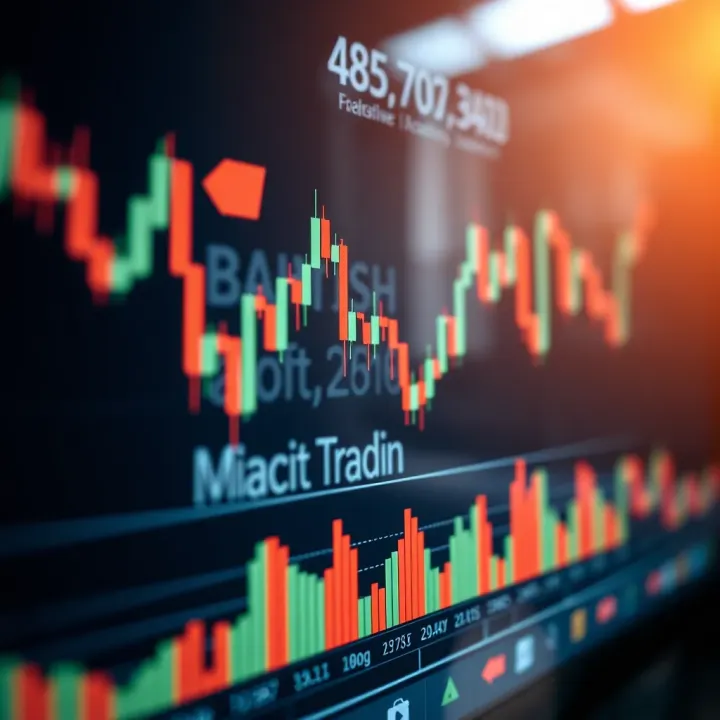
📈 Discover powerful candlestick patterns with our detailed guide—learn how to spot, interpret, and trade them confidently. Includes a handy PDF with 35 key patterns!
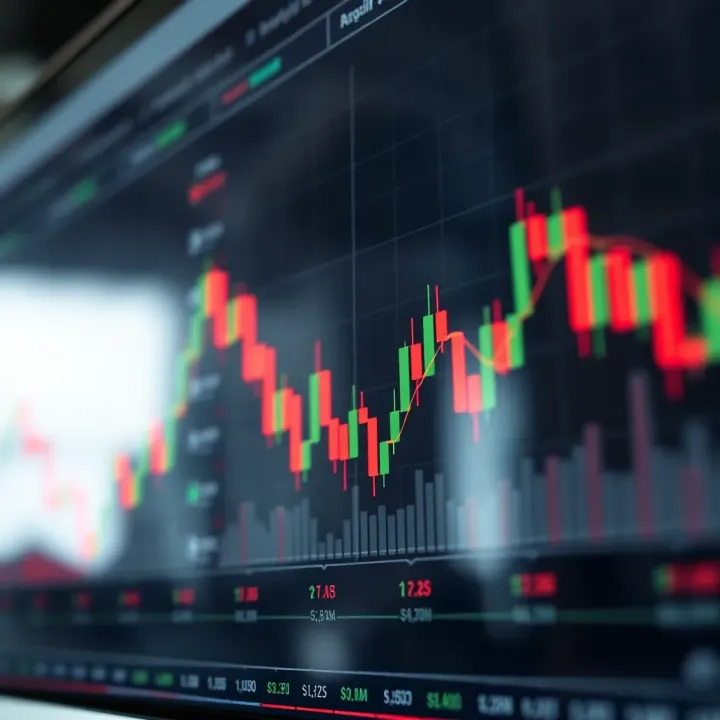
📉 Learn to spot bearish candlestick patterns in trading and improve your market predictions. Get tips on interpretation and combining tools for smarter decisions.
Based on 8 reviews