
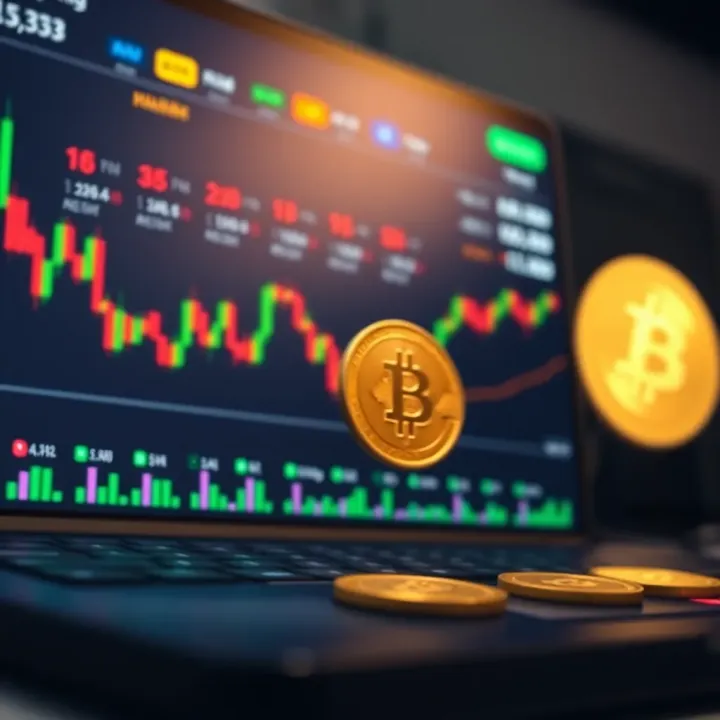
How to Start Crypto Trading in Nigeria
🚀 Ready to start crypto trading? Learn how to set goals, pick reliable platforms, manage risks, and build your strategy with tips tailored for Nigerian traders 🇳🇬
Edited By
Charlotte Hughes
Cryptocurrency trading in Nigeria has gained serious traction over the past few years, largely driven by the country's tech-savvy youth and rising internet penetration. For anyone interested in tapping into this market, it’s vital to grasp both the practical and legal sides before jumping in.
Understanding crypto goes beyond just Bitcoin and Ethereum — the market includes hundreds of digital coins, each with its own characteristics. This is where knowing the basics becomes critical before you start trading.
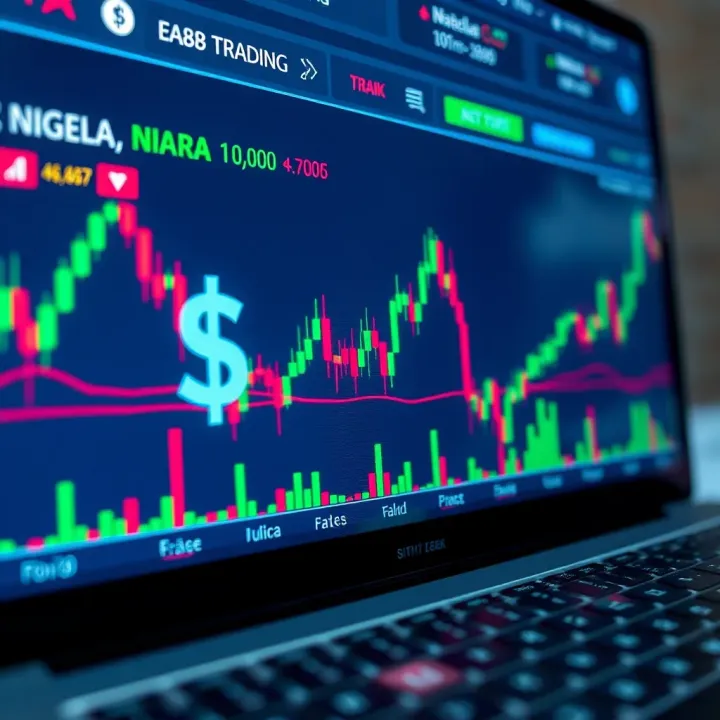
Successful trading depends not just on spotting trends but also on choosing reliable platforms and securing your investments properly.
Starting crypto trading demands a few concrete steps:
Research cryptocurrencies: Familiarise yourself with popular coins and new entrants. Tools like CoinMarketCap provide real-time data, but focus on coins with substantial trading volume and community backing.
Select trusted exchanges: Nigerian traders often prefer platforms that support the naira, such as Binance, Luno, or local exchanges like Quidax. Check for ease of deposit, withdrawal limits, and security features.
Set up wallets: Custodial wallets on exchanges are convenient but expose you to risks if the platform is compromised. Consider hardware wallets like Ledger or cold wallets for better security.
Check legal and regulatory environment: Nigeria’s crypto regulations have seen changes; the Central Bank of Nigeria (CBN) restricts banks on crypto transactions, while the SEC is working on clearer frameworks. Stay updated to avoid compliance issues.
Prepare for volatility: Crypto prices swing wildly. Manage risks by setting stop-loss orders and avoid investing money you can’t afford to lose.
Starting small with clear goals, keeping an eye on news specific to Nigerian market conditions, and constantly sharpening your strategy are key. Getting your hands dirty in trading requires more than luck: understanding the tools, platforms, and safeguards will shape your success.
This guide will walk you through everything you need, breaking down each essentials clearly and with local relevance.
Understanding the basics of cryptocurrency and how trading works forms the foundation for anyone interested in making smart moves in Nigeria's crypto market. It's like learning the rules and terrain before setting off on a journey. Without grasping what cryptocurrencies are and how their prices shift, you risk losing money or falling prey to scams.
Cryptocurrency is a type of digital or virtual money secured by cryptography, making it nearly impossible to counterfeit. Unlike the traditional naira or dollars, cryptocurrencies operate independently of banks or governments and typically run on a technology called blockchain. For example, Bitcoin, the pioneer crypto, is a digital asset that records transactions openly but securely.
Looking around Nigeria, many traders know Bitcoin and Ethereum. Bitcoin (BTC) remains popular due to its pioneering status and wide acceptance, especially as a store of value. Ethereum (ETH), on the other hand, supports smart contracts and decentralized apps, making it useful beyond just payments. Others like Binance Coin (BNB) and Cardano (ADA) have gained ground due to their faster transactions and lower fees.
Trading cryptocurrencies mainly happens on exchanges, which are online platforms where buyers and sellers meet. You can buy crypto with Nigerian naira on platforms like Bundle or Quidax, or trade cryptos against each other. For instance, you might exchange your Bitcoin for Ethereum depending on market opportunities. The process involves placing buy or sell orders, and the exchange matches these orders in real time.
One key thing to understand is price volatility. Crypto prices jump up and down quickly, sometimes in hours or even minutes. This is driven by market demand, news events, and broader economic trends. For example, when the Central Bank of Nigeria issued directives in 2021 restricting bank transactions to crypto exchanges, prices reacted sharply. Knowing this helps traders decide when to enter or exit the market and manage risks wisely.
Quick tip: Always track the price movements and major news because crypto markets respond fast, and missing the timing can cost you dearly.
Trading cryptocurrencies is not just about guessing prices; it requires understanding market behaviour and using practical tools like price charts and alerts. With this knowledge, you can engage confidently and avoid costly mistakes in Nigeria's fast-moving crypto scene.
Choosing the right crypto exchange is central to a successful trading experience in Nigeria. This platform acts as your gateway to buying, selling, and managing cryptocurrencies, so you need to be sure it fits your needs securely and conveniently. A poor choice can lead to lost funds, high fees, or frustrating user experience. Let’s break down key factors to focus on.
Security features
Security should top your list. Nigerian traders face cyber risks like hacking and phishing, which can wipe your crypto savings if you’re not careful. Always check if the exchange offers two-factor authentication (2FA), cold storage for most funds, and has a good track record against breaches. For instance, platforms that separate user funds from operational accounts and use encryption help limit exposure.
Security incidents in Nigerian fintech have happened severally, so opt for exchanges with transparent security policies. Going for platforms regulated or licensed within Nigeria or internationally adds another layer of trust.
Ease of use
A platform that’s easy to navigate can save you from costly mistakes, especially when the market is moving quickly. Nigerian traders—whether new or experienced—benefit from a clean interface, fast transaction processing, and responsive customer support. Complex layouts or slow apps can cause frustration and errors.
Look for apps or websites with simple deposit and withdrawal procedures, clear charts for market prices, and extra features like alerts for price changes. Bundle and Quidax, for example, are known locally for straightforward designs tailored to Nigerian users.
Available cryptocurrencies
Not all exchanges list the same coins. If you want to trade beyond Bitcoin or Ethereum, check whether the platform supports altcoins popular in Nigeria like Dogecoin, Shiba Inu, or local tokens.
A wider selection gives you more opportunities but may come with varying liquidity. Stick to exchanges with sufficient trading volume for your chosen currencies to ensure you can enter and exit trades without big price slippage.
Transaction fees
Fees can eat significantly into your profits if you’re not mindful. Nigerian traders should compare platforms on trading fees, withdrawal charges, and deposit costs. While some platforms charge flat rates, others use percentage-based fees that differ depending on trading volume.

For instance, an exchange charging 0.1% per trade could be cheaper for large deals than one charging a flat ₦500 per transaction. Understand all fees upfront to avoid surprises.
Local exchanges like Bundle, Quidax
Local exchanges often cater specifically to Nigerian payment methods like bank transfers and USSD, making deposits quick and convenient. Bundle, for example, allows buying crypto with your bank account or debit card directly in naira.
These platforms usually focus on user-friendly designs and responsive local support, helping traders new to crypto avoid common pitfalls. They also tend to have fewer restrictions than some international sites, especially after the CBN crypto restrictions.
International platforms accessible in Nigeria
Many Nigerians use global players like Binance, Coinbase, or KuCoin. These sites boast a vast array of cryptocurrencies, advanced trading tools, and high liquidity. They often provide features like futures trading and staking programs.
However, users should be aware of local regulations and possible limitations on deposits and withdrawals due to Nigerian banking restrictions. Despite this, such platforms remain popular for their depth and scope.
Selecting a crypto exchange confidently means balancing your need for security, ease, available assets, and fees. Don’t rush—invest time studying platforms before putting your naira on the line.
A crypto wallet is the cornerstone of your trading activity; it's where your digital assets live. Without a proper wallet setup, you can't store, send, or receive cryptocurrencies securely. For Nigerian traders, getting this right means safeguarding your investments and having immediate access for trading or transfers. It's not just about access—it's about control and protection against cyber threats or careless mistakes.
Hot wallets are connected to the internet, making them convenient for frequent trading and rapid transactions. Examples include desktop wallets and web wallets, which you can access through apps or browsers. However, because they remain online, they face higher risks of hacks—a big deal especially if you keep large sums.
Cold wallets, by contrast, are offline storage devices like hardware wallets or even paper wallets where private keys are stored physically. They offer superior security since they aren’t vulnerable to online attacks. Nigerian traders who plan to hold cryptocurrencies long-term often choose cold wallets to avoid exposure, especially during periods when the market is unstable.
Mobile wallets are a subset of hot wallets, optimised for smartphones—highly relevant for Nigerians due to widespread mobile use. Applications like Trust Wallet, Binance, and even Paystack’s crypto feature allow for easy buying, selling, and storing of coins on the go. These wallets support quick access and are user-friendly, suited for daily activities.
However, the ease comes with a trade-off: if your phone is lost or compromised, your crypto could be at risk. Therefore, choosing a mobile wallet with strong security features like biometric authentication or two-factor authentication (2FA) is essential.
Setting up a wallet usually begins by downloading a trusted app or configuring a hardware device. For mobile wallets, this involves installing the app, setting a strong password, and generating a seed phrase—a series of words that acts as your master key to the wallet. For hardware wallets, the process includes connecting the device to your computer, setting up a PIN, and securely writing down the recovery phrase.
Always follow official guides, as the exact steps may vary by wallet brand. For example, Trust Wallet’s setup is straightforward with clear prompts, while hardware wallets like Ledger require careful handling.
Private keys are fundamental to wallet security; losing them means losing access to your cryptocurrencies forever. Always back up your private keys or seed phrases in several safe places—avoid digital copies prone to hacking. Physical backups like writing on paper or storing them on metal plates are popular in Nigeria among serious traders.
Keep these backups away from moisture, fire risk, and prying eyes. Never share your private keys with anyone, no matter how convincing they might appear. Protecting these keys is the best defence against loss or fraud.
Remember, your wallet is only as secure as you make it. Taking the time to understand and protect it can save you substantial losses in the future.
Understanding the legal and security landscape is a must for every crypto trader in Nigeria. Navigating these issues properly protects your investments and keeps your trading activities above board. Given the volatility of the crypto market and the complex regulatory stance from Nigerian authorities, knowing the ground rules helps traders avoid unnecessary risks.
The Central Bank of Nigeria (CBN) has taken a restrictive stance on cryptocurrencies. Since February 2021, the CBN directed banks and payment platforms to halt all transactions related to cryptocurrencies. This policy means you cannot directly fund your crypto exchange accounts from Nigerian banks. Traders often have to resort to peer-to-peer (P2P) platforms or use offshore accounts for deposits and withdrawals.
This directive is rooted in concerns about fraud, money laundering, and the instability of crypto assets. However, the government has not outlawed crypto trading itself, leaving a grey zone where trading is tolerated but banking support is unavailable. This split policy creates challenges but also opportunities for those willing to navigate the system carefully.
Due to the CBN restrictions, Nigerian traders must exercise caution using formal banking channels for crypto. Many rely on P2P platforms such as Binance P2P or local exchange services like Bundle to avoid account freezes or sanctions. This workaround requires thorough vetting of counterparties and platforms to prevent losses.
Moreover, the lack of clear legislation means traders bear full responsibility for their security and compliance. You need to stay updated on any policy changes from the CBN or the Securities and Exchange Commission (SEC) to avoid unknowingly breaking regulations. Practising good record-keeping and transparency may also help safeguard against future legal issues.
Scams remain the biggest threat to crypto traders in Nigeria. Common frauds include fake investment schemes claiming guaranteed returns or Ponzi setups disguised as trading groups. Some scammers impersonate known crypto influencers or platforms, asking for deposits or private keys. There have also been cases of phishing attacks targeting traders’ wallets to steal funds.
Lost funds from these scams often do not get recovered due to the unregulated nature of many crypto platforms. These schemes can easily lure traders who are new or eager for quick profits without proper due diligence.
To guard against scams, always verify the credentials of any platform or individual offering crypto services. Stick to exchanges with strong reputations and transparent operations. Never share your private keys or seed phrases with anyone, no matter how trustworthy they sound.
Also, avoid schemes promising unrealistic profits. Legitimate trading involves risk and does not guarantee returns. Use two-factor authentication (2FA) for your crypto accounts and consider cold wallets for better security of large holdings. Joining credible Nigerian crypto communities can also help you spot red flags early and learn from shared experiences.
A careful approach to legal and security issues can save you millions of naira and prevent heartbreak from loss or legal trouble. Trade smart, stay informed, and protect your crypto assets vigilantly.
Starting crypto trading without practical ground rules is like navigating Lagos traffic without a map—you might get somewhere, but the journey will be long and stressful. This section highlights the hands-on tips Nigerian traders should adopt to boost their chances of success. Understanding the market intricacies and utilising available tools can turn a cautious trader into a confident one.
Setting realistic goals is critical for every trader, especially those new to crypto. Many Nigerian traders jump in expecting quick riches, but crypto markets can be wildly unpredictable. Begin by defining clear, manageable targets, such as reserving a small fraction of your savings—₦50,000 or ₦100,000—to buy and sell crypto. This approach limits your exposure to losses while you get a feel for how the market behaves.
Realistic goals also mean recognising that significant profits seldom come overnight. Instead, aim to learn from each trade, understanding when to cut losses and when to hold. For example, if you buy Bitcoin and see its price dip by 5%, don’t panic and sell immediately; consider market trends and news before reacting. Patience and discipline build a stronger trading foundation.
Tracking market trends and news is no less important. Crypto prices respond swiftly to global and local events—such as regulatory announcements by the Central Bank of Nigeria (CBN) or shifts in US Federal Reserve policies. Staying updated prevents you from making decisions based on outdated information. For instance, when the CBN tightened policies on cryptocurrencies, knowing this early helped many traders avoid rash moves.
Keep a regular watch on indicators like volume changes, price spikes, and dips to spot emerging patterns. A trader who notices an influx of buyers in a token often anticipates price increases and can position accordingly. Nigerian traders can also monitor developments on local and international platforms for a more comprehensive understanding.
Price tracking apps are your frontline helpers in the crypto market. Apps like CoinGecko and CoinMarketCap offer real-time updates on price changes for hundreds of cryptocurrencies. More locally, platforms such as Bundle and Quidax come with built-in price alerts tailored to Nigerian users, helping you catch timely opportunities or avoid sudden losses.
Having price alerts on your phone means you don’t have to watch charts constantly, yet you stay informed. For example, if Ethereum drops by 3% within an hour, you get notified and can decide quickly whether to buy or sell, saving you from guesswork.
Crypto news sources focused on the Nigerian context add important background to price movements. Trusted outlets like Nairametrics, TechCabal, and BusinessDay provide timely updates on regulations, fintech partnerships, or security breaches affecting crypto trading in Nigeria. These insights help you understand why prices move and anticipate future trends.
Ignoring news is like sailing without wind; your trading strategy can become directionless. Checking news in the mornings and evenings can sharpen your market sense and inform better trades.
Community forums and groups offer invaluable peer knowledge. Joining Telegram groups, WhatsApp chats, or Reddit communities centred on Nigerian crypto trading exposes you to experiences other traders share, including scam alerts, trading strategies, and platform reviews.
These forums allow you to ask questions, clarify doubts, and learn from seasoned traders without costly mistakes. That said, always verify information from forums since some may spread rumours. Combining community insights with your research builds smarter trading habits.
Starting small, monitoring trends, and using the right tools create a practical path to crypto success, especially in Nigeria's unique trading environment.
🚀 Ready to start crypto trading? Learn how to set goals, pick reliable platforms, manage risks, and build your strategy with tips tailored for Nigerian traders 🇳🇬

Explore how to start crypto trading in Nigeria 🇳🇬 with this detailed guide covering basics, smart strategies, risks, and local regulations ⚖️💹.
Learn the essentials of crypto trading in Nigeria 🇳🇬. Start safely, use local tools, and manage risks with practical tips for confident trading in ₦ and NFT markets 🚀.
Explore how Nigerian crypto traders can spot price gaps, use smart tools, and handle risks in arbitrage trading to boost profits safely 🚀💰📊
Based on 9 reviews