

Crypto Trading Guide for Nigerians
Explore how to start crypto trading in Nigeria 🇳🇬 with this detailed guide covering basics, smart strategies, risks, and local regulations ⚖️💹.
Edited By
Isabella Martin
Crypto trading in Nigeria has captured the attention of many investors, both seasoned and new. The country’s growing internet penetration, youthful population, and rising interest in digital assets make it a fertile ground for crypto trading. However, the market can be tricky without the right knowledge and tools, especially considering local challenges like naira volatility, regulatory uncertainties, and platform restrictions.
This guide aims to simplify crypto trading by focusing on effective ways to start, stay safe, and understand the local crypto ecosystem. Whether you're an investor looking to diversify your portfolio or a finance student exploring new asset classes, this overview will help you grasp what crypto trading involves in Nigeria.
Crypto trading means buying and selling cryptocurrencies like Bitcoin, Ethereum, and Nigerian-made tokens to profit from price changes. Unlike traditional markets, crypto trading runs 24/7, with prices influenced by global demand, investor sentiment, and technological developments.
In Nigeria, crypto trading often involves platforms that support Naira deposits and withdrawals, allowing easy entry for traders without hard-to-navigate foreign exchange procedures.
Portfolio diversification: Adding crypto helps spread investment risk beyond stocks and fixed income.
Fast growth potential: Some Nigerian crypto users have made gains by trading during price swings.
Access to emerging markets: Nigeria’s fintech innovations, like Flutterwave and Paystack, support crypto payments and trading.
Trading cryptocurrencies in Nigeria requires understanding:
Naira fluctuations: Sudden naira depreciation can affect your crypto buying power.
Regulatory stance: The Central Bank of Nigeria (CBN) currently restricts banks from servicing crypto exchanges but hasn’t banned crypto ownership.
Platform choices: Using well-known exchanges such as Binance, Luno, or Quidax that offer Naira payment options reduces risks.
Starting with solid basics and realistic expectations prepares you for the fast-paced and sometimes volatile world of crypto trading. Take time to learn, use local platforms, and always manage your risks carefully.
Next, the guide will explore practical steps to open your first crypto trading account and safely execute your first trades.
Starting crypto trading without a solid grasp of cryptocurrency and how trading works is like hopping on an okada without knowing the route. Understanding these basics helps you avoid common mistakes that could drain your ₦ balance quickly. For Nigerian traders especially, knowing what you're dealing with ensures you can make smart decisions and navigate local market challenges confidently.
Cryptocurrency is a type of digital money secured by cryptography, making it nearly impossible to counterfeit. Unlike the naira notes you hold, cryptocurrencies exist only online, with Bitcoin and Ethereum among the most popular examples. Bitcoin was the first to gain wide acceptance and remains the most valuable, while Ethereum offers more advanced features like smart contracts.
These digital assets are traded globally, but their relevance in Nigeria has surged because of factors like naira depreciation and ease of cross-border transactions. For instance, some Nigerian entrepreneurs use cryptocurrencies to pay for international services without the constant worry of poor exchange rates or bank delays.
Cryptocurrency differs from traditional money mainly because it isn't controlled by any central bank or government. While your bank deposits depend on the Central Bank of Nigeria (CBN) policies, cryptocurrencies are decentralised, relying on blockchain technology. This means transactions can be faster and borderless, but also come with unique risks like price swings without government safety nets.
Trading cryptocurrencies means buying and selling these digital coins to profit from their price changes. You can start by depositing ₦ into your crypto platform account, then use it to purchase coins like Bitcoin or Binance Coin at market prices. For example, if Bitcoin is ₦20 million today and you believe its price will rise, you might buy some, then sell later at a higher rate.
When placing orders, you'll encounter market orders and limit orders. A market order executes immediately at the current price – useful when you want to buy or sell fast. On the other hand, a limit order sets a price target. For example, if Bitcoin trades at ₦20 million but you want to buy only at ₦19.5 million, a limit order lets you wait patiently until the price drops.
Understanding price volatility is vital because cryptocurrencies can jump or fall in value sharply within minutes or hours. This unpredictability can lead to quick gains but also steep losses. For instance, Bitcoin's price might rise 10% during ember months due to increased demand or market trends but suddenly drop after a regulatory announcement from the CBN. Being aware of this helps you plan when to enter or exit trades rather than getting caught off-guard.
Even experienced traders keep an eye on global news and local policies since they heavily influence crypto prices in Nigeria.
In summary, getting the hang of these basics equips you with the know-how to start trading strategically, manage risks better, and avoid pitfalls common among beginners in the Nigerian crypto scene.
Selecting the right crypto trading platform is a fundamental step for anyone starting in this market. It directly influences your trading experience, costs, and security. Since the Nigerian crypto space includes a variety of platforms, knowing which one fits your needs can save you from unnecessary frustration and avoidable risks.
In Nigeria, platforms like Binance, Quidax, and Luno dominate the scene due to their user-friendly interfaces and strong local presence. Binance offers a broad range of cryptocurrencies with huge liquidity, making it suitable for traders who want access to diverse digital assets. Quidax, on the other hand, prides itself on simplicity and quick Naira deposits, which is ideal for beginners aiming for straightforward transactions. Luno stands out with its educational resources and easy-to-use mobile app, helping first-timers navigate their curve.
Having these options matters because each platform tailors to different trading styles and needs. A pro trader might prefer Binance for its advanced features, while a newbie might start with Luno or Quidax due to their clear onboarding processes.
Costs vary noticeably among crypto platforms in Nigeria. Binance charges relatively low trading fees, around 0.1%, which can add up for frequent trades but remains competitive. Quidax may have slightly higher fees but compensates with instant Naira funding options without much hassle. Luno keeps fees moderate and focuses on security, providing two-factor authentication and insurance on digital assets.
Beyond fees, it is crucial to consider payment options, wallet security, and customer support quality. For example, some platforms allow NGN-to-crypto transactions directly, eliminating cumbersome conversions, which is a big deal for Nigerian traders dealing with multiple exchange rates.
Opening a trading account usually involves registration followed by identity verification. Most Nigerian platforms require a valid means of identification like the National Identification Number (NIN) or International Passport to comply with regulations. This process might take a few hours to a couple of days, depending on the platform and the accuracy of your submitted information.
Completing these steps is vital; it not only secures your account but also ensures smoother withdrawals and deposits. Missing verification can restrict your trading limits, so it pays to be thorough from the start.
Connecting your bank account is essential for seamless fiat deposits and withdrawals. Platforms like Quidax and Luno integrate directly with Nigerian banks, allowing instant funding in Naira and easy cashing out. This integration helps avoid using third-party payment methods, which may be costly or unreliable.
When linking your account, verify that the platform supports your bank and that the transfer limits align with your trading plan. Also, check any additional charges that might apply. Simplifying your bank linkage reduces delays, especially during periods of high trading volumes or naira volatility.
Choosing an appropriate crypto platform in Nigeria involves balancing fees, ease of use, and reliability. Picking wisely sets a strong foundation for your crypto trading journey, helping you focus on market moves rather than operational headaches.
Understanding the right tools and strategies is essential for anyone venturing into crypto trading in Nigeria. These elements equip you to make informed decisions, navigate the fluctuating market effectively, and protect your investment. Without a grasp of the basics—such as charts, indicators, and trading methods—you risk reacting emotionally to price swings rather than acting strategically.
At the heart of crypto trading lies the ability to read charts, especially candlestick patterns. These charts display price movements over a set period, giving you visual clues about market sentiment. For instance, a "hammer" candlestick shows a sharp drop followed by a quick recovery, hinting that buyers might be gaining control. Recognising patterns like "doji" or "engulfing" can help you predict potential reversals or continuations before they happen, rather than blindly following market buzz.
Indicators provide another layer of insight. The Relative Strength Index (RSI) measures how overbought or oversold a cryptocurrency is, typically on a scale of 0 to 100. An RSI above 70 suggests the asset might be overbought—meaning prices could drop soon—while below 30 indicates oversold conditions, where prices might bounce back. Moving Averages smooth out price data to show trends over time; a 50-day moving average crossing above the 200-day average often signals an upward trend. Using these indicators together can help balance your decisions between rushing into trades and waiting for confirmation.
New traders in Nigeria often wrestle with choosing between day trading and holding their positions (sometimes called "HODLing"). Day trading involves buying and selling assets within short time frames, sometimes minutes or hours, to catch small price movements. This method requires constant attention and quick decisions but can be profitable with good market knowledge. Conversely, holding positions means buying crypto and holding onto it for weeks or months. This approach works well if you believe in the long-term potential of a currency and want to avoid daily market noise.
Managing risk is another vital piece. Nigerian traders should never put all their funds into one coin or trade. Diversifying your portfolio across different cryptos can cushion losses if one asset underperforms. Stop-loss orders are crucial; they automatically sell your coins when they fall to a specific price, limiting your losses without requiring you to watch the market constantly. Both these practices protect your capital and prevent emotional decisions fueled by panic during volatile swings.
Starting with these tools and strategies lays a strong foundation. They help you read the market signals, pick appropriate trades, and protect your investment from unexpected downturns. For a beginner in the Nigerian crypto space, this practical understanding can mean the difference between consistent gains and costly mistakes.
Safety and risk control are not just buzzwords; they are essentials when trading cryptocurrency in Nigeria. With the market's volatility and the unique challenges Nigerian traders face—such as scam attempts and unreliable infrastructure—it’s crucial to understand how to protect your investments effectively. Not tackling risk can mean losing significant funds, especially for beginners still finding their feet.
Recognising phishing attempts is the first line of defence. Phishing usually happens when scammers send fake emails or messages mimicking crypto exchanges or wallet providers. For example, you might receive a mail claiming your Binance account will be suspended unless you click a provided link and enter your login details. Once entered, your account can be compromised. Always double-check sender addresses and avoid clicking unexpected links, especially when asked to provide sensitive information.
Social media scams also abound. Fake Instagram or Twitter accounts posing as popular crypto fund managers often lure people into sending ₦50,000 or ₦100,000 with promises of doubling their money. Nigerian traders should confirm identities using official platforms before committing any funds, and remember: if it sounds too good to be true, it probably is.
Why not to share your private keys is just as critical. Private keys grant full access to your crypto wallet—think of them as the master key to a vault. Sharing these keys, even with friends or supposedly trusted contacts, risks losing your assets without recourse. For example, some scammers pose as technical support on forums, asking for private keys 'to fix your wallet.' This is a trap. Keep your private keys offline and never enter them on unverified websites or apps.
Using stop-loss orders helps limit losses automatically. If you buy Bitcoin at ₦3 million, you can set a stop-loss order at ₦2.7 million. If Bitcoin's price falls to this level, the system sells your Bitcoin to stop further losses. This tool is especially useful in Nigeria, where sudden market swings can occur due to global events or regulatory changes. It takes the emotion out of selling, preventing panic decisions during sharp downturns.
Diversifying your crypto portfolio is another key to risk management. Putting all your ₦200,000 into one cryptocurrency is like putting all your eggs in one basket. Instead, spread your investment across several coins—say, Bitcoin, Ethereum, and a few altcoins like Cardano or Polkadot. This approach reduces the impact if one asset performs poorly. Since Nigerian internet outages and DSTV subscription renewals can cause distractions, diversification provides some cushion against market surprises.
Effective safety measures and risk controls form the backbone of successful crypto trading. Building habits like spotting scams, safeguarding keys, using stop-losses, and diversifying holdings makes trading much safer and more sustainable over time.
Master these, and you'll protect your ₦ investment while navigating the still-developing Nigerian crypto space confidently.
Stepping into crypto trading in Nigeria means you must understand the legal and tax framework shaping the market. This knowledge helps you avoid potential fines or disruptions from regulatory bodies like the Central Bank of Nigeria (CBN) or the Securities and Exchange Commission (SEC). Being well-informed also aids in proper tax reporting to the Federal Inland Revenue Service (FIRS), which protects you from unexpected liabilities.
The CBN has maintained a cautious stance towards cryptocurrencies, especially since its 2021 directive that prohibited banks and financial institutions from facilitating crypto transactions. This policy complicates trading because you cannot directly use Nigerian banks for deposit or withdrawal linked to crypto exchanges. Traders often resort to peer-to-peer platforms or use alternative methods like stablecoins or third-party payment processors.
That said, the CBN's approach stresses consumer protection and financial stability, highlighting risks like price volatility and fraud. It's essential for traders to stay updated since these policies can change. For example, recent talks suggest the CBN might explore central bank digital currencies (CBDCs) which could influence crypto trading access.
The SEC regulates digital assets classified as securities. They require crypto projects offering tokens to comply with registration and disclosure rules to protect investors. For traders, this means certain tokens could be under SEC supervision when used as investment instruments.
In practice, this means exchanges dealing with locally issued tokens or investment schemes must register with the SEC or risk sanctions. For Nigerian traders, checking the regulatory status of tokens is wise before investing to avoid unlawful participation in unregistered offerings.
The Federal Inland Revenue Service regards profits from crypto trading as taxable income or capital gains, depending on the transaction type. Traders need to declare these earnings when filing annual tax returns. FIRS has been increasing efforts to capture digital income streams; failure to report crypto profits can lead to penalties or audits.
While specific crypto tax regulations remain in development, the general rule is to treat crypto trading like any other investment. For example, if you buy ₦100,000 worth of Bitcoin and sell it later for ₦150,000, the ₦50,000 gain should be declared for tax purposes.
Maintaining detailed records is critical. Traders must track dates, amounts, purchase and sale prices, transaction fees, and counterparty details. This helps calculate accurate gains or losses and supports claims in case of FIRS inquiries.
Using spreadsheet trackers or crypto portfolio apps that support Nigerian exchanges can simplify this task. Even in peer-to-peer trades, keeping screenshots or transaction receipts helps build a credible trail. Good record-keeping not only eases tax compliance but also improves your trading discipline.
Navigating Nigeria’s evolving crypto legal and tax landscape can be tricky, but staying informed and organised ensures you operate safely and confidently in this fast-moving market.
Explore how to start crypto trading in Nigeria 🇳🇬 with this detailed guide covering basics, smart strategies, risks, and local regulations ⚖️💹.
Explore how Nigerian crypto traders can spot price gaps, use smart tools, and handle risks in arbitrage trading to boost profits safely 🚀💰📊
Explore crypto trading basics, winning strategies, and risk management tools to trade safely in Nigeria’s market. Start your crypto journey today! 💹🔍🇳🇬
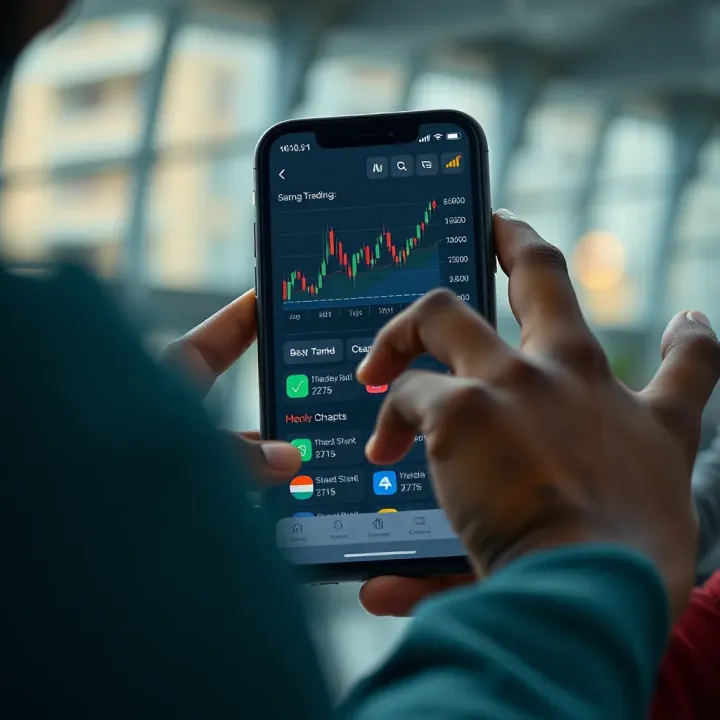
📱 New to trading in Nigeria? Find the best beginner-friendly apps with low fees, strong security, easy features, and tips for a smooth start to investing.
Based on 12 reviews