

Crypto Arbitrage Trading Tips for Nigerian Traders
Explore how Nigerian crypto traders can spot price gaps, use smart tools, and handle risks in arbitrage trading to boost profits safely 🚀💰📊
Edited By
James Whitaker
Cryptocurrency trading has been grabbing a lot of attention in Nigeria, and for good reasons. With a youthful population, increasing internet access, and a growing appetite for alternative investments, crypto has become a buzzword among traders, investors, and finance enthusiasts here.
This guide digs into everything you need to know to start trading crypto effectively in Nigeria. From understanding the basics of digital coins, to navigating local regulations and risk factors, we cover it all in one place.

Why should you care? Well, crypto trading isn’t just about jumping on a trend—it’s about finding smart ways to grow your money in a market that’s still fairly new and quite volatile. Knowing the ropes means you won’t be caught off guard by sudden price swings or legal pitfalls.
We’ll walk through practical steps to kick off your crypto journey, explain popular strategies used by traders, and point out common traps Nigerians often stumble into. Whether you’re a newbie trying to make sense of Bitcoin and Ethereum or a seasoned broker looking to deepen your expertise, this guide aims to provide clear, actionable information.
Remember, the crypto world moves fast and isn’t for the faint of heart. But with the right knowledge and approach, it can be a potent way to diversify your portfolio and seize new opportunities in Nigeria’s vibrant financial scene.
Let’s get started—no fluff, no jargon, just the essentials you need to trade crypto confidently and responsibly.
Grasping the basics of cryptocurrency and how crypto trading works is the bedrock for anyone wanting to navigate this exciting but often confusing space, especially in Nigeria's growing market. It’s not just about knowing the buzzwords but understanding what drives value, what risks are involved, and how the technology behind it affects your trading decisions. This section breaks down the essentials to give you a clear picture before you dip your toes in.
Think of cryptocurrency as digital money—only, it isn't printed like the naira or dollar. It’s created and stored electronically and uses cryptography to keep transactions secure. The most well-known cryptocurrency is Bitcoin, which was the first to introduce this concept back in 2009. Others like Ethereum, Binance Coin, and Cardano have since joined the market, each with unique features. These aren’t just money for spending; many people trade them like stocks, hoping to profit from price changes.
Knowing these examples helps you recognize which coins might suit your trading style. For instance, Bitcoin is often called "digital gold" for its store-of-value characteristic, while Ethereum supports smart contracts, making it popular for decentralized apps.
At the heart of every cryptocurrency is a blockchain — a public ledger that records every transaction made. Imagine it as a giant notebook everyone keeps a copy of, so there’s no need for a middleman like a bank. This decentralized system makes cryptocurrencies trustworthy and harder to hack or manipulate.
For Nigerian traders, understanding blockchain means appreciating why your transactions are secure and transparent. It also clarifies why transferring crypto across borders usually costs less and happens faster compared to traditional banking.
It's easy to confuse investing with trading, but they’re quite different animals. Investing means buying cryptocurrency and holding it for a long time, hoping its value grows steadily — like planting a tree and waiting for it to bear fruit. Trading, on the other hand, involves buying and selling frequently to benefit from short-term price moves.
For example, a Nigerian day trader might buy Litecoin in the morning and sell it a few hours later if the price jumps. Meanwhile, an investor might hold Bitcoin for years, ignoring daily market swings.
Grasping this difference helps you decide your approach, risk tolerance, and how much time you’ll dedicate to watching the market.
Crypto trading comes with its own lingo, and knowing these terms reduces confusion and helps you communicate with fellow traders or read charts:
Bullish: Expecting prices to rise.
Bearish: Expecting prices to fall.
HODL: A slang term for holding onto your crypto instead of selling, a typo that caught on.
FOMO (Fear of Missing Out): The anxiety that pushes people to buy just to not miss profits.
Stop-Loss: An order to sell a crypto to prevent bigger losses.
Liquidity: How easily a crypto can be bought or sold without affecting its price.
Having these in your toolkit makes it easier to navigate platforms like Binance or Luno and to follow discussions in Nigerian crypto forums or Telegram groups.
Understanding these foundations is like having your compass before diving into unknown waters. It not only helps in making informed choices but also in managing the risks that come with the volatile crypto environment.
Getting started with crypto trading in Nigeria is a practical step for anyone looking to tap into the growing digital economy. With the country’s vibrant and youthful population embracing new tech fast, understanding how to begin trading is essential to avoid common pitfalls and maximize opportunities.
Choosing between local and international exchanges is a key decision that affects your trading experience. Local platforms like Bundle Africa or BuyCoins offer the advantage of easier fiat currency integration and payment methods familiar to Nigerians, like bank transfers or USSD payments. They also tend to have faster customer support more attuned to the Nigerian context.
On the other hand, international exchanges such as Binance or Coinbase provide access to a wider range of cryptocurrencies and sometimes deeper liquidity. However, they might come with complications like higher withdrawal fees, longer processing times, or stricter verification procedures.
In practical terms, if you’re just starting or want smoother Naira deposits and withdrawals, local exchanges can be friendlier. If you trade actively or want advanced features, supplementing with international platforms might be useful.
When picking a platform, look closely at three main features:
Fees: These include trading fees, deposit and withdrawal charges. For example, some local Nigerian exchanges might offer zero fees for Naira deposits but charge slightly on withdrawals. Balancing competitive fees without compromising service quality is key.
Liquidity: Good liquidity means you can buy or sell crypto quickly at prices close to the market rate. Platforms like Binance have high liquidity for popular coins like Bitcoin or Ethereum, while smaller local exchanges might have lower volumes.
Security: Given the rise in crypto scams and hacks, security is non-negotiable. Look for platforms offering two-factor authentication (2FA), cold storage of users’ funds, and robust user protection policies. Binance, for instance, scores high on these fronts.
In Nigeria, due to regulatory oversight and anti-money laundering efforts, trading platforms require identity verification. This usually involves submitting a government-issued ID (e.g., National ID card, international passport), proof of address, and sometimes a selfie.
Verification is essential because it boosts your withdrawal limits and adds a layer of trust to your transactions. Without it, your account might be restricted or blocked. Platforms like Luno have straightforward verification processes, usually completed within 24-48 hours.
Account security isn’t just about choosing a strong password. Nigerian traders should also enable 2FA, avoid logging in on shared devices, and be wary of phishing scams that mimic official platforms.
Perhaps most importantly, never share your private keys or passwords, even with people claiming to be platform support. Keeping your recovery phrases offline and using hardware wallets for large holdings adds extra protection.
Security can never be taken lightly—losing access or funds to hacks can be devastating and often irreversible.
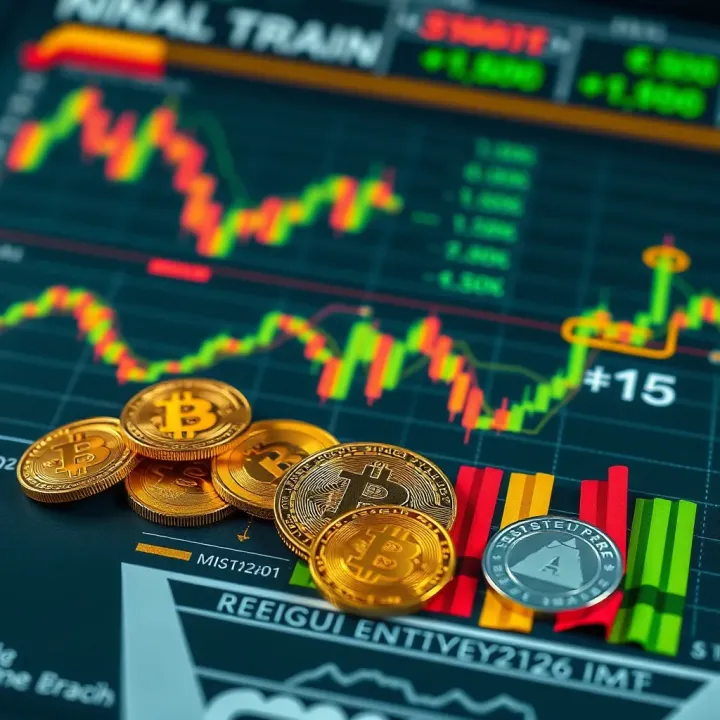
Funding your trading wallet is straightforward with multiple local payment options. Most Nigerian exchanges support bank transfers from major banks like Access Bank, GTBank, Zenith Bank, and also mobile payments via USSD codes. Some even accept payments via mobile money services.
Credit and debit cards are less commonly accepted, but international platforms may allow them with extra verification.
One practical challenge Nigerian traders face is converting between Naira and cryptocurrencies, especially given the Naira’s fluctuating exchange rates.
When you deposit Naira, platforms handle conversions at their set rates, which sometimes include a margin. To avoid surprises, check the exchange rate and fees before confirming transactions.
Withdrawals often take longer due to banking regulations and require accurate bank details matching your account verification documents.
Keeping detailed records of transactions helps when reviewing any discrepancies or delays to speed up resolution.
In sum, starting crypto trading in Nigeria involves navigating platform choices, securing your account properly, and understanding local payment systems clearly. With careful planning and awareness, Nigerian traders can participate safely and potentially profitably in the crypto market.
Navigating the world of crypto trading without a strategy is like trying to catch fish with your hands—messy and often fruitless. For Nigerian traders, understanding common trading strategies helps you avoid costly mistakes and also positions you to make smarter moves in the market. These strategies break down how to approach the volatile crypto market based on time horizons, risk appetite, and your personal trading style. Let’s dive into the major types and what they mean in real terms.
Day trading and scalping are all about quick in-and-out moves. Unlike holding coins for weeks or months, day traders close their positions within the same day to avoid overnight risks. Scalping takes this a step further — making numerous tiny trades over minutes or even seconds to squeeze small profits that add up.
For example, a Nigerian day trader might buy Bitcoin early in the morning, capitalize on a midday price spike, then sell it all off before the market closes. This method thrives on volatility, so markets that jump around a lot are ideal. But it's not for the faint-hearted; you need a solid grasp of chart reading and fast decision-making.
To succeed in day trading or scalping, you can’t just guess prices. Most traders rely on technical indicators like the Relative Strength Index (RSI), Moving Averages, and Bollinger Bands to spot momentum shifts and entry points. Charting platforms like TradingView or Binance’s native charts offer these tools.
Additionally, alert systems and stop-loss orders are crucial so you don’t get burned if things suddenly go south. Nigerian traders often use mobile apps for real-time market data to stay nimble even on the go.
Swing trading sits between day trading and long-term investing, typically holding assets for several days to a few weeks. This strategy aims to catch the "swings" in market trends that develop over short to medium periods. Nigerian swing traders watch for patterns in Bitcoin or Altcoin price charts and trade based on anticipated trend reversals.
Position trading goes a bit longer—weeks to months—based on the belief that long-term trends will continue. A position trader might buy Ethereum during a downtrend, banking on a slow but steady rise over months.
Both strategies require patience and a good sense of broader market drivers, such as news or policy changes affecting crypto.
Because swing and position trading involve holding assets longer, there's exposure to overnight news and price spikes. However, they also offer a chance for greater profits compared to day trading’s small gains. Risk management is vital — setting stop-loss levels to limit losses if the market moves against you is a standard practice.
For instance, a Nigerian swing trader might limit a Bitcoin trade to a 5% loss, automatically selling if the price dips too far. Balancing risk and reward relies on understanding market volatility and one's own tolerance for price swings.
Long-term investing, often called "HODLing" in crypto circles, means buying cryptocurrencies and holding them for months or years regardless of short-term market noise. This approach is common among Nigerians looking to capitalize on Bitcoin’s historical rise or promising projects like Cardano or Polkadot.
The idea is simple: with patience and conviction in the technology or asset, short-term dips become less significant. Many Nigerian investors treat crypto like digital gold or a savings plan for the future.
Long-term value depends on fundamentals such as project technology, adoption rates, developer activity, and regulatory landscape. For Nigerian investors, also important are local regulatory policies and currency exchange rates, which can affect profitability.
For example, if the Central Bank shifts policies or if the Naira weakens significantly, it impacts how much value your crypto holdings effectively have. Keeping an eye on these factors enables investors to make educated decisions about which cryptos to hold over the long haul.
Understanding and applying these strategies tailored to your trading style and Nigeria’s unique market dynamics can give you a real edge in crypto trading. Each method comes with its own risks and rewards, so picking one that suits your goals and knowledge level is step one toward successful trading.
Like any fast-moving market, crypto trading in Nigeria comes with its fair share of risks and challenges that traders need to keep an eye on. Understanding these pitfalls can save you from costly mistakes down the line. This section sheds light on the main risks—from market swings to security threats and legal hurdles—so you can trade with clear eyes and a solid plan.
Cryptocurrency markets are famous for their rollercoaster price swings. Unlike stocks, where changes might be more gradual, crypto prices can jump or drop dramatically within hours. For example, Bitcoin’s price in Nigeria can spike sharply based on global news or even social media chatter. This kind of volatility means your investments could double one day and lose half their value the next.
The practical side? If you’re trading without considering this volatility, you might end up panicking and selling at a loss or holding on hoping for a bounce back. That’s why understanding volatility helps you prepare mentally and financially.
Managing volatility is about being smart and steady. One way is by setting stop-loss orders—this automatically sells a coin if it dips below a price you’re not comfortable with, protecting you from bleeding too much. Another approach is diversification; don’t put all your naira into one crypto asset like Bitcoin or Ethereum. Spread out investments across different coins and stablecoins to cushion against wild swings.
Regularly monitoring market trends and using technical indicators, like Relative Strength Index (RSI), can also help you avoid diving headfirst into highly volatile situations. Most importantly, avoid trading with money you can’t afford to lose, because crypto’s ups and downs are part of the game.
Nigeria’s growing interest in crypto has also attracted scammers and hackers looking to exploit traders. From phishing emails pretending to be your exchange platform to fake wallet apps, these threats are all over the place. A common scam is the "pump and dump" scheme where a coin’s value is artificially pumped up by hype before insiders sell off, leaving others holding worthless tokens.
Hackers have targeted exchanges and wallet providers, sometimes resulting in millions stolen in a blink. Remember the 2022 incident where a Nigerian exchange lost significant user funds due to a security breach—it's a stark reminder that no platform is immune.
Protecting your crypto starts with your personal cybersecurity habits. Use hardware wallets like Ledger or Trezor for long-term holdings—these keep your private keys offline, away from internet threats. Always enable two-factor authentication (2FA) on every platform, and be cautious about where you click; phishing links often look legitimate but steal your login details.
Keep your software updated and avoid public Wi-Fi when accessing your crypto accounts. If you trade on mobile, consider apps with strong security records such as Binance or Luno. In short, treating your crypto like cash—locking it up tight—is the best defense.
Nigeria’s regulatory stance on crypto has been somewhat cautious but evolving. While the Central Bank of Nigeria (CBN) banned banks from facilitating crypto transactions in 2021, this hasn’t stopped peer-to-peer (P2P) trading platforms like Binance P2P and Paxful from booming. The Securities and Exchange Commission (SEC) Nigeria is also working on guidelines to better integrate crypto into the formal financial framework.
This patchy regulatory climate creates uncertainty, but also opportunity. Traders need to stay informed on updates because what’s legal today might change tomorrow.
For anyone dabbling in crypto, the main takeaway is to proceed with awareness. The informal nature of many crypto transactions means you can’t always rely on traditional financial protections. Make sure to keep records of your trades and taxes because the Nigerian government may tighten controls as the market matures.
Keep in mind: Ignoring regulations can land you in hot water, but staying informed helps you navigate this tricky space safely.
Being proactive about understanding regulations can prevent surprises and help you adapt quickly to new rules. Working with platforms that comply with Nigerian financial laws can also add a layer of security to your trading activities.
Risk management isn’t optional in crypto; it’s essential. By grasping the volatile nature of prices, guarding against security threats, and keeping an eye on Nigeria’s shifting legal terrain, you’ll trade smarter and sleep better at night.
Navigating cryptocurrency markets without the right tools is like going into a jungle without a map—you’re likely to get lost or worse. For Nigerian crypto traders, having access to quality tools and resources can make all the difference. These tools help you understand market movements, make informed choices, and stay ahead in this fast-moving environment. Whether you’re tracking price charts, reading up on the latest developments, or engaging with other traders, good resources keep you sharp and ready.
Technical analysis tools form the backbone of many successful trading strategies. They allow you to break down complex price action into understandable patterns and signals. Platforms like TradingView and CoinGecko offer a range of charting options including candlestick charts, volume indicators, and moving averages. These tools help you spot trends or reversals before they become obvious to the crowd.
Using these charts, Nigerian traders can time entries and exits better, avoiding emotional decisions based on hype or fear. For instance, spotting a simple RSI below 30 might signal oversold conditions, suggesting it’s time to buy. Combining several indicators, like MACD and Bollinger Bands, can give stronger hints about market momentum.
Remember, charts don’t guarantee success, but ignoring them puts you at a disadvantage. Regularly reviewing charts helps you develop intuition about how cryptocurrencies behave under different market conditions.
Crypto markets react quickly to news—from regulatory updates to big corporate moves. Staying updated prevents traders from being blindsided. Following credible news outlets like CoinDesk, The Block, and Nigerian crypto blogs ensures you catch important announcements promptly.
Beyond news sites, online communities are goldmines of practical information and support. Nigerian traders especially benefit from active groups on Telegram and Twitter where local market insights, wallet tips, and scam alerts circulate fast. Engaging in these communities helps you learn fromothers’ experiences, avoid common mistakes, and discover new opportunities specific to Nigeria’s unique financial context.
Staying plugged into these resources isn’t optional—it’s a key part of smart trading.
In short, combining solid charting skills and reliable news sources with an engaged community creates a strong foundation for any trader in Nigeria. These tools and resources don’t just inform—they equip you to be nimble and confident in your crypto trading journey.
Navigating the crypto market can feel like sailing in uncharted waters, especially for Nigerian traders facing unique local challenges. That’s why having solid best practices isn’t just a good idea — it’s essential. This section shines a light on practical habits and mindful strategies that can help traders stay steady, informed, and in control of their trading journey.
When you first dive into crypto trading, it’s tempting to dream of quick hits and big payoffs — but setting realistic goals is the cornerstone of sustainable trading. For Nigerian traders, this means understanding the kinds of returns achievable without risking your entire capital in a volatile market. Instead of aiming to double your investment overnight, it’s smarter to set incremental targets, like achieving a steady 5–10% monthly gain.
For example, if you start with ₦100,000, aim for incremental profits rather than putting all your hopes on one major trade. These steady goals help keep expectations grounded and allow you to adjust strategies without feeling discouraged. Remember, markets ebb and flow; success is about consistency over time, not lightning strikes.
Crypto trading is a roller coaster, no doubt about it. Prices swing wildly, and it’s easy to fall into emotional traps like fear, greed, or panic selling. The best Nigerian traders treat this market like a business, sticking to their plan no matter what the charts suggest.
Imagine you spot a sudden price drop in Bitcoin due to global headlines. Instead of hitting the sell button in a panic, disciplined traders review their strategy, consider market context, and stick to stop-loss orders they've set in advance. Emotional control means not letting a losing streak push you to make rash decisions that snowball into larger losses.
Techniques like journaling your trades help in spotting emotional patterns. Over time, you learn to recognize when your feelings, rather than facts, are driving your decisions. This kind of discipline builds resilience and shaves off costly mistakes.
With Nigerian regulators keeping a watchful eye and global markets shifting on a dime, staying informed is more than helpful — it’s a must. Unlike other countries, Nigeria's stance on crypto evolves, and new rules can affect everything from transaction limits to taxation.
Traders should regularly consult trusted news sources like Binance Research, CoinDesk, and local crypto communities such as Crypto Nigeria on forums or Telegram groups. Also, monitoring updates from the Central Bank of Nigeria or Nigeria’s Securities and Exchange Commission (SEC) keeps you ahead of any regulatory changes.
Some traders subscribe to newsletters or use apps like CoinMarketCap and TradingView to get real-time updates. Even a daily quick scan can prevent surprises and help tweak your strategies accordingly.
Staying grounded with realistic goals, exercising disciplined trading habits, and keeping a finger on Nigeria's regulatory pulse can turn the wild ride of crypto trading into a manageable, more predictable journey. These are the cornerstones that separate successful traders from the crowd.
By embracing these best practices, Nigerian crypto traders position themselves not just to survive but to thrive in a market that's as unpredictable as it is promising.
Explore how Nigerian crypto traders can spot price gaps, use smart tools, and handle risks in arbitrage trading to boost profits safely 🚀💰📊

Explore crypto trading basics, winning strategies, and risk management tools to trade safely in Nigeria’s market. Start your crypto journey today! 💹🔍🇳🇬

Explore the best crypto trading bots in Nigeria 🤖. Learn how they work, key features, security tips, and how to pick the right one for your trading goals.
Explore forex trading in Nigeria 🇳🇬 with practical insights on market basics, strategies, risks, and tips for both new and experienced traders 💹📊
Based on 12 reviews