
Wallpaper Forex Trading Guide for Nigerian Traders
🧐 Discover wallpaper forex trading insights every Nigerian trader should know—including risks, rewards, practical advice, and safer alternatives for your ₦ investments.
Edited By
Sophie Grant
Forex trading can seem a bit like navigating a busy Lagos street during rush hour—if you don’t know the lanes well, you risk hitting traffic or worse, an accident. The foreign exchange market moves fast and can be unforgiving, but seasoned traders often rely on a fund of wisdom passed down through sharp quotes and hard-earned lessons to stay ahead.
Understanding the psychology and discipline behind forex trading is as important as knowing when to enter or exit the market. Nigerian traders, like their global counterparts, face unique challenges such as naira volatility and local economic shifts, making insights on risk management and market behaviour invaluable.
This section highlights some of the most practical and applicable quotes about forex trading, focusing on themes that matter most: managing risk, maintaining discipline, learning from losses, and recognising market patterns. These insights aim to equip you with a mindset that helps sharpen your strategies, whether you’re handling USD/NGN pairs or trading other major currencies.
"Risk comes from not knowing what you're doing." — Warren Buffett
This quote underscores the importance of education and research in forex trading. Jumping into trades without solid understanding often leads to losses. Nigerian traders can benefit from studying global trends alongside local fundamentals to avoid unnecessary risk.
Discipline is another frequent theme in forex wisdom. Sticking to your trading plan and not chasing after losses can make a significant difference in long-term success. Quotes reminding traders to control emotions resonate especially in volatile markets like Nigeria’s, where sudden policy changes or fuel price hikes can cause sharp currency swings.
Lastly, learning from mistakes is key. Experienced traders advise treating losses as lessons rather than failures. Each trade is a new chance to refine your approach and adjust to changing market conditions.
Together, these quotes don't just offer motivation; they serve as compact lessons that can help you navigate forex trading’s ups and downs with confidence and a sharper edge.
Forex trading is more than buying and selling currencies; it is a blend of strategy, psychology, and discipline. Inspirational quotes help traders grasp this multifaceted nature by distilling complex ideas into memorable, thought-provoking phrases.
To seasoned traders, forex trading is akin to a chess match where every move counts. It isn't about luck but calculated decisions that balance opportunity with risk. They view the market as a river—sometimes calm, other times turbulent, requiring constant attention and adaptation. A quote like "Cut your losses quickly and let your profits run" sums up this practical wisdom. It reminds traders that preserving capital is the bedrock of continued participation in the market. For instance, a Nigerian trader acting on this advice may exit a trade early to avoid losing their hard-earned ₦200,000, rather than hoping for a turnaround that might never come.
Quotes act as guiding principles that shape a trader’s mindset and approach. They form a psychological framework that guards against emotional pitfalls like fear and greed, which can cloud judgement. For example, "Plan your trade and trade your plan" reinforces the value of sticking to a well-thought-out strategy rather than chasing impulsive gains. This is especially relevant in the Nigerian context, where market volatility and noise can tempt traders into reckless decisions.
Moreover, trading quotes often encourage continuous learning. The saying "Every loser has a lesson" highlights that even losses carry educational value. Nigerian forex traders dealing with the peculiarities of local currency fluctuations or naira devaluation can benefit immensely by reflecting on such quotes to refine their strategies.
Inspirational quotes in forex trading provide more than motivation; they offer actionable insights, helping traders stay grounded and focused amid market uncertainties.
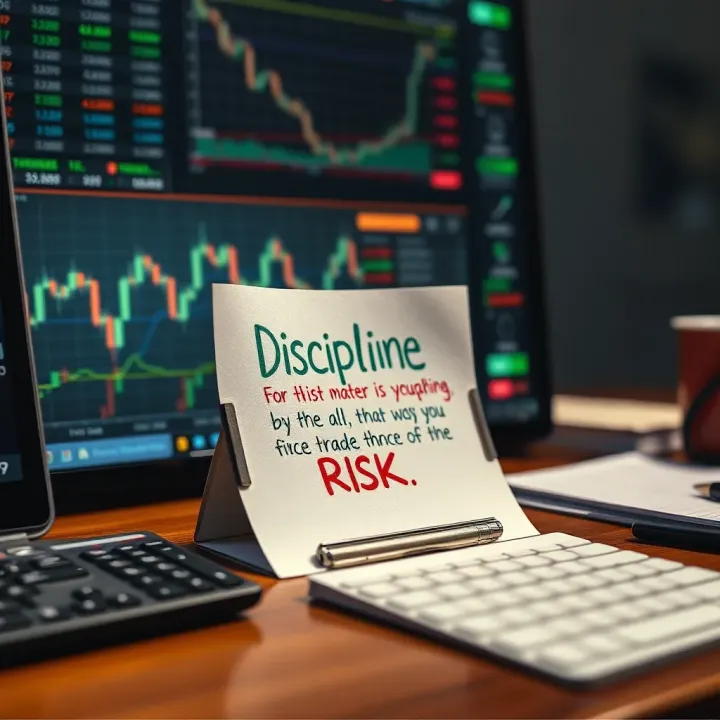
In practice, traders should keep a set of meaningful quotes visible—on their screens, notebooks, or phone notes—to reinforce sound trading habits. This simple act can shift a trader’s approach from reactive to deliberate, which is crucial for sustained success.
By embracing these nuggets of wisdom, Nigerian traders can better understand not only market mechanics but also the mental resilience required to navigate forex trading effectively.
Risk management stands as the backbone of successful forex trading. Without a solid plan to protect capital and limit losses, even the most skilled traders can face devastating setbacks. By learning from seasoned traders’ quotes, you get distilled wisdom that highlights practical risk control, helping to preserve your funds in volatile markets.
Protecting your trading capital should be your first priority. Legendary trader Paul Tudor Jones once said, "Losers average losers." This reminds us that piling more money into losing trades only worsens damage. For Nigerian traders facing challenges like naira volatility and occasional liquidity squeezes, strict capital preservation becomes even more crucial.
A common method is to set stop-loss orders firmly. For example, if you buy USD/NGN at ₦480 and place a stop-loss at ₦475, you cut losses to ₦5 per dollar rather than risking deeper drawdown. This approach prevents emotional decisions driven by hope or fear.
Also, position sizing matters. Never risk more than 1–2% of your trading capital on a single trade. This keeps your portfolio protected from sudden market swings. Given the cost of diesel for running generators during power outages in Lagos or Abuja, traders should be mindful not to overtrade and risk their entire fund.
Finding the right balance between risk and reward differentiates amateurs from pros. George Soros famously noted, "It’s not whether you're right or wrong, but how much money you make when you're right and how much you lose when you're wrong." This shows that good risk/reward management can produce profits even with a lower win rate.
Aiming for trades with a reward-to-risk ratio of at least 2:1 helps traders stay profitable. If risking ₦50,000 on a trade, look for potential gains of ₦100,000 or more. Nigerian markets can swing quickly due to factors like CBN monetary policies or political developments, so having clear profit targets alongside stop-loss reduces unnecessary exposure.
Moreover, W.D. Gann’s wisdom, "The money is made in the sitting, not the trading," highlights patience in letting profits run while cutting losses early. Disciplined risk control combined with clear targets guards you against rash moves when the market shifts suddenly, such as during ember months when forex activity spikes.
Wise traders remember: “Preservation of capital comes before profits.” No matter how enticing a trade looks, without a reliable risk management strategy, gains can quickly turn into losses.
Understanding these lessons can help you develop a trading plan that keeps your money safer and improves your chances of long-term success in forex trading.
Market psychology and emotional discipline are core pillars for success in forex trading. Without a steady mindset, traders often fall prey to fear or greed, which leads to poor decision-making. The fluctuating nature of foreign exchange markets demands that traders manage their emotions effectively to avoid impulsive moves that can wipe out capital. In Nigerian markets, where volatility and external shocks like fuel scarcity or exchange rate swings are common, emotional control becomes even more critical.
Fear and greed are the two biggest enemies a forex trader faces. Fear can cause reluctance to enter promising trades, while greed may push a trader to hold on too long or take excessive risks. A popular quote by Paul Tudor Jones captures this well: "The whole world is simply nothing more than a flow chart for capital." This reminds traders that money follows rational behaviour, not emotional outbursts.
For example, a Nigerian trader may hesitate to enter the market after a naira devaluation fearing further losses. Meanwhile, excessive eagerness to maximise quick profits during high volatility can also lead to reckless trades, especially using leverage. Managing these emotional swings allows better positioning in the market rather than reacting to headlines or hearsay.
Emotional discipline helps traders avoid costly mistakes caused by panic or overconfidence.
Success in forex is rarely instant; it requires patience and consistent application of a well-thought plan. As Jesse Livermore said, "The game taught me the game. And it didn’t spare me the rod while teaching." This points to the need for steady learning and avoiding the temptation to chase every opportunity rashly.
In Nigeria, where daily news cycles and local events often affect forex markets, traders must develop routines to stick with their strategies and avoid emotional reactions. Automatic trading systems or disciplined journaling can help maintain consistency.
Key practical tips include:
Setting clear entry and exit rules before trading starts
Avoiding overtrading during ember months when volatility spikes
Regularly reviewing trades to learn rather than blame
By staying patient and consistent, Nigerian traders can build expertise that withstands short-term losses and market noise. This mindset ultimately separates successful traders from those who jump from one risky venture to another, chasing quick fortunes.
In summary, mastering market psychology and emotional discipline equips forex traders to handle risk and opportunity calmly. Practical application of quotes on overcoming fear, greed, and embracing patience helps Nigerian traders confidently navigate the foreign exchange market’s ups and downs.
Mistakes are part and parcel of forex trading, especially when you’re still finding your feet. Instead of fearing losses, traders should view errors as stepping stones to better strategies. This mindset helps traders analyse what went wrong, adjust their approach, and steadily improve. For example, a trader who enters a position without checking major news events might learn to incorporate economic calendars into their routine to avoid similar pitfalls next time.
Many trading legends emphasise the value of self-reflection. Jesse Livermore once said, "The game taught me the game. And it didn’t spare me the rod while teaching." This means that losses and mistakes can be excellent teachers if you take time to reflect on them. Reflective analysis could involve reviewing trade journals or recording your emotions during trades to identify patterns leading to poor decisions. Over time, this habit builds self-awareness and hones your trading discipline.
"Every trader has strengths and weaknesses. What matters is recognising both and improving where you fall short."
Another useful quote is from Paul Tudor Jones: "The most important rule of trading is to play great defence." This reminds traders to learn from losses and protect capital, not to chase quick wins recklessly.
Experience in forex markets is not about the number of trades made but the lessons drawn from diverse market conditions. Nigerian traders, for example, often contend with naira volatility influenced by CBN policies, fuel scarcity affecting transaction costs like using generators, and global economic shifts. Seasoned traders understand these layers of complexity through years of exposure.
Experience also sharpens intuition — a trader can quickly sense when a market move is likely to reverse or continue. This cannot be replaced by software or automated tools alone. Like a seasoned okada rider who knows the best shortcuts during Lagos traffic, experienced traders navigate market noise with better judgement.
It's worth noting that patience and persistence matter; some traders may make dozens of mistakes before achieving consistent profits. That’s why continuous learning through books, seminars, and peer discussions remains essential. The journey builds not just skills but also emotional resilience, which is critical when facing inevitable losses.
In short, embracing mistakes with a learning mindset and valuing experience over time create a solid foundation for success in forex trading. This approach helps Nigerian traders adapt strategies to local realities while growing in confidence and competence.
Forex trading quotes often carry universal truths, but their real value depends on how traders apply them in their local context. For Nigerian traders, this means adapting lessons to fit unique market conditions, regulatory environment, and economic realities. Applying forex trading wisdom this way helps avoid blind imitation of global practices and fosters strategies that align with Nigerian challenges and opportunities.
Nigerian forex traders face distinct market environments unlike those in developed economies. For instance, frequent naira volatility, often driven by oil price shifts or CBN (Central Bank of Nigeria) interventions, demands nimble risk management. Traders should adopt tighter stop losses and smaller position sizes during volatile periods to protect capital. Also, considering limited liquidity during off-peak hours in Nigerian sessions helps prevent unwanted slippage.
Additionally, power supply issues often force traders to rely on generators or alternative power, which raises operating costs. Such expenses affect trade sizing; traders may prefer fewer, higher-quality trades over frequent small ones to reduce overhead. Using mobile internet or local fintech apps like OPay or Kuda, which offer efficient fund transfers and price alerts, enhances access and execution speed locally.
Many global forex quotes stress discipline and patience but lack emphasis on infrastructural hiccups faced in Nigeria. Nigerian traders can gain from these quotes, but they must filter advice through their lived experience. For example, "Plan your trade and trade your plan" is gold advice globally. Locally, this could mean planning with backup power, internet sources, and access to reliable brokers.
Lessons from global quotes about managing emotions also apply but take on extra meaning when faced with local economic stressors, such as inflation or fuel price hikes. Traders should develop emotional resilience not just for market swings but for external pressures that may affect decisions.
Nigerian forex traders benefit most when they reinterpret global wisdom considering local realities — blending discipline with adaptability.
To sum up, forex trading wisdom must be customised. Nigerian traders who adjust strategies to cope with naira fluctuations, infrastructure gaps, and fintech solutions find an edge. Balancing global insights with Nigerian market nuances leads to practical, sustainable forex success.
🧐 Discover wallpaper forex trading insights every Nigerian trader should know—including risks, rewards, practical advice, and safer alternatives for your ₦ investments.
Discover how profitable forex trading can be for Nigerians 🇳🇬. Learn key factors, common hurdles, and practical tips to boost your forex earnings in ₦ today 💹.
📈Discover how forex trading works, the main players, risks, and tips tailored for Nigerians ready to explore currency markets and earn in ₦ effectively.
Learn forex trading in Nigeria 🇳🇬 with practical tips on choosing brokers, mastering strategies, managing risk, and using learning platforms suited for Nigerians interested in growing their ₦.
Based on 11 reviews