
Best Time to Trade Forex for Nigerian Traders
Discover the best time for forex trading in Nigeria ⏰. Learn how market sessions, local time, and key events affect trading decisions and risk management 📊.
Edited By
Oliver Bennett
Forex trading has gained notable popularity among Nigerian investors looking to diversify their income streams beyond the traditional markets. The huge liquidity and 24-hour nature of the currency market offer promising opportunities, but many wonder just how profitable it really is.
Profitability depends on several factors including market knowledge, risk management, and access to quality trading platforms. For example, a trader who carefully analyses currency pairs like USD/NGN, EUR/USD or GBP/USD and applies sound strategies could see steady returns. However, lack of discipline or reliance on tips without verification usually leads to losses.
In Nigeria, forex trading is often affected by local challenges such as naira volatility, restrictions on foreign exchange access, and internet connectivity issues. These can impact timely execution of trades and increase transaction costs. Despite such hurdles, sound preparation and choosing reliable brokers – like those regulated by the Securities and Exchange Commission (SEC Nigeria) – can boost earning potential.
Success in forex is less about luck and more about consistency, discipline, and ongoing learning. Nigerian traders who make profit typically adopt realistic expectations and never chase quick wins.
Some practical steps to increase your chance of profitability include:
Using demo accounts to sharpen skills before risking real money
Keeping abreast of global economic news, especially CBN policies affecting the naira
Setting clear stop-loss orders to limit downside while securing gains
Avoiding over-leverage, as high risk can wipe out capital quickly
Profits vary widely; some Nigerian traders earn a few thousand naira weekly while seasoned professionals target monthly returns of 5–10%, compounding with good risk control. It’s essential to remember no trader wins all the time, but consistent small profits add up over the long term.
Understanding these local realities and treating forex as a disciplined investment endeavour rather than a gambling game significantly improves your chances of success.
This article will unpack these considerations specifically for Nigerian traders, providing practical advice on how to measure and improve your forex profitability while navigating market challenges.
To grasp how profitable forex trading can be, Nigerian traders need a solid understanding of its basic concepts and how profits arise. This section lays the groundwork by explaining the essential elements of forex trading, helping traders see where profits come from and what risks they manage. Knowing these fundamentals supports better decision-making, especially in Nigeria where exchange rate swings and broker choices heavily impact outcomes.
Forex trading always involves currency pairs—one currency bought while another is sold at the same time. For instance, the USD/NGN pair reflects how many naira one US dollar can buy. Exchange rates constantly change due to trade flows, economic data, and geopolitical news. Nigerian traders watching pairs like EUR/USD or GBP/USD follow these movements aiming to anticipate when to buy or sell for profit.
Because currency pairs move in varying degrees, understanding which pairs are more volatile or stable is practical for choosing trades that fit your risk appetite. For example, USD/NGN can be more volatile given Nigeria's multiple exchange rate system and economic events, meaning potential for profit but also higher risk.
In forex, buying (going long) means expecting a currency to strengthen against another, while selling (going short) expects the opposite. If you believe the US dollar will gain against the naira, you buy USD/NGN. If you think the dollar will weaken, you sell it. Profits or losses are realised by the difference between the entry and exit exchange rates.
Practical trading involves pinpointing these moments using charts or economic news. Nigerian traders might buy EUR/USD before European Central Bank announcements or sell USD/NGN when CBN releases new FX policies. Quick reactions and disciplined exits usually define success.
Leverage allows traders to control bigger positions with a fraction of the capital. For example, with 1:100 leverage, ₦10,000 can control ₦1,000,000 worth of currency. Margin is the minimum amount needed to open or hold a leveraged position.
This feature can boost profits significantly, but it also magnifies losses. Many Nigerians are attracted to leverage's potential but underestimate the risks. Careful margin management is crucial; otherwise, a small price move can wipe out your entire investment. Most brokers offer guidelines and stop-loss tools to help traders manage this.
Profits arise from correctly predicting currency price fluctuations. By buying low and selling high—or vice versa—traders earn from the price difference. It’s not about holding currencies like stocks but actively trading based on expected changes in exchange rates.
For example, if you bought USD/NGN at ₦460 and the rate rises to ₦470, exiting the trade nets a ₦10 gain per dollar. Repeat this over several trades and managing risks well can yield consistent returns.
Some traders go for quick profits by entering and exiting trades within minutes or hours (day trading). Others hold positions for days or weeks, hoping for bigger moves (swing or position trading). Each has pros and cons: short-term traders need faster decisions and better internet stability—factors sometimes challenging in Nigeria’s power and network environment.
Long-term trading might suit those who track macroeconomic news like CBN monetary policy, inflation data, or foreign investment trends, aiming for more stable returns. Nigerian traders must choose an approach fitting their lifestyle, risk tolerance, and available tools to navigate the forex market profitably.
Understanding these basics helps Nigerian traders avoid costly mistakes and focus on strategies that fit local realities and their financial goals.
Understanding the factors that influence forex trading profitability in Nigeria is key for anyone serious about making consistent gains in the market. Unlike trading in more stable economies, Nigerian forex traders face a unique set of challenges and opportunities shaped by local market conditions, regulatory environments, and currency dynamics. These factors can either boost your chances of success or increase the risk of losses, so paying close attention to them makes practical sense.
Forex trading thrives on price swings, and these are often driven by news — both global and local. For Nigerian traders, economic announcements like Central Bank of Nigeria (CBN) policy updates, crude oil price changes, or inflation reports significantly impact the naira's value against other currencies. For example, a sudden drop in global oil prices typically leads to naira depreciation due to Nigeria’s heavy dependence on oil exports. Traders who monitor these developments closely can anticipate currency moves and position themselves accordingly.
Apart from local news, global events like US Federal Reserve interest rate changes or Brexit developments often trigger sharp volatility in forex pairs involving the naira. Since most Nigerian forex trades focus on pairs with major currencies like USD, EUR, or GBP, understanding how international macroeconomic shifts affect these currencies helps traders avoid surprises or make timely entries.
Knowing when important financial reports drop can pay off well in forex markets. Economic data releases such as Nigeria’s inflation rate, GDP figures, or foreign exchange reserves often result in quick, sometimes drastic price movements. For instance, a better-than-expected inflation number might strengthen the naira temporarily, offering an opportunity to profit.
Smart traders adjust their strategies to factor in release times, sometimes pulling back from trading just before the announcement to limit risk or stepping in right after to catch the new trend. In Nigeria, where markets are less liquid especially during off-hours, timing becomes even more crucial. Traders should keep track of scheduled data releases from sources like the Nigerian Bureau of Statistics and global economic calendars.
Choosing the right broker can make a big difference to your profitability in forex trading. For Nigerian traders, it’s important to pick brokers regulated by reputable authorities such as the Financial Conduct Authority (FCA), Cyprus Securities and Exchange Commission (CySEC), or at least recognised Nigerian bodies. This reduces the risk of fraud and ensures fair practices.
Legitimate brokers often offer ease of deposit and withdrawal in naira, supporting local payment methods like bank transfers or USSD payments. For example, brokers like FXTM and HotForex have tailored services for Nigerian clients, including support for the naira and customer service during Nigerian business hours. Avoiding unregulated or suspicious brokers protects your capital from scams which have targeted many Nigerians.
The cost of trading cuts directly into potential profits. Brokers charge spreads (the difference between buy and sell prices), commissions, or sometimes both. Nigerian traders should compare these fees carefully because a slightly higher spread on a popular currency pair like USD/NGN could eat up profits quickly, especially in strategies relying on frequent trades.
Other hidden costs include withdrawal fees, inactivity charges, or overnight swap rates. For instance, if you frequently trade during the ember months when power supply issues force longer holding times on positions, the overnight fees can pile up. Keeping these costs low and transparent is crucial to maintain your edge in the market.
The naira’s volatility poses both opportunities and risks for Nigerian forex traders. Sharp depreciation can increase the value of foreign currency trades in local currency terms but also add unpredictability. For example, a trader holding a USD position might see paper gains if the naira weakens suddenly, but could face losses if the naira rallies without warning.
Naira fluctuations also impact your trading capital when converting profits back to naira. Nigerian traders often need to balance forex gains with currency risk, making it vital to factor in naira trends when planning trades or withdrawals.
Nigeria currently operates with several exchange rates: the official CBN rate, the Investors and Exporters (I&E) window rate, and parallel market rates, all diverging at times. This creates confusion and affects forex trading results.
For example, if you open a trade based on the relatively stable I&E window rate but convert profits using the parallel market rate, discrepancies may reduce actual returns. Successful traders understand these nuances and use the most favourable route to convert currencies or hedge against rate differences.
Key takeaway: Nigerian forex traders must watch global and local economic news, choose reliable brokers wisely, manage trading costs, and navigate naira volatility carefully to boost profitability.
Forex trading offers opportunities, but several common challenges can reduce profitability for Nigerian traders. These challenges range from psychological pressures to infrastructural problems unique to Nigeria’s environment. Understanding these obstacles is vital for traders who want to preserve their capital and improve their chances of success.
Managing losses requires more than just strategy; it calls for strong emotional control. Many traders in Nigeria jump into trades feeling confident, only to panic when the market moves against them. This can lead to hasty decisions like closing trades too early or holding losing positions for too long. Maintaining discipline and following a pre-set trading plan helps reduce emotional interference, enabling more consistent results.
Preventing overtrading and impulsiveness is equally important. It's tempting to try and recoup losses quickly by making multiple trades in a row without proper analysis—something many beginners fall into. Overtrading not only drains capital through excessive transaction costs but also increases exposure to loss. Successful traders often set rules on the number of trades per day and stick to them, ensuring each trade serves a clear purpose based on analysis rather than guesswork.
Fraudulent schemes are unfortunately common in Nigeria’s forex market. These often promise unrealistic high returns and pressure traders to invest large sums quickly. Recognising these scams involves checking for regulatory licences—like those from the Securities and Exchange Commission (SEC) Nigeria—and reviewing broker reputation thoroughly. Red flags include brokers unreachable during trading hours or those asking for unusually high deposits.
To avoid being victimised, traders should only use brokers registered with Nigerian authorities or recognised international bodies like FCA or CySEC. It's wise to start with small amounts and test the trading platform on demo accounts before committing real money. Also, seeking reviews and advice from experienced Nigerian traders can provide practical insights into trustworthy brokers.
Unreliable electricity supply poses a serious challenge to timely forex trading in Nigeria. Power outages can disrupt open trades, potentially causing missed opportunities or unwanted losses. Many traders rely on generators or power banks, but these add cost and logistics concerns. A steady power supply becomes crucial, especially during volatile market hours when seconds matter.
Stable internet access is just as critical. Slow or intermittent connectivity can delay order execution, affecting trade prices and outcomes. Many Nigerians face frequent fluctuations in network quality, so investing in reliable data plans or broadband services is advisable. Using backup internet sources, such as mobile tethering or satellite internet when available, further ensures consistent connection for swift trade actions.
In a market where every second counts, Nigerian traders must tackle challenges beyond the charts — from controlling their emotions to managing unreliable infrastructure — to protect profits and build sustainable success.
Improving profitability in forex trading requires a solid approach grounded in practical strategies. Without a clear plan and understanding of market forces, even the most experienced trader can lose hard-earned naira. For Nigerian traders, refining strategies helps navigate local challenges like fluctuating naira values and inconsistent internet access. These strategies serve as a roadmap to manage risk, make informed decisions, and gradually build sustainable profits.
Setting realistic profit targets and stop-loss limits is essential to avoid emotional decisions that sap profits. For example, aiming for a daily gain of 0.5% with a stop-loss limit of 1% per trade helps maintain discipline. Many Nigerian traders jump into trades hoping for big wins without clear exit rules, leading to avoidable losses. A well-defined plan ensures that losses are controlled and profits are secured consistently, even in volatile market periods.
Choosing trading styles that match your risk tolerance is equally critical. Nigerians with full-time jobs may prefer swing trading, which involves holding positions for days, reducing the need for constant monitoring—important where electricity or internet can fail unexpectedly. On the other hand, day traders who enjoy rapid decision-making might opt for scalping but must be ready for high-stress moments. Aligning your trading style to your personality and availability prevents burnout and impulsive trades.
Technical analysis tools like moving averages, RSI (Relative Strength Index), and Bollinger Bands are popular among Nigerian traders for spotting entry and exit points. Using these indicators on platforms like MetaTrader or TradingView allows traders to read price patterns and momentum. For instance, when the RSI indicates overbought conditions, it might be time to consider selling. These tools translate chart information into actionable trade signals.
Following economic trends, both Nigerian and global, provides another edge. Keeping an eye on Nigerian economic reports, such as inflation rates or CBN policy announcements, helps anticipate naira movements. Globally, traders track US Federal Reserve decisions or oil price changes, as oil significantly impacts Nigeria’s economy. Understanding such basics enables Nigerians to align trades with underlying fundamentals rather than pure speculation.
Practising with demo accounts lets traders test strategies and build confidence without risking real money. Most brokers accessible in Nigeria offer these free accounts. For example, before committing ₦50,000 into live trading, spending time on a demo account can reveal strategy weaknesses and help sharpen skills.
Furthermore, accessing local forex training resources strengthens your edge. Nigerian forex communities, online webinars, and training from reputable platforms like InvestPlus or FXTM offer tailored insights for local market conditions. Regular learning keeps you updated on new tools, regulations, and tactics to improve profitability steadily.
Developing strategies with discipline and consistent learning is the surest way Nigerian traders can shift from guessing games to informed, profitable forex trading.
By focusing on plans, analysis, and ongoing education, traders can carve out consistent returns despite the challenges of the Nigerian forex environment.
Setting clear and achievable expectations is essential for anyone stepping into forex trading, especially Nigerian traders navigating a volatile financial landscape. Many are drawn by stories of quick riches, but understanding typical profit patterns, risks, and realistic earning potential helps build a sustainable approach.
Average returns for new and experienced traders vary widely, and Nigerian traders should be mindful that forex trading rarely guarantees steady high returns, particularly in the early stages. New traders often see modest returns or even face losses as they gain experience. For instance, a beginner might target a monthly return of 2–5%, which reflects realistic market conditions and account capital. Experienced traders sometimes achieve 8–15% monthly, but these are exceptions rather than the rule, and depend heavily on disciplined strategies and risk control.
How many traders make consistent profits is an important metric often overlooked. Globally, studies suggest only about 10–20% of forex traders maintain consistent profitability over time. In Nigeria, this figure could be even lower due to market challenges like poor internet connectivity and unregulated brokers. Understanding this helps traders avoid chasing unrealistic goals that lead to reckless behaviours, such as over-leveraging. Stable profits require patience, continuous learning, and adjustment to market signals.
Why protecting capital matters more than chasing profits cannot be overstated. Many Nigerian traders focus on rapid gains, which often leads to significant losses. Safeguarding your trading capital ensures you can stay in the game longer, learn from mistakes, and grow your account steadily. For example, using stop-loss orders effectively can help limit losses on sharp market swings typical in Nigeria’s forex environment.
Balancing risk and reward for long-term success means accepting that no trade is guaranteed. Traders who aim for modest, consistent gains while controlling potential losses tend to build profitable portfolios over time. Applying proper position sizing, adhering to risk limits (such as risking 1–2% of capital per trade), and avoiding emotional decisions contribute to this balance. Nigerian traders who master this will find forex trading more reliable and less stressful.
Practical income expectations for Nigerians should acknowledge the realities of forex trading as a supplementary, not primary, income option especially when starting out. Traders can realistically earn ₦20,000 to ₦100,000 monthly, depending on their capital and skills. Making forex your sole source of income without a strong track record can be risky; many Nigerians use earnings from forex to support other financial goals.
Combining forex with other income sources is a smarter approach. For example, a trader could maintain a regular job or run a small business like a mama put alongside trading. This diversity cushions income fluctuations and reduces pressure to make risky trades. Using forex profits to invest in other ventures can also create multiple income streams for long-term financial stability.
"Forex trading is more like farming than mining — steady care, patience, and risk control yield the best harvest over time."
Having realistic expectations lets Nigerian traders approach forex with a practical mindset, avoiding common pitfalls while building genuine, lasting profitability.
Discover the best time for forex trading in Nigeria ⏰. Learn how market sessions, local time, and key events affect trading decisions and risk management 📊.
Discover how to pick the best forex trading robots in Nigeria 🤖. Learn features, top options, and tips for smart trading with risk control📈.
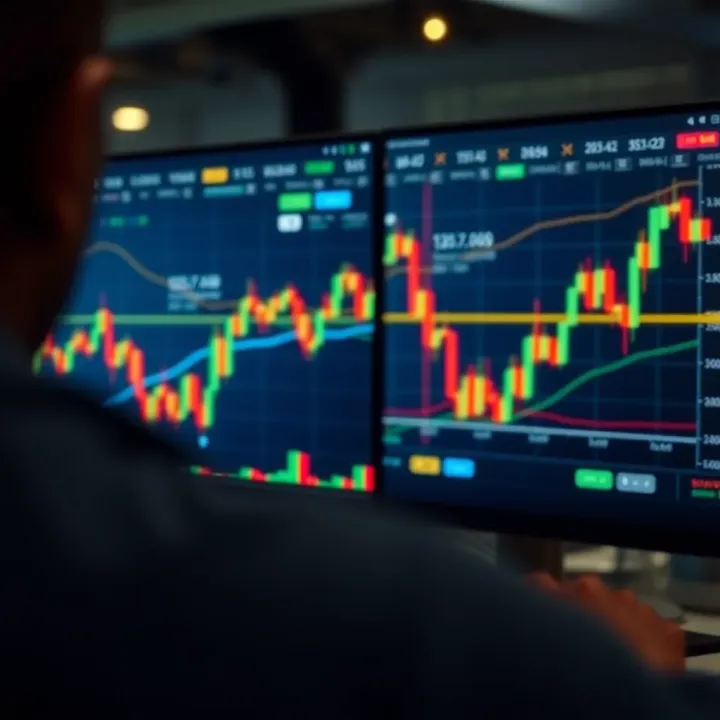
Discover proven forex trading strategies designed for Nigerian traders 🇳🇬. Learn risk management, market analysis tools, and practical tips to boost your success 📈.

Discover top forex trading strategies 📈 tailored for Nigerians 🇳🇬. Learn to blend technical and fundamental analysis with risk management for steady profits.
Based on 11 reviews