
Top Forex Trading Tips and Platforms in Nigeria
Discover top forex trading platforms in Nigeria, learn smart strategies, navigate regulations, and get practical tips to trade safely and confidently 📈🇳🇬
Edited By
Amelia Hughes
Forex trading has become a significant avenue for Nigerians looking to diversify their investment portfolios and tap into global markets. With Nigeria’s dynamic economic landscape and increasing internet penetration, more traders are joining the forex market every day. However, success in forex trading doesn’t come from luck but through well-thought-out strategies tailored to the local context.
In this guide, we’ll unpack practical forex trading strategies that suit Nigerian traders specifically. You'll discover key methods to analyze the market, manage risks effectively, and approach trading with a mindset built for long-term gains. From using reliable tools like MetaTrader 4 to understanding how local events impact currency pairs such as USD/NGN, we’ll cover it all.
Understanding these strategies will help gone beyond chasing trends blindly. Instead, they’ll equip you to make informed decisions, avoid costly pitfalls, and build a trading routine that aligns with your financial goals and time availability.
Trading forex isn’t about quick wins; it’s about steady, informed steps taken repeatedly over time. This is especially true when the Nigerian economy experiences sharp shifts.
Whether you’re a beginner aiming to get a solid start, or an experienced trader looking to refine your approach, this article will provide actionable insights rooted in the realities of trading within Nigeria’s unique market environment.
Before diving into winning forex strategies, it's essential to get a solid grip on the basics. Understanding forex trading fundamentals helps Nigerian traders avoid common pitfalls, recognize market moves, and make smarter decisions. When you know the ropes, everything else, from risk management to technical analysis, falls into place more easily.
Forex trading, or foreign exchange trading, is simply the act of buying and selling currencies. At its core, it’s about exchanging one currency for another, aiming to profit from changes in their values. For instance, if you expect the US dollar to strengthen against the Nigerian naira, you’d buy USD/NGN currency pair anticipating it will rise.
This market is the biggest financial market in the world, running 24/5, and it operates globally without a centralized exchange like stock markets. Understanding forex trading means grasping the idea that you’re trading on price movements due to economic indicators, geopolitical events, and market sentiment.
Currencies are always traded in pairs, like EUR/USD or USD/NGN. The first currency is the base, and the second is the quote currency. When you see a quote like USD/NGN = 460, it means one US dollar is worth 460 Nigerian naira.
Knowing how currency pairs work helps you understand which currency you're buying or selling. For example, if you buy USD/NGN, you’re buying US dollars while selling naira simultaneously. It’s crucial to pay attention to the currency pairs popular in Nigeria, such as USD/NGN and EUR/NGN, because their price moves directly impact your trades.
Retail traders are individuals like you who trade forex using online platforms. We’re the smaller fry compared to banks but collectively form a significant part of the market. Retail traders benefit from cheap access to markets thanks to brokers and technology, but it’s easy to get caught up in emotions or take unnecessary risks without proper knowledge and strategy.
Banks and financial institutions are the heavy hitters here. They handle massive transactions daily, influencing currency prices and liquidity. Big banks often trade huge amounts to hedge risks or profit from currency moves. Understanding their role is important because large movements in the market often stem from their trades or central bank announcements.
To navigate forex trading confidently, you gotta know the language:
Pip: The smallest price move a currency can make. For most pairs, 1 pip = 0.0001. For example, if USD/NGN moves from 460.00 to 460.01, that’s 1 pip.
Lot: The amount of currency units you’re trading. One standard lot is 100,000 units, but retail traders can trade mini lots (10,000) or micro lots (1,000).
Leverage: This allows you to control a bigger position with less capital. For instance, a 50:1 leverage means you can trade $50,000 with just $1,000. It can amplify profits but also losses, so caution is key.
Margin: The money you need to put down to open and maintain a leveraged position. Think of it as a security deposit.
Remember: Forex trading is risky but with the right knowledge and strategies, Nigerian traders can take advantage of the currency market effectively.
Getting familiar with these basics helps lay the foundation for deeper concepts and practical trading tips coming up later. It’s like learning to fish before you dive into the river — mastering the fundamentals means your trading journey will be smoother and less stressful.
When it comes to forex trading, especially for Nigerian traders navigating volatile markets, a solid strategy isn't just a nice-to-have; it’s the backbone of your trading success. Without clear characteristics such as consistency, risk management, and adaptability, your plan might be more like a shot in the dark than a reliable roadmap.
A good forex trading strategy should consistently deliver reasonable results over time, not just hit lucky trades now and then. It must balance potential rewards with manageable risks, avoiding situations where a few bad trades could wipe out your account. Also, it should be flexible enough to perform well in different market environments — whether prices are trending or stuck in a range.
For instance, imagine a trader relying solely on trend-following strategies during a flat market in the Naira-USD pair; that's a misfit approach that could drain funds fast. A strategy tuned for both bullish runs and sideways movement will fare better.
Long-term performance expectations are often overlooked but they’re what separates professional traders from gamblers. If your strategy nets steady profits over months or years, it proves its mettle. Conversely, a system that pockets a win one day but blows up a week later isn’t reliable.
Consistency is about seeing a pattern – not massive wins here and there, but reasonable returns that accumulate. A Nigerian trader might track monthly returns for six months to make sure the strategy isn’t just a fluke. For example, if a strategy yields 3-5% gains monthly with minimal drawdown, it’s worth sticking with.
Remember, forex trading is a marathon, not a sprint. Slow and steady wins the race.
Building this kind of dependability involves backtesting your strategy on Nigerian markets, understanding the quirks in Naira pairs, and being patient. Avoid chasing unrealistic “get-rich-quick” schemes — they tend to crumble.
Balancing potential gains against losses is a keystone of successful forex trading. The risk to reward (R:R) ratio helps you quantify this balance by comparing how much you stand to lose versus gain on a trade.
For example, if you risk ₦10,000 on a trade but have a target to make ₦30,000, your R:R ratio is 1:3. This means even if you only win a third of your trades, over time you can still be profitable. Nigerian traders often get lured into chasing high returns without properly measuring risks, leading to bigger-than-necessary losses.
A practical approach is to set a minimum R:R ratio before entering trades, commonly 1:2 or 1:3. This encourages discipline — cutting losing trades quickly and letting winning trades run. Using stop-loss and take-profit orders is key to enforcing these limits automatically.
Forex markets rarely stand still; they dance between bullish, bearish, and sideways rhythms. Your strategy's ability to handle trending versus ranging markets is a must to avoid getting caught napping.
Trending markets feature sustained moves up or down, where strategies like moving average crossovers or trendlines work well. But when the market is stuck within a range, bouncing between support and resistance levels, trend-following methods can generate false signals.
Here’s where a good forex trading strategy shines – by switching tactics according to market behavior. For instance, Nigerian traders might combine trend-following with range trading strategies, switching gears based on the daily chart’s patterns.
Always be ready to tweak or pause your strategy if the market environment shifts dramatically.
By adapting, you preserve capital and seize opportunities regardless of market mood swings. Remember, sticking rigidly to one method in every market condition can lead to costly mistakes.
In short, a reliable forex strategy in Nigeria focuses on steady gains, smart risk control, and flexibility — three pillars that will keep you afloat in the choppy forex sea.
Popular Forex trading strategies form the backbone of any trader's approach in the Nigerian market. These strategies provide frameworks that help traders make sense of market movements, manage risks, and aim for steady profits. For Nigerian traders, understanding these strategies is not just about knowing which to use, but also about tailoring them to suit local market quirks such as Naira volatility and regional economic events.
The practical benefit is clear: choosing the right strategy can mean the difference between riding the wave of profit and drowning in loss. For example, a trader using a trend-following approach during stable market phases might capture significant gains, while that same method might falter during sideways markets — unless they adapt accordingly.
Below, we break down four popular strategies that every Nigerian FX trader should consider, explaining how they work, where they shine, and what to watch out for.
Trend following is like jumping on a moving train rather than trying to push it along. It relies heavily on tools like moving averages and trend lines to identify the direction in which the market is heading. Moving averages smooth out price data to give a clearer picture of the overall direction—think of it as filtering out the noise.
For instance, a 50-day moving average crossing above a 200-day moving average often signals a strong uptrend. Nigerian traders might spot such a pattern on currency pairs involving the Naira or USD/EUR for entry points.
Trend lines connect the dots of highs or lows on price charts, helping traders visualize the market's momentum. Drawing a trend line under an ascending series of lows sets a support level, guiding traders on when to jump in or out.
The key here is patience and discipline — trends can last days, weeks, or even months. Nigerian markets influenced by local economic cycles may present unique trend patterns, so blending this method with insights into local news improves decision making.
Breakout trading centers around spotting when the price breaks through established support or resistance levels. Support is where the price tends to stop falling and bounce back up, while resistance is where it faces selling pressure and drops.
Nigerian traders can use this strategy by carefully drawing these levels on charts. When the Naira shows resistance at a certain price and finally breaks above it with volume, this can signal a fresh move upward.
Breakout trading is especially useful around major announcements or when global events shake up markets. It's a way to capture sharp moves early, but beware of false breakouts, where the price moves briefly beyond support or resistance and then retreats. Using stop losses close to breakout points helps limit damage.
Range trading is perfect for when the market is choppy and no clear trend exists. Here, traders buy at support (bottom of the channel) and sell at resistance (top of the channel), capitalizing on price bouncing between these levels.
Nigeria's forex market can often experience this kind of sideways movement, especially during periods of economic uncertainty where traders wait for clear direction.
Using tools like the Relative Strength Index (RSI) with range trading helps spot overbought or oversold conditions within the price channel, improving entry and exit timing.
It’s a strategy that requires sticking to the plan: don’t try to catch a falling knife if the price unexpectedly breaks out of the channel.
Scalping is the fast-paced guy in the forex world, aiming for small, quick profits by making lots of trades. Nigerian traders who prefer a hands-on and swift approach might find scalping aligns with their style.
This strategy involves opening and closing trades within minutes, sometimes even seconds, to grab tiny price moves. For example, scalping on the EUR/USD pair during highly liquid market hours may net steady gains if you’re quick and focused.
However, scalping demands low spreads and fast execution, so choosing a broker with tight spreads and a reliable platform (like MetaTrader 4 or 5) is crucial.
While the profits per trade are small, they can add up with discipline and good money management. But don't underestimate the mental toll; scalping can be intense and exhausting if not handled well.
Successful trading doesn't rely on just knowing strategies, but understanding when and how to apply them given the ever-changing market context.
In summary, picking the right strategy involves understanding market behavior, your personality as a trader, and the specific nuances of forex in Nigeria. Experiment with these strategies on demo accounts first, then adjust based on what fits best with your trading goals and risk appetite.
Technical analysis tools play a significant role in shaping effective forex trading strategies, especially for Nigerian traders who face a dynamic market influenced by both local and global factors. These tools help traders break down price movements and market trends to make informed decisions. Instead of guesswork, tools like indicators, chart patterns, and candlestick formations provide concrete signals about when to enter or exit trades.
When a trader uses these tools correctly, they can spot opportunities faster and reduce risk by identifying potential reversals or continuations in the market. For example, during periods when the Nigerian Naira is volatile due to economic announcements, technical indicators can help decode the price action and react accordingly.
Indicators such as MACD (Moving Average Convergence Divergence), RSI (Relative Strength Index), and Bollinger Bands are popular for a reason—they provide valuable insights about momentum, trend strength, and market volatility.
MACD is great at highlighting changes in momentum by showing the relationship between two moving averages. For instance, if the MACD line crosses above the signal line, it might signal a bullish trend, which Nigerian traders can use to time their entries.
RSI measures overbought or oversold conditions. A reading above 70 suggests the currency pair might be overbought and due for a pullback, while below 30 indicates oversold conditions, implying a possible bounce.
Bollinger Bands use a moving average and standard deviation lines to show volatility. When price touches the upper band, it might be stretched to the upside; touching the lower band might suggest a buy opportunity.
Nigerian traders could pair these indicators for confirmation. For example, if RSI signals oversold and the price is near the lower Bollinger Band, that's stronger evidence of a possible reversal.
Recognizing chart patterns like head and shoulders or double tops/bottoms can be a game changer. These patterns signal potential trend reversals or continuations and give traders a visual cue on the chart.
The head and shoulders pattern typically signals a trend reversal from bullish to bearish. When traders see this, for instance on USD/NGN pair charts, they might prepare to go short.
Double tops and double bottoms mark critical resistance and support levels. A double top means the price has hit a ceiling twice and failed to break higher, suggesting a possible downturn. Conversely, a double bottom signals support after a drop, potentially indicating bullish strength ahead.
For a practical edge, Nigerian traders should wait for confirmation once these patterns form, such as a break below the neckline in head and shoulders or a breakout of support/resistance in double tops/bottoms.
Candlestick patterns add nuance to technical analysis by visually representing the relationship between opening, closing, highs and lows within a time frame. Patterns like the Doji and engulfing candles are especially useful.
A Doji indicates indecision in the market. When seen after a strong trend, it may suggest the trend is losing steam and a reversal could be near.
Engulfing patterns, either bullish or bearish, are strong reversal signals. A bullish engulfing pattern occurs when a smaller red candle is followed by a bigger green candle that "engulfs" it, hinting buyers are taking control. Opposite holds true for bearish engulfing.
Considering Nigeria’s local market volatility, spotting these patterns on currencies like the NGN against the USD or EUR can help traders avoid entering trades at the wrong time or catch early moves.
Mastering technical analysis tools is like having a trader’s sixth sense. They don’t guarantee success but improve the odds by interpreting market behaviour more clearly.
Fundamental analysis is a cornerstone for making informed decisions in forex trading. For Nigerian traders, understanding how macroeconomic factors and political events influence currency values—especially the Naira—is essential. Unlike technical analysis, which looks at charts and patterns, fundamental analysis digs into the reasons behind price movements. It helps traders anticipate market shifts based on real-world events, enabling a more grounded trading approach.
Economic indicators like GDP, inflation, and employment data are vital signs of a country's financial health. Gross Domestic Product (GDP) shows how much the economy is growing or contracting. For instance, if Nigeria’s GDP growth slows unexpectedly, it might signal less demand for the Naira, affecting its exchange rate.
Inflation is another major factor. High inflation in Nigeria tends to erode the Naira’s purchasing power, making the currency less attractive to investors. Traders watch the Consumer Price Index (CPI) closely because an unexpected spike often leads to central bank intervention.
Employment data, such as job creation numbers or unemployment rates, also gives clues about the economy’s state. Strong employment numbers usually mean more spending power and a healthier economy, potentially strengthening the currency.
Keep an eye on official releases from Nigeria’s National Bureau of Statistics for these numbers, as they often create volatility in the forex market.
The Central Bank of Nigeria (CBN) plays a heavy hand in shaping forex market behavior. Its interest rate decisions and public statements can cause big swings in the Naira’s value. Interest rates impact borrowing costs and investor appetite—higher rates might attract foreign capital, boosting the Naira, while cuts can have the opposite effect.
CBN’s monetary policies sometimes respond to inflation, currency demand, or government directives, so staying updated is crucial. Nigerian traders should monitor CBN press releases and governor speeches to grasp policy direction. For example, if the CBN signals tightening monetary policy to fight inflation, traders might expect the Naira to strengthen.
Local political and economic happenings often create immediate ripples in forex trading. From election outcomes to budget announcements, these events influence confidence in Nigeria’s currency. Political instability or policy uncertainty typically weakens the Naira, while clear and positive reforms can bolster it.
Economic factors like oil price fluctuations are particularly crucial since Nigeria’s economy heavily relies on oil exports. A sudden drop in oil prices can lead to reduced government revenue, pressuring the Naira downwards. Conversely, oil price hikes tend to improve Nigeria’s trade balance and support the currency.
Traders should always factor in upcoming Nigerian elections, budget speeches, and oil market reports as these can be bellwethers for short-term Naira moves.
Understanding these local dynamics equips Nigerian traders with the insight needed to navigate the forex market more confidently, turning fundamental analysis into a practical tool rather than an abstract concept.
Risk management is the backbone of any successful forex trading plan, especially in volatile markets like those involving the Nigerian Naira. Without proper risk control, traders might find themselves burning through their capital faster than a matchstick in the harmattan. The real question is: how do you protect your hard-earned money while still chasing decent profits?
Managing risk isn’t about avoiding losses altogether—that’s unrealistic—but rather about controlling them so they're kept at a tolerable level. This discipline keeps you in the game longer, gives you peace of mind, and helps you make clearer decisions under pressure. Key to this approach are practical tools like setting stop loss and take profit levels, choosing the right position size, and using leverage smartly. Each of these elements works together to balance your chances of success against the inevitable ups and downs of the forex market.
Setting stop loss and take profit points is like setting your GPS before a road trip – it tells you when to exit a trade, whether heading for safety or cashing in gains. A stop loss is a preset level where you decide to cut losses if the market moves against you, while a take profit locks in your earnings once the price hits your target.
For example, if you buy USD/NGN at 410 and set your stop loss at 405, you’re limiting your loss to 5 naira per dollar. Alternatively, setting a take profit at 420 means you're aiming to secure a gain of 10 naira if the trade goes well. This way, you avoid the danger of holding onto a losing trade hoping it’ll turn around, a common pitfall for many traders.
By actively using these levels, you protect your capital and avoid emotional decisions that often lead to big losses. It also helps you plan trades with clear exit points, making your strategy more disciplined.
Tip: Always place stop losses where they make sense according to technical analysis, such as just past a support or resistance level, rather than arbitrarily.
Knowing how much to trade on each position is as important as knowing when to enter or exit. Position sizing means adjusting your trade volume based on the amount of risk you can afford to take on a single trade. A standard rule of thumb is to risk no more than 1-2% of your trading capital on any one trade.
Suppose you have ₦100,000 in your trading account. If you risk 2%, that means your maximum loss per trade should be ₦2,000. If your stop loss is 50 pips, you calculate your position size so that if the price hits the stop, you lose about ₦2,000.
This approach prevents one bad trade from wiping out a big chunk of your balance, which can feel like a punch in the gut. Position sizing also keeps you flexible and able to trade multiple setups without overexposure.
Leverage can be a double-edged sword, especially for Nigerian traders eyeing Forex brokers offering super high leverage like 1:500. While leverage magnifies profits, it also blows up losses just as quickly if you’re not careful.
Using leverage wisely means understanding your real risk exposure and never using the maximum available just because you can. For instance, applying 1:10 leverage in a ₦100,000 account is far safer and allows room to breathe, compared to pushing the whole account with 1:500 and risking a margin call.
Excessive leverage is a recipe for disaster; many newcomers get tempted by fast gains but end up wiping their accounts in volatile currency swings, especially when the Naira faces sudden shocks. Stick to manageable levels, adjust leverage based on your experience, and keep some capital in reserve.
Bottom line: Leverage should serve you, not control you.
By mastering these risk management approaches—stop loss and take profit settings, proper position sizing, and cautious leverage use—you build a solid foundation. This groundwork lets you focus on trading smartly without losing sleep over sudden market moves, which is the real key to lasting success in Nigeria’s forex scene.
A solid trading plan acts as your compass in the often turbulent forex market, especially for Nigerian traders navigating local economic conditions and global currency fluctuations. Without a clear plan, traders risk making impulsive decisions driven by emotions rather than strategy. A well-crafted trading plan outlines your approach, helping to maintain discipline and consistency over time.
When you develop a trading plan, you’re essentially setting up rules and non-negotiables that guide your trades. This helps you avoid chasing movements in the market or reacting to noise. For instance, if the Nigerian Naira suddenly drops due to a political event, a plan helps you decide whether to act based on pre-set criteria rather than panic.
Setting clear short-term and long-term objectives is the cornerstone of an effective trading plan. Short-term goals might include making a certain percentage of profit monthly or executing five quality trades each week. Long-term goals often focus on overall growth, like achieving a consistent 15% annual return or reaching a target account balance in a set number of years.
It's vital that these goals are realistic and measurable. Chasing unrealistic profits can lead to reckless trading. For example, a trader new to forex shouldn't expect to double their account in a month; instead, aiming for steady 3-5% monthly gains is a practical target. Goals also help in choosing the right strategy. If your short-term goal is to survive volatile markets, you may favor conservative trading with strict stop losses.
Clearly defined goals anchor your trading decisions and keep your expectations grounded in reality.
Having clear criteria for making trades means you know exactly when to get in or out of a position, removing guesswork from your process. An entry rule might require that a currency pair shows a certain technical signal, like RSI dropping below 30 indicating oversold conditions, while the exit rule might be set to close the trade when profits hit 2% or losses reach 1%.
Trade rules should be simple and repeatable. Nigerian traders often deal with sudden market swings, so setting stop-loss levels to protect your capital is crucial. For instance, if trading USD/NGN, deciding to exit if the price moves against you by 50 pips reduces potential losses.
By following strict entry and exit guidelines, you prevent emotional decisions such as holding onto a losing trade hoping it will turn around or jumping into trades based on rumors.
Keeping a detailed trading journal allows you to track performance and learn from mistakes. Record every trade's details: entry and exit price, reasons for the trade, emotions felt, and the outcome. Over time, patterns emerge showing which strategies work and which don’t.
A Nigerian trader might notice that trades during certain news releases lead to unpredictable results, prompting them to avoid trading during those times. Or they could identify that trading EUR/USD works better than USD/NGN during volatile weeks.
The journal isn’t just about numbers; documenting your mindset helps spot emotional biases affecting your decisions. Reflecting regularly on your journal transforms experience into wisdom, sharpening your edge in the market.
A trading journal is your personal coach — it shows what to improve and reinforces winning habits.
Building and sticking to these components ensures Nigerian traders approach forex trading strategically rather than haphazardly. Designing a trading plan tailored to local realities and personal style is a step many overlook, yet it’s often what separates consistent winners from those who struggle.
Avoiding common missteps is key for Nigerian traders aiming to build steady profits in forex trading. Mistakes like overtrading, ignoring trends, or impatience can quickly turn a promising strategy into heavy losses. Recognizing these pitfalls helps traders keep a level head and develop discipline, which is the backbone of sustainable success in forex.
Overtrading often stemms from emotional decisions, where a trader jumps in and out of the market too frequently without solid setups. This behavior usually leads to mounting losses because trades are based on gut feelings rather than clear analysis. For instance, a trader might double down to chase losses or hold onto losing positions hoping for a reversal — both risky moves that drain capital fast. To avoid this, Nigerian traders should set strict limits on daily trades and stick to pre-defined risk parameters, preventing impulses from dictating their decisions.
Fighting the market instead of working with it can be a costly habit. When the market is clearly trending, such as a sustained rise or fall in the USDNGN pair, trading against that trend is like swimming upstream. This tends to cause many traders to exit early or enter too late, resulting in poor returns. Instead, it's wise to identify the dominant market direction using simple tools like moving averages or trend lines—then trade in that direction. This approach increases the odds of capturing meaningful moves and reduces stress from constant second-guessing.
Waiting for proper trade setups is something many new traders struggle with. Jumping into trades too quickly without confirmed signals often leads to losses. Imagine entering a trade just because you feel the price “looks low,” ignoring other factors like volume or support levels—it’s a gamble, not a strategy. Patience means waiting for clear entry points and sticking to your trading rules without rushing. This can be challenging, but it pays off by filtering out noise and focusing on high-probability trades. Keeping a trading journal helps reinforce this discipline by highlighting when patience paid off and when impatience didn’t.
Successful forex trading in Nigeria isn't about making every trade but making the right trades consistently. Avoiding these mistakes helps protect your capital and builds confidence over time, which ultimately leads to better results.
By steering clear of these typical errors, Nigerian forex traders position themselves for steadier growth and less frustration in the market. It’s a long game, and the discipline you practice now sets the stage for future wins.
Finding a trustworthy forex broker is a crucial step for Nigerian traders aiming to succeed in the forex market. The broker acts as your gateway to the global currency market, so choosing wisely can save a lot of headaches. Beyond just offering a platform to trade, brokers vary significantly in how they operate, how safe your funds are, and what trading conditions they provide. Picking the right broker means getting fair pricing, dependable execution, and solid customer support tailored to your needs.
Ensuring your broker is regulated is staring point. Regulation means the broker follows certain rules to protect traders from fraud or shady practices. In Nigeria, look for brokers registered with the Nigerian Securities and Exchange Commission (SEC). Alternatively, brokers licensed by respected authorities like the Financial Conduct Authority (UK) or the Cyprus Securities and Exchange Commission (CySEC) are often safer bets.
Why does this matter? Without regulation, brokers might mishandle your deposits or manipulate prices. A regulated broker keeps client funds in segregated accounts, meaning your money is separate from their operating funds—adding extra security. For example, if a broker like FXTM or Pepperstone advertises strong regulation, it’s not just marketing; they need to meet strict financial and operational standards. Always verify regulatory claims through official sources before committing your funds.
Cost of trading is one of those sneaky factors that can quietly eat your profits if you’re not careful. Brokers charge for their services mainly through spreads—the difference between the buy and sell price—and sometimes commissions on trades. Nigerian traders should shop around because these costs vary widely.
For instance, some brokers offer fixed spreads that never widen, while others use variable spreads that can spike during volatile market hours. Tight spreads are great for scalpers or day traders who enter and exit trades rapidly, but they might come with higher commissions. On the flip side, wider spreads with no commission might appeal to longer-term traders. Pay attention also to other trading conditions like minimum deposit limits and leverage. Brokers such as XM or HotForex have transparent fee structures and flexible conditions that help Nigerian traders manage costs effectively.
When you’re navigating market moves, delays or technical glitches can hurt your trades badly. That’s why reliable customer service and a stable trading platform are non-negotiable. Good brokers offer support in Nigerian time zones and provide multiple ways to reach them—phone, email, or live chat.
Beyond support, the platform itself matters. MetaTrader 4 and MetaTrader 5 remain popular choices because they’re stable, widely supported, and offer numerous tools for analysis. Some brokers also provide mobile apps tailored for Nigerian users, like IG or FXTM, letting you trade even during those unpredictable local power cuts or busy days. A user-friendly platform combined with responsive customer care means you can navigate tricky market conditions without unnecessary stress.
When choosing a broker, don’t just chase flashy ads or promises of big bonuses. Dig deeper into their regulatory standing, cost structure, and how well they support you day-to-day. The right broker is your trading partner, so pick one you can trust and work with comfortably.
By paying attention to regulation, transparent costs, and dependable service, Nigerian traders put themselves in a solid position.
Technology plays a huge role in forex trading today, especially for Nigerian traders looking to stay competitive and make quick decisions. With markets moving fast, the right tools can mean the difference between catching a good opportunity or missing out. This section highlights how technology can improve your trading, focusing on automated systems, mobile platforms, and data analysis services. These tools help streamline trades, provide instant access to market info, and assist in making better, faster choices.
Automated trading systems, often called trading robots, are programs designed to execute trades based on pre-set rules. They can save time and reduce emotional interference by handling trades 24/7. One big plus is they never miss a setup because they constantly monitor the markets. For instance, some Nigerian traders use MetaTrader 4 expert advisors which automatically enter and exit trades based on indicators like RSI or moving averages.
However, these systems aren't perfect. They follow strict rules, so they can't adapt to sudden unexpected market events like political unrest or Central Bank announcements in Nigeria. Plus, without proper settings, they might overtrade or take losses quickly. It's important to test any automated system extensively on demo accounts before going live. Automated trading can boost your strategy, but it shouldn’t replace your judgement entirely.
Mobile trading apps put the forex market right in your hands, no matter where you are. In Nigeria, where many rely on smartphones, apps like MT4 Mobile, IQ Option, and the trading platforms of brokers such as FXTM or Alpari make it easy to monitor trades and execute orders on-the-go. This is handy if you’re commuting or away from your computer but want to react quickly to market moves, say, during Naira volatility.
These apps come with charting tools, price alerts, and news feeds, so you don’t miss critical data. But be mindful of internet connectivity and data security, as these can affect your trading experience. Also, resist the temptation to trade impulsively just because the markets are momentarily accessible on your phone.
Data analysis and signal services offer valuable help in making sense of market trends and timing your entries and exits better. Nigerian traders often subscribe to services providing daily forex signals, market commentary, or economic data updates relevant to their pairs, especially involving the Naira.
Good signal providers base their suggestions on solid technical or fundamental analysis rather than guesswork. For example, a signal might alert you to a likely breakout in USD/NGN after the Central Bank's policy announcement. However, treat these signals as suggestions, not ultimatums. Combining them with your own research and risk management leads to smarter decision-making.
Using technology doesn’t guarantee quick profits, but it equips you with tools to trade smarter and adapt faster in Nigeria’s dynamic forex market.
Effectively combining automated systems, mobile apps, and reliable signal services can sharpen your trading edge, making the complex world of forex a little easier to navigate.
Succeeding in forex trading over the long haul isn’t just about making quick wins or guessing market turns. It involves a steady, disciplined approach where you keep sharpening your skills, managing emotions, and setting realistic goals. For Nigerian traders, who face unique market dynamics and volatility tied to both global currencies and local economic factors, these tips can make or break trading careers. Let’s look at the building blocks for lasting success.
Markets evolve nonstop, and what worked yesterday might flop tomorrow. Staying updated means tracking economic news, new trading tools, and shifts in market sentiment. For example, if the Central Bank of Nigeria changes interest rates, it affects the Naira’s value and requires timely adjustment to your strategy.
Regularly reviewing trade results helps identify patterns in your wins or misses, so you keep what’s working and ditch the rest. Joining trading communities, attending webinars, or exploring new technical indicators like the Ichimoku Cloud can also keep your edge sharp.
Continuous learning isn’t a one-time deal; it’s a habit. The traders who adapt and grow, rather than sticking rigidly to outdated methods, often navigate the ups and downs better.
Trading stirs the pot of emotions – excitement, fear, greed. Without controlling these feelings, many traders fall into the trap of impulsive decisions, chasing losses or jumping in without proper analysis. Nigerian markets, with their sometimes unpredictable swings especially around political or economic news, can test anyone’s nerves.
Developing emotional discipline means setting clear rules like sticking to stop-loss limits even when you feel “sure” a trade will bounce back. Taking regular breaks, practicing mindfulness, or even limiting trading hours can prevent burnout and rash moves.
Remember, trading isn’t about catching every move but surviving and thriving through ups and downs. Emotional control ensures you don’t throw the baby out with the bathwater.
Forex trading isn’t a get-rich-quick scheme. Nigerian traders sometimes expect huge gains overnight, especially when stories of massive profits flood forums and social media. It’s key to understand that losses are part of the game, and steady, manageable profits win the marathon.
Set your goals based on your capital, experience, and typical market behavior. For instance, aiming for 5% monthly returns is ambitious but not impossible if paired with disciplined strategy and risk management. Keep a record of profits and losses to analyze growth over months and years, rather than days.
By tempering expectations, you avoid chasing unrealistic targets that push you into unnecessary risks. This approach builds resilience and encourages smarter, more sustainable trading habits.
In essence, long-term success in forex trading for Nigerian traders boils down to staying curious, balancing emotions, and being realistic. These pillars support steady growth and help trader's stick around long enough to profit from the market’s swings instead of falling victim to them.
Discover top forex trading platforms in Nigeria, learn smart strategies, navigate regulations, and get practical tips to trade safely and confidently 📈🇳🇬
Discover proven forex trading strategies in Nigeria 🇳🇬 including risk management, analysis methods, and tips to improve your trading psychology and success.

📱 Discover how to choose the right forex trading app for Nigeria 🇳🇬. Learn key features, security tips, and ways to boost your trading success on mobile.
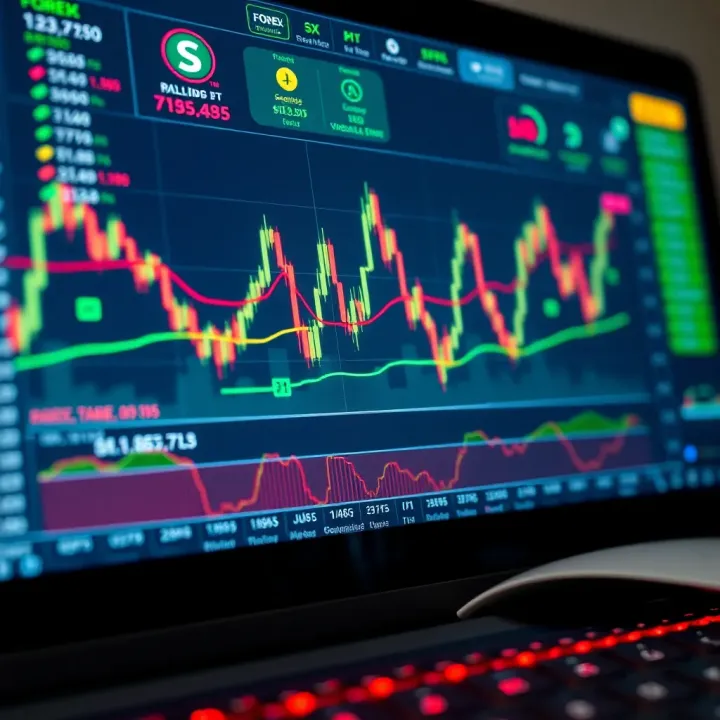
Explore forex trading in Nigeria 🇳🇬 with insights on markets, regulations, risks, tech, top currency pairs, and tips for beginners to trade smarter.
Based on 15 reviews