
How Profitable Is Forex Trading for Nigerians?
Discover how profitable forex trading can be for Nigerians 🇳🇬. Learn key factors, common hurdles, and practical tips to boost your forex earnings in ₦ today 💹.
Edited By
Thomas White
Wallpaper forex trading has been a buzz topic among Nigerian traders recently, especially those just stepping into the forex space. At its core, wallpaper trading involves showcasing high returns or profits on social media or messaging platforms without real trading activity behind the scenes. It’s a way some individuals create the illusion of success to attract unsuspecting investors.
This practice is particularly widespread in Nigeria where many eye forex as a quick route to wealth but lack solid knowledge or capital for genuine trading. Traders often see flashy screenshots of ₦500,000-plus daily earnings or overnight account transformations. Yet, these are usually photoshopped or taken from legitimate traders’ accounts, used falsely to lure clients.
Wallpaper forex trading is risky because it can mislead new traders into investing money based on fabricated claims rather than real trading results.
Many times, Nigerian traders fall victim to such schemes by entrusting funds to operators who vanish with their money. The Federal Competition and Consumer Protection Commission (FCCPC) and the Securities and Exchange Commission (SEC) Nigeria have warned against wallpaper forex schemes due to their deceitful nature.
If you're curious about forex trading, focus on verified platforms such as MT4, MT5, or brokers regulated by SEC Nigeria or international bodies like FCA or CySEC. Genuine trading requires education, a well-thought strategy, and patience—not overnight miracles.
Some key red flags to watch out for in wallpaper forex trading include:
Promises of guaranteed high returns with zero risk
Pressure to invest quickly without proper documentation
Lack of clear trade records or transparent verification
Heavy reliance on social media testimonials rather than official broker reports
Before starting forex trading, Nigerian traders should:
Obtain reliable training through registered forex courses or seminars.
Practice on demo accounts to understand market behaviour.
Start with small investments and manage risk carefully.
Regularly check for broker licences and user reviews.
By doing this, you steer clear of schemes that look shiny but could burn your pockets.
Wallpaper forex trading may appear tempting with all its flashy numbers and social proof. But wise Nigerian traders know that true success is built on solid knowledge, realistic expectations, and disciplined money management.
Your ₦ investments deserve more than just wallpaper promises.
Understanding wallpaper forex trading is crucial for Nigerian traders aiming to navigate the complex forex market without falling prey to scams. Wallpaper forex trading might sound technical, but at its core, it's a form of deception that exploits traders' eagerness for quick profits. Getting a firm grasp on what it involves helps traders recognise warning signs and protects their hard-earned money.
One practical benefit of understanding this practice is the ability to differentiate between legitimate trading platforms and fraudulent schemes. For example, many unsuspecting traders may see screenshots of supposed high earnings posted online and believe they can replicate those results overnight. Knowing the reality behind these images prevents costly mistakes.
Wallpaper forex trading refers to schemes where fake or doctored screenshots of high profits are displayed as "evidence" of success in forex trading. These visuals – resembling wallpaper or background images – are often shared on social media, enticing traders to join the scheme. However, no real trading or profit is involved; the gains are made up or fabricated to mislead investors.
This tactic is a questionable marketing tool, used to lure individuals into investing money with promises of exceptional returns. Its practical relevance lies in the fact that Nigerian traders, often new to forex, can easily fall for such visual tricks, especially when the charts and figures seem convincing and professional.
Many Nigerian traders are attracted to wallpaper forex trading because of the nation's youthful population and the widespread desire to generate passive income. Social media posts showing young Nigerians flaunting their "trading successes" can be quite persuasive, especially when economic conditions make traditional jobs less reliable.
Besides, limited access to formal forex education means many traders look for quick methods to earn, making them vulnerable. The appeal of effortless wealth, minimal risk, and the chance to trade directly via smartphones without complex paperwork captures imaginations, even though the reality often falls short.
In recent years, Nigeria has witnessed a rapid growth in forex trading culture, boosted by access to smartphones, affordable internet, and an expanding fintech ecosystem. Platforms like OPay and Paystack have made online payments easier, leading more youths to dabble in forex markets.
However, this growth, while positive, also opens room for unregulated actors. Many Nigerians approach forex trading without full knowledge, which wallpaper scams exploit. So understanding this cultural trend is key for traders to avoid mistaking hype for opportunity.
Social media platforms such as Instagram, TikTok, and WhatsApp groups serve as primary channels for wallpaper forex marketing. Influencers with large followings often showcase flashy lifestyles, claiming their wealth comes from forex. These endorsements can blur lines between real success and staged deception.
The peer pressure and fear of missing out (FOMO) amplify the effect, pushing many to invest without adequate research. Traders must therefore remain skeptical and seek verifiable evidence before committing funds, rather than relying solely on online testimonials or influencer claims.
Wallpaper forex trading thrives on visual deception and emotional triggers. Being able to spot these tactics early protects your investment and builds a solid foundation for genuine trading activities.
Recognise fake trading screenshots
Understand why such schemes resonate
Know the cultural and social factors driving popularity
This knowledge forms the bedrock of a more secure approach to forex trading in Nigeria.
Understanding how wallpaper forex trading functions is key to recognising its dangers and pitfalls. The scheme often targets Nigerian traders by exploiting their hopes for quick profits. Knowing the mechanics helps investors avoid costly mistakes and spot warning signs early.
One of the core methods wallpaper forex traders use is the creation of fake trading platforms. These are websites or apps designed to look legitimate, featuring real-time market charts and trading interfaces. However, the prices and transactions are manipulated to give the illusion of consistent profits. For example, a Nigerian trader might see their account balance grow daily on a platform, but withdrawals usually fail or are delayed indefinitely once the investor requests cash out.
Manipulated screenshots and fabricated testimonials amplify the deceit. Promoters often share images showing huge returns or screenshots of supposed user accounts with massive profits. These are often faked or cherry-picked to lure new investors. For instance, social media posts praising a wallpaper forex scheme may feature photoshopped messages from "satisfied clients" or staged videos showing luxurious lifestyles supposedly funded by forex earnings. This breeds false trust and encourages unsuspecting traders to invest.
Wallpaper forex schemes often guarantee high returns within short timeframes, a promise that should make any serious trader wary. These claims suggest it’s possible to earn ₦50,000 daily from a small deposit or double investments within weeks. In reality, the forex market is volatile and such consistent gains are unrealistic, especially without risk. These guarantees create a false sense of security for many Nigerians eager to benefit amid economic uncertainties.
Another common pitch is the allure of passive income. Investors are told they can earn money effortlessly without active trading or specialised skills. The scheme makers claim the platform's "automated software" handles all trades, giving users profit while they do other things—like running a business or looking after family. This oversimplification disguises the fact that funds are often pooled to pay earlier investors, a classic pyramid technique that collapses when recruitment stalls.
Nigerian traders should remember: forex trading can be profitable but requires knowledge, discipline, and legitimate platforms. Unrealistic promises from wallpaper forex schemes are red flags signalling scams.
By appreciating these operational details, traders can better protect their funds and focus on genuine forex opportunities available through regulated platforms in Nigeria.
Recognising risks and red flags in wallpaper forex trading can save Nigerian traders from losing their hard-earned money. This section highlights the key warning signs and consequences that reveal when a forex opportunity is too good to be true. Given the rise of dubious schemes preying on unsuspecting investors, spotting these indicators early is vital for protecting your capital and reputation.
One common red flag of wallpaper forex scams is the absence of verifiable platform credentials. Legitimate brokers in Nigeria must be registered with the Securities and Exchange Commission (SEC) or other recognised international bodies. Scammers often create fake websites showing misleading licences or glowing testimonials. When you cannot find a broker’s registration number in the official SEC register or verify their claims, it’s a strong indication the platform lacks authentic backing.
For example, some wallpaper forex schemes use screenshots of trades or fake customer feedback to build trust. But an informed trader will check if the platform provides proper contact details, physical address in Nigeria, or if it operates via Nigerian banks. Failure to do this often leads to irreversible losses.
Wallpaper forex scams sometimes mimic pyramid or multi-level marketing tactics by pressuring participants to recruit friends, family, or colleagues. High-pressure sales tactics and promises of extra bonuses or commissions for bringing more investors are typical.
This recruitment push is a warning sign the scheme depends on new money to pay earlier investors rather than real profits from forex trading. Nigerian traders should avoid platforms that prioritise recruitment over trading performance. Genuine brokers focus on market activity, not how many people you bring aboard.
The most immediate risk is losing your investment. Since wallpaper forex scams operate without real trading or utilise manipulated results, your deposited funds are vulnerable to total loss. Many Nigerian traders have reported funding accounts only to find withdrawals blocked or terms changed suddenly.
Losses can run into hundreds of thousands of naira, devastating for individual traders who depend on savings or side income. It's crucial to treat any guaranteed or unusually high-return forex opportunity with scepticism, especially if verification is tough.
Engaging with unlicensed brokers not only risks your money but may lead to legal complications. Nigerian regulations require all forex trading firms to comply with SEC rules. Failing to trade through a registered entity can expose you to penalties or difficulties if disputes arise.
Moreover, some wallpaper forex schemes disguise themselves as investment clubs or informal ventures to escape regulatory scrutiny. Still, the Central Bank of Nigeria (CBN) and SEC continue to clamp down on such operations, recognising their threat to the financial system. Traders caught up face challenges recovering funds and may find little legal recourse.
Vigilance matters when navigating the forex market. Always confirm a broker’s credentials and avoid schemes focused on recruitment or unrealistic profits to steer clear of costly mistakes.
Protecting yourself in the world of wallpaper forex trading is not just wise—it’s necessary. Given the numerous scams swirling around, Nigerian traders must take deliberate steps to safeguard their funds and peace of mind. Knowing how to verify platforms and recognising common pitfalls reduces the chances of falling into fraudulent schemes masquerading as easy forex profits.
One of the first things you should do before investing is to confirm the legitimacy of the forex platform or broker. In Nigeria, reputable brokers usually have approvals or licences from the Securities and Exchange Commission (SEC) Nigeria or foreign regulators with good standing. For example, platforms linked to GTBank or Access Bank typically comply with CBN and SEC guidelines. This regulatory backing means the platform is subject to oversight, reducing risks of sudden disappearances or fund mismanagement. Always ask for proof of such licences and cross-check their validity through official sources.
Feedback from existing or past users offers useful insights beyond official claims. Genuine user reviews can highlight issues like poor withdrawal services, hidden charges, or delays—red flags that aren’t always obvious on the surface. However, be wary of fake reviews which scammers post to create a false sense of trust. Look out for detailed, balanced comments over time, especially on trusted Nigerian finance forums or social media groups where real traders discuss their experiences. Combining regulatory checks with authentic user reviews gives a clearer view of what to expect.
One major trap in wallpaper forex trading is promises of guaranteed high returns with little or no risk. If a scheme claims you can double your ₦50,000 investment in a week without effort, treat it very cautiously. Legitimate forex trading is volatile and requires knowledge, skill, and constant monitoring. Such unrealistic promises are classic signs of scams aiming to lure gullible traders. Remember, no one consistently wins in forex without risk, especially not without proper experience.
Scammers often pressure you to 'act now' or 'invite friends' to benefit from exclusive deals. They may bombard you with calls, messages, or WhatsApp invites pushing for quick deposits or recruitment. Genuine brokers do not use such heavy-handed tactics. Learn to say no and take your time to research offers thoroughly. If you feel pushed, it usually means the scheme relies on rapid sign-ups rather than real trading activity. Resist and protect your resources by walking away from high-pressure sales.
Protecting yourself starts with knowledge and careful scrutiny. Avoid shortcuts and always prioritise platforms with verified credentials and community trust.
Taking these practical steps seriously will place Nigerian traders ahead in the battle against wallpaper forex scams, saving both money and stress in the long run.
Nigerian traders who want to avoid the risks linked with wallpaper forex trading should explore more reliable options. Alternative forex approaches provide safer, more transparent ways to engage the foreign exchange market while building genuine skills and managing risks effectively.
Working with regulated brokers is essential for secure forex trading in Nigeria. The Nigerian financial system allows certain brokers to operate under clear regulations, often registered with the Nigerian Securities and Exchange Commission (SEC) or recognised global bodies like the Financial Conduct Authority (FCA). These brokers typically support trading in Nigerian Naira (NGN), easing deposit and withdrawal processes without the headaches of complicated currency conversions.
For example, platforms like FXPro and HotForex accept NGN deposits through local banks or payment systems, making trading more straightforward and trustworthy. This setup reduces exposure to forex scams since regulated brokers undergo regular checks and must meet minimum capital and transparency standards.
When funding a forex account or withdrawing profits, using dependable payment methods is vital. Nigerian traders benefit from platforms that accept local bank transfers, popular e-wallets such as OPay and PalmPay, or debit/credit cards issued by Nigerian banks like GTBank and Zenith Bank.
Trusted payment channels reduce delays and lower the chances of losing funds to fraud. Avoid brokers insisting on obscure payment systems or solely cryptocurrency deposits, as these can be red flags. Reliable brokers also provide clear transaction records, making it easier to track your funds.
Developing solid trading skills is the best defence against scams like wallpaper forex schemes. Technical analysis involves studying price charts and indicators to predict market movements, while fundamental analysis looks at economic factors such as interest rates, political stability, or commodity prices affecting currency values.
Many Nigerian traders start with learning how to read candlestick charts, moving averages, and support/resistance levels. Understanding how Nigeria’s economy and CBN policies influence naira pairs adds an important layer. This knowledge turns forex trading from guesswork into a more informed activity, improving chances of success.
Training programs vetted by credible financial institutions and professional traders offer lasting value. Rather than falling for flashy promises on social media, seek courses from recognised providers like the Chartered Institute of Stockbrokers Nigeria or the NGX Academy.
These programmes cover risk management, order types, and strategy development. Live trading sessions and mentorship opportunities help traders avoid common pitfalls. Also, watching out for courses that end abruptly or push quick flip profits is crucial.
A steady, educated approach backed by reputable platforms and genuine learning beats shortcuts every time. Patience and consistency pay well in forex trading.
Exploring these alternative approaches equips Nigerian traders with the tools and confidence to navigate forex markets wisely, steering clear of wallpaper forex traps and growing their investments in a measurable, controlled way.
Discover how profitable forex trading can be for Nigerians 🇳🇬. Learn key factors, common hurdles, and practical tips to boost your forex earnings in ₦ today 💹.
📈Discover how forex trading works, the main players, risks, and tips tailored for Nigerians ready to explore currency markets and earn in ₦ effectively.
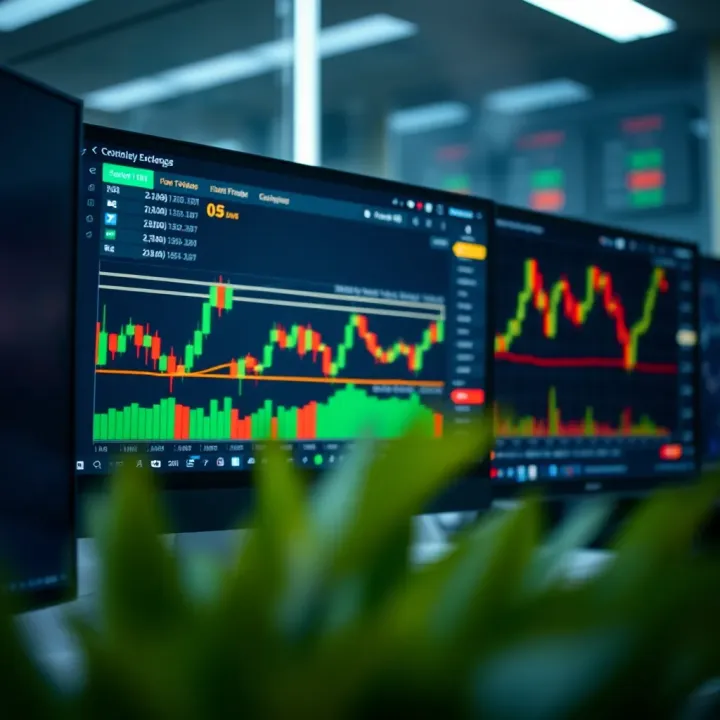
Learn forex trading in Nigeria 🇳🇬 with practical tips on choosing brokers, mastering strategies, managing risk, and using learning platforms suited for Nigerians interested in growing their ₦.
Learn how to make money on forex trading in Nigeria with practical steps, smart strategies, and risk tips tailored to your market. Start earning ₦ today! 💹💰
Based on 6 reviews