
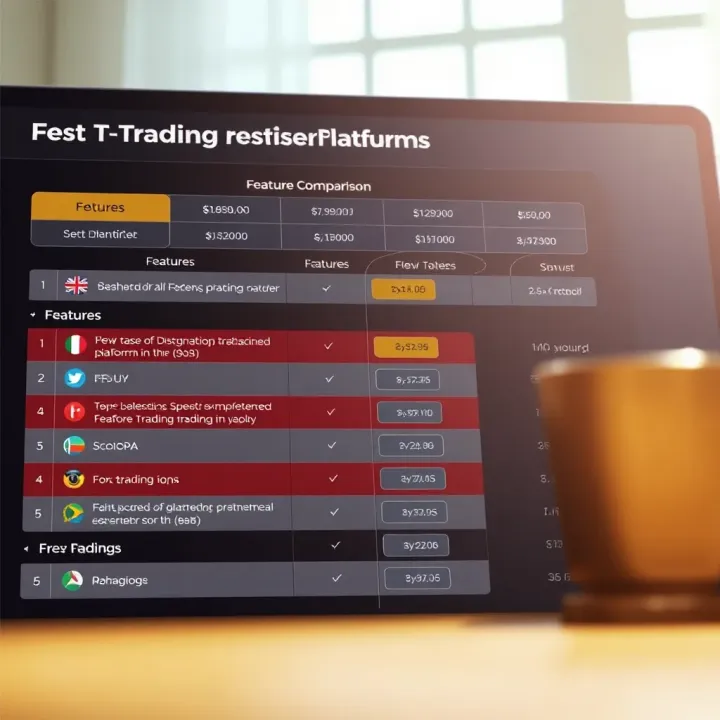
Best Forex Trading Platforms in Nigeria
Looking to pick the best forex trading platform in Nigeria? Discover top features, compare popular options 📊, and learn about security and regulations 🛡️.
Edited By
Charlotte Pierce
Forex trading has gained serious traction among Nigerians over the past decade, with many looking to make smart moves in the ₦ market. However, choosing the right trading platform can be tricky given the variety of options available and local challenges like volatile exchange rates and regulatory nuances.
This guide aims to break down the essentials of forex trading platforms accessible to Nigerian traders. From user-friendly interfaces to compliance with Nigerian financial authorities, understanding these key features will help you trade more effectively and securely.
Starting your forex journey without a solid grasp of platform choice is like driving a danfo without knowing the route—it's risky and likely to waste your time and money.
A reliable trading platform is your gateway to the forex market, where every second counts. Features like real-time price updates, easy deposit and withdrawal options (especially ones that support NGN), and strong security protocols all influence your trading success.
Many platforms used by Nigerians also offer integrations with local payment systems such as Paystack or Flutterwave, making fund transfers smoother. Beware of platforms that lack local support or have poor customer service, which could delay resolving issues impacting your trades.
The Central Bank of Nigeria (CBN) and Securities and Exchange Commission (SEC) regulate aspects of forex trading to protect investors. While some platforms operate globally, Nigerians should prioritise those compliant with local regulations or with transparent licensing documents.
Trading on unregistered platforms risks exposure to scams or unprotected funds. Therefore, always check the platform’s regulatory standing before committing capital.
Nigerian traders commonly use platforms like MetaTrader 4 or 5 due to their extensive tools and charting capabilities. Others prefer user-friendly apps like Plus500 or AvaTrade, which cater to beginners with straightforward interfaces.
Many platforms now offer mobile versions because Nigerians often trade while on the move through smartphones, navigating Lagos traffic or waiting at the office.
Ensure the platform accepts NGN deposits and offers stable withdrawal options.
Check if there’s live customer support available during Nigerian business hours.
Look for robust security measures like two-factor authentication.
Test the demo account before risking real funds.
Choosing the right forex trading platform is the first step towards confident trading in Nigeria’s dynamic market. The next sections will dive deeper into platform features, challenges, and practical advice to maximise your forex experience.
Understanding forex trading in Nigeria is essential for anyone diving into this market. Forex trading involves buying and selling foreign currencies to profit from their changing exchange rates. For Nigerian traders, the appeal is clear: the forex market operates 24/5, offers high liquidity, and presents opportunities to speculate on global currencies including the US dollar, euro, and pound sterling.
Forex trading simply means exchanging one currency for another at current market prices. Imagine you want to trade the naira (₦) for the US dollar ($). You buy dollars if you think the dollar’s value will go up against the naira. Later, you sell back the dollars at a higher price to make a profit. This activity uses pairs, such as USD/NGN or EUR/USD, with profits coming from the difference in exchange rates. It’s a fast-paced market requiring careful analysis and swift action.
Forex trading has grown by leaps and bounds in Nigeria over the last decade. Factors like widespread internet access, increasing mobile penetration, and the availability of local payment gateways like Opay and Flutterwave have made it easier for Nigerians to participate. Many young Nigerians see forex trading as a way to supplement income, especially amidst economic challenges and rising unemployment. For instance, Lagos and Abuja have vibrant online trading communities where traders share insights and strategies. Still, this growth comes with risks, as some enter the market without proper education or fall victim to unregulated platforms.
Forex trading platforms serve as the bridge between the trader and the global market. They provide the interface to execute trades, access real-time price data, and use analytical tools. Platforms like MetaTrader 4 (MT4), MetaTrader 5 (MT5), and cTrader are popular because they offer charting, technical indicators, and automated trading options. For Nigerian users, local platforms sometimes integrate payment options in naira, making deposits and withdrawals simpler. Security, ease of use, and mobile accessibility are crucial features because Nigeria’s power supply and internet connectivity can be unreliable. A good platform helps traders avoid delays and losses caused by system failures or poor execution speeds.

For Nigerian traders, choosing the right forex platform can significantly affect trading success, often making the difference between profit and loss.
In summary, a clear grasp of forex trading basics, its rapid growth in Nigeria, and the platforms that make trading possible will equip you with a stronger foundation to navigate the dynamic forex market here.
Choosing the right forex trading platform in Nigeria depends heavily on specific features that directly impact your trading experience and success. With the market's fast pace and high volatility, platforms need to balance ease of use with robust tools and strong security. Nigerian traders often face challenges such as internet fluctuations and regulatory concerns, so picking a platform with the right features is essential.
A straightforward interface reduces the learning curve, allowing you to focus on trading rather than figuring out complicated menus. Platforms like MetaTrader 4 offer clean dashboards where you can easily access charts, orders, and account details. For instance, a trader accustomed to mobile banking apps would appreciate clear icons and simple navigation that doesn't require multiple clicks to execute trades. Platforms with cluttered layouts can waste precious seconds, which in forex trading might mean the difference between profit and loss.
Security is non-negotiable, especially when you deal with real money and sensitive data. Look for platforms that use end-to-end encryption and two-factor authentication (2FA). For example, a platform that asks for a one-time password (OTP) during login or withdrawal adds an extra layer of protection. Given the rising cases of online fraud in Nigeria, reliable data protection practices keep your funds safe from cybercriminals. Additionally, confirm if the platform complies with international standards or is regulated by recognised Nigerian authorities.
Effective trading depends on timely analysis supported by the right tools. Quality platforms offer various chart types, technical indicators, and economic calendars. cTrader, for instance, provides user-friendly charting with multiple timeframes and drawing tools, helping traders spot trends and make informed decisions. Imagine plotting resistance and support levels before entering a trade; having these tools integrated saves time and improves accuracy. Also, real-time news feeds about naira fluctuations or global market events can influence trading choices.
Since many Nigerian traders rely on smartphones due to unstable power supply and internet access, platforms must offer seamless mobile apps alongside web versions. Apps with offline features or low data consumption appeal to traders who might be on limited internet plans or unstable connections. For example, apps like MetaTrader or OANDA allow you to execute trades, check balances, and set alerts on the go. This flexibility ensures you won’t miss market opportunities whether you’re in Lagos traffic or at a local mama put.
Selecting a forex trading platform with these core features tailored to Nigerian market realities ensures smoother, safer, and more effective trading experiences. Always test platform features through demo accounts before committing real funds.
By focusing on practical aspects like a clean user interface, strong security, versatile tools, and reliable mobile access, you avoid common pitfalls and set yourself up for consistent forex trading success in Nigeria.
Choosing the right forex trading platform is a key decision for Nigerian traders. These platforms act as the bridge between traders and the global forex market, delivering access, tools, and security. Familiarity with the popular platforms widely used in Nigeria can save time and reduce risk.
MetaTrader 4 (MT4) and MetaTrader 5 (MT5) are the giants in online forex trading globally, and Nigeria is no exception. MT4 remains popular due to its simplicity and reliability, making it a favourite for beginners and casual traders. It offers customizable charts, automated trading via Expert Advisors (EAs), and a wide range of technical indicators. MT5, the successor, includes extra features like more timeframes, an economic calendar, and support for stocks and futures alongside forex. For example, many Nigerian forex brokers like FXTM and Alpari provide access to both MT4 and MT5, underscoring their trusted status. Both platforms support mobile and desktop use, catering to traders who might face intermittent power or internet challenges.
cTrader is gaining traction among serious Nigerian traders who need advanced charting and faster trade execution. Unlike MetaTrader, cTrader offers a more modern interface and built-in social trading features, allowing users to follow and copy top traders. It’s also designed for ECN (Electronic Communication Network) trading, providing tighter spreads and greater market transparency. For traders who value direct access to liquidity providers, platforms like OctaFX and HF Markets offer cTrader options. The ease of placing complex orders and detailed trade reports makes cTrader especially appealing to professionals who handle large volumes or employ algorithmic strategies.
Beyond the global giants, some Nigerian fintech startups and regional brokers are developing platforms tailored specifically to the Nigerian context. These platforms often provide local currency funding in ₦, quicker deposit and withdrawal processes, and customer support attuned to Nigerian market idiosyncrasies. Examples include local brokerage firms partnering with tech companies to build platforms that integrate with Nigerian banks and payment solutions like Paystack and Flutterwave. While these platforms might lack the extensive features of MT4 or cTrader, they offer practical benefits such as easy access to funding in naira and compliance with Nigerian financial regulations. Traders who prioritise ease of use and local support often find these platforms valuable.
Nigerian traders should assess whether the platform supports naira deposits/withdrawals, offers robust security, and fits their trading style. Popular international platforms still dominate for their variety of tools, but local platforms help bridge gaps in access and convenience.
Understanding these popular platforms helps Nigerian traders choose one that matches their skills, goals, and everyday realities. This awareness also reduces exposure to scams from unverified platforms promising unrealistic returns. Given Nigeria's unique challenges with power and internet, the adaptability of a platform to these conditions is a critical consideration along with features and regulation.
Understanding the regulatory and legal environment is key for anyone taking part in forex trading in Nigeria. The forex market, being prone to scams and unscrupulous operators, demands awareness of the local rules and norms that help protect your investment and ensure lawful practice. Without this knowledge, traders risk falling prey to fraudulent platforms and suffering financial losses.
The Central Bank of Nigeria (CBN) plays a central role in regulating forex transactions within the country. Although forex trading is a global market, CBN's policies affect Nigerian traders directly — especially regarding currency controls and fund transfers abroad. CBN regulates foreign exchange inflows and outflows, sets guidelines for banks facilitating forex payments, and issues directives on how Nigerian entities can engage with the global forex market. For example, CBN's stance on the use of official foreign exchange channels versus parallel market rates impacts how traders fund and withdraw money from platforms.
The bank does not directly licence forex brokers but maintains tight control on Nigerian banks and payment processors to ensure transactions comply with its directives. Consequently, traders should use platforms that adhere to CBN’s regulations to minimise issues like unofficial naira debits or failed withdrawals.
In Nigeria, forex brokers are generally regulated by foreign authorities since the market mostly operates cross-border. However, it is wise to trade with brokers licensed by well-recognised international bodies such as the UK’s Financial Conduct Authority (FCA), the Cyprus Securities and Exchange Commission (CySEC), or the Australian Securities and Investments Commission (ASIC). These regulators enforce standards for client fund protection, transparency, and fair trading practices.
Traders should verify the regulatory status of forex platforms through official registries and look for licence numbers prominently displayed on broker websites. Nigerian regulatory entities like the Securities and Exchange Commission (SEC) also monitor parts of the financial market, and occasional joint efforts with CBN help tackle unlicensed operators. Engaging only with licensed brokers not only safeguards traders but also supports smoother transactions within the Nigerian financial framework.
Forex scams remain a persistent threat for Nigerian traders, with schemes ranging from fake brokers to Ponzi arrangements. Recognising red flags is crucial to avoid losing hard-earned naira. Signs include guarantees of unrealistic returns, pressure to deposit large sums, lack of transparent contact details, or absence of verifiable regulatory information.
To protect yourself:
Only use well-known and properly regulated forex platforms
Check for active customer support and verified reviews from other Nigerian traders
Avoid platforms that promise guaranteed profits or leverage beyond industry norms
Use demo accounts to test platform reliability before committing real money
Nigerian financial authorities periodically issue warnings about fraudulent forex operators and encourage traders to report suspicious firms. Staying informed through official CBN and SEC communications goes a long way in avoiding scams.
Navigating the regulatory and legal aspects of forex trading in Nigeria takes some effort but pays off by reducing risk and improving your trading experience. Stick with platforms compliant with both Nigerian and international standards to trade securely in Nigerian naira and on the global forex stage.
Trading forex successfully on online platforms requires more than just opening an account and clicking 'buy' or 'sell'. Proper strategies for managing risks, handling funds, practising with demo accounts, and ensuring stable internet and power access are vital for sustained success. These tips help Nigerian traders avoid pitfalls common in local environments, such as power outages and currency volatility.
Managing risk is the bedrock of smart forex trading. Set clear stop-loss orders to limit potential losses before placing a trade. For example, if you enter a trade on EUR/USD at ₦450 to ₦460, set your stop-loss around ₦440 to avoid bigger losses. Also, leverage should be used cautiously; while it can magnify profits, it can just as easily multiply losses. Nigerian traders often fall into the trap of using high leverage due to the lure of quick gains, but this typically backfires. It is advisable to risk not more than 1-2% of your trading capital on a single trade to protect your funds in volatile market conditions.
Funding and withdrawals in Nigerian Naira (₦) can be tricky due to exchange rate fluctuations and banking restrictions. Choose platforms that support seamless ₦ deposits and withdrawals without hidden charges or unreasonable delays. Platforms like GTBank and Access Bank allow quick transfers to some brokers, but always check for possible currency conversion fees. Also, avoid trading accounts funded with foreign currencies if you cannot comfortably manage their conversion since naira depreciation might eat into your profits when converting back. Nigerian traders often benefit more from brokers that provide local payment options such as Paystack or Flutterwave for ease of transactions.
Using demo accounts lets you sharpen your strategies without exposing real money. Before committing funds, spend weeks practising trading on platforms like MetaTrader 4 or 5, replicating real market conditions. This builds confidence, familiarises you with platform tools, and helps to understand how volatility and spreads affect trades. Demo trading also reduces the shock many beginners feel when trades move against them. It’s particularly helpful for Nigerian traders looking to trade forex alongside local challenges like intermittent internet or power supply, allowing them to learn in a low-stress environment.
Reliable internet and steady power supply underpin effective forex trading in Nigeria; without them, trades can miss execution or be delayed. Many Nigerian traders rely on mobile 4G broadband with providers like MTN or Airtel, which generally provide stable service in urban centres. However, plan for power outages by having alternatives such as UPS (uninterruptible power supply) or a generator. Those in Lagos or Abuja, where power disruption is frequent, find that simply losing a few minutes can cost precious pips and lead to substantial losses. In short, investing in backup power and a reliable internet plan is part of managing operational risk in Nigerian forex trading.
Good trading is as much about controlling your environment as it is about reading the market. Managing risk, practical funding, solid practice, and dependable infrastructure form the foundation for effective forex trading in Nigeria.
By keeping these practices in mind, traders can make smarter decisions and navigate the challenges specific to the Nigerian market more effectively.
Looking to pick the best forex trading platform in Nigeria? Discover top features, compare popular options 📊, and learn about security and regulations 🛡️.
🌍 Explore forex trading basics, proven strategies, and smart risk management tips tailored for Nigerian traders ready to boost their forex skills.📈💡
Explore forex trading in Nigeria 🇳🇬 with practical insights on market basics, strategies, risks, and tips for both new and experienced traders 💹📊
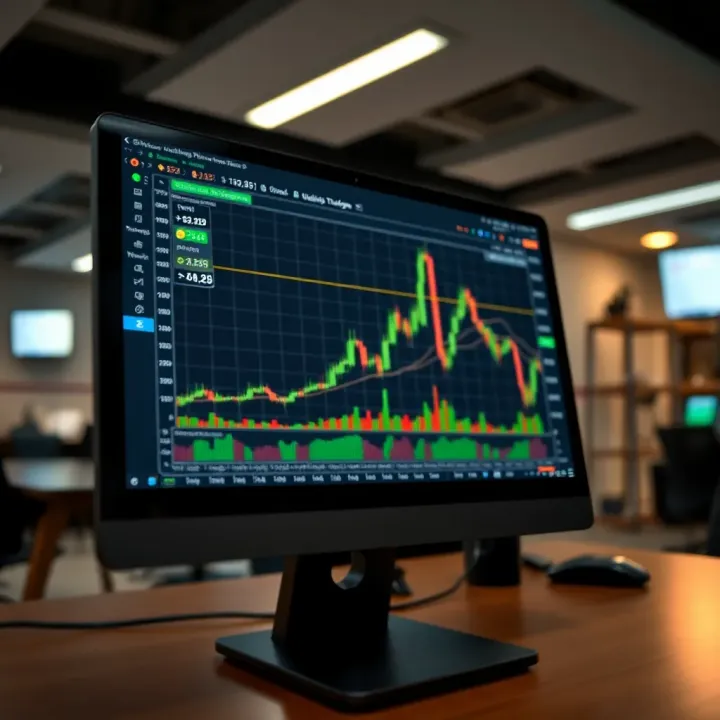
Discover top forex trading platforms in Nigeria, learn smart strategies, navigate regulations, and get practical tips to trade safely and confidently 📈🇳🇬
Based on 6 reviews