
All About Forex Trading: A Clear Guide for Nigerians
🌍 Explore forex trading basics, proven strategies, and smart risk management tips tailored for Nigerian traders ready to boost their forex skills.📈💡
Edited By
Isabella Martin
Forex trading, or foreign exchange trading, involves buying and selling currencies to make a profit from changes in their exchange rates. For many Nigerians, forex trading represents a chance to access the global financial markets directly from their devices, offering opportunities beyond the local economy.
The forex market operates 24 hours a day, five days a week, which means you can trade conveniently alongside your daily schedule. Major currency pairs like USD/NGN, EUR/USD, and GBP/USD often attract the most attention due to their liquidity and volatility.
Understanding forex trading starts with recognising the key players in the market:
Banks and financial institutions: They provide the bulk of liquidity.
Retail traders: Individuals like you and me trading through online platforms.
Brokers: Intermediaries that connect traders to the market.
Central banks: Entities like the Central Bank of Nigeria (CBN) influence currency value through monetary policies.
Successful forex trading requires grasping market fundamentals, managing risks carefully, and applying practical strategies tailored to your goals.
Before diving in, it’s vital to be aware of the risks involved. Forex is highly leveraged, which means even small price movements can lead to significant gains or losses. For example, trading with 1:100 leverage means ₦1,000 investment controls ₦100,000 in the market. While this can amplify profits, it also increases the chance of losing more than the initial amount.
Here are a few practical steps to get started:
Choose a regulated broker: Look out for brokers licensed by relevant bodies like the Securities and Exchange Commission (SEC) Nigeria or international authorities.
Start with a demo account: Practise trading without risking actual money to understand how the platform works.
Learn to read Forex charts and indicators: These tools help track price movements.
Understand fundamental and technical analysis: The first looks at economic factors influencing currency values, the second at price patterns.
Develop a risk management plan: Decide the maximum amount you’re ready to lose on each trade, and use stop-loss orders to protect your capital.
The CBN regulates forex trading to protect Nigerian traders and prevent illicit activities. While trading foreign currencies is legal, be sure to comply with know-your-customer (KYC) rules and tax obligations set by the Federal Inland Revenue Service (FIRS).
Getting familiar with these basics sets a strong foundation. The next sections will explore detailed strategies, risk management, and how Nigerian traders can navigate the forex market with confidence.
Getting a solid introduction to forex trading is the first step if you're serious about diving into this market. This section sets the groundwork by explaining what forex trading is, how the market runs, and why it matters specifically to Nigerians. Understanding these basics helps avoid costly mistakes and positions you well for practical trading later on.
Forex trading is the exchange of one currency for another in the global marketplace. The forex market is by far the largest and most liquid financial market worldwide, with daily transactions exceeding US$6 trillion. For Nigerian traders, this means there’s a constant flow of trading opportunities around the clock, reflecting the value of currencies like the US dollar, euro, and naira in real time.
Unlike other financial markets, forex trading involves currency pairs, where a trader buys one currency and sells another simultaneously. This dynamic offers unique flexibility and access compared to, say, the Nigerian Stock Exchange where trading happens only during business hours and involves company shares.
Compared to stocks or commodities, the forex market operates 24 hours a day, five days a week, allowing Nigerians to trade whenever it suits them – whether before heading to work or after a long day. This is ideal for people juggling daily hustles or working with tight schedules.
Plus, forex trading typically offers higher leverage than stocks, meaning you can control larger positions with smaller amounts of money. That said, leverage increases risk, so knowing your limits is key. Unlike buying physical commodities like oil or gold, forex trading is purely digital and relies heavily on currency fluctuations driven by global economic events.
Forex trading revolves around major currency pairs such as EUR/USD (euro/dollar), USD/JPY (dollar/yen), and GBP/USD (pound/dollar). These pairs represent the most traded and liquid markets worldwide. For Nigerian traders, one of the most relevant pairs is USD/NGN, which shows the value of the naira against the US dollar. Keeping an eye on this pair helps traders respond to changes in Nigeria’s economy and foreign exchange policies.
The forex market is divided into different trading sessions based on global financial centres: London, New York, Tokyo, and Sydney. The London and New York sessions overlap in the afternoon (WAT), creating high liquidity and volatility – a good time for active traders looking for quick moves. Nigerians often find the Lagos daytime coincides well with London market hours, offering better access.
Market makers are crucial players who provide liquidity by offering buy and sell prices at all times. They ensure you can enter or exit trades without delays. Liquidity providers include big banks and financial institutions that help keep the market active and prices stable. For Nigerian traders, choosing brokers linked to reputable liquidity providers reduces the risk of price manipulation and trading delays, ensuring a smoother experience.
Starting forex trading without grasping these basics is like setting off on a journey without knowing the roads. With this foundation, you’ll navigate the market more wisely and confidently.
Grasping the fundamental ideas behind forex trading is essential for any trader eager to succeed in the Nigerian market. Mastery of key forex concepts equips you with a sharper edge to read market movements, manage your risks effectively, and make more informed decisions rather than trading by chance.
In forex trading, currencies are quoted as pairs: one currency is the base, and the other is the quote. The base currency sits first, representing the amount you buy or sell. The quote currency shows how much of it you need to buy one unit of the base currency. For example, in the pair USD/NGN, the US dollar is the base and the Nigerian naira is the quote. If the exchange rate is 460, this means ₦460 is needed to buy $1.
Understanding which currency is base and which is quote is practical because your profit or loss depends on the movement between these two. Traders placing buy orders expect the base currency to strengthen against the quote, while sells indicate belief that the base will weaken.
Exchange rates fluctuate due to several economic and geopolitical factors. In Nigeria’s context, Central Bank of Nigeria (CBN) policies like interest rate adjustments directly impact the naira’s value. Inflation rates, trade balances, and foreign investment flows also sway currency prices. For instance, an increase in oil prices often supports the naira, given Nigeria's dependency on oil exports.
Global events, such as the US Federal Reserve’s interest rate decisions or political instability, ripple through forex markets, affecting how traders value currencies. Keeping an eye on these helps you anticipate market movements instead of reacting late.
Leverage lets you control a larger position than your initial capital by borrowing funds from your broker. Say you have ₦50,000 and use 100:1 leverage, your effective trading power becomes ₦5,000,000. This boosts profit potential but also magnifies losses.
For Nigerian traders, leverage is a double-edged sword. It can turn a small investment into significant gains but carries the risk of wiping out your capital quickly if the market moves against you.
High leverage means even slight market swings might trigger large losses. Many new traders jump in with maximum leverage without understanding how fast losses accumulate. Besides, volatile days, like during ember months or political events, can worsen the risk.
Protecting your funds requires strict stop-loss orders and avoiding over-exposure on any single trade. Managing leverage wisely prevents costly mistakes.
Imagine you open a $1,000 position to buy USD/NGN at 460 with 50:1 leverage, so you only need ₦9,200 as margin. If the naira weakens to 470, your position gains ₦10,000 profit. But if it strengthens to 450, you face a ₦10,000 loss, which might exceed your margin if no risk limits apply.
Understanding these calculations will help you gauge realistic profit and loss scenarios before committing funds.
A pip is the smallest price increment in currency pairs, typically 0.0001 for most pairs except those involving the Japanese yen, where it’s 0.01. If USD/NGN moves from 460.0000 to 460.0100, that is 1,000 pips increase.
Calculating pips helps you track profits and losses accurately, shaping your decisions about when to exit trades.
Trading happens in lots — standardised groups of currency units. A standard lot is 100,000 units of base currency, but brokers often offer mini (10,000) or micro (1,000) lots suited to smaller investors. For Nigerian traders with limited capital, micro lots allow participation without risking too much.
Choosing the right lot size controls your exposure to the market and aligns with your risk appetite.
The spread is the difference between the buy (ask) and sell (bid) price offered by the broker. It represents the broker’s fee and affects your trading cost directly. For example, if USD/NGN has an ask price of 460.20 and a bid price of 460.00, the spread is 0.20 naira.
Wide spreads increase the cost of entering and exiting trades, squeezing your profit margins. Nigerian traders should look for brokers with competitive spreads, especially on popular pairs like USD/NGN or EUR/USD.
Knowing and mastering these forex concepts sets a solid foundation for your trading journey, reducing costly errors and boosting confidence as you navigate the forex market.
Starting forex trading in Nigeria requires a clear understanding of the processes involved, especially choosing the right broker, opening an account, and setting up trades effectively. Knowing these steps helps you avoid common pitfalls and makes your entry into the forex market smoother. It bridges the gap between theory and actual trading, offering practical ways to begin using familiar local financial systems.
To select a good broker, Nigerian traders should check for transparent fees, user-friendly platforms, and solid customer support. Look out for brokers offering competitive spreads and flexible leverage because these directly affect how profitable your trades can be. For example, some brokers may charge hidden fees or have poor execution speeds which can eat into your profits.
Popular brokers serving Nigerians include FXTM, HotForex, and XM, thanks to their accessibility, localised support, and multiple deposit options. Many of these brokers allow trading in naira and support local payment methods, which simplifies funding your account without high conversion costs.
Regulation and security matter most. Choose brokers regulated by respected bodies like the Financial Conduct Authority (FCA) or reputable local entities familiar with Nigeria’s market. This limits risks of fraud or losing funds to unscrupulous platforms. For Nigerians, dealing with regulated brokers also ensures compliance with CBN's supervisory environment, which adds a layer of safety.
Broaden your understanding of account types—standard accounts suit most beginners, while ECN or VIP accounts offer tighter spreads for experienced traders needing more privileges. Knowing which account fits your trading size and style can help you manage costs better.
Funding options in Nigeria range from direct bank transfers, debit cards, to e-wallets like OPay or Paystack. These methods help traders move money quickly and securely into their trading accounts without stepping outside familiar payment ecosystems.
Using local platforms and USSD codes for transfers is a big plus, especially since mobile banking is widespread. Imagine topping up your forex account using a simple USSD code like 909 or through your bank’s mobile app; this convenience removes barriers to timely trading and can be a lifesaver during critical market moves.
Most brokers offer trading platforms like MetaTrader 4 (MT4) or MetaTrader 5 (MT5), known for their ease of use and advanced tools. These platforms allow you to analyse charts, set alerts, and manage orders all in one place.
Opening a trade involves selecting your currency pair, setting the trade size, and choosing whether to buy or sell. You can later modify your trade—for example, moving your stop-loss or take-profit points—or close it to secure profits or cut losses. These steps are simple but critical for effective trade management.
Practice matters. Using demo accounts provided by brokers lets you mimic live trading without risking real money. This practice helps you understand trade execution and market behaviour. Nigerians can use demo accounts to test strategies and build confidence before going live, reducing the likelihood of costly beginner mistakes.
Starting forex trading is less about rushing into big trades and more about building a solid foundation. Choosing proper brokers, funding efficiently, and practising trades prepares you to navigate forex markets with greater confidence and control.
Understanding effective forex trading strategies is essential for anyone serious about succeeding in the forex market. Good strategies help traders make informed decisions, manage risks, and increase their chances of profit. For Nigerian traders, these strategies must also consider local market conditions, such as naira volatility and economic policies, to navigate the forex landscape wisely.
Charts are the bread and butter of technical analysis. They show past price movements, helping traders spot patterns and trends. For example, an upward trend line connecting successive higher lows suggests bullish sentiment, which might prompt a trader to buy. Conversely, a series of lower highs and lows signals a downtrend, indicating a selling opportunity. Nigerian traders can use simple line charts or candle charts, which show open, close, high, and low prices within a time frame, to identify these trends.
Identifying trends lets you decide when to enter or exit the market rather than trading blindly. Since forex prices often move in trends, recognising them early can help you ride profitable moves or cut losses swiftly.
Technical indicators are formula-based tools derived from price, volume, or open interests that assist in decision-making. Popular ones include Moving Averages (MA), Relative Strength Index (RSI), and Bollinger Bands.
Moving Averages smooth out price data to highlight the trend direction. For example, if the 50-day MA crosses above the 200-day MA, it might suggest an upward price trend.
RSI measures momentum and detects overbought or oversold conditions. An RSI above 70 usually signals overbought, possibly prompting a sell decision.
Bollinger Bands show price volatility; prices near the upper band may indicate overbuying.
Using these indicators in combination offers Nigerian traders a clearer picture of market conditions, avoiding snap judgments.
Forex prices react sharply to economic events such as GDP reports, inflation data, and unemployment figures. For instance, a better-than-expected GDP growth in Nigeria can strengthen the naira against the dollar. Traders who keep an eye on such releases can anticipate potential price moves, allowing them to position their trades advantageously.
Ignoring economic news is like sailing without a compass — unexpected announcements can swiftly change market direction.
The Central Bank of Nigeria (CBN) wields significant power over the naira through its monetary policies. Interest rate changes, foreign exchange interventions, and naira liquidity controls directly impact the currency's value. When CBN raises interest rates, it can attract foreign investment, strengthening the naira. Conversely, prolonged forex scarcity due to policy restrictions often weakens the currency.
For traders, understanding CBN actions is vital. For example, during a period of forex scarcity, naira pairs might show increased volatility and wider spreads.
News releases from local sources like NBS (National Bureau of Statistics) and global agencies impact forex prices. Traders need to monitor scheduled releases and interpret their implications. For example, if inflation figures in Nigeria exceed expectations, the naira might weaken, prompting traders to consider short positions.
Using economic calendars to track these events helps in timing trades better, reducing guesswork.
Stop-loss and take-profit orders help protect your trading capital. A stop-loss automatically closes a trade at a set level to limit losses, while take-profit locks in gains once a target price is reached. For example, if you buy USD/NGN at ₦450 and set a stop-loss at ₦440, your loss won't exceed ₦10 even if the price falls further.
This disciplined approach prevents emotional decisions that often lead to bigger losses.
How much to trade in each position matters more than the trade itself. Position sizing means choosing the right trade size relative to your capital. For Nigerian traders with ₦100,000, risking 2% per trade means you shouldn’t risk more than ₦2,000 on any single trade. This approach ensures you survive several losing trades without wiping out your account.
Proper sizing acts as a safety net, allowing consistent market participation without catastrophic losses.
Overtrading occurs when traders enter too many trades or risk too much too quickly. It's often driven by emotions or misinformation. Nigerian traders might fall into this trap during volatile periods like ember months or when reacting to sudden naira movements.
Maintaining a trading plan, sticking to set rules, and resting during unfavourable market conditions reduces overtrading. This discipline helps preserve funds and maintain mental clarity.
Successful forex trading is less about making quick wins and more about steady, informed decisions combined with strict risk control.
Mastering these strategies helps you trade smarter, especially given Nigeria's unique forex environment. Stick with consistent learning and practice to sharpen your skills effectively.
Navigating forex trading in Nigeria demands a clear understanding of the local regulations and the potential risks involved. Regulations protect traders from shady practices and help maintain a fair market, while being aware of common risks keeps your hard-earned funds safe. This section highlights the necessary rules and precautions every Nigerian forex trader should know.
The Central Bank of Nigeria (CBN) plays a major role in overseeing all forex activities within the country. It regulates foreign exchange policies to stabilise the naira and monitor cross-border transactions. For traders, CBN rules affect how easily they can fund accounts or withdraw profits, especially when converting naira to foreign currencies.
For example, the CBN often sets limits on forex access for individuals and businesses to manage dollar scarcity. This means you should expect certain restrictions when dealing with international brokers or making large transfers. Staying updated with CBN announcements helps traders avoid running afoul of currency regulations or facing unexpected delays.
The Nigerian Securities and Exchange Commission (SEC) oversees the licensing and conduct of securities and investment businesses, including forex brokers and platforms operating in Nigeria. Brokers recognised by the SEC must meet minimum capital requirements and adhere to ethical trading standards.
For Nigerian traders, dealing with SEC-registered brokers offers more confidence as these brokers undergo periodic checks and must protect client interests. Unregulated brokers, by contrast, may operate with little oversight, exposing traders to potential fraud or unfair practices.
To ensure your trades are secure, always use brokers and platforms recognised by Nigerian authorities like the SEC and approved by the CBN for forex services. Examples include notable companies that maintain local offices or partnerships, offering Nigerian payment methods such as bank transfers or USSD codes.
Choosing a broker with a verified Nigerian presence means better customer support and easier regulatory recourse. Going with unknown or offshore platforms without proper licensing risks losing funds due to the absence of legal protection.
Forex scams often promise unrealistic profits with no risk, push traders to invest quickly, or require upfront fees before allowing withdrawals. Common signs include unsolicited calls, pressure to join exclusive groups, or brokers that lack transparent trading records.
One practical example is a broker who suddenly disappears after you try to withdraw profits or a website with fake reviews. Nigerian traders should be suspicious of any platform not openly disclosing fees, spreads, or regulatory status.
Safeguarding your money means using strong password protection, enabling two-factor authentication, and verifying broker legitimacy before funding accounts. Never share sensitive documents or BVN details with unverified parties.
Since online scams target identity theft alongside financial loss, regularly monitoring your bank statements and transactions linked to trading accounts is essential. Using Nigerian bank apps like GTBank or Access Bank familiar platforms for transfers can also reduce exposure to fraud.
The forex market is dynamic, with regulations and market conditions changing frequently. Continuously learning through reputable sources ensures you stay ahead of new risks, regulatory changes, and trading strategies.
For Nigerian traders, joining local forex communities or following updates from CBN and SEC adds practical insights. Constant education strengthens your ability to spot scams early and adapt to evolving market rules, ultimately protecting your investment.
Staying informed about Nigerian forex regulations and practising caution protects both your capital and personal data. Smart traders don’t just follow market trends; they understand the rules and risks specific to their environment, paving the way for safer and more profitable trading.
The CBN and SEC regulate forex trading in Nigeria to ensure market stability and trader protection.
Only trade with brokers who have local recognition and regulatory approval.
Be alert to common scam tactics and protect your personal data.
Keep educating yourself to stay updated on rules and risks specific to Nigerian forex trading.
These guidelines form the backbone of responsible trading in Nigeria's forex scene, helping turn the often volatile market into an opportunity rather than a gamble.
🌍 Explore forex trading basics, proven strategies, and smart risk management tips tailored for Nigerian traders ready to boost their forex skills.📈💡
Explore forex trading in Nigeria 🇳🇬 with practical insights on market basics, strategies, risks, and tips for both new and experienced traders 💹📊
📚 Discover essential books for mastering Forex trading! From beginners to pros, learn strategies, risk management & trading psychology. Perfect for Nigerian traders.
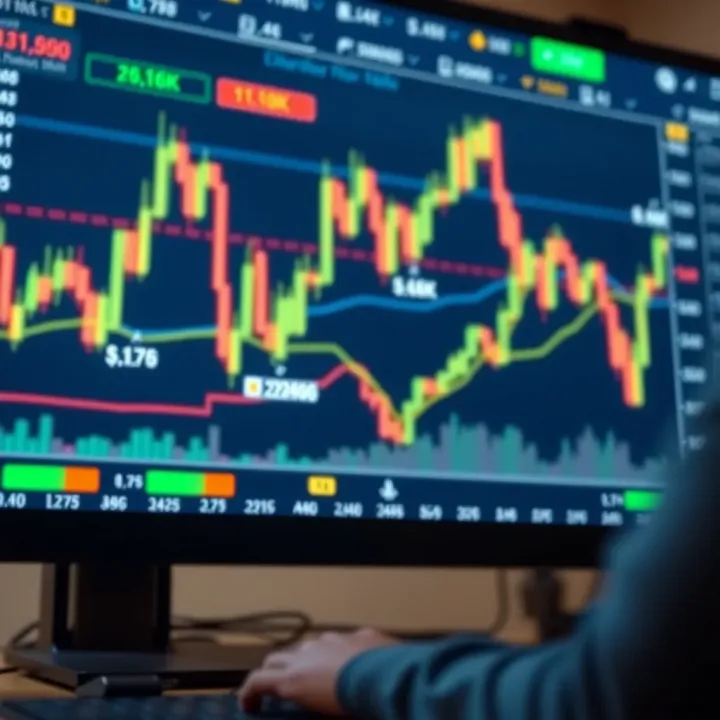
📈 Start your forex trading journey in Nigeria with this practical guide! Learn market basics, strategies, risk tips, and boost your trading confidence today.
Based on 15 reviews