
All About Forex Trading: A Clear Guide for Nigerians
🌍 Explore forex trading basics, proven strategies, and smart risk management tips tailored for Nigerian traders ready to boost their forex skills.📈💡
Edited By
Isabella Martin
Forex trading, or foreign exchange trading, is the buying and selling of different currencies to profit from their changing values. This market runs 24 hours a day, five days a week, connecting banks, businesses, investors, and traders worldwide. For Nigerian investors, it offers an opportunity to participate in a vast global market without the constraints of local stock exchange hours.
The forex market is the largest financial market globally, with daily transactions exceeding $6 trillion. Unlike buying shares on the Nigerian Stock Exchange (NGX), forex does not involve owning parts of a company. Instead, you trade currency pairs, such as USD/NGN or EUR/USD, speculating whether one currency will strengthen or weaken against another.
Currency prices fluctuate based on economic news, political events, and market sentiment. For example, if Nigeria’s Central Bank announces a hike in interest rates, the naira (₦) might strengthen against the dollar ($). Traders buy ₦/USD pairs expecting the naira to gain value, allowing them to sell later at a profit.
Forex trading typically happens through brokers offering platforms where you can buy or sell currency pairs using leverage. Leverage allows you to control a large position with a smaller amount of capital, but it also increases risk significantly.
Banks: Major players providing liquidity through large volume trades.
Central Banks: Influence currency value by adjusting interest rates and intervening as needed.
Retail Traders: Individual investors in Nigeria and worldwide using online platforms.
Corporations: Companies exchanging foreign currencies for business operations.
Given Nigeria’s reliance on oil exports and the naira’s volatility, forex trading presents both opportunities and risks. A clearly informed approach helps investors avoid impulsive decisions driven by news or market hype. Starting with education, using demo accounts, and keeping abreast of global economic developments are practical steps to trading confidently.
This article will guide you through how to engage in forex trading safely and profitably, highlighting the market dynamics specific to Nigerian investors.
Getting a solid grip on how forex trading operates is the first step for any Nigerian investor aiming to step into this vast market. Understanding the nuances can save you from common pitfalls and empower you to make sound decisions. Forex trading is not just about swapping currencies; it’s about dynamics driven by global events, policy changes, and economic trends that affect prices constantly.
Forex trading, simply put, involves buying one currency while simultaneously selling another. This happens through currency pairs — for example, the US dollar against the Nigerian naira (USD/NGN) or the euro versus the pound (EUR/GBP). When you trade forex, you speculate on whether one currency will strengthen or weaken against another, aiming to profit from these movements.
Practically, forex trading offers opportunities for Nigerians to capitalise on shifts in currency values, whether due to inflation, interest rate changes, or geopolitical events. Since currencies are always priced relative to each other, every trade involves two currencies — making it a unique two-way market.
The forex market is the biggest financial market worldwide, with daily trading volumes exceeding US$6 trillion. Its size means high liquidity, allowing traders to enter and exit positions quickly without causing big price swings. For Nigeria-based investors, this liquidity means you can start with relatively small capital but access global markets operating 24 hours, adapting to your schedule.
Currencies trade in pairs, such as USD/NGN or GBP/USD, where the first currency is the base and the second is the quote currency. The price indicates how much of the quote currency you need to buy one unit of the base currency. For example, if USD/NGN is quoted at ₦460, it means one US dollar equals ₦460. Knowing this helps you calculate potential profits or losses when currency rates change.
Currency trading happens mainly on the spot market, where transactions settle ‘on the spot’ or within two business days. The forex market runs 24 hours across four major trading sessions: Sydney, Tokyo, London, and New York. Understanding these sessions is practical because liquidity and volatility vary—some hours are busier, offering better trading opportunities.
Prices in forex are quoted using ‘pips’, which stand for “percentage in point.” A pip is usually the smallest price move a currency pair can make, often four decimal places (e.g., a change from 1.3000 to 1.3001). For a Nigerian trader, understanding pips helps to measure gains or losses clearly, especially when using leverage to amplify trades.
Remember, forex trading requires careful attention to market timings, price movements, and currency pair choices to manage risks effectively and optimise returns.
By grasping these fundamentals, Nigerian investors build a strong foundation to navigate forex markets confidently and efficiently.
Understanding who takes part in forex trading is key for any Nigerian investor serious about the market. Each participant influences currency prices and trading conditions in different ways. Knowing their roles helps you grasp market dynamics and make smarter trading decisions.
Central banks like the Central Bank of Nigeria (CBN) play a crucial role by setting monetary policy, which directly affects currency supply and interest rates. For example, if the CBN raises interest rates to curb inflation, the naira may strengthen temporarily as foreign investors seek better returns. This action influences forex traders monitoring the market to adjust their positions accordingly.
Governments, through fiscal policies and interventions, also affect currency values. When the Nigerian government announces policies that affect trade balance or public spending, foreign exchange rates respond. Central banks might intervene by buying or selling currencies to stabilise exchange rates and control volatility, which impacts traders’ risk and opportunity.
Commercial banks process large currency transactions on behalf of clients, multinational companies, and other institutions. For instance, when a Nigerian exporter repatriates dollar earnings, a commercial bank facilitates the conversion between dollars and naira. These banks act as major conduits in the forex market, creating seamless currency flow.
Besides processing transactions, financial institutions provide liquidity by constantly offering currencies to buy or sell. Their presence reduces price gaps, allowing retail traders and investors to enter or exit trades without significant delays or price jumps. Without sufficient liquidity, the market would be volatile and unreliable.
Thanks to technology, retail traders in Nigeria now access forex markets through online brokers and platforms like MT4 or proprietary apps offered by firms such as FXTM or HotForex. These brokers connect individual traders to the wider forex network, providing tools, leverage, and market information.
Retail traders usually aim to profit from currency fluctuations using strategies like day trading, swing trading, or carry trade. They often combine technical analysis (reading charts, indicators) and fundamental analysis (monitoring economic news, interest rates) to make informed trades. For example, a trader might buy euros if European economic data looks strong against the dollar.
The forex market’s many players—from central banks setting policies, to banks enabling huge transactions, and everyday Nigerians trading via platforms—create a complex but accessible network. Knowing each participant’s role improves your ability to trade wisely and understand market moves.
Understanding these participants and how they interact can give Nigerian investors the edge to navigate the forex market safely and profitably.
Forex trading holds growing appeal for Nigerian investors, offering several practical benefits alongside notable challenges. Understanding both sides is vital to approach this market with eyes wide open and to make informed decisions that protect your capital while exploring potential returns.
Unlike traditional stock markets that close after business hours, the forex market operates 24 hours a day, five days a week. This round-the-clock nature makes it possible for Nigerians to trade anytime, whether early morning before work, during lunch breaks, or late at night. For someone juggling a full-time job or running a business, this flexibility is invaluable.
In addition, the low entry barrier means many brokers accept deposits as low as ₦10,000, making forex trading accessible to a wide range of people beyond big investors. With just a smartphone and internet connection, you can access global currency markets from anywhere in Nigeria, whether Lagos or Jos.
Forex trading allows you to earn profits not only when currency values rise but also when they fall. For example, if you expect the US dollar to weaken against the naira due to monetary policy changes, you can sell USD/NGN pair and profit if the naira strengthens. This two-way potential is unlike traditional investing where profit mostly depends on price appreciation.
Active traders can benefit from frequent price movements driven by geopolitical events, economic data releases, or market sentiment shifts. For instance, during periods of naira weakness against the dollar, understanding forex trends enabled skilled traders to capitalise on exchange rate swings to build returns.
Leverage is a double-edged sword; it allows traders to control larger positions than their capital would otherwise permit. For example, using a 50:1 leverage means that with ₦20,000, you can trade ₦1,000,000 worth of currency. This significantly boosts potential profits if your trade moves in your favour.
That said, leverage also amplifies losses, and inexperienced traders can quickly erode their accounts. Still, for Nigerians with limited capital but strong risk management skills, leverage provides a way to participate meaningfully in the forex market without huge upfront funds.
Forex prices can change rapidly and unpredictably. Daily swings of 1–2% or more are common, especially during economic announcements or political events. While this volatility offers profit chances, it also enhances the risk of sudden losses.
For example, a trader caught on the wrong side of a naira depreciation after a Central Bank announcement could experience sharp losses in minutes. Therefore, understanding market conditions and using stop-loss orders are essential to limit downside.
Although leverage magnifies gains, careless use can lead to losses exceeding your initial investment. A small adverse price move when highly leveraged can wipe out entire capital quickly.
Many Nigerian newbies get tempted to apply maximum leverage but end up losing all funds. Wise traders therefore use moderate leverage while considering their risk tolerance and trading strategy.
The Nigerian forex landscape unfortunately includes some unscrupulous operators preying on unsuspecting investors. Fake brokers promising guaranteed profits or requiring unreasonable deposits abound.
Always verify if a broker is licensed by recognised authorities like the Securities and Exchange Commission (SEC) Nigeria or trusted international regulators. Read reviews, confirm withdrawal policies, and avoid those pushing aggressive sales tactics.
Caution: Protect your funds by choosing reliable brokers and educating yourself about common scam tactics. Losing money to fraud is more common than losing to market moves.
In sum, forex trading in Nigeria offers unique opportunities thanks to market accessibility and flexibility. However, you must balance these benefits against risks like volatility, leverage exposure, and the threat of fraud. Careful learning and cautious participation pave the way to success in this dynamic market.
Starting forex trading requires clear, practical steps to avoid common pitfalls and increase your chances of success. For Nigerian investors, understanding how to pick the right broker, set up accounts, and learn trading tools is crucial. Without these basics, you risk losing money or falling prey to scams, which are unfortunately common in the local forex space.
Before you commit to a forex broker, make sure they’re properly regulated by reputable authorities. In Nigeria, look for brokers licensed by recognised bodies such as the Nigerian Securities and Exchange Commission (SEC) or international regulators like the Financial Conduct Authority (FCA) in the UK or the Cyprus Securities and Exchange Commission (CySEC). This matters because regulated brokers must meet strict standards for security and transparency, protecting your funds from theft or fraud.
Moreover, regulatory approval means you have some legal recourse if the broker acts unfairly. For example, a broker without licences might suddenly suspend withdrawals or manipulate spreads. Always verify a broker’s credentials on official regulator websites to avoid fake claims.
Forex trading costs quickly add up, so consider broker fees carefully. The main charges include spreads—the difference between buy and sell prices—and any commissions or withdrawal fees. Look for brokers with tight spreads, as this reduces your overall cost per trade.
Also, assess the trading platform’s usability and reliability. Popular platforms like MetaTrader 4 (MT4), MetaTrader 5 (MT5), or cTrader offer different tools and interfaces. Since you’ll spend most time on these platforms, pick one that feels intuitive and suits your trading style. Some Nigerian traders prefer brokers with mobile apps to manage trades on the go amid frequent power outages or busy schedules.
Signing up with a broker requires personal details and identity verification to comply with Know Your Customer (KYC) rules. This usually involves submitting a government-issued ID like your National Identification Number (NIN), passport, or driver’s licence, plus proof of address such as a utility bill.
This process protects both you and the broker by preventing fraud and money laundering. While it may seem tedious, completing verification swiftly ensures smooth withdrawals and access to all account features.
After verification, you fund your trading account to start placing trades. Many brokers in Nigeria accept naira deposits via bank transfer, USSD, or payment platforms like Paystack or Flutterwave, making it easier than ever to begin.
Always deposit money you can afford to lose as forex carries high risk. For example, starting with ₦20,000 or ₦50,000 as risk capital helps you learn without jeopardising your finances. Avoid borrowing to trade, as losses amplify debt troubles.
Before trading with real money, open a demo account with fake funds to practice strategies and familiarise yourself with trading platforms. This risk-free environment lets you try chart reading, placing orders, and testing indicators.
Many brokers and educational sites provide tutorials tailored for novices. Nigerian traders benefit from resources by fintech platforms like Kuda or online courses from local experts too.
Success in forex depends on analysing market data. Technical analysis involves studying price charts and patterns to predict movements, using tools like moving averages and Relative Strength Index (RSI). Fundamental analysis looks at economic indicators—such as Nigeria’s inflation rate, CBN interest rate decisions, or political events—to forecast currency trends.
Combining these approaches lets you make informed decisions rather than gambling. For instance, knowing when the naira might weaken due to foreign reserve changes helps you avoid losses or seize gains.
Starting forex trading without clear steps is like trying to drive at night without headlights. Choosing the right broker, setting up properly, and learning tools form your trading compass and protective shield.
By following these practical steps, Nigerian investors can navigate the forex market with more confidence and avoid common traps.
🌍 Explore forex trading basics, proven strategies, and smart risk management tips tailored for Nigerian traders ready to boost their forex skills.📈💡
Explore forex trading in Nigeria 🇳🇬 with practical insights on market basics, strategies, risks, and tips for both new and experienced traders 💹📊
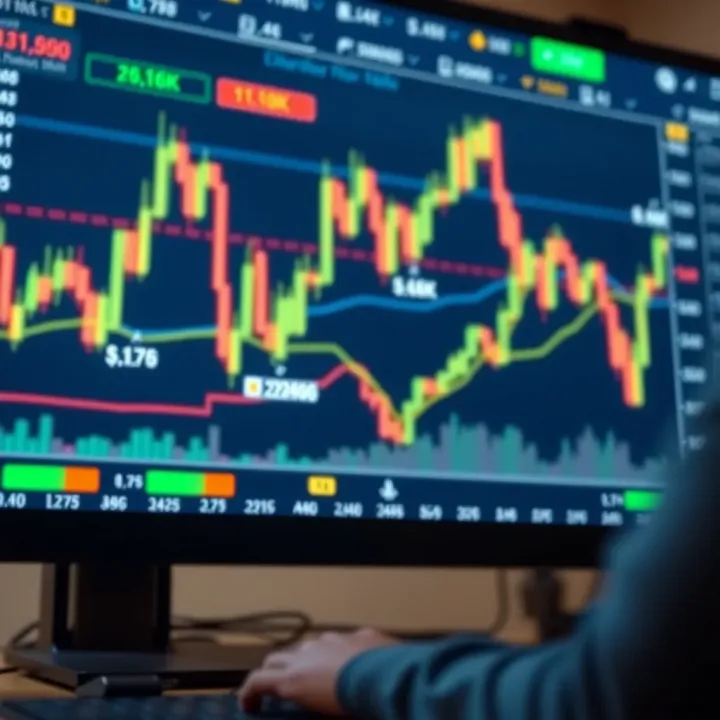
📈 Start your forex trading journey in Nigeria with this practical guide! Learn market basics, strategies, risk tips, and boost your trading confidence today.
Explore forex trading from a Nigerian perspective 🇳🇬. Learn to pick trustworthy brokers, master strategies, manage risks, and navigate market challenges 📈.
Based on 11 reviews