
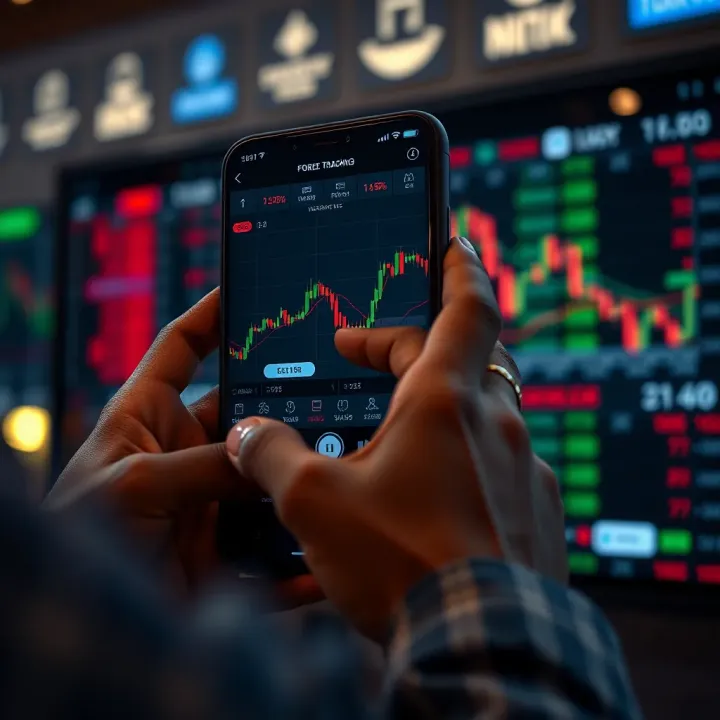
Best Forex Trading Apps for Beginners in Nigeria
Looking to pick the best forex trading app in Nigeria? 📱 Learn what to watch for, explore top picks, and get tips to trade safely and smartly. 💹
Edited By
Isabella Gray
Forex trading in Nigeria is rapidly gaining ground as a popular avenue for making money, especially among young investors and traders looking beyond traditional stocks and real estate. The forex market, being the largest financial marketplace globally, offers daily turnover exceeding $6 trillion, making it an attractive place to trade currencies.
But before jumping in, it’s vital to understand how the market operates and what factors affect trading success. Forex trading in Nigeria involves exchanging one currency for another to profit from shifts in exchange rates. The common pairs include USD/NGN, EUR/USD, and GBP/USD. Given naira's volatility due to factors like oil price fluctuations and monetary policies by the Central Bank of Nigeria (CBN), traders in Nigeria must stay informed and cautious.
Many beginners get overwhelmed by jargon such as "pips," "leverage," and "margin." Getting a grip on these terms will help you make sound decisions and avoid risky moves. For example, leverage allows you to control large positions with little capital, but it can magnify losses if not managed properly.
When starting out, choosing a broker regulated by Nigeria's Securities and Exchange Commission (SEC) is crucial. It ensures compliance with local laws and provides some protection against scams, which unfortunately remain common in the market. Popular platforms like InstaForex and Alpari often cater to Nigerian traders, but confirming their SEC or international regulation is necessary.
To begin trading, you’ll typically follow these steps:
Open a trading account with a SEC-licenced broker
Deposit funds in naira or an accepted currency
Download the trading platform (often MetaTrader 4 or 5)
Analyse the market using charts and news
Place trades on currency pairs based on your trading strategy
Risk management cannot be overstated. Using stop-loss orders and starting with small amounts can protect your ₦ investment from heavy losses, especially given the unpredictability of naira’s value.
Starting forex trading well-informed is your best bet. Avoid shortcuts and tutelage without proof. Steady learning backed by practical experience will gradually build your confidence and profits.
Through this guide, you will find practical insights tailored to Nigeria’s unique market conditions, helping you take your first steps into forex trading with clarity and responsibility.
Before diving into forex trading, understanding its basics lays a strong foundation. Forex trading involves buying and selling currencies to profit from changing exchange rates. This knowledge is key because forex is unlike the stock market; it operates 24 hours a day across different global financial centres. For Nigerian traders, this means opportunities and risks can emerge anytime, including outside typical business hours in Lagos or Abuja.
Forex trading is the exchange of one currency for another on a global market. Traders aim to buy a currency low and sell it high or sell a currency high and buy it back lower to make profits. For example, you might buy the euro against the dollar if you believe the euro will strengthen. Forex markets deal largely with currencies from different countries, reflecting events like economic reports, political changes, or Central Bank policies — all impacting how much one currency costs relative to another.
The forex market operates through a network of banks, brokers, financial institutions, and individual traders globally. Unlike stock exchanges, forex doesn't have a single physical location and runs continuously from Sunday evening to Friday night (WAT). Prices rise and fall based on supply, demand, and news. For instance, if Nigeria’s economy shows signs of strengthening, the naira might appreciate against the US dollar, influencing trading decisions.
Trading forex successfully requires understanding both these global factors and local nuances, like how naira volatility affects your trades.
Major currency pairs involve the most traded currencies globally, such as USD/EUR, USD/JPY, or GBP/USD. These pairs tend to have high liquidity and smaller spreads, making them suitable for beginners. Minor pairs omit the US dollar but include major currencies, like EUR/GBP or AUD/CAD. Exotic pairs mix a major currency with one from an emerging economy, for example, USD/NGN or EUR/TRY. Exotic pairs often experience wider spreads and more volatility, so traders in Nigeria should approach these with caution because they can lead to bigger gains or losses.
A pip is the smallest price movement in a currency pair. For example, if USD/NGN moves from 415.00 to 415.01, that one-cent change is one pip. Traders count gains or losses in pips to measure performance. The lot size defines the volume of trade; a standard lot equals 100,000 units of the base currency, but micro and mini lots provide smaller options for beginners.
Leverage allows traders to control a large position with a relatively small deposit — often referred to as margin. For example, with 50:1 leverage, ₦10,000 can control ₦500,000 worth of currency. While leverage can boost profits, it also amplifies losses, especially in Nigeria where forex volatility is high. Understanding how to use leverage wisely is crucial to avoid margin calls and protect your capital.
By mastering these basics, you prepare yourself to navigate forex trading confidently and respond swiftly to market movements, laying a clearer path towards consistent trading.
Before you jump into forex trading, setting up your trading account properly is essential. This stage ensures you’re ready to trade smoothly and protects you from common pitfalls, especially in the Nigerian market where regulatory compliance and local banking dynamics play big roles.
The Nigerian Securities and Exchange Commission (SEC) regulates forex brokers operating locally. Choosing a broker registered with the SEC means the company adheres to standards protecting your funds and personal information. A broker without SEC registration can expose you to scams or risky practices, so verifying this helps you avoid wasting your hard-earned money.
For example, a trader who signed up with an unregistered broker faced delays in withdrawal and suspect trade execution. Sticking to SEC-registered brokers like CardinalStone or ARM Securities avoids such headaches.
Spread is the difference between the buying and selling price of a currency pair. Brokers also charge commission on trades. Lower spreads and commissions mean less trading cost and better potential profits. Nigerian traders should scrutinise fees carefully — some brokers may offer flashy bonuses but hide high spreads.
For instance, if broker A charges a 2-pip spread and broker B 1 pip but adds a commission of $5 per trade, the total cost may be similar or higher. Comparing these costs upfront helps you choose the most affordable broker for your trading style.
The ease of funding and withdrawing from your forex account impacts your trading experience. Brokers offering local bank transfers, USSD banking, and popular payment platforms like Paystack or Flutterwave simplify transactions. Avoid brokers insisting on complicated international wire transfers or unfamiliar crypto methods.
Using local deposit options can reduce delays and extra charges. For example, funding your trading account through GTBank’s online transfer is faster and cheaper than an international USD bank transfer, which might attract higher FX fees.
Nigerian forex brokers ask for documents like the National Identification Number (NIN) and valid photo ID to verify your identity. This is a regulatory requirement to prevent fraud and money laundering. Having your documents handy speeds up account approval.
Missing or invalid documents usually lead to account suspension or delays. Traders should ensure their NIN registration is complete, and their official ID (driver’s licence, international passport, or voter’s card) is current.
Some brokers integrate USSD codes and digital KYC (Know Your Customer) tools for swift verification. For example, you can verify your bank details and ID using USSD while on your phone without visiting the office.
This convenience is valuable in Nigerian cities where traffic can waste hours. Quick online verification links you faster to real trading instead of idle waiting.
Since forex trading mostly happens in USD or other foreign currencies, converting your naira is key. Many traders use licensed forex bureaux de change or online platforms such as Kuda or GTBank’s forex desk to buy dollars. These options are safer and often give better rates compared to black market dollars.
For example, if you needed US$500 for trading, using a forex bureau bank prevents issues linked to large naira cash withdrawals and ensures legal compliance with CBN rules.
The naira-dollar rate can change often due to supply and demand or Central Bank policies. When funding your account, securing a favourable rate helps you maximise your trading capital. Some traders opt to fund during naira's relative strength to buy more dollars at lower cost.
Additionally, monitoring the exchange rate can guide when to withdraw profits back to naira to avoid losses from poor rates. Managing these currency risks effectively protects your investment.
Starting forex trading in Nigeria demands more than just market knowledge. Careful account setup, choosing the right broker, and managing your naira-dollar transactions form the backbone of a smooth trading experience.
This foundation prepares you to trade confidently and reduce surprises as you begin your forex journey.
Jumping into your first forex trade is a critical step after setting up your account and understanding the basics of the market. This phase turns theoretical knowledge into real experience, allowing you to engage directly with currency trading and begin your journey in the forex market. Getting this right sets the tone for disciplined, informed trading and helps you avoid unnecessary losses.
The choice of trading platform is foundational to your forex experience. MetaTrader 4 (MT4) and MetaTrader 5 (MT5) dominate the scene globally and in Nigeria because they offer user-friendly interfaces, advanced charting tools, and automated trading capabilities. Many brokers also provide proprietary apps tailored for both desktop and mobile, which can be handy if you prefer faster execution or often trade on the go.
MT4 is particularly popular for beginners due to its simplicity and vast online support, while MT5 offers more features like additional timeframes and instruments. For example, if you plan to trade on your phone during daily commutes on a danfo or okada, a broker’s proprietary mobile app could make execution smoother. It’s wise to download demo versions of these platforms to familiarise yourself before risking actual funds.
Price charts visualise currency movements over time and are essential tools for traders. Common chart types include line, bar, and candlestick charts. Candlestick charts are especially crucial as they show open, close, high, and low prices within a specific period, highlighting market sentiment.
Analysing patterns such as "head and shoulders," "double tops/bottoms," or "triangles" helps anticipate potential market direction. For instance, spotting a double bottom might signal a price reversal from a downtrend to an uptrend, prompting you to place a buy order. Practicing these techniques helps develop your trading instincts, turning abstract data into actionable decisions.
Economic indicators and news releases influence currency values significantly. Events like Nigeria’s inflation reports, Central Bank of Nigeria (CBN) monetary policy announcements, or US Federal Reserve interest rate decisions can trigger sharp price movements.
Understanding how these news items affect forex pairs, especially those involving the naira (₦), allows you to anticipate volatility. For example, a surprise hike in the US interest rate often strengthens the dollar against emerging market currencies, including the naira. Monitoring economic calendars and setting alerts can keep you ahead, helping you decide when to enter or exit the market.
Understanding order types is essential for controlling your trades:
Market Orders: Instantly buy or sell at the best available price. This is suited for quick entry or exit when market conditions are favourable.
Limit Orders: Set a specific price to buy or sell. For example, if you expect the EUR/USD to fall to 1.1500 before rising, place a buy limit order at that price to avoid chasing the market.
Stop Orders: Designed to limit losses or protect profits. A stop-loss order automatically closes your position at a certain price to prevent further loss, essential for risk management.
Using the right order type according to your trading plan helps manage risk and seize opportunities, keeping your trading disciplined and focused.
Mastering trade execution through the appropriate platform, precise market analysis, and correct order placement can significantly improve your chances of success. Start small, use demo accounts to practise, and always trade with clear strategies in mind.
Managing risks is the backbone of successful forex trading, particularly in Nigeria where market volatility and currency fluctuations are common. Protecting your investment means setting clear boundaries on potential losses and gains to avoid wiping out your trading capital. Without risk management, even the most promising trades can turn sour, leading to heavy losses.
Stop-loss and take-profit orders are essential tools for managing your forex trades. A stop-loss order automatically closes your trade at a predefined loss level, preventing further damage if the market moves against you. For example, if you buy the EUR/USD pair at 1.5000 and place a stop-loss at 1.4900, your position will close to stop further loss beyond 100 pips.
Take-profit orders work on the opposite side by locking in profits once the price hits your target. Say you expect the price to rise to 1.5100; placing a take-profit at that level ensures you cash out before potential reversals. These two orders help maintain discipline and reduce the temptation to hold losing positions or exit winning trades too soon.
Leverage lets you trade with more money than you have in your account, amplifying both potential profits and losses. In Nigeria, brokers often offer leverage ratios up to 1:100 or even higher, but that can be risky. Overexposure occurs when you use too much leverage, risking a large portion of your capital on a single trade.
For instance, with ₦50,000 in your account and 1:100 leverage, you could control ₦5,000,000 worth of currency. If the market moves unfavourably by just 1%, you risk losing your entire capital. It's wiser to keep leverage low—say 1:10 or 1:20—especially when starting out, to protect your funds from sudden swings caused by naira volatility or global news.
A margin call happens when your account balance dips below the broker's minimum maintenance margin, forcing you to add funds or close positions. Signs include frequent alerts from your trading platform, inability to open new trades, or sudden liquidation of positions. Traders new to forex sometimes ignore these warnings, leading to heavy losses.
To avoid margin calls, regularly monitor your margin level, close losing positions early, and use stop-loss orders. Remember, Nigerian forex markets can sometimes be affected by unexpected events like CBN policy shifts or fuel scarcity, which can cause rapid price changes demanding careful margin management.
Trading forex is not just about numbers; your mindset hugely affects success. Emotional trading—like chasing losses or fearing to take profits—leads many beginners to ruin. Developing psychological discipline means sticking to your trading plan, trusting your analysis, and staying calm under pressure.
To cultivate discipline, set realistic goals, keep a trading journal to review mistakes, and avoid trading when emotionally agitated. For example, trading after a heated argument or during ember months stress can cloud judgment. Over time, disciplined traders in Nigeria adapt better to the unpredictability of the forex landscape and protect their investment more effectively.
Risk management isn’t just a strategy; it’s what keeps your forex journey going. Without it, even the best market insight won’t stop losses from piling up.
Success in forex trading demands more than just knowing the basics; growing your skills continuously and understanding the Nigerian forex environment are vital. Traders here face unique challenges like naira volatility, regulatory shifts, and local scams, so developing solid skills helps you adapt and trade wisely.
Demo accounts mimic real trading conditions but use virtual funds. They allow you to test strategies, understand trading platforms, and get a feel of the market without risking your hard-earned naira. For example, a trader might try different leverage levels or experiment with stop-loss orders in a demo account before going live. This hands-on practice sharpens your skills and builds confidence before real cash is at stake.
Being part of active Nigerian forex communities connects you to traders who understand the local market dynamics. Forums like NairaMetrics Forex group on social media and dedicated WhatsApp or Telegram groups offer daily market discussions, alerts on regulatory updates, and firsthand warnings about dodgy brokers. Engaging with these groups can give you timely insights, practical tips, and peer support — important tools for navigating a sometimes volatile environment.
Quality education is a cornerstone for growing your skills. Look for courses offered by Nigerian fintech hubs or respected subscription services that focus on forex trading basics, technical analysis, and risk management. Many local online academies tailor their content to Nigerian realities, such as differences in brokers’ services or naira-dollar exchange processes. These structured lessons help solidify your understanding and keep you updated with market trends.
Unfortunately, forex scams continue to plague Nigerian traders. Fraudulent brokers may promise unrealistic returns, manipulate trading platforms, or delay withdrawals. Always confirm if the broker is registered with the Nigerian Securities and Exchange Commission (SEC) and check reviews from trusted sources. Beware of brokers who pressure you to deposit without providing clear terms or who lack transparent customer support.
Any promise of guaranteed profits in forex is a red flag. The market’s nature means profits come with risks and losses happen too. Be wary of schemes that claim to deliver consistent earnings with little effort or advertise secret strategies. Legitimate trading requires patience, analysis, and sound risk management. Avoid falling for quick-rich schemes to protect your capital and trading reputation.
Building skills steadily and remaining alert to local market conditions will help you trade forex confidently in Nigeria. Use demo accounts, learn from local communities, and stay cautious of scams to protect your investment and grow your trading edge.
Looking to pick the best forex trading app in Nigeria? 📱 Learn what to watch for, explore top picks, and get tips to trade safely and smartly. 💹
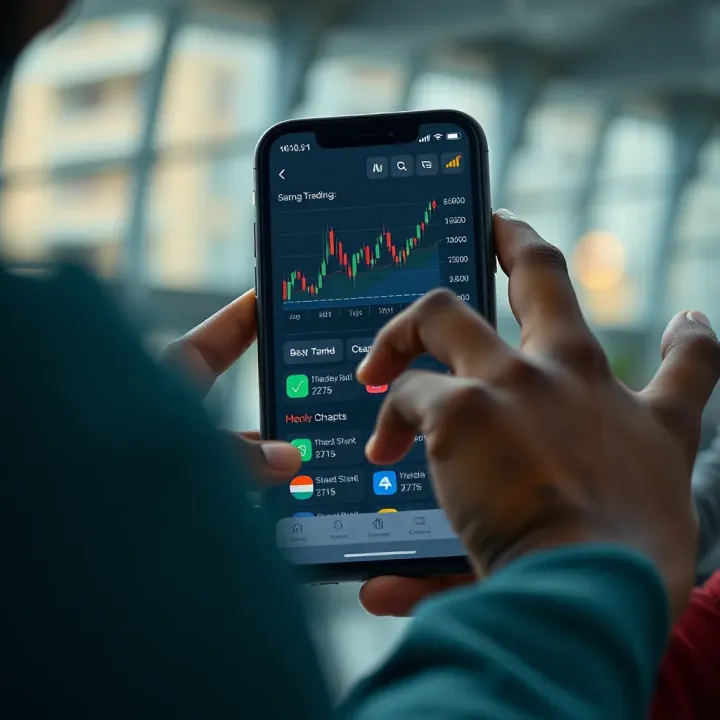
📱 New to trading in Nigeria? Find the best beginner-friendly apps with low fees, strong security, easy features, and tips for a smooth start to investing.
Discover the best time for forex trading in Nigeria ⏰. Learn how market sessions, local time, and key events affect trading decisions and risk management 📊.
Discover how to pick the best forex trading robots in Nigeria 🤖. Learn features, top options, and tips for smart trading with risk control📈.
Based on 9 reviews