

Choosing the Best Forex Trading Apps in Nigeria
📱 Discover how to choose the right forex trading app for Nigeria 🇳🇬. Learn key features, security tips, and ways to boost your trading success on mobile.
Edited By
Emily Hawthorne
Forex trading is no walk in the park, especially here in Nigeria where market dynamics add an extra layer of challenge. Many traders have turned to automated trading robots to help lighten the load and increase efficiency. But with so many options floating around, choosing the right robot isn't as simple as picking the first one you see.
This article sheds light on what makes a forex trading robot tick, what features you should look out for, and how to navigate the options tailored for Nigerian traders. We’ll break down the pros and cons, sharing clear, practical advice so you don’t waste your hard-earned naira on tools that don’t deliver.
Whether you’re a seasoned trader or just dipping your toes into the forex waters, understanding these robots can help you streamline your trades, manage risks better, and ideally, boost your returns. Let's jump right into what you need to know before you commit to any automated system.
Understanding how forex trading robots work is essential for anyone looking to use these tools effectively in Nigeria's forex market. These robots automate trading decisions, helping reduce human error and emotional bias. By grasping their operation, traders can better evaluate which robot suits their style and objectives, improving chances for success.
A forex trading robot is software designed to automatically analyze market data and execute trades on behalf of the user. Think of it as a digital assistant that never sleeps, scanning currency pairs for trading signals 24/7. For Nigerian traders, this means seizing opportunities even when you're offline or asleep. These robots work by following pre-set rules or algorithms, so traders must understand what the robot is programmed to do.
Once a forex robot identifies a trading opportunity based on its programmed criteria, it sends buy or sell orders directly to the trading platform. For example, when a currency pair hits a specific price or technical indicator threshold, the robot acts instantly to open or close a trade. This automatic execution helps avoid delayed responses common with manual trading, where hesitation can cost profits.
Automation is not just convenience; it’s about making quicker decisions based on data, which is crucial in the fast-moving forex market.
Trend following robots look for upward or downward price movements over time and try to ride these trends until they show signs of reversal. It's like hopping on a train and staying aboard while it moves in your favor. These robots work well in markets with clear direction, making them suitable for currency pairs that show strong trends.
Grid trading involves placing buy and sell orders at preset intervals above and below a set price, creating a grid of trades. This method profits from market fluctuations without needing the price to trend strongly. In Nigeria's volatile forex market, grid trading robots can turn small ups and downs into steady wins by strategically managing multiple positions.
Scalping robots aim to make quick, small profits by opening and closing numerous trades within seconds or minutes. Think of it as grabbing small bites repeatedly rather than waiting for a big meal. This strategy requires fast execution and low spreads. Scalping is intensive but can be rewarding when done right, especially in pairs like USD/NGN where liquidity can be high during certain hours.
By knowing these core algorithms, Nigerian traders can select robots that align with their trading goals and risk tolerance. Whether you prefer the steady ride of trend following or the fast pace of scalping, understanding how these robots operate helps frame realistic expectations.
When searching for a forex trading robot in Nigeria, some features stand out as absolute must-haves. These features not only affect your ability to make consistent gains but also determine how much control you have over the robot’s decisions. Having a clear sense of what to look for can save you from costly mistakes and help you pick a tool that fits your trading style and market needs.
Firstly, you want a robot that has demonstrated solid performance in live markets, not just in theory. This means verified trading history and proof of consistent profit patterns. Without this kind of transparency, you're basically flying blind.
Customization options matter too. Every trader has a different appetite for risk and a unique approach to trading. Good robots let you adjust risk levels and switch strategies smoothly. This flexibility ensures the robot aligns with your goals rather than forcing you into a one-size-fits-all box.
Lastly, ease of use and compatibility with popular platforms like MetaTrader 4 or 5 is key, especially for traders in Nigeria who rely heavily on MT4/5 brokers. A robot that’s tough to set up or fiddly to operate can waste valuable time and cause unnecessary frustration.
Every investor worth their salt knows that numbers don't lie—well, not if you have the right proof. Verified trading history means the robot’s past trades are recorded and publicly available, usually through third-party sites like Myfxbook or FX Blue. For Nigerian traders, this transparency is crucial because it shows real performance under live market conditions, as opposed to backtested or simulated data.
Think of it as checking a car’s service history before buying a used vehicle. If the robot shows consistent wins and manageable losses over months, you’re in better shape to trust it with your naira.
It’s not just about making profits here and there; what counts is steady gains over time. Robots that show a pattern of erratic profits followed by large drawdowns might burn through your account quickly. Look for systems that generate modest but regular returns.
For example, a robot that returns 5% monthly consistently is often more reliable than one that dumps 30% profits one month and then loses it all the next. To verify this, track the robot’s equity curve, paying attention to how deep the drawdowns go and how frequently they happen.
No two traders share the same risk tolerance, and neither should the robots they use. Top forex robots offer adjustable risk settings—from very conservative to more aggressive modes. This way, if you’re just starting or have a smaller account, you can dial down the risk and protect your capital.
In practice, this may mean setting aspects like the size of stop-loss orders, maximum drawdown limits, or trade volume. A good robot might let you tweak these parameters through a straightforward interface, offering peace of mind that you’re not stuck with a one-way ticket for your funds.
Markets don’t stay the same forever, and neither should your robot’s game plan. Strategy flexibility lets you switch or combine different trading algorithms, such as trend following or scalping, depending on what’s working best.
Imagine using a robot that updates its tactics during major economic events, or shifts from slow and steady trades in stable markets to quicker entries when volatility spikes. This adaptability helps you ride the waves rather than wipe out when the tide turns.
Most Nigerian traders use MetaTrader 4 or 5, so finding a robot compatible with these platforms is non-negotiable. MT4 remains popular because it's widely supported by brokers, stable, and offers plenty of custom indicators.
A robot designed for these platforms plugs in smoothly, with no need for extensive coding or complicated setup. On the flip side, some newer robots might only run on niche platforms or require proprietary software, limiting options and causing headaches.
You don’t want a robot that feels like rocket science to install or manage. User-friendly interfaces that guide you through installation, settings adjustments, and performance monitoring make a huge difference.
Look for robots with clear instructions tailored to non-experts. A clean dashboard that displays live performance, trade history, and error messages will keep you informed without needing to open a manual every five minutes.
In short, a good forex trading robot should offer a balance between transparency, control, and ease of use. Those features help Nigerian traders confidently incorporate automation into their trading strategies, enhancing potential profits while minimizing unnecessary risks.
When deciding on a forex trading robot, it’s not just about picking any popular option on the market. Nigerian traders face unique challenges—from fluctuating local market conditions to broker availability and regulatory nuances. By reviewing popular forex trading robots specifically through the lens of Nigerian trading demands, you gain a clearer picture of what's practical and profitable locally.
This section looks beyond the buzz around global robots and zeroes in on which tools really hold water for Nigerian users. It explores how widely recognized bots perform generally, as well as how robots built or adapted for Nigerian traders handle the specifics like local broker support and currency pair selection.
Global trading robots like MetaTrader’s Expert Advisors (EAs), Forex Fury, and GPS Forex Robot have a broad track record. Their advantages include well-tested algorithms, large user communities, and frequent updates. Because they’re used worldwide, they come with lots of reviews and third-party verifications—helping reduce guesswork.
However, a major limitation is their sometimes generic approach. Many global bots are designed with major currency pairs like EUR/USD or USD/JPY in mind, which might not mesh perfectly with the Nigerian forex environment. For example, Nigerian traders who want to focus on pairs involving the Nigerian Naira (NGN) may find these robots less efficient or adaptable.
Additionally, some global bots may struggle with Nigeria’s specific broker platforms or face latency issues due to server locations.
While global robots offer a solid entry point, your trading success depends heavily on how well they align with your unique market situation.
Price tags for these global robots vary widely—from free open-source options to premium versions costing hundreds of dollars. Free bots may provide limited functionality or come with hidden risks like poor optimization or outdated strategies.
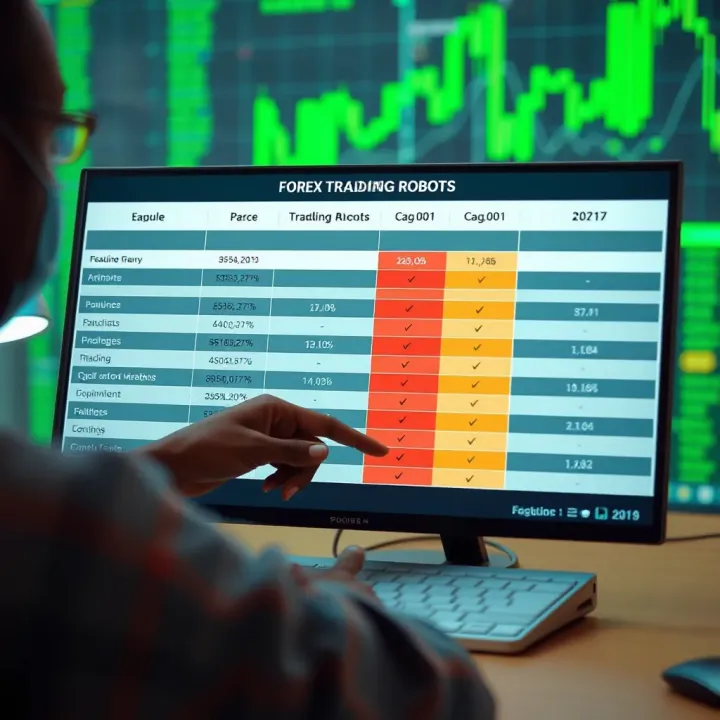
Subscription models are common, with fees ranging from $30 to over $100 per month. It’s important to weigh these ongoing costs against your trading capital and expected returns. Some bots bundle signal services and automatic updates, which add value.
For Nigerian traders, currency conversion rates and payment methods can also add complexity to cost evaluation. Paying subscription fees in foreign currency may incur extra bank charges.
A critical factor for Nigerian traders is ensuring the forex robot works seamlessly with local brokers such as FXTM Nigeria, Alpari Nigeria, and OctaFX. Compatibility means the robot can execute trades correctly without issues like order rejections or slippage caused by server differences.
Robots tailored or adjusted for Nigeria often support the broker platforms popular locally (often MetaTrader 4 or 5) and face fewer connectivity problems. This can directly improve trade execution speed and accuracy.
Moreover, some bots come pre-configured or provide detailed guides for linking accounts with Nigerian brokerages, simplifying setup.
Global bots tend to focus on highly traded pairs, which might miss out on opportunities in pairs involving NGN. Robots optimized for the Nigerian forex market pay special attention to these pairs or even regional currencies.
For example, bots designed for Nigerian traders may prioritize USD/NGN, GBP/NGN, or EUR/NGN pairs, customizing their strategies to account for the liquidity and volatility unique to these markets.
This focused approach can give Nigerian traders an edge, as these bots understand the patterns and common price behaviors more closely than generalist robots.
In essence, choosing a forex trading robot isn’t just about popularity or features alone; aligning the choice with local market realities and broker specs is essential. Nigerian traders can benefit significantly from robots that understand their market nuances rather than simply importing global solutions without adjustments.
Integrating forex trading robots into your overall trading plan isn't just about plugging in a tool and letting it run wild. It's about making sure the robot complements your style, risk appetite, and market understanding. For Nigerian traders dealing with a market full of volatility and unpredictable events, balancing automated trades with manual tweaks can help avoid hefty losses and capture better opportunities.
Using robots doesn’t mean handing over complete control; it’s more like using a GPS rather than blindly driving. The robot handles repetitive, data-heavy tasks, while you focus on the bigger picture — interpreting news, tweaking strategies, or stepping in when conditions change abruptly.
Knowing when to step in and override your forex robot is a skill worth mastering. For example, if there's unexpected political unrest in Nigeria or a sudden Central Bank policy announcement causing wild price swings, it's wise to pause automation. The robot doesn’t understand context or off-chart events; it sticks purely to its algorithms.
Practical signals to manual override include:
Sudden market events not coded into the robot
Error patterns where trades start slipping consistently
If the robot keeps opening positions during volatile spreads
By stepping in during these times, you prevent bloated losses and keep your capital safe.
Automation is a tool, not a crutch. While robots are excellent for executing trades quickly and freeing up time, human insight matters in setting the strategies robots follow. It’s best to think of it as a partnership: you set the rules, risk levels, and adjust strategies based on what you learn or observe.
For instance, a trader might let the robot follow a trend-following algorithm but manually limit exposure before major Nigerian economic reports. This way, the robot handles the grunt work, but you keep the reins.
Forex robots don’t wipe out risk; they just handle the execution part. Nigerian traders should remember that unexpected shifts, like a sudden naira devaluation or a global market sell-off, affect all trades, bot or no bot. It’s crucial to understand that past robot performance doesn’t guarantee future wins.
Debt crises or changing government policies can cause sudden gaps that robots are poorly equipped to handle without human input or updated parameters.
Putting all your faith in an automated robot can lead to complacency and missed warning signs. Traders who monitor their accounts regularly and adjust robot parameters based on performance data tend to do better long-term. For example, if a robot repeatedly opens trades that result in losses during low liquidity periods, it’s your responsibility to tweak or switch systems.
Automation should support your strategy, not control it entirely. Regular monitoring and willingness to make manual interventions can save you from costly mistakes.
Balancing robot use with ongoing education and market awareness is the smartest play for anyone serious about forex trading in Nigeria.
Selecting the right forex trading robot can be a bit like walking through a minefield, especially in Nigeria's fast-growing but still developing market. It's crucial to be aware of common traps that can cost you time and money. This section sheds light on these pitfalls and offers clear strategies to sidestep them, making your trading journey less bumpy.
One of the quickest ways to spot a dubious forex robot is by paying close attention to the marketing pitch. If a robot promises sky-high returns without any risk or claims to be "the secret weapon" that guarantees winning trades every time, it's time to be skeptical. Real forex is messy and unpredictable – no robot can outsmart the market all the time. Also, stay wary of overly aggressive sales tactics, like pressure to buy immediately or limited-time offers that seem designed to rush your decision.
Practical step? Look for evidence. Does the vendor provide verified results from credible platforms? Are there user reviews outside their own website? These clues help cut through the hype and keep you on solid ground.
The credibility of the robot's creator is just as important as the software itself. In Nigeria, forex scams have made many traders cautious, and rightly so. Legitimate vendors are usually transparent about their team, offer customer support, and provide detailed documentation or user guides. Fancy affiliation with established brokers or partnerships can also add a layer of trustworthiness.
Don't hesitate to reach out with questions. Vendors who dodge direct communication or offer vague answers are red flags. Also, researching the vendor’s reputation on forums like Forex Peace Army or Trustpilot can offer insights from other traders' experiences.
Even the best forex robots can't predict sudden market shifts, like political news shaking the Naira or unexpected bank announcements. Using stop-loss orders helps cap your losses by automatically closing trades that hit a certain unfavorable price. Many robots come with this feature, but confirming it's active and properly set can save you from a nasty surprise.
For example, if trading USD/NGN and your robot doesn’t cut losses when the market moves sharply against your position, you’re in for a rough ride. Setting a reasonable stop-loss level based on your risk tolerance and the pair's volatility keeps things under control.
Turning on a forex robot and walking away is tempting, but markets don’t stand still. Regularly checking how your robot performs matters a lot. Performance drift can occur when market conditions change, making a previously profitable strategy less effective.
Set aside weekly or bi-weekly reviews to see if the robot's trades align with your goals and risk appetite. If the robot’s recent trades are running into losses or strange behavior, it may be time to tweak the settings or even pause its activity. Traders who skip this step risk letting losses pile up unnoticed.
Always remember: no robot is a "set it and forget it" solution. Active management combined with reliable tech will help you stay ahead.
By keeping an eye out for these pitfalls and taking proactive steps, Nigerian traders can better protect their capital and build confidence in using forex robots. The next sections will guide on legal considerations and cost factors to complete the picture.
When it comes to using forex trading robots in Nigeria, understanding the legal landscape is not just important—it’s necessary. The Nigerian forex market is governed by specific regulations aimed at protecting traders and ensuring fair practices. Overlooking these can land traders in hot water, especially if a robot or broker operates outside legal frameworks. Making sure both your robot and broker comply with Nigerian laws can save you from unnecessary headaches and potential financial losses.
In Nigeria, anyone involved in trading forex must adhere to particular rules set by the Securities and Exchange Commission (SEC) and the Central Bank of Nigeria (CBN). This includes registering with appropriate regulatory bodies, understanding taxation rules, and using licensed brokers. For traders, this means you can’t just jump in and start using any trading robot without first ensuring you meet these baseline requirements. For example, trading through a broker unrecognized by Nigerian authorities is considered illegal and may result in losing your invested funds without recourse.
Automated forex trading isn’t exempt from these rules. Robots must operate within the legal limits—meaning, their trading strategies should comply with market conduct standards to prevent manipulative practices or excessive risk-taking. Practically, this means a robot should not perform trades that contradict local trading laws or use unlawful strategies like spoofing or layering. Nigerian traders should look out for robots that clearly disclose their operational parameters and ensure they don't breach compliance. If unsure, consulting a financial advisor familiar with Nigerian forex law can help clarify whether a robot's setup is legit.
Choosing the right broker is half the battle in forex trading, and it’s even more critical in Nigeria. Ensure your broker is licensed by the Securities and Exchange Commission or regulated by other recognized financial bodies within Nigeria. Licensed brokers follow strict rules about transparency, fund segregation, and dispute resolution. A good broker will also support a smooth integration with forex robots, giving traders a safer environment to automate their trades. For instance, reputable Nigerian brokers like FXTM Nigeria and Alpari Nigeria have earned trust for their regulatory compliance and service.
Even if you have a licensed broker and a proven robot, compatibility between the two is key. Some brokers impose restrictions on the type of trading strategies allowed or might not support certain expert advisors (EAs) used by forex robots. Before getting too deep into automation, confirm your chosen broker allows the use of trading robots, and check whether the robot’s software works well with the broker’s platform—most commonly MetaTrader 4 or 5. Running a simple test on a demo account can quickly reveal any compatibility issues, saving valuable time and effort down the line.
In summary: Legal and regulatory considerations are the backbone of successful forex automation in Nigeria. Stick with licensed brokers, ensure your forex robot complies with local laws, and check you’re following all trader requirements. This approach won't just protect your money; it'll also give you peace of mind while you focus on growing your trading account.
When you're choosing a forex trading robot, it's not just about how flashy it looks or how many fancy features it has. Understanding the cost factors and assessing the overall value is just as important, especially if you’re trading from Nigeria, where every Naira counts. A robot that drains your account might as well be a paperweight, so knowing what you’re paying for upfront and in the long run helps you pick a tool that actually makes sense financially.
Here, you'll want to weigh both the cost you pay initially and the ongoing expenses. Sometimes, a cheap robot ends up costing more because of hidden fees or underperformance. By evaluating cost against the returns you realistically expect, you can make wiser decisions that suit your budget and trading goals.
Paying for a forex robot generally falls into two camps: one-time purchases and subscription-based models. A one-time purchase means you pay once, then it’s yours—no monthly or annual charges lurking around. The upfront cost can be a bit steep, but if the robot is solid and stays updated, it can be more cost-effective over the long haul.
On the flip side, subscription models spread the cost out, usually monthly or yearly. This often makes it easier on the wallet at first but be warned: these payments can pile up quickly. Sometimes subscriptions come with ongoing updates and customer support, which might be worth the regular fees depending on the robot and provider.
For instance, a popular forex robot like Forex Fury offers both options, allowing traders to pick what fits their budget. A Nigerian trader on a tight budget may start with a monthly subscription to test the waters before committing to a bigger payment.
Think of it like renting versus buying a car: rent if you’re testing, buy if you’re sure.
Calculating how much profit you can realistically expect from a forex robot requires a clear-eyed look at its past performance and trading style. Consider the average monthly returns, but more importantly, review drawdowns and losses. No robot wins all the time, so factor in periods of loss to get a full picture.
A good starting point is to calculate ROI (return on investment) over several months, comparing the gains against your initial and ongoing costs. For example, if a robot costs ₦50,000 upfront plus ₦5,000 monthly for data or updates, and it earns you ₦10,000 monthly on average, your breakeven point would be after roughly six months.
Factoring in losses and fees is just as critical. Trading fees, spreads, and occasional losses shave off profits, so they can turn a seemingly profitable robot into a loss-maker if not accounted for. Nigerian traders should watch out for brokers with high spreads or commissions as these reduce overall returns.
Always include costs like spreads, swap rates, and occasional slippage in your calculations. Even a small fee each trade adds up, especially if the robot trades frequently.
Bottom line: don’t just look at gross profits. Net profit after costs and losses gives you the true picture.
Testing a forex trading robot before fully committing is like kicking the tires before buying a car. It’s important because investing money blindly into an automated system can lead to unnecessary losses, especially in the volatile forex market. Without testing, you don’t get a realistic feel of how the robot performs under different market conditions, nor do you understand how it fits your particular trading style and risk appetite.
Understanding how to properly test these robots helps Nigerian traders avoid scams and ensures that the robot you pick actually brings value rather than empty promises. It’s a key step that builds confidence and saves you from burning your capital prematurely.
Setting up demo accounts is usually the first move. Nearly every broker licensed in Nigeria offers demo accounts that mimic live market conditions but use virtual money instead of real funds. This way, you can run the forex robot on a realistic setup without risking actual naira. Setting one up is straightforward: you register with a broker like FXTM or Alpari, download the MetaTrader platform (MT4 or MT5), and choose the demo option.
Running your robot through this sandbox environment lets you observe how it enters and exits trades, reacts to market swings, and manages risk like stop losses or take profits. For instance, if your robot aggressively buys on every dip without filtering false signals, demo testing will reveal those flaws before you go live.
Interpreting demo results requires a critical eye. Just because a robot logs profits in a demo doesn’t mean it’s a green light. You should look beyond gross gains and track metrics like drawdown (how much the account drops at worst), win-rate, and the consistency of trades over time. For example, if a robot shows huge profits but with massive drawdowns, it might be gambling, not trading sensibly.
Also, watch how it performs in different market phases — calm versus choppy trading days. The insight here is to check if the robot’s trading style suits your financial goals and risk tolerance. Keep in mind, demo accounts generally lack real-world emotional pressure, so results can be a little rosier than reality.
Running backtests on past data involves feeding your trading robot with historical forex price data to see how it would have performed. Many platforms like MetaTrader include built-in backtesting tools that let you select custom periods, specific pairs, and parameters adjusting risk or trade frequency.
This method is great for spotting patterns and seeing if a strategy has a decent edge through diverse market cycles. For example, if a robot consistently made profits during past currency crises and calm times, it may offer some durability in unpredictable markets.
However, limitations of backtesting must be taken seriously. Past performance is not always a reliable indicator of future results — markets change, regulations evolve, and unexpected events like political unrest or economic shocks may invalidate historical data. Moreover, backtesting often assumes perfect trade execution and no slippage, which isn’t realistic in live trading.
Another downside is data quality; cheap or incomplete historical data can skew test outcomes, leading to overconfidence in the robot’s ability. Avoid relying solely on backtests without combining demo testing and forward testing on a small live account.
Testing in stages—with demo accounts followed by careful backtesting and then small live trials—helps Nigerian traders avoid many rookie mistakes and improves chances of choosing a robot that fits their specific needs, markets, and risk limits.
By taking these practical steps, you build a better understanding of how a forex robot works before allocating significant funds, which is crucial regardless of your experience level in Nigeria’s dynamic forex scene.
Wrapping up, choosing the right forex trading robot in Nigeria isn't just about picking the flashiest software. It’s about understanding what fits your trading style, your risk appetite, and the local market nuances. This final section ties everything together, focusing on practical tips and key takeaways that help Nigerian traders steer clear of common pitfalls and make informed choices.
Traders in Nigeria benefit greatly when they emphasize transparency and control in their robot selections. This isn't just a technical detail; it’s central to ensuring confidence and safety in automated trading. Meanwhile, balancing the convenience of robots with manual oversight helps keep a finger on the pulse of the market, a must-have skill in any volatile trading environment.
When selecting a forex robot, always look for transparency in trading history and clear information about how the software works. For instance, a robot that openly shares verified past performance data and includes adjustable settings gives you more command over your trading outcomes. This way, you're not just blindly trusting the software but actively managing it according to your comfort level.
Transparency means avoiding robots with vague claims or hidden fees. For example, reputable products like Forex Fury or WallStreet Forex Robot offer demo versions and clear track records, allowing you to test and evaluate their strategies before investing real money.
Automated systems can handle repetitive tasks well, but they aren’t perfect for every situation. Practical traders know when to step in — maybe when unexpected news hits the market or when the robot's signals seem off. Combining the robot’s efficiency with your judgment can prevent sizeable losses and capitalize on opportunities the bot might miss.
Imagine using a robot for scalping during regular hours but manually trading on weekends or during economic announcements. This blend helps optimize your overall performance.
Before spending big, tap into trial periods or demo accounts. Almost every forex robot, like GPS Forex Robot or Forex Diamond, offers a trial so you can get a feel without risking capital. Use this time to understand how settings affect performance and get comfortable with the platform.
Alongside this, invest time in learning resources — videos, forums, and guides tailored to Nigerian traders often provide insights into local broker compatibility and currency pair focus. This knowledge boosts both your confidence and results.
Forex markets don’t stand still, especially with economic shifts, policy changes, or geopolitical events influencing prices quickly. Make it a habit to follow market news and regulatory updates affecting Nigerian forex trading.
Staying informed allows you to adjust your robot's settings or strategy for emerging trends. For example, if the Central Bank of Nigeria announces new forex policies, tweaking your robot or knowing when to pause it could save you from avoidable losses.
Remember: Successful forex trading in Nigeria with robots depends not just on the tool itself, but on how well you keep learning and adapt to new information.
In closing, by focusing on transparency, exercising control, mixing automation with personal oversight, and committing to continual learning, Nigerian traders can confidently approach forex robots as valuable partners, not just fancy gadgets. This balance turns technology into a real edge in the competitive forex arena.
📱 Discover how to choose the right forex trading app for Nigeria 🇳🇬. Learn key features, security tips, and ways to boost your trading success on mobile.
Explore forex trading in Nigeria 🇳🇬 with insights on markets, regulations, risks, tech, top currency pairs, and tips for beginners to trade smarter.
Discover why Forex trading is gaining popularity in Nigeria 🇳🇬. Learn about its flexibility, liquidity, 24/7 market access, low entry costs, and how tech boosts your profit potential 📈.
📚 Find the best forex trading book for Nigerian traders! Learn key skills, top picks & tips to choose books matching your trading style effectively.
Based on 15 reviews