
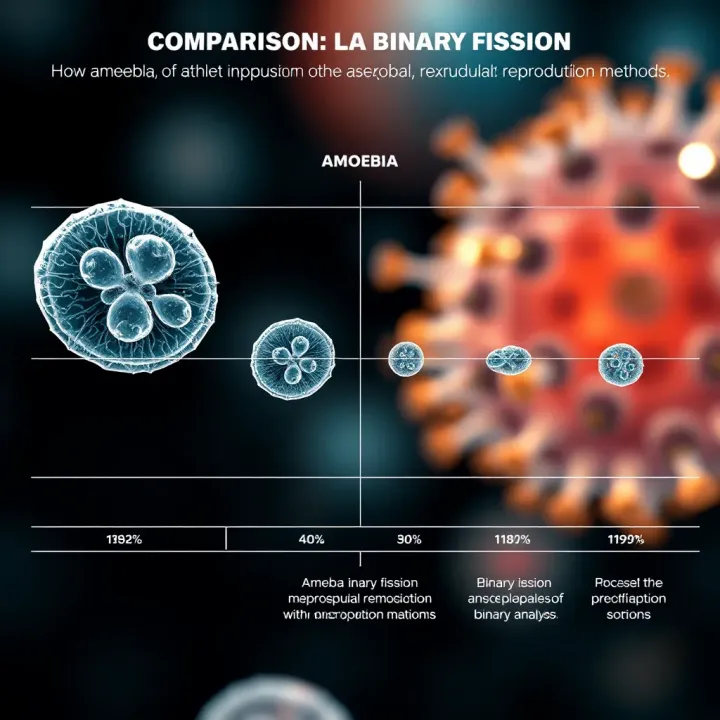
How Amoeba Reproduce by Binary Fission
Explore how amoebas reproduce asexually via binary fission 🦠. Understand its stages, biology, and role compared to other microbe reproduction methods 🔬.
Edited By
Grace Mitchell
Binary fission is one of those fundamental biological processes that plays a big part in the world around us, especially when it comes to bacteria. For traders and investors keeping an eye on biotech firms or pharmaceuticals, understanding how bacteria grow and spread can shed light on market moves related to antibiotic developments or infection control products.
Basically, binary fission is how bacteria make copies of themselves—fast and efficiently. Since many bacteria reproduce this way, their populations can explode under the right conditions. This rapid reproduction impacts everything from food safety to health sector investments.
In this article, we'll break down the key stages of binary fission, factors that influence it, and why it matters to business and health fields. We’ll also draw comparisons with other reproduction strategies and explain how this process shapes bacterial behavior on a broader scale.
Getting a good grip on this bacterial growth method can give you an edge in understanding some behind-the-scenes forces driving both science and markets.
Let's dive in!
Understanding how bacteria reproduce is fundamental for anyone interested in microbiology, healthcare, or environmental science. Bacteria, despite their microscopic size, have a massive impact on ecosystems, human health, and industry. Knowing their reproductive basics helps us predict how fast bacterial populations can grow, how infections might spread, or how bacteria respond to antibiotics.
For example, in a hospital setting, rapid bacterial reproduction can lead to outbreaks if not properly controlled. Conversely, in biotechnology, harnessing bacterial growth through controlled reproduction can be beneficial for producing medicines like insulin.
Grasping bacterial reproduction isn’t just academic—it's a key to controlling bacteria's impact, whether curbing harmful growth or encouraging beneficial uses.
Bacteria reproduce to survive and thrive in their environments. Reproduction allows them to pass on their genetic information and increase their numbers, which is vital for adapting to changing conditions. Imagine a patch of soil where nutrients suddenly run low; bacteria that reproduce quickly can ensure some offspring move on or adapt.
Moreover, reproduction plays a role in evolution. As bacteria multiply, random mutations can occur, some of which might help them resist antibiotics or exploit new environments. Essentially, reproduction is their way to keep pace with a constantly changing world.
Sexual reproduction involves two organisms combining genetic material, creating offspring with mixed traits. Asexual reproduction, common in bacteria, involves a single organism producing identical copies of itself. This method is faster and energy-efficient, which makes sense for bacteria living in habitats where reproducing quickly is necessary to outcompete others.
Thinking about it practically, asexual reproduction explains why bacterial infections can escalate so quickly—one bacterium splits into two, then four, then eight in a short period, practically doubling the population each cycle without needing a mate.
Binary fission is the most common method of asexual reproduction in bacteria, where one cell splits into two identical cells. But bacteria can also reproduce through budding, where a small new cell grows out of the parent, and fragmentation, where a part of the cell breaks off to form a new individual.
Each method allows bacteria to adapt to their environment in different ways. For example, budding allows some bacteria to reproduce even if the environment is less than ideal, while binary fission remains the fastest method under optimal conditions.
By understanding these reproduction methods, scientists and healthcare professionals can better anticipate bacterial growth patterns and design more effective treatments or controls.
Understanding what binary fission is forms the backbone of grasping how bacteria multiply so quickly and efficiently. This process doesn't just explain bacterial growth; it sheds light on how infections spread and how bacterial populations respond to environmental changes. For investors eyeing biotech companies or analysts tracking antibiotic resistance trends, knowing the nuts and bolts of binary fission helps interpret scientific data more accurately.
Binary fission is a straightforward method of asexual reproduction seen in bacteria and some other single-celled organisms. In simple terms, a single bacterial cell makes a complete copy of its DNA and then splits into two identical daughter cells. Think of it like photocopying a document and folding it down the middle, creating two exact duplicates.
Unlike more complex organisms that produce offspring with genetic variation through sexual reproduction, bacteria rely on this quick, direct copying to multiply. This means each new cell has the same genetic makeup — unless a mutation sneaks in during copying, which can have big implications for traits like antibiotic resistance.
Binary fission stands out because of its speed and simplicity. For example, some bacteria can divide every 20 minutes under ideal conditions, rapidly expanding their population. Other reproductive methods, like budding or fragmentation, involve more complex steps or create genetically different offspring.
Moreover, binary fission differs from sexual reproduction since it doesn't require a partner or the exchange of genetic material—making it less about genetic diversity and more about rapidly increasing numbers. This is crucial in environments where resources are abundant, and quick colonization matters more than adaptation through variation.
In a world where time often equals money, binary fission shows nature's way of hitting "fast forward" on growth, a concept investors in biotech might find quite intriguing.
By understanding the specifics of binary fission, traders and analysts can better appreciate how quickly bacterial populations can change, affecting everything from market demands for antibiotics to the development of new biotech products.
Understanding the step-by-step process of binary fission is fundamental when studying bacterial reproduction. This process isn’t just a dry sequence of events; it’s the very engine driving bacterial growth and proliferation. For traders and investors eyeing biotech firms or markets involving microbial products, appreciating how bacteria multiply can help anticipate product yields or understand antibiotic resistance issues. For finance students and analysts, grasping these biological processes can demystify reports involving biotech advancements or healthcare trends.
Before a bacterium splits, it needs to make an exact copy of its DNA. Think of it as a business duplicating its key files before sending off a duplicate company branch. This DNA replication step is crucial because it ensures each daughter bacteria receive the complete genetic instructions to survive and function. The DNA replication begins at a specific spot on the bacterial chromosome called the origin of replication and proceeds in both directions. This methodical copying can be affected by antibiotics like ciprofloxacin, which halt replication and curb bacterial growth. Without successful DNA replication, the division process would produce defective cells, much like incomplete blueprints would crash a new construction project.
While copying DNA, the bacterium also grows in size, almost like inflating a balloon before it splits in two. This growth phase is essential because it provides the physical space and resources required to split the cell. Bacteria accumulate proteins, lipids, and other cellular components during this stage to prepare for division. Nutrient availability in the environment directly influences cell growth — when nutrients run low, growth slows, and so does division. Imagine a factory slowing production when raw materials are scarce. This phase sets the scene for a seamless division, so understanding how bacteria prepare themselves offers insights into how environmental conditions impact bacterial populations.
Once the DNA is replicated, the bacterium needs to distribute its chromosomes evenly to the future daughter cells. This step, chromosome segregation, is like handing out identical instruction manuals to two new offices. The bacterium employs a set of proteins to guide each chromosome copy towards opposite poles of the cell. Any mistake here can lead to uneven DNA distribution, which might kill one daughter cell or produce malfunctioning bacteria. For example, E. coli uses the MukBEF protein complex to help separate its chromosomes effectively. Knowing this helps explain why certain antibiotics or genetic mutations can disrupt this division phase, impacting bacterial viability.
Finally, cytokinesis is where the cell physically splits into two new bacteria. Picture a soap bubble pinching in the middle until it divides into two smaller bubbles. A protein called FtsZ forms a ring at the midpoint inside the bacterial cell wall, constricting to divide the cytoplasm. The bacterial cell wall and membrane then grow inward to seal off each daughter cell completely. This process’s speed can vary among species; for instance, fast-growing bacteria like Bacillus subtilis can complete cytokinesis quicker than others. Understanding cytokinesis sheds light on how bacterial populations expand and how interventions might effectively block this step to control harmful bacteria.
Mastering these detailed steps of binary fission not only clarifies bacterial growth mechanisms but also illustrates why targeting specific stages can be a powerful strategy in medical treatments and biotechnology applications.
To sum up, the preparation phase (DNA replication and cell growth) ensures the bacterium is ready with duplicate genetic material and enough size, while the division phase (chromosome segregation and cytokinesis) guarantees the proper distribution and physical splitting into two viable cells. These steps combine to make binary fission a swift and efficient way for bacteria to multiply, influencing everything from infection spread to industrial fermentation processes.
The genetic material plays a central role in binary fission, acting as the blueprint for bacterial reproduction. For single-celled organisms like bacteria, accurate replication of their DNA is vital. Without it, daughter cells won't inherit the instructions necessary for survival and function. In this context, understanding how bacterial DNA participates in replication during binary fission helps reveal why bacteria can multiply so quickly and adapt to different environments.
Bacterial DNA typically exists as a single, circular chromosome. When a bacterium prepares to divide, this chromosome must be copied precisely so each new cell has a complete set. The process starts at a specific location on the DNA called the origin of replication, where enzymes such as DNA polymerase begin unwinding the double helix to synthesize new strands.
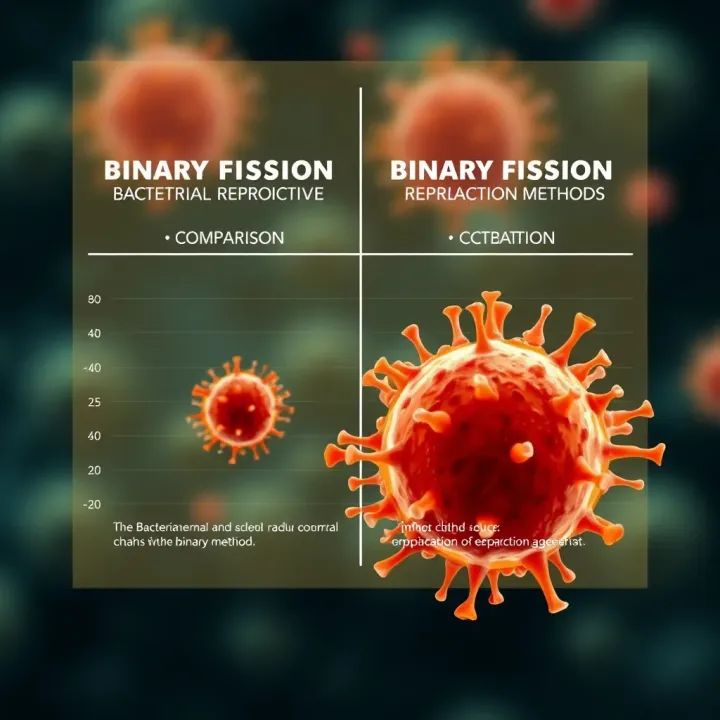
Consider Escherichia coli, a common gut bacterium—it can replicate its DNA in about 40 minutes under ideal conditions. This rapid replication enables swift population growth, especially when nutrients are abundant. As the DNA doubles, it moves to opposite ends of the cell, readying for division. This exact work ensures that both daughter cells receive identical genetic instructions, necessary for their metabolism, reproduction, and response to stress.
Accurate DNA replication ensures bacterial survival and consistency across generations, reflecting the precision needed in business and finance when managing detailed data or records.
Even though bacterial DNA replication is highly accurate, errors can sneak in. These mistakes, or mutations, might happen due to environmental factors like UV light or chemicals, or just from occasional slip-ups by the DNA copying enzymes. Not all mutations are harmful; some can be neutral or, on rare occasions, beneficial—giving bacteria a leg up in tough conditions.
Mutations can provide bacteria with resistance to antibiotics or allow them to utilize new food sources. For example, a mutation in the gene coding for the enzyme beta-lactamase can enable bacteria to break down penicillin, rendering the antibiotic ineffective. This ability to adapt quickly can pose challenges for health sectors, much like unexpected market shifts challenge investors.
On the flip side, harmful mutations can stop bacteria from reproducing properly or cause them to die off, which is why many cells have repair mechanisms to catch errors during DNA replication.
In sum, the role of bacterial DNA in binary fission goes beyond mere copying—it includes managing and sometimes evolving the genetic information, which plays a huge role in how bacteria grow, adapt, and survive.
Understanding the factors that influence binary fission is key when you want to get a clear picture of how bacteria multiply and spread. These factors don’t just tweak the speed; they govern the very survival and adaptability of bacterial populations. For instance, in environments like soil or water where conditions shift quickly, bacteria either seize the moment to reproduce fast or slow down to conserve energy. Knowing what pushes or pulls on this process can help in fields ranging from medicine to agriculture and biotech.
Temperature is a major player in binary fission. Bacteria have an ideal temperature range where their enzymes and cellular functions purr along smoothly. If the temp swings too far either way — say, above 45°C or down near freezing — the enzymes that replicate DNA and divide cells start to misbehave. For example, Escherichia coli thrives best around 37°C, which is roughly human body temperature. Outside that, binary fission slows or stops, which is why refrigeration works as a simple food preservation method by keeping bacteria’s division in check. So, temperature essentially acts like a natural regulator, controlling how fast or slow a bacterial group can grow.
No matter how much a bacterial cell wants to divide, it can’t do so without fuel. Nutrients are the building blocks and energy sources necessary for DNA replication and producing cell membrane materials. A diet rich in carbon, nitrogen, and minerals promotes rapid division, whereas nutrient-poor conditions put the brakes on reproduction. Take soil bacteria — if they encounter enough dead organic matter to feed on, they’ll ramp up binary fission quickly. But in barren patches or during drought, they conserve resources by slowing down. Controlling nutrient supply in industries like fermentation or wastewater treatment is a practical way to manage bacterial populations efficiently.
A bacterium’s metabolic health directly affects its ability to divide. Metabolism is like the engine running within the cell, converting nutrients into energy and molecular parts. If the metabolic pathways are disrupted or energy is low, binary fission gets postponed. For instance, if oxygen or other electron acceptors are limited in aerobic bacteria, ATP production stalls, placing a hold on growth. This metabolic checkpoint means cells won’t waste energy trying to divide when the conditions inside just aren’t right. Understanding bacterial metabolism can help researchers design better antibiotics that throw off these energy systems and stop infections.
Behind the scenes, genetic control circuits dictate when and how binary fission unfolds. Specific genes turn on the production of proteins needed for DNA replication, cell wall formation, and division. Some of these genes respond to environmental signals, ensuring the bacterium only divides when conditions are favorable. Mutation or regulation errors can disrupt this cycle, sometimes leading to slower growth or even cell death. For example, in Bacillus subtilis, certain stress conditions trigger gene expression that pauses cell division, buying time for repairs or adaptation. Grasping these genetic levers provides biotech professionals tools to tweak bacterial growth — whether to boost yield in bioreactors or inhibit harmful strains.
In sum, binary fission isn't just a mechanical process; it's tightly linked to both external surroundings and the internal state of the bacterial cell. For anyone dealing with bacteria professionally, these factors are the levers that control population bursts or declines.
Understanding these details can make a big difference whether you’re monitoring bacterial contamination in food, developing new treatments, or designing microbial factories.
Understanding how binary fission affects bacterial growth rate is essential for grasping how quickly bacterial populations can expand. In the world of finance and investment, this knowledge might not seem directly connected at first glance, but it actually plays a vital role in areas like biotech investments, pharmaceutical development, and agricultural biotech startups. Companies that manipulate bacterial growth for producing medicines or biofuels rely heavily on controlling the rate of binary fission, so appreciating this biological process can provide insights into market trends in those sectors.
Generation time refers to the period a bacterial cell takes to complete one round of binary fission, from one cell splitting to two. This value varies widely among species and environmental conditions. For instance, Escherichia coli can divide roughly every 20 minutes under ideal conditions, while others like Mycobacterium tuberculosis might take hours. The shorter the generation time, the faster bacteria multiply.
Investment analysts tracking biotech firms often monitor generation times indirectly through production rates of bacterial-based products. Faster-growing bacteria translate into higher yields, which can mean cost efficiencies and quicker product development cycles. If a company develops a strain with reduced generation time, it could signify stronger competitive advantage.
Knowing the exact generation time helps researchers optimize growth conditions and predict bacterial behavior in varied environments, which is crucial for scaling production.
Binary fission causes exponential bacterial population growth: one cell becomes two, two become four, and so on. This geometric increase means a small starting population can balloon remarkably within hours. Practically speaking, a single Salmonella bacterium in food left at room temperature overnight could multiply into millions, posing serious health risks.
For those in finance and biotech, understanding how population size changes helps evaluate risks and benefits associated with bacterial cultures. Large populations provide a vast pool for natural selection and mutation, increasing chances for antibiotic resistance or new beneficial traits. Meanwhile, managing growth meticulously ensures desired outcomes in bioreactors.
In summary, the growth rate of bacteria via binary fission isn’t just a biological fact — it’s a critical component affecting industries reliant on microbial processes. Keep an eye on generation times and growth conditions; they can be an indicator of performance and potential profitability in various microbiology-related ventures.
Understanding how binary fission varies across different bacterial species is essential for grasping why some bacteria multiply fast while others take their sweet time. These differences influence not only how bacterial populations grow but also how they respond to environmental changes and treatments. Let's unpack some key ways these species differ in their reproduction.
The pace at which a bacterium divides can differ wildly depending on its species and surroundings. For example, Escherichia coli (E. coli) in optimal lab conditions can complete binary fission every 20 minutes. On the other hand, Mycobacterium tuberculosis—the bacterium responsible for tuberculosis—can take up to 15-20 hours to divide. This sluggish rate means infections can persist quietly for long periods, complicating treatment.
Why the huge gap? It boils down to factors like metabolic activity, nutrient uptake efficiency, and DNA replication machinery speed. This variation has practical consequences; faster-replicating species can quickly colonize and overwhelm resources, which is why infections with these bacteria often escalate rapidly. Meanwhile, slower dividers may survive longer in harsh conditions but spread at a crawl. Traders and investors in biotech or pharmaceutical sectors should note these differences influence drug development timelines and effectiveness.
Beyond speed, the physical structure of bacteria affects how binary fission happens. Take cell wall composition: Gram-positive bacteria like Staphylococcus aureus have thick peptidoglycan layers, which require a different mechanism for the cell to split compared to Gram-negative bacteria such as Salmonella. The latter's thinner walls and outer membrane influence the mechanics of cytokinesis during fission.
Some species also have additional structures like capsules or flagella that can affect division. For instance, the slimy capsule in Klebsiella pneumoniae doesn’t just protect it from the immune system but can influence how the daughter cells separate. Another factor is the shape; rod-shaped bacteria might divide in a slightly different manner than cocci-shaped ones due to their geometry.
Recognizing these structural differences helps microbiologists and healthcare professionals predict bacterial growth patterns and tailor antibiotic strategies more effectively.
In short, differences in replication speed and bacterial structure are not just academic—they dictate how bacterial populations behave in real-world scenarios, from hospitals to industrial fermentation tanks.
For investors eyeing biotech innovations, these variations signify opportunities and challenges in developing targeted antibacterial treatments and growth control technologies. Understanding the nuts and bolts of binary fission’s diversity can give an edge in these fast-evolving markets.
Binary fission plays a major role in the life cycle of pathogenic bacteria, directly impacting how infections develop and propagate. For traders, investors, and analysts keeping an eye on biotech or pharmaceutical sectors, understanding this process sheds light on how quickly bacterial infections can spread and how resistance to treatments might arise. Pathogens rely on binary fission to multiply rapidly, making this mechanism central to both disease outbreaks and the challenges of combating them.
Binary fission enables pathogenic bacteria to double their numbers at a remarkable pace under favorable conditions. For example, Escherichia coli can replicate every 20 minutes in ideal environments. This swift multiplication translates into rapid increases in bacterial populations within a host, accelerating the onset and severity of infections.
Take, for instance, Staphylococcus aureus, a common culprit in skin infections; its rapid division allows it to colonize wounds quickly, overwhelming the immune system before treatments can take effect. This fast replication is why infections caused by such bacteria can escalate suddenly, particularly in hospital settings where patients might have weakened defenses.
Understanding the speed of binary fission helps explain why timely intervention is critical in managing bacterial infections efficiently.
Binary fission also contributes significantly to the ability of pathogenic bacteria to develop and spread antibiotic resistance. Every time bacteria divide, there's a chance for mutations in their genetic material — sometimes these changes make them less susceptible to antibiotics. Consider Mycobacterium tuberculosis, the agent behind tuberculosis; repeated cycles of binary fission provide numerous opportunities for resistance genes to emerge and spread.
Moreover, during replication, bacteria can exchange genetic material via conjugation or plasmids, often carrying antibiotic resistance traits. This means that not only can resistant mutations arise spontaneously during binary fission, but they can also be passed around within bacterial communities, compounding the problem.
For investors and analysts, this dynamic highlights the ongoing need for new antibiotics and the risks associated with overreliance on current drugs — key factors in the pharmaceutical investment landscape.
The rapid population boost from binary fission combined with genetic shifts underscores why antibiotic stewardship is a critical focus worldwide.
In summary, binary fission is a linchpin in how pathogenic bacteria establish infections and evade treatments. Grasping these aspects provides valuable context for evaluating developments in medical research, drug resistance trends, and the biotech market.
Comparing binary fission with alternative bacterial reproductive methods helps us understand how bacteria adapt and thrive in various environments. Binary fission is the most common method, but other processes like fragmentation, budding, and conjugation also play roles in bacterial survival and evolution. For traders, investors, and analysts focused on biotech companies or pharmaceutical firms, knowing these differences can be vital in assessing bacterial growth rates and resistance patterns, which impact everything from antibiotic development to industrial microbiology.
Fragmentation occurs when a bacterium breaks into pieces, each capable of growing into a new organism. Though less common than binary fission, this method is seen in certain filamentous bacteria like Streptomyces, often found in soil. For example, Streptomyces spores can fragment and disperse easily, aiding their survival in harsh conditions.
Budding, on the other hand, involves a new organism growing from a small projection or "bud" on the parent cell. This is typical in bacteria such as Hyphomicrobium. Unlike binary fission where division is nearly symmetrical, budding produces a smaller daughter cell that grows to full size later. From an industrial perspective, understanding budding can help optimize fermentation processes because different reproduction rates affect product yield.
Conjugation isn't a reproductive method in the traditional sense since it doesn't produce new cells directly. Instead, it allows bacteria to exchange genetic material through direct contact, typically via a pilus. This process increases genetic diversity, which can lead to faster adaptation or antibiotic resistance. Escherichia coli is a well-known example where conjugation spreads traits like drug resistance.
For financial stakeholders in healthcare or biotech, conjugation highlights why some bacterial strains become tougher to treat over time. Monitoring how genes spread through conjugation can guide investment decisions in new antibiotic research or diagnostic tool development.
Understanding these alternative bacterial reproductive methods alongside binary fission gives a fuller picture of bacterial behavior, essential for industries relying on microbial control or exploitation.
In sum, while binary fission is the straightforward "copy-and-split" approach central to bacterial multiplication, other methods like fragmentation, budding, and conjugation add layers of complexity. Each has practical implications, whether it’s influencing bacterial growth in fermentation tanks or affecting the spread of antibiotic resistance in clinical settings.
Studying binary fission in the lab is essential for getting a handle on how bacteria multiply under various conditions. It lets researchers track the growth patterns of bacterial populations and understand how quickly they adapt to changes. This knowledge is vital not only for basic science but also for practical applications like antibiotic testing and developing new treatments. For example, by observing Escherichia coli dividing in a nutrient-rich broth, scientists can gauge how different environmental factors impact replication speed and mutation rates.
Researchers use several tried-and-true techniques to study binary fission. One standard method involves time-lapse microscopy, where bacteria are observed dividing in real time under a microscope fitted with a camera. This helps capture the stages of cell growth, DNA replication, and cytokinesis in detail. Another approach is the use of growth curves, which measure bacterial population size at intervals to estimate generation time. Agar plate cultures allow scientists to observe colony formation, which indirectly reflects the efficiency of binary fission.
Common observations include the variation in division times depending on temperature or nutrient supply. For instance, Staphylococcus aureus might double every 30 minutes in optimal conditions but slow down when starved or stressed. Also, anomalies during division, such as incomplete septum formation, can be spotted, indicating potential errors in the fission process caused by environmental or genetic factors.
Getting a solid grip on binary fission has practical benefits that stretch into medicine, agriculture, and industry. In healthcare, understanding bacterial growth helps in designing better antibiotics that target specific stages of binary fission, like blocking DNA replication. This can slow down infections and reduce resistance development. In agriculture, it informs how bacteria in soil respond to fertilizers or pesticides, affecting crop health.
Moreover, industries producing fermented goods or probiotics rely on controlling bacterial replication to maintain product quality. By tweaking growth conditions based on lab insights, manufacturers can optimize yields and consistency. Additionally, researchers employ knowledge of binary fission in bioengineering, using bacteria to produce medicines or chemicals efficiently by controlling their growth rates.
Understanding how bacteria divide in controlled environments unlocks many doors for scientific and practical advancements. Without these insights, efforts in fighting infections or enhancing biotech processes would lack precision and effectiveness.
Binary fission isn't just a biological curiosity; it's a workhorse process that drives a lot of biotech and industrial applications. Because bacteria can double their numbers so quickly through binary fission, they are frequently used to produce everything from enzymes to pharmaceuticals. Understanding and controlling this process helps industries scale production efficiently and tweak bacteria to yield exactly what’s needed.
Bacteria’s rapid reproduction is the backbone for producing bioproducts like insulin, antibiotics, and vitamins. Take Escherichia coli, for example — this bacterium is a go-to factory in labs worldwide. By inserting human genes into its DNA, scientists can have E. coli churn out large amounts of human insulin. Thanks to binary fission, each bacterial cell quickly makes copies, and soon you’ve got millions of cells pumping out the product at a relatively low cost.
Another real-life example is the use of Bacillus subtilis to produce enzymes like amylases and proteases that find their way into detergents and food processing. Its natural fast growth via binary fission means factories don’t need to wait long to harvest these enzymes.
Bacterial growth rate is a literal game-changer for product yield. Faster doubling times mean quicker production cycles, cutting down wait times dramatically.
In research, controlling bacterial growth through binary fission helps scientists study genetics, antibiotic resistance, and metabolic processes. By regulating factors like temperature, nutrient supply, or adding growth inhibitors, researchers can slow down or speed up bacterial division to observe effects at different stages.
This manipulation is also essential in medicine, especially in developing new antibiotics or vaccines. For instance, scientists grow pathogenic bacteria under controlled conditions to test how they respond to antibiotics during different stages of their life cycle. If bacteria are dividing rapidly, that's often when they're most vulnerable, which helps in tuning drug dosages and timing.
In vaccine production, attenuated bacteria that grow slower due to modified binary fission rates can trigger immune responses without causing disease. This fine-tuning wouldn't be possible without deep understanding of binary fission mechanics.
Careful control over bacterial reproduction isn't just a lab exercise; it's a key to unlocking safer, more effective medical treatments.
By getting a grip on how binary fission works and how bacterial growth can be managed, industries and researchers alike push the boundaries of what bacteria can do — making them invaluable partners in biotechnological innovation and medicine.
Binary fission is the cornerstone of bacterial life, driving how populations grow and adapt in numerous environments. Understanding this process gives us clear insight into bacterial ecosystems as well as practical angles like infection control or biotech development. Essentially, binary fission isn’t just a biological routine—it’s the engine that powers bacterial survival and proliferation.
Basic Mechanism: Binary fission involves a single bacterium duplicating its DNA and splitting into two identical daughter cells.
Speed Variation: Different species divide at different rates, influenced by factors like temperature, nutrients, and genetic controls.
Genetic Stability and Mutation: While the process aims to replicate DNA faithfully, errors can lead to mutations, which can be beneficial or harmful.
Impact on Population Dynamics: Quickly doubling populations under ideal conditions help bacteria colonize and adapt swiftly.
Role in Disease and Resistance: Pathogenic bacteria use binary fission to spread infections rapidly, and mutations during division can contribute to antibiotic resistance.
Applications in Industry: Manipulating bacterial growth via binary fission aids in producing medicines, enzymes, and other useful compounds.
Grasping how binary fission works is vital for multiple reasons, especially for those involved in finance, research, and policymaking around biotechnology and healthcare. For instance, investors looking into biotech startups must appreciate how bacterial growth rates impact product development timelines and production costs.
In healthcare, understanding bacterial division helps predict infection patterns and informs strategies to curb antibiotic resistance, a growing concern worldwide. A practical example is in the development of targeted antibiotics that interrupt the division process, reducing harmful bacterial loads without affecting beneficial microbes.
From an environmental viewpoint, knowing what affects binary fission helps in managing bacterial populations that degrade pollutants or assist in soil fertility. Those in agricultural investments can better evaluate sustainable practices involving bacterial fertilizers.
In short, binary fission isn’t some distant lab concept—it’s a real-world process with direct implications for public health, environmental management, and commercial biotech ventures.
This knowledge sharpens decision-making, whether adjusting investment portfolios that include biotech firms or developing policies around public health and environmental sustainability. Understanding what drives bacterial growth and how it can be controlled or enhanced makes all the difference in these fields.
Explore how amoebas reproduce asexually via binary fission 🦠. Understand its stages, biology, and role compared to other microbe reproduction methods 🔬.
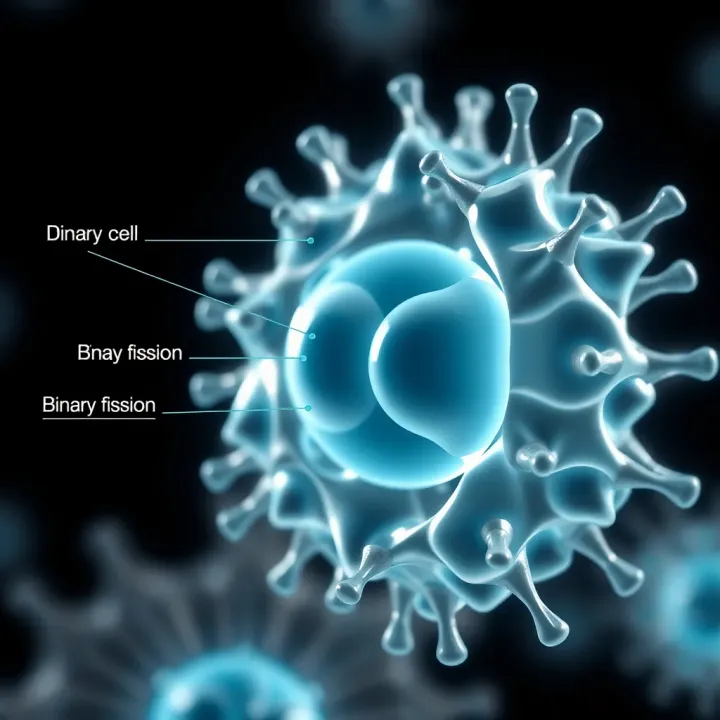
Explore how binary fission helps single-celled organisms divide into identical cells 🧫, driving growth and evolution in nature 🌱. Learn DNA's role in this process.
Explore binary fission 🦠—how simple cells like bacteria in Nigeria split and reproduce. Learn its steps, pros, cons, and role in life sciences.

Explore binary fission 🍃: understand its process, key role in population growth, and real examples in organisms common to Nigeria’s environment. 🧬
Based on 14 reviews