
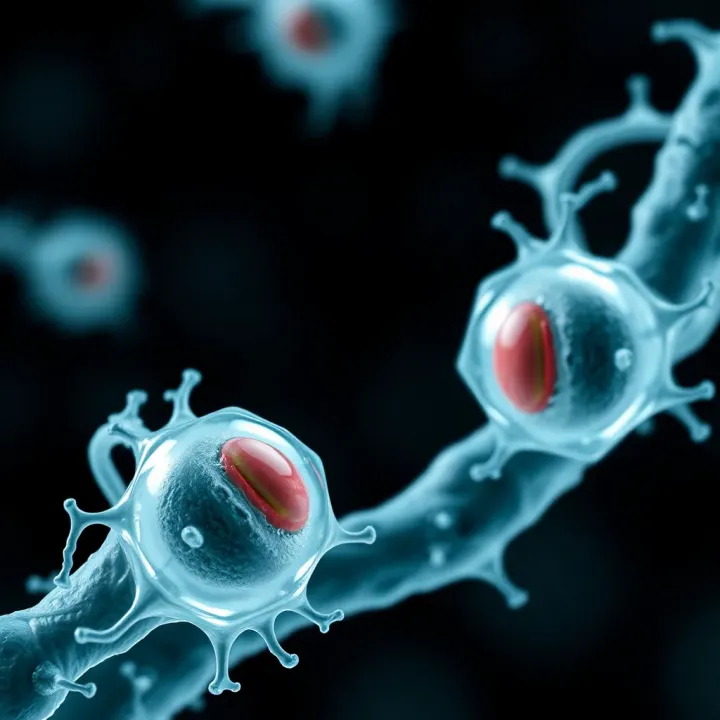
How Bacteria Reproduce Through Binary Fission
Explore how bacteria reproduce asexually through binary fission 🔬. Learn the steps, factors affecting it, and why it's key to bacterial growth and spread 🌱.
Edited By
Oliver Bennett
Binary fission in amoeba is a straightforward yet fascinating process by which these tiny organisms reproduce. Unlike more complex creatures that rely on sexual reproduction, amoebas simply split themselves in two, creating offspring that are genetic copies of the parent. This type of reproduction plays a key role in their survival and ability to multiply rapidly, especially in favorable conditions.
For traders, investors, and analysts with an interest in biological systems or biotechnology applications, understanding how amoebas reproduce offers insights into fundamental life processes and population dynamics. It can also shed light on how similar asexual reproduction mechanisms might influence microbial growth in various environments, which is critical when assessing ecological impacts or biotechnological potentials.
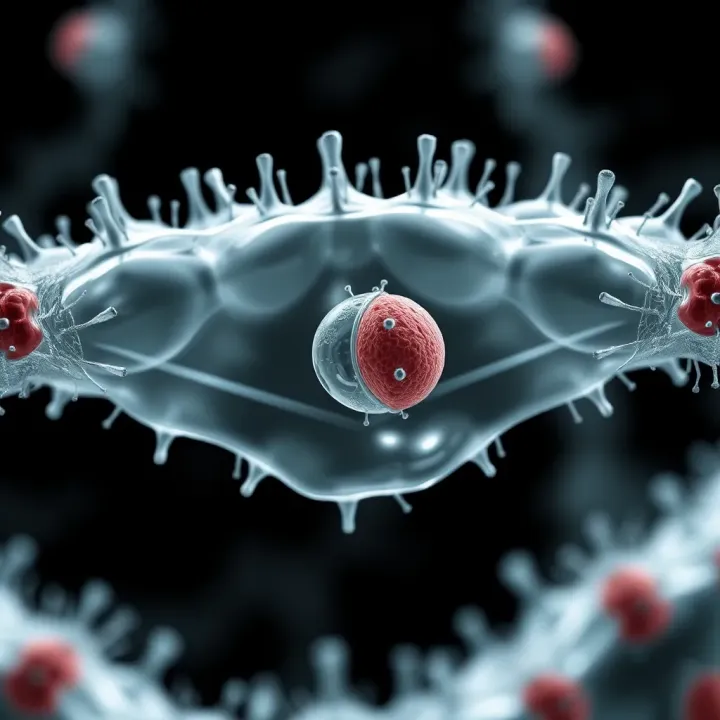
In this article, we will discuss the stages involved in binary fission, the biological principles behind it, and compare it to other reproductive methods in microbes. We'll keep things practical and clear, so even if you’re not a biology expert, you’ll walk away with a solid grasp of the subject.
Binary fission is nature’s way of cloning at a microscopic level—simple, efficient, and effective.
By the end, you'll see why this humble process is so important, not just for the amoeba but for understanding reproduction in single-celled organisms broadly.
Understanding the amoeba and how it reproduces is a solid foundation for grasping the bigger picture of single-celled organisms' life cycles. Amoebas, being one of the simplest life forms, give us a clear lens into basic biological processes that are surprisingly relevant today—from environmental microbiology to medical research.
Amoebas reproduce mostly through binary fission, a method that’s straightforward yet powerful enough to sustain their populations. Getting to know this process helps decode how life sustains itself even without complex organs or sexes, and how organisms adapt to their surroundings. For instance, researchers often study amoebas to understand how cancers spread since the cell division processes bear similarities.
The amoeba is a microscopic, single-celled organism that moves and feeds using pseudopodia—temporary projections of its cell body. Found mostly in freshwater or damp soils, amoebas are known for their flexible shape and slow, flowing movement. Unlike most creatures, they don’t have a fixed shape and can squeeze into tight spaces or engulf food by surrounding it.
Amoebas rely on diffusion for breathing and waste removal, since they lack specialized organs. Their cell contains a nucleus, cytoplasm, and contractile vacuoles which help maintain water balance. These simple features make the amoeba a great model for studying cell biology basics like membrane function and nutrient absorption.
Amoebas reproduce primarily to ensure their survival and maintain their population. Under good conditions—such as ample food and favorable temperatures—they can split repeatedly, creating clones in quick succession. This rapid reproduction means that in just a matter of hours, a single amoeba can give rise to a whole colony.
More than just multiplying numbers, reproduction allows amoebas to repair damage and replace old or dying cells. Plus, when environmental conditions take a turn for the worse, reproducing before resources run out ensures that some offspring survive. This strategy is critical since amoebas don’t have complex survival mechanisms; their best bet is to keep the lineage going.
Knowing why and how amoebas reproduce gives traders and analysts a unique entry point connection to biological market analogies—survival, growth under pressure, and adapting methods to the environment.
In all, diving into amoeba reproduction sets the stage for understanding the mechanics of binary fission in the next sections, highlighting how even the tiniest organisms apply fundamental biological principles that resonate across life sciences.
Binary fission is the main way amoebas multiply, and understanding it gives us insight into how these tiny organisms keep their populations stable. For traders and analysts, this method is like looking at the base-level replication of cells – akin to how companies duplicate resources or expand operations. In simple terms, binary fission is an asexual reproductive process where a single organism splits into two identical daughter cells.
This process is important because it drives the rapid increase in amoeba numbers under favorable conditions, similar to how a booming sector might see fast growth when market conditions are right. It’s an efficient way to reproduce without needing a partner, saving time and energy.
Understanding this biological process helps clarify the basics of microbial growth, which can also reflect larger systems where replication and division are central.
Binary fission occurs when an amoeba duplicates its genetic material and then divides into two cells, each identical to the original. Think of it like a small company splitting into two subsidiaries with the exact same assets – everything copies over perfectly. The process includes the replication of DNA, elongation of the cell, and finally, the division of cytoplasm into two parts.
Unlike sexual reproduction, binary fission doesn't involve the mixing of genetic material. Each new cell carries the same DNA as the parent, which poses challenges and advantages depending on the environment. For instance, in stable environments, this cloning ensures successful traits are carried on, while in changing conditions, it might limit genetic diversity.
Budding is somewhat like binary fission but not exactly the same. Instead of splitting evenly, a small bud forms on the parent cell, grows, and then detaches. Think of it as a company launching a startup branch that starts small but can grow independently. Unlike binary fission, where two equal cells result, budding generates a smaller, often unequal offspring cell.
This method is common in yeast and some protozoa, but not typical for amoeba. Budding provides useful insight into diversity in reproductive strategies, revealing how organisms adapt their methods for survival.
Multiple fission is a bit more complex. Here, one cell divides into many daughter cells all at once, rather than just two. This is like a company doing a spin-off, creating several new entities simultaneously. Certain protozoa undergo multiple fission, producing numerous offspring very quickly, useful in resource-rich conditions.
For amoeba, this method is less common, but understanding it helps highlight binary fission’s simplicity. Multiple fission speeds up population growth dramatically, but with more energy demand and regulation needed.
Some protozoa reproduce sexually, involving the exchange or fusion of genetic material, unlike binary fission's cloning approach. This introduces genetic variation, which is crucial for adapting to changing conditions or resisting diseases – a bit like a company merging departments to innovate and improve diversity of ideas.
Although amoeba mainly reproduce asexually by binary fission, certain relatives use sexual means to shuffle genes. This contrast shows offering genetic variety helps survival in tough environments but requires more time and complexity.
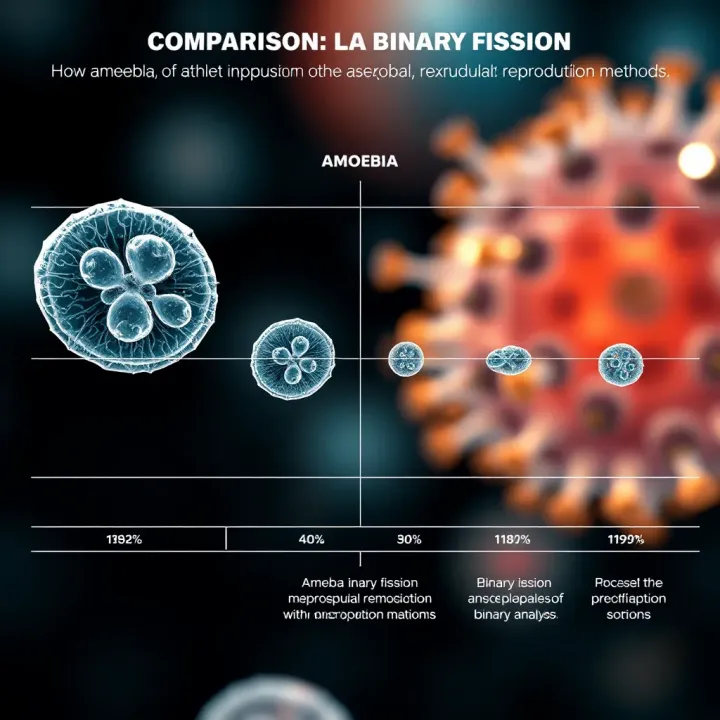
By comparing binary fission with budding, multiple fission, and sexual reproduction, we get a fuller picture of how single-celled organisms like amoebas sustain and adapt their populations. Each method has pros and cons, and binary fission’s straightforward, fast division makes it a winning strategy for many amoebas.
Understanding the detailed stages of binary fission in amoeba is essential for grasping how this simple organism reproduces and maintains its population. For anyone interested in microbiology or cell biology, this breakdown shines a light on the actual mechanisms behind asexual reproduction. Knowing these stages also helps in understanding how amoeba adapts and survives under different environmental pressures.
The nuclear changes kick off the whole binary fission process. Before the cell actually divides, the amoeba ensures its nucleus is ready to split accurately. This involves replication of its genetic material, so both new cells have a complete set of instructions.
This step prevents errors that could lead to malfunctioning offspring. By making sure the DNA is copied precisely, amoeba safeguards its survival.
Before the cell can divide, it needs to grow larger to support two independent cells after division. This cellular growth means the amoeba increases its cytoplasm and biosynthetic activity, ensuring nutrient reserves and organelles are sufficient for both daughter cells.
Think of it like a company doubling its inventory before splitting into two branches—the amoeba has to stock up on resources first.
Chromosome duplication is a critical stage where the amoeba’s chromosomes make exact copies of themselves. This ensures each daughter cell inherits the complete genetic blueprint. The process is tightly regulated so the duplicated chromosomes do not stray apart prematurely.
For example, if you think about a trader copying important client data to two separate drives before a system split, this step echoes that kind of precision.
Following duplication, the nuclear membrane dissolves. This breakdown is necessary to allow the duplicated chromosomes to separate evenly into the two new nuclei.
Without the membrane dissolving, the chromosomes would be trapped, halting the division process. This is similar to opening the gates in a piggy bank to divide coins evenly between two people.
Once the nucleus divides, the amoeba's cytoplasm starts to pinch inward, creating a cleavage furrow. This furrow marks where the cell will split into two.
This process resembles a balloon being squeezed in the middle before snapping into two smaller balloons. This stage is crucial to make sure the division is clean and that both parts are viable cells.
The final step is when the cells completely separate, forming two distinct amoebas. Each daughter cell contains its nucleus and cytoplasm, ready to function independently.
This stage guarantees population growth, allowing amoebas to multiply quickly when conditions favor them.
Recognizing these stages unveils how a single cell successfully transforms into two, reflecting not just biology but also a well-coordinated process applicable in biotechnology and microbial research.
The process starts with important nuclear preparations.
Cell growth ensures sufficient resources for two cells.
Chromosome duplication and membrane breakdown allow for accurate genetic division.
Cytoplasm separation leads to two fully functional daughter amoebas.
Understanding these stages provides a concrete picture of how simple life forms reproduce, which is very useful for practical applications in fields like microbiology labs, environmental studies, and educational settings.
Binary fission is the backbone of amoeba reproduction and survival. It allows these single-celled organisms to multiply efficiently and adapt swiftly to their often-changing environments. Without this method, amoebas would struggle to maintain their population or respond to pressures such as predators or resource scarcity.
The primary advantage of binary fission lies in its ability to increase amoeba populations quickly. Since each division produces two genetically similar daughter cells, the population can double in a relatively short time. This rapid growth is especially beneficial in environments where food is abundant or competition is low.
Take for instance an amoeba in a pond teeming with nutrients after heavy rain. Through binary fission, the population can surge swiftly, helping the species establish dominance before predators arrive or conditions worsen. This method also ensures survival during tough times; even if some amoebas don't make it, the sheer number from fast reproduction improves the chances that some will.
Although binary fission produces clones, which ensures genetic stability, there’s a flip side. Stability means fewer mutations, which can be a blessing or a curse. On one hand, it keeps successful traits intact, allowing amoeba to capitalize on proven survival strategies with no surprises.
However, this lack of genetic diversity means the population might be vulnerable to sudden environmental changes or diseases that target a specific genetic makeup. It’s like having all your eggs in one basket, but in many cases, the amoeba's simple structure and fast reproductive rate made this trade-off worthwhile.
Understanding the balance between genetic stability and potential risks helps explain why amoebas favor binary fission despite its limitations. They rely on numbers and speed rather than genetic variety to survive.
In summary, binary fission for amoebas is not just a way to make more of themselves—it’s a practical, efficient strategy to thrive in unpredictable environments. This process ensures their survival by driving rapid population growth while maintaining the stability of traits adapted to their niche. Without it, amoebas would be far less successful in nature's rough and tumble.
Binary fission in amoebas doesn't happen in a vacuum—several environmental factors have a say in how fast or successful this process can be. For anyone keen on understanding or even observing amoeba reproduction, it’s crucial to keep these conditions in mind. Changes in the environment affect amoeba's activity levels, growth, and their ability to split properly.
Temperature plays a big role in how quickly amoebas reproduce. If the water gets too cold, say below 10°C, their metabolism slows down, and binary fission may take ages or even stop. At the other end, temperatures above 35°C might cause stress or damage to amoeba cells. The sweet spot usually sits around room temperature, roughly 20–25°C, where cell division happens smoothly. For example, a study found that amoebas kept at 22°C divided twice as fast as those at 15°C.
Without enough nutrients, amoebas can’t produce the energy or cellular building blocks needed for division. Think of it like trying to build a house with limited bricks and tools—it just won’t get finished. Bacteria and organic matter in the water serve as amoeba food, so in nutrient-poor environments, their reproduction rate drops drastically. On the flip side, nutrient-rich waters can cause population booms, which might seem great but can quickly lead to competition stiff enough to slow things down.
Good water quality is another must. Amoebas prefer clean, slightly acidic to neutral waters, but they can tolerate a range of conditions. Pollutants like heavy metals or pesticides can mess with their cell function and stunt binary fission. High levels of suspended solids or very turbid water also interfere, making it harder for amoebas to move and feed. Oxygen levels matter, too. While amoebas can survive in low oxygen, better aeration usually promotes healthier, faster division.
Understanding how temperature, nutrients, and water quality influence binary fission helps researchers and students predict amoeba population trends and plan their experiments more effectively.
In short, getting the right environment is like nailing the recipe for binary fission success. Small tweaks in temperature, nutrient supply, or water cleanliness can knock the amoeba’s reproduction off balance, affecting their survival and growth.
Misunderstandings around amoeba reproduction are widespread, even among those familiar with basic biology. Clearing up these misconceptions is key for anyone looking to fully grasp how these microorganisms thrive. It also helps prevent the spread of false information in educational settings and beyond. For example, many assume amoebas engage in sexual reproduction, which isn’t the case, leading to confusion about their genetic diversity. Addressing these myths boosts scientific literacy and clarifies how a seemingly simple organism manages survival and proliferation under varying environmental conditions.
One of the most persistent myths is that amoebas reproduce sexually. In reality, amoebas primarily reproduce through binary fission, an asexual process. This myth likely stems from mixing up amoebas with other protozoa that do have sexual stages, like Paramecium or certain algae species. Sexual reproduction involves the exchange or fusion of genetic material, which amoebas do not perform. Instead, they duplicate their nucleus and split into two identical daughter cells, maintaining genetic consistency rather than combining genetic traits from two parents.
This misunderstanding can skew how people think about genetic variation in amoebas. Despite reproducing asexually, amoebas still show some genetic changes over time, mainly due to mutations or environmental stress. However, they do not swap genes in the way sexual organisms do. Educators and students should be clear about this distinction to avoid misconceptions that sexual reproduction is a general rule for all unicellular organisms.
Binary fission is often oversimplified as just the cell splitting in half, but it's a bit more precise than that. The process involves carefully coordinated steps: the nucleus duplicates genetic material, the cell grows, and then the cytoplasm divides to form two new cells. Each new amoeba ends up with a full set of DNA, making them genetically identical to the parent.
It’s important to understand that binary fission is efficient and reliable, which explains amoeba's ability to quickly populate environments that suit them. This mechanism does not create genetic variety through recombination but ensures survival through rapid multiplication. For students and professionals studying microbiology or investing in biotech, understanding the exact mechanics of binary fission highlights its role in microbial growth and ecological dynamics.
Misconceptions around amoeba reproduction often stem from confusing their asexual binary fission with sexual strategies found in other microorganisms. Recognizing the exact process helps clarify how these organisms adapt and proliferate without complex reproductive systems.
By addressing the myths and explaining how binary fission truly works, learners and researchers can better appreciate the simplicity and effectiveness of amoeba reproduction. This clarity is not just academic; it informs how we study microbial populations in natural and lab settings, affecting areas from environmental monitoring to medical research.
Watching amoeba split in two under the microscope gives you a first-hand look at one of nature's most fundamental life processes. For traders and analysts, understanding this process can feel abstract, but it mirrors broader patterns of replication and growth that apply to many systems, including financial models. By observing binary fission directly, you gain a clearer sense of timing, stages, and environmental influences on reproduction which can sharpen your insight when drawing analogies from biology to market dynamics.
Getting your microscope ready properly is half the battle when trying to observe binary fission in amoeba. Start with a clean slide and a fresh drop of pond water, as amoebas thrive in such environments. Use a compound microscope capable of at least 400x magnification; this allows you to see the nucleus and other cell components clearly.
Focus slowly and patiently—rushing through the adjustments will often cause you to miss the key moments of division. Lighting matters too; adjust the diaphragm and mirror so the amoeba is clearly visible without glare or shadow. If possible, a phase-contrast microscope will enhance the visibility of cellular structures without staining.
Once you have your focus nailed, observe the sample over time. Amoebas don’t divide on cue, so patience is necessary. Keeping notes or taking snapshots at intervals can help track the progression of fission, giving you data to compare with biological norms.
When observing binary fission, your eyes should be on several key changes in the amoeba's form and behavior. Initially, you might notice the cell elongate or form a slight indentation—the cleavage furrow—signaling the start of cytoplasmic division.
Look closely for the nucleus doubling up, too; this is where the genetic material replicates to prepare for cell splitting. This stage can be subtle but is crucial, as it ensures both daughter cells get an identical copy of DNA.
Moving forward, keep an eye on how the cytoplasm divides and the cell membrane pinches to create two separate amoebas. Movement might slow during division but don't expect it to halt entirely — amoebas are quite lively, even mid-split.
Timing and clear visualization are key. Observing these subtle signals requires good lighting, patience, and sometimes multiple observation sessions.
Remember, environmental factors like water temperature or contamination can slow down or alter the division process. Noticing these quirks during observation can provide practical clues about stress responses in amoeba, paralleling how financial markets respond to external pressures.
By mastering the setup and knowing exactly what stages to look for, you'll transform a simple microscope session into a rich data-gathering experience that deepens your understanding of cell biology—and possibly your analytical skills in other fields, too.
Explore how bacteria reproduce asexually through binary fission 🔬. Learn the steps, factors affecting it, and why it's key to bacterial growth and spread 🌱.
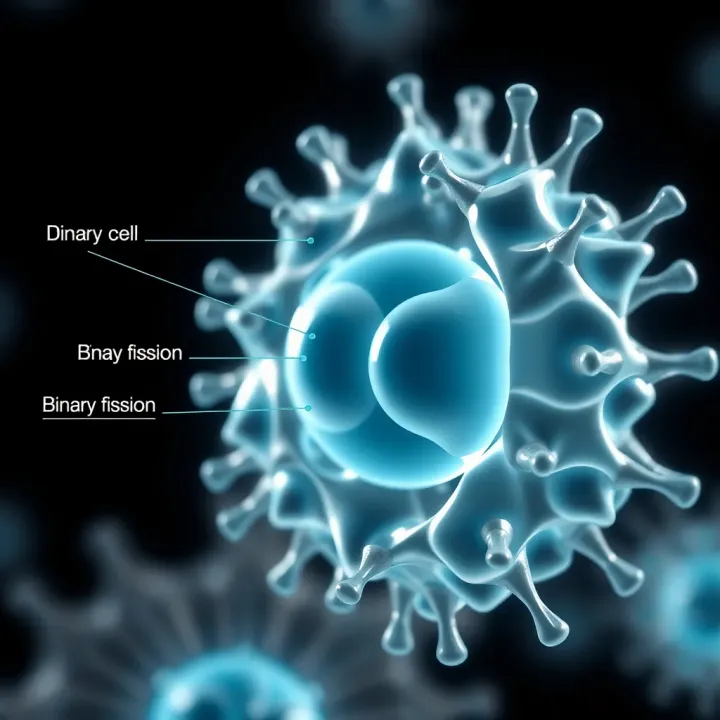
Explore how binary fission helps single-celled organisms divide into identical cells 🧫, driving growth and evolution in nature 🌱. Learn DNA's role in this process.
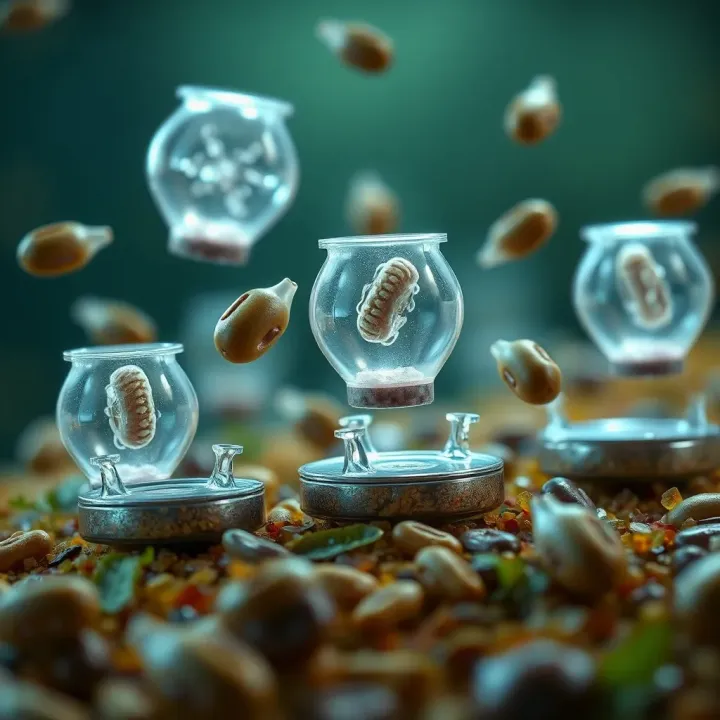
Explore binary fission 🦠—how simple cells like bacteria in Nigeria split and reproduce. Learn its steps, pros, cons, and role in life sciences.
Explore binary fission 🍃: understand its process, key role in population growth, and real examples in organisms common to Nigeria’s environment. 🧬
Based on 9 reviews