
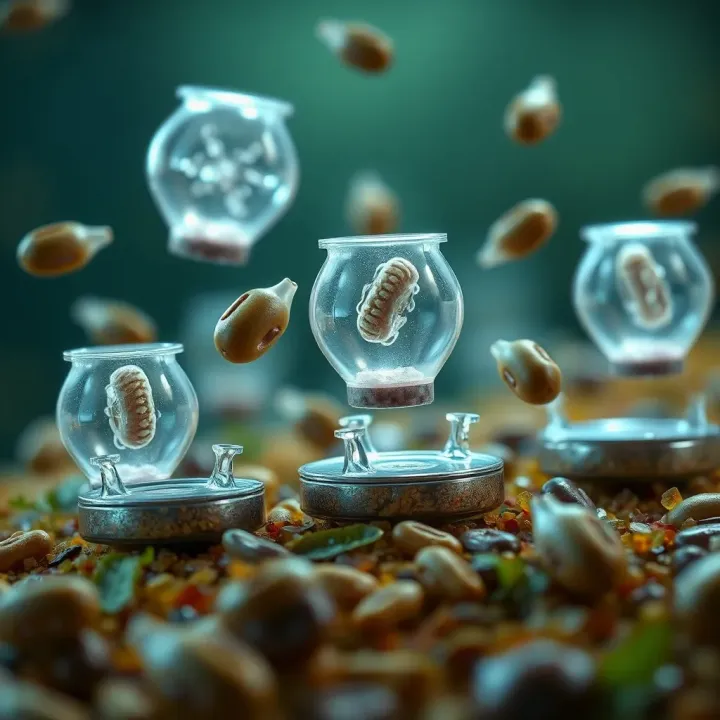
Understanding Binary Fission in Simple Terms
Explore binary fission 🦠—how simple cells like bacteria in Nigeria split and reproduce. Learn its steps, pros, cons, and role in life sciences.
Edited By
Daniel Ross
Binary fission is one of those biological processes that’s both simple and powerful. It’s the way many tiny organisms, like bacteria, multiply and keep their numbers up. If you’re studying how populations of microbes grow, or how infections spread, getting a solid grip on binary fission is key.
In this article, we're going to break down exactly how binary fission works, using practical examples you might find right here in Nigeria. We’ll also look at why it matters so much—for students, biologists, and even folks interested in how diseases develop and thrive.
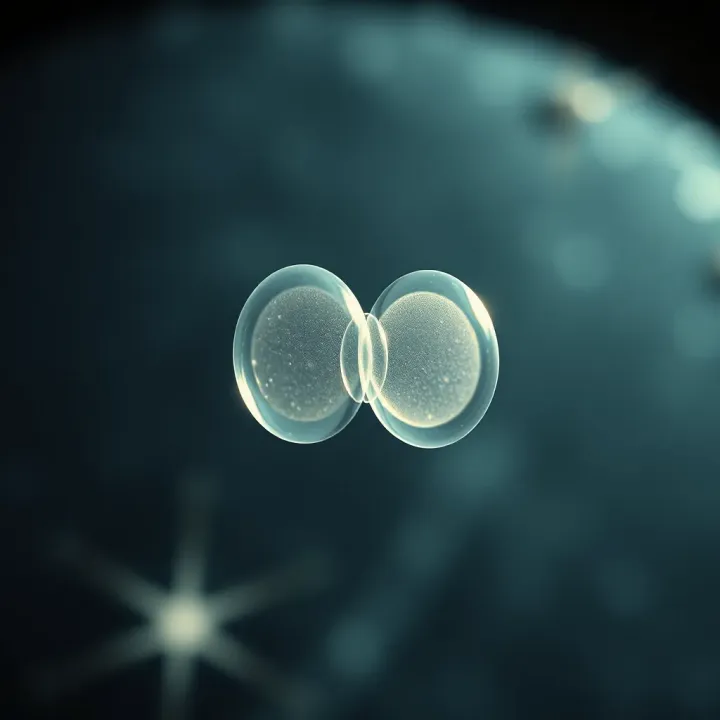
Think of binary fission like a copy machine for cells. One cell splits into two identical cells, with each being a brand-new copy. It's straightforward but hugely effective for fast reproduction. And understanding this process sheds light on bigger biological concepts such as population growth, genetics, and microbial behavior.
Whether you’re a student, a trader wanting to know about biotech companies, or an investor keeping tabs on health sector trends, this guide aims to make the process clear and practical. So, let’s get started and unpack this fundamental biological process using clear language and real-life examples.
Binary fission is a simple yet surprisingly efficient method of reproduction used by many microorganisms, especially bacteria. It’s the way these tiny life forms clone themselves, creating exact copies quickly and reliably. Understanding this process matters, not just for biology students but also for anyone dealing with microbial growth—like in health, farming, or even environmental management here in Nigeria.
When we break down binary fission, it's basically a single cell splitting into two identical offspring cells. Since it happens swiftly, populations of bacteria can skyrocket in a matter of hours under the right conditions. For example, Escherichia coli (E. coli), a common gut bacterium, divides every 20 minutes in a favourable environment. This rapid multiplication is behind many infection outbreaks and also how beneficial microbes multiply to aid digestion. So, knowing how binary fission works helps us predict and manage microbial behaviours in real situations.
Asexual reproduction is all about one parent creating offspring without mixing genes from another organism. In binary fission, the parent cell simply duplicates its DNA and splits into two, making two genetically identical cells. Unlike sexual reproduction, there’s no exchange or shuffling of genetic material. This approach means bacteria conserve energy and reproduce fast, but it also limits genetic diversity, making populations more vulnerable to sudden changes in their environment.
In practical terms, this process lets microbes like those in soil or water quickly adapt by sheer numbers. Take Clostridium botulinum, for example—a bacterium producing botulinum toxin—but it spreads fast by binary fission in improperly stored food, leading to foodborne illnesses. Knowing this helps food safety experts design better preservation methods.
In microbial life cycles, binary fission acts as the main method of reproduction for bacteria, many archaea, and some protozoans. It efficiently keeps populations going without the delay of finding a mate or exchanging DNA. Since microbes often exist in environments where conditions might suddenly become harsh, quick reproduction is a survival advantage.
For instance, in Nigerian freshwater systems, amoebas use binary fission to multiply rapidly when food such as bacteria is abundant. When conditions worsen, they can slow down reproduction or form cysts for survival. This cycle shows how binary fission slots into the bigger picture of microbial growth and survival strategies.
Before a cell divides, it has to make an exact copy of its DNA so each new cell gets a full set of genetic instructions. This copying stage is vital—imagine trying to bake two cakes from one recipe and losing half the instructions in the process. The DNA must be precisely duplicated to ensure the offspring cells function properly.
In bacteria like Salmonella, the DNA is stored in a single circular chromosome. During binary fission, this circle unwinds and duplicates itself, making two identical loops. By the end of this step, the cell carries duplicate blueprints for building a functioning bacterium, setting the stage for the next phases—growth and division.
Cytokinesis is the physical division of the cell body after the DNA has been copied and distributed. In prokaryotes (organisms without a nucleus), this involves forming a dividing wall called the septum between the two DNA copies. This wall gradually grows inward to split the cell into two new cells.
Picture a balloon squeezed in the middle getting pinched until it splits into two smaller balloons. Similarly, proteins in the bacterial membrane push inward, ensuring both new cells get their share of cell components like ribosomes and cytoplasm.
This step is crucial because if cytokinesis fails, the cell can end up with mixed parts or incomplete DNA, which could kill the offspring or cause mutations. In medical labs, understanding this helps in developing antibiotics that disrupt cytokinesis, thus killing harmful bacteria.
Understanding these components of binary fission provides a clear picture of why this process is so efficient and common among microbes. Knowing how cells copy and split their DNA lets us appreciate the biology behind fast-growing bacteria and develop strategies to manage them in health, agriculture, and the environment.
Understanding how binary fission unfolds step by step is essential for grasping how single-celled organisms like bacteria multiply so rapidly. This process isn't just a biological curiosity—it has real-world implications, especially in areas like healthcare, agriculture, and biotechnology where microbial growth needs to be managed or utilized.
By breaking down the stages in detail, we can appreciate the precision behind the scenes, from DNA duplication to the final split. This clarity helps students, researchers, and professionals in the Nigerian context, where microbes like E. coli and Paramecium are common and impact everything from water safety to soil health.
Before a cell splits, it must copy its genetic material to ensure both new cells have the information needed to survive and function. During DNA duplication, the double-stranded DNA unwinds, and each strand serves as a template for a new complementary strand. This copying must be fast, accurate, and complete.
Think of it as making a photocopy of a blueprint before building two houses. If that copy is incomplete or damaged, the resulting cells can malfunction or fail to survive. In practice, enzymes like DNA polymerase are the molecular 'printers' executing this job.
In Nigerian labs studying bacterial resistance, precise knowledge of DNA replication helps in tracking mutations that allow bacteria to survive antibiotics. So this step isn't just academic; it has direct consequences for public health.
After duplication, the cell doesn't just split immediately—it grows longer and increases its volume to prepare for division. This growth phase involves synthesizing proteins, lipids, and other cell components.
You can compare this to stretching a balloon; the cell elongates to create enough space for two daughter cells. Nutrient availability plays a big role here: in nutrient-rich environments, cells grow faster and thus divide quicker.
For farmers in Nigeria, this phase explains why bacterial growth in soil or on crops can speed up when conditions are just right, affecting both soil fertility and plant health.
Once the genetic material is copied and the cell has grown, the duplicated DNA molecules move to opposite ends of the cell. This segregation ensures that each new cell will get exactly one copy of the DNA.
Picture two people pulling apart two ropes, each clinging to one end, making sure they don't get crossed or tangled. Molecular machinery guides this movement precisely.
This step is vital to maintain genetic stability, preventing errors that could result in malfunctioning cells. Given how bacteria in sewage treatment plants multiply, the accuracy of segregation affects the efficiency of biological wastewater treatment.
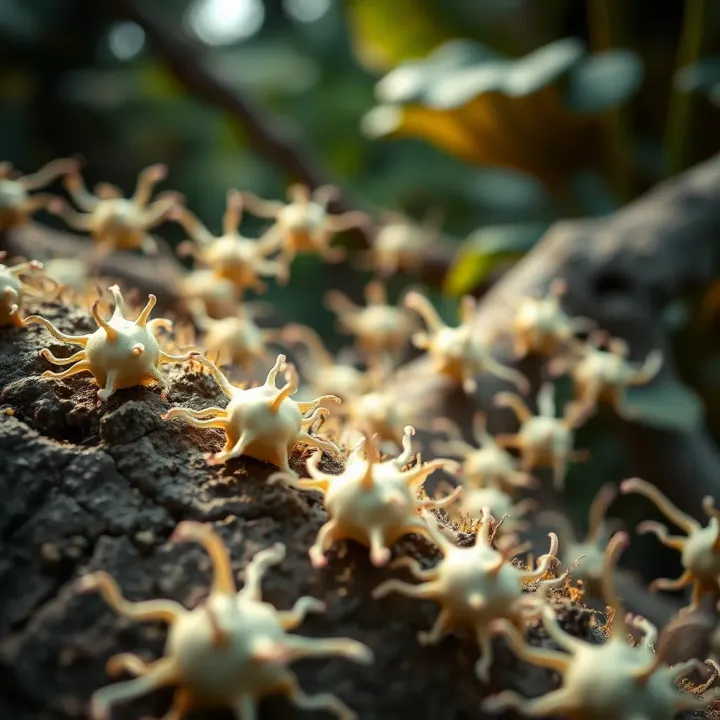
The final chapter of binary fission is the physical split. The cell forms a dividing wall known as the septum, which grows inward to split the cell into two distinct daughter cells.
The septum forms from the middle, gradually pinching the cell in two. This action is somewhat like tying a string around the middle of a water balloon until it separates into two smaller ones.
Once the septum closes, the two new cells separate fully. Each daughter cell then enters its own life cycle, ready to grow and divide again. This step is critical for population expansion in microbial communities, whether in the human gut or local farming environments.
Key point: Binary fission's detailed and orderly progression ensures microbial populations grow quickly yet reliably, influencing everything from infection control to biofertilizer development.
By understanding these steps clearly, we can better apply knowledge of binary fission in practical settings—be it in managing bacterial threats or harnessing beneficial microbes in Nigerian industries.
Binary fission is a widespread method of reproduction mainly found in single-celled organisms. Understanding which organisms rely on this process helps clarify how life maintains itself and adapts, especially in environments like Nigeria's diverse ecosystems. Let's look closer at three groups where binary fission plays a vital role: common bacteria, protists and protozoa, and archaea species.
One of the best-known examples of binary fission is seen in Escherichia coli (E. coli), a bacterium commonly found in the intestines of humans and animals. E. coli divides quickly, doubling every 20 minutes under ideal conditions. This rapid reproduction helps explain why bacterial infections can spread swiftly if not controlled.
Binary fission in bacteria is simple but effective: after the DNA duplicates, the cell elongates and splits into two identical daughter cells. This process allows bacteria to rapidly increase their population, which is why understanding it is key for sectors like healthcare and agriculture in Nigeria. For example, managing bacterial growth can be crucial in preventing food spoilage and contamination.
Moving beyond bacteria, some single-celled eukaryotes like amoebas and paramecia also reproduce via binary fission. Amoebas, which are common in freshwater sources across Nigeria, divide by splitting their nucleus and cytoplasm equally into two new cells. Similarly, paramecia, found in stagnant water, perform binary fission to maintain their populations efficiently.
This method ensures that protists multiply quickly, which can impact freshwater ecology and even water quality. For those monitoring environmental health or water safety, knowing how these organisms reproduce provides insight into population dynamics and potential outbreaks of waterborne protozoan diseases.
Archaea often live in extreme conditions, such as hot springs or salty lakes, like those found in parts of northern Nigeria. These hardy microorganisms also depend on binary fission but with some unique twists adapted to survive harsh environments.
For instance, the DNA replication process in archaea is more similar to eukaryotic cells, adding a robustness that helps them endure stresses that would typically damage bacterial cells. Their binary fission process supports steady population growth even where conditions change rapidly, making archaea essential players in extreme habitats, biogeochemical cycles, and potentially biotechnology.
Understanding the varied use of binary fission across these groups gives us practical tools in medicine, environmental science, and industry—especially important in regions like Nigeria, where microbial activity impacts health, agriculture, and natural ecosystems.
In summary, common bacteria like E. coli, freshwater protists, and extremophilic archaea illustrate binary fission's adaptability and significance. For anyone involved in biology, agriculture, or environmental monitoring, grasping these examples sharpens your perspective on how life multiplies and survives under different conditions.
Binary fission plays a vital role in the natural world, especially when it comes to maintaining the balance and continuity of many microbial populations. This reproductive process allows certain organisms, mainly prokaryotes like bacteria and some single-celled eukaryotes, to multiply rapidly and efficiently. In places like Nigeria, where microbes impact agriculture, health, and natural ecosystems, understanding why binary fission matters helps us appreciate its practical importance.
For instance, bacteria in the soil use binary fission to quickly colonize and break down organic materials, benefiting plant growth. Likewise, pathogenic bacteria may also rely on binary fission to spread infections rapidly. The ability of these organisms to reproduce in large numbers means ecosystems can adjust swiftly to changing conditions, whether that’s nutrient availability or environmental stress.
The rapid increase in microbial populations through binary fission can be both a blessing and a challenge, depending on context — it supports life’s processes but sometimes fuels disease spread.
One of the main advantages of binary fission is the speed at which populations can grow. In ideal conditions, bacteria like Escherichia coli can divide every 20 minutes. This rapid reproduction means that microbial communities can expand exponentially, thriving even when resources are limited briefly.
This quick growth allows species to colonize new environments fast, outcompeting other organisms. For practical purposes, this means that beneficial bacteria can quickly repopulate soil or water after disruptions, supporting environmental recovery. On the flip side, it explains how infections can become severe in a short time if not controlled. Farmers and healthcare professionals in Nigeria often witness these effects firsthand, as swift bacterial growth impacts crop health and disease progression.
Practical takeaway for traders and analysts: Rapid microbial growth impacts industries such as agriculture and pharmaceuticals. Understanding this growth pattern can inform decision-making when evaluating market trends related to these sectors.
Binary fission produces offspring that are genetically identical to the parent cell. This consistency ensures that successful characteristics allowing survival in specific environments are preserved. In natural settings, such genetic stability prevents harmful mutations from spreading quickly, which could be disadvantageous for the organism’s survival.
However, maintaining identical genetic copies also has limits. It reduces genetic diversity, meaning populations may struggle to adapt to sudden environmental changes like new antibiotics or alterations in temperature. This balance between stability and adaptability highlights why some organisms complement binary fission with other genetic exchange mechanisms, like conjugation.
For those in finance and investment, this means sectors reliant on microbial applications must consider the risks of genetic homogeneity, especially when developing microbial strains for biotechnological use. Awareness of these biological limits can guide better investment in research and development.
In summary, binary fission’s role in nature is crucial because it supports fast population expansions and preserves successful genetic traits. These factors combined influence ecosystems, agriculture, healthcare, and biotechnology broadly, with real implications for Nigeria and beyond.
Understanding how binary fission stands apart from other reproductive methods is vital, especially in contexts like microbiology and population studies. Unlike sexual reproduction or budding, binary fission offers a straightforward and quick way for organisms to multiply, which has practical implications in environments where speed and simplicity are valued—for example, in managing bacterial infections or optimizing microbial production.
Organisms rely on various reproduction strategies depending on their survival needs and environmental pressures. Comparing these methods helps clarify the unique features and limitations of binary fission. This knowledge is not just academic; it directly affects fields like agriculture, medicine, and biotechnology.
Budding is another form of asexual reproduction but differs fundamentally from binary fission. In budding, a new organism grows from a specific part of the parent and eventually detaches, like a little sprout breaking off a branch. Take the yeast Saccharomyces cerevisiae as an example—it forms buds that then mature into independent cells.
The key distinction here is how offspring are formed: binary fission splits the parent cell into two roughly equal halves, while budding produces an offspring that starts smaller and grows on the parent before separating.
This difference matters practically because budding allows organisms to maintain a connection between parent and offspring longer, which can be advantageous for resource sharing or protection in some environments. From an industrial angle, understanding these distinctions helps microbiologists choose the best microbial strains and growth conditions for fermentation or biotech applications.
Sexual reproduction differs from binary fission by combining genetic material from two parents, leading to offspring with genetic diversity. This diversity is critical for long-term adaptability in changing environments. For instance, plants and animals rely heavily on this method to avoid the pitfalls of genetic uniformity, such as vulnerability to diseases.
In contrast, binary fission produces clones—offspring genetically identical to the parent. While this can be an advantage in stable, unchanging environments (letting populations explode quickly), it also means less genetic variation and potentially fewer options when conditions shift.
For Nigerian farmers and ecologists, appreciating these differences is practical. Crop breeding thrives on sexual reproduction for improved traits, while bacterial growth monitoring in healthcare demands understanding the cloning nature of binary fission. This awareness guides interventions, whether developing resistant crops or tackling bacterial infections.
Grasping the contrast between binary fission and other reproductive types enriches our approach to biology and beyond, connecting microscopic processes with everyday challenges in health, industry, and environment.
By appreciating these fundamental differences, traders, analysts, and students can foster clearer insights into microbial behavior, biotech innovations, and ecological dynamics that shape industries and economies locally and globally.
Binary fission isn't just a biology textbook topic; it touches many parts of our daily world, including health, environment, and even industry. Understanding how this simple, yet powerful process works helps us tackle challenges from fighting infections to cleaning up waste, and making useful products.
When bacteria invade the body, they don’t just sit idle — they use binary fission to multiply rapidly. Take Staphylococcus aureus, a common culprit in skin infections. This bacterium can double its population in about 30 minutes, making infections spread quickly if unchecked. Knowing how bacteria reproduce fast helps doctors decide how often to dose antibiotics and why early treatment matters. Also, it explains why infections can bounce back quickly if treatment stops too soon.
Bacterial doubling in infections means delays in treatment can turn a small spot into a severe problem.
In Nigeria, managing waste water is a big deal for public health and the environment. Certain bacteria involved in wastewater treatment plants depend on binary fission to keep their numbers up. These bacteria break down organic matter and harmful pollutants, turning waste into safer substances. For example, Nitrosomonas and Nitrobacter bacteria work continuously, splitting and growing to degrade nitrogen compounds. If their growth slows, the system’s efficiency drops, leading to poor water quality. Keeping the bacterial population healthy through optimal conditions is essential for effective treatment.
Binary fission powers the growth of bacteria used in biotechnology. Industries rely on bacteria like Escherichia coli to produce everything from insulin to biofuels. These bacteria rapidly multiply, providing a large cell population to harvest proteins or enzymes needed. For instance, in pharmaceutical labs, genetically modified E. coli use binary fission to grow copies producing human insulin, a lifesaver for diabetics. The speed and ease of bacterial division mean production scales up efficiently, reducing costs and wait times.
Understanding binary fission's role here reveals why microbial growth conditions — temperature, nutrients, pH — are tightly controlled. Optimizing these factors ensures bacteria stay healthy and productive.
In summary, binary fission extends far beyond biology classrooms. It shapes how infections spread, how we clean up environmental waste, and how industries produce essential products. Grasping this process equips us with insight to improve medical treatments, environmental safety, and biotechnological innovations, especially pertinent in Nigerian contexts where microbial activities impact daily life significantly.
Many folks, even those with some background in biology, stumble over certain myths about binary fission. Clearing these up is key to fully grasping how organisms reproduce at the microscopic level and avoiding confusion in studies or practical applications. Understanding what binary fission really isn't can be just as helpful as knowing what it is.
While it's tempting to think every single-celled creature splits by binary fission, the truth is more varied. Some unicellular organisms opt for other methods. Take Saccharomyces cerevisiae, the yeast used in baking and brewing — it reproduces by budding, not binary fission. In budding, a smaller daughter cell grows out of the parent cell and eventually detaches. This is noticeably different from the equal split seen in binary fission.
Another example is certain algae species that reproduce by multiple fission, where one cell divides into many daughter cells simultaneously. This approach helps them multiply rapidly under favorable conditions, a strategy contrasting with the simplicity of binary fission.
Recognizing these differences matters, especially when studying microbial growth patterns or tackling issues like yeast infections or algal blooms. If you wrongly assume binary fission applies across the board, you might misinterpret how fast a population can expand or how it responds to treatments.
This mix-up is common but important to clear up. Binary fission is a straightforward division process used predominantly by prokaryotes like bacteria. It involves copying the DNA, elongating the cell, and splitting into two genetically identical offspring without the complex steps seen in eukaryotic division.
Mitosis, used by eukaryotic cells (including human and plant cells), is a more intricate procedure involving multiple stages: prophase, metaphase, anaphase, and telophase. During mitosis, the cell ensures chromosomes are aligned and separated precisely before division. It happens alongside cytokinesis, which physically splits the cell.
To put it plainly, binary fission is quicker and simpler — think of it as a quick photocopy and cut, whereas mitosis is like a detailed printing and folding process ensuring everything lines up perfectly.
Understanding this distinction helps when differentiating between bacterial growth and the cell cycles in more complex organisms, whether in medical research or environmental studies.
Products like antibiotics target bacterial reproduction methods — knowing that bacteria divide by binary fission helps scientists design drugs that disrupt this process without affecting human cells undergoing mitosis.
By grasping these misconceptions, traders, investors, and analysts watching sectors like biotech or pharmaceuticals can better understand the science behind microbial growth and drug development, leading to smarter decisions.
Wrapping up the discussion on binary fission helps ground the key points in a way that's easy to recall and apply. This section ensures readers leave with a solid appreciation of why binary fission matters—not just in theory, but in real-world biology and economics.
Binary fission is straightforward yet powerful: a single cell duplicates its DNA, grows, segregates the two copies to opposite sides, then splits into two identical daughter cells. This process is seen in common bacteria like Escherichia coli, protozoans such as amoeba, and even extremophile archaea. Simplicity and speed make it an effective way for organisms to quickly colonize environments or respond to resources. For an investor or analyst, this rapid microbial growth could hint at potential bacterial contamination risks or opportunities in biotech industries leveraging microbes for production.
Studying binary fission unlocks insights across medicine, agriculture, and environmental management. It explains how infections spread swiftly, guiding treatment strategies to control bacterial populations. In wastewater treatment, understanding bacterial replication aids in maintaining efficient breakdown of pollutants. For traders and investors, recognizing these connections helps in evaluating companies in biotech or pharmaceuticals developing antibiotics or fermentation technologies. In essence, binary fission knowledge fuels innovation and risk assessment in sectors where microbial activity impacts outcomes.
Binary fission isn’t just a biology textbook subject; it underpins many industries and affects health and environment directly.
Key takeaways include the efficiency of binary fission in cloning genetic material, its role in fast population growth, and its contrast with more complex reproductive strategies that introduce genetic diversity. Knowing where and why binary fission appears equips specialists to anticipate microbial behavior in finance and science contexts alike.
Explore binary fission 🦠—how simple cells like bacteria in Nigeria split and reproduce. Learn its steps, pros, cons, and role in life sciences.
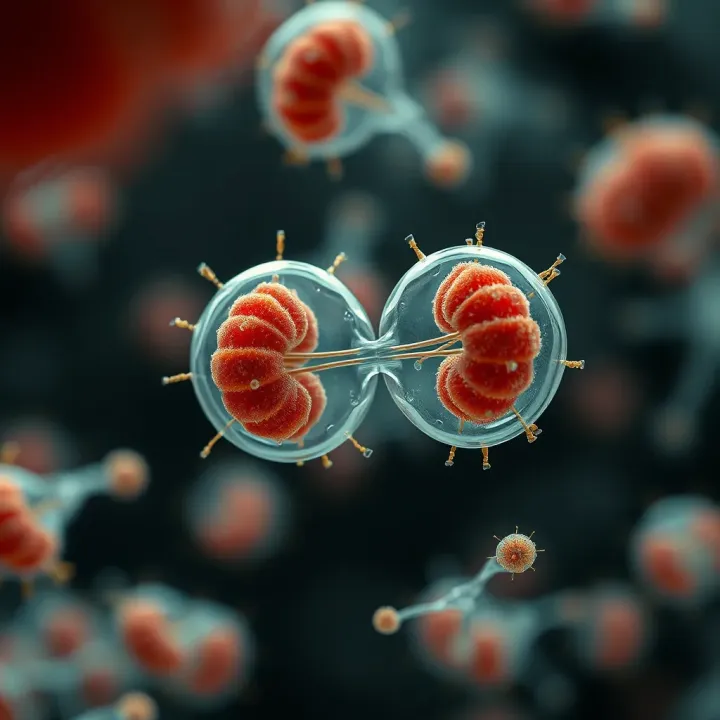
Discover how binary fission powers reproduction in bacteria, protists & algae 🔬 Simple & vital in nature, especially in Nigeria’s ecosystem 🌿

🔢 Learn binary addition step-by-step with clear examples and essential rules. Discover its role in digital systems and avoid common mistakes! 💻

💻 Explore how binary format shapes computing and data storage, learn binary number basics, applications, and clear up common misconceptions in tech.
Based on 15 reviews