
Is Forex Trading Legal in Nigeria? Current Status Explained
Curious about forex trading rules in Nigeria? 🇳🇬 Discover current regulations, risks, opportunities, and how to trade forex legally and smartly in Nigeria's financial scene. 📊
Edited By
Ethan Clarke
Forex trading, simply put, involves buying and selling foreign currencies with the aim of making profit from exchange rate fluctuations. In Nigeria, more people have turned to forex trading as an alternative way to earn income outside traditional jobs, especially amid economic uncertainties and rising inflation.
The first question many ask is whether forex trading is legal here. The answer is yes, but with certain conditions and regulations you need to understand. The Central Bank of Nigeria (CBN) alongside other agencies regulate foreign exchange transactions to protect traders and ensure economic stability.
A major point to note is that forex trading on recognised global platforms like MetaTrader via regulated brokers is permitted. However, the CBN restricts foreign exchange dealings outside authorised channels, aiming to curb capital flight and illicit fund movements. This means trading with unregistered or unauthorised brokers can land you in trouble.
Forex trading is legal in Nigeria only if done through registered brokers operating within the regulatory framework laid down by CBN and Securities and Exchange Commission (SEC).
Here are key aspects to keep in mind:
Regulatory oversight: CBN and SEC monitor forex brokers to ensure compliance with Nigerian laws.
Bank Verification Number (BVN) linkage: Many brokers require BVN to align with Nigerian anti-money laundering measures.
Restrictions on local forex trading platforms: Some local websites claim to facilitate forex trading but lack proper authorisation, which raises risk.
Use of USSD and mobile wallets: Nigerian fintech firms like OPay, Paystack assist forex fund transfers but only within legal limits.
Understanding the legal landscape helps you avoid scams and protects your investments. If you're new, start with licensed brokers that operate transparently, offer proper customer support, and comply with CBN guidelines.
In this article, we will explore the regulations further, highlight common risks, and give practical tips to help you navigate the forex market confidently here in Nigeria.
Understanding the legal status of forex trading in Nigeria helps investors avoid pitfalls related to regulation and compliance. Knowing whether forex trading is legal and how it is governed enables traders to operate with confidence, minimise risks, and interact with authorised brokers. This knowledge is especially valuable for fresh traders and analysts seeking to navigate the ₦-denominated market securely.
Forex trading involves buying and selling currencies in the global foreign exchange market, aiming to profit from changes in exchange rates. It's the largest financial market worldwide, operating 24/7, with a daily turnover exceeding US$6 trillion. Nigerians participate by trading pairs like USD/NGN or EUR/USD through brokers, hoping to capitalise on currency fluctuations.
The appeal for Nigerian investors lies in forex trading's accessibility and potential for quick returns. Many turn to forex as an alternative to traditional investment avenues, motivated by the ease of opening online accounts, relatively low capital start-up, and access to leverage which can amplify profits. However, this also makes it important to understand the rules that govern such trading to avoid scams or illegal practices.
The Central Bank of Nigeria (CBN) maintains a cautious stance on forex trading. While it permits forex transactions through authorised dealers, it emphasises strict adherence to foreign exchange regulations. For example, the CBN restricts unauthorised access to foreign currency outside official channels to preserve foreign reserves, affecting how retail traders can source forex for trading.
Legally, forex trading itself is not banned under Nigerian law. However, only brokers licensed by relevant authorities like the Securities and Exchange Commission (SEC) and authorised dealers registered with the CBN can legally facilitate forex deals. Trading on unlicensed platforms or with offshore brokers lacking Nigerian authorisation may be unlawful and exposes traders to fraud risks.
There are common misconceptions that forex trading is outright illegal in Nigeria, often due to negative news on scams or government warnings about unauthorised operators. The reality is that legitimate forex trading, conducted through regulated channels, is lawful. The confusion arises when investors deal with unregulated brokers, which the government actively discourages by enforcing regulations to protect the public.
Knowing the difference between legal trading and unregulated speculation safeguards your capital and upholds Nigeria's financial stability.
In summary, Nigerians can engage in forex trading legally when dealing with licensed brokers and following CBN directives. Awareness of these legal boundaries helps traders avoid traps and engage responsibly in Nigeria's growing forex market.
The regulatory framework for forex trading in Nigeria serves as the backbone of a safe, transparent market. Understanding this framework helps traders navigate the landscape confidently and avoid pitfalls like scams and illegal operators. Nigeria's forex market does not operate in a vacuum—the rules set by regulatory authorities ensure market integrity, protect investors’ interests, and control currency flows within the economy.
The Central Bank of Nigeria (CBN) plays a critical role in forex trading by issuing regulations and directives that govern currency transactions. The CBN’s policies determine how foreign exchange is managed and traded within Nigeria, aiming to stabilise the naira and curb currency speculation. For instance, the CBN’s requirement that all foreign exchange must pass through authorised dealers like licensed banks affects how traders access dollars or other foreign currencies for trading activities.
CBN directives also place limits on forex supply in the market, which directly impacts liquidity. When the CBN tightens foreign exchange controls, traders may struggle to convert profits from trading back into naira at favourable rates. This regulation shapes trading strategies and timing for many Nigerian forex enthusiasts.
Nigeria’s foreign exchange controls aim to protect the naira from excessive volatility. The CBN enforces strict guidelines on who can access forex, often prioritising essential imports and debt servicing. This policy limits speculative capital movements that might destabilise the currency.
For traders, foreign exchange controls mean navigating a market with limited currency supply and sometimes sharp differences between official and parallel market rates. These discrepancies affect profit margins and risk calculations, making it vital for traders to stay updated on CBN policies and the prevailing market rates to make informed decisions.
Besides the CBN, the Securities and Exchange Commission (SEC) has a vested interest in regulating forex trading, especially concerning the platforms and brokers operating in Nigeria. The SEC ensures firms offering forex services hold the necessary licences, comply with consumer protection laws, and maintain financial transparency.
This oversight by the SEC is crucial for Nigerian traders because it provides a layer of accountability. A SEC-regulated forex broker must adhere to strict capital requirements and operational standards, reducing the chances of fraudulent schemes commonly seen in the market.
Licensed brokers in Nigeria must meet specific criteria, including maintaining a minimum capital base, submitting regular financial reports, and operating within the established legal framework. This licensing helps weed out fly-by-night operators and guarantees traders a degree of security and recourse in disputes.
When selecting a broker, Nigerian traders should verify the broker’s licence status with the SEC, checking for registration details and any public disciplinary records. This due diligence reduces exposure to scams that have troubled the sector in the past.
Using authorised platforms is non-negotiable for safe forex trading. Authorised platforms comply with Nigerian laws and ensure traders’ funds are secured under regulated conditions. They also provide clearer transaction trails, which helps traders when declaring income or resolving disputes.
Trading on unauthorised or unregulated platforms exposes Nigerians to significant risks, including loss of funds, identity theft, and legal complications. It is wise to stick with brokers and platforms recognised by the CBN and SEC to protect your capital and trading activities.
In short, understanding and adhering to Nigeria's regulatory framework is key for anyone serious about forex trading. It not only protects against fraud but also aligns trading practices with the country's economic policies, ensuring a more sustainable trading environment.
Trading forex in Nigeria comes with real risks that every trader must understand. The market’s fast pace and high stakes mean losing money is always possible. Besides, challenges unique to Nigeria, like fluctuating currency values and scams, make it even trickier. Knowing these risks helps traders make smarter decisions and avoid costly mistakes.
Forex markets react sharply to global events, economic news, and political developments. This volatility means currency prices can swing widely within minutes, exposing traders to steep losses. For example, a trader betting on the dollar strengthening against the naira might get caught off guard if unexpected central bank policies cause a sharp reversal. Without a solid risk management plan, losses can pile up quickly.
Nigeria’s forex market has seen a rise in fraudulent brokers claiming to offer quick profits. These scam platforms often disappear with traders’ funds or manipulate prices to trigger losses. Many traders lose their savings because they failed to verify the broker’s credentials. For instance, some unlicensed brokers operate without oversight, so there’s little recourse when things go wrong. It’s vital to remember that legitimate brokers hold licences from the Securities and Exchange Commission (SEC) or other recognised regulatory bodies.
The naira’s frequent fluctuations against major currencies add another layer of complexity. When the naira suddenly weakens, traders’ profits can be wiped out in local currency terms, even if their foreign exchange positions gain. This is especially true when converting returns back to naira amid a volatile exchange rate. Suppose someone invested ₦500,000 anticipating steady returns in dollars, but due to naira depreciation, they end up with less naira value than they started with. It reminds traders they must factor currency risk alongside market risk.
Before committing funds, verify the broker’s registration with Nigerian financial regulators like the SEC. Also, check for international licences from trusted bodies such as the Financial Conduct Authority (FCA) or Cyprus Securities and Exchange Commission (CySEC). Read user reviews and ask around in trusted forex forums. This prevents falling prey to bogus brokers and ensures your money goes to a platform that obeys rules.
Opt for payment channels known for security and traceability, such as bank transfers through Nigerian banks or regulated fintech platforms like Paystack and Flutterwave. Avoid sending money through untraceable means like direct wallet-to-wallet transfers or unknown third parties. Using secure methods helps recover funds if disputes arise and safeguards against scams.
Aiming for fast, large profits often leads to reckless decisions. Instead, set measurable and achievable goals based on thorough market study and your available capital. For example, targeting consistent monthly returns of 5% is more practical than hoping for 50% profits overnight. Realistic goals keep emotions in check and help traders stay disciplined, reducing chances of tapping out after one big loss.
Understanding risks and managing them wisely improves chances of sustained success in Nigeria’s forex market. Educated traders know losses are part of the game but avoid preventable harm by following proven cautionary steps.
Traders who acknowledge and prepare for these challenges stand a better chance of navigating Nigeria’s forex scene safely and profitably.
Engaging in forex trading responsibly is vital, especially given Nigeria’s complex regulatory landscape and the risks associated with currency markets. Taking deliberate steps to trade within legal frameworks and with informed choices helps you avoid scams, reduce losses, and build sustainable trading habits.
The first move is to open trading accounts only with brokers authorised by the Securities and Exchange Commission (SEC) or other recognised regulatory bodies. Regulated brokers comply with Nigerian financial laws, hold client funds securely, and adhere to transparency standards. For example, some registered brokers operate in Lagos, offering local support and adherence to CBN guidelines, unlike shady offshore firms that often disappear with traders' money.
Choosing such brokers gives you legal protection under Nigerian law and helps ensure your trades are genuine. Avoid platforms that lack proper licensing or request unverified payments.
Profits from forex trading in Nigeria are subject to taxation by the Federal Inland Revenue Service (FIRS). Traders are expected to declare earnings as part of their annual income tax returns. Failure to do so could lead to penalties or legal action. This obligation applies whether you trade through local brokers or international firms.
To keep your trading clean, maintain detailed records of transactions and consult a tax professional familiar with investing income. This will help you avoid surprises during tax season and meet regulatory requirements.
Both the Central Bank of Nigeria (CBN) and SEC periodically update rules affecting forex trading. Staying informed keeps you compliant and helps you adapt to changes like foreign currency controls or new licensing requirements.
Regularly check CBN and SEC announcements or subscribe to financial news outlets covering Nigeria for timely updates. For instance, recent CBN directives on forex transactions impact how local traders access dollar liquidity, which directly affects trading strategies.
Local platforms offer the advantage of naira deposits and withdrawals with minimal currency conversion hassles. They often have customer support tailored to Nigerian market needs, including payment options like bank transfers or USSD.
On the other hand, international platforms may provide a wider range of currency pairs and advanced tools but can come with higher fees and regulatory uncertainties in Nigeria. Understand the trade-offs clearly before choosing where to trade.
A good user interface makes monitoring trades and executing orders easier, reducing costly mistakes. Meanwhile, reliable customer support is crucial, especially when issues like withdrawal delays or technical glitches arise.
Platforms with 24/7 support and clear communication channels build trader confidence. Nigerian traders should prioritise providers with support in English and responsiveness during local business hours.
Be mindful of all costs, including spreads, commissions, and withdrawal fees. Some platforms charge extra for converting naira to dollar or other currencies, which can cut into profits over time.
Compare fee structures carefully. For example, if a platform charges a 2% conversion fee on every withdrawal, your ₦100,000 profit could effectively shrink to ₦98,000 after fees, impacting overall returns.
Numerous Nigerian training centres and online courses offer forex education tailored to local market realities and regulations. Platforms like Coursera and Udemy also provide beginner to advanced courses suited for Nigerian traders.
Building foundational knowledge reduces costly errors and increases awareness of scams prevalent in Nigerian forex circles. It also improves your ability to spot genuine trading opportunities.
Joining local forex forums, WhatsApp groups, or attending seminars creates opportunities to learn from experienced traders and discuss market developments. These communities share tips on broker credibility, platform performance, and new trading strategies.
Networking this way often leads to qualitative insights impossible to find in textbooks, helping you adapt to fast-changing market conditions.
Forex markets react swiftly to global economic news, policy changes, and geopolitical events. Nigerian traders should regularly follow sources like Bloomberg, Reuters, and local financial news portals.
Understanding how factors like CBN’s forex policies or naira exchange rate shifts affect prices helps in making better-informed trades. Timely information can be the difference between profit and loss.
Responsible forex trading in Nigeria demands legal compliance, informed platform choice, and continuous learning to navigate a volatile and evolving market safely and sustainably.
Forex trading in Nigeria is still evolving, and looking ahead clarifies where the market is heading. This outlook helps traders, brokers, and investors prepare for upcoming changes, making informed decisions based on regulatory shifts and technological progress. Understanding what lies ahead can reduce uncertainty and leverage new opportunities in a market shaped by Nigeria’s unique economic environment.
The Nigerian government and regulatory bodies like the Central Bank of Nigeria (CBN) and the Securities and Exchange Commission (SEC) are reportedly reviewing current forex trading regulations. Discussions centre on tightening controls to protect retail traders from scams and speculative risks while broadening legal pathways for legitimate operators. For example, there is talk of introducing clearer licensing procedures and stronger oversight for both local and international brokers operating in Nigeria.
For Nigerian retail traders, these potential changes mean better protection and a more transparent market. Traders can expect enhanced enforcement against fraudulent schemes and the possibility of accessing regulated platforms more easily. Still, stricter regulations may require traders to meet new compliance standards, such as providing more documentation or paying higher fees, which could affect smaller traders differently.
Fintech companies play an ever-increasing role in shaping forex trading in Nigeria. Firms like Paystack, Flutterwave, and OPay are innovating payment solutions that simplify fund transfers, reduce transaction costs, and improve liquidity in the forex market. This makes trading more accessible and efficient, especially for retail investors who may have struggled with bank processes or foreign exchange barriers in the past.
Mobile trading apps are also transforming how Nigerians engage with forex. Apps with user-friendly interfaces and real-time data allow traders to react swiftly to market changes, even when on the move. For instance, platforms that integrate naira wallets and offer instant withdrawal services reduce the friction once common in converting profits and managing funds.
Nigeria’s growing digital population, especially among youths and urban residents, means forex trading is likely to expand further. Improved internet access, smartphone penetration, and digital literacy combine to bring more people into the market, across Lagos, Abuja, Port Harcourt, and beyond. Enhanced platforms will continue to cater to these users by combining convenience with security features, adapting to local needs such as low bandwidth and power outages.
As forex trading matures in Nigeria, the fusion of regulation and technology will shape a more resilient market, empowering real users with safer and easier access to global currency markets.
Expect clearer, stronger regulations to support legitimate trading.
Fintech innovations will make fund handling and transactions more seamless.
Mobile apps will keep traders connected and responsive.
Growing digital access could expand the trader base significantly.
Being aware of these trends prepares anyone interested in Nigeria’s forex market to navigate risks effectively while capitalising on new tools and policies.
Curious about forex trading rules in Nigeria? 🇳🇬 Discover current regulations, risks, opportunities, and how to trade forex legally and smartly in Nigeria's financial scene. 📊
🧐 Discover wallpaper forex trading insights every Nigerian trader should know—including risks, rewards, practical advice, and safer alternatives for your ₦ investments.
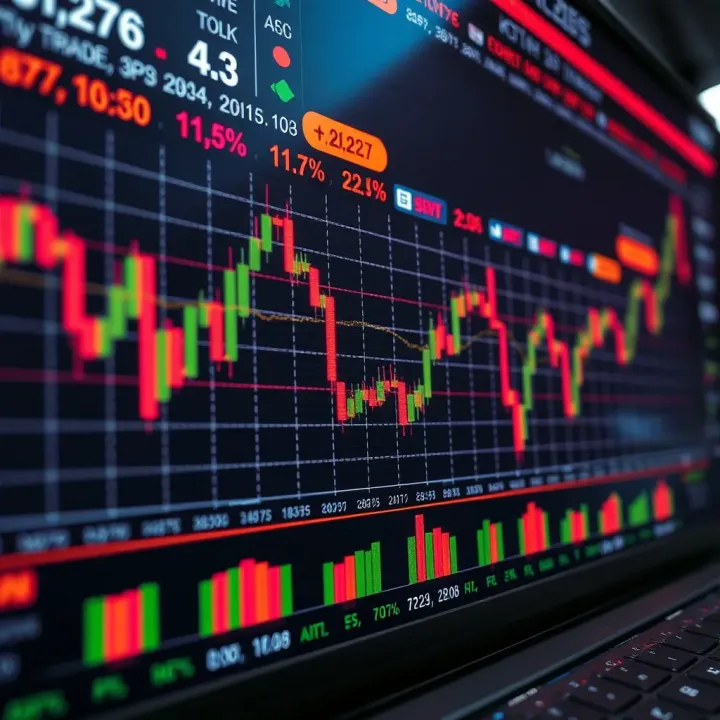
Discover how profitable forex trading can be for Nigerians 🇳🇬. Learn key factors, common hurdles, and practical tips to boost your forex earnings in ₦ today 💹.
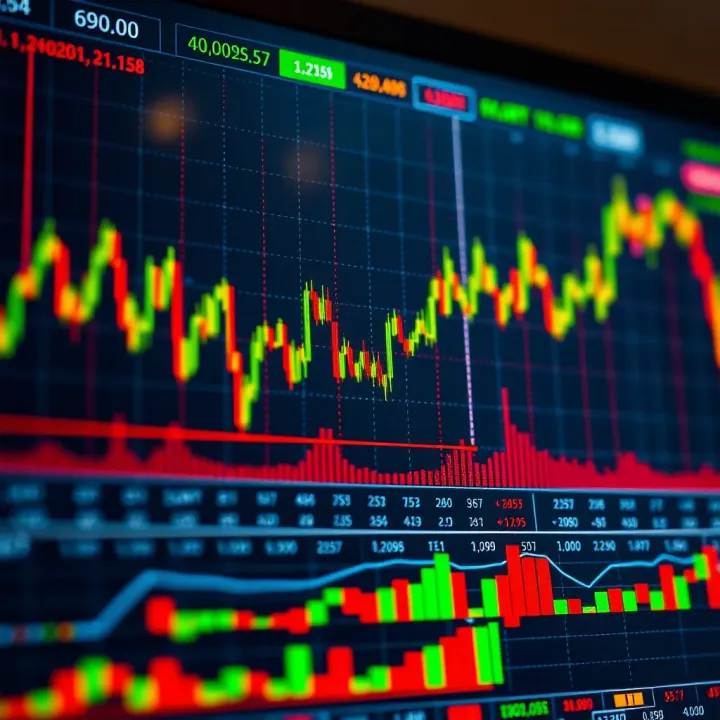
📈Discover how forex trading works, the main players, risks, and tips tailored for Nigerians ready to explore currency markets and earn in ₦ effectively.
Based on 11 reviews