
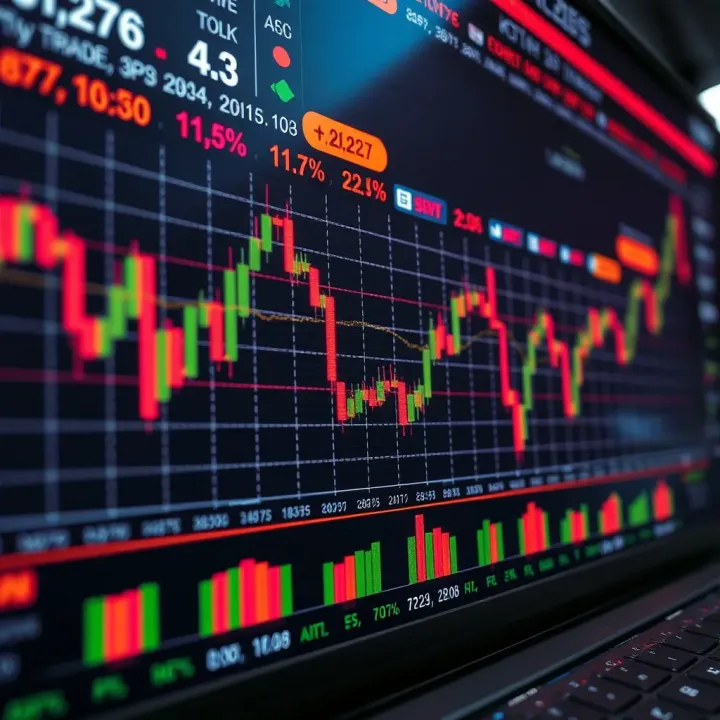
How Profitable Is Forex Trading for Nigerians?
Discover how profitable forex trading can be for Nigerians 🇳🇬. Learn key factors, common hurdles, and practical tips to boost your forex earnings in ₦ today 💹.
Edited By
Ethan Walker
Forex trading has become a hot topic among Nigerian investors and traders, but there's still plenty of confusion around whether it is legal or banned in Nigeria. The truth is more nuanced. Forex trading itself is not banned in Nigeria; however, certain types of forex activities and platforms face strict regulations or outright restrictions imposed by financial authorities.
The central regulatory body overseeing forex in Nigeria is the Central Bank of Nigeria (CBN). The CBN regulates all foreign exchange dealings to protect the naira and manage the country’s forex reserves. For instance, the CBN prohibits individuals and corporate bodies from accessing forex directly from the official market for speculative trading. This means forex trading through unregistered platforms or brokers not licensed by Nigerian regulators is considered illegal.
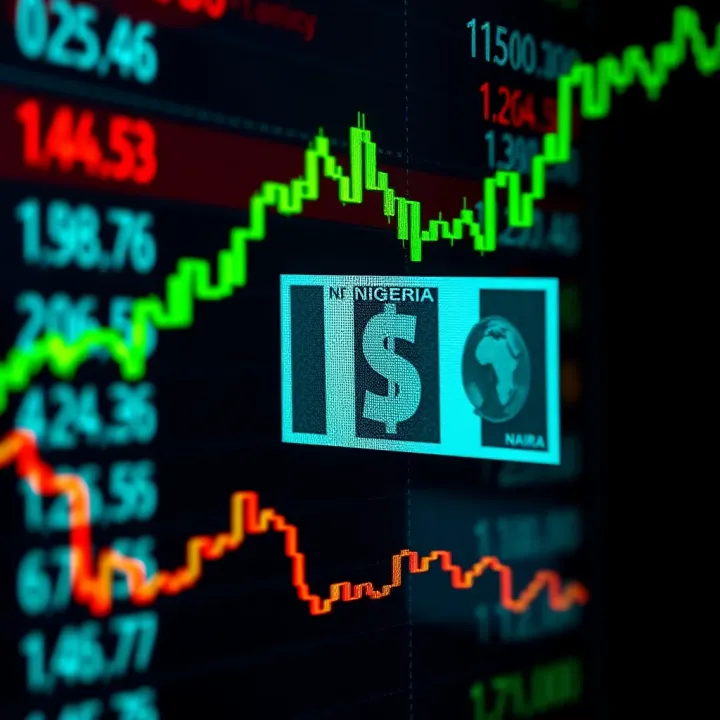
Most Nigerians who want to trade forex have to use brokers authorised by the Nigerian SEC (Securities and Exchange Commission) or reputable international brokers with strong compliance records.
These restrictions aim to curb forex scams and capital flight which can destabilise the naira. Yet, legitimate trading still exists within this regulatory framework. The SEC focuses on ensuring that forex trading firms operate transparently and in line with investor protection standards. They require these companies to register properly and follow strict guidelines.
Use brokers registered either with the SEC Nigeria or well-known international brokers with solid reputations.
Avoid platforms promising unrealistic returns or those operating outside the Nigerian financial regulatory environment.
Understand that trading forex in Nigeria comes with risks, including market volatility and potential regulatory changes.
It's essential to stay updated on regulatory announcements from CBN and SEC, as restrictions sometimes change in response to evolving economic conditions. Forex trading remains an interesting opportunity for Nigerians who approach it with knowledge and caution.
By knowing the legal boundaries and selecting authorised brokers, Nigerian traders can engage in forex trading responsibly, protecting their investments and contributing to a more stable financial environment.
The question of whether forex trading is banned in Nigeria affects millions of traders, investors, and financial institutions. It matters because many aspiring forex traders are unsure if they can legally participate in currency trading or if doing so invites government penalties. Clarifying the status helps avoid costly misunderstandings and guides Nigerians on how to engage confidently and responsibly in forex markets.
Forex trading is globally accessible, but each country’s financial regulations shape how citizens can participate. For example, in Nigeria, rumours often spread that forex trading is outright illegal due to crackdowns on unauthorized dealers or scams linked to dubious platforms. However, it’s critical to separate uninformed speculation from official policy, because genuine regulated trading remains legitimate and accessible.
Many believe that forex trading is banned in Nigeria because the Central Bank of Nigeria (CBN) has restricted certain forex transactions and ordered some unlicensed brokers to shut down. This has given rise to confusion. Some traders think the entire market is off-limits when actually, only unregistered or fraudulent operators face prohibition.
Another misconception is that forex trading is the same as foreign exchange currency conversion for importers and exporters. While related, retail forex trading involves speculating on currency price movements through brokers, not just exchanging currency for business purposes. This difference matters for regulatory treatment.
Also, people often confuse restrictions on capital outflows and currency controls with a ban on forex trading. The CBN does limit naira convertibility in some cases to manage foreign reserves and stabilize the economy, but it does not ban Nigerians from trading forex on approved platforms.
Forex trading is not banned in Nigeria. Traders can legally engage in the market through brokers licensed by the Nigerian Financial Markets Association (NAFMA) or regulated by the Securities and Exchange Commission (SEC). These regulated platforms ensure compliance with Nigerian laws, protect investors, and reduce scam risks.
However, trading forex with unregulated or offshore brokers poses high risks and may be considered illegal. The CBN warns against dealing with unauthorised entities as they often operate outside Nigeria’s financial system, making dispute resolution and fund recovery difficult.
For instance, legitimate brokers like Meritrade Nigeria and Chaka NG are registered and provide platforms for Nigerians to trade currencies safely. They comply with Know Your Customer (KYC) rules, anti-money laundering guidelines, and submit to oversight.
Traders must confirm the regulatory credentials of any forex broker before opening an account to avoid falling into traps set by unscrupulous operators.
In summary, while Nigeria enforces specific regulations to control forex markets and prevent abuse, retail forex trading remains legal in the country. Knowing this clear distinction helps traders participate smartly and contribute to a healthier financial ecosystem.
This section aims to clear up confusion about forex trading’s position in Nigeria, guiding readers towards legal channels and highlighting the need for informed decisions in their trading activities.
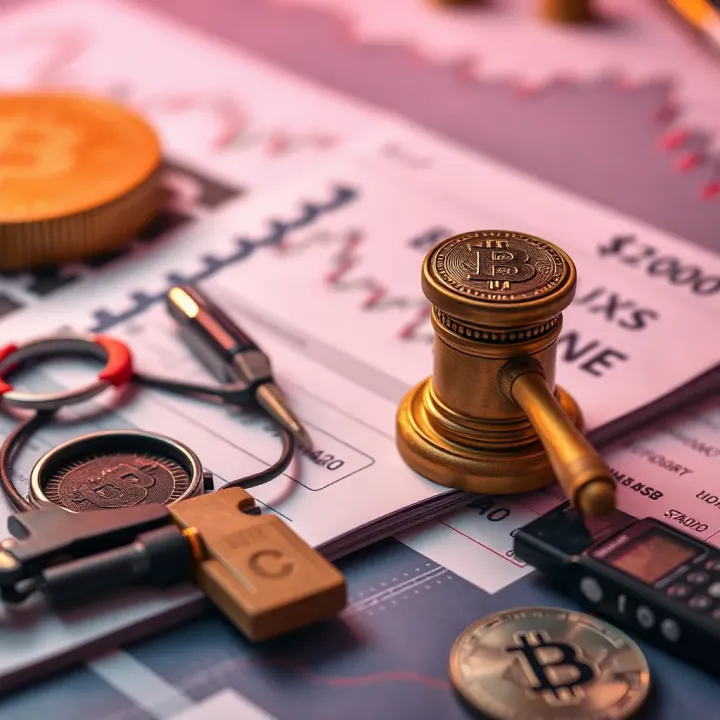
In Nigeria, several regulatory bodies oversee forex trading, each with distinct roles that shape how the market operates. Understanding these organisations is vital whether you are a trader, broker, or analyst because their guidelines protect investors and help maintain market integrity. These agencies ensure that forex activities comply with legal frameworks, reducing the risks of fraud and financial loss.
The Central Bank of Nigeria (CBN) plays a major role in forex trading regulation. It issues regulations on foreign exchange transactions, controls naira liquidity, and oversees forex settlement through authorised dealers. For instance, the CBN mandates that only approved banks and licensed forex brokers handle foreign currency dealings. These rules prevent black-market exchange rates and encourage a stable trading environment. Traders should note that CBN also regulates access to forex for imports, investment, and personal travel, which indirectly affects market liquidity and price stability.
The Securities and Exchange Commission (SEC) regulates forex trading platforms that operate within Nigeria’s capital market framework. SEC’s oversight focuses on protecting investors through licensing and monitoring forex brokers to ensure transparency and fairness. Brokers registered with SEC must meet capital adequacy requirements and adhere to ethical trading standards. This guarantees that traders are not exposed to unverified or dubious platforms. For example, SEC has sanctioned unregistered operators in past years, signalling its commitment to strict compliance.
Beyond CBN and SEC, agencies like the Financial Reporting Council of Nigeria (FRCN) and the Nigerian Customs Service indirectly influence forex trading. The FRCN ensures that financial statements of brokers and firms are credible and accurate, while Customs enforces regulations affecting import duties, impacting forex demand. Furthermore, the Nigerian Police Force and the Economic and Financial Crimes Commission (EFCC) monitor and investigate forex-related fraud and scams, reinforcing law enforcement’s role in market discipline.
Traders must be mindful that dealing only with regulated entities registered under appropriate Nigerian authorities significantly reduces exposure to scams.
Together, these regulatory bodies create a framework that fosters a safer and more reliable forex trading scene in Nigeria. Staying informed about their rules and updates equips traders to navigate the market confidently and legally.
Forex trading in Nigeria presents both opportunities and challenges. Many traders are attracted by the promise of quick gains, but several risks can undermine these benefits if they are not well understood. Grasping these challenges helps traders make better decisions and avoid common pitfalls.
One of the biggest dangers for Nigerian forex traders is the prevalence of scams linked to unregulated platforms. Fraudsters often pose as legitimate brokers, enticing traders with promises of high returns or insider tips. These platforms may delay withdrawals, manipulate prices, or vanish with clients’ funds. For example, a trader might deposit ₦500,000 expecting steady profits, only to find their account frozen when trying to withdraw.
Because Nigeria’s market is still developing, regulation is uneven, and many rogue entities operate outside the law. Traders should therefore insist on dealing with brokers authorised by the Securities and Exchange Commission (SEC) or the Central Bank of Nigeria (CBN). Verifying credentials prevents falling prey to websites that mimic genuine forex brokers but lack proper licences.
Always verify the regulatory status of your broker before funding any account; ignorance here can cost dearly.
Nigerian forex trading is also shaped by currency controls imposed by the CBN. These controls restrict how much foreign currency individuals and companies can access officially. For traders, this affects liquidity and the ability to repatriate profits abroad. For instance, some traders end up resorting to parallel or black market rates (known locally as the "dollar black market") to convert their earnings, exposing themselves to exchange rate risks.
Such restrictions can also increase transaction costs and introduce delays in settlements. This means that even if a trade is profitable, converting those gains into naira might be expensive or slow. Besides, regulatory hiccups can create volatility, as sudden policy changes might affect forex rates sharply.
Navigating these currency controls requires staying informed of CBN announcements and working with brokers who can legally offer forex services within Nigeria’s framework. Understanding this environment helps traders manage expectations and avoid surprises in fund movements.
Overall, while forex trading is accessible in Nigeria, the challenges of fraud and currency controls make caution and due diligence essential. Traders who stay alert and use regulated channels stand better chances of protecting their investments and making consistent gains.
Trading forex in Nigeria requires careful attention to legal and safety guidelines to avoid losses and regulatory trouble. With the popularity of forex as a way to earn extra income, knowing how to navigate the market properly is key. This section outlines practical steps you can take to engage in forex trading within Nigerian laws, and to protect your capital from common pitfalls.
Choosing a broker regulated by trustworthy Nigerian financial authorities is crucial. The Securities and Exchange Commission (SEC) plays a central role in licensing and monitoring forex brokers operating locally. For instance, when you select a broker registered with SEC Nigeria, you reduce the risk of encountering scams or fraudulent firms promising unrealistic returns.
Many Nigerian traders fall prey to unregulated platforms based offshore. While some of these might be genuine, the lack of local oversight means you have little legal recourse if issues arise. Always verify regulators' lists, and consider brokers who also comply with international standards, such as those registered with Financial Conduct Authority (FCA) in the UK or other credible bodies.
Using reliable payment channels like bank transfers through Nigerian banks, or recognised fintech platforms such as Paystack or Flutterwave, can further safeguard transactions.
Forex trading is legal in Nigeria when conducted in line with CBN guidelines and SEC regulations. Traders must ensure they use legitimate channels for currency conversion and repatriation, respecting Nigeria’s currency controls.
Specifically, Nigerian forex regulations require traders to transact in Nigerian Naira for local activities, and limit the use of foreign exchange through authorised dealers. Maintaining clear records of trades, deposits, and withdrawals also helps during tax assessments by the Federal Inland Revenue Service (FIRS).
Avoid trading on platforms that offer unofficial access to foreign currency or claim to bypass regulations; these can lead to legal problems or sudden account freezes.
To trade forex responsibly, start with realistic expectations: forex is not a get-rich-quick scheme but a market demanding skill, discipline, and patience. Use demo accounts offered by regulated brokers to practise without risking real money.
Keep your investment within amounts you can afford to lose to avoid financial strain. Regularly update yourself with global economic news, especially developments influencing the naira and USD exchange rates, as these create trading opportunities.
Additionally, diversifying trades and avoiding over-leverage protects your capital from extreme market swings. Platforms like MetaTrader 4 and 5 provide tools for setting stop-loss orders, which limit losses automatically.
Remember, success in forex trading comes from informed decisions, sticking to regulations, and managing risks carefully.
By following these steps, Nigerian traders can engage in forex trading that is not only legal but also safer and more sustainable over time.
Understanding the future of forex trading in Nigeria is essential for traders, investors, and financial analysts who seek to navigate the evolving market landscape. This outlook sheds light on upcoming regulatory changes, shifts in market dynamics, and opportunities that can affect trading strategies and investment decisions.
The forex trading sector in Nigeria is likely to experience regulatory updates aimed at better protection for traders and tighter control of currency flows. The Central Bank of Nigeria (CBN) and the Securities and Exchange Commission (SEC) have been reviewing frameworks to reduce fraudulent activities and enhance transparency. For example, there are discussions about streamlining broker licensing requirements to ensure only credible operators participate, which could eliminate many unregulated platforms that currently pose risks.
Additionally, the CBN has hinted at reforms that may ease current currency restrictions, potentially allowing more flexible access to foreign exchange for legitimate forex trading activities. Such changes could ease liquidity constraints and reduce reliance on parallel markets. However, traders should keep an eye on official announcements, as sudden policy shifts can impact fund transfers and trading volumes.
Forex trading is steadily gaining popularity among Nigerians, driven by increased digital access and financial literacy. Platforms like OPay and Paystack have made online payments and fund transfers smoother, encouraging more participation in forex markets. Young traders and students see forex as a supplementary income source, especially during economic challenges.
Moreover, local fintech startups are developing educational content and tools to help traders understand market analysis and risk management better. This contributes to a more informed trader community, reducing impulsive losses. The Nigerian Stock Exchange (NGX) has also been exploring integration of forex products with equities trading, which could broaden investment choices.
Growing demand for forex dealers and brokerage services will likely spur new market entrants and innovation in trading technology. This could bring down costs and improve transaction speeds. However, the increased volume also demands stronger regulatory oversight to preserve market integrity.
Keeping track of upcoming regulatory reforms and market expansion will help traders position themselves advantageously and avoid pitfalls in Nigeria's forex market.
In summary, the future of forex trading in Nigeria reflects a blend of regulatory refinement and rising market engagement. Staying informed on these developments will equip stakeholders with the insights necessary to trade safely and effectively in Nigeria’s vibrant financial environment.
Discover how profitable forex trading can be for Nigerians 🇳🇬. Learn key factors, common hurdles, and practical tips to boost your forex earnings in ₦ today 💹.
📈Discover how forex trading works, the main players, risks, and tips tailored for Nigerians ready to explore currency markets and earn in ₦ effectively.
Learn forex trading in Nigeria 🇳🇬 with practical tips on choosing brokers, mastering strategies, managing risk, and using learning platforms suited for Nigerians interested in growing their ₦.
Learn how to make money on forex trading in Nigeria with practical steps, smart strategies, and risk tips tailored to your market. Start earning ₦ today! 💹💰
Based on 10 reviews