

All About Forex Trading: A Clear Guide for Nigerians
🌍 Explore forex trading basics, proven strategies, and smart risk management tips tailored for Nigerian traders ready to boost their forex skills.📈💡
Edited By
Sophie Mitchell
Forex trading, also known as foreign exchange trading, is the buying and selling of different currencies with the goal of making a profit. For beginners, especially those coming fresh from the Nigerian financial scene, this market might seem complex at first. However, with the right knowledge and practical approach, it becomes manageable and potentially rewarding.
The forex market is the largest financial market globally, operating 24 hours a day from Monday to Friday. This round-the-clock action means price movements happen all the time, influenced by geopolitical events, economic data, and central bank policies. Nigerian traders must therefore keep an eye on global developments and how they impact currencies, particularly the naira and major pairs like the US dollar (USD), euro (EUR), and pound sterling (GBP).

Starting with the basics, understanding currency pairs is crucial. Forex trading always involves two currencies, for example, USD/NGN or EUR/USD. The first currency, called the base currency, is what you buy or sell against the second currency, the quote currency. If you believe the base currency will strengthen against the quote currency, you buy the pair; if you expect it to weaken, you sell.
To navigate the market effectively, beginners must learn key concepts like leverage, spread, and pip (price interest point). Leverage allows traders to control larger positions with a small amount of capital, but it also increases risk. In Nigeria, brokers often offer leverage ranging from 1:50 to 1:200, so one must use it carefully to avoid heavy losses.
Risk management is another pillar for success. Setting stop-loss orders prevents excessive losses when markets move unfavourably. For example, if you buy USD/NGN at 460 and place a stop-loss at 455, your trade closes automatically if the price drops to 455, limiting your loss.
Traders should also look for reliable PDF resources and guides tailored to the Nigerian market to walk through practical steps. These usually cover market analysis techniques, trading psychology, and how to choose dependable brokers registered with regulators like the Securities and Exchange Commission (SEC) Nigeria.
Remember, forex trading is not a quick-rich scheme. Consistent learning and disciplined trading habits are what help build skills over time.
In summary, mastering forex trading basics—including currency pairs, leverage, pip values, and risk strategies—is the foundation. Combined with locally relevant learning materials, beginners can approach forex markets confidently and avoid common pitfalls.
Understanding the basics of forex trading is the foundation for any beginner aiming to navigate the complexities of the currency market. This knowledge helps you make informed decisions, manage risks better, and develop strategies suited for real trading conditions. For instance, knowing how leverage works or what a pip means could prevent costly mistakes early in your trading journey.
Forex trading involves buying and selling currencies to make a profit from fluctuations in exchange rates. It is not just speculation; businesses and governments also engage in forex to handle international payments or hedge currency risk. For a Nigerian trader, understanding this can clarify why the Naira might strengthen or weaken against the US dollar at certain periods.
The forex market operates 24 hours a day across major global financial centres in Tokyo, London, and New York. This continuous operation means price movements react swiftly to political events, economic data releases, and global news. Knowing this timing can help you pick the best hours for trading based on liquidity and volatility.
Currency pairs are the backbone of forex trading. A pair consists of a base currency and a quote currency, like USD/NGN, showing how many Naira buy one US dollar. Understanding the relationship between base and quote currencies guides your trading choices and helps you interpret price movements accurately.
Pips, lots, and leverage explained: A pip is the smallest price change a currency pair can make, often the fourth decimal place in most pairs. For example, if EUR/USD moves from 1.1000 to 1.1001, that's one pip. Lots represent trade size; one standard lot equals 100,000 units of the base currency. Beginners usually start with mini or micro lots to reduce risk. Leverage lets you control a larger position with less capital. While leverage can boost profits, it also magnifies losses, so careful use is vital.
Spread and its impact on trading costs: The spread is the difference between the buying (bid) and selling (ask) price of a currency pair. Brokers often make their money through spreads instead of commissions. For example, if the spread on USD/NGN is 50 pips, you pay that cost upfront before your trade moves in a profitable direction. Picking brokers with tight spreads helps reduce your trading costs.
Understanding margin and margin calls: Margin is the amount of money needed to open a leveraged position. For instance, with 50:1 leverage, you only need ₦2,000 to control a ₦100,000 trade. However, if your losses go beyond your margin, the broker can issue a margin call, requiring more funds or simply close your positions. This is why it’s crucial to monitor margin levels and use risk management tools to prevent liquidation.
Getting these basics down gives you a solid grip on how forex works, reducing guesswork and sharpening your ability to trade confidently in the fast-moving market.
Setting up properly before you start forex trading is the foundation for long-term success. Without a solid setup—choosing the right broker, understanding trading platforms, and getting familiar with tools—your chances of turning consistent profit drop sharply. Think of it like preparing for a long trip: you wouldn’t start without a reliable vehicle and a good map. Similarly, the forex world demands careful choices upfront to avoid costly mistakes.
In Nigeria, the safety of your funds depends largely on choosing a broker licensed by credible authorities like the Securities and Exchange Commission (SEC) Nigeria. While many global brokers allow Nigerians to trade, working with those regulated locally can offer better protection and easier dispute resolution. For example, regulated brokers must segregate client funds from their own business capital, reducing risks if the broker runs into trouble.
Also, ensure the broker complies with internationally recognised standards such as the Financial Conduct Authority (FCA) or Australian Securities and Investments Commission (ASIC). Such regulations breed confidence that the broker operates transparently and ethically.
A good broker provides user-friendly platforms supporting both desktop and mobile trading, which is crucial for Nigerian traders dealing with frequent power outages and busy schedules. MetaTrader 4 (MT4) and MetaTrader 5 (MT5) remain popular for their charting tools and expert advisor support. On the other hand, some brokers integrate proprietary platforms tailored for easier navigation.
Apart from platform quality, look for brokers offering competitive spreads, quick execution speed, and flexible leverage levels. For instance, a spread of 1.2 pips on EUR/USD is reasonable, while higher spreads can erode profits fast.
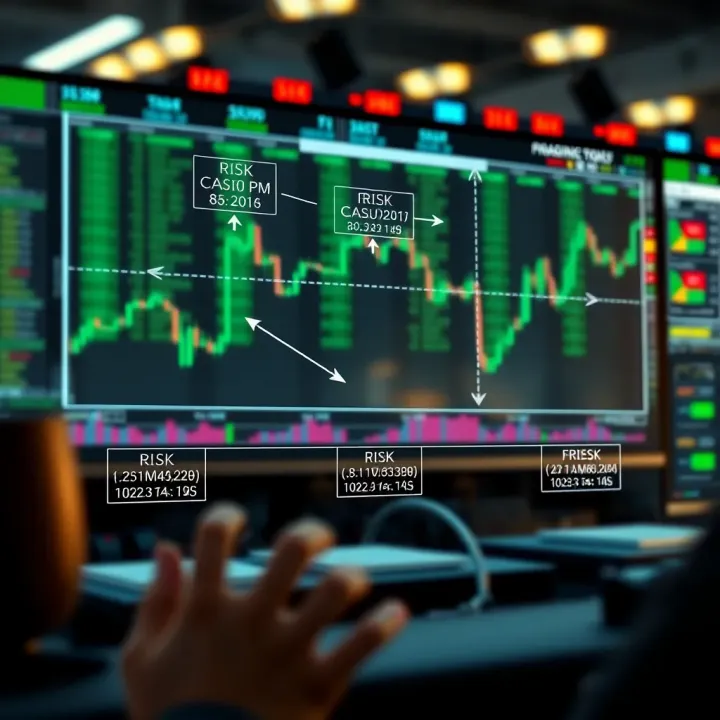
Sadly, the Nigerian forex space has seen many scams, so vigilance is necessary. Avoid brokers promising guaranteed high returns or pressuring you into large deposits. Always confirm if the broker is registered on SEC Nigeria’s website or recognised globally by checking their licences.
Beware of cold calls or unsolicited messages pushing investment plans. A genuine broker won’t bombard you with aggressive sales tactics. Also, read user reviews on platforms like ForexPeaceArmy to gauge community experiences.
MT4 and MT5 dominate the market due to their blend of simplicity and advanced features. Nigerian traders favour MT4 especially because it supports automated trading with expert advisors and has a massive online community for support. Another platform gaining traction is cTrader, known for clean interfaces and enhanced charting tools.
Choosing a platform available on Android and iOS is vital in Nigeria, where smartphone use tops desktop.
Fundamentally, trading platforms show price charts with indicators like moving averages, RSI, and Bollinger Bands. Nigerian beginners must focus on interpreting candlestick patterns and recognising trends as these help predict price moves. For example, spotting a ‘hammer’ candlestick at support levels signals a potential price bounce.
Platforms also display trade execution panels, account balances, and risk tools. Familiarising yourself with these functions reduces errors like wrong order sizes or missed stop-loss settings.
Most brokers offer free demo accounts, allowing you to trade with virtual money without risking real cash. Practising on demo is crucial for Nigerian beginners, especially amid fluctuating internet strength and learning curve hassles.
Use the demo to test strategies, learn platform navigation, and build confidence. However, treat demo trading seriously—avoid developing habits that won’t hold up under real market pressure, like ignoring risk management.
Demo trading serves as your forex playground; master it before stepping into the real ring.
Setting up right from the start boosts your odds of sustainable forex trading in Nigeria. Choosing a trusted broker with solid platforms and taking time to practise on demo accounts saves you stress and money later on.
Practical forex trading strategies matter a lot for beginners. They guide you on how to make informed decisions, reduce unnecessary risks, and improve your chances of success. Without clear strategies, trading in forex can feel like navigating Lagos traffic without a map—confusing and costly. Getting familiar with straightforward methods will help you trade with more confidence and better outcomes.
Trend following means identifying the general direction of a currency pair’s price movement and trading in that direction. For example, if the USD/NGN pair shows consistent upward movement over several days, a trend follower would see an opportunity to buy. This strategy helps beginners avoid the noise of minor price fluctuations and focus on bigger moves instead.
It is practical because trends tend to last some time, allowing you to ride profitable swings. However, spotting when a trend starts or ends is key. Using higher time frames like daily or 4-hour charts can reduce false signals, giving you a better chance at success.
Support and resistance refer to specific price points where a currency often reverses or stalls. Support is like a floor preventing prices from dropping lower, while resistance acts as a ceiling stopping prices from rising further. Knowing these levels helps you anticipate where price might bounce or break.
For instance, if the EUR/USD price repeatedly falls to 1.1000 but doesn’t go lower, that level is a support zone. Traders might place buy orders near this point, expecting a rebound. On the flip side, noticing resistance allows you to set sell targets or prepare for possible reversals. Beginners benefit from this because it improves entry and exit timing.
Moving averages smooth out price data to show trends more clearly. The most common are the 50-day and 200-day moving averages. When the shorter 50-day average crosses above the 200-day, it often signals an upward trend; this is called a ‘golden cross’. The opposite, a ‘death cross’, suggests a downtrend.
In practice, moving averages help confirm trend directions and filter out false signals. Beginners can use them to decide when to enter or exit trades, rather than relying on gut feeling. Combining moving averages with other indicators like support/resistance levels strengthens your strategy.
Stop-loss and take-profit orders are vital tools for managing risk in forex trading. A stop-loss order automatically closes your trade to prevent losses beyond a set amount. On the other hand, a take-profit order locks in gains once a target price is reached.
For example, if you buy GBP/USD at 1.3000 with a stop-loss at 1.2900, you limit your loss to 100 pips. Meanwhile, setting a take-profit at 1.3200 ensures you secure profit when the price climbs 200 pips. These orders protect your capital from unexpected market swings and help you stick to your trading plan without emotional decisions.
Knowing how much to risk per trade is key to keep your account alive longer. Position sizing means choosing the right number of lots and adjusting based on your total capital. A common rule is not risking more than 1-2% of your account on any single trade.
For instance, if you have ₦200,000 in your forex account, risking ₦2,000 (1%) per trade helps weather losing streaks without wiping your funds. This approach preserves your capital, allowing you to stay in the game and learn over time rather than suffer quick, irreversible blows.
Forex markets move fast and unpredictably. Keeping emotions like fear and greed in check is one of the hardest, yet most important, skills to develop. Emotions cause traders to jump in too early, hold losses too long, or overtrade.
Developing emotional discipline means sticking to your trading rules, using stop-losses, and accepting losses as part of the process. Keeping a trading journal helps you review mistakes and avoid repeating them. Over time, this habit becomes a backbone for steady, profitable trading.
Consistent application of strategies and sound risk management distinguishes successful traders from amateurs. Beginners should focus on learning these basics well before aiming for big gains.
Access to reliable forex trading PDFs and learning materials is a game changer for beginners, especially in Nigeria where access to quality information can be patchy. Detailed PDFs break down complex trading jargon and strategies into digestible language, while offering Nigerian-specific insights like how local market conditions affect forex. These resources give you a foundation to trade confidently without getting lost in empty hype or risky shortcuts.
Free and paid PDF guides tailored to Nigerian traders offer practical advantages. Free guides from reputable brokers like GTBank or analysis firms outline key basics, but paid versions often provide deeper strategies, market outlooks, and localised risk tips. For example, a paid PDF might explain how naira volatility influences trading pairs involving NGN or how to navigate CBN’s forex regulations. Nigerian traders gain a better grasp when guides speak directly to their trading environment.
Essential topics covered in these documents range from understanding currency pairs and leverage to risk management and chart analysis. In Nigerian-focused PDFs, you’ll often find sections on managing power outage risks during trading or how ember months affect market liquidity. Such topics matter because they reflect real challenges Nigerian traders face daily, helping you prepare rather than struggle.
How to make the most of PDF resources means treating these documents as study companions, not quick fixes. Take notes, practise strategies mentioned, and compare approaches in various PDFs. For instance, if one guide suggests a trading plan based on moving averages, check market data—maybe on MTN/USD—and test the plan in a demo account. Consistent review and application make these PDFs a vital part of your learning.
Online courses and video tutorials build on PDF content by offering live demonstrations and interactive learning. Platforms like Udemy or YouTube hosts tutorials focused on forex basics, technical indicators, and Nigerian market nuances. Video lessons help visual learners grasp concepts like candlestick patterns or live trade execution better than text alone.
Forex communities and forums in Nigeria provide real-time support and peer insights that no PDF can match. Places like Nairaland or dedicated WhatsApp groups connect beginners with experienced traders who share trade ideas, warn about scams, or give feedback on strategies. Joining these communities keeps you updated on market sentiment and fosters discipline through shared experience.
Continuous education for consistent improvement is key in forex trading, given how fast markets change. Staying updated via webinars, newsletters, or new PDFs helps you adapt to shifts like CBN’s forex policies or naira fluctuations. Learning doesn’t stop after your first profitable trade; growing with the market ensures you avoid stagnation and adapt to evolving risks.
Forex success is rarely instant; it grows through consistent learning, practice, and access to quality resources tailored to your unique trading environment.
Forex trading can be rewarding but also challenging, especially for beginners in Nigeria. Avoiding common pitfalls early on helps protect your capital and builds a strong foundation for consistent trading. Understanding these mistakes and their consequences offers practical benefits, like reducing unnecessary losses and fostering better decision-making.
Overtrading happens when you enter too many trades in a short time or trade volumes beyond your experience or account size. This usually leads to hasty decisions and greater exposure to risk. For example, if you keep opening multiple positions after a losing trade just to recover losses quickly, you might wipe out your account faster.
Excessive leverage amplifies this danger. Nigerian brokers often offer leverage ratios like 1:100 or even 1:500, which means a small movement against you can cause big losses. If your account only has ₦50,000 and you use very high leverage, a minor market swing could take you out. Beginners should instead start with low leverage, focus on quality trades, and avoid chasing quick wins.
Risk management is the backbone of lasting success in forex. Beginners who overlook principles like setting stop-loss orders or position sizing risk losing more than they can afford. For instance, if you invest 10% of your capital on one trade without any limits, a single adverse move could drain your funds.
A practical rule is to risk no more than 1-2% of your total capital per trade. Also, always use stop-losses to cap potential losses, adapting them as the market moves. This helps shield your ₦ investment from the volatility common to currency markets and prevents emotional trading mistakes caused by panic or greed.
Many beginners neglect keeping a trading journal, which is a serious oversight. Without detailed records of trades, strategies, outcomes, and emotions, it’s difficult to analyze what works or identify recurring errors.
Recording details like entry price, exit price, trade size, reasons for the trade, and the outcome enables you to learn from past experiences. Imagine you lost on several USDNGN trades but never reviewed what went wrong. Keeping records can reveal patterns such as poor timing or ignoring economic news that affected currency prices. Use simple spreadsheets or journaling apps that are easily accessible even on mobile devices.
Consistently avoiding these pitfalls makes your trading journey far less stressful and more sustainable. Overtrading, ignoring risk management, and poor record-keeping are traps many traders fall into, but Nigerian traders who navigate these carefully tend to improve faster and protect their capital better.
Avoid these mistakes confidently and stick to your trading plan, your chances of steady profits in forex increase significantly.
🌍 Explore forex trading basics, proven strategies, and smart risk management tips tailored for Nigerian traders ready to boost their forex skills.📈💡
Explore forex trading in Nigeria 🇳🇬 with practical insights on market basics, strategies, risks, and tips for both new and experienced traders 💹📊

Explore forex trading in Nigeria 🇳🇬 with insights on markets, regulations, risks, tech, top currency pairs, and tips for beginners to trade smarter.

Discover how forex trading works, key players, risks & benefits 🎯 for Nigerian investors. Learn steps & tips to trade currencies confidently in the 24-hour market ₦.
Based on 8 reviews